Indoor sowing6notes
Season
What matters in September
474 notes
Direct sowing50notes
Planting56notes
Harvest240notes
Growing54notes
Pruning56notes
Plant health12notes
Priorities
- Time main harvests and storage well.
- Protect or replant open beds.
- Save seed from healthy plants.
Seasonal guidance
Gardening in September: weather, planning, and priorities
In September the focus shifts to harvest, seed saving, autumn planting, and soil protection. Use open spaces for follow-on crops, green manure, or mulch, and watch for moisture-related fungal disease. Cooler nights and prolonged leaf wetness noticeably change garden conditions. Many plants slow their growth while moisture remains on foliage and fruit for longer periods. Available light increasingly becomes the limiting factor for late-season crops.
For September, this calendar connects 474 specific notes from 171 plant profiles. These include 6 indoor-sowing, 50 direct-sowing, 56 planting-out, and 240 harvest records. A further 54 care, 56 pruning, and 12 plant-health notes are assigned to the month. Common groups include Herbs, Berries, Leafy vegetables, Salads, Root vegetables; examples from the current selection are Strawberry, Mizuna, Wild Strawberry, Chives, table grape, Sambucus, Hyssop, Watercress.
These dates are guidance rather than fixed deadlines. Coastal areas, warm wine-growing regions, uplands, and sheltered urban gardens in Central Europe can differ by several weeks. Before direct sowing or planting, check soil temperature, night-frost forecasts, and soil moisture. For care and plant health, actual growth stage and weather matter more than the calendar date. The main priorities this month are: Time main harvests and storage well. Protect or replant open beds. Save seed from healthy plants.
Plan the transition into October at the same time: prepare open spaces, required seedlings, seed, and harvest processing. The related guides below explain suitable jobs in greater depth, while the task lists link to complete plant profiles with spacing, site, and care information.
Guides
Guides for the garden in September
Detailed guidance for the tasks, plants, and problems that are especially relevant during this month.
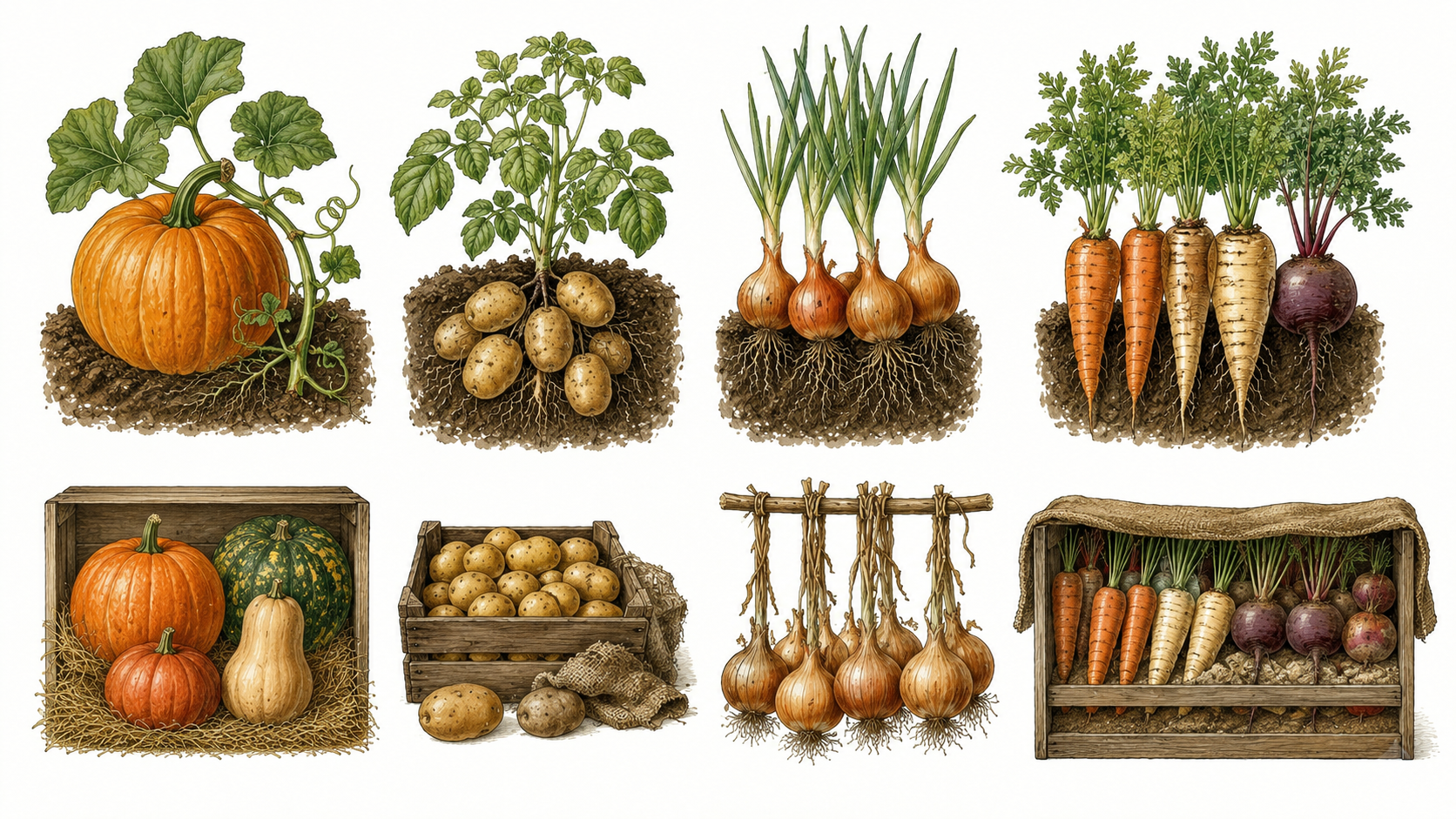
Guide
Autumn Harvest and Storage for Squash and Root Crops
Learn how to harvest and store squash, potatoes, onions, and root vegetables for longer freshness through autumn and winter.
Updated:2026-05-21
Season:August - October
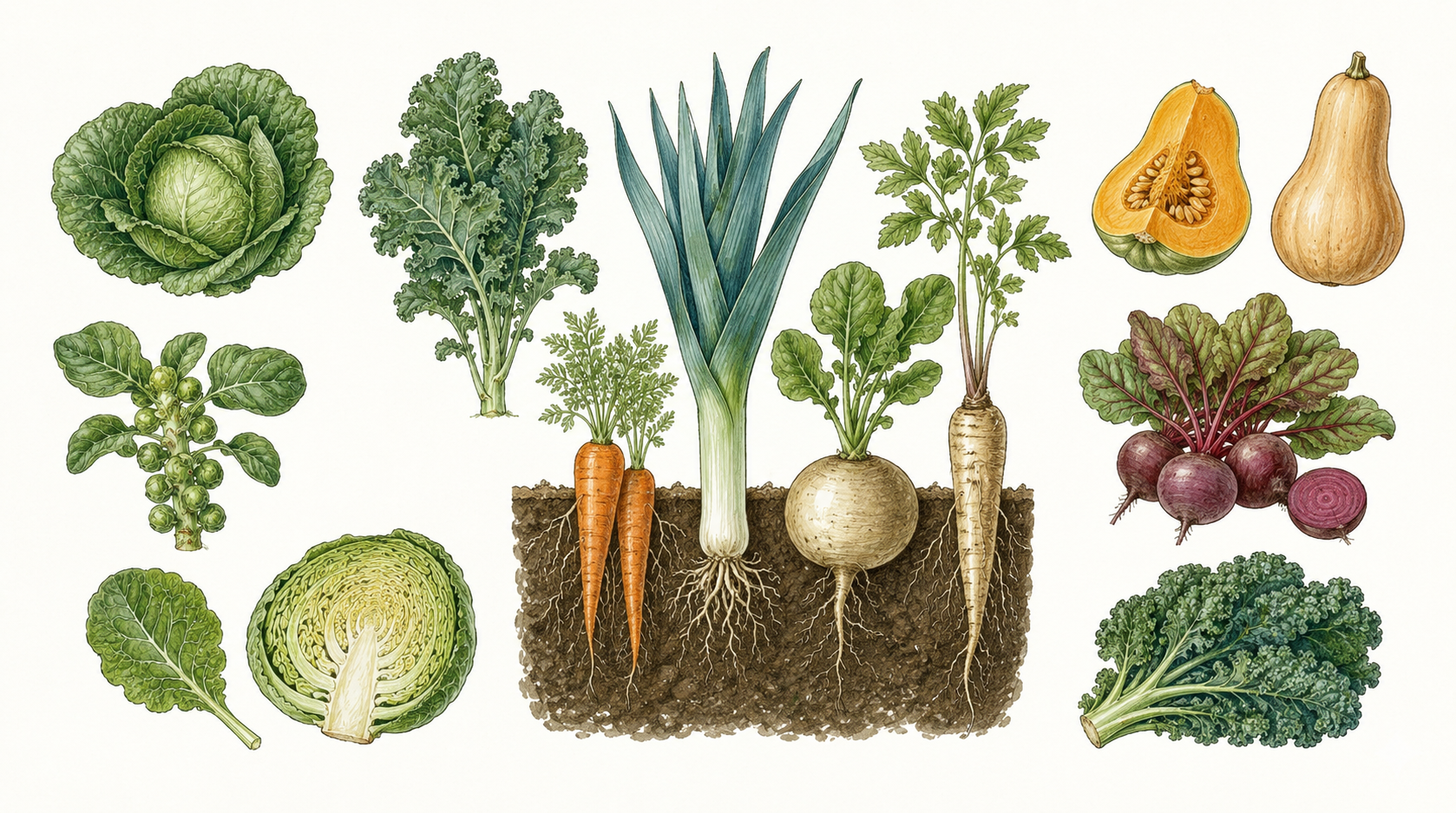
Guide
Growing Autumn Vegetables for Winter Harvests
Learn how to grow autumn vegetables such as kale, spinach, lamb's lettuce, and leeks for harvests into winter.
Updated:2026-05-21
Season:July - November
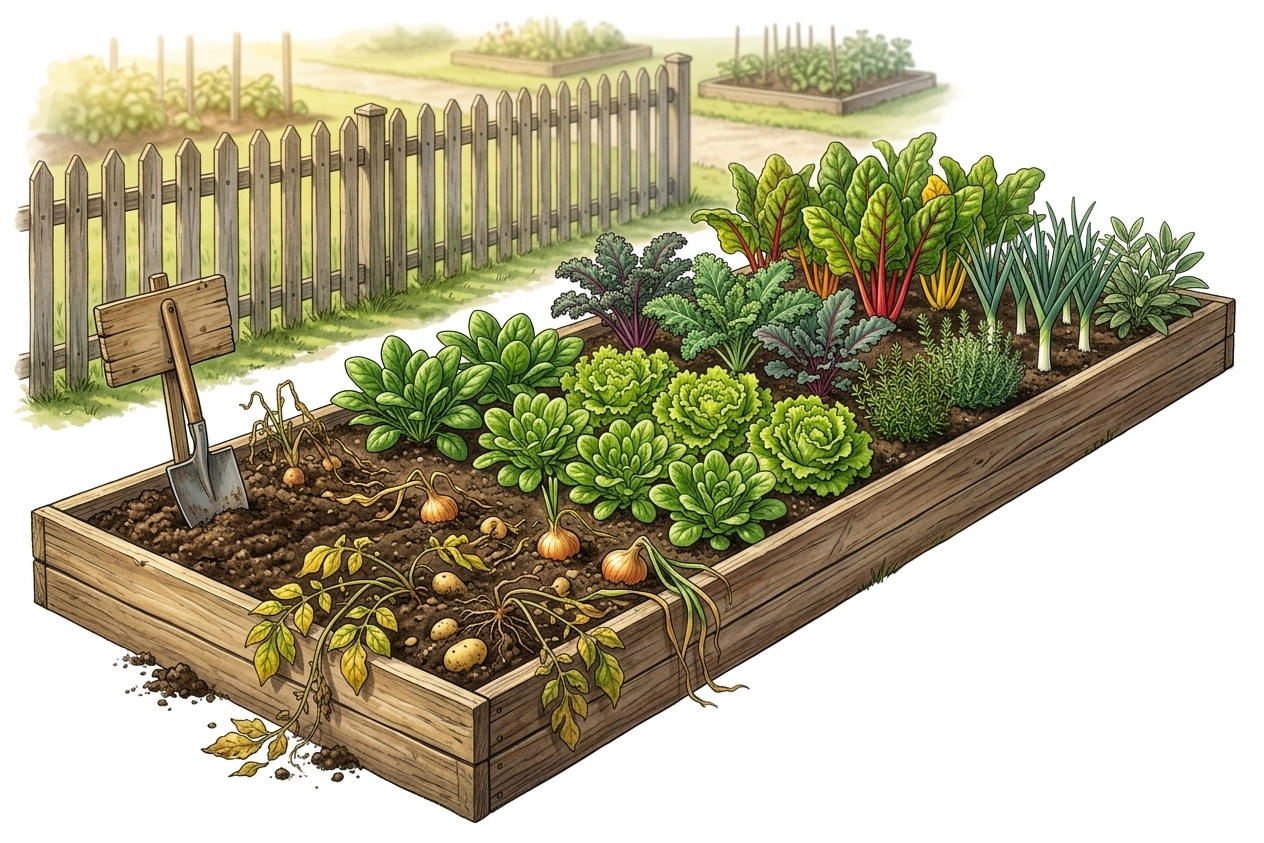
Guide
Replanting Raised Beds in Late Summer
After potatoes and onions, raised beds can stay productive. These follow-up crops provide fresh harvests into autumn and winter.
Updated:2026-06-11
Season:July - September
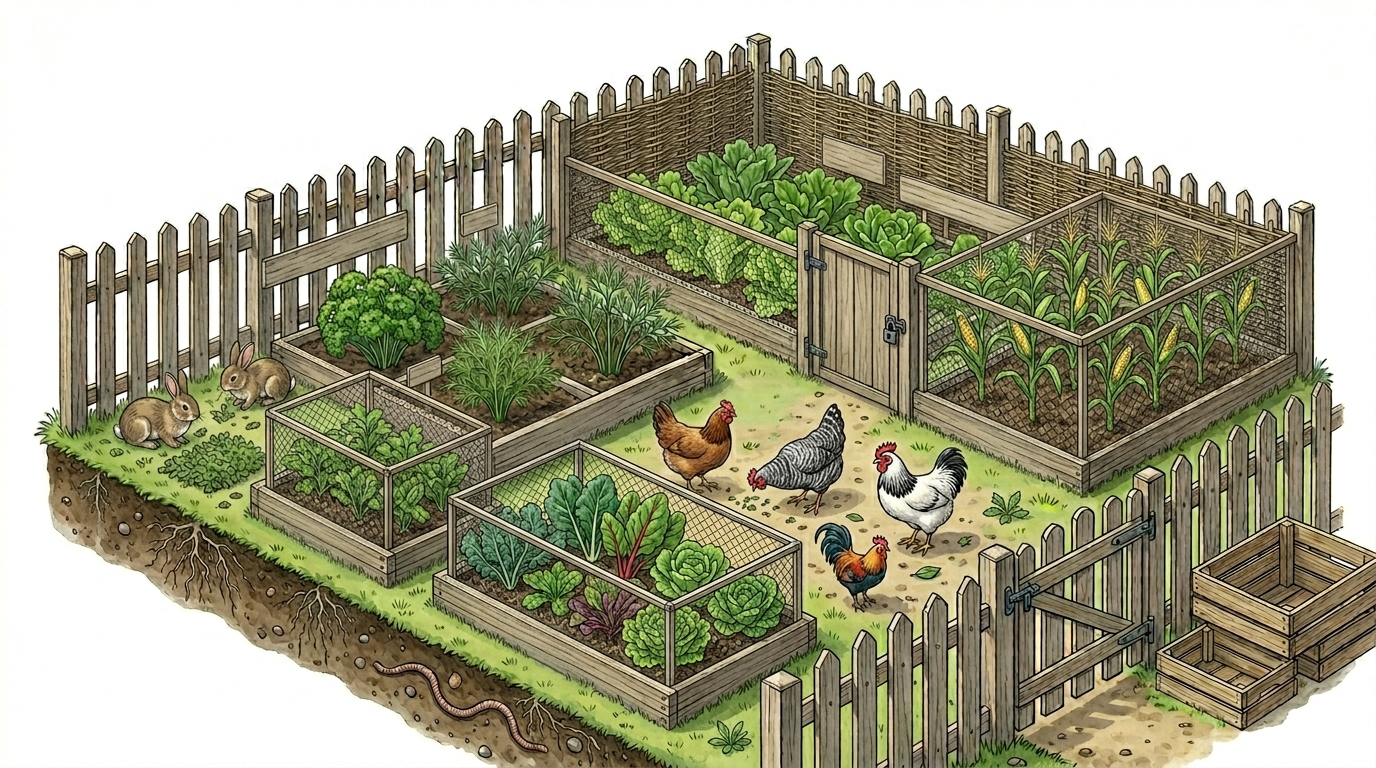
Guide
Chickens in the Garden: Safe Plants and Zones
Learn how to design a chicken-friendly garden with suitable plants, protected beds, and well-planned activity areas.
Updated:2026-06-12
Season:March - October
Guide
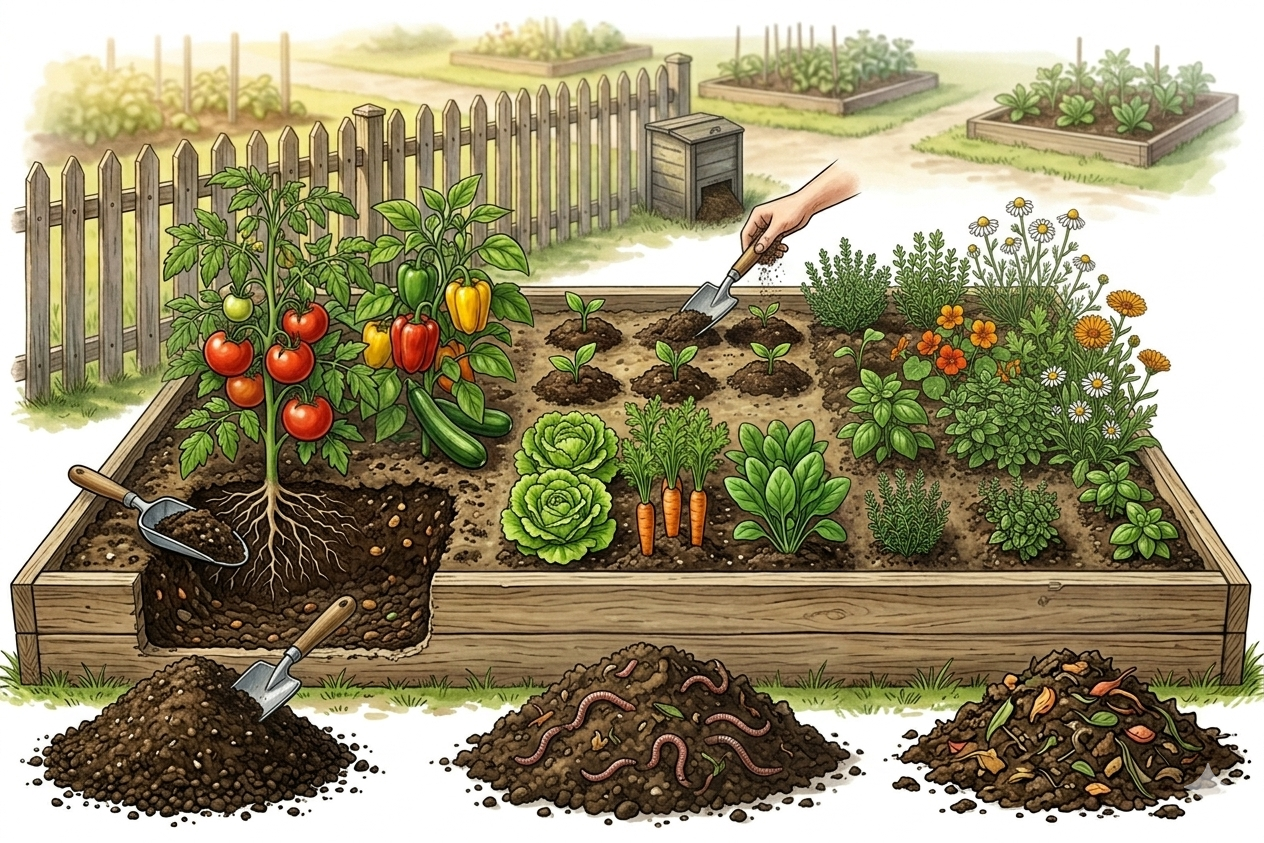
Using Compost in Food Gardens: Dosage and Timing
Learn how to use compost in vegetable beds, which crops need the most, how seedlings benefit, and when compost is best applied.
Updated:2026-06-12
Season:February - May, September - October
Guide
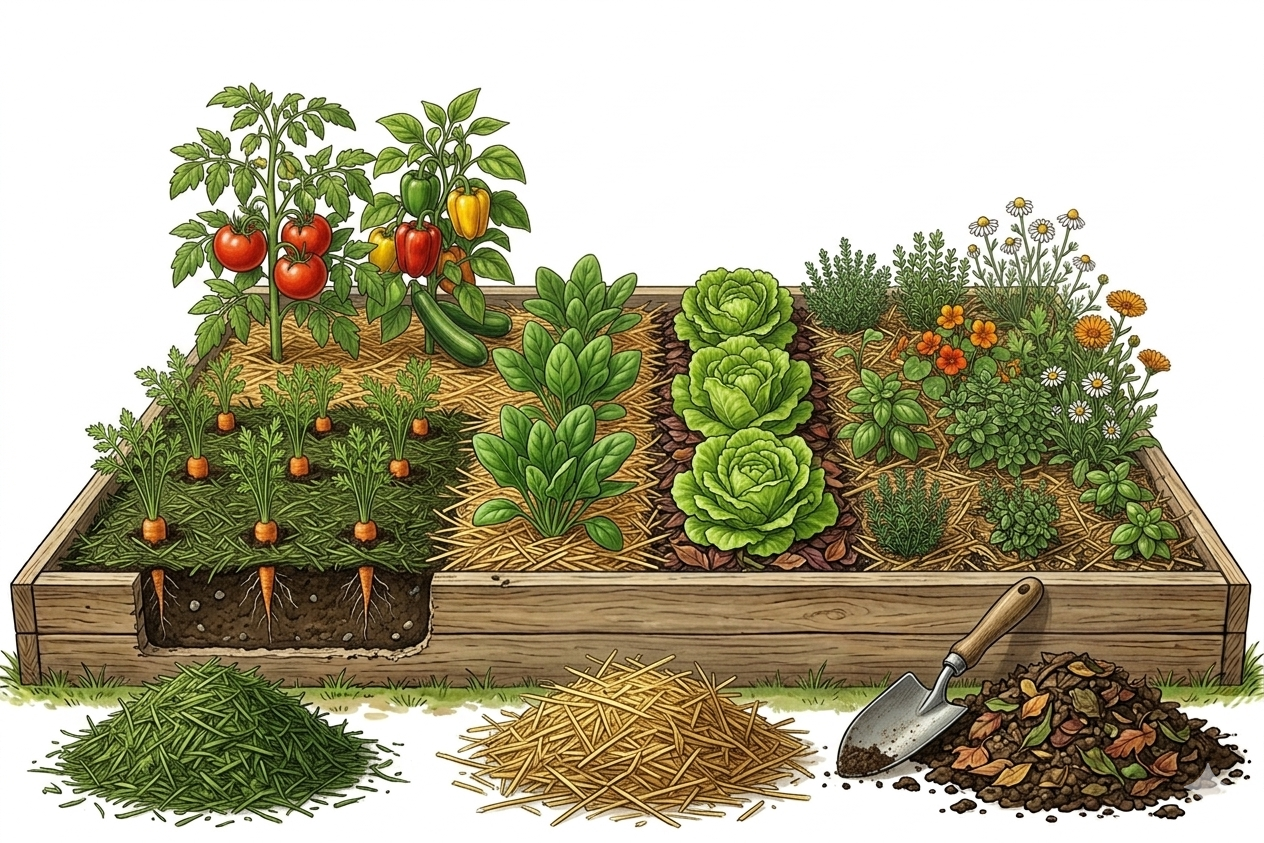
Mulching Vegetable Gardens: Materials and Mistakes
Learn how grass clippings, straw, and leaves can improve soil, reduce watering, and support healthy vegetable crops.
Updated:2026-06-12
Season:April - October
Calendar
September tasks
Indoor sowing
Indoor sowing (6)
For indoor sowing in September, light, steady moisture, and moderate warmth matter most. Record date and variety so later transplanting is easier to plan. The data links 6 matching notes for this month.
MizunaIndoor sowingFor an early spring or late autumn harvest.KomatsunaIndoor sowingPre-culture possible for early harvests or in late summer.Garden cressIndoor sowingPossible year-round on the windowsill.WatercressIndoor sowingSow in a greenhouse or on a windowsill for an early harvest.corn saladIndoor sowingPre-culture in multi-pot trays possible for earlier harvest.cutting lettuceIndoor sowingSow from February on the windowsill or in the greenhouse. Later sowing in the open field is also possible.
Direct sowing
Direct sowing (50)
Direct sowing in September works best when soil is fine, not waterlogged, and kept evenly moist after sowing. The data links 50 matching notes for this month.
GarlicDirect sowingWinter garlic is planted in autumn (September-November), summer garlic in spring (February-April).Winter Heath OnionDirect sowingDirect sow from March; sow in August/September for autumn and winter harvest.MizunaDirect sowingDirect sowing is possible from the last frost. Spring and autumn sowings are most productive.AroniaDirect sowingSeed sowing is possible, but germination can be irregular. Young plants are often purchased.gooseberryDirect sowingAutumn planting of bushes is ideal; spring planting (March/April) is also possible.Wild StrawberryDirect sowingSow in spring or late summer/autumn. Autumn sowing can lead to earlier flowering in the following year.Choy SumDirect sowingDirect sowing in the open ground; late sowings possible until September for autumn harvest.CrambeContinue late summer direct sowingmild_weatherCrambeDirect sowingDirect sow in spring or late summer for overwintering.KomatsunaDirect sowingDirect sow every 2-3 weeks for continuous harvest; tolerates light frost. · Row spacing 25-30 cm.StrawberryDirect sowingDirect sowing is possible, but germination can be irregular. Young plants are often preferred.Allium ramosumDirect sowingDirect sowing is possible once the soil has warmed. Multiple sowings for continuous harvest.Allium ursinumDirect sowingSow fresh seed in autumn in a shaded, humus-rich place; germination may take until the following spring or longer.ChivesDirect sowingDirect sowing outdoors is possible from April onwards, once the soil has warmed up.
Show 36 more notes
CochleariaDirect sowingDirect sowing in spring or late summer/autumn for harvest in the following year. · Bodenfeuchte - Last sowing for overwintering and early harvest next year.garden chervilDirect sowingSow every 2-3 weeks for a continuous harvest. Spring sowings are the most productive.garden chervilLate sowingFür sehr späte Ernte oder Überwinterung - A very late sowing can overwinter with protection and provide an early spring harvest.Ground IvyDirect sowingDirect sowing in spring or autumn.Salad BurnetDirect sowingPossible in both spring and late summer.sweet woodruffDirect sowingSow in spring or autumn. Sweet woodruff is a cold germinator and requires a cold period for germination. · Bodentemperatur über 5°C - Sweet woodruff is a cold germinator and requires a cold period for germination...Winter SavoryDirect sowingDirect sowing is possible, but pre-cultivation in spring is often more productive. Sow into well-prepared soil.ArugulaDirect sowingDirect sowing is possible from April to September. For continuous harvest, sow every 2-4 weeks.ArugulaSuccession sow arugulaFür sehr späte Ernten, ggf. unter Schutz - Arugula sown in September grows slower but can be harvested into autumn.Barbarea vulgarisDirect sowingDirect sow in spring or late summer.Common chicoryDirect sowingDirect sowing from April to May and August to September. Soil should be at least 10 °C warm.Garden cressDirect sowingDirect sowing outdoors from March to September. · Sow in rows or broadcast.leaf mustardDirect sowingDirect sow in spring and late summer.SpinachDirect sowingOutdoor sowing possible from February to October; sow from August to October for autumn harvest.WatercressDirect sowingDirect sow outdoors once the risk of frost has passed.WatercressSow outdoorsLast sowing for autumn harvest.ChaenomelesDirect sowingSowing seeds is possible, but germination can be slow and irregular. They are often propagated by cuttings or grafting.YarrowDirect sowingDirect sowing into the open ground is possible. Sow thinly and cover lightly with soil.YarrowSow seeds outdoorssoil_temperature_above_10c - Sowing for the next season.RadishDirect sowingSuccessive sowing possible; sow winter radishes from July onwards.RadishDirect sowingSow outdoors from March as soon as the soil can be worked. Resow every 2-3 weeks for a continuous harvest.RadishSuccession sowingEvery 2-3 weeks for a continuous harvest.buck's-horn plantainDirect sowingDirect sowing outdoors is possible from March to September. Sow at intervals for a continuous harvest.buck's-horn plantainLast sowingKontinuierliche Ernte gewünscht. - Sow for a late harvest if the weather remains mild.Cichorium endiviaResowingFor late harvest. - A late sowing can extend the harvest period if conditions are favorable.corn saladDirect sowingMain sowing for winter harvest usually occurs in August and September.winter purslaneDirect sowingDirect sow from August to mid-September for winter harvest.winter purslaneFinal direct sowbefore mid-September - Sow until mid-September.SambucusDirect sowingSowing seeds is possible, but germination can be irregular. Young plants or cuttings are often used.Cherry plumDirect sowingSowing seeds in autumn (for natural stratification) or in spring after artificial stratification. For home gardeners, planting young trees is more...Cornelian cherryDirect sowingSow immediately after harvest; cold germinator requiring winter frost.Mirabelle plumDirect sowingSowing pits outdoors in autumn for natural stratification. Note that trees grown from pits may not be true to type.Common chickweedDirect sowingSowing is possible almost year-round as long as the soil is not frozen. For continuous harvest, sow every 2-3 weeks.Good King HenryDirect sowingAutumn sowing utilizes natural cold exposure.Ground elderDirect sowingDirect sowing possible but rarely practiced; often germinates irregularly.UrticaDirect sowingDirect sow in spring or autumn on moist, nutrient-rich soil. Cover seed only lightly or press it in.
Planting
Planting (56)
When planting out in September, watering basins, correct spacing, and cold protection matter more than planting as early as possible. The data links 56 matching notes for this month.
AlliumPlantingPlant out pre-grown young plants into the open ground. Ensure adequate spacing.GarlicPlant late winter garlicBoden noch bearbeitbar - Winter garlic can still be planted in late autumn as long as the soil is not frozen.GarlicPlant winter garlicBoden vorbereitet - The ideal time to plant winter garlic for an early harvest next year. · Boden vorbereitet - Good planting time for winter garlic.Winter Heath OnionPlantingPlant sets or pre-grown transplants in spring or late summer.MizunaPlantingSeedlings can be transplanted after the last frosts. Ensure adequate watering.AroniaPlantingPlanting of young plants or shrubs in spring or autumn. · Boden bearbeitbar - Autumn planting allows good root establishment before winter.gooseberryPlantingBest planted in autumn (October/November) or early spring.hardy kiwiPlant young plantsPlanting of young hardy kiwi plants in spring after the last frosts. · Planting of young hardy kiwi plants in autumn.hardy kiwiPlantingPlanting in spring after the last frosts or in autumn.HoneyberryPlantingContainer-grown plants can be planted in spring or autumn. Bare-root plants only in autumn or early spring. · Boden frostfrei und gut bearbeitbar - Container plants can also be planted in autumn. Bare-root plants only...JostaberryAutumn plantingBodenbearbeitbar - Well suited for autumn planting of bushes.Sea BuckthornPlantingPlanting of young plants in spring or autumn during dormancy. · soil_workable - Planting of bare-root or container-grown plants.Sea BuckthornWatering (Young Plants)dry_spells_for_young_plants - Young plants require regular watering during dry spells in their first few years.Wild StrawberryPlant/sow strawberries (Autumn)Boden feucht und warm genug - Allows for an earlier harvest next year.
Show 42 more notes
Wild StrawberryPlantingPlant out young plants after the last frost. Ensure adequate watering.Wild StrawberryPrepare for autumn planting/sowingBoden vorbereiten - Ensure soil is well-prepared and fertilized.Bok choyPlantingTransplanting pre-cultures with sufficient spacing.Choy SumPlantingPlanting out pre-grown seedlings after the last frost.KomatsunaPlantingTransplant seedlings when they have approximately 4 leaves.StrawberryAutumn plantingideal planting window - Allows for good root development before winter.StrawberryEstablish new plants from runnersfrom healthy runners - Plant runners into pots or directly into the bed.StrawberryPlantingYoung plants can be set out after the last frosts. Planting in late summer/early autumn allows for good establishment before winter.Allium ursinumPlantingPlant young plants or bulbs in early spring or autumn while the soil is moist and workable without frost.Allium ursinumSow or plantsoil moist - Sow fresh seed or plant bulbs.ChivesPrepare plants for winterapproaching_winter - Reduce harvesting and allow plants to gather strength. Remove dead plant parts.Ground IvyPlantingPlanting of runners possible almost year-round.LavandulaPlantingPlant in spring or early autumn into drained soil.OreganoPlantingPlanting out pre-grown herbs from mid-May.Rosmarinus tomentosusPrepare plants for winterAutumn approaching - Protect the plant from severe frost, especially in colder regions.Salad BurnetPlantingSet young plants at a distance of 25 cm.Sedum rupestrePlantingYoung plants or cuttings can be planted in spring after the last frosts or in early autumn.Sedum rupestrePlanting young plants/cuttingsmild_weather - Autumn planting allows plants to establish before winter.SorrelPrepare plants for winterbefore first frost - Remove old or damaged leaves. A layer of mulch protects against frost.sweet woodruffPlantingPlanting of young plants or division of existing clumps in spring or autumn.sweet woodruffPlanting / Dividingfrostfreier Boden - Best time to plant young plants or divide existing clumps to encourage spread.tarragonPlantingBest planting time is spring after the last frost.Winter SavoryWinter protectionVor dem ersten Frost - A light mulch layer protects the roots from severe frost.ArugulaPlantingTransplant pre-grown plants after the last frosts. Also in autumn for late harvests.Barbarea vulgarisPlantingTransplant into cool, evenly moist beds.Common chicoryPlantingPlanting out of pre-cultivated plants from April or September. Spacing 30–40 cm.leaf mustardPlantingSet transplants not too deep and water in well.WatercressPlantingPlant out pre-grown seedlings into the open ground or containers. · Set pre-grown plants outdoors.ChaenomelesPlantingPlanting of young plants or established shrubs.ChaenomelesPlanting young plantsideal time - Well-suited for autumn planting, allowing roots to establish before winter.YarrowCut back plantsplants_untidy - If plants look untidy or have self-seeded excessively.Butterhead lettucePlantingDo not plant seedlings too deep to prevent rot.corn saladPlantingPlanting out seedlings for uniform stands.cutting lettucePlantingPre-cultivated young plants can be planted outdoors from April, once the risk of frost has passed. Ensure adequate spacing.SambucusPlant young plants or cuttingsBoden ist bearbeitbar - Choose a well-draining location.SambucusPlantingYoung plants or cuttings can be planted in spring or autumn.Mirabelle plumPreparation for autumn plantingsplanning_new_trees - Prepare planting holes and improve soil.AsparagusWeedweeds present - Do not damage the roots.Good King HenryPlantingSet out young plants with sufficient spacing.Ground elderPlantingPlanting of rhizome fragments possible any time during frost-free periods.UrticaDivide, plant, or sow if needed.established or planned patch - Divide, plant, or sow if needed.UrticaPlantingPlant young plants or divided rhizome pieces in spring or autumn. Because nettles spread, containment is useful.
Harvest
Harvest (240)
Harvest regularly in September, preferably in smaller rounds. This keeps many crops productive and improves quality and storage life. The data links 240 matching notes for this month.
AlliumHarvestHarvesting can take place from summer until the following spring, depending on the variety and sowing time. Winter-hardy varieties can remain in the...AlliumHarvest leeksPlants are mature - Harvest summer and early autumn leek varieties.OnionHarvestHarvest when the foliage naturally falls over and dries out.OnionOnion harvestdry_weather - Harvest onions during dry weather and let them cure for a few days.Welsh onionHarvestContinuous harvest of leaves and stems from spring to autumn. Overwintered plants can also be harvested in winter and early spring. · plants_mature - Harvest before the first hard frost.Winter Heath OnionHarvestCan be harvested over many months. Young leaves from spring, thickened stems from summer. Harvestable in winter during mild spells.MizunaHarvestHarvest from the outside in, or cut whole plants. Regular harvesting encourages new growth.MizunaHarvest outer leaves.harvest - Harvesting can continue until frost.MizunaSow for late autumn harvest or overwintering (in mild regions).outdoors - This sowing should germinate before the first hard frost.TatsoiAutumn harvestHarvest rosettes before hard frost.TatsoiHarvestHarvest whole rosettes or pick individual leaves from April to November.AroniaHarvestHarvest ripe berries, which are often sweetest after the first frost.AroniaHarvestingBeeren reif - Berries can be eaten fresh or processed.BilberryHarvestMain harvest time from July to September depending on altitude.
Show 226 more notes
BilberryHarvestingGoji BerryHarvestFully ripe berries are soft and deep red.hardy kiwiComplete harvestMost varieties ripen in September and October. Fruits are ripe when they become slightly soft.hardy kiwiHarvestFruits ripen from September to October, depending on variety and location.hardy kiwiMain harvestMost varieties ripen in September and October. Fruits are ripe when they become slightly soft.MulberryHarvestFruits ripen sequentially; harvest by shaking onto laid-out tarps.Physalis peruvianaContinue harvestingFruits ripe - Harvest ripe fruits regularly.Physalis peruvianaHarvestFruits are ripe when they reach full yellow color and detach easily from the calyx.RaspberryContinue harvestingwhen ripe - The harvest season for autumn raspberries continues.RaspberryHarvestHarvest time varies by variety. Summer raspberries ripen from June to August, autumn raspberries from August to October.RubusHarvestHarvest time varies by variety and climate. Fruits ripen gradually.RubusHarvesting late fruitsbei Reife - Gather the last ripe fruits before the first frost.RubusHarvesting ripe fruitsbei Reife - Harvest fruits carefully when fully colored and easily detach from the plant.Sea BuckthornHarvestBerries ripen from late summer to autumn and can be harvested once fully colored. · berries_ripe - Berries are ripe when fully colored. Often, entire branches are cut and berries are removed later.table grapeAfter harvest, fertilize again if necessary to strengthen the plant for the next year.Nach der Haupternte. - Potassium-rich fertilizer can promote winter hardiness.table grapeBegin harvesting as soon as the first grapes are ripe.Fruchtreife. - Cut grapes with sharp shears.table grapeHarvestDepending on the variety and ripening time. Grapes are ripe when they detach easily from the bunch and develop their typical aroma.table grapeReduce watering shortly before harvest to promote sugar content.Kurz vor der Ernte. - Avoid waterlogging.table grapeStore harvested grapes in a cool, dry place.Nach der Ernte. - Leave grapes on the stem if possible.Wild StrawberryHarvestHarvest time can vary depending on variety and climate. Regular harvesting encourages the formation of new fruits.Wild StrawberryHarvest strawberriesFrüchte reif - Pick ripe fruits carefully to avoid damage. · Früchte reif - Regular harvesting stimulates the plant to produce more fruit. · Früchte reif - Watch for signs of diseases or pests. · Früchte reif - Monitor...Bok choyHarvestHarvest after 6–10 weeks depending on variety; baby bok choy earlier.broccoliHarvestHarvest begins from June/July depending on the variety and sowing time, and can continue into late autumn. Harvest the main head while it is firm.broccoliHarvest of autumn varieties.cauliflowerHarvestHarvest heads when they are firm, closed, and at the variety’s typical size. Do not wait too long because curds can loosen and discolor.Choy SumHarvestHarvest as soon as the first flower buds open; stems should be crisp.CrambeHarvestHarvest leaves and shoots from the second year onwards, flower buds in early summer. Regular harvesting promotes new growth.CrambeLast harvestbefore_first_frost - Harvest generously before the first frost.KomatsunaHarvestHarvest as baby leaf after 3 weeks or full grown after 6-8 weeks.Brussels sproutsHarvest preparationApproaching maturity - Remove lower, yellowing leaves to improve air circulation and facilitate harvesting.kohlrabiHarvestHarvest from May to October, depending on variety and sowing time.kohlrabiHarvest kohlrabiHarvest late varieties.pointed cabbageHarvestHarvest when head is firm, depending on variety from June to October.pointed cabbageMain harvestKöpfe ausgereift - Harvest regularly before heads split.red cabbageHarvestDepending on variety and sowing time, from summer to late autumn.red cabbageMain harvest seasonheads_firm - Many varieties reach maturity now.RutabagaHarvestHarvest as soon as the tubers reach the desired size, before they become woody.RutabagaHarvest kohlrabitubers reach desired size (5-10 cm diameter) - Harvest when tubers are about fist-sized for best quality. Don't wait too long, or they will become...Savoy cabbageAutumn care and late harvestKeep soil loose and harvest late varieties.Savoy cabbageHarvestHarvest starts in July for early varieties, late varieties until November.StielmusAutumn harvestHarvest before hard frostStielmusHarvestHarvest of stems and leaves about 6–10 weeks after sowing, before flowering.White CabbageHarvestHarvest time from July to November, depending on the variety. · je nach Sorte und Reife - Continue harvesting, including later varieties.Acorn SquashHarvestHarvest before the first frost. Fruits can be stored.Acorn SquashHarvest first squashesFruits are mature (rind is hard) - Harvest before the first frost.butternut squashBegin harvestFruits mature - Harvest before the first hard frost. The rind should be hard.butternut squashHarvestHarvest before the first hard frost. Squashes are storable if fully ripe and the rind is hard.ChayoteHarvestHarvest begins in late summer or early autumn and can continue until the first frost.ChayoteHarvest first Chayote fruitsFruits are mature. - Fruits can be harvested when firm and detach easily from the stem.CucumberHarvestRegular harvesting encourages further fruit production.Musk squashHarvestHarvest before the first frost when the stem becomes woody.MuskmelonHarvestRipe melons develop an intensely sweet aroma and yield slightly to gentle pressure near the stem base.pattypan squashHarvestHarvest fruits young (5-10 cm diameter) for the best flavor.red kuri squashHarvestHarvest before the first frost. The squash can be stored well.red kuri squashHarvest first squashFruit ripe - Harvest before the first frost. Leave a small piece of stem attached.Spaghetti squashHarvestFruits are ripe when they feel hard and the vines begin to dry. Harvest before the first frost.Spaghetti squashMain harvestfruits_ripe - Most fruits are now ready for harvest. Bring in all fruits before the first frost.watermelonHarvestHarvest time depends on the variety and weather conditions. Fruits are ripe when they sound dull when tapped and the tendril attachment becomes dry.watermelonHarvestingFruits ripe - Harvest ripe fruits. Protect them from heavy rain to prevent rot.ZucchiniHarvestRegular harvest of young fruits encourages continuous fruit production.ZucchiniRegular harvestcontinuous - Cut fruits at 15-20 cm length for the best flavor.Romanesco broccoliHarvestHarvest when the head is firm and tight.Common FigHarvestMain harvest from August depending on variety and location; fruits must ripen on the tree.KiwiFirst harvest (depending on variety)Bei frühen Sorten - Fruits are ready to harvest when they yield slightly and detach easily from the stem.StrawberryHarvestHarvest time varies by variety and climate. Summer-bearing types ripen mainly in early summer, while everbearing varieties produce fruit into autumn.StrawberryHarvest everbearing varietiesfruits are ripe - Continuous harvest until the first frost.chili pepperHarvestHarvest green or fully colored depending on cultivar.EggplantHarvestHarvest when fruits reach desired size and color. Regular harvesting encourages further fruit production.EggplantHarvest beginsFruits mature - Harvest fruits as soon as they are ripe.OkraHarvestHarvest pods while young (5-10 cm) before they become woody.PepinoHarvestHarvest when fruits turn yellow-orange and give slightly under pressure.PepperHarvestHarvest depending on variety and desired ripeness (green or colored).Physalis pruinosaHarvestFruits are ripe when they turn yellow and fall from their papery husk. Harvest before the first frost.Physalis pruinosaHarvestingfruits are ripe - Harvest ripe fruits as they turn yellow and detach easily from the plant.TomatilloContinue harvesthusks split - Harvest for as long as possible, until the first frost threatens.TomatilloHarvestHarvest begins in mid-summer and continues until the first frost. Fruits are ripe when the husk splits or changes color.tomatoHarvestHarvest begins in July depending on variety and continues until October, before the first frost.tomatoLate care and green harvestcold_nights - Let green fruits ripen or protect from frost.Allium ramosumHarvestLeaves can be harvested continuously. Flowers can also be used.Allium ramosumHarvest leavesPlants established. - Continuous harvesting.Allium ramosumSow seeds outdoors for a late harvestEarly September - The last sowing for a harvest before winter.basilHarvestCut shoot tips regularly.borageFinal harvest before frostBefore first frost - Harvest all remaining leaves and flowers before the first hard frost.borageHarvestHarvest leaves and flowers from May/June onwards. Regular harvesting encourages new growth. Flowers are edible and decorative.ChivesContinue harvestingongoing - Harvesting can continue as long as the leaves are fresh and green. · ongoing - Harvesting is still possible, but the growth rate may begin to slow. · ongoing - Harvest as long as the leaves are still vigorous.ChivesHarvestHarvest leaves as needed. Regular cutting encourages new growth. Reduce harvesting in autumn to allow the plant to gather strength for winter.ChivesRegularly harvest leavesongoing - Cut the leaves regularly about 2-3 cm above the ground. This promotes bushy growth.CochleariaHarvestLeaves can be harvested almost year-round, best before flowering in spring and then again in autumn. · ausreichende Blattgröße - Harvest autumn leaves, which are often milder in flavor.common sageHarvestLeaves can be harvested continuously. Aroma is most intense before flowering.common sageHarvest first leavescommon sageHarvest leaves continuouslyCorianderHarvestContinuous leaf harvest; seed harvest once they turn brown and dry (usually from August).CorianderSeed HarvestCut umbels when seeds turn brown.DillHarvestHarvest leaves before flowering; seeds in late summer when brown.FennelHarvestHarvest as soon as the bulb reaches the desired size.garden chervilHarvestHarvest begins approximately 6-8 weeks after sowing. Regular harvesting promotes new growth and delays bolting. · Regelmäßig - Harvest the last fresh leaves before the first heavy frost.Ground IvyHarvestBest harvest time for leaves before and during flowering.HyssopHarvestLeaves and young shoots before flowering, flowers during flowering season.HyssopHarvesting leaves and flowersplant_has_sufficient_growth - Harvest flowers during peak bloom.HyssopHarvesting leaves and shootsplant_has_sufficient_growth - Before flowering for more intense leaf aroma.HyssopLast harvest before winterplant_has_sufficient_growth - Dry or freeze for winter storage.Lemon BalmHarvestHarvest leaves as needed, preferably before flowering for best aroma. · plants growing - Harvest leaves for fresh use or drying.Lemon verbenaHarvestLeaves can be harvested continuously. Fresh leaves are used for tea or flavoring. Plants should be moved to winter quarters before the first frost.Lemon verbenaHarvest leavesBefore frost - Harvest leaves before the first frost. This is also a good time for preservation.Levisticum officinaleHarvestLeaves can be harvested continuously from spring to autumn. Roots in autumn or early spring, seeds in late summer.Levisticum officinaleHarvest last leaves and rootsbefore_winter - Harvest the last leaves and roots before winter.Levisticum officinaleHarvest leaves and rootsplant_mature - Roots can be harvested from the second year onwards.Levisticum officinaleRegular leaf harvestleaves_available - Harvest outer leaves as needed to encourage further growth.MintHarvestContinuous harvesting of leaves and shoots promotes growth. The aroma is most intense before flowering.MintLast major harvestHarvest larger quantities before the first frost and dry or freeze them.OreganoHarvestBest harvest time just before or during flowering.parsleyHarvestContinuous harvest of outer leaves; leave the heart leaf intact.Rosmarinus tomentosusContinue harvestingPlants growing well - Harvest before the plant goes into winter dormancy.Rosmarinus tomentosusHarvestHarvesting can be done year-round, using the leaves and young shoots. Harvest in summer and autumn for best quality.Salad BurnetHarvestHarvestable year-round in mild winters; tastes best before flowering.SaturejaHarvestHarvest leaves and stems as needed, preferably before flowering for the most intense aroma. Multiple cuts are possible.SaturejaHarvest for preservationBefore flowering or before heavy frost. - Harvest generously for drying or freezing before the plant becomes woody.Sedum rupestreHarvestYoung shoots and leaves can be harvested from spring to autumn. Do not cut back too severely. · sufficient_growth - Last harvest before winter sets in.SorrelHarvestHarvest young leaves continuously. Regular harvesting promotes new growth and delays bolting.SorrelHarvest sorrel leavesleaves are large enough - Harvest the last tender leaves before winter.tarragonHarvestContinuous harvest of shoot tips; peak aroma just before flowering.ThymusHarvestHarvest just before flowering for best flavor. Cut shoots about 5 cm above ground. · before_flowering - Harvest before flowering for best flavor.Winter SavoryHarvestHarvesting can be done continuously. For drying, cut the shoots before flowering. · Pflanzen wachsen - Regular harvesting stimulates new growth and keeps the plant compact. · Pflanzen wachsen - Harvest as needed for...ArugulaHarvestHarvest is possible approximately 3-6 weeks after sowing. Pick individual leaves or cut the entire plant.ArugulaHarvest arugulaBlätter sind groß genug - Last harvests before the first frost.Common chicoryHarvestLeaves and roots depending on variety and sowing time. Chicory for forcing from October.Common chicoryHarvest leaves and rootsoutdoor - Cut leaves as needed. Dig up roots for forcing.Garden cressHarvestHarvest usually 1-2 weeks after sowing.Garden OracheHarvestHarvest young leaves before flowering for the best flavor.Lacinato kaleHarvestHarvest outer leaves from the bottom up; frost improves the flavor.leaf mustardHarvestCut young leaves continuously.Leafy GoosefootHarvestPick leaves continuously; harvest berries when fully ripe (deep red).Mesembryanthemum crystallinumHarvestCut leaves and shoot tips continuously.Napa cabbageHarvestHarvest before hard frosts; only tolerates light frost.New Zealand spinachHarvestContinuous harvesting of shoot tips encourages bushy growth.SpinachHarvestHarvest leaves from April to December, depending on sowing date.SpinachResow and harvestFurther sowing possible to extend harvest into autumn.Swiss ChardHarvestContinuous harvest of outer leaves encourages new growth.WatercressHarvestHarvest leaves and young shoots. Regular harvesting encourages new growth.ChickpeaHarvestGreen pods can be harvested early. For dry seeds, allow plants to die back and harvest when pods are dry and seeds are hard.ChickpeaMain harvest (dry seeds)plants_dried_out - Harvest when plants turn yellow and pods are dry and brittle. Seeds should be hard.Common beanFinal harvest before the first frost.before_first_frost - Give even unripe beans a chance if frost is delayed.Common beanHarvestHarvest is continuous as soon as the beans reach the desired size. For bush beans, harvest multiple times; pole beans often produce until the first...LentilHarvestHarvest from July when pods are brown and dry · Hülsen braun und trocken, Samen hart - Harvest in dry weather, allow to ripen furtherLentilPost-harvestNach vollständiger Ernte - Compost or incorporate plant residuesPeaHarvestRegular picking encourages the continued production of new pods.peanutHarvestHarvest when leaves turn yellow; must be done before the first frost.Runner beanHarvestPick green pods continuously; dry beans only at full maturity in autumn.soybeanBegin harvestBeans are mature and pods are dry - Harvest ripe beans. Pods should be dry.soybeanHarvestHarvest when pods are dry and beans are hard.AlmondHarvestHarvest when the green hulls split open and dry out.Common WalnutBegin harvesting walnutsFruchthüllen platzen auf. - Collect nuts from the ground or shake from branches.Common WalnutHarvestThe harvest time for walnuts is in autumn when the green husks split open and the nuts fall to the ground. They can also be shaken from the trees.Sweet ChestnutHarvestFruits ripen in autumn and fall to the ground. Harvest time depends on variety and region.Sweet ChestnutHarvestingReife Früchte - Fruits fall to the ground when ripe. Collect them regularly. · Früchte fallen - This prevents fruits from rotting or being infested by pests.ChaenomelesFruit harvestfruits ripe - Fruits are hard and sour, good for jams and jellies.ChaenomelesHarvestThe fruits are hard and sour but used for jellies, jams, or liqueurs. They ripen in autumn.YarrowHarvestFlowers and leaves can be harvested during the flowering period. Best harvested on a sunny morning.AppleHarvestHarvest time varies greatly by variety. Early varieties ripen in late summer, late varieties in late autumn.AppleHarvest most apple varietiesfruit ripe - Harvest most apple varieties.Asian pearHarvestFruits ripen on the tree; harvest when fully colored and fragrant.MedlarPrepare for harvestFrüchte beginnen sich zu verfärben - Regularly check fruits for ripeness and await the first frost.Pyrus communisHarvestPick from late summer to autumn depending on cultivar.QuinceHarvestHarvest before the first hard frost when fruits turn from green to yellow.Sorbus domesticaHarvestHarvest after the first frost; they become soft and palatable. · Nach Frost - Pick after frost exposure.beetContinuous harvestRoots have reached edible size. - Harvest as needed, disturbing the soil as little as possible. · Roots are mature. - Harvest before the ground freezes.beetHarvestHarvest can begin from June/July depending on the sowing time. Roots can overwinter in the ground and be harvested as needed.beetHarvest leaves as vegetable greensLeaves are young and tender. - The leaves are nutritious and can be prepared like spinach.beetHarvest main cropRoots are mature and of desired size. - Roots should be firm and well-colored.celeriacHarvestHarvest as soon as the bulbs reach the desired size, until the first hard frost. · Carefully lift bulbs from the soil.Daucus carotaHarvestHarvest time varies depending on the variety and sowing date. Early varieties can be harvested as early as June/July. Storable varieties can be kept...Daucus carotaPrepare for storageErnte beginnt - Remove foliage and clean roots gently.Daucus carotaStart harvestingWurzeln sind erntereif - Harvest on dry days to improve storability.May turnipHarvestHarvest occurs approximately 6-8 weeks after sowing, when the turnips are walnut to fist-sized. · Rüben sind walnuss- bis faustgroß - Young turnips are the most tender. Do not let them grow too large, as they can become...potatoHarvestDepending on the variety and planting time. Early potatoes from July, late varieties into October.potatoHarvest late potatoesVor dem ersten starken Frost - The foliage may die back before the tubers are fully mature.potatoHarvest potatoesJe nach Sorte - Harvest in dry weather. Allow storage potatoes to dry thoroughly.RadishHarvestHarvest depending on sowing time; winter radishes before hard frost.RadishHarvestHarvest occurs approximately 4-6 weeks after sowing, depending on variety and weather. Radishes become woody and pungent if left too long or in dry... · Mature - Approx. 4-6 weeks after sowing. Do not leave in the...Root ParsleyHarvestMain harvest in late autumn; can remain in the ground over winter if soil is not frozen.ScorzoneraHarvest rootsroots mature - Depending on sowing time and weather.sweet potatoHarvestHarvest before the first frost when leaves turn yellow; dig tubers carefullybuck's-horn plantainContinuous harvestPflanzen sind erntereif. - Harvest as long as the leaves are fresh.buck's-horn plantainHarvestHarvest is continuous from April until the first frost.Butterhead lettuceHarvestBest harvested in the morning when leaves are crisp.Cichorium endiviaHarvestHarvest from July until the first frost. Harvest can be extended into late autumn by covering with fleece or foil. · Plants are mature. - Harvest outer leaves to allow the plant to continue growing.Common PurslaneHarvestHarvest young shoot tips before flowering for best flavor. · pre_flowering - Cut shoot tips regularly to encourage branching.corn saladHarvestHarvest possible throughout winter depending on sowing date.cutting lettuceHarvestHarvest begins from April/May, depending on sowing time. Leaves can be harvested continuously from the outside in. With later sowing, harvest...cutting lettuceHarvest of late sowingsoutdoors - Start of autumn harvest.iceberg lettuceHarvestHarvest as soon as heads are firm and closed.RadicchioHarvestHarvest depends on variety; many types tolerate light frosts, which intensifies their color.Romaine lettuceHarvestHarvest approx. 8–12 weeks after sowing depending on sowing date.Sugarloaf ChicoryHarvestHarvest from September well into winter. Tolerates light night frosts.Sugarloaf ChicoryStart of harvestready_to_harvest - Harvest the most well-developed heads first.SambucusHarvestFlowers in early summer, berries from late summer to autumn.SambucusHarvest berriesReife - Berries are ripe when deeply colored and easily detach from the plant.Curry plantHarvestYear-round harvest possible; main harvest before flowering for best aroma.marjoramHarvestContinuous harvest possible; best aroma just before flowering.cardoonHarvestHarvest from July to October. Young leaves and leaf stalks can be harvested continuously.celeryHarvestHarvest starts in July once stalks reach desired thickness. Harvest before heavy frost. · Continue harvest.ApricotPost-harvest careAfter harvest - Remove fallen fruit and leaves to prevent diseases.Cornelian cherryFruit harvestCornelian cherryHarvestHarvest when fruits are fully ripe and dark red to almost black.Damson plumHarvestHarvest varies by cultivar from July (early prunes) to October (e.g., Hauszwetschge). Harvest fully ripe for optimal flavor.European PlumHarvestHarvest time depends heavily on cultivar; damsons/prunes often later than round plums.GreengageHarvestHarvest from August to September depending on variety; fruits do not ripen after picking. · fruit_ripe - Pick fruits carefully as they are sensitive to bruising.Mirabelle plumPost-harvest careafter_harvest - Mulch around the tree base and water if necessary.PeachHarvestStrongly dependent on variety and regional climate.Asimina trilobaHarvestFruits are ripe when they detach easily from the branch and have a soft consistency. They do not store for long.Asimina trilobaHarvest fruits carefully as they are delicate.Damaged fruits spoil quickly.Asimina trilobaHarvest the first fruits, depending on variety and weather.Fruits are ripe - Fruits are ripe when they turn yellowish-green to brown and yield slightly to pressure.Cynara scolymusHarvestHarvest as soon as the outer bracts begin to open slightly. Do not harvest too late, as the flower heads will otherwise open. · outdoors - Harvest the flower heads before they open.Sweet cornHarvestHarvest when the silks turn brown and dry, and the kernels exude a milky liquid when pressed.Tree spinachFinal harvest before frostbefore_first_frost - Harvest leaves and shoots. Collect seeds for next season.Tree spinachHarvestHarvest leaves and young shoots continuously from June to October. Regular cutting encourages regrowth.Common chickweedHarvestHarvest as needed while plants are growing and not damaged by frost. Young shoots and leaves are most tender.Common chickweedRegular sowing for continuous harvestBoden ist warm genug - Sow every 2-3 weeks to have fresh plants available at all times.DandelionHarvestYoung leaves are most tender in spring. Flowers in spring/early summer. Roots in autumn.DandelionHarvest leavesDandelionHarvest rootsDandelionHarvest young leavesGround elderHarvestBest quality of young leaves in spring (March to May).UrticaHarvestHarvest young shoot tips and leaves before flowering; later growth can be cut for nettle liquid feed. Wear gloves.Common HazelCollect hazelnutsCollect regularly from the ground to prevent mold.Common HazelHarvestHarvest when nuts turn brown and fall easily from the husks.
Growing
Growing (54)
Care tasks in September prevent later problems: watering, mulching, supports, thinning, and succession sowing should follow the weather. The data links 54 matching notes for this month.
AlliumHill up for blanchingPlants are growing well - Continue hilling up for better blanching.GarlicPrepare soilvor dem Pflanzen - Loosen the soil deeply and enrich with compost.ShallotStore dried shallots.Zwiebeln trocken und gut gereift - Store in a cool, dark, and well-ventilated place.ShallotTidy up beds and prepare for the next crop.Remove plant debris and incorporate compost.Welsh onionMulchbefore_winter - To protect overwintering plants.Winter Heath OnionAutumn carenach letzter Saat - Fertilize and mulch if needed.MizunaConsider protection against heavy rain and cold.outdoors - A fleece or cover can help protect the plants.TatsoiFrost protectionbei Frostgefahr - Cover with fleece during night frosts.Physalis peruvianaBring indoors before the first frost if neededRisk of frost - Plants with unripe fruits can be brought indoors to ripen.RibesSoil improvement with compostany - A dose of compost strengthens the plant for winter and improves soil structure.Sea BuckthornSoil Preparationbefore_planting - Ensure good drainage and loose soil.Wild StrawberrySoil care for strawberriesNach der Ernte - Incorporating compost or well-rotted manure improves soil structure.broccoliProtection against early frosts for late varieties.frost expected - Light fleece covers can help protect plants from light frosts.broccoliTop-up fertilizing if needed.plants still growing
Show 40 more notes
cauliflowerCut mature heads regularly and fold leaves over curds for sun protection if needed.seasonal timing applies - Cut mature heads regularly and fold leaves over curds for sun protection if needed.kohlrabiWater regularlyWater as needed.RutabagaWater regularlydry weather, especially during tuber development - Consistent moisture is crucial for tender tubers and prevents splitting or woodiness.White CabbageWateringbei Trockenheit - Maintain consistent moisture to prevent cracking.ChayoteRemove dead leaves and stems from ChayoteAs they appear. - This helps improve air circulation and prevent disease.red kuri squashDry and store squashAfter harvest - Store in a cool, dry place.ZucchiniMildew monitoringhigh_humidity - Remove infected leaves early to slow down spreading.KiwiReduce wateringWenn Früchte zu reifen beginnen - A slight reduction in watering can promote fruit sweetness.StrawberryMulch for winter protectionbefore frost - Protects the roots from severe frost.StrawberryPrepare soil for next yearafter harvest - Incorporate compost, sow green manure.EggplantEnsure consistent wateringDry periods - Avoid drought stress which can affect fruit quality.TomatilloReduce wateringcooler weather - Check water needs in cooler temperatures and reduce watering.ChivesWater during dry spellsdry_weather - Ensure consistent soil moisture, especially during dry periods.common sagePreserve for winterDry or freeze leaves for winter storage.FennelEarthing upplants_well_established - Promotes tender, white bulbs.HyssopWeedingweeds_present - Perform regularly, especially for young plants.Lemon verbenaPrepare for overwinteringAs temperatures drop - Begin preparing the plant for overwintering by reducing watering and fertilization.MintPrepare for winterCut back plants and mulch if necessary.ThymusPrepare winter protectionbefore_frost - In cold areas cover with brushwood or leaves.Common chicoryDig up rootsoutdoor - Dig up roots for forcing and store in a cool place.Lacinato kaleApply crop protection nettingProtection against cabbage fly and cabbage white butterfly.ChickpeaClear bedsharvest_complete - Remove plant residues and prepare the soil for the next crop.LentilSoil restNach Ernte bis Frühjahr - Allow soil to recover, green manure possibleCommon WalnutDry and store nutsNach der Ernte. - Store in a well-ventilated, cool place.ApplePrepare soilPreparation of the soil for autumn planting.celeriacWater regularlyEnsure sufficient moisture even during the main harvest period.HorseradishWater regularlybei Trockenheit - Especially important for root development.HorseradishWeednach Bedarf - Avoid competition from weeds.Jerusalem artichokeWaterBei Trockenheit, bis Blätter vergilben - Plants begin to focus on tuber maturation.RadishWaterDry weather - Especially important during dry spells to prevent woody and pungent radishes.cutting lettuceProvide protection from strong sunlight if neededoutdoors - Can help delay bolting.ZingiberReduce fertilization and observe maturityOutdoor - Above-ground parts may start to yellow or wither.Cherry plumSoil CareNach der Ernte - Remove fallen leaves and possibly sow a green manure.Sour cherrySoil careImproves soil structure and retains moisture.sweet cherryWateringTrockenheit - Water young trees sufficiently before winter.AsparagusAllow green shoots to growpost-harvest - These shoots build up energy for next year's spears. · post-harvest - Plants are storing energy for the next season.Cynara scolymusFertilizeoutdoors - A light feeding can extend the harvest.Cynara scolymusWater regularlyoutdoors - If needed, especially during dry spells.Cynara scolymusWeed controloutdoors - Keep the bed free of weeds.Good King HenryPropagation by divisionCarefully divide rootstocks.
Pruning
Pruning (56)
Do pruning work in September only in suitable weather. Clean tools, clear goals, and the plant's growth stage matter more than a fixed date. The data links 56 matching notes for this month.
gooseberryAutumn pruneRemove old, diseased, or crossing shoots.gooseberryLight prune: remove spent shoots, thin for better light penetration.Light pruning only, so the plant can still ripen before winter.RaspberryPrepare for pruninglate season - Identify canes that will bear fruit next year and plan for pruning in autumn or winter.RibesAutumn pruning for shaping and promoting next year's fruit setdormant season - Remove crossing or inward-growing shoots. For currants, often prune back to 6-8 well-distributed main branches.RubusPruning spent canes (everbearing varieties)bei remontierenden Sorten - Remove canes that have already fruited to prepare the plant for the next season.RubusRemoving suckers, thinning excess canes after harvestKeep the plant tidy and promote fruit quality by thinning.table grapeRemove leaves that shade the grapes to promote ripening.Only remove leaves sparingly. Sun protection for the grapes is important.Bok choyCrop maintenance and harvestOngoing inspection and removal of wilted leaves promotes hygiene.broccoliHarvest main head and side shootsCut the main head before yellow flowers open; allow side shoots to continue growing.Choy SumHarvest and quality controlRegular harvesting encourages the regrowth of side shoots in some varieties.KomatsunaOngoing harvest and vitalityRegular picking encourages the formation of new leaves.ChayoteSupporting harvest and preparing for overwinteringRemove dead or diseased plant parts. Harvest remaining fruits if necessary and prepare the plant for overwintering (if planned in cooler climates).pattypan squashYield optimization and plant healthRegular cleaning prevents diseases and extends the harvesting period.ZucchiniOngoing plant hygiene and aerationRegularly thinning out old leaves in summer improves air circulation and reduces powdery mildew pressure.
Show 42 more notes
EggplantPost-harvest pruning after the final harvestRemove diseased or dead plant parts. Trim back any unnecessary shoots.OkraLight management and vitalityRemove lower leaves to improve air circulation and prevent fungal diseases.tomatoPromote fruit development, improve air circulation, prevent diseasesPerform regularly during growth, especially for indeterminate tomatoes. Topping is usually done in late summer to encourage ripening of existing...basilFinal harvest and sowing for winter cultivationGrowth stops below 10°C. Move pots indoors.ChivesContinuous harvest to maintain productivityHarvest regularly to keep the plant bushy and encourage leaf production. Remove spent flower stalks.CorianderContinuous harvest and vitalityRegular picking of leaves slightly delays bolting.CorianderSeed collectionCut the entire umbel once seeds are brown and dry.FennelPrevention of boltingEarly removal of flower stalks extends the harvest window for the bulb.Ground IvyArea limitationFinal check of runners before winter.HyssopPruning after floweringflowering_finished - Removing spent flowers encourages bushy growth and possibly a second bloom.HyssopPruning after flowering to encourage a second bloom and for harvesting leaves and flowers.Light pruning of spent flower stalks. This also allows for harvesting fresh leaves and flowers.Lemon verbenaHarvest and shaping cut. By selectively trimming shoot tips (e.g., during harvest), the plant stays compact and produces more aromatic side leaves.Remove no more than one-third of the leaf mass per harvest to avoid weakening the plant.parsleyContinuous harvest and vitalityRegular cutting encourages new growth.Rosmarinus tomentosusPreparation for winter, removal of overhanging shootsLight trimming can help keep the plant compact and minimize damage from snow or wind. Avoid heavy pruning.SaturejaHarvesting and promoting bushy growthRegular harvesting of shoot tips encourages branching and prevents premature flowering, which improves aroma.ThymusFinal pruning before winterOnly light pruning to ensure winter hardiness.Barbarea vulgarisMaintain shapePrune to maintain shape and remove any dead or diseased branches.Garden cressHarvest cutCutting occurs approx. 7-14 days after sowing.Garden OracheEncouraging branching and harvestRegular pinching of shoot tips leads to bushier growth.Lacinato kaleMain harvest periodHarvesting after the onset of frost improves the flavor.Leafy GoosefootHarvesting and vitality maintenanceRegular picking of outer leaves encourages new growth.Napa cabbageCrop maintenance and bolting controlRegularly check for bolting to direct energy into head formation.New Zealand spinachOngoing harvest and growth controlRegular cutting every 1-2 weeks encourages bushy growth.Swiss ChardContinuous harvest and vitalizationRegular picking encourages new growth from the heart.Common beanYield optimization and hygieneRegular picking every 2-3 days acts like maintenance pruning and stimulates new flower production.peanutHarvest preparationNo traditional pruning; withering of foliage signals maturity.AlmondLight thinning, removal of vigorous upright shoots, maintaining an open canopy.A light summer prune can improve light penetration and fruit ripening, but avoid heavy cuts.Common WalnutMaintenance pruning after harvest to remove dead/diseased wood and for thinning.Cuts heal more slowly, but removing infected material is important.Pyrus communisPruning to maintain shapePruning in summer maintains shape., Pruning in summer maintains shape.RadishRemoval of boltersAs soon as the plant bolts, tuber quality declines.Butterhead lettuceCrop maintenanceRegular cleaning promotes ventilation and prevents rot.Cichorium endiviaCrop maintenance and cleaningRegular removal of dead material prevents rot.Common PurslaneHarvesting and encouraging branchingShorten the tips every 2-3 weeks.iceberg lettuceHygiene and ventilationRegular removal of diseased leaves prevents grey mould.RadicchioCrop maintenance and hygieneRegularly check for rot on the lowest leaves, especially during wet weather.Romaine lettuceOngoing maintenance and harvest preparationRegular removal of diseased leaves prevents rot.Sugarloaf ChicoryTrimming and harvest preparationRegularly check for ground-level rot; trim affected leaves to improve air circulation around the compact head.SambucusAutumn pruning to encourage next year's fruitingNach der Ernte - Remove old or weak shoots.marjoramFinal cleanupFinal cut before frost; remove plant remains in annual cultivation.Sour cherryAutumn pruningif necessary - Remove only damaged or diseased branches. Main pruning is done in winter.AsparagusCut back dead foliage to prevent fungal diseasesFronds are cut only when fully yellowed and dead, usually from September onwards.AsparagusCut back foliage (if yellowing)foliage yellowing - Removes potential pathogens and improves air circulation.
Plant health
Plant health (12)
Plant health in September starts with early checks. Look at leaf undersides, young shoots, feeding marks, coatings, and water or heat stress. The data links 12 matching notes for this month.
table grapeProtect against birds and wasps using nets or other means.Beginn der Fruchtreife. - Apply nets in good time.Brussels sproutsPest controlVisible pests - Regularly check for pests like cabbage white butterflies, flea beetles, and slugs, and control them promptly. · Visible pests - Pay particular attention to cabbage white butterflies and slugs.red cabbagePest controlregular_check - Continue to monitor for pests, especially cabbage root fly.ChayoteMonitor Chayote plants for pests and diseasesDuring the growing season. - Address issues early to prevent significant damage.Common beanRemove plant debris and compost (unless diseased).end_of_season - Do not compost diseased plant parts.AppleAphidsSpring to autumn, especially during warm, dry weather.ApplePowdery mildewSpring to autumn, especially in dry weather with high humidity.AppleWoolly aphidsSpring to autumn, especially on weakened trees.ScorzoneraPest controlsigns of pests or disease - Preventive measures can help.cardoonContinue harvesting, watch for pestsErntezeit - Watch for aphids and slugs. Remove damaged leaves.Damson plumApply Grease Bandsdry_weather - To protect against the upward crawling wingless females of the winter moth.AsparagusWeed controlweeds present - Weeds compete for water and nutrients.
Plants
Plants to focus on in September
171 Plants
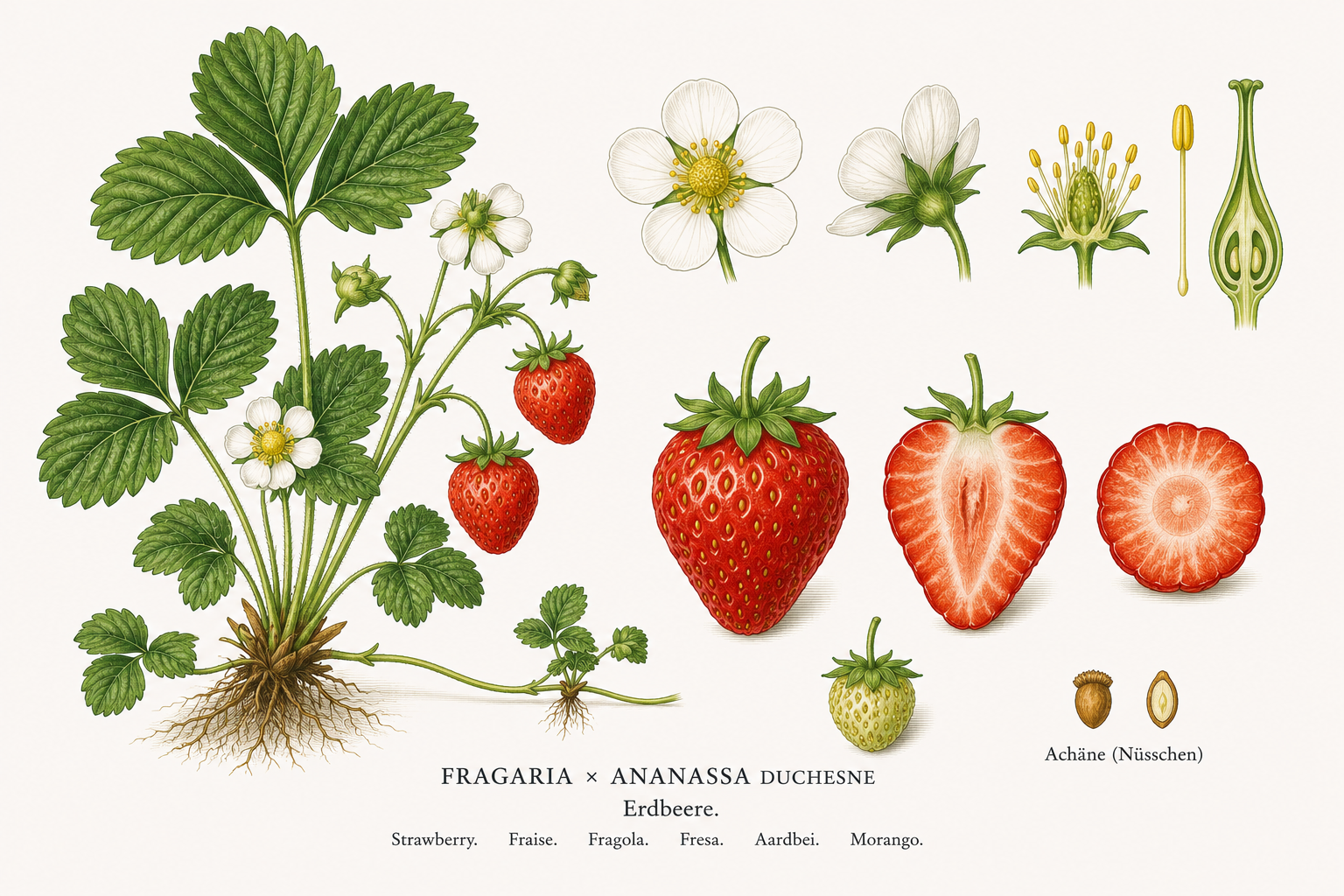
Strawberry
Fragaria
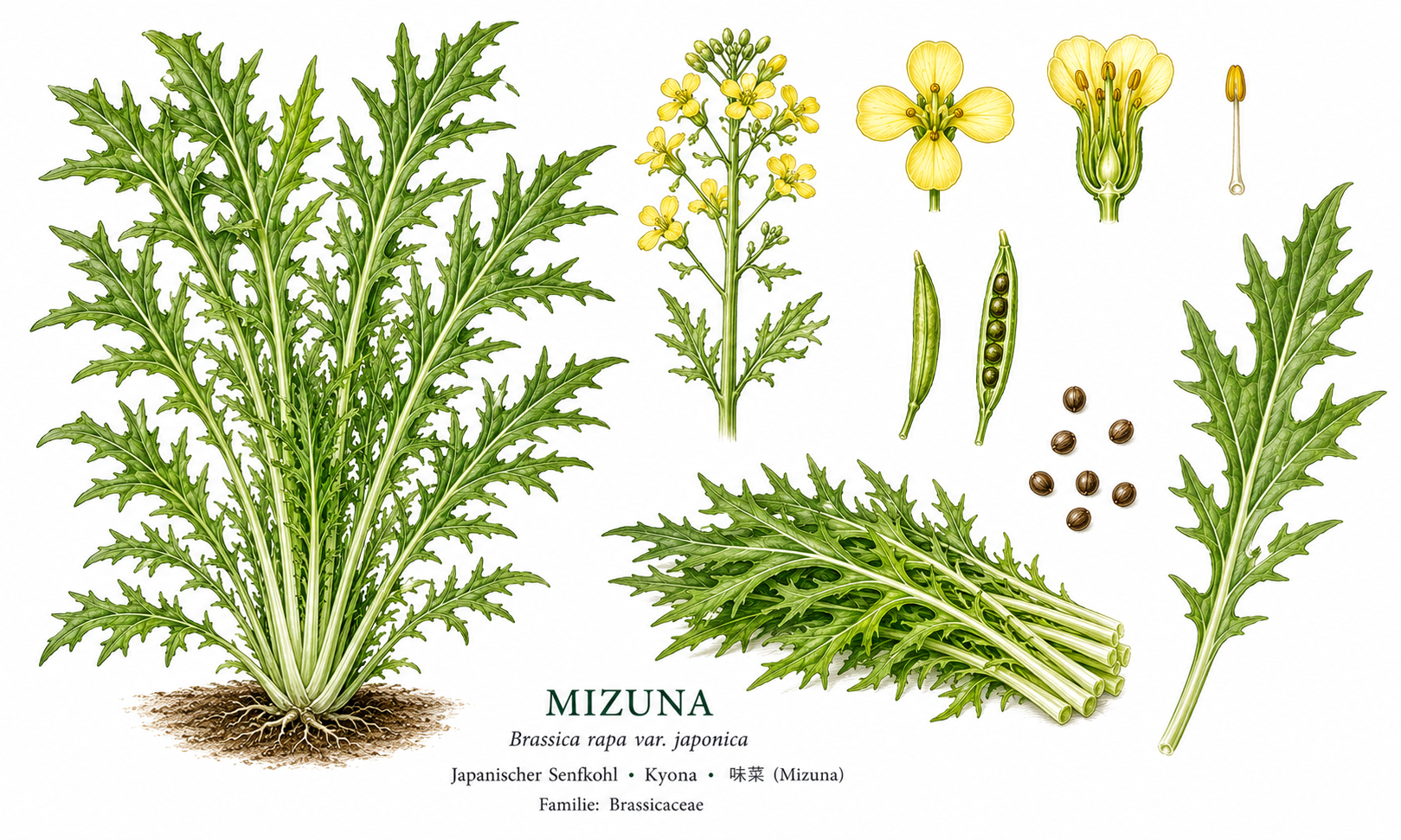
Mizuna
Brassica rapa subsp. nipposinica
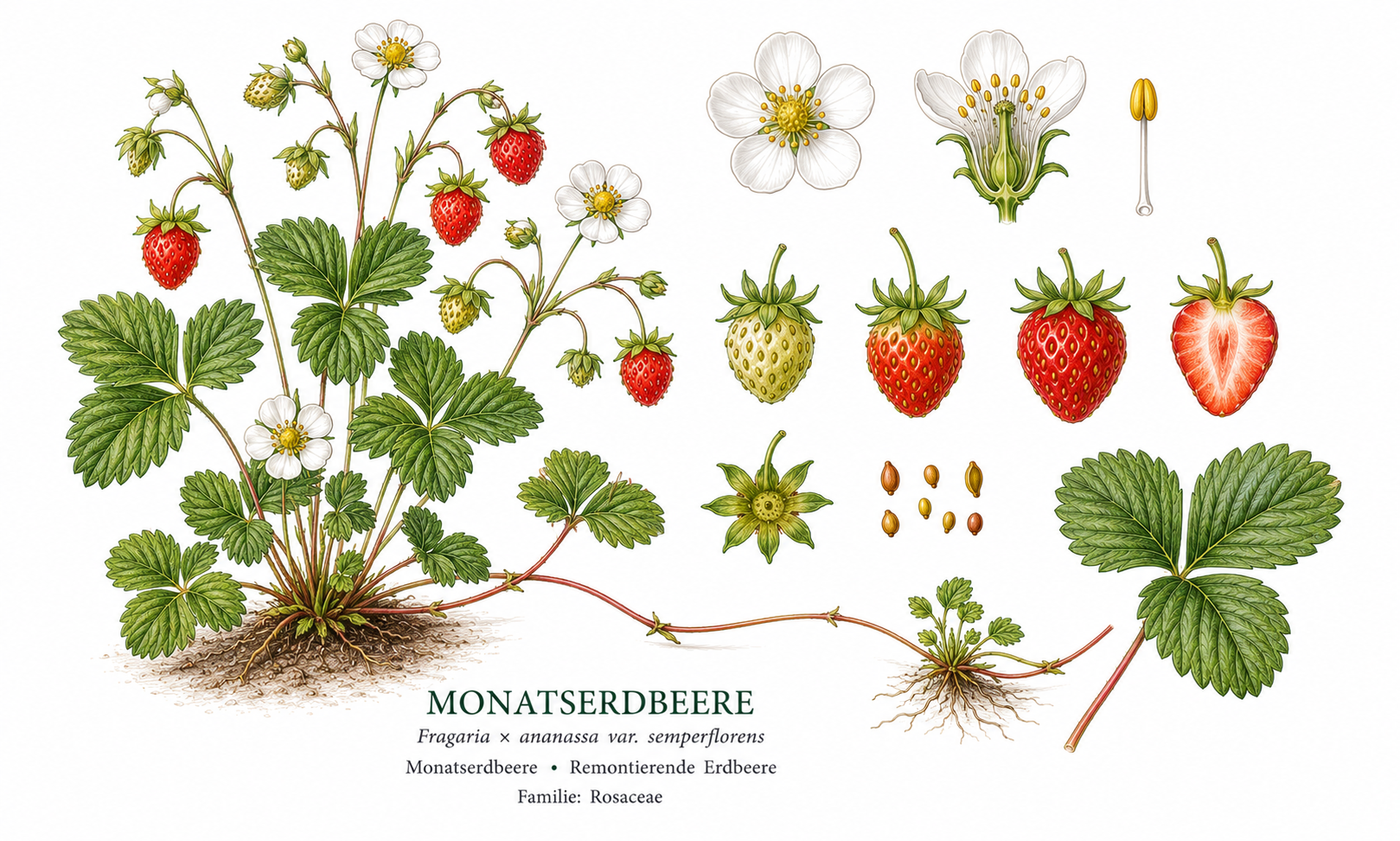
Wild Strawberry
Fragaria vesca
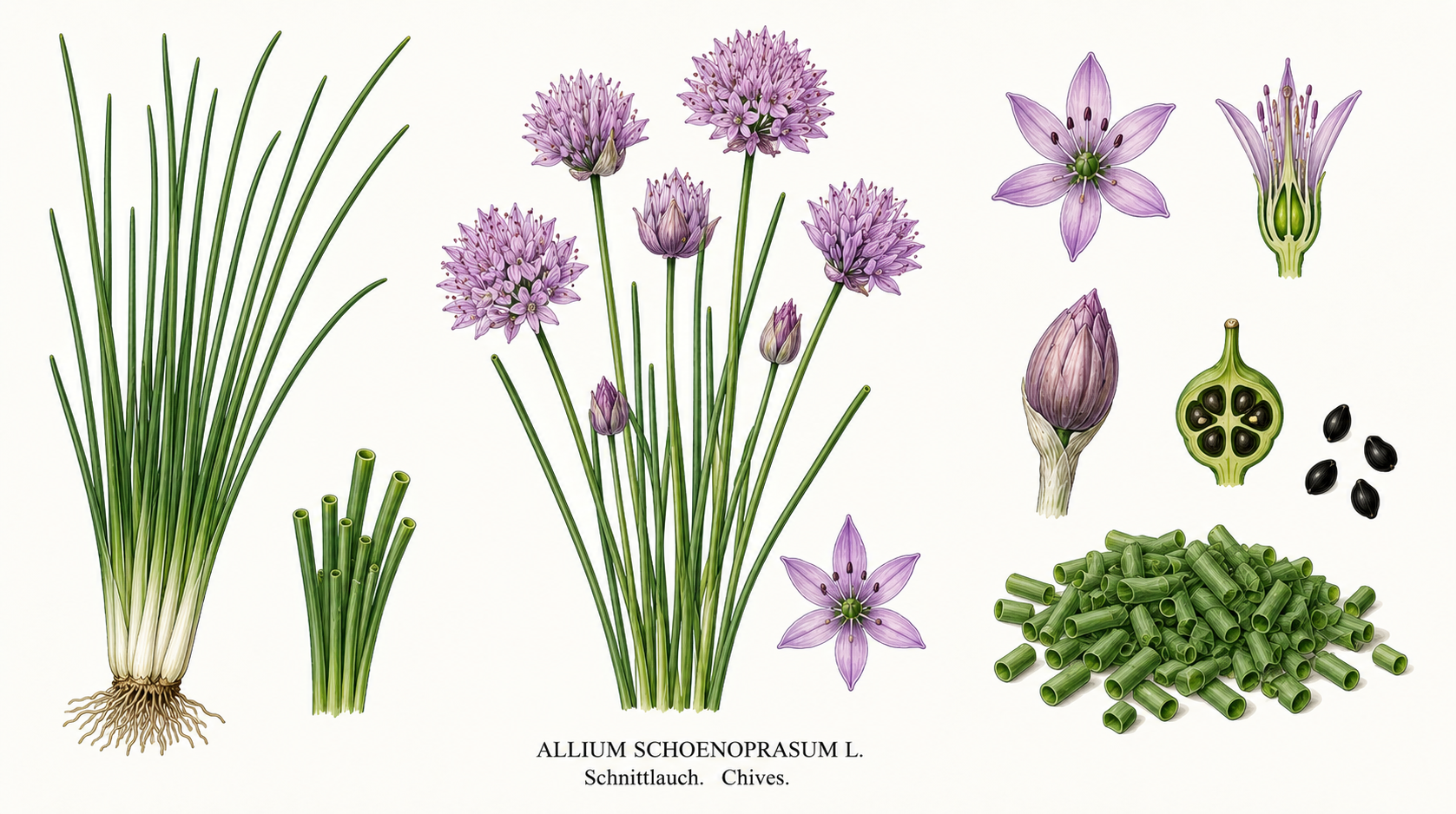
Chives
Allium schoenoprasum
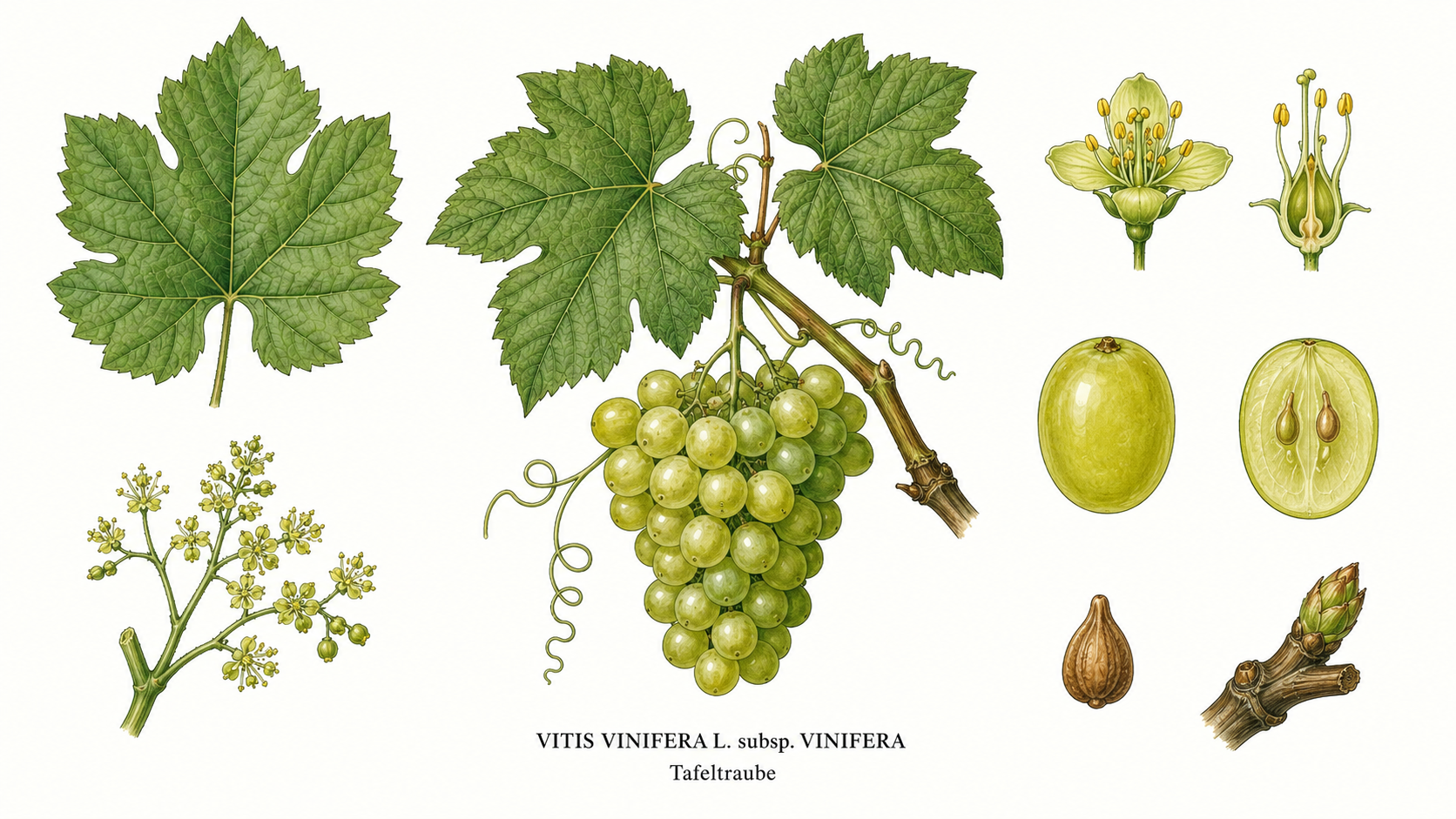
table grape
Vitis vinifera
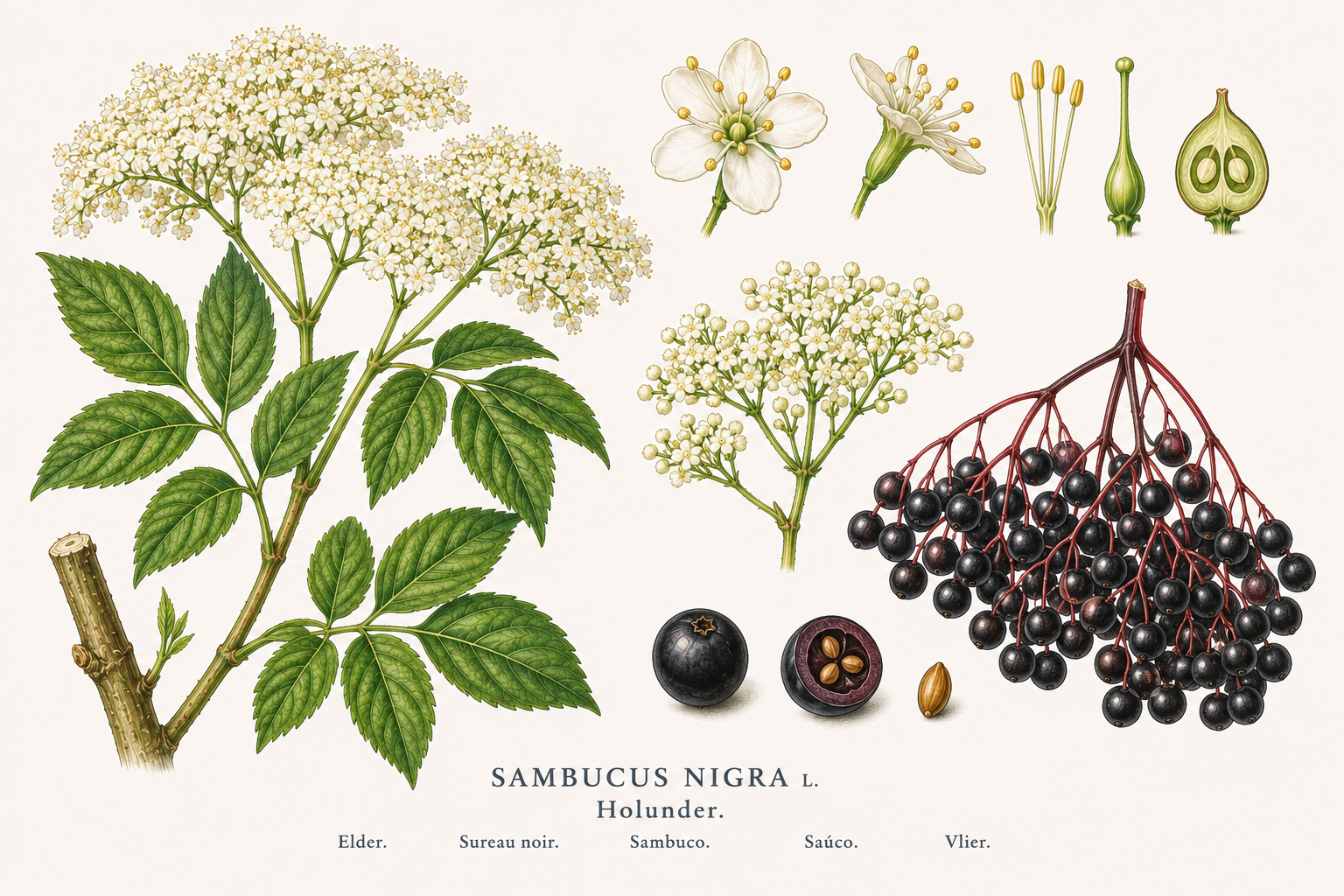
Sambucus
Sambucus
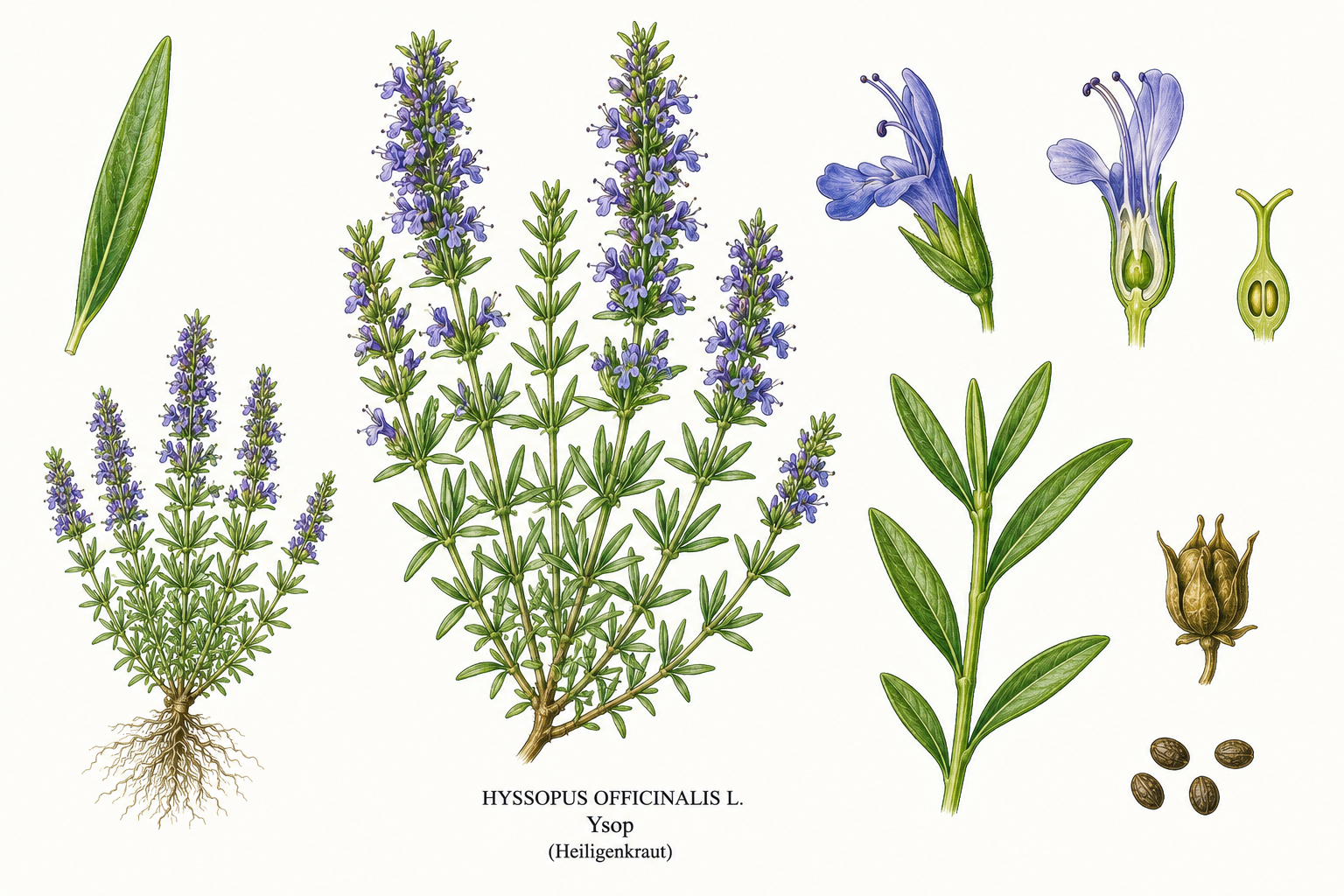
Hyssop
Hyssopus officinalis
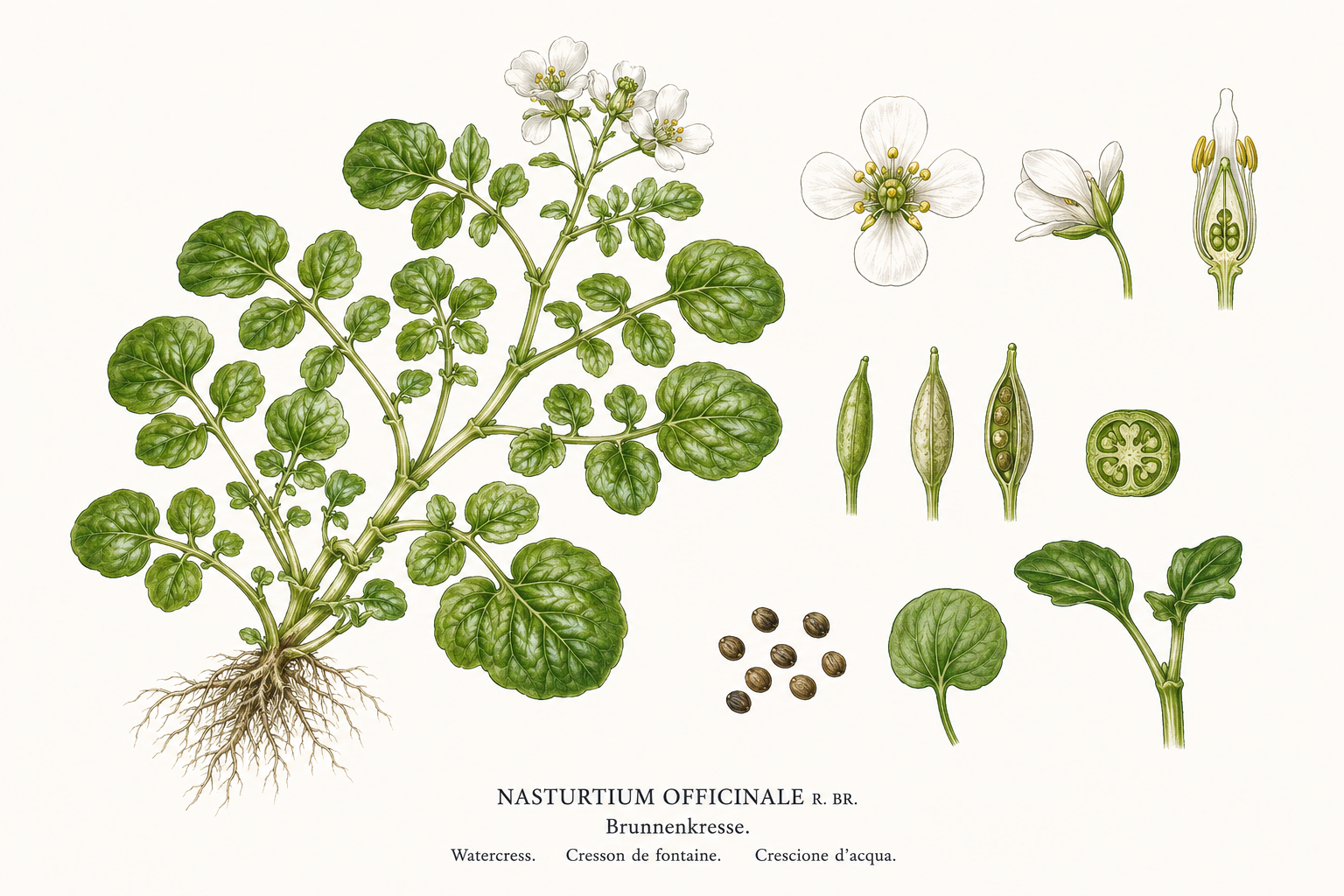
Watercress
Nasturtium officinale
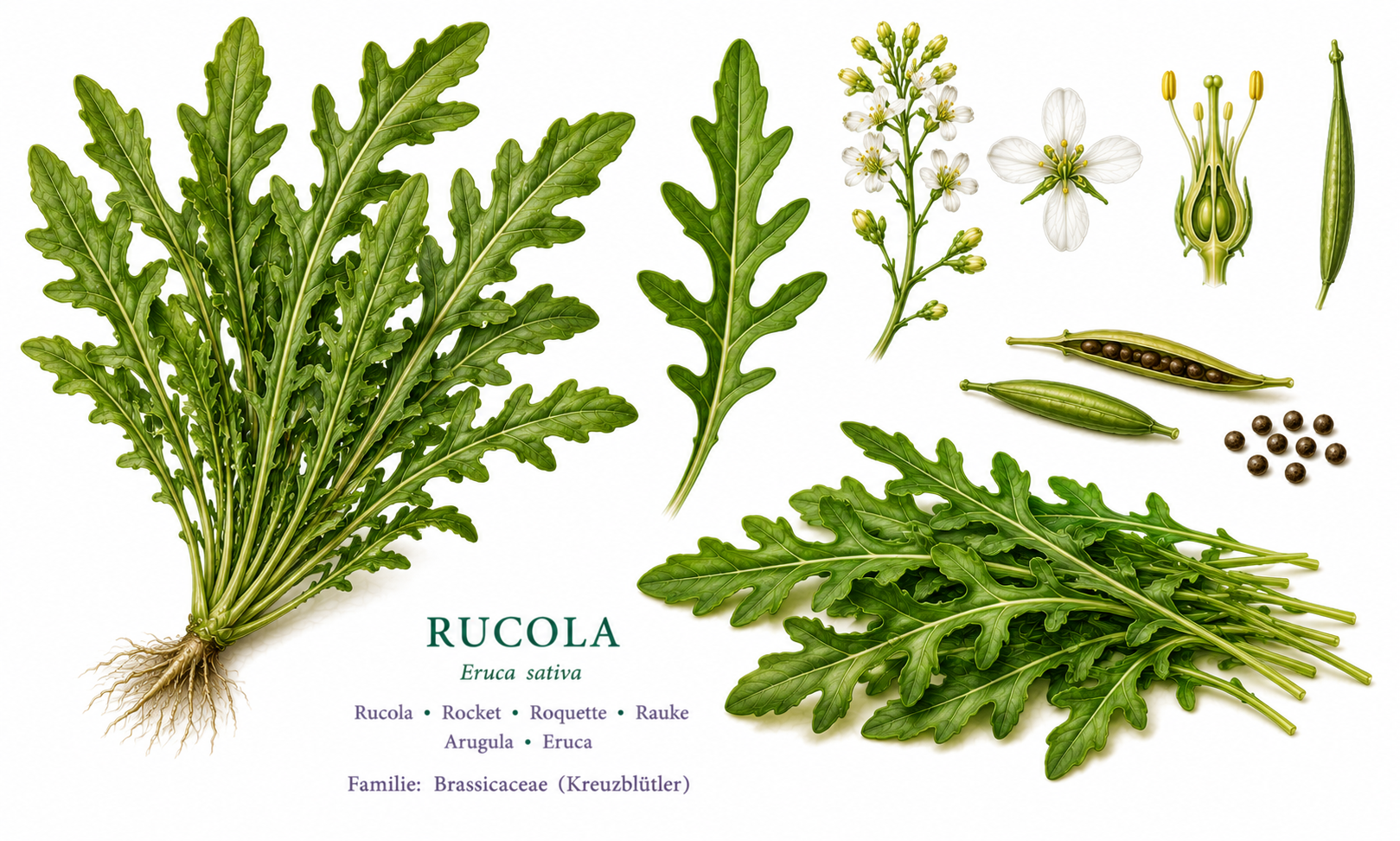
Arugula
Eruca vesicaria subsp. sativa
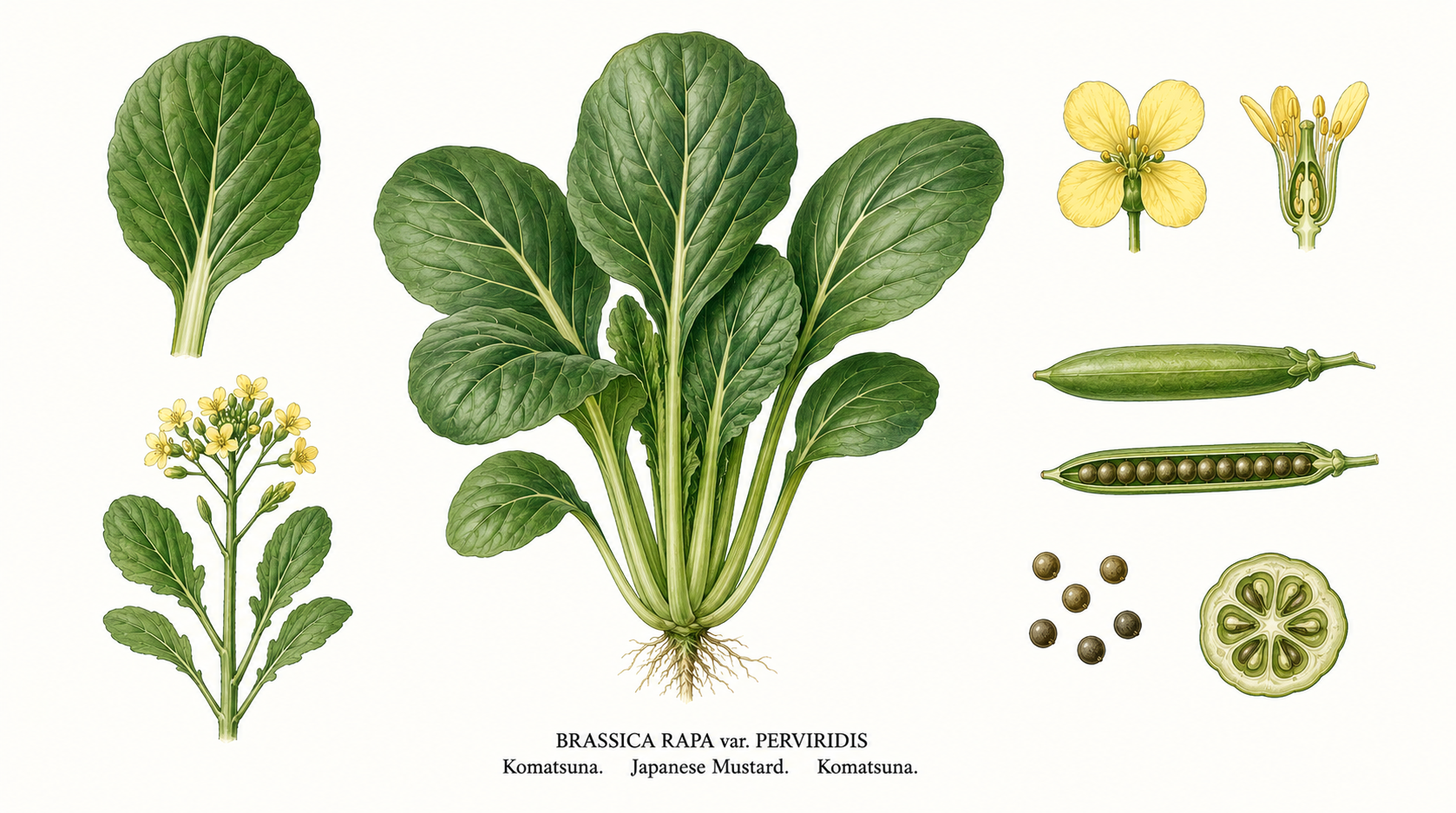
Komatsuna
Brassica rapa var. perviridis
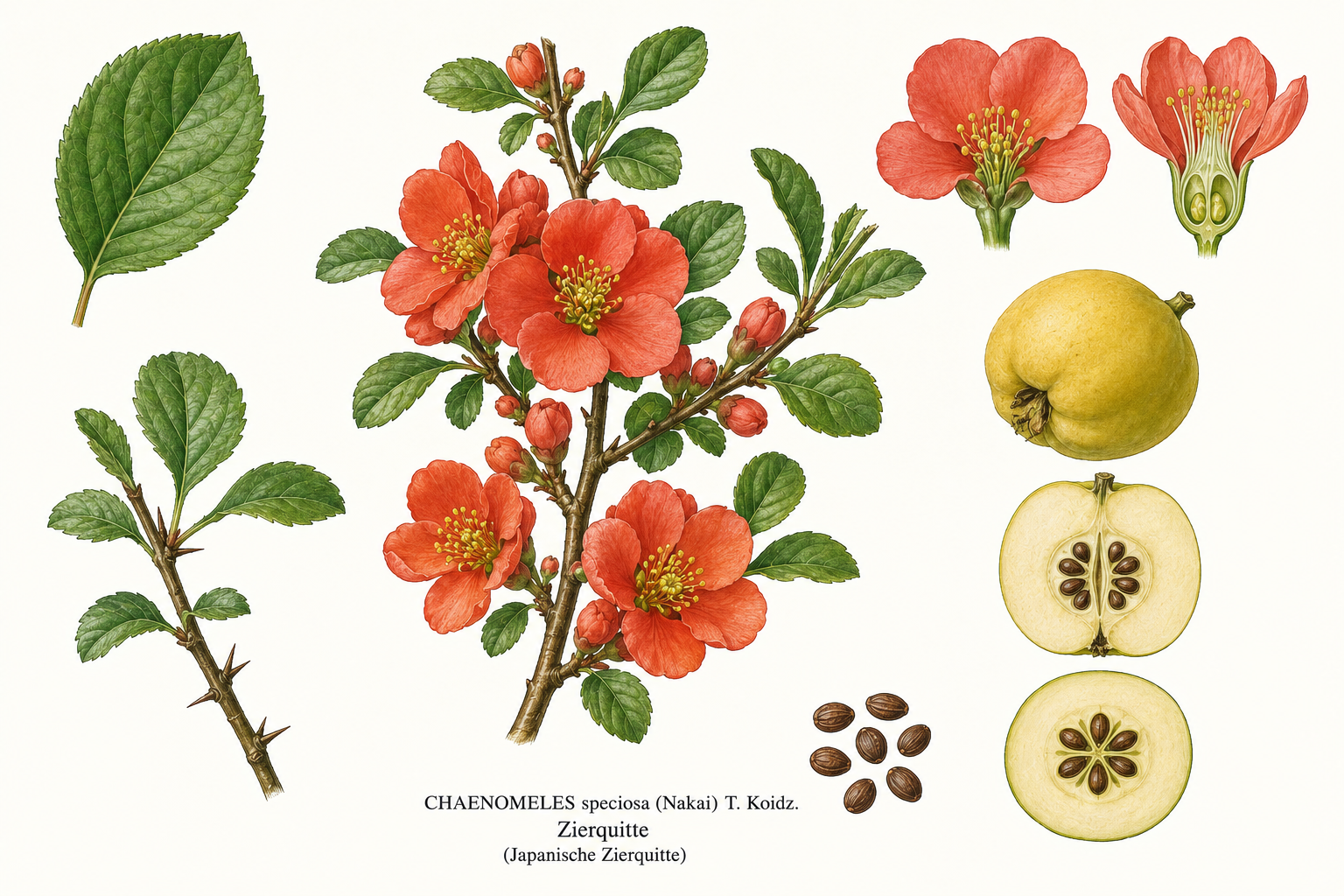
Chaenomeles
Chaenomeles
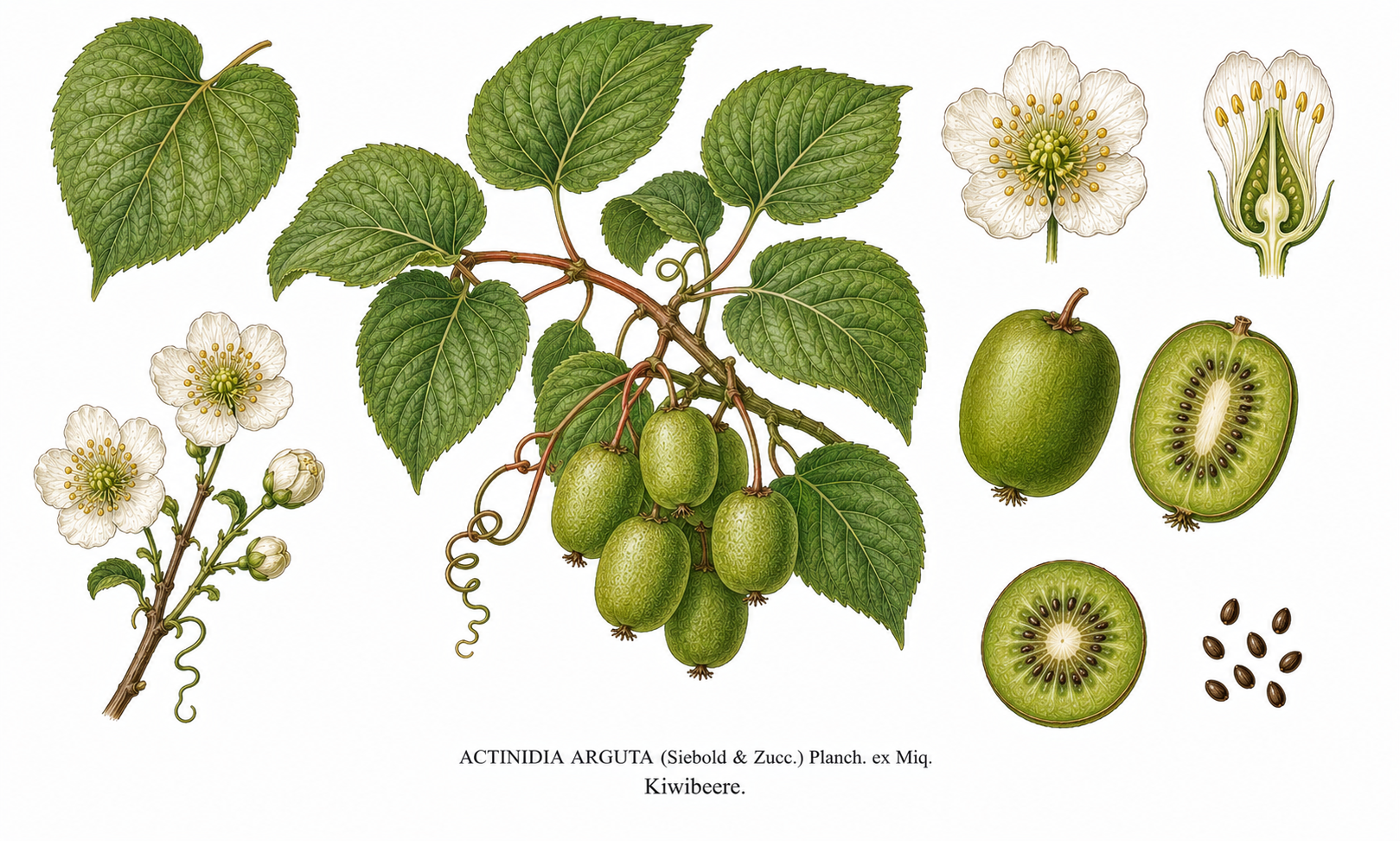
hardy kiwi
Actinidia arguta
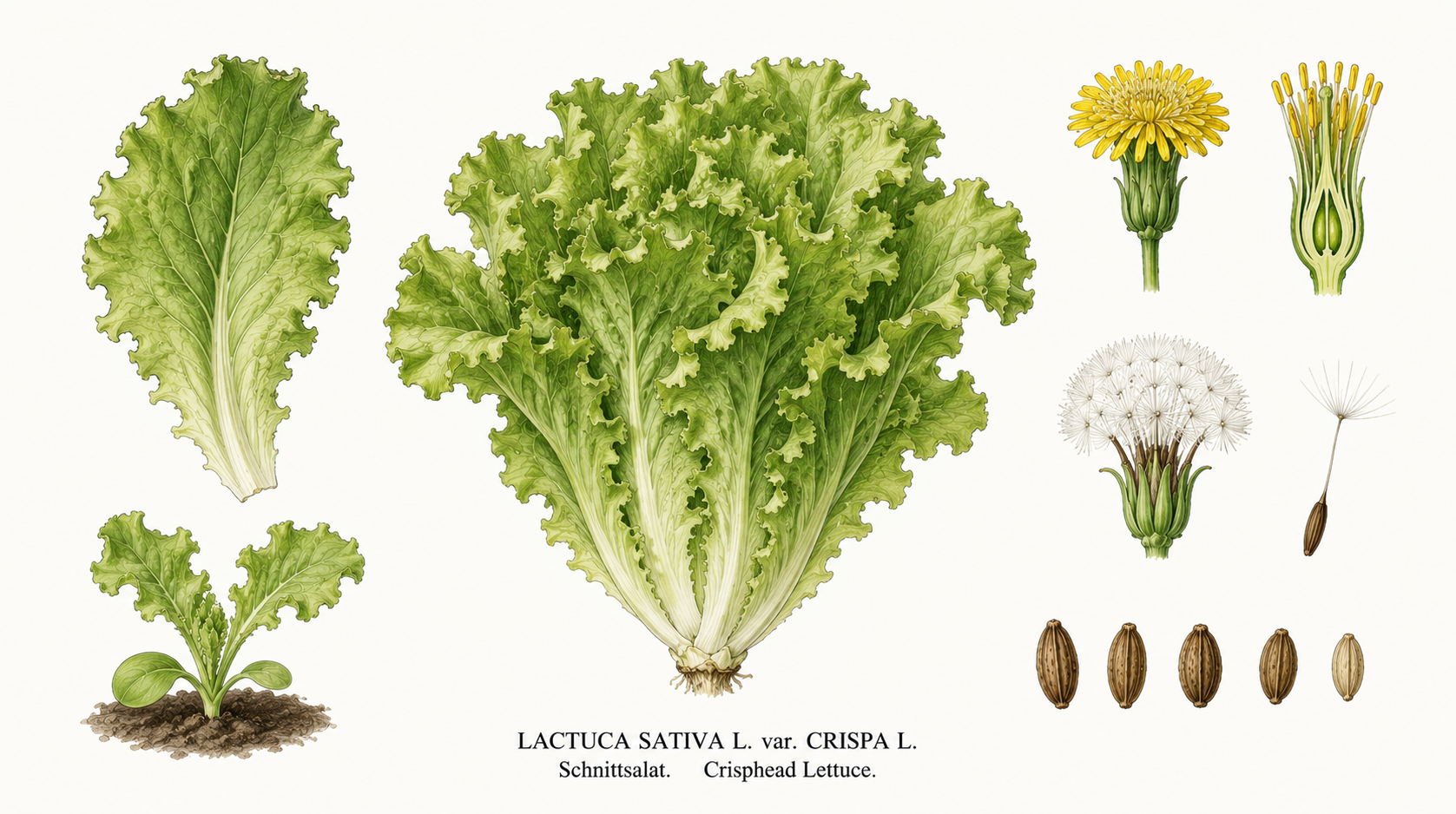
cutting lettuce
Lactuca sativa var. crispa
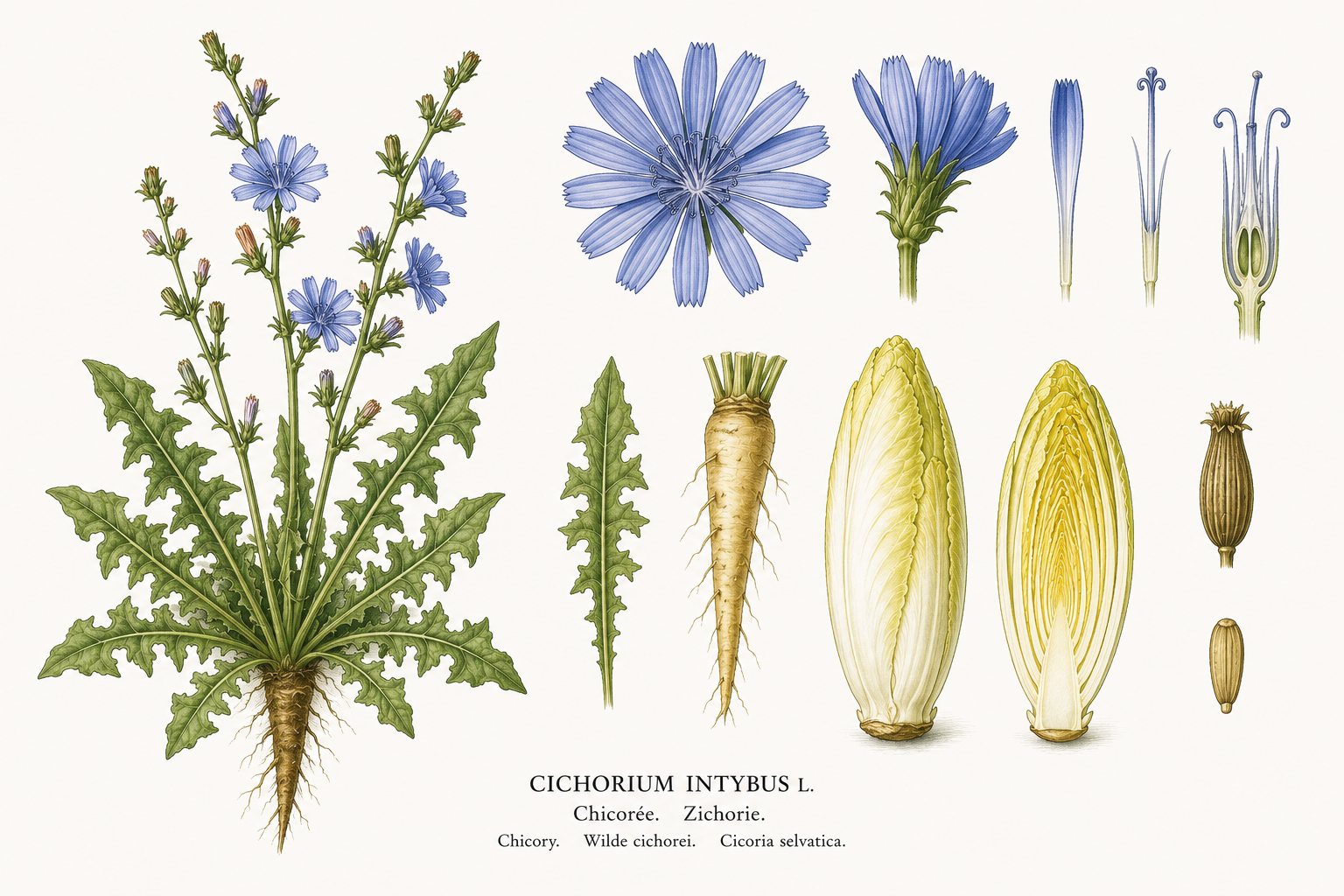
Common chicory
Cichorium intybus
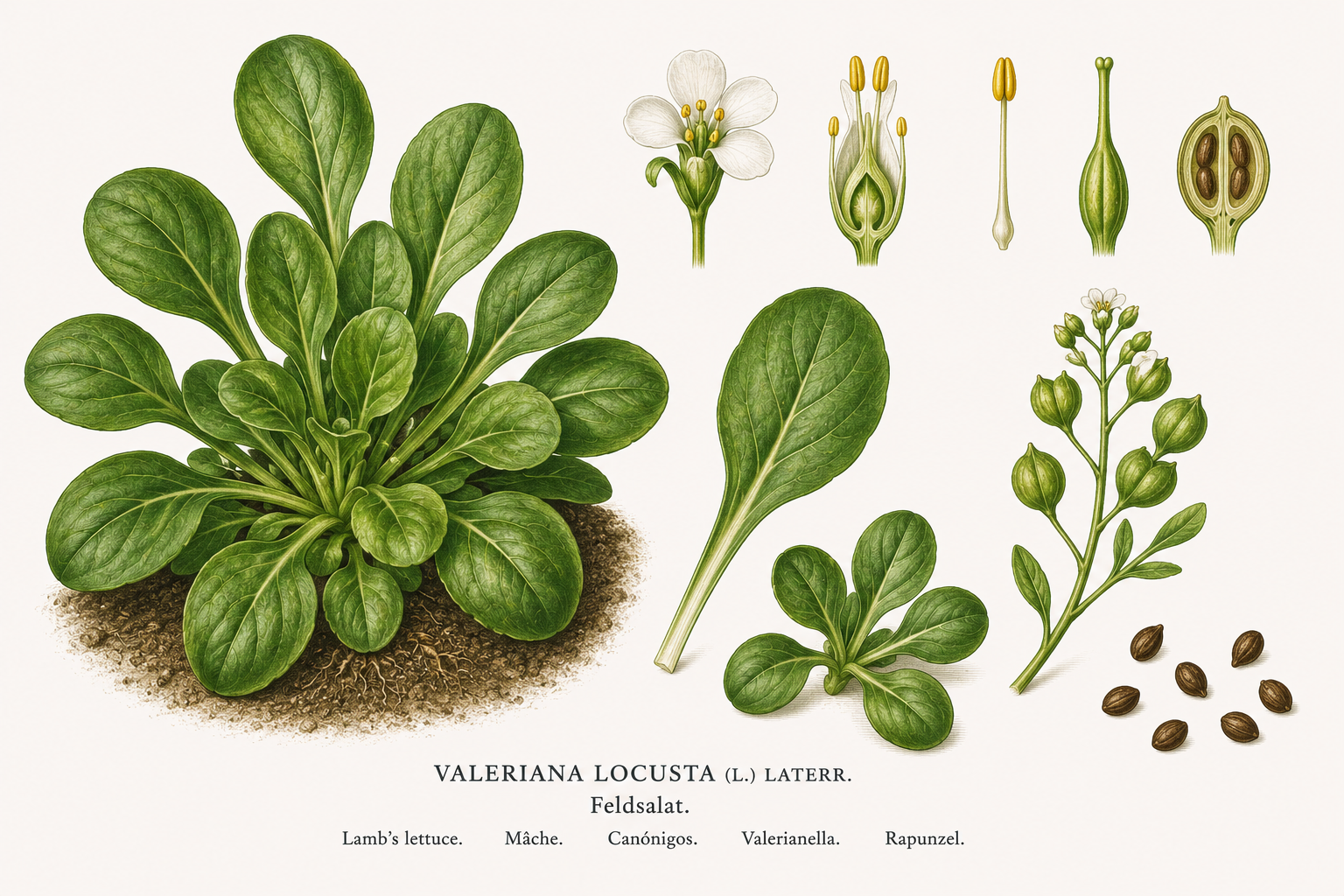
corn salad
Valerianella locusta
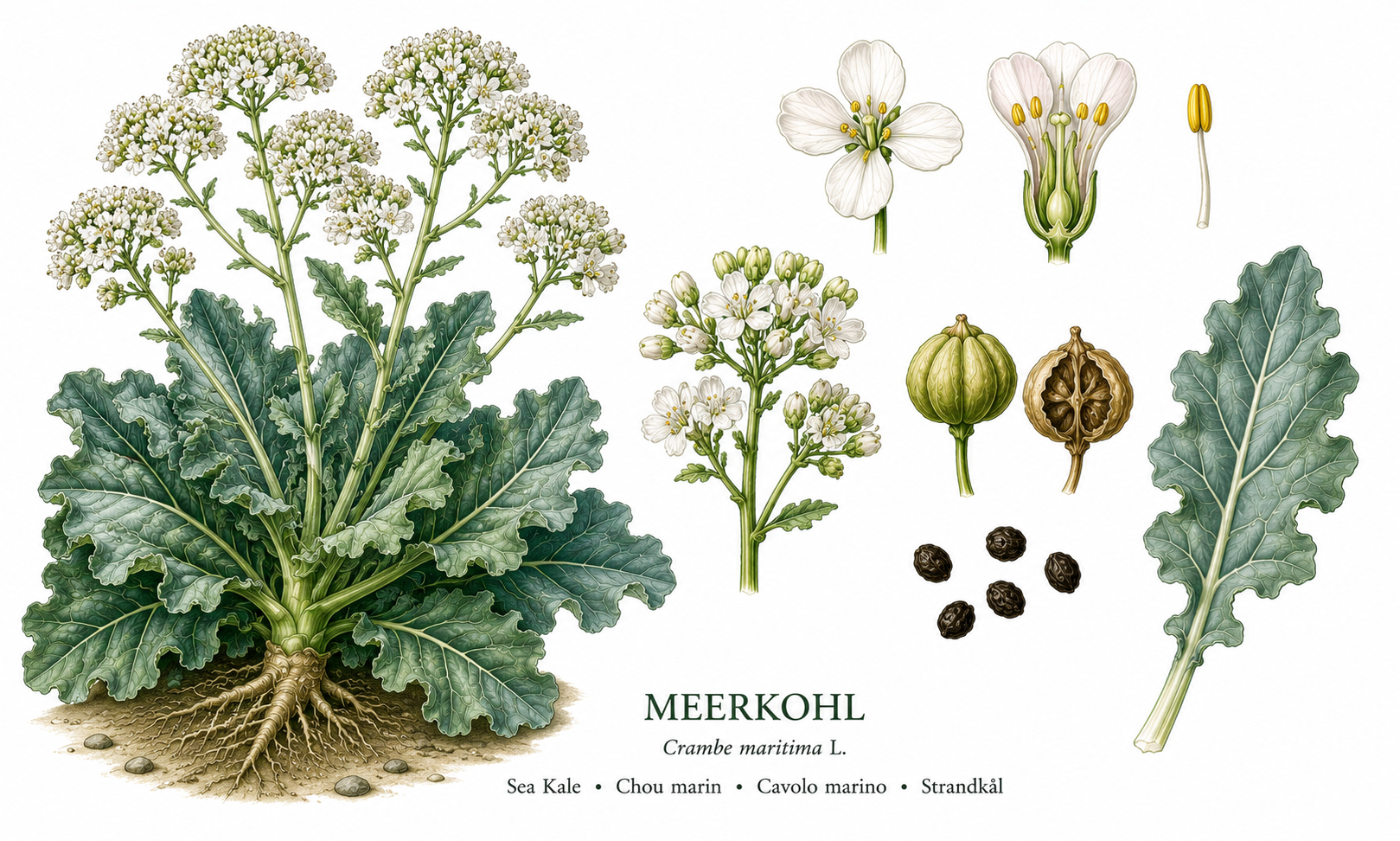
Crambe
Crambe
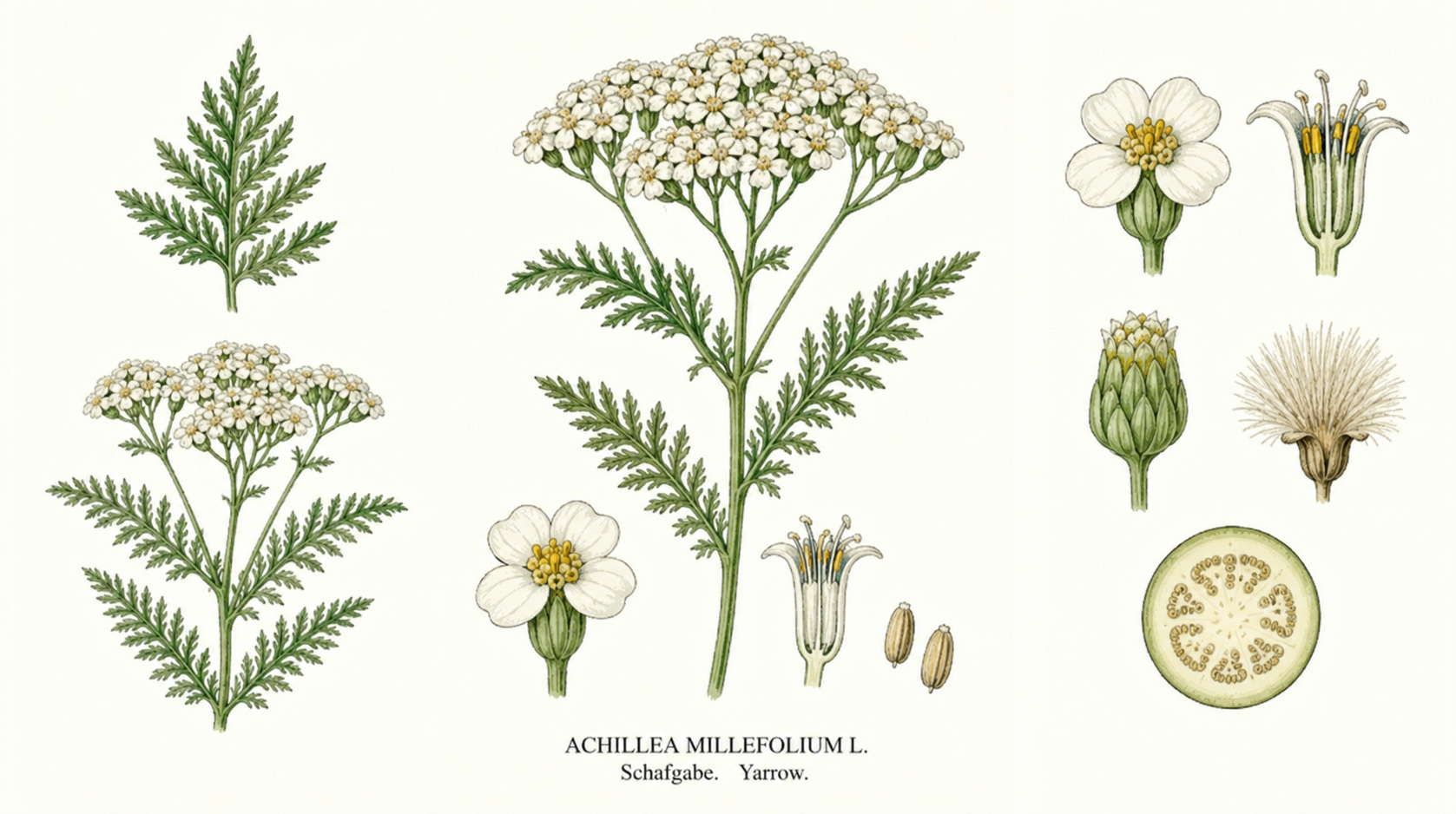
Yarrow
Achillea
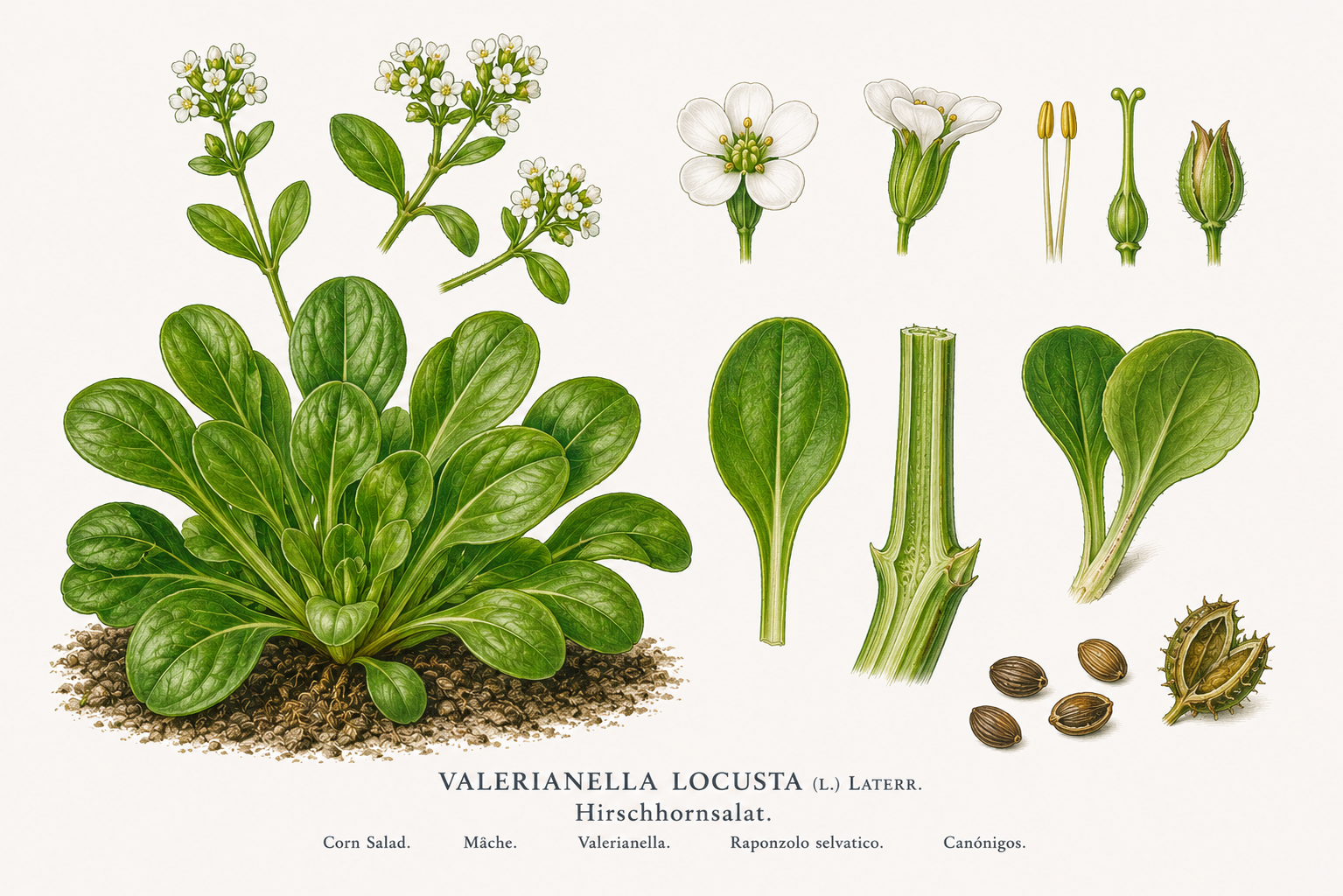
buck's-horn plantain
Plantago coronopus
153 more plants are linked in the task lists above.