Plant Profile
leaf mustardBrassica juncea
Fast, spicy leafy green for cool-season crops.
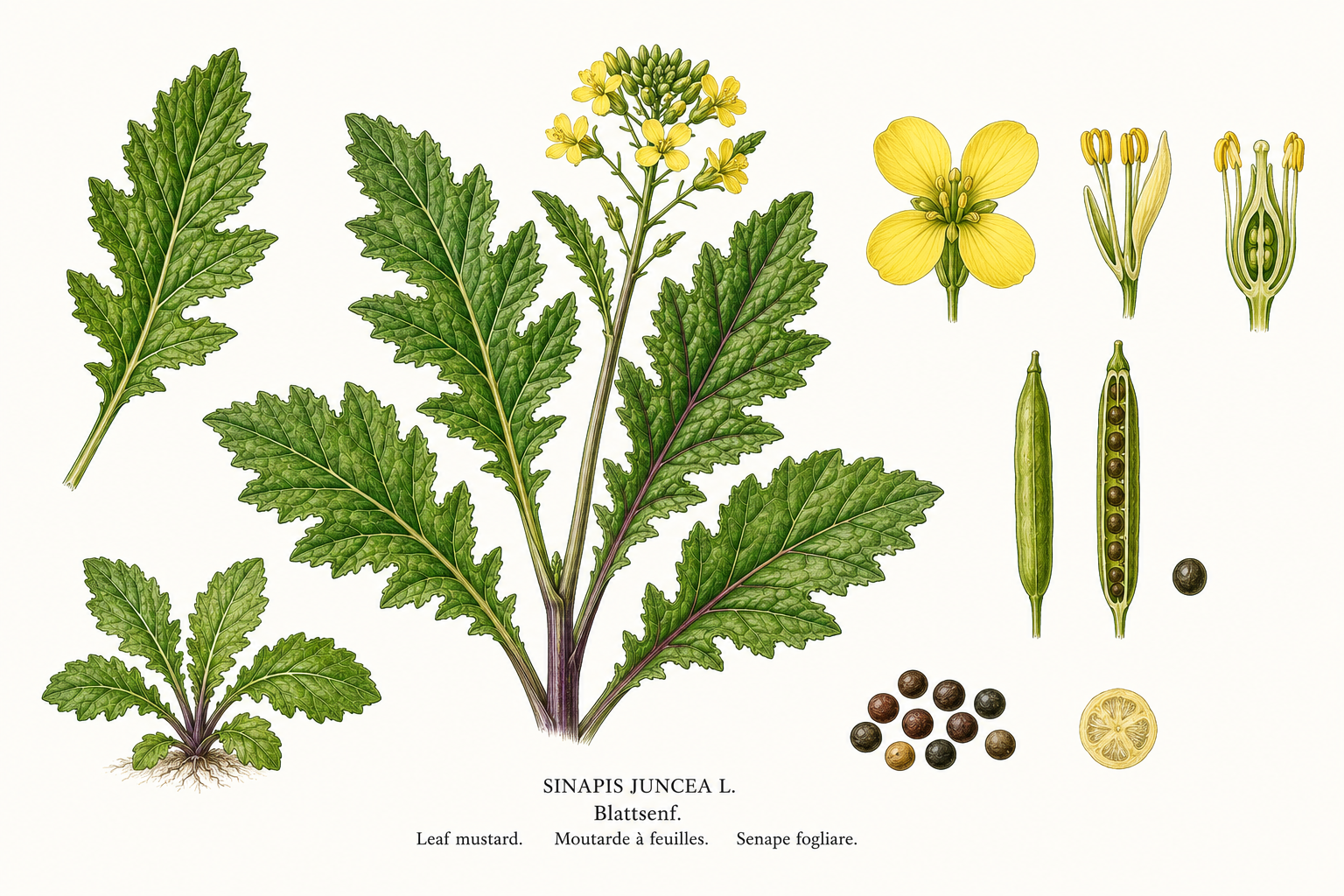
Quick profile
Key data
Good neighbors
lettuceonionDill
Avoid
other brassicas in tight rotation
Indoor & direct sowing
leaf mustard: Sowing and germination
Start under cover for early crops.
Direct sow in spring and late summer.
Planting & site
leaf mustard: Planting and spacing
Set transplants not too deep and water in well.
Temperature & frost
leaf mustard: Temperature and site
Water & nutrients
leaf mustard: Water, nutrients and care
Year plan
leaf mustard Calendar
Relevant now
June
- No additional single task
Next up
July
- No additional single task
Monthly tasks
Single tasks from monthly data; repeated seasonal windows are shown in the overview above.
January
Quiet month
February
No additional single task
March
No additional single task
April
No additional single task
May
No additional single task
June
No additional single task
August
No additional single task
September
No additional single task
October
No additional single task
November
No additional single task
December
Quiet month
Companion guide
leaf mustard Companion guide
Good neighbors
lettuceonionDill
Avoid
other brassicas in tight rotation
Use & storage
leaf mustard Use & storage
Cut young leaves continuously.
Storage
Storage life: 1-3 days refrigerated, Conditions: cool, clean, and dry or slightly humid depending on crop, Processing options: use fresh, lightly cook, ferment
Flavor
mustardy and pungent
Harvest
Cut young leaves continuously.
Edibility & safety
leaf mustard Edibility & safety
For people
In brief: which parts are edible, which parts remain risky, and whether raw consumption makes sense.
Safety notes
Do not consume if identification is uncertain; do not infer medicinal claims.
Animal safety
For many animals, this plant is generally low-risk: 11 animal types are rated suitable or mostly suitable. Quantity, plant part, and individual tolerance still matter.
Each row shows which parts are more suitable and which parts are critical.
Companion animals
 Dog
Dogleaves, young stems
No risk parts listed
leaves, young stems
No risk parts listed
consumption of large quantities of raw plant parts, pre-existing thyroid conditions in the animal
gastrointestinal upset (vomiting, diarrhea), in very large quantities: thyroid issues
observe
Leaf mustard is generally safe for dogs when fed in moderation. Large quantities, especially raw, can cause gastrointestinal upset. Individuals with thyroid issues should limit brassica intake.
Open animal page Cat
CatNo suitable parts listed
No risk parts listed
No suitable parts listed
No risk parts listed
unknown
As no specific toxic compounds or parts were identified and the classification is based on general plant consumption, the status is marked as "unknown" with a recommendation to observe for symptoms.
Open animal page Rabbit
leaves (in moderation), young stems (in moderation)
seeds, large quantities of raw, older leaves
leaves (in moderation), young stems (in moderation)
seeds, large quantities of raw, older leaves
excessive consumption, consumption of seeds, consumption of large quantities of raw, older leaves
gastrointestinal upset (bloating, diarrhea), in very large quantities: thyroid issues (due to glucosinolates)
observe
Leaf mustard is suitable as a supplemental feed for rabbits in moderation. Large quantities, especially of raw, older leaves or seeds, can cause gastrointestinal issues. The glucosinolates present can affect thyroid function with chronic excessive intake. Plant identification is important as some mustard species can be more irritating.
Open animal page Guinea pig
leaves, young stems
No risk parts listed
leaves, young stems
No risk parts listed
excessive consumption, pre-existing thyroid conditions
gastrointestinal upset with excessive consumption, can be problematic with thyroid issues
observe
Leaf mustard is generally safe for guinea pigs when fed in moderation. Like other brassicas, it can cause gastrointestinal upset if consumed in excess. Guinea pigs with thyroid issues should receive brassicas in moderation, as they can interfere with thyroid function.
Open animal page Hamster
leaves (in small amounts)
No risk parts listed
leaves (in small amounts)
No risk parts listed
Excessive consumption, Thyroid issues (with chronic, one-sided intake of brassicas)
gastrointestinal upset (with excessive consumption)
observe
Leaf mustard belongs to the brassica family and contains glucosinolates, which can be converted into isothiocyanates. These can cause gastrointestinal upset if consumed in excess. Suitable in small amounts as an occasional treat for hamsters. Chronic, one-sided intake of brassicas can lead to thyroid issues.
Open animal page Budgie
No suitable parts listed
No risk parts listed
No suitable parts listed
No risk parts listed
unknown
No specific information available for budgies. Leaf mustard can be problematic for some animals with excessive consumption or thyroid issues. Classification is not possible without species-specific data.
Open animal pageFarm animals
 Horse
HorseNo suitable parts listed
No risk parts listed
No suitable parts listed
No risk parts listed
unknown
No reliable species-specific assessment is available. Mustard (Brassica juncea) can cause gastrointestinal upset in horses, especially if large quantities are consumed. However, the toxicity is generally considered low and symptoms are typically mild. There are no specific toxic compounds identified as highly dangerous to horses, but the glucosinolates can be irritating.
Open animal page Chicken
leaves, young stems
No risk parts listed
leaves, young stems
No risk parts listed
excessive consumption, one-sided feeding, feeding large quantities of raw brassicas
gastrointestinal upset with excessive consumption, thyroid issues with one-sided feeding of large quantities
observe
Leaf mustard is generally safe for chickens when fed in moderation. Large quantities, especially raw, can cause gastrointestinal upset or thyroid issues due to glucosinolates and isothiocyanates. Older leaves are better cooked. Plant identification should be certain.
Open animal page Duck
Duckleaves, young stems
No risk parts listed
leaves, young stems
No risk parts listed
excessive consumption, raw, older leaves, pre-existing thyroid conditions in the animal
gastrointestinal upset, thyroid issues (with chronic overconsumption of large quantities)
observe
Leaf mustard is generally safe for ducks when fed in moderation. Large quantities, especially of older leaves, can cause gastrointestinal upset due to glucosinolates and isothiocyanates. Chronic overconsumption of large amounts may lead to thyroid issues. Young leaves and stems are most suitable.
Open animal page Goose
Gooseleaves, young stems
No risk parts listed
leaves, young stems
No risk parts listed
Excessive consumption, One-sided raw feeding of large quantities, Consumption of older or woody plant parts
gastrointestinal upset with excessive consumption, thyroid issues with chronic one-sided raw feeding
observe
Leaf mustard is generally safe for geese when fed in moderation. Large quantities or a one-sided diet can lead to gastrointestinal issues. Older plants may be more irritating. The glucosinolates present can affect the thyroid with chronic overconsumption of raw feed.
Open animal page Sheep
Sheepleaves (in moderation, cooked)
seeds, large quantities of raw leaves
leaves (in moderation, cooked)
seeds, large quantities of raw leaves
overconsumption, consumption of large amounts of raw plant parts, consumption of seeds
gastrointestinal upset, thyroid issues (with chronic overconsumption of large amounts of raw plant)
observe
Brassica juncea is a brassica and can contain glucosinolates, which may cause gastrointestinal upset if consumed excessively, especially raw. Large quantities can also affect thyroid function. Cooked leaves in moderation are suitable for sheep as part of their diet. Seeds should be avoided.
Open animal page Goat
Goatleaves (in moderation, cooked or young raw)
seeds, older, woody stems, roots
leaves (in moderation, cooked or young raw)
seeds, older, woody stems, roots
excessive consumption, consumption of large amounts of raw, older plants, consumption of seeds or roots
gastrointestinal upset (nausea, vomiting, diarrhea), thyroid issues with chronic overconsumption of large amounts of raw plant, skin irritation (rare)
observe
Leaf mustard is suitable for goats in moderation as part of their diet, especially young leaves or cooked older leaves. Large quantities of raw plants, particularly older ones or the seeds, can cause gastrointestinal issues and potentially thyroid problems due to glucosinolates and thiocyanates. Classification is based on general knowledge of Brassica species and their constituents.
Open animal page Cattle
leaves (in moderation, cooked)
seeds, large quantities of raw leaves
leaves (in moderation, cooked)
seeds, large quantities of raw leaves
overconsumption, consumption of large amounts of raw plant parts, consumption of seeds
gastrointestinal upset, thyroid issues (with chronic overconsumption of large amounts of raw plant)
observe
No direct species-specific source was found for cattle. This is a cautious inference from the sheep profile and the known plant-part risks.
Open animal page Pig
Pigleaves, young stems
No risk parts listed
leaves, young stems
No risk parts listed
excessive consumption, one-sided raw feeding of large quantities, pre-existing thyroid conditions
gastrointestinal upset with excessive consumption, potential thyroid issues with very one-sided raw feeding of large quantities
observe
Leaf mustard is suitable for pigs in moderation as part of their diet. Large quantities, especially raw and fed one-sidedly, can cause gastrointestinal upset and potentially affect thyroid function due to glucosinolates and isothiocyanates. Older leaves are better cooked. Plant identification should be certain.
Open animal pageThese guidelines are for general information only and do not replace veterinary diagnosis. If critical plant parts were ingested or the animal shows unusual behaviour or symptoms, seek veterinary advice.
Max risk
unknown
Highest status
not established
Urgency
unknown
Plant Profile
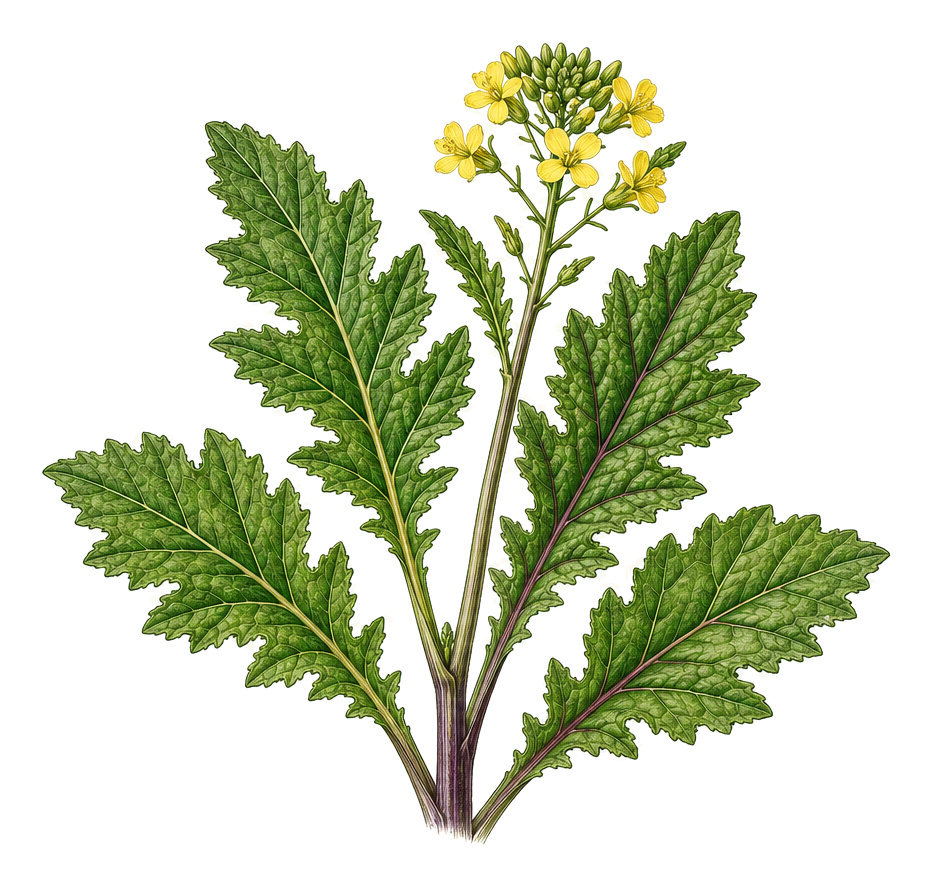
Additional plant images
Health
Pests, Diseases
Plant health
Diagnosis help
leaf mustard Diagnosis help
Pest groups
Disease groups
Prevention
Diagnosis
Assess symptoms together with site, weather, and growth stage.
FAQ
Is leaf mustard safe for Dog?
leaf mustard is classified as moderation only for Dog. Risk: unknown. Urgency: observe. Leaf mustard is generally safe for dogs when fed in moderation. Large quantities, especially raw, can cause gastrointestinal upset. Individuals with thyroid issues should limit brassica intake.
Is leaf mustard safe for Cat?
leaf mustard is classified as not established for Cat. Risk: unknown. Urgency: unknown. As no specific toxic compounds or parts were identified and the classification is based on general plant consumption, the status is marked as "unknown" with a recommendation to observe for symptoms.
Is leaf mustard safe for Rabbit?
leaf mustard is classified as moderation only for Rabbit. Risk: unknown. Urgency: observe. Leaf mustard is suitable as a supplemental feed for rabbits in moderation. Large quantities, especially of raw, older leaves or seeds, can cause gastrointestinal issues. The glucosinolates present can affect thyroid function with chronic excessive intake. Plant identification is important as some mustard species can be more irritating.
Is leaf mustard safe for Guinea pig?
leaf mustard is classified as moderation only for Guinea pig. Risk: unknown. Urgency: observe. Leaf mustard is generally safe for guinea pigs when fed in moderation. Like other brassicas, it can cause gastrointestinal upset if consumed in excess. Guinea pigs with thyroid issues should receive brassicas in moderation, as they can interfere with thyroid function.
Guides
Related guides
Guide
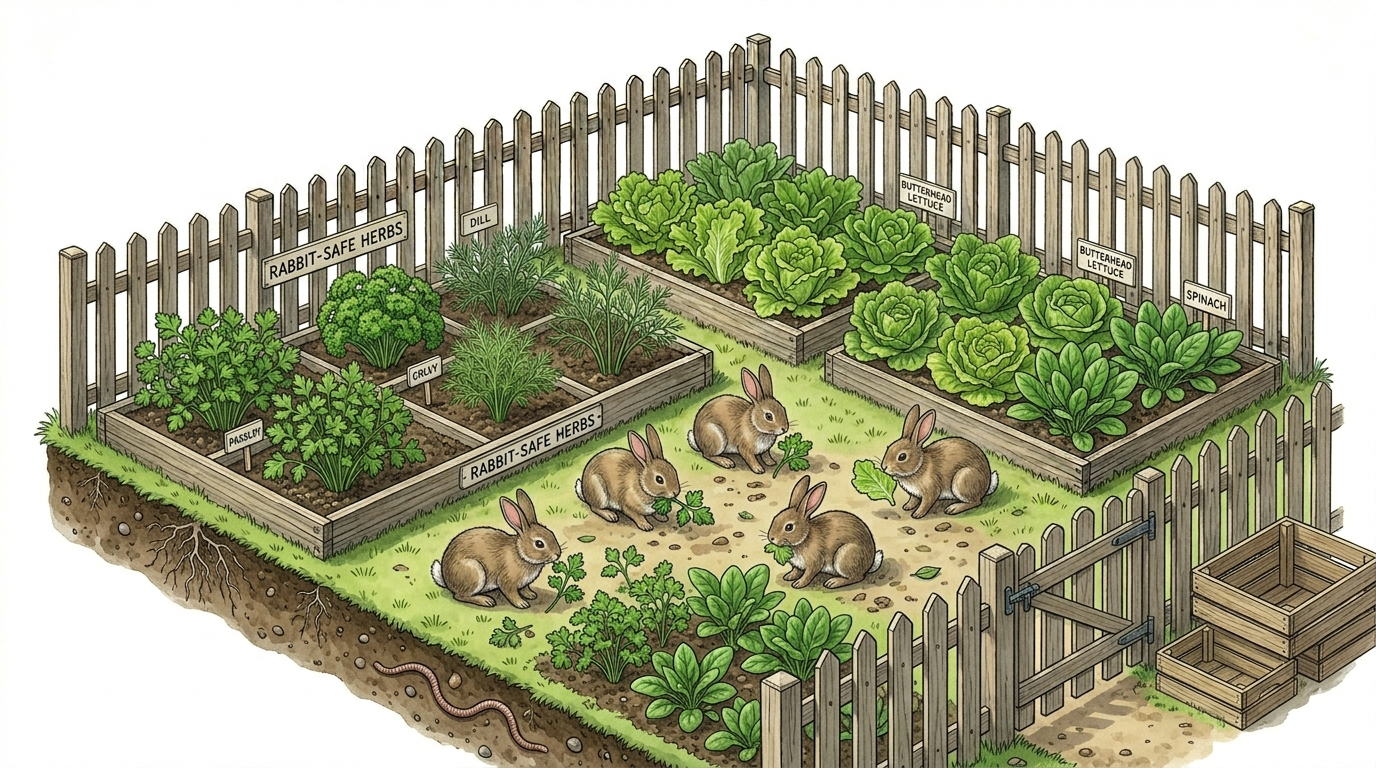
Rabbits in the Garden: Herbs and Vegetables
Learn how to choose suitable herbs and vegetables for rabbits, grow feeding plants, and plan a rabbit-friendly garden.
Guide
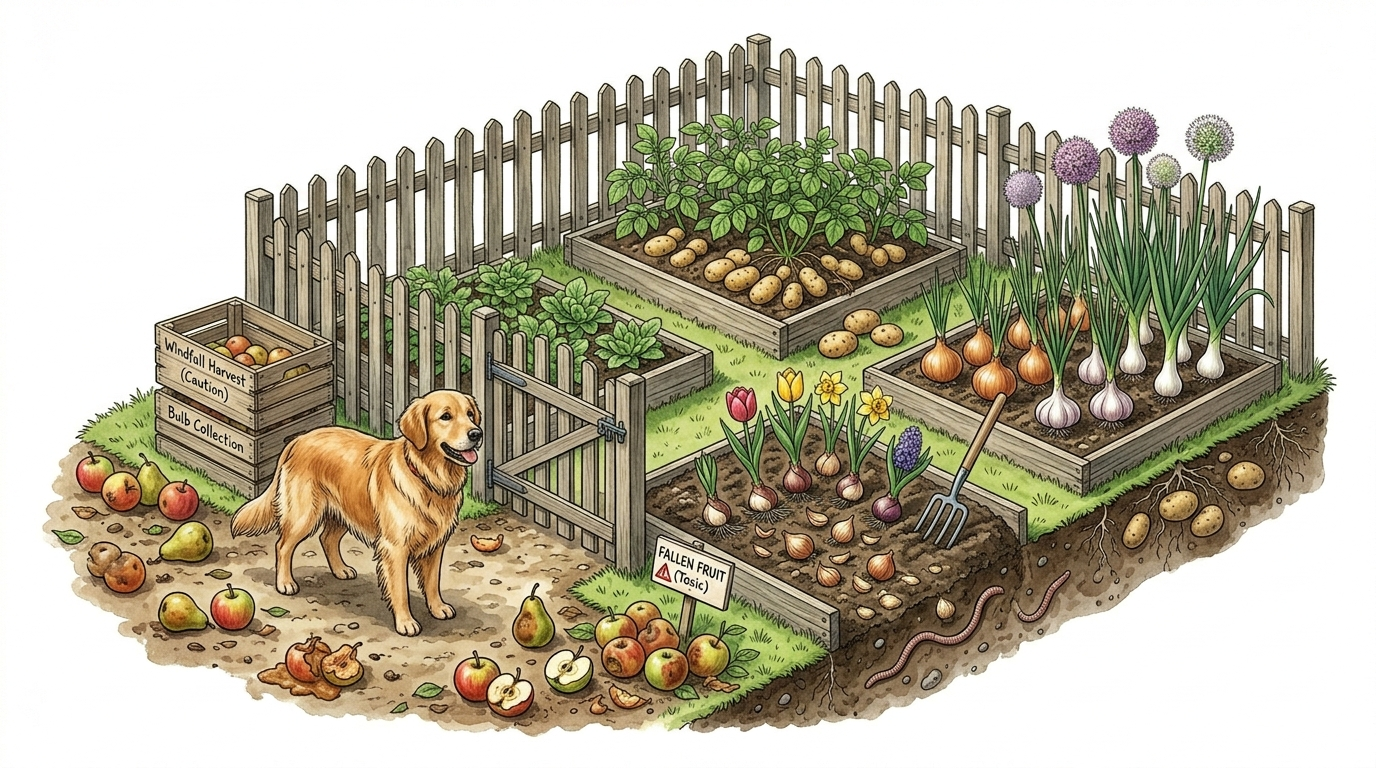
Dogs in the Garden: Windfall Fruit and Risks
Keep your garden dog-safe by managing windfall fruit, seeds, stored crops, and potentially problematic plant parts.
Guide
Horse Pastures and Garden Plants: Safety Checks
Learn how to identify risks near horse pastures, fences, turnout areas, fruit trees, and garden planting zones.
Guide
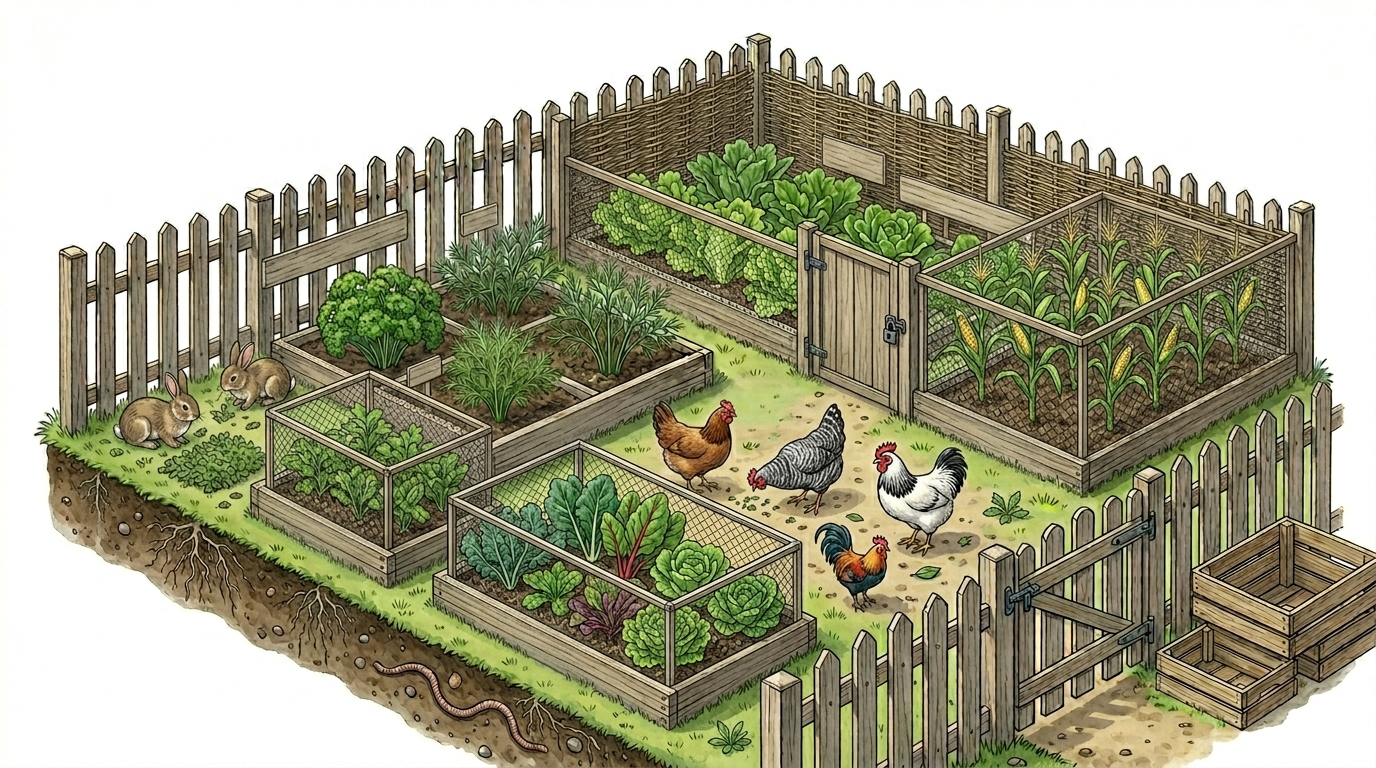
Chickens in the Garden: Safe Plants and Zones
Learn how to design a chicken-friendly garden with suitable plants, protected beds, and well-planned activity areas.
Internal links
Related plants
Sources
Public sources
- Wikidata search
Wikidata · 2026-05-12
- GBIF species match
GBIF · 2026-05-12