Plant Profile
European PlumPrunus domestica
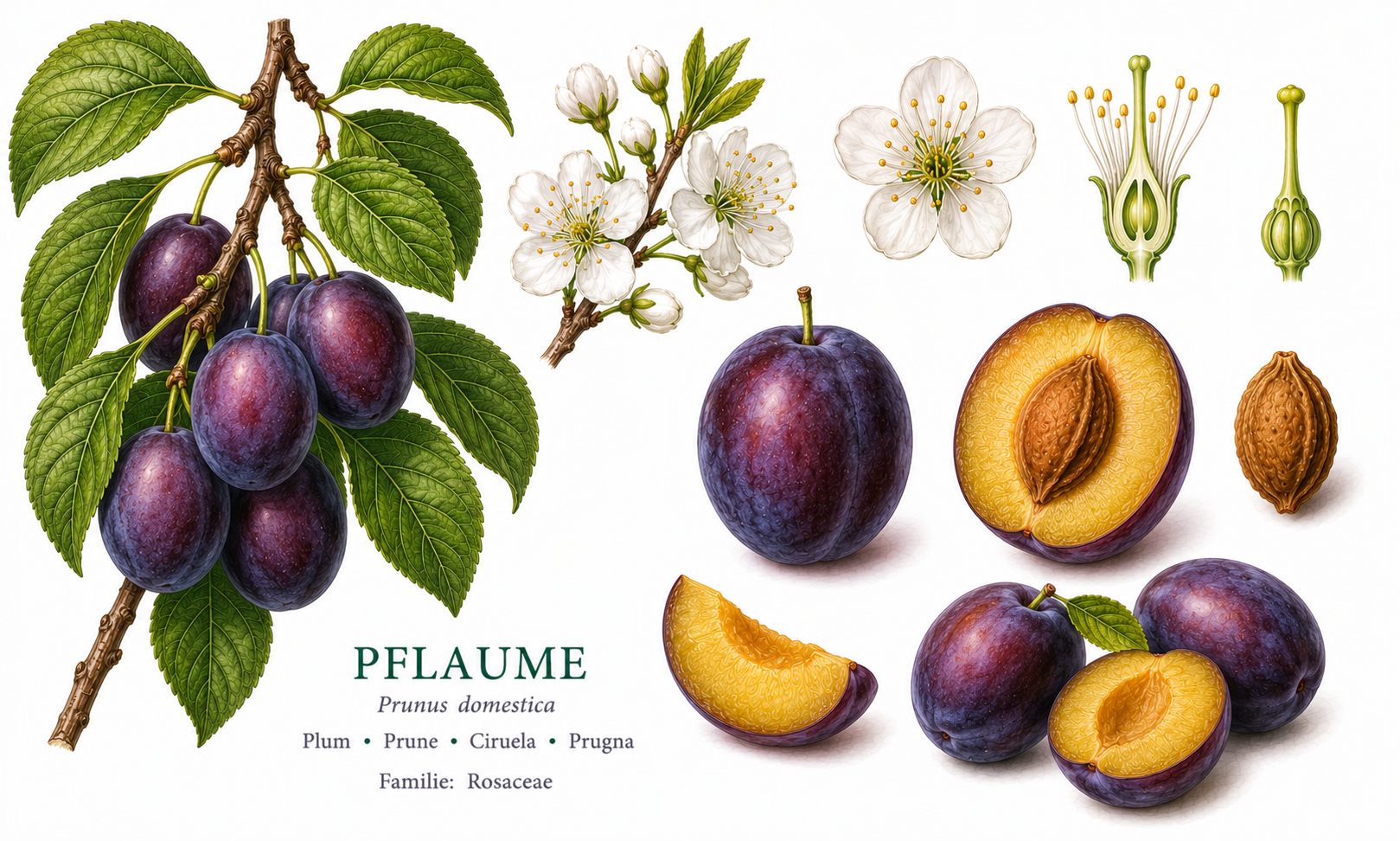
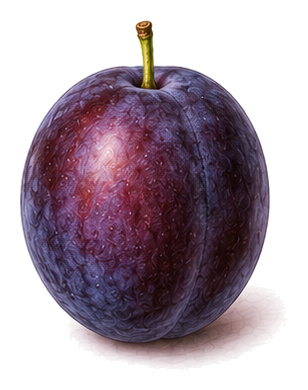
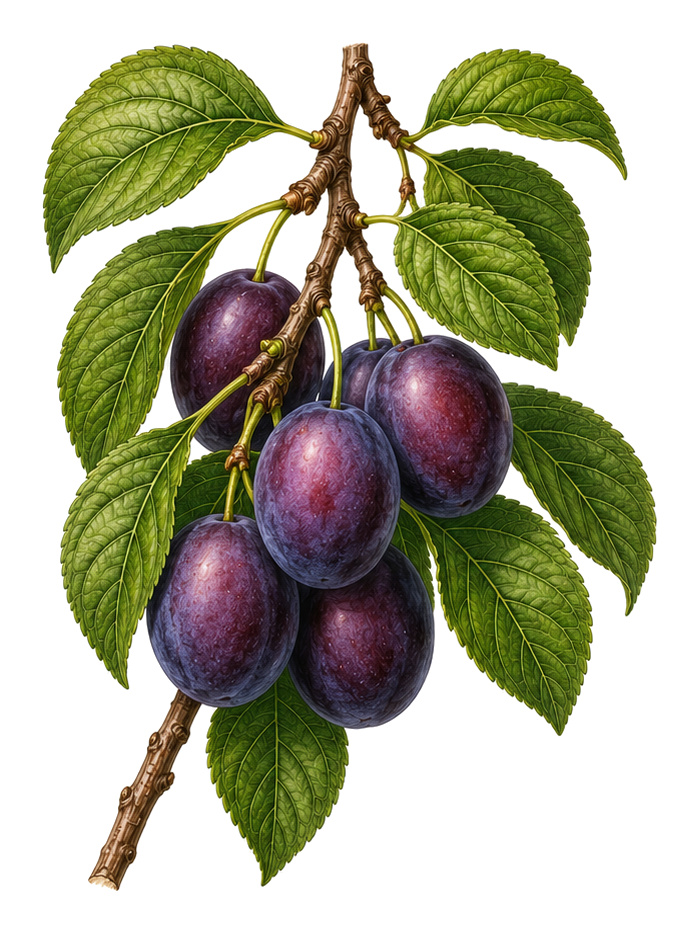
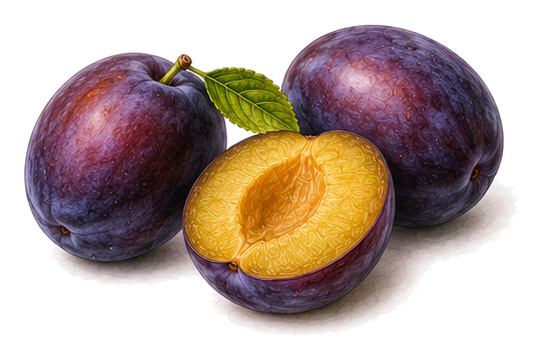
The European plum (Prunus domestica) is an indispensable classic in European orchards. Whether as a juicy dessert plum, firm-fleshed damson, or honey-sweet mirabelle, the variety of cultivars offers the right choice for every taste and garden size.
Quick profile
Key data
Suitable growing locations:
Good neighbors
NasturtiumGarlic
Avoid
Potato
Indoor & direct sowing
European Plum: Sowing and germination
Propagation usually via grafting; sowing is uncommon for home gardeners.
Direct sowing only for raising rootstocks in autumn.
Planting & site
European Plum: Planting and spacing
Plant bare-root trees in late autumn or early spring; container-grown trees possible year-round.
Site & practical notes
Topic: variety_selection, Notes: In areas with known Sharka outbreaks, strictly choose resistant varieties like 'Jojo'.
Temperature & frost
European Plum: Temperature and site
Water & nutrients
European Plum: Water, nutrients and care
Container & growth
European Plum: Container, support and growth
Year plan
European Plum Calendar
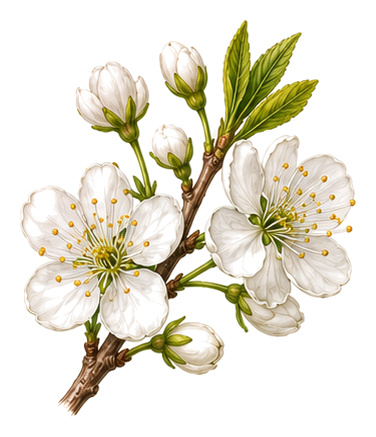
In April, the blossoms transform the tree into a white cloud.
Recurring tasks
Relevant now
June
- No additional single task
Next up
July
- No additional single task
Monthly tasks
Single tasks from monthly data; repeated seasonal windows are shown in the overview above.
January
Quiet month
February
Quiet month
March
Growing
- Initial fertilizationbefore bud burst: Distribute organic long-term fertilizer or compost in the drip line area.
April
No additional single task
May
Quiet month
June
Quiet month
August
Pruning
- Summer pruningafter harvest: Thinning the canopy to promote fruit quality for the following year.
September
No additional single task
October
No additional single task
November
No additional single task
December
Quiet month
Flowering & pollination
European Plum Flowering & pollination
Flowering period
April to May
Flower color
White
Self-fertility
partial_to_full
Pollinator needed
no
Overview
Many modern cultivars are self-fertile, but cross-pollination significantly increases yield.
Notes
For non-self-fertile varieties (e.g., 'Reine Claude Verte'), a pollinator variety nearby is mandatory.
Pruning & care
European Plum Pruning & care
Pruning type
Mixed pruning (winter for structure, summer for fruit)
Pruning timing
Formative and training pruning for young trees, corrective pruning for older trees. Perform only on frost-free days. Promotes growth and branching.
Thinning pruning after harvest to promote fruit quality for the following year and improve light penetration. Reduces water shoot formation and promotes flower bud development. Ideal in dry weather.
Remove
Preserve
Avoid
Tools and hygiene
Disinfect pruning tools before and after pruning, and between different trees, to prevent the spread of diseases (especially Plum Pox virus).
Companion guide
European Plum Companion guide
Good neighbors
NasturtiumGarlic
Avoid
Potato
Use & storage
European Plum Use & storage
Harvest time depends heavily on cultivar; damsons/prunes often later than round plums.
Storage
Fresh consumption or prompt processing
Storage life
Can be kept in the refrigerator for about 1-2 weeks.
Harvest
Harvest time depends heavily on cultivar; damsons/prunes often later than round plums.
Processing
After harvest
Handle carefully to avoid damaging the natural waxy bloom (epicuticular wax).
Edibility & safety
European Plum Edibility & safety
For people
In brief: which parts are edible, which parts remain risky, and whether raw consumption makes sense.
Safety notes
The pits contain amygdalin, which can release hydrogen cyanide in the body. Do not consume.
Animal safety
This plant is not simply safe or unsafe for animals. 14 animal types have restrictions, so quantity, access, and plant part matter.
Each row shows which parts are more suitable and which parts are critical.
Companion animals
 Dog
DogFruit flesh, Skin
Seeds (pit), Leaves, Bark
Fruit flesh, Skin
Seeds (pit), Leaves, Bark
Access to fallen fruit with pits, Chewing or swallowing plum pits
Vomiting, Diarrhea, Difficulty breathing
contact a vet if ingested
The flesh of the plum is suitable for dogs in small amounts as a treat, but the pits contain amygdalin, which can release cyanide. Leaves and bark are also toxic. If pits, leaves, or bark are ingested, seek veterinary advice immediately. Overconsumption of the flesh may cause gastrointestinal upset.
Open animal page Cat
CatFruit flesh, Skin
Seeds (pit), Leaves, Bark
Fruit flesh, Skin
Seeds (pit), Leaves, Bark
Consumption of pits, leaves, or bark, Cyanide release from amygdalin
Vomiting, Diarrhea, Abdominal pain
contact a vet if symptoms appear
The flesh and skin of plums are safe for cats in small amounts as a treat. Pits, leaves, and bark contain amygdalin, which can release cyanide and lead to poisoning symptoms. If hazardous parts are ingested, a veterinarian should be consulted.
Open animal page Rabbit
Fruit flesh, Skin
Seeds (pit), Leaves, Bark
Fruit flesh, Skin
Seeds (pit), Leaves, Bark
Consumption of pits or leaves, Excessive fruit consumption
Diarrhea, Abdominal pain
contact a vet if symptoms appear
Plum fruit flesh is suitable for rabbits in small amounts as a treat. Pits, leaves, and bark contain amygdalin, which can release hydrogen cyanide and is toxic. Feed only pitted fruit flesh and limit quantity to avoid digestive issues.
Open animal page Guinea pig
Fruit flesh, Skin
Seeds (pit), Leaves, Bark
Fruit flesh, Skin
Seeds (pit), Leaves, Bark
Consumption of seeds or leaves, Excessive fruit consumption
Vomiting, Diarrhea, Breathing difficulties
contact a vet if symptoms appear
The fruit flesh and skin of plums are suitable for guinea pigs in small amounts as a treat. The seeds contain amygdalin, which can release hydrogen cyanide and is toxic. Leaves and bark should also be avoided. If hazardous parts are consumed, seek veterinary advice immediately.
Open animal page Hamster
Fruit flesh, Skin
Seeds (pit), Leaves, Bark
Fruit flesh, Skin
Seeds (pit), Leaves, Bark
Consumption of pits or leaves, Excessive fruit consumption
Vomiting, Diarrhea, Breathing difficulties
contact a vet if symptoms appear
Plum fruit flesh is suitable for hamsters in small amounts as an occasional treat. Pits, leaves, and bark contain amygdalin, which can release cyanide and is toxic. Feed only pitted fruit flesh without damage. Contact a veterinarian immediately if toxic parts are ingested.
Open animal page Budgie
Fruit flesh, Skin
Seeds (pit), Leaves, Bark
Fruit flesh, Skin
Seeds (pit), Leaves, Bark
Pit ingestion, Leaf chewing
Difficulty breathing, Tremors, Mucosal irritation
contact a vet if symptoms appear
The flesh of the plum is suitable for budgies in small amounts as a treat. Pits, leaves, and bark contain amygdalin, which can release hydrogen cyanide and may cause poisoning symptoms. Offer only the flesh without pits.
Open animal pageFarm animals
 Horse
HorseFruit flesh, Skin
Seeds (pit), Leaves, Bark
Fruit flesh, Skin
Seeds (pit), Leaves, Bark
Access to fallen fruit with pits, Damaged or wilted leaves
Difficulty breathing, Tremors, Mucous membrane irritation
contact a vet if ingested
The flesh of the plum is suitable for horses in small amounts as a treat, but pits, leaves, and bark contain amygdalin, which can release hydrogen cyanide. Poisoning symptoms typically occur with larger consumption of hazardous parts. If ingestion of toxic parts is suspected, contact a veterinarian.
Open animal page Chicken
Fruit flesh, Skin
Seeds (pit), Leaves, Bark
Fruit flesh, Skin
Seeds (pit), Leaves, Bark
Pit consumption, access to fallen fruit, leaf or bark chewing
Difficulty breathing, Trembling, Weakness
contact a vet if ingested
Plum fruit flesh is suitable for chickens in small amounts as a treat. The pits contain amygdalin, which can release hydrogen cyanide and is highly toxic. Leaves and bark also contain cyanogenic glycosides and should be avoided. Overfeeding fruit can cause diarrhea.
Open animal page Duck
DuckFruit flesh, Skin
Seeds (pit), Leaves, Bark
Fruit flesh, Skin
Seeds (pit), Leaves, Bark
Pit ingestion, Leaf or bark consumption
Vomiting, Diarrhea, Breathing difficulties
contact a vet if symptoms appear
The flesh of plums is suitable for ducks in small amounts as a treat. Pits, leaves, and bark contain amygdalin, which can release hydrogen cyanide and cause poisoning symptoms. Feed only the flesh and remove pits. Excessive fruit consumption may cause diarrhea.
Open animal page Goose
GooseFruit flesh, Skin
Seeds (pit), Leaves, Bark
Fruit flesh, Skin
Seeds (pit), Leaves, Bark
Consumption of pits or leaves, Access to fallen fruit
Vomiting, Diarrhea, Respiratory distress
contact a vet if symptoms appear
The flesh of European plum is suitable for geese in small amounts as an occasional treat, however pits, leaves, and bark contain amygdalin which can release hydrogen cyanide. Poisoning is rare but possible with significant consumption of toxic parts. Monitor animals for symptoms and contact a veterinarian if signs appear.
Open animal page Sheep
SheepFruit flesh, Skin
Seeds (pit), Leaves, Bark
Fruit flesh, Skin
Seeds (pit), Leaves, Bark
Access to fallen fruit with pits, Leaf browsing during scarce forage
Respiratory distress, Tremors, Mucosal irritation
contact a vet if ingested
The fruit flesh of plum is generally safe for sheep in moderation, however pits, leaves, and bark contain amygdalin which can release hydrogen cyanide. Consumption of large amounts of hazardous parts poses poisoning risk. Offer only pit-free fruit flesh as an occasional treat.
Open animal page Goat
GoatFruit flesh, Skin
Seeds (pit), Leaves, Bark
Fruit flesh, Skin
Seeds (pit), Leaves, Bark
Consumption of seeds or wilted leaves, Access to fallen fruit with pits
Difficulty breathing, Tremors, Mucous membrane irritation
contact a vet if ingested
The flesh of plums is generally safe for goats in moderation, but seeds, leaves, and bark contain amygdalin, which can release cyanide. Monitoring is advised if access to fallen fruit exists.
Open animal page Cattle
Fruit flesh, Skin
Seeds (pit), Leaves, Bark
Fruit flesh, Skin
Seeds (pit), Leaves, Bark
Pit ingestion, wilted leaves, bark chewing
Respiratory distress, Tremors, Mucosal irritation
contact a vet if ingested
Fruit flesh and skin are safe in moderation, but seeds, leaves, and bark contain amygdalin, which can release hydrogen cyanide. Contact a veterinarian if pit or leaf ingestion is suspected.
Open animal page Pig
PigFruit flesh, Skin
Seeds (pit), Leaves, Bark
Fruit flesh, Skin
Seeds (pit), Leaves, Bark
Access to fallen fruit with pits, Damaged or wilted leaves, Uncontrolled access to tree or shrub
Vomiting, Diarrhea, Breathing difficulties
contact a vet if symptoms appear
The flesh of the plum is suitable for pigs in small amounts as a treat. Pits, leaves, and bark contain amygdalin, which can release hydrogen cyanide and lead to poisoning symptoms. Pigs should not have access to fallen fruit with pits. If toxic parts are consumed, seek veterinary advice immediately.
Open animal pageThese guidelines are for general information only and do not replace veterinary diagnosis. If critical plant parts were ingested or the animal shows unusual behaviour or symptoms, seek veterinary advice.
Max risk
unknown
Highest status
selected parts only
Urgency
contact a vet if ingested
Saving seed
European Plum Saving seed
Seed viability
1 - 2 years
Method
Cold stratification of cleaned pits over winter.
Practical tips
European Plum Practical tips
Common beginner mistakes
Planting too deep (graft union must remain above ground level).
Success pattern
Bountiful harvest usually follows consistent thinning pruning the previous year.
High-impact tips
Mulching the tree base reduces weed pressure and retains moisture.
Grower observations
In the first year after planting, regular watering is crucial for establishment.
Plant Profile
Additional plant images
Health
Pests, Diseases
Plant health
Diagnosis help
European Plum Diagnosis help
Pest groups
Disease groups
Prevention
Diagnosis
Suspected cases of Plum Pox (Sharka) must be reported to the plant protection office.
Cultural prevention
Monitoring
Pheromone traps for plum fruit moth from May
First response
Diagnostic rules
Fruits rot on the tree and become dry/hard.
Possible causes: Monilinia
- Check for fruit skin injuries
- Check for overcrowding of fruit
FAQ
What is the difference between a plum and a damson/prune?
Damsons/prunes are a subspecies of plum. They are oblong, have firm flesh, and are freestone, while round plums are juicier and often clingstone.
Is European Plum safe for Dog?
European Plum is classified as selected parts only for Dog. Risk: unknown. Urgency: contact a vet if ingested. The flesh of the plum is suitable for dogs in small amounts as a treat, but the pits contain amygdalin, which can release cyanide. Leaves and bark are also toxic. If pits, leaves, or bark are ingested, seek veterinary advice immediately. Overconsumption of the flesh may cause gastrointestinal upset.
Is European Plum safe for Cat?
European Plum is classified as selected parts only for Cat. Risk: unknown. Urgency: contact a vet if symptoms appear. The flesh and skin of plums are safe for cats in small amounts as a treat. Pits, leaves, and bark contain amygdalin, which can release cyanide and lead to poisoning symptoms. If hazardous parts are ingested, a veterinarian should be consulted.
Is European Plum safe for Rabbit?
European Plum is classified as selected parts only for Rabbit. Risk: unknown. Urgency: contact a vet if symptoms appear. Plum fruit flesh is suitable for rabbits in small amounts as a treat. Pits, leaves, and bark contain amygdalin, which can release hydrogen cyanide and is toxic. Feed only pitted fruit flesh and limit quantity to avoid digestive issues.
Is European Plum safe for Guinea pig?
European Plum is classified as selected parts only for Guinea pig. Risk: unknown. Urgency: contact a vet if symptoms appear. The fruit flesh and skin of plums are suitable for guinea pigs in small amounts as a treat. The seeds contain amygdalin, which can release hydrogen cyanide and is toxic. Leaves and bark should also be avoided. If hazardous parts are consumed, seek veterinary advice immediately.
Guides
Related guides
Guide
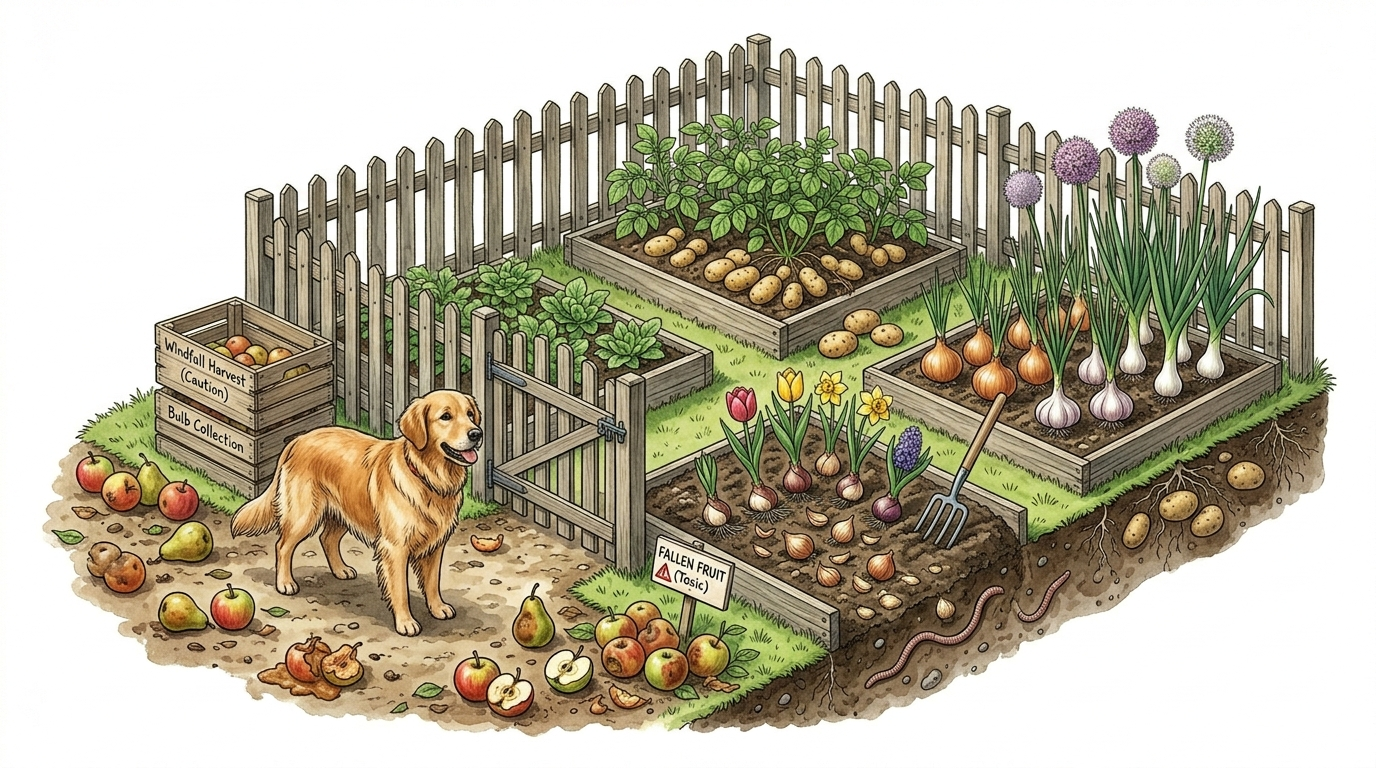
Dogs in the Garden: Windfall Fruit and Risks
Keep your garden dog-safe by managing windfall fruit, seeds, stored crops, and potentially problematic plant parts.
Guide
Horse Pastures and Garden Plants: Safety Checks
Learn how to identify risks near horse pastures, fences, turnout areas, fruit trees, and garden planting zones.
Guide
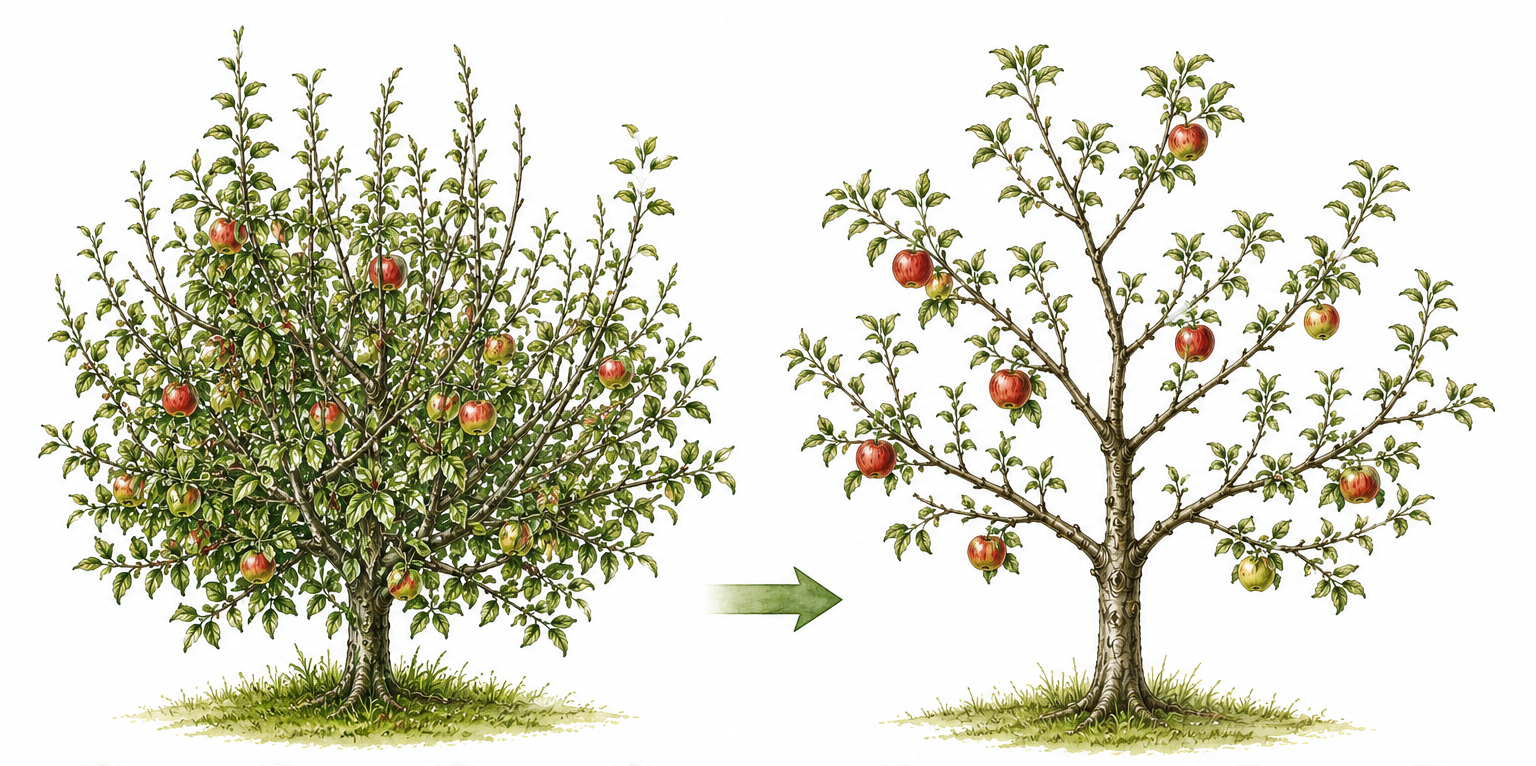
Pruning Apple Trees: Timing, Techniques, and Common Mistakes
Learn when and how to prune apple trees properly, including winter pruning, summer pruning, training cuts, and maintenance tips for healthy, productive…
Guide
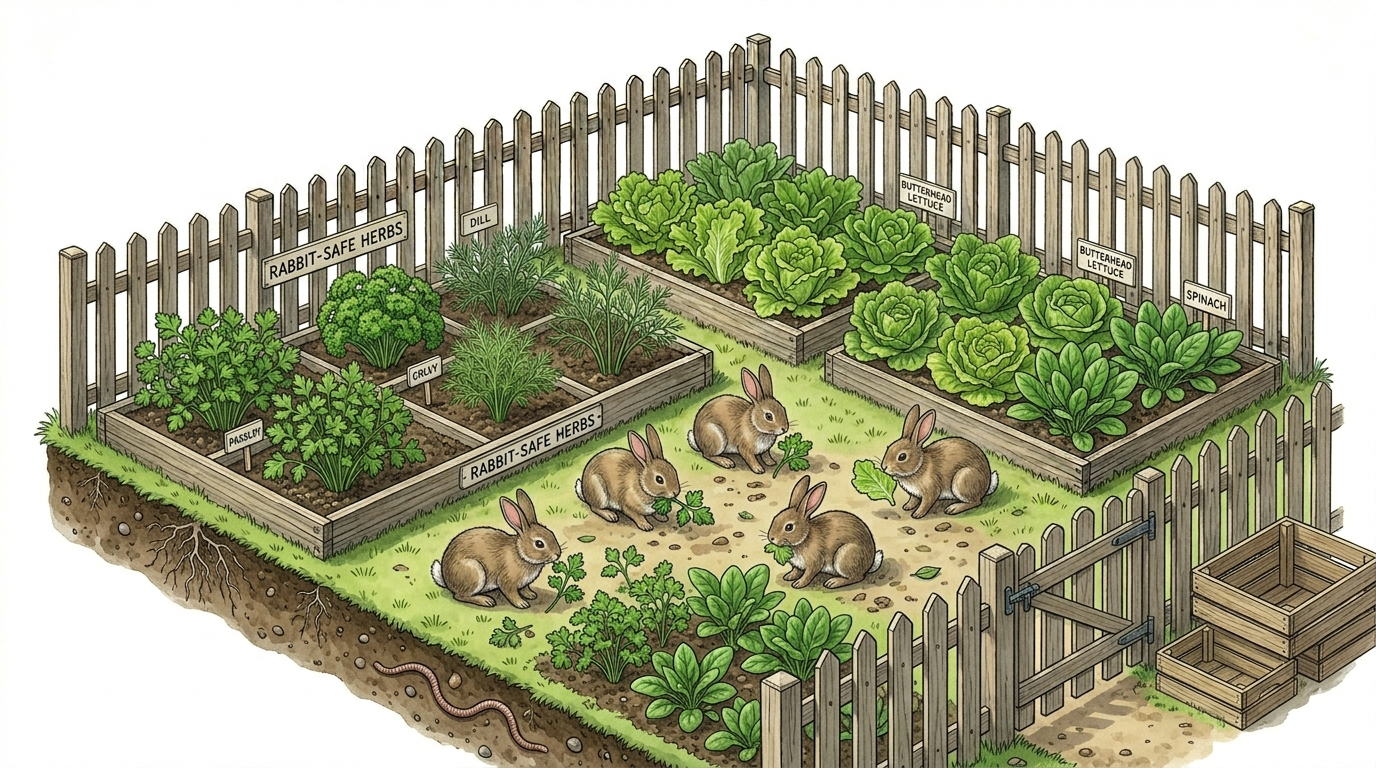
Rabbits in the Garden: Herbs and Vegetables
Learn how to choose suitable herbs and vegetables for rabbits, grow feeding plants, and plan a rabbit-friendly garden.
Internal links
Related plants
Apricot
Related stone fruit with similar site requirements.
Apple
Both belong to the Rosaceae family.
Elderberry
Commonly used for preserves and jams.
Cherry Plum
Early flowering and similar fruits, but usually smaller and ripening earlier.
Sources
Public sources
- Wikidata entity
Wikidata · 2026-05-15
- GBIF species match
GBIF · 2026-05-15
- Deutschsprachige Wikipedia: Pflaume
Wikipedia · 2026-05-15
- English Wikipedia: Prunus domestica
Wikipedia · 2026-05-15