Plant Profile
Common beanPhaseolus vulgaris
Warmth-loving legume for summer harvest.
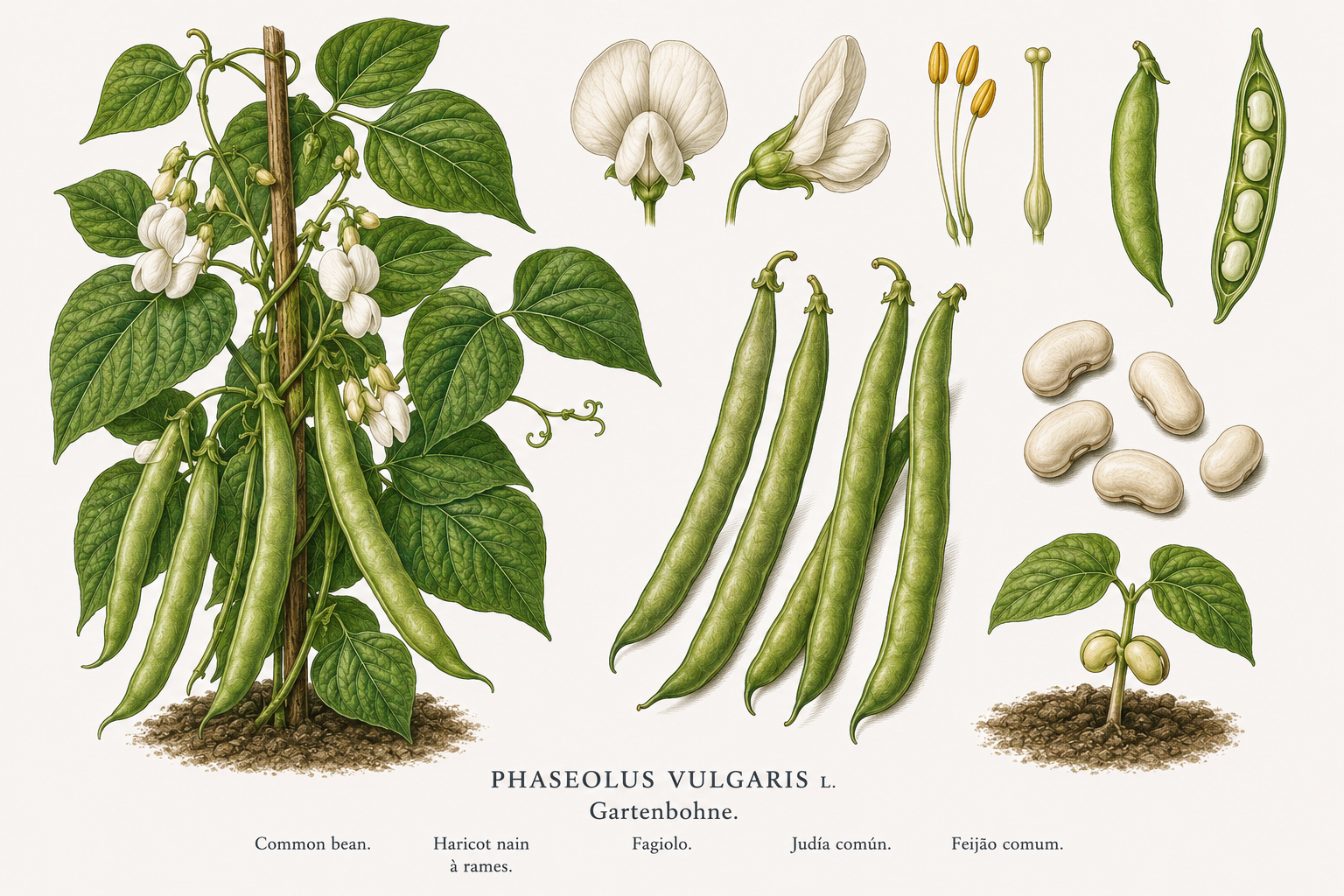
Quick profile
Key data
Suitable growing locations:
Good neighbors
Summer SavoryCabbage
Avoid
OnionGarlic
Indoor & direct sowing
Common bean: Sowing and germination
Direct sowing into the open ground from mid-May, once the risk of frost has passed and the soil has warmed up.
Planting & site
Common bean: Planting and spacing
Pre-cultivated plants can be transplanted outdoors from mid-May, provided night temperatures are consistently above 10°C.
Site & practical notes
Pro tips: Only sow beans when the soil temperature is at least 12°C, otherwise the seeds often rot in the ground., Slightly earthing up the young plants (about 10 cm high) improves stability.
Temperature & frost
Common bean: Temperature and site
Water & nutrients
Common bean: Water, nutrients and care
Container & growth
Common bean: Container, support and growth
Year plan
Common bean Calendar
The great harvest joy begins in July.
Recurring tasks
Relevant now
June
- Fertilize as needed, especially for heavy feeders.Organic fertilizers are well tolerated.
- Water regularly during dry periods.Consistent moisture is important, avoid waterlogging.
- Weed, taking care not to damage young plants.Mulching can help suppress weeds.
Next up
July
- Regular harvesting to encourage further flowering.Young, tender beans are most flavorful.
- Continue to ensure adequate water supply.Especially important during flowering and fruit development.
- Watch for pests such as aphids and spider mites.Use biological agents for severe infestations.
Monthly tasks
Single tasks from monthly data; repeated seasonal windows are shown in the overview above.
January
Quiet month
February
Quiet month
March
Quiet month
April
Quiet month
May
Planting
- Direct sowing into the open ground or transplanting pre-cultivated young plants.Observe spacing according to variety (bush vs. pole bean).
Growing
- Install climbing supports for pole beans.Choose stable structures that can withstand wind.
- Prepare soil and incorporate compost if necessary.Well-aerated, humus-rich soil is ideal.
June
Growing
- Fertilize as needed, especially for heavy feeders.Organic fertilizers are well tolerated.
- Water regularly during dry periods.Consistent moisture is important, avoid waterlogging.
Plant health
- Weed, taking care not to damage young plants.Mulching can help suppress weeds.
August
Harvest
- Continuous harvesting.Regular picking stimulates the plant to produce new flowers.
Growing
- Continue watering during prolonged dry spells.Avoid wetting the leaves to prevent fungal diseases.
- For pole beans, ensure consistent growth and stability of the support structure.Adjust or secure as needed.
September
Harvest
- Final harvest before the first frost.Give even unripe beans a chance if frost is delayed.
Plant health
- Remove plant debris and compost (unless diseased).Do not compost diseased plant parts.
October
Quiet month
November
Quiet month
December
Quiet month
Flowering & pollination
Common bean Flowering & pollination
Flowering period
June to August
Flower color
White, yellowish, or violet
Self-fertility
high
Pollinator needed
no
Overview
Common beans are primarily self-pollinating. Pollination often occurs before the flower opens (cleistogamy).
Notes
Insect visits (especially bumblebees) can slightly increase fruit set in some varieties but are not strictly necessary.
Pruning & care
Common bean Pruning & care
Pruning type
climbing_support_only
Pruning timing
Yield optimization and hygiene Regular picking every 2-3 days acts like maintenance pruning and stimulates new flower production.
Remove
Preserve
Avoid
Tools and hygiene
Use sharp shears to avoid crushing sensitive shoots; disinfect tools after contact with anthracnose.
Companion guide
Common bean Companion guide
Good neighbors
Summer SavoryCabbage
Avoid
OnionGarlic
Use & storage
Common bean Use & storage
Harvest is continuous as soon as the beans reach the desired size. For bush beans, harvest multiple times; pole beans often produce until the first frost.
Storage
Short-term storage (fresh) or long-term storage (preserved/dried)
Storage life
Fresh: 2–4 days in the refrigerator; Frozen/Canned: 12 months; Dried beans: Several years.
Primary use
Cooked vegetable
Harvest
Harvest is continuous as soon as the beans reach the desired size. For bush beans, harvest multiple times; pole beans often produce until the first frost.
Processing
After harvest
Store beans in a cool place after harvest and process quickly; harvest in dry weather to avoid disease transmission.
Edibility & safety
Common bean Edibility & safety
For people
In brief: which parts are edible, which parts remain risky, and whether raw consumption makes sense.
Safety notes
Contains the protein phasin, which causes severe gastrointestinal distress. It is only neutralized by heating.
Animal safety
For animals, the specific plant part matters here: some parts may be suitable, while others should be avoided. At least one critical rating is listed for 12 animal types.
Each row shows which parts are more suitable and which parts are critical.
Companion animals
 Dog
Dogcooked pods, cooked seeds
raw pods, raw seeds
cooked pods, cooked seeds
raw pods, raw seeds
raw consumption, immature pods, large quantities
vomiting, diarrhea, abdominal pain
contact a vet if symptoms appear
Common bean contains the lectin phasin, which causes gastrointestinal distress in dogs when consumed raw. Cooking destroys the toxin, making the bean digestible. Only cooked pods and seeds in moderation as treats are suitable. Avoid raw material. Contact vet if symptoms occur.
Open animal page Cat
Catcooked pods, cooked seeds
raw pods, raw seeds
cooked pods, cooked seeds
raw pods, raw seeds
raw consumption, immature seeds
vomiting, diarrhea, abdominal pain
contact a vet if symptoms appear
Common bean contains the lectin phasin, which causes gastrointestinal irritation when consumed raw. Cooking inactivates the toxin. Cats are obligate carnivores and do not require plant matter, but cooked beans in small amounts are non-toxic and can occasionally be given as treats. A species-appropriate diet consists mainly of animal protein. Contact a veterinarian if symptoms occur after ingestion of raw plant…
Open animal page Rabbit
cooked pods, cooked seeds
raw pods, raw seeds
cooked pods, cooked seeds
raw pods, raw seeds
raw consumption, immature pods, large quantities
diarrhea, abdominal pain
contact a vet if symptoms appear
Common bean contains the lectin phasin, which causes severe gastrointestinal distress when consumed raw. Heating destroys the toxin, making the bean safe. For rabbits, only cooked pods and seeds in small amounts are suitable as an occasional treat. Raw material is toxic and should be avoided.
Open animal page Guinea pig
cooked pods, cooked seeds
raw pods, raw seeds
cooked pods, cooked seeds
raw pods, raw seeds
raw consumption, immature pods, overconsumption of cooked beans
vomiting, diarrhea, abdominal pain
contact a vet if symptoms appear
Common bean (Phaseolus vulgaris) contains the lectin phasin in its raw state, which can cause gastrointestinal irritation in guinea pigs. Thorough cooking destroys the toxin, allowing cooked beans to be fed in small amounts as an occasional treat. Raw or immature parts should be avoided. Due to lack of species-specific studies, a conservative assessment is made.
Open animal page Hamster
cooked pods, cooked seeds
raw pods, raw seeds
cooked pods, cooked seeds
raw pods, raw seeds
raw consumption, immature seeds
vomiting, diarrhea, abdominal pain
contact a vet if symptoms appear
Common bean contains the lectin phasin, which causes gastrointestinal irritation when raw. Cooked pods and seeds are suitable for hamsters in small amounts as an occasional treat, but not as staple feed due to low nutrient density and overconsumption risk. Raw material should be avoided.
Open animal page Budgie
cooked pods, cooked seeds
raw pods, raw seeds
cooked pods, cooked seeds
raw pods, raw seeds
raw consumption, immature seeds
vomiting, diarrhea, abdominal pain
contact a vet if symptoms appear
Common bean contains the lectin phasin, which causes gastrointestinal distress when raw. Cooked pods and seeds are suitable as occasional treats in small amounts. Budgies should only receive cooked parts, never raw. Contact vet if symptoms occur.
Open animal pageFarm animals
 Horse
Horsecooked pods, cooked seeds
raw pods, raw seeds
cooked pods, cooked seeds
raw pods, raw seeds
raw consumption, immature pods, large quantities
vomiting, diarrhea, abdominal pain
contact a vet if symptoms appear
['Common bean contains the lectin phasin, which causes gastrointestinal irritation when raw. Cooking destroys the toxin. Horses can tolerate cooked beans in small amounts as a treat, but should not have access to raw or immature plant parts.']
Open animal page Chicken
cooked pods, cooked seeds
raw pods, raw seeds
cooked pods, cooked seeds
raw pods, raw seeds
raw consumption, insufficient cooking
vomiting, diarrhea, abdominal pain
contact a vet if symptoms appear
Common bean contains the lectin phasin, which causes gastrointestinal irritation when consumed raw. Thorough cooking destroys the toxin, making the bean safe for chickens in moderation. Raw material is hazardous and should be avoided. Chickens can receive cooked beans as an occasional treat, but not as a primary feed due to insufficient balanced nutrients for long-term feeding. If raw parts are consumed, monitor…
Open animal page Duck
Duckcooked pods, cooked seeds
raw pods, raw seeds
cooked pods, cooked seeds
raw pods, raw seeds
raw consumption, immature seeds
vomiting, diarrhea, abdominal pain
observe
Common bean contains the lectin phasin, which causes gastrointestinal distress when raw. Cooking destroys the toxin. Ducks can tolerate cooked beans in small amounts, but raw parts are risky. No duck-specific studies found, but conservative assessment based on known toxicity to birds and poultry and general effect of phasin.
Open animal page Goose
Goosecooked pods, cooked seeds
raw pods, raw seeds
cooked pods, cooked seeds
raw pods, raw seeds
raw consumption, immature seeds
vomiting, diarrhea, abdominal pain
contact a vet if symptoms appear
Common bean contains the lectin phasin, which causes gastrointestinal irritation when raw. Geese can tolerate cooked pods and seeds in moderation, but raw parts are toxic. No species-specific studies found, but conservative classification based on known toxicity in birds and poultry.
Open animal page Sheep
Sheepcooked pods, cooked seeds
raw pods, raw seeds
cooked pods, cooked seeds
raw pods, raw seeds
raw consumption, immature seeds
vomiting, diarrhea, abdominal pain
contact a vet if symptoms appear
['Common bean contains the lectin phasin, which causes gastrointestinal distress when raw. Heating destroys the toxin. Sheep can tolerate cooked beans in small amounts, but they should not be used as a primary feed.']
Open animal page Goat
Goatcooked pods, cooked seeds
raw pods, raw seeds
cooked pods, cooked seeds
raw pods, raw seeds
raw consumption, immature seeds
vomiting, diarrhea, abdominal pain
contact a vet if symptoms appear
['Common bean contains the lectin phasin, which causes gastrointestinal irritation when raw. Cooking destroys the toxin. Suitable parts (cooked pods and seeds) can be used in moderation as supplemental feed. Raw plant parts are not suitable for goats and may cause gastrointestinal distress.']
Open animal page Cattle
Young pods (cooked), Mature seeds (cooked)
Raw pods, Raw seeds
Young pods (cooked), Mature seeds (cooked)
Raw pods, Raw seeds
Raw consumption, Insufficient heating
Vomiting, Diarrhea, Abdominal pain
contact a vet if symptoms appear
Common bean contains the lectin phasin, which can cause severe gastrointestinal distress when consumed raw. Thorough cooking destroys the toxin. Cooked pods and seeds are suitable for cattle in moderation as supplemental feed. Raw material should be avoided. If symptoms occur after consuming raw beans, a veterinarian should be consulted.
Open animal page Pig
Pigcooked pods, cooked seeds
raw pods, raw seeds
cooked pods, cooked seeds
raw pods, raw seeds
raw consumption, inadequate cooking
vomiting, diarrhea, abdominal pain
contact a vet if symptoms appear
Common bean (Phaseolus vulgaris) contains the toxic protein phasin in its raw state, which can cause severe gastrointestinal distress in pigs. Thorough cooking destroys the toxin, making cooked pods and seeds suitable as supplemental feed in moderation. Raw beans should never be fed. Pigs tolerate cooked beans well as an occasional treat, but the proportion should be limited due to fiber and antinutrient content…
Open animal pageThese guidelines are for general information only and do not replace veterinary diagnosis. If critical plant parts were ingested or the animal shows unusual behaviour or symptoms, seek veterinary advice.
Max risk
unknown
Highest status
do not feed
Urgency
contact a vet if symptoms appear
Saving seed
Common bean Saving seed
Seed viability
2 - 4 years
Practical tips
Common bean Practical tips
Common beginner mistakes
Success pattern
Sunny May, regular watering from flowering onwards, and harvesting every 2 days leads to record yields.
High-impact tips
Soak seeds in lukewarm water for 2 hours before sowing.
Grower observations
'Blauhilde' pole beans turn from purple to green when cooked – a fascinating sight for children.
Health
Pests, Diseases
Plant health
Diagnosis help
Common bean Diagnosis help
Pest groups
Disease groups
Prevention
Diagnosis
Spots on pods usually indicate fungal infection; leaf deformations often suggest aphids or viruses.
Cultural prevention
Monitoring
Weekly check of leaf undersides
First response
Diagnostic rules
Sunken, dark spots with light borders on the pods
Possible causes: Colletotrichum lindemuthianum
- Was it harvested in the rain?
- Is the seed home-grown?
FAQ
Can you eat common beans raw?
No, never! Common beans contain phasin, a toxic protein that is only destroyed by boiling for at least 10-15 minutes.
Why are my beans flowering but not setting fruit?
Common causes are extreme heat above 30°C or severe drought during the flowering period.
Is Common bean safe for Dog?
Common bean is classified as do not feed for Dog. Risk: unknown. Urgency: contact a vet if symptoms appear. Common bean contains the lectin phasin, which causes gastrointestinal distress in dogs when consumed raw. Cooking destroys the toxin, making the bean digestible. Only cooked pods and seeds in moderation as treats are suitable. Avoid raw material. Contact vet if symptoms occur.
Is Common bean safe for Cat?
Common bean is classified as do not feed for Cat. Risk: unknown. Urgency: contact a vet if symptoms appear. Common bean contains the lectin phasin, which causes gastrointestinal irritation when consumed raw. Cooking inactivates the toxin. Cats are obligate carnivores and do not require plant matter, but cooked beans in small amounts are non-toxic and can occasionally be given as treats. A species-appropriate diet consists mainly of animal protein. Contact a veterinarian if symptoms occur after ingestion of raw plant…
Is Common bean safe for Rabbit?
Common bean is classified as do not feed for Rabbit. Risk: unknown. Urgency: contact a vet if symptoms appear. Common bean contains the lectin phasin, which causes severe gastrointestinal distress when consumed raw. Heating destroys the toxin, making the bean safe. For rabbits, only cooked pods and seeds in small amounts are suitable as an occasional treat. Raw material is toxic and should be avoided.
Is Common bean safe for Guinea pig?
Common bean is classified as do not feed for Guinea pig. Risk: unknown. Urgency: contact a vet if symptoms appear. Common bean (Phaseolus vulgaris) contains the lectin phasin in its raw state, which can cause gastrointestinal irritation in guinea pigs. Thorough cooking destroys the toxin, allowing cooked beans to be fed in small amounts as an occasional treat. Raw or immature parts should be avoided. Due to lack of species-specific studies, a conservative assessment is made.
Guides
Related guides
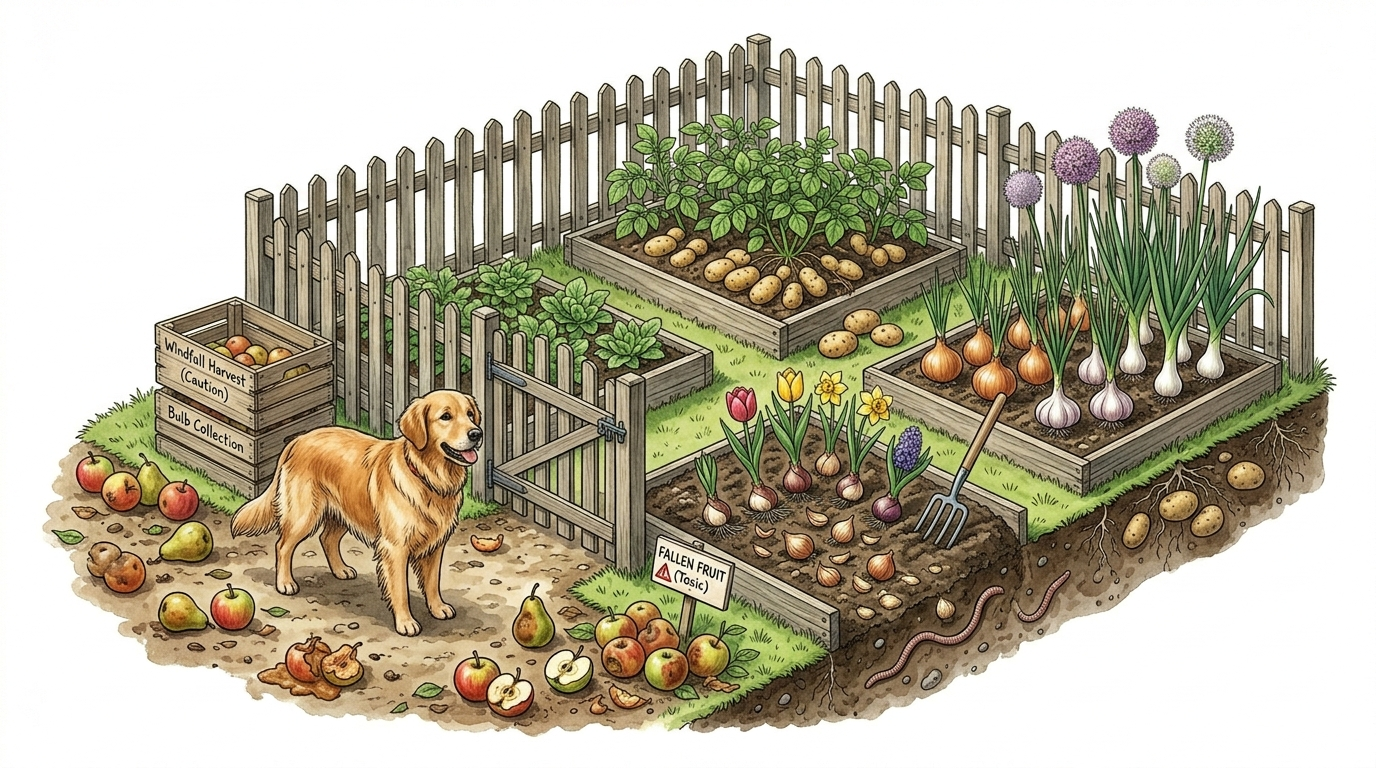
Guide
Dogs in the Garden: Windfall Fruit and Risks
Keep your garden dog-safe by managing windfall fruit, seeds, stored crops, and potentially problematic plant parts.
Guide
Horse Pastures and Garden Plants: Safety Checks
Learn how to identify risks near horse pastures, fences, turnout areas, fruit trees, and garden planting zones.
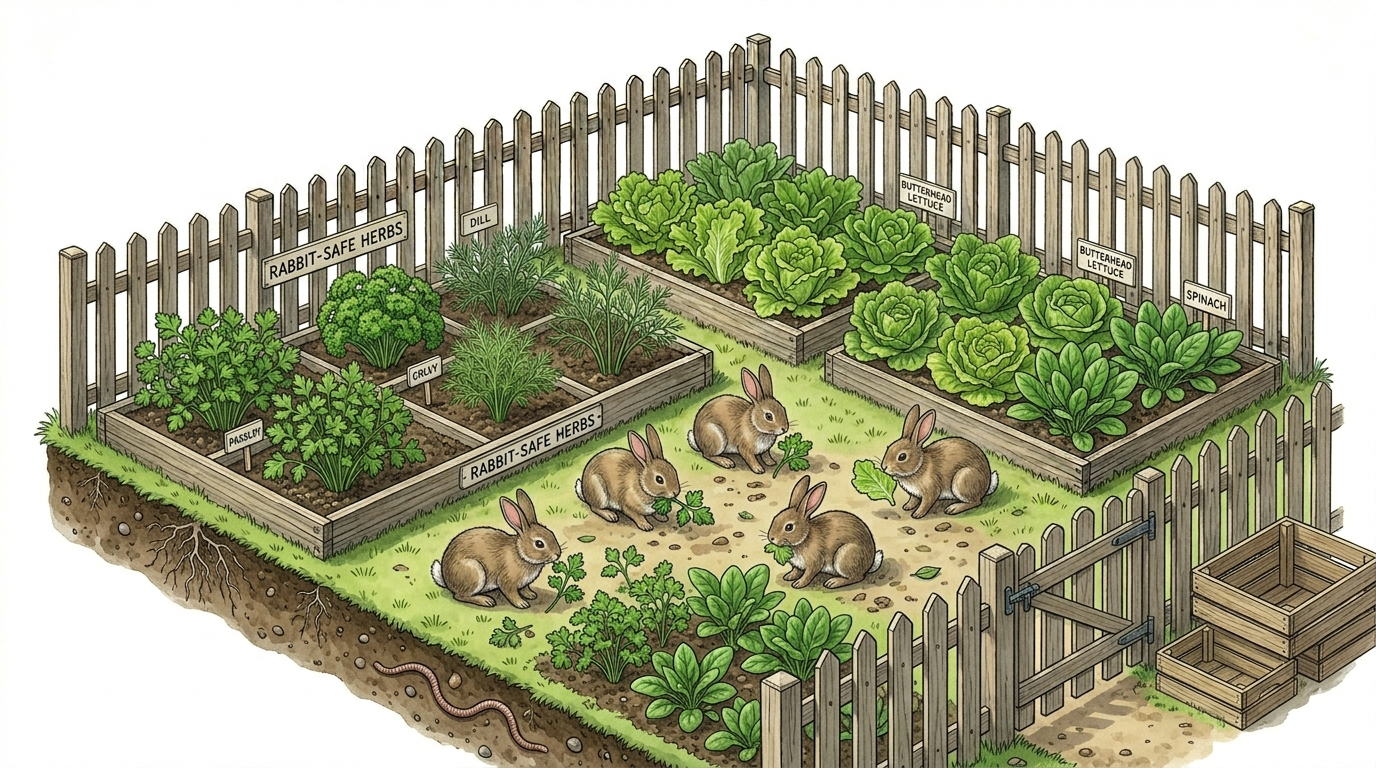
Guide
Rabbits in the Garden: Herbs and Vegetables
Learn how to choose suitable herbs and vegetables for rabbits, grow feeding plants, and plan a rabbit-friendly garden.
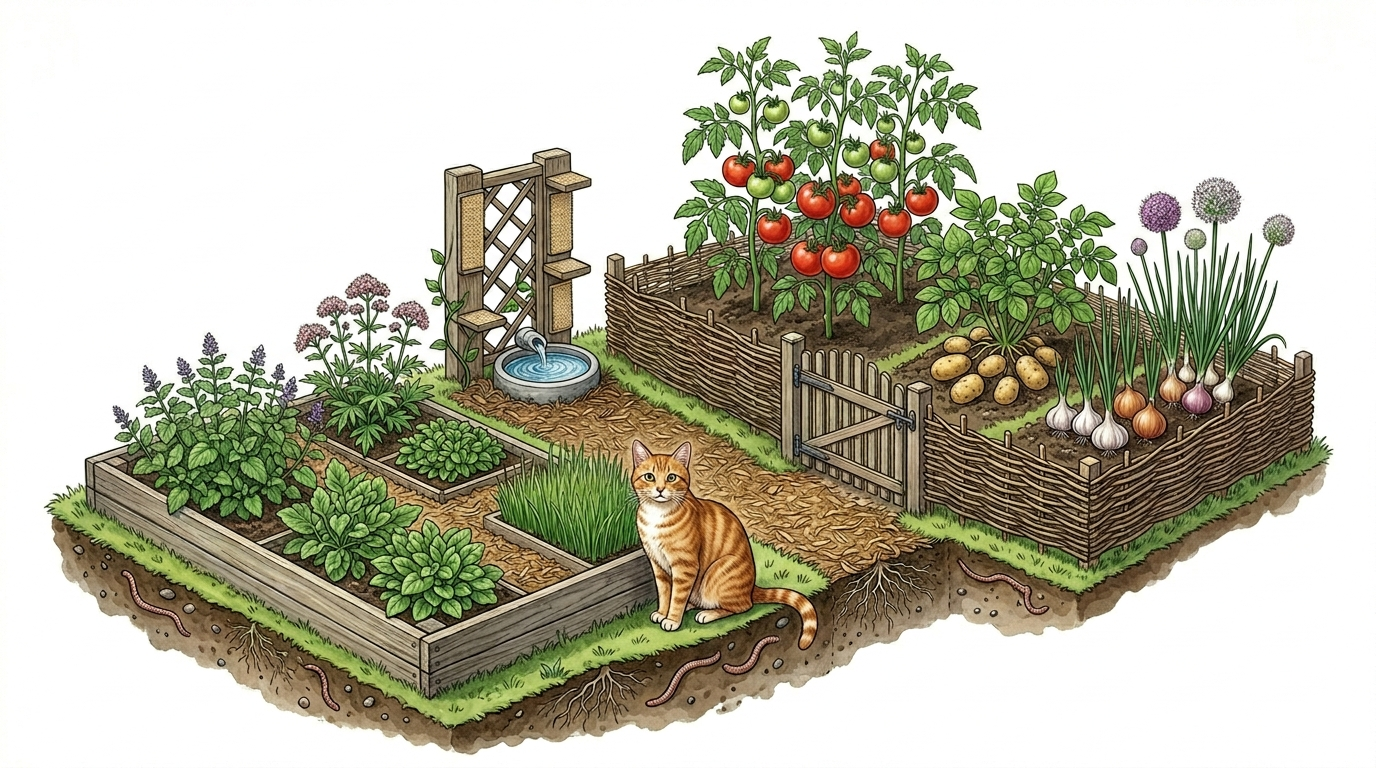
Guide
Toxic Garden Plants for Cats: Safer Planning
Learn which garden plants can be risky for cats, how to plan safer beds, and what to do if a cat eats a toxic plant.
Internal links
Related plants
Sweet Pea
Mung bean
Pea
Both susceptible to root rot and powdery mildew.
Also a legume, but suited for cooler weather.
Peas
Cucumber
Soybean
Both belong to the Fabaceae family.
Cowpea
Similar use of dried seeds.
Broad Bean
Broad beans are more cold-tolerant and are sown earlier.
Runner Bean
Runner beans have larger flowers and are usually more robust against cool weather.
Sources
Public sources
- Wikidata entity
Wikidata · 2026-05-13
- GBIF species match
GBIF · 2026-05-13
- Deutschsprachige Wikipedia: Gartenbohne
Wikipedia · 2026-05-13
- English Wikipedia: Phaseolus vulgaris
Wikipedia · 2026-05-13