Plant Profile
kohlrabiBrassica oleracea var. gongylodes
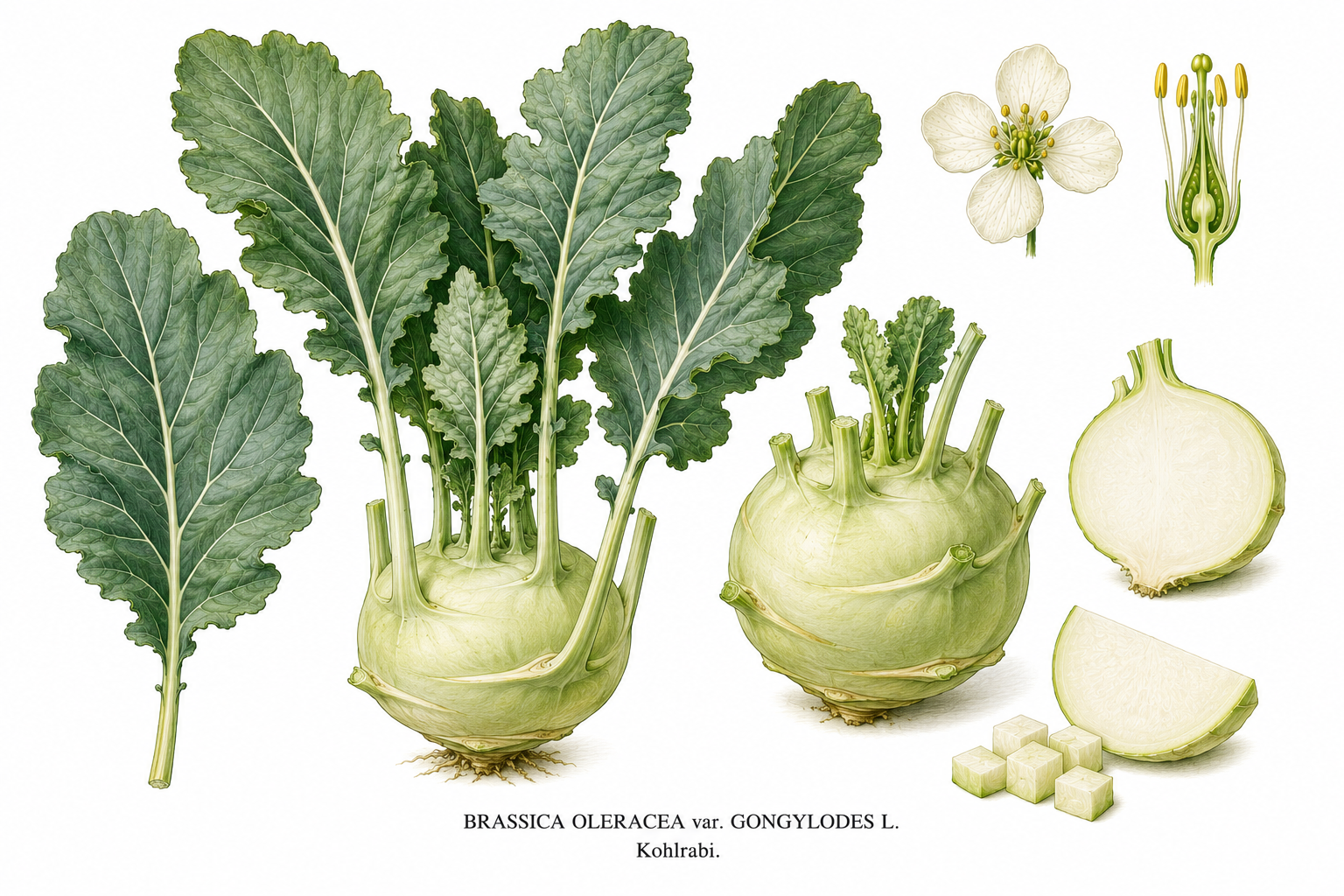
Kohlrabi is a popular, easy-to-grow vegetable valued for its crisp, above-ground stem tuber. It is versatile in the kitchen and rich in vitamins.
Quick profile
Key data
Suitable growing locations:
Good neighbors
LettuceSpinachRadishPea
Avoid
CabbageBroccoliCauliflowerStrawberry
Indoor & direct sowing
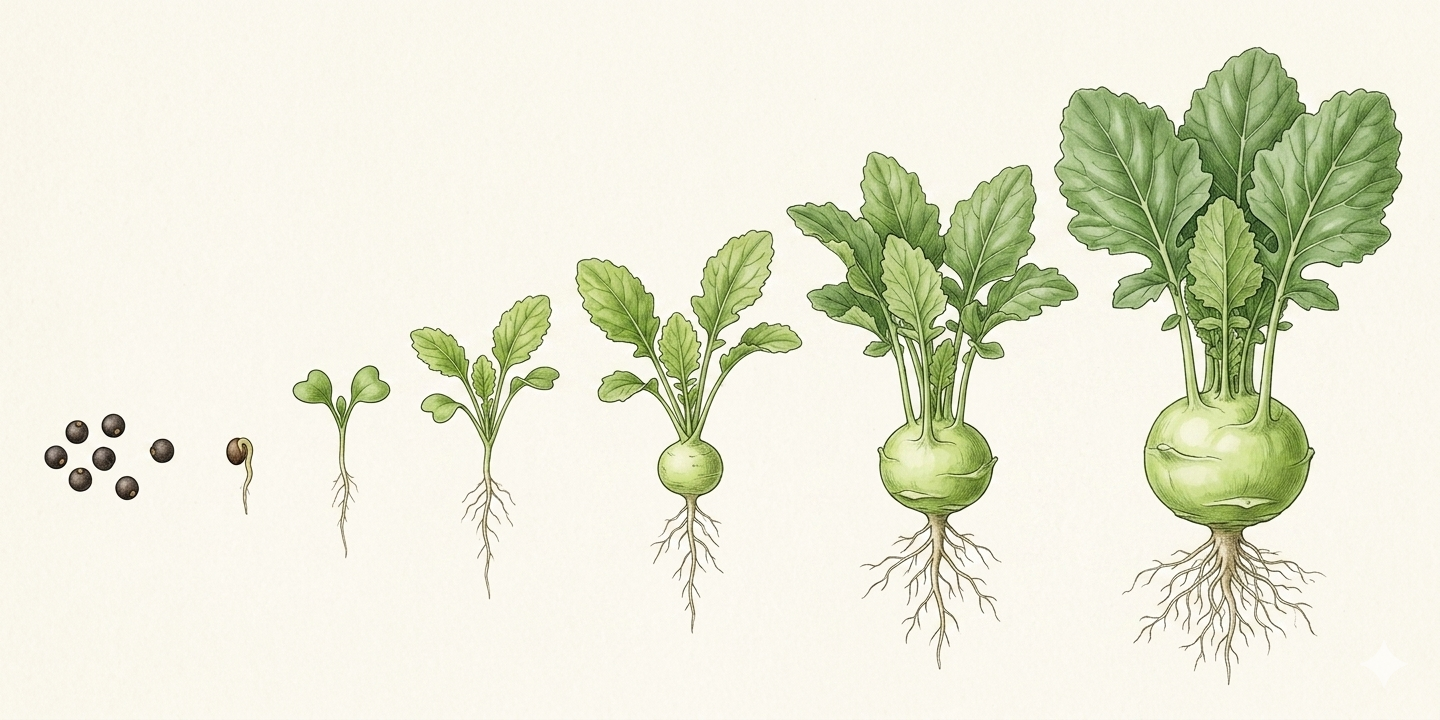
kohlrabi: Sowing and germination
For an early harvest, pre-culture indoors from February to May.
Direct sowing is possible from April to July, once the soil is sufficiently warm.
Planting & site
kohlrabi: Planting and spacing
Plant out pre-cultured plants from March (with protection) to August.
Temperature & frost
kohlrabi: Temperature and site
Water & nutrients
kohlrabi: Water, nutrients and care
Container & growth
kohlrabi: Container, support and growth
Year plan
kohlrabi Calendar
By staggered sowing, you can harvest fresh kohlrabi from May into autumn.
Recurring tasks
Relevant now
June
- No additional single task
Next up
July
- Direct sow kohlrabiLast sowing for autumn harvest.
Monthly tasks
Single tasks from monthly data; repeated seasonal windows are shown in the overview above.
January
Quiet month
February
Direct sowing
- Pre-culture kohlrabiSow indoors or in a greenhouse from February for an early harvest.
March
Direct sowing
- Pre-culture kohlrabiFurther sowings for staggered harvest.
Planting
- Plant out kohlrabiProtect early varieties with fleece or foil.
April
Direct sowing
- Direct sow kohlrabiDirect sow in rows or clusters.
- Pre-culture kohlrabiLast sowings for pre-culture.
Planting
- Plant out kohlrabiPlant pre-cultured plants outdoors.
Growing
- Water regularlyEspecially during dry periods and after planting out.
May
Direct sowing
- Pre-culture kohlrabiOnly for very late harvests.
Harvest
- Harvest kohlrabiHarvest first tubers when they are walnut to fist-sized.
Growing
- FertilizeFertilize with liquid fertilizer 2-3 weeks after planting out.
June
No additional single task
August
Planting
- Plant out kohlrabiLast planting out for late harvest.
September
Harvest
- Harvest kohlrabiHarvest late varieties.
Growing
- Water regularlyWater as needed.
October
Harvest
- Harvest kohlrabiLast harvest before the first hard frost.
November
Quiet month
December
Quiet month
Flowering & pollination
kohlrabi Flowering & pollination
Flowering period
June - July (in second year)
Flower type
Typical brassica flower
Flower color
Yellow
Self-fertility
partially_self_fertile_but_cross_pollination_recommended
Pollinator needed
yes
Overview
Insect pollination
Notes
As a biennial plant, kohlrabi flowers only in its second year after overwintering. The flowers are small and yellow, arranged in racemes.
Companion guide
kohlrabi Companion guide
Good neighbors
LettuceSpinachRadishPeaBeanCeleryPotatoMintRosemaryThymeSageMarigold
Avoid
CabbageBroccoliCauliflowerStrawberrytomato
Use & storage
kohlrabi Use & storage
Harvest from May to October, depending on variety and sowing time.
Storage
Cool and moist
Storage life
Fresh tubers last 1-2 weeks in the refrigerator's vegetable drawer. In a cool, dark, and humid root cellar (0-5°C, 90-95% humidity), they can be stored for 1-2 months. For longer storage, blanch and freeze.
Flavor
Mild, slightly sweet, nutty, with a delicate cabbage flavor, especially when raw.
Harvest
Harvest from May to October, depending on variety and sowing time.
Culinary uses
Processing
After harvest
Cut the tubers at the base of the stem. Remove most large outer leaves, leaving a few small inner leaves to help maintain freshness. Wash gently and store in a cool place.
Notes
The young leaves of kohlrabi are also edible and rich in vitamins and minerals. They can be used raw or cooked.
Edibility & safety
kohlrabi Edibility & safety
For people
In brief: which parts are edible, which parts remain risky, and whether raw consumption makes sense.
Safety notes
No known toxic properties. As with all brassicas, large quantities may cause flatulence in sensitive individuals.
Animal safety
For many animals, this plant is generally low-risk: 14 animal types are rated suitable or mostly suitable. Quantity, plant part, and individual tolerance still matter.
Each row shows which parts are more suitable and which parts are critical.
Companion animals
 Dog
DogStem tuber, Young leaves
No risk parts listed
Stem tuber, Young leaves
No risk parts listed
Overconsumption may cause gas or gastrointestinal discomfort
Flatulence, Gastrointestinal upset
usually no action needed
Kohlrabi is considered safe for dogs in moderate amounts. The stem tuber and young leaves are edible and nutrient-rich. Overconsumption may cause gas or gastrointestinal discomfort due to high fiber and sulfur content. No known toxic compounds for dogs have been identified. As a member of the Brassica family, it is generally regarded as safe, but it should not be used as a primary food source.
Open animal page Cat
CatStem tuber, Young leaves
No risk parts listed
Stem tuber, Young leaves
No risk parts listed
Overconsumption may cause flatulence
Flatulence
usually no action needed
Kohlrabi is suitable for cats in small amounts as a treat. The stem tuber and young leaves are edible and nutritious. Older, woody parts should be avoided. Overconsumption may cause flatulence but is typically not serious. No known toxic compounds identified for cats.
Open animal page Rabbit
Stem tuber, Young leaves
Older, tough, or yellowed leaves, Overly large or old tubers (can become woody)
Stem tuber, Young leaves
Older, tough, or yellowed leaves, Overly large or old tubers (can become woody)
Overfeeding, Sensitivity to brassicas
Flatulence, Gastrointestinal upset
observe
Kohlrabi is safe for rabbits in moderation, particularly the young stem tuber and leaves. Older, woody parts may be difficult to digest and cause gastrointestinal upset. As with all brassicas, overfeeding can cause flatulence. Not suitable as a primary feed, but acceptable as an occasional treat.
Open animal page Guinea pig
Stem tuber, Young leaves
Older, tough, or yellowed leaves, Overly large or old tubers (can become woody)
Stem tuber, Young leaves
Older, tough, or yellowed leaves, Overly large or old tubers (can become woody)
Overfeeding, Sensitivity to brassicas
Flatulence, Gastrointestinal upset
observe
No direct species-specific source was found for guinea pigs. This is a cautious inference from the rabbits profile and the known plant-part risks.
Open animal page Hamster
Stem tuber, Young leaves
Older, tough, or yellowed leaves, Overly large or old tubers (can become woody)
Stem tuber, Young leaves
Older, tough, or yellowed leaves, Overly large or old tubers (can become woody)
Overfeeding, Sensitivity to brassicas
Flatulence, Gastrointestinal upset
observe
No direct species-specific source was found for hamsters. This is a cautious inference from the rabbits profile and the known plant-part risks.
Open animal page Budgie
Stem tuber, Young leaves
No risk parts listed
Stem tuber, Young leaves
No risk parts listed
Overfeeding may cause flatulence
Flatulence
usually no action needed
Kohlrabi is suitable for budgies in small amounts as a treat. The swollen stem and young leaves are edible and nutritious. Older, woody parts should be avoided. Overconsumption may cause flatulence but is generally not hazardous. No known toxic compounds for birds have been identified.
Open animal pageFarm animals
 Horse
HorseStem tuber, Young leaves
No risk parts listed
Stem tuber, Young leaves
No risk parts listed
Overconsumption may cause gas or colic
Gas, Colic
observe
Kohlrabi is suitable for horses in small amounts as a treat. The swollen stem and young leaves are generally well-tolerated. Large amounts may cause digestive upset due to high fiber and sulfur content. No known toxic compounds in the edible parts.
Open animal page Chicken
Stem tuber, Young leaves
No risk parts listed
Stem tuber, Young leaves
No risk parts listed
Overfeeding may cause flatulence
Flatulence
usually no action needed
Kohlrabi is safe for chickens and can be fed as part of a balanced diet. The stem tuber and young leaves are particularly suitable. Overconsumption may cause flatulence, so it should only be given in moderation.
Open animal page Duck
DuckStem tuber, Young leaves
Older, tough, or yellowed leaves, Overly large or old tubers (can become woody)
Stem tuber, Young leaves
Older, tough, or yellowed leaves, Overly large or old tubers (can become woody)
Overconsumption may cause flatulence or digestive discomfort
Flatulence, Digestive discomfort
usually no action needed
Kohlrabi is generally safe for ducks, with only the stem tuber and young leaves recommended for feeding. Older leaves and woody tubers are less digestible and may cause flatulence if overconsumed. As a brassica, kohlrabi contains no known strong toxins for ducks, but like all brassicas, it should only be fed as a supplement.
Open animal page Goose
GooseStem tuber, Young leaves
No risk parts listed
Stem tuber, Young leaves
No risk parts listed
Overconsumption may cause gas or digestive discomfort
Gas, Digestive discomfort
usually no action needed
Kohlrabi is edible for geese, with the stem tuber and young leaves being safe. Older, woody parts should be avoided. As with all brassicas, overconsumption may cause gas. No known toxic compounds for birds have been identified.
Open animal page Sheep
SheepStem tuber, Young leaves
No risk parts listed
Stem tuber, Young leaves
No risk parts listed
Overconsumption may cause bloat
Bloat
usually no action needed
Kohlrabi is generally safe for sheep, with only the stem tuber and young leaves recommended for feeding. Older, woody parts are less digestible and may cause bloat if overconsumed. Suitable as part of a balanced diet but not as a primary feed.
Open animal page Goat
GoatStem tuber, Young leaves
No risk parts listed
Stem tuber, Young leaves
No risk parts listed
Overconsumption may cause bloat
Bloat
usually no action needed
No direct species-specific source was found for goats. This is a cautious inference from the sheep profile and the known plant-part risks.
Open animal page Cattle
Stem tuber, Young leaves
No risk parts listed
Stem tuber, Young leaves
No risk parts listed
Overconsumption may cause bloat
Bloat
observe
Kohlrabi is safe for cattle in moderation, particularly the stem tuber and young leaves. Large amounts may cause bloat due to high fiber and sulfur content. No known toxic compounds in edible parts. Suitable as part of a varied diet.
Open animal page Pig
PigStem tuber, Young leaves
No risk parts listed
Stem tuber, Young leaves
No risk parts listed
Overconsumption may cause gas or digestive discomfort
Gas, Digestive discomfort
usually no action needed
Kohlrabi is edible for pigs, with the stem tuber and young leaves being safe to feed. Older, woody parts should be avoided. As with all brassicas, large quantities may cause gas. No known toxic compounds for pigs have been identified.
Open animal pageThese guidelines are for general information only and do not replace veterinary diagnosis. If critical plant parts were ingested or the animal shows unusual behaviour or symptoms, seek veterinary advice.
Max risk
unknown
Highest status
moderation only
Urgency
observe
Saving seed
kohlrabi Saving seed
Seed viability
3 - 4 years
Practical tips
kohlrabi Practical tips
Common beginner mistakes
Success pattern
High-impact tips
Grower observations
Plant Profile
Additional plant images
Health
Pests, Diseases
Plant health
Diagnosis help
kohlrabi Diagnosis help
Pest groups
Disease groups
Prevention
Diagnosis
Note the exact location of symptoms (leaves, stems, roots, tuber), the pattern of spread, and prevailing weather conditions. Often, multiple factors are involved.
Cultural prevention
Monitoring
First response
Diagnostic rules
Holes or feeding damage on leaves
Possible causes: Cabbage White Butterfly, Flea beetles, Slugs snails
- Examine plants for caterpillars, small black beetles, or slime trails.
- Young plants are particularly susceptible to flea beetles and slugs.
Wilting, stunted plants, discolored leaves
Possible causes: Cabbage Root Fly, Clubroot, Waterlogging, Nitrogen deficiency
- Check roots for swellings or feeding damage.
- Check soil moisture (waterlogging or drought?).
- Check older leaves for yellowing (nitrogen deficiency).
Deformed, sticky leaves, small insects on shoot tips
Possible causes: Aphids
- Check undersides of leaves and young shoots for aphids.
White or gray coatings on leaves
Possible causes: Downy mildew, Powdery mildew
- Check coating on upper and lower sides of leaves. White, powdery coating is powdery mildew; gray, fuzzy coating on the underside is downy mildew.
FAQ
Why do my kohlrabi tubers become woody or split?
Woody or splitting tubers are often the result of uneven watering, heat stress, or late harvesting. Ensure consistent soil moisture and harvest the tubers in a timely manner.
When is the best time to harvest kohlrabi?
Kohlrabi is ready for harvest when the tubers are walnut to fist-sized (approx. 5-10 cm in diameter). Harvest them before they get too large to ensure tender texture and best flavor.
Can I grow kohlrabi on a balcony or in pots?
Yes, kohlrabi is well-suited for growing in pots or raised beds on a balcony. Choose pots with at least 5-10 liters volume and good drainage. Ensure regular watering and fertilization.
What are the most common pests affecting kohlrabi?
Kohlrabi is commonly affected by cabbage white butterflies (caterpillars), cabbage root flies (larvae on roots), aphids, and flea beetles. Protective netting and companion planting can help deter these pests.
Is kohlrabi safe for Dog?
kohlrabi is classified as moderation only for Dog. Risk: unknown. Urgency: usually no action needed. Kohlrabi is considered safe for dogs in moderate amounts. The stem tuber and young leaves are edible and nutrient-rich. Overconsumption may cause gas or gastrointestinal discomfort due to high fiber and sulfur content. No known toxic compounds for dogs have been identified. As a member of the Brassica family, it is generally regarded as safe, but it should not be used as a primary food source.
Is kohlrabi safe for Cat?
kohlrabi is classified as moderation only for Cat. Risk: unknown. Urgency: usually no action needed. Kohlrabi is suitable for cats in small amounts as a treat. The stem tuber and young leaves are edible and nutritious. Older, woody parts should be avoided. Overconsumption may cause flatulence but is typically not serious. No known toxic compounds identified for cats.
Is kohlrabi safe for Rabbit?
kohlrabi is classified as moderation only for Rabbit. Risk: unknown. Urgency: observe. Kohlrabi is safe for rabbits in moderation, particularly the young stem tuber and leaves. Older, woody parts may be difficult to digest and cause gastrointestinal upset. As with all brassicas, overfeeding can cause flatulence. Not suitable as a primary feed, but acceptable as an occasional treat.
Is kohlrabi safe for Guinea pig?
kohlrabi is classified as moderation only for Guinea pig. Risk: unknown. Urgency: observe. No direct species-specific source was found for guinea pigs. This is a cautious inference from the rabbits profile and the known plant-part risks.
Guides
Related guides
Guide
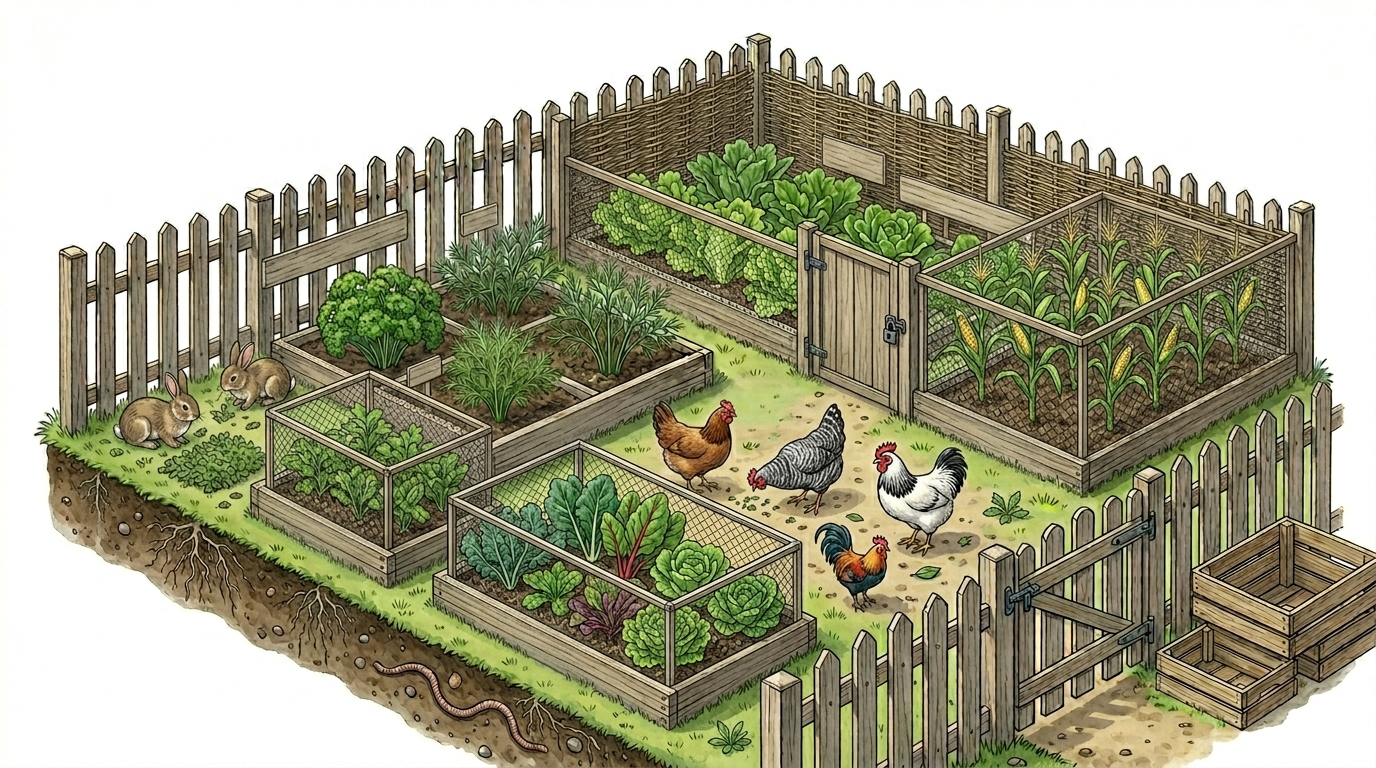
Chickens in the Garden: Safe Plants and Zones
Learn how to design a chicken-friendly garden with suitable plants, protected beds, and well-planned activity areas.
Guide
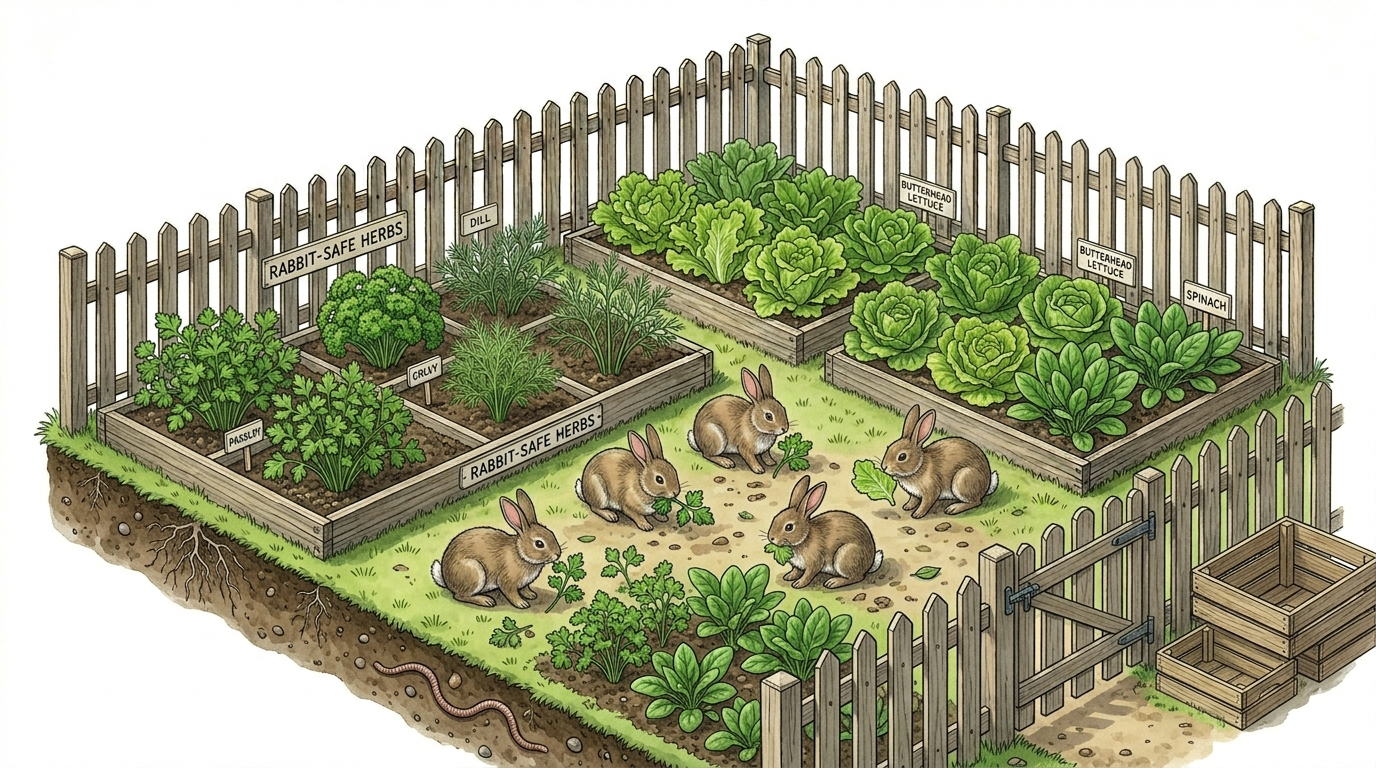
Rabbits in the Garden: Herbs and Vegetables
Learn how to choose suitable herbs and vegetables for rabbits, grow feeding plants, and plan a rabbit-friendly garden.
Guide
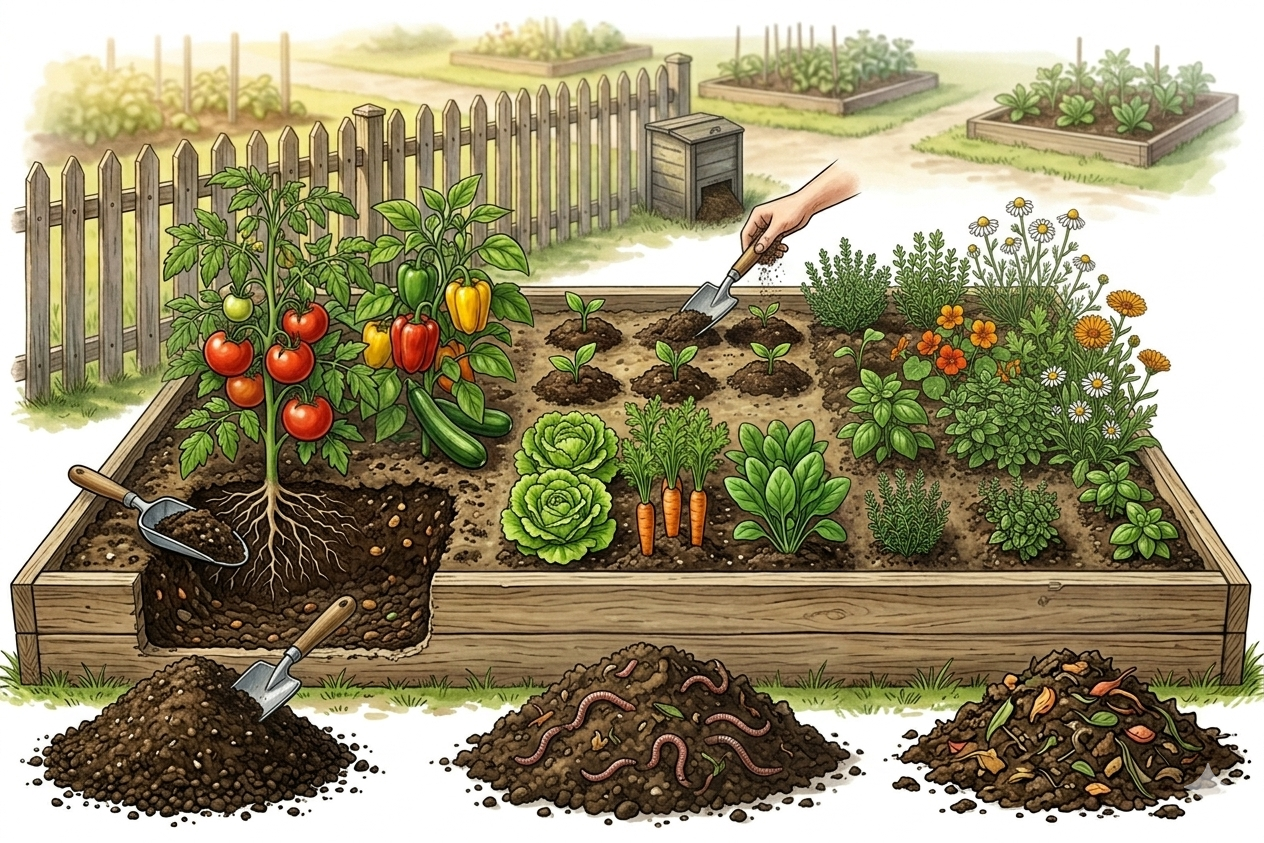
Using Compost in Food Gardens: Dosage and Timing
Learn how to use compost in vegetable beds, which crops need the most, how seedlings benefit, and when compost is best applied.
Guide
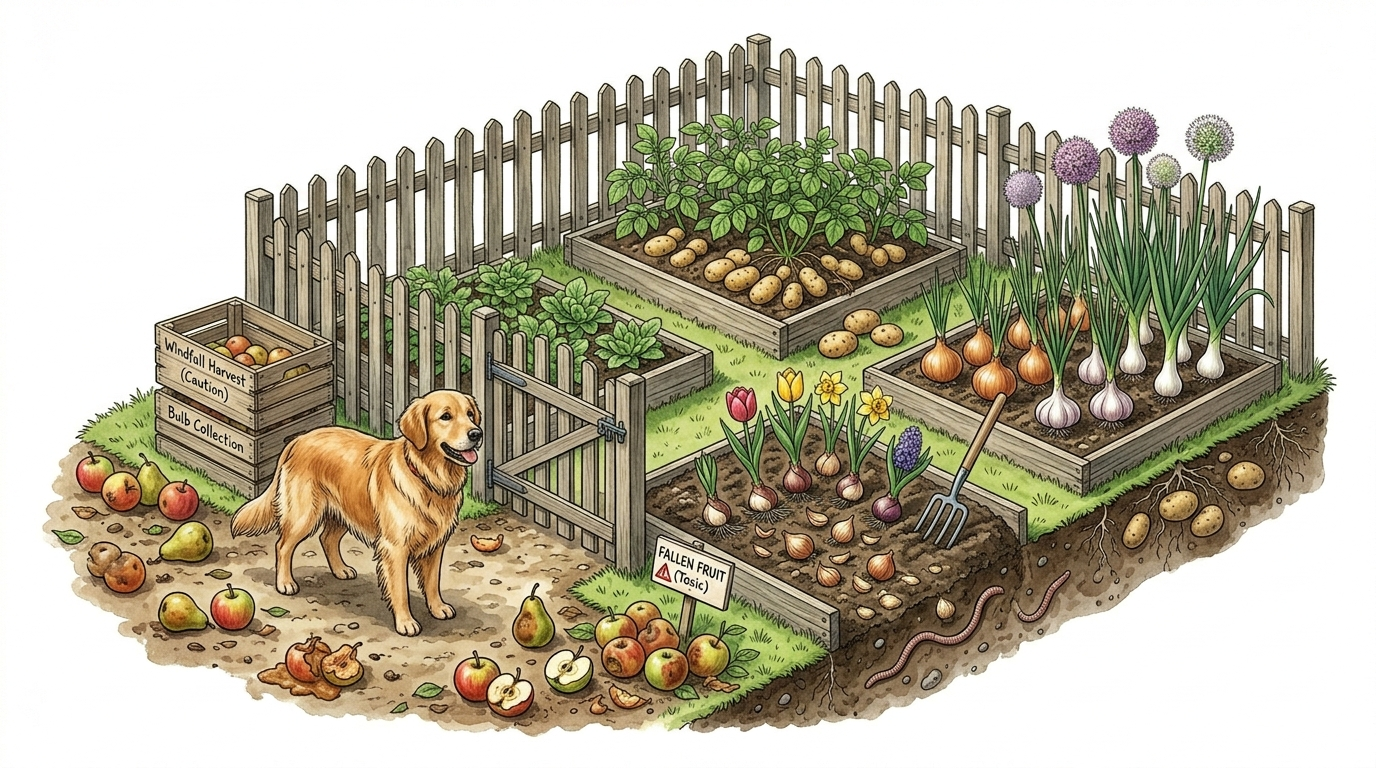
Dogs in the Garden: Windfall Fruit and Risks
Keep your garden dog-safe by managing windfall fruit, seeds, stored crops, and potentially problematic plant parts.
Internal links
Related plants
Cabbage
Belongs to the species Brassica oleracea.
All are brassicas and have similar cultivation requirements and problems.
Broccoli
Belongs to the species Brassica oleracea.
All are brassicas and have similar cultivation requirements and problems.
Cauliflower
Belongs to the species Brassica oleracea.
All are brassicas and have similar cultivation requirements and problems.
Brussels Sprouts
Belongs to the species Brassica oleracea.
All belong to the cabbage family (Brassicaceae).
Kale
Belongs to the species Brassica oleracea.
All belong to the cabbage family (Brassicaceae).
Cabbage White Butterfly
Affects all brassicas.
Cabbage Root Fly
Affects all brassicas.
Clubroot
Soil-borne disease affecting all brassicas.
Downy Mildew
Common in brassicas under humid conditions.
Sources
Public sources
- Wikidata entity
Wikidata · 2026-05-13
- GBIF species match
GBIF · 2026-05-13
- Deutschsprachige Wikipedia: Kohlrabi
Wikipedia · 2026-05-13
- English Wikipedia: Kohlrabi
Wikipedia · 2026-05-13