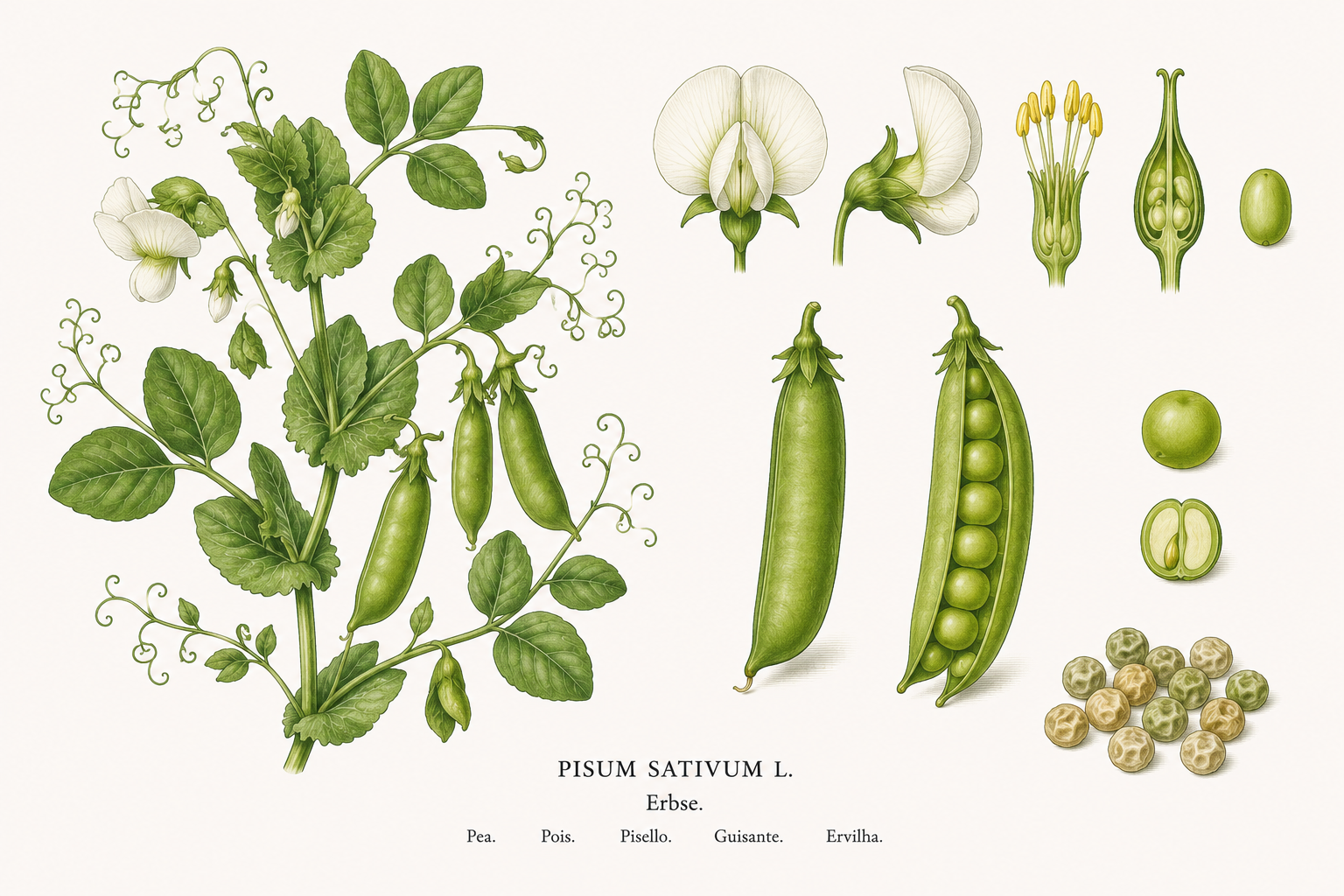
Quick profile
Key data
Suitable growing locations:
Indoor & direct sowing
Pea: Sowing and germination
Indoor sowing is uncommon as peas do not transplant well.
Early sowing possible from March as soon as the soil is workable.
Planting & site
Pea: Planting and spacing
Direct sowing in the field is strongly recommended.
Site & practical notes
Pro tips: Soak seeds overnight in water or chamomile tea before sowing to speed up germination., Common beginner mistakes: Sowing too late in May/June often leads to heavy powdery mildew infestation due to summer heat.
Temperature & frost
Pea: Temperature and site
Water & nutrients
Pea: Water, nutrients and care
Container & growth
Pea: Container, support and growth
Year plan
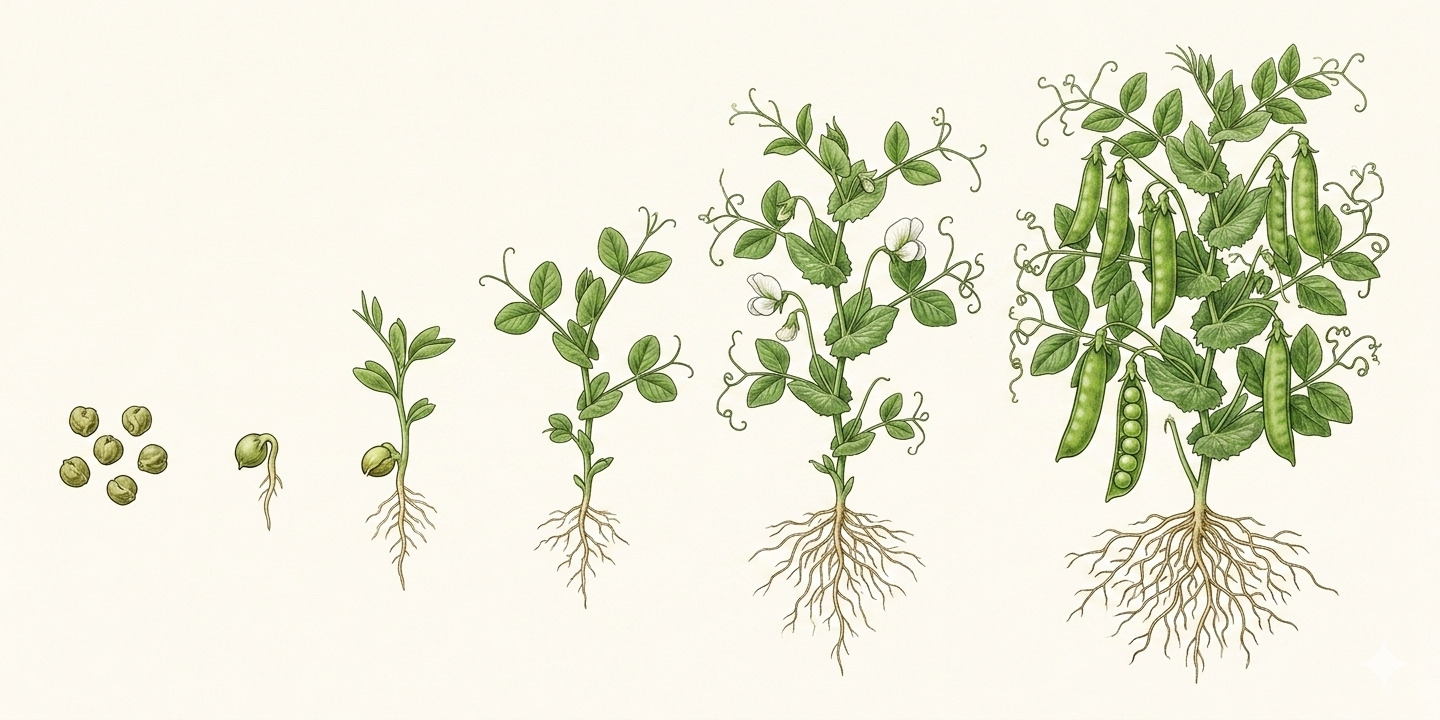
Pea Calendar
The pea year begins in March.
Recurring tasks
Relevant now
June
- No additional single task
Next up
July
- No additional single task
Monthly tasks
Single tasks from monthly data; repeated seasonal windows are shown in the overview above.
January
Quiet month
February
Quiet month
March
Quiet month
April
Quiet month
May
No additional single task
June
No additional single task
August
No additional single task
September
No additional single task
October
Quiet month
November
Quiet month
December
Quiet month
Flowering & pollination
Pea Flowering & pollination
Flowering period
May to August, depending on the sowing date.
Flower color
White to purple (variety dependent).
Self-fertility
highly self-fertile
Pollinator needed
no
Overview
Predominantly self-pollinating, often occurring before the flower opens (cleistogamy).
Notes
Insect visits are not strictly necessary for yield but may occasionally enhance fertilization.
Pruning & care
Pea Pruning & care
Pruning timing
Cleanup after harvest Cut plants at ground level to keep nitrogen nodules in the soil.
Remove
Preserve
Avoid
Tools and hygiene
Use clean shears to minimize the spread of fungal diseases.
Companion guide
Pea Companion guide
Use & storage
Pea Use & storage
Regular picking encourages the continued production of new pods.
Storage
Short-lived fresh supply / long-term preserve
Storage life
Fresh: 3 days; Frozen: 12 months; Dried: 1 to 2 years.
Harvest
Regular picking encourages the continued production of new pods.
Processing
After harvest
Cool or process immediately after harvest, as sugar content converts to starch rapidly.
Edibility & safety
Pea Edibility & safety
For people
In brief: which parts are edible, which parts remain risky, and whether raw consumption makes sense.
Safety notes
Garden peas are non-toxic but should preferably be eaten cooked due to hard-to-digest starches and lectins.
Animal safety
For many animals, this plant is generally low-risk: 14 animal types are rated suitable or mostly suitable. Quantity, plant part, and individual tolerance still matter.
Each row shows which parts are more suitable and which parts are critical.
Companion animals
 Dog
DogSeeds (cooked), Pods (sugar peas, young)
Raw seeds in large quantities, Old, fibrous pods, Roots
Seeds (cooked), Pods (sugar peas, young)
Raw seeds in large quantities, Old, fibrous pods, Roots
Raw consumption of large seed quantities, Consumption of old, fibrous pods
Bloating, Fullness, mild vomiting with raw overconsumption
observe
Peas are safe for dogs in cooked form and in moderation. Raw seeds contain lectins that can cause gastrointestinal distress if consumed in large quantities. Sugar pea pods and young shoot tips are more digestible. Roots and old pods should be avoided. In case of raw overconsumption, observe and contact vet if symptoms persist.
Open animal page Cat
CatSeeds (cooked), Pods (sugar peas, young)
Old, fibrous pods (shelling peas), Raw seeds in large quantities, Roots
Seeds (cooked), Pods (sugar peas, young)
Old, fibrous pods (shelling peas), Raw seeds in large quantities, Roots
Raw consumption, Excessive consumption, Sensitive gastrointestinal tract
Gastrointestinal upset, Bloating, Diarrhea
observe
Peas are generally non-toxic for cats, but raw or immature seeds contain lectins and hard-to-digest starch that can cause gastrointestinal upset. Cooked peas or young sugar pea pods can be given in small amounts as a treat. Old, fibrous pods and roots should be avoided. If symptoms occur, a veterinarian should be consulted.
Open animal page Rabbit
Seeds, Pods (sugar peas only)
Old, fibrous pods of shelling peas, Roots
Seeds, Pods (sugar peas only)
Old, fibrous pods of shelling peas, Roots
Raw consumption of large amounts, Sensitivity to lectins
Bloating, Digestive discomfort from excessive raw consumption
 Guinea pig
Seeds, Pods (sugar peas only)
Old, fibrous pods of shelling peas, Roots
Seeds, Pods (sugar peas only)
Old, fibrous pods of shelling peas, Roots
Raw consumption in large amounts, Sensitive digestion
Bloating, Digestive upset from excessive raw consumption
observe
Peas are safe for guinea pigs in moderation, with only specific parts like seeds, young pods (especially sugar peas), shoot tips, and flowers being suitable. Old, fibrous pods and roots should be avoided due to poor digestibility and potential lectins. Raw feeding may cause bloating; cooked is more digestible but should be cooled before offering. Suitable as a supplement to the main diet, not as sole nutrition.
Open animal page Hamster
Seeds, Pods (sugar peas only)
Old, fibrous pods of shelling peas, Roots
Seeds, Pods (sugar peas only)
Old, fibrous pods of shelling peas, Roots
Raw consumption in large amounts, Sensitivity to lectins
Bloating, Gastrointestinal discomfort
observe
Peas are suitable for hamsters in small amounts as a treat, but should be cooked or fed raw only in very small quantities due to lectins and hard-to-digest starch. Old pods and roots are not recommended.
Open animal page Budgie
Seeds, Pods (sugar peas only)
Old, fibrous pods of shelling peas, Roots
Seeds, Pods (sugar peas only)
Old, fibrous pods of shelling peas, Roots
Hard-to-digest starch and lectins in raw or immature seeds, High fiber content in old pods
Bloating, Digestive discomfort with excessive consumption
observe
Peas are suitable for budgies in small amounts as a treat, with cooked or young parts preferred. Old pods and roots should be avoided due to lectins and hard-to-digest components. Excessive consumption may cause bloating. No specific toxicity evidence for budgies available, but conservative classification based on known plant compounds and comparable small mammal tolerance.
Open animal pageFarm animals
 Horse
HorseSeeds, Pods (sugar peas only)
Old, fibrous pods of shelling peas, Roots
Seeds, Pods (sugar peas only)
Old, fibrous pods of shelling peas, Roots
Raw consumption in large amounts, Sensitive animals
Bloating, Gastrointestinal discomfort
observe
Peas are generally non-toxic for horses, with edible parts (seeds, young pods, shoot tips, flowers) suitable for feeding in moderation. Old, fibrous pods and roots are poorly digestible and may cause gastrointestinal discomfort. Due to lectin and phytic acid content, raw consumption should be limited. No evidence of severe toxicity in horses found.
Open animal page Chicken
Seeds (cooked), Young shoot tips
No risk parts listed
Seeds (cooked), Young shoot tips
No risk parts listed
 Duck
DuckSeeds, Pods (sugar peas only)
Old, fibrous pods of shelling peas, Roots
Seeds, Pods (sugar peas only)
Old, fibrous pods of shelling peas, Roots
Raw consumption of large amounts, Consumption of immature or old pods
Digestive upset, Bloating
observe
Peas are non-toxic for ducks, but due to lectins and hard-to-digest starch, only specific parts should be fed cooked or in moderation. Young shoot tips, flowers, and sugar pea pods are preferred. Avoid old pods and roots. Overconsumption may cause bloating. Suitable as a treat or supplement to main feed. No specific poisoning cases in ducks found, but conservative classification based on known plant compounds and…
Open animal page Goose
GooseSeeds, Pods (sugar peas only)
Old, fibrous pods of shelling peas, Roots
Seeds, Pods (sugar peas only)
Old, fibrous pods of shelling peas, Roots
Raw consumption in large amounts, Consumption of old pods or roots
Bloating, Gastrointestinal discomfort
 Sheep
SheepSeeds, Pods (sugar peas only)
Old, fibrous pods (shelling peas), Roots
Seeds, Pods (sugar peas only)
Old, fibrous pods (shelling peas), Roots
Raw consumption of large amounts, Consumption of old, fibrous pods
Bloating, Gastrointestinal upset if consumed raw in excess
observe
No direct species-specific source was found for sheep. This is a cautious inference from the goats profile and the known plant-part risks.
Open animal page Goat
GoatSeeds, Pods (sugar peas only)
Old, fibrous pods (shelling peas), Roots
Seeds, Pods (sugar peas only)
Old, fibrous pods (shelling peas), Roots
Raw consumption of large amounts, Consumption of old, fibrous pods
Bloating, Gastrointestinal upset if consumed raw in excess
 Cattle
Seeds, Pods (sugar peas only)
Old, fibrous pods of shelling peas, Roots
Seeds, Pods (sugar peas only)
Old, fibrous pods of shelling peas, Roots
Raw consumption of large amounts, Consumption of roots or old pods
Bloating, Digestive discomfort from excessive raw consumption
observe
Peas are generally safe for cattle, but only specific parts should be fed. Young peas, seeds, and sugar pea pods are nutritious and well-tolerated. Old, fibrous pods and roots can cause digestive discomfort and should be avoided. Due to lectins and hard-to-digest starches, raw consumption should be limited. No poisoning symptoms expected at normal feeding amounts. In case of excessive raw consumption: observe and…
Open animal page Pig
PigSeeds, Pods (sugar peas only)
Old, fibrous pods of shelling peas, Roots
Seeds, Pods (sugar peas only)
Old, fibrous pods of shelling peas, Roots
Raw consumption in large amounts, Sensitive digestive system
Bloating, Fullness, Mild discomfort
observe
Peas are generally safe for pigs when cooked or fed as sugar peas. Old pods and roots should be avoided due to lectins and poor digestibility. Suitable as a supplement in moderation.
Open animal pageThese guidelines are for general information only and do not replace veterinary diagnosis. If critical plant parts were ingested or the animal shows unusual behaviour or symptoms, seek veterinary advice.
Max risk
unknown
Highest status
moderation only
Urgency
unknown
Saving seed
Pea Saving seed
Seed viability
2 - 4 years
Method
Allow some pods to turn completely brown and dry on the plant.
Isolation
Being self-pollinators, a distance of 2 to 5 meters from other varieties is sufficient.
Practical tips
Pea Practical tips
Common beginner mistakes
Digging too deep after harvest destroys the nitrogen deposits in the roots.
Success pattern
Early sowing in March almost always leads to a healthy, mildew-free harvest.
High-impact tips
Simply stick brushwood into the row – the best and cheapest support.
Grower observations
Marrowfat peas taste best when snacked straight from the vine.
Health
Pests, Diseases
Pests
acyrthosiphon-pisum
Stunted shoot tips, sticky honeydew.
cydia-nigricana
Caterpillars feeding inside the pods.
Diseases
erysiphe-pisi
White, powdery coating on leaves and stems.
Deficiencies
manganese-deficiency
Marsh spot; brown spots inside the pea seeds.
Plant health
Diagnosis help
Pea Diagnosis help
Pest groups
Disease groups
Prevention
Diagnosis
Regularly check shoot tips for aphids starting in May.
Cultural prevention
Monitoring
Check for feeding holes starting at flowering
First response
Protective netting against birds and pea moth
Diagnostic rules
Stunted growth and yellow leaves despite moist soil
Possible causes: Fusarium wilt, Waterlogging
- Check roots for rot
- Inspect the base of the stem
FAQ
Why do peas need support?
Supports prevent plants from lying on the ground, which encourages rot and makes harvesting difficult.
When is the ideal time to harvest?
Harvest marrowfat peas when pods are plump; sugar snaps before the seeds start to show.
Is Pea safe for Dog?
Pea is classified as moderation only for Dog. Risk: unknown. Urgency: observe. Peas are safe for dogs in cooked form and in moderation. Raw seeds contain lectins that can cause gastrointestinal distress if consumed in large quantities. Sugar pea pods and young shoot tips are more digestible. Roots and old pods should be avoided. In case of raw overconsumption, observe and contact vet if symptoms persist.
Is Pea safe for Cat?
Pea is classified as moderation only for Cat. Risk: unknown. Urgency: observe. Peas are generally non-toxic for cats, but raw or immature seeds contain lectins and hard-to-digest starch that can cause gastrointestinal upset. Cooked peas or young sugar pea pods can be given in small amounts as a treat. Old, fibrous pods and roots should be avoided. If symptoms occur, a veterinarian should be consulted.
Is Pea safe for Rabbit?
Pea is classified as moderation only for Rabbit. Risk: unknown. Urgency: observe. No reliable species-specific assessment is available.
Is Pea safe for Guinea pig?
Pea is classified as moderation only for Guinea pig. Risk: unknown. Urgency: observe. Peas are safe for guinea pigs in moderation, with only specific parts like seeds, young pods (especially sugar peas), shoot tips, and flowers being suitable. Old, fibrous pods and roots should be avoided due to poor digestibility and potential lectins. Raw feeding may cause bloating; cooked is more digestible but should be cooled before offering. Suitable as a supplement to the main diet, not as sole nutrition.
Guides
Related guides
Guide
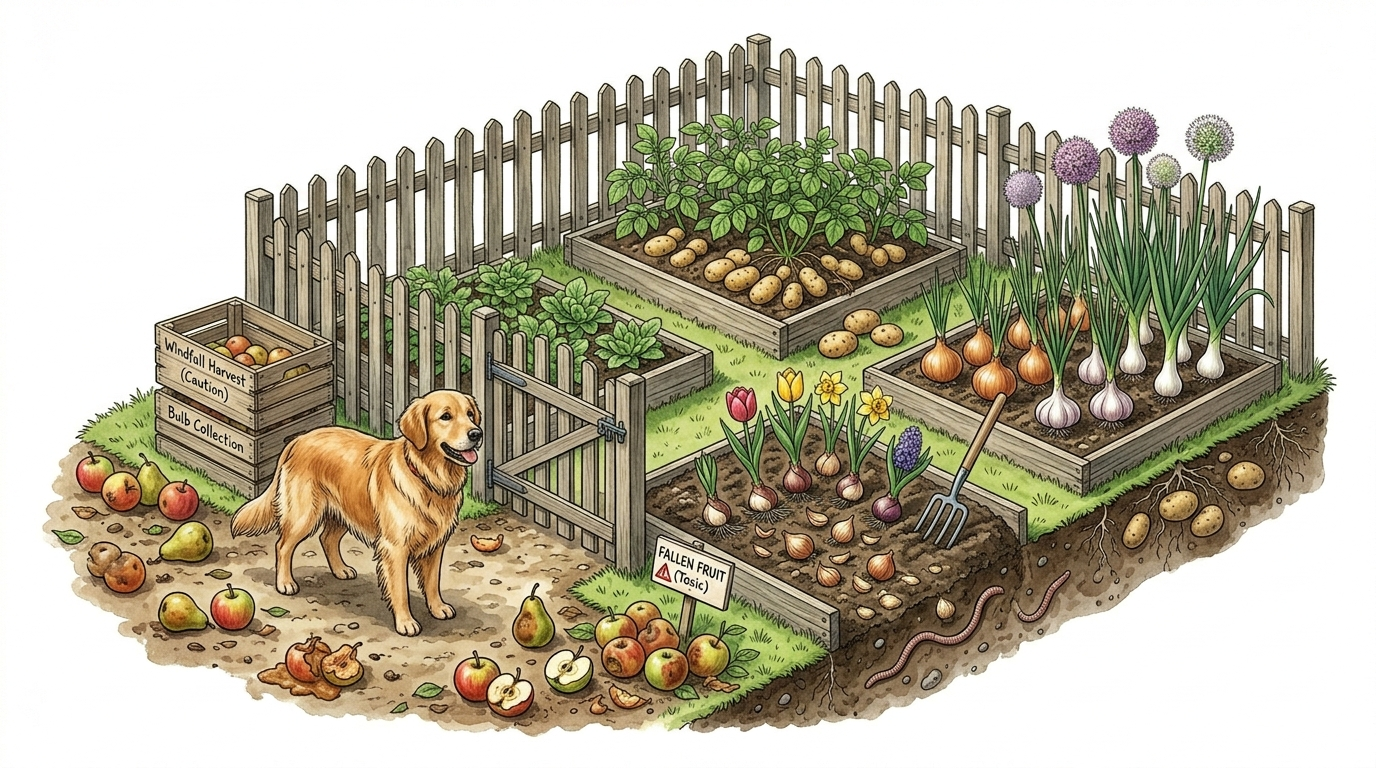
Dogs in the Garden: Windfall Fruit and Risks
Keep your garden dog-safe by managing windfall fruit, seeds, stored crops, and potentially problematic plant parts.
Guide
Horse Pastures and Garden Plants: Safety Checks
Learn how to identify risks near horse pastures, fences, turnout areas, fruit trees, and garden planting zones.
Guide
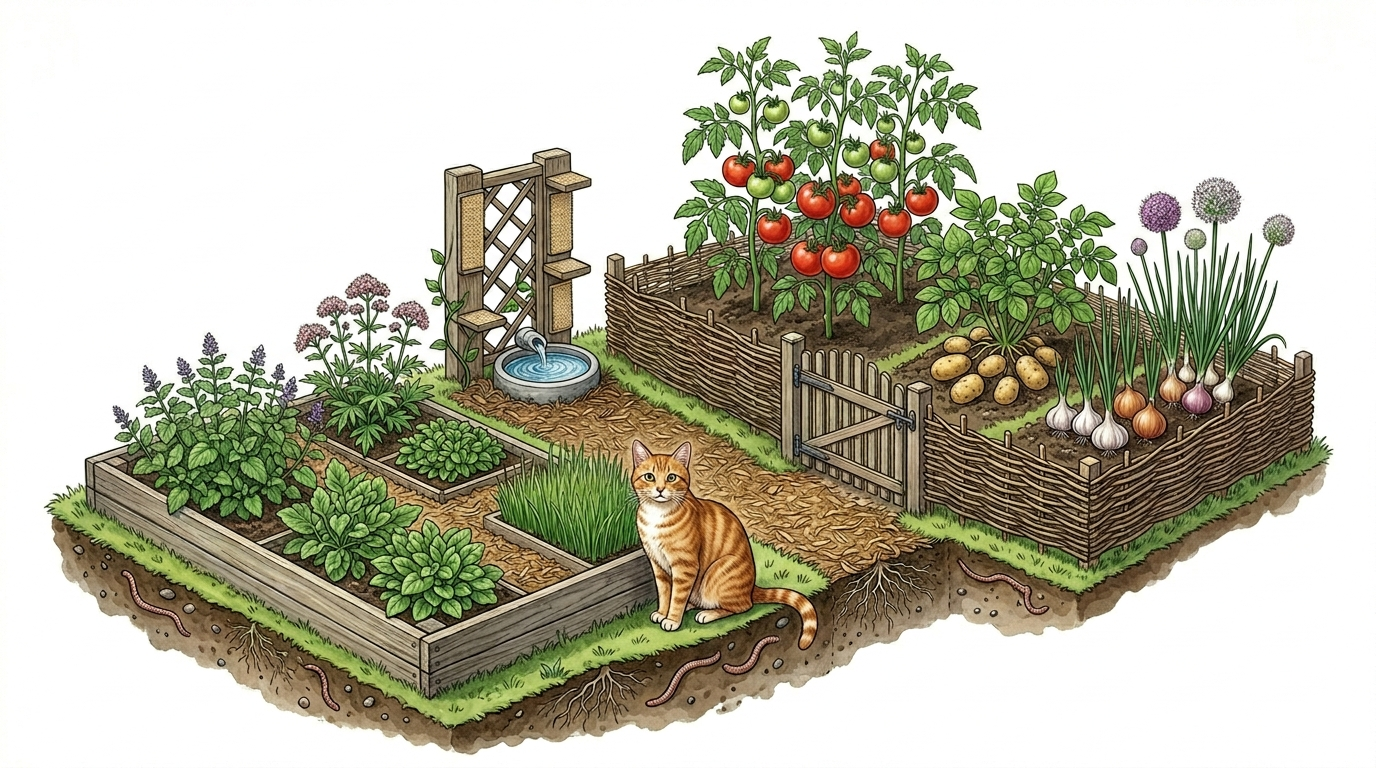
Toxic Garden Plants for Cats: Safer Planning
Learn which garden plants can be risky for cats, how to plan safer beds, and what to do if a cat eats a toxic plant.
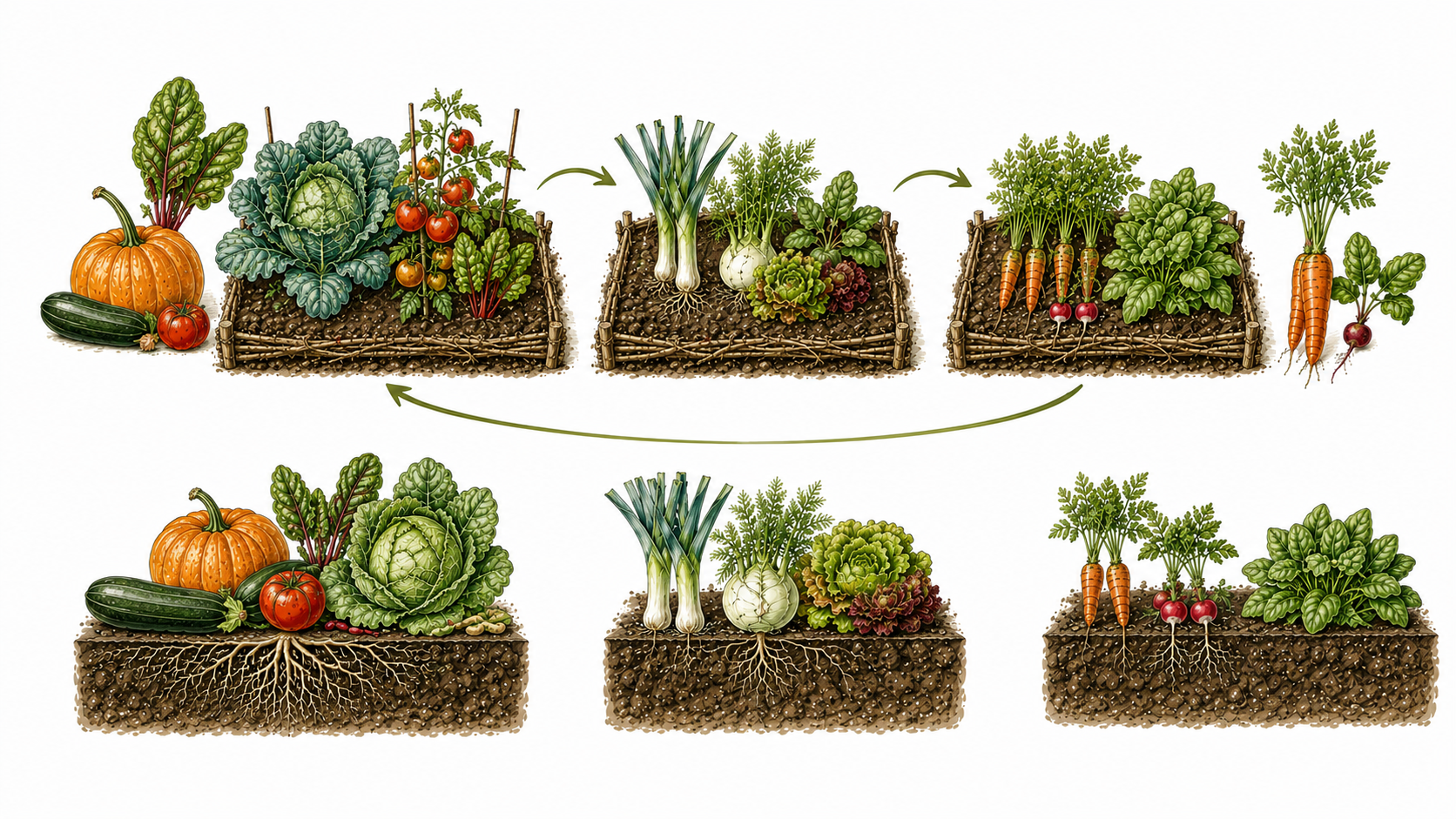
Guide
Crop Rotation in Vegetable Gardens Explained
Learn how to plan crop rotation with heavy, medium, and light feeders to keep vegetable beds productive and balanced.
Internal links
Related plants
Broad Bean
Lentil
Broad Bean
Also a cold-tolerant legume for early sowing.
Green Bean
Belongs to the same Fabaceae family.
Lentil
Used as a protein-rich pulse.
Chickpea
Similar name, but botanically a different genus with higher heat requirements.
Sweet Pea
Lathyrus odoratus is an ornamental plant and, unlike garden peas, toxic.
Sources
Public sources
- Wikidata entity
Wikidata · 2026-05-13
- GBIF species match
GBIF · 2026-05-13
- Deutschsprachige Wikipedia: Erbse
Wikipedia · 2026-05-13
- English Wikipedia: Pea
Wikipedia · 2026-05-13