Plant Profile
Lacinato kaleBrassica oleracea var. palmifolia
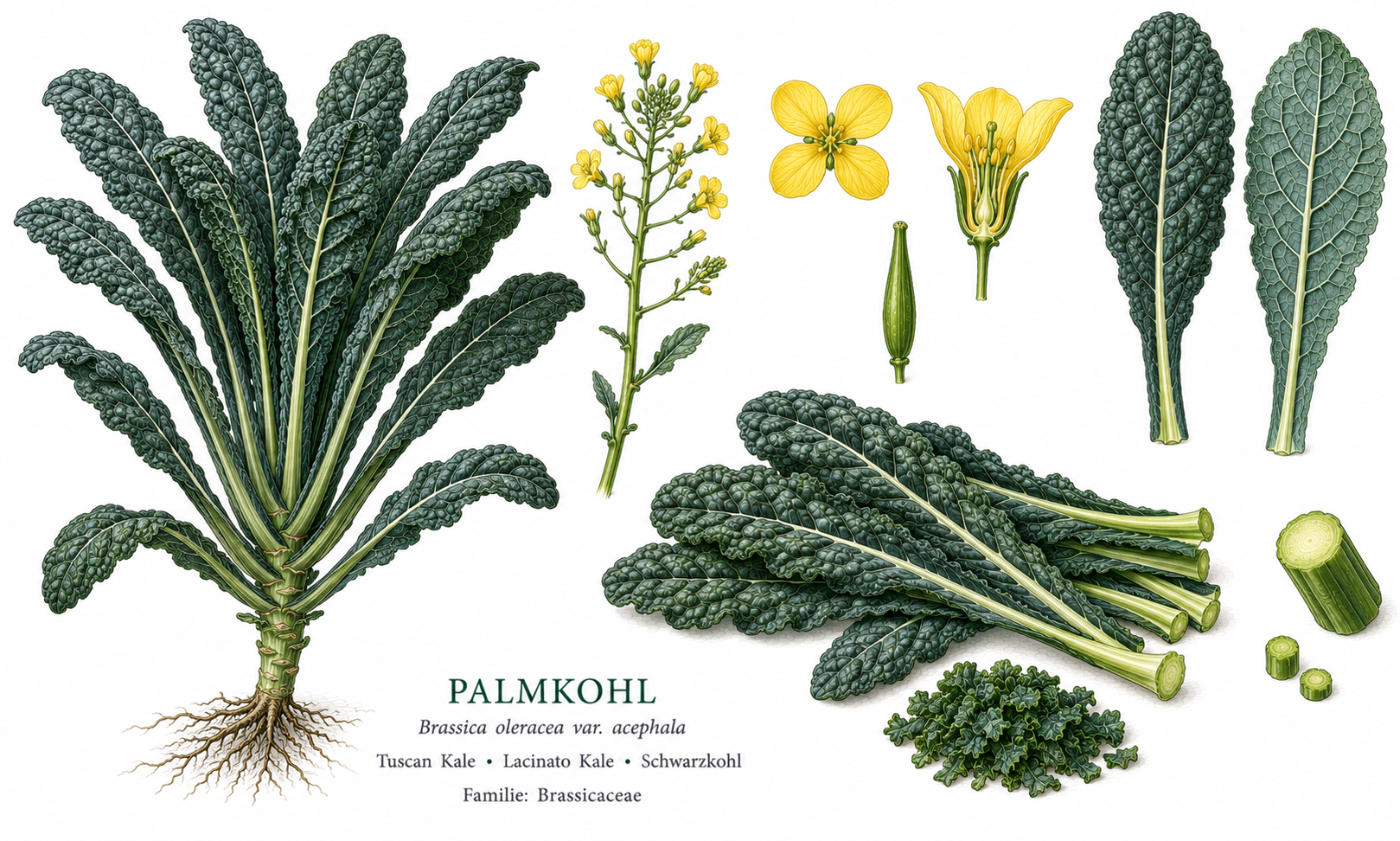
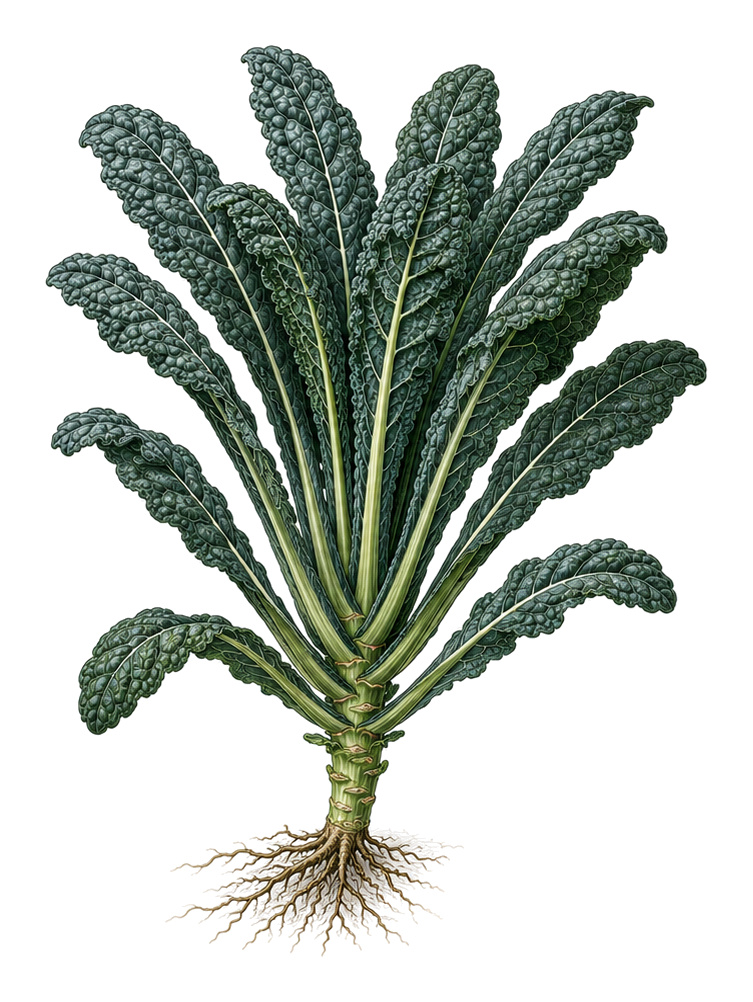
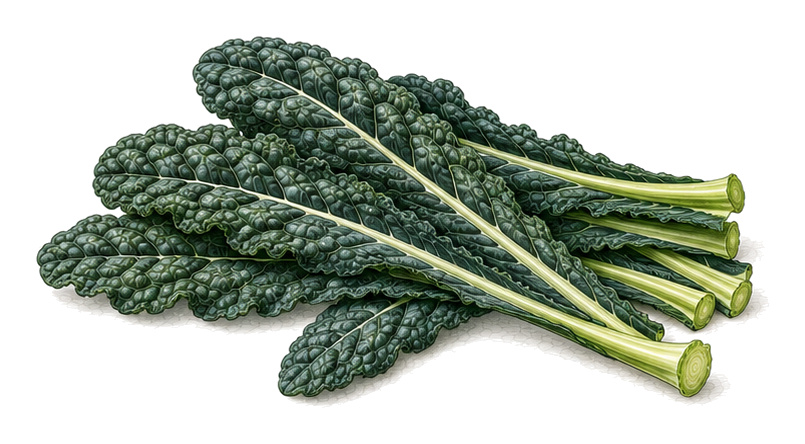
Lacinato kale, often called 'Cavolo Nero', is an ancient leafy green from Tuscany. With its nearly black, puckered leaves growing in a palm-like rosette, it serves as both a culinary delicacy (essential for Ribollita) and a striking ornamental for the garden. Unlike curly kale, it offers a milder flavor and maintains an excellent texture even after vigorous cooking.
Quick profile
Key data
Suitable growing locations:
Good neighbors
PeasTomatoesLettuce
Avoid
Other BrassicasOnions
Indoor & direct sowing
Lacinato kale: Sowing and germination
Indoor pre-culture possible from February for early harvests.
Direct sowing from late April once the soil has warmed sufficiently.
Planting & site
Lacinato kale: Planting and spacing
Transplant approximately 4–6 weeks after sowing.
Site & practical notes
Temperature & frost
Lacinato kale: Temperature and site
Water & nutrients
Lacinato kale: Water, nutrients and care
Container & growth
Lacinato kale: Container, support and growth
Year plan
Lacinato kale Calendar
When the first frost arrives, it's Cavolo Nero's time to shine.
Recurring tasks
Relevant now
June
- No additional single task
Next up
July
- No additional single task
Monthly tasks
Single tasks from monthly data; repeated seasonal windows are shown in the overview above.
January
No additional single task
February
No additional single task
March
No additional single task
April
No additional single task
May
No additional single task
June
No additional single task
August
No additional single task
September
No additional single task
October
No additional single task
November
No additional single task
December
No additional single task
Flowering & pollination
Lacinato kale Flowering & pollination
Flowering period
Months: 4, 5, 6, Notes: Flowering occurs in the spring of the second year.
Flower color
Pale yellow
Self-fertility
self-incompatible
Pollinator needed
yes
Overview
Pollination is primarily carried out by insects such as bees and hoverflies.
Notes
Cross-pollination by insects is necessary for good seed set; cross-pollinates easily with other Brassica oleracea varieties.
Pruning & care
Lacinato kale Pruning & care
Pruning type
continuous_bottom_up
Pruning timing
Main harvest period Harvesting after the onset of frost improves the flavor.
Remove
Preserve
Avoid
Tools and hygiene
Use clean knives to prevent rot on the main stalk.
Companion guide
Lacinato kale Companion guide
Good neighbors
PeasTomatoesLettuce
Avoid
Other BrassicasOnions
Use & storage
Lacinato kale Use & storage
Harvest outer leaves from the bottom up; frost improves the flavor.
Storage
Short-term storage (fresh) or freezing
Storage life
Fresh in the refrigerator approx. 5-7 days; frozen (after blanching) up to 10 months.
Flavor
Mildly spicy, less bitter than curly kale, with a slightly nutty note.
Harvest
Harvest outer leaves from the bottom up; frost improves the flavor.
Processing
After harvest
Place leaves in cold water or store in the refrigerator immediately after harvest to prevent wilting.
Edibility & safety
Lacinato kale Edibility & safety
For people
In brief: which parts are edible, which parts remain risky, and whether raw consumption makes sense.
Safety notes
Non-toxic. Like all brassicas, it contains glucosinolates, which may cause bloating in sensitive individuals.
Animal safety
For many animals, this plant is generally low-risk: 13 animal types are rated suitable or mostly suitable. Quantity, plant part, and individual tolerance still matter.
Each row shows which parts are more suitable and which parts are critical.
Companion animals
 Dog
DogLeaves, Young flower buds
Tough, woody stalks
Leaves, Young flower buds
Tough, woody stalks
Overconsumption, Sensitivity to glucosinolates, Consumption of woody stalks
Gastrointestinal upset, Bloating, Diarrhea
observe
Lacinato kale (Palmkohl) is safe for dogs in small amounts as an occasional treat. Leaves and young flower buds are nutrient-rich but may cause bloating or gastrointestinal upset if overconsumed due to glucosinolates. Tough, woody stalks should be avoided as they are difficult to digest and may pose a choking hazard.
Open animal page Cat
CatLeaves, Young flower buds
Tough, woody stalks
Leaves, Young flower buds
Tough, woody stalks
Overconsumption, Sensitivity to glucosinolates
Gastrointestinal upset, Vomiting, Diarrhea
observe
Lacinato kale (Palmkohl) is suitable for cats in small amounts as a treat. The leaves and young flower buds are edible, while tough woody stalks should be avoided. Overconsumption may lead to gastrointestinal upset due to glucosinolates. If symptoms occur, consult a veterinarian.
Open animal page Rabbit
Leaves, Young flower buds
Tough, woody stalks
Leaves, Young flower buds
Tough, woody stalks
Excessive leaf consumption, Feeding tough woody stalks
Bloating, Digestive discomfort from overfeeding
observe
Lacinato kale (Palmkohl) is safe for rabbits in moderation. Leaves and young flower buds are nutritious and palatable but contain glucosinolates that may cause bloating if overfed. Tough woody stalks should be avoided as they are difficult to digest.
Open animal page Guinea pig
Leaves, Young flower buds
Tough, woody stalks
Leaves, Young flower buds
Tough, woody stalks
Overfeeding, Sensitivity to glucosinolates
Bloating, Gastrointestinal upset from overfeeding
observe
Lacinato kale (palmkohl) is suitable and nutritious for guinea pigs. Like all brassicas, it contains glucosinolates that may cause bloating if overfed. Young leaves are particularly tender and well-tolerated. Tough, woody stalks should be removed as they are difficult to chew and may pose a choking hazard. Regular feeding in moderation is safe and healthy.
Open animal page Hamster
Leaves, Young flower buds
Tough, woody stalks
Leaves, Young flower buds
Tough, woody stalks
Excessive consumption, Sensitivity to glucosinolates
Bloating, Digestive discomfort from overfeeding
observe
Lacinato kale (Palmkohl) is suitable for hamsters in small amounts as leafy greens. Young leaves and flower buds are preferred, while tough woody stalks should be avoided. Due to glucosinolate content, overfeeding may cause bloating.
Open animal page Budgie
Leaves, Young flower buds
Tough, woody stalks
Leaves, Young flower buds
Tough, woody stalks
Overconsumption may cause bloating or digestive issues
Mild gastrointestinal upset if overfed
observe
Lacinato kale (Palmkohl) is suitable for budgies in small amounts as an occasional treat. The leaves and young flower buds are nutrient-rich, but the tough, woody stalks should be removed as they are difficult to digest. Like all brassicas, Lacinato kale contains glucosinolates, which may cause bloating if overfed. There is no evidence of specific toxicity to budgies, but cautious feeding is recommended.
Open animal pageFarm animals
 Horse
HorseLeaves, Young flower buds
Tough, woody stalks
Leaves, Young flower buds
Tough, woody stalks
Bloating in sensitive horses if overfed
Bloating
observe
Lacinato kale (Palmkohl) is suitable for horses as part of a balanced diet. Like all Brassica species, it contains glucosinolates, which may cause bloating if overfed. Young leaves are particularly well-tolerated. No serious toxicities documented for horses.
Open animal page Chicken
No suitable parts listed
No risk parts listed
No suitable parts listed
No risk parts listed
 Duck
DuckLeaves, Young flower buds (similar to broccoli)
Tough, woody stalks
Leaves, Young flower buds (similar to broccoli)
Tough, woody stalks
Sensitive animals, Overconsumption, Consumption of tough woody stalks
Bloating, Gastrointestinal upset
observe
Lacinato kale can be fed to ducks in moderation, but tough stalks should be avoided.
Open animal page Goose
GooseLeaves, Young flower buds
Tough, woody stalks
Leaves, Young flower buds
Tough, woody stalks
Excessive consumption of tough woody stalks, Sensitivity to glucosinolates
Gastrointestinal upset if overfed
observe
Lacinato kale (Palmkohl) is suitable for geese in small amounts as leafy greens. The leaves and young flower buds are nutrient-rich and generally well-tolerated. Tough woody stalks should be removed as they are difficult to digest and may cause digestive upset. Like all brassicas, Lacinato kale contains glucosinolates, which may cause bloating or gastrointestinal irritation if consumed in excess.
Open animal page Sheep
SheepLeaves, Young flower buds
Tough, woody stalks
Leaves, Young flower buds
Tough, woody stalks
Overfeeding, Sensitivity to glucosinolates
Bloating, Gastrointestinal upset from overfeeding
observe
Palmkohl (Lacinato kale) is suitable for sheep in moderation as supplemental feed. Leaves and young flower buds are safe, while tough, woody stalks should be avoided. Like all Brassica species, it contains glucosinolates that may cause bloating or gastrointestinal upset if overfed. Sheep generally tolerate brassicas well, but gradual introduction is recommended.
Open animal page Goat
GoatLeaves, Young flower buds
Tough, woody stalks
Leaves, Young flower buds
Tough, woody stalks
Bloating in sensitive animals if overfed
Bloating in sensitive animals if overfed
observe
Lacinato kale (Palmkohl) is generally safe and nutritious for goats. Like all Brassica species, it contains glucosinolates, which may cause bloating if overfed. Young leaves are particularly palatable and well-tolerated. Tough, woody stalks should be avoided as they are difficult to chew and digest. No poisoning symptoms are expected with normal feeding as part of a balanced diet. If bloating or discomfort occurs…
Open animal page Cattle
Leaves, Young flower buds
Tough, woody stalks
Leaves, Young flower buds
Tough, woody stalks
Overfeeding, Feeding tough, woody stalks
Mild bloating, Gastrointestinal upset from overfeeding
observe
Lacinato kale (Palmkohl) is suitable for cattle in small amounts as supplemental feed. Leaves and young flower buds are nutrient-rich, but due to glucosinolate content, overfeeding can cause bloating and gastrointestinal upset. Tough, woody stalks should be avoided as they are difficult to digest and increase the risk of impaction.
Open animal page Pig
PigLeaves, Young flower buds
Tough, woody stalks
Leaves, Young flower buds
Tough, woody stalks
Overconsumption, Feeding woody stalks
Bloating, Gastrointestinal discomfort from overfeeding
observe
Lacinato kale (Palmkohl) is safe for pigs in small amounts as leaves and young flower buds. Like all brassicas, it contains glucosinolates, which may cause bloating and gastrointestinal upset if overconsumed. The woody stalks are difficult to digest and should not be fed. Suitable as part of a varied diet, but not as a main feed.
Open animal pageThese guidelines are for general information only and do not replace veterinary diagnosis. If critical plant parts were ingested or the animal shows unusual behaviour or symptoms, seek veterinary advice.
Max risk
unknown
Highest status
not established
Urgency
unknown
Saving seed
Lacinato kale Saving seed
Seed viability
3 - 5 years
Practical tips
Lacinato kale Practical tips
Common beginner mistakes
Too late protection against caterpillars; a single clutch can ruin the young plant.
Success pattern
Strong seedlings transplanted in June provide a bountiful harvest from October.
High-impact tips
Mulching with grass clippings retains moisture and suppresses weeds.
Grower observations
The color becomes more intense and almost metallic blue during cool autumn weather.
Plant Profile
Additional plant images
Health
Pests, Diseases
Plant health
Diagnosis help
Lacinato kale Diagnosis help
Pest groups
Disease groups
Prevention
Diagnosis
Regularly check the undersides of leaves for egg clusters.
Cultural prevention
Monitoring
Weekly check for cabbage white eggs.
First response
Diagnostic rules
Holed leaves in young plants
Possible causes: Flea beetles, Slugs
- Look for small jumping beetles
- Search for slime trails
FAQ
Is Lacinato kale winter hardy?
Yes, it tolerates temperatures down to approx. -15°C. Frost also improves the flavor.
What to do against whitefly?
Use fine-mesh netting and encourage beneficial insects like parasitic wasps.
Is Lacinato kale safe for Dog?
Lacinato kale is classified as moderation only for Dog. Risk: unknown. Urgency: observe. Lacinato kale (Palmkohl) is safe for dogs in small amounts as an occasional treat. Leaves and young flower buds are nutrient-rich but may cause bloating or gastrointestinal upset if overconsumed due to glucosinolates. Tough, woody stalks should be avoided as they are difficult to digest and may pose a choking hazard.
Is Lacinato kale safe for Cat?
Lacinato kale is classified as moderation only for Cat. Risk: unknown. Urgency: observe. Lacinato kale (Palmkohl) is suitable for cats in small amounts as a treat. The leaves and young flower buds are edible, while tough woody stalks should be avoided. Overconsumption may lead to gastrointestinal upset due to glucosinolates. If symptoms occur, consult a veterinarian.
Is Lacinato kale safe for Rabbit?
Lacinato kale is classified as moderation only for Rabbit. Risk: unknown. Urgency: observe. Lacinato kale (Palmkohl) is safe for rabbits in moderation. Leaves and young flower buds are nutritious and palatable but contain glucosinolates that may cause bloating if overfed. Tough woody stalks should be avoided as they are difficult to digest.
Is Lacinato kale safe for Guinea pig?
Lacinato kale is classified as moderation only for Guinea pig. Risk: unknown. Urgency: observe. Lacinato kale (palmkohl) is suitable and nutritious for guinea pigs. Like all brassicas, it contains glucosinolates that may cause bloating if overfed. Young leaves are particularly tender and well-tolerated. Tough, woody stalks should be removed as they are difficult to chew and may pose a choking hazard. Regular feeding in moderation is safe and healthy.
Guides
Related guides
Guide
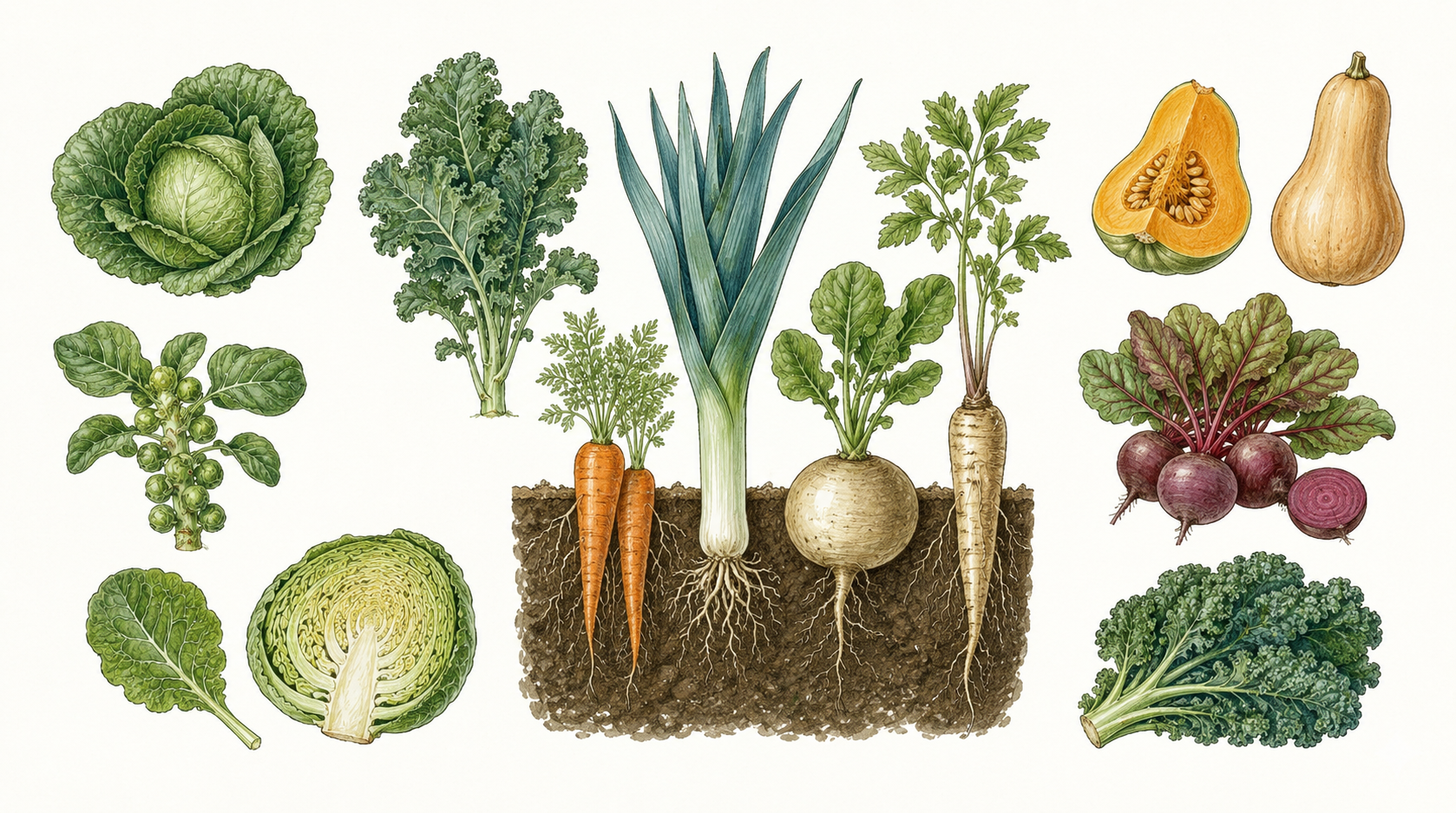
Growing Autumn Vegetables for Winter Harvests
Learn how to grow autumn vegetables such as kale, spinach, lamb's lettuce, and leeks for harvests into winter.
Guide
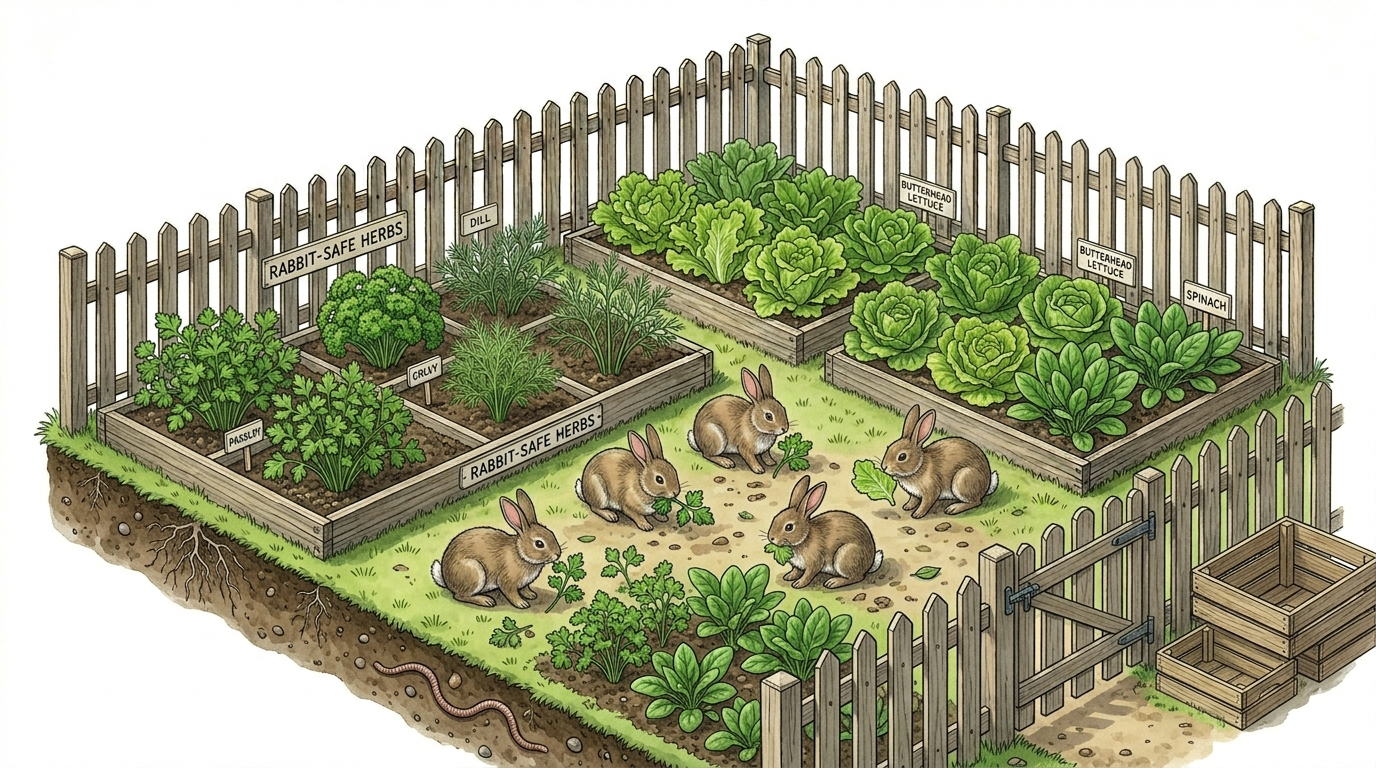
Rabbits in the Garden: Herbs and Vegetables
Learn how to choose suitable herbs and vegetables for rabbits, grow feeding plants, and plan a rabbit-friendly garden.
Guide
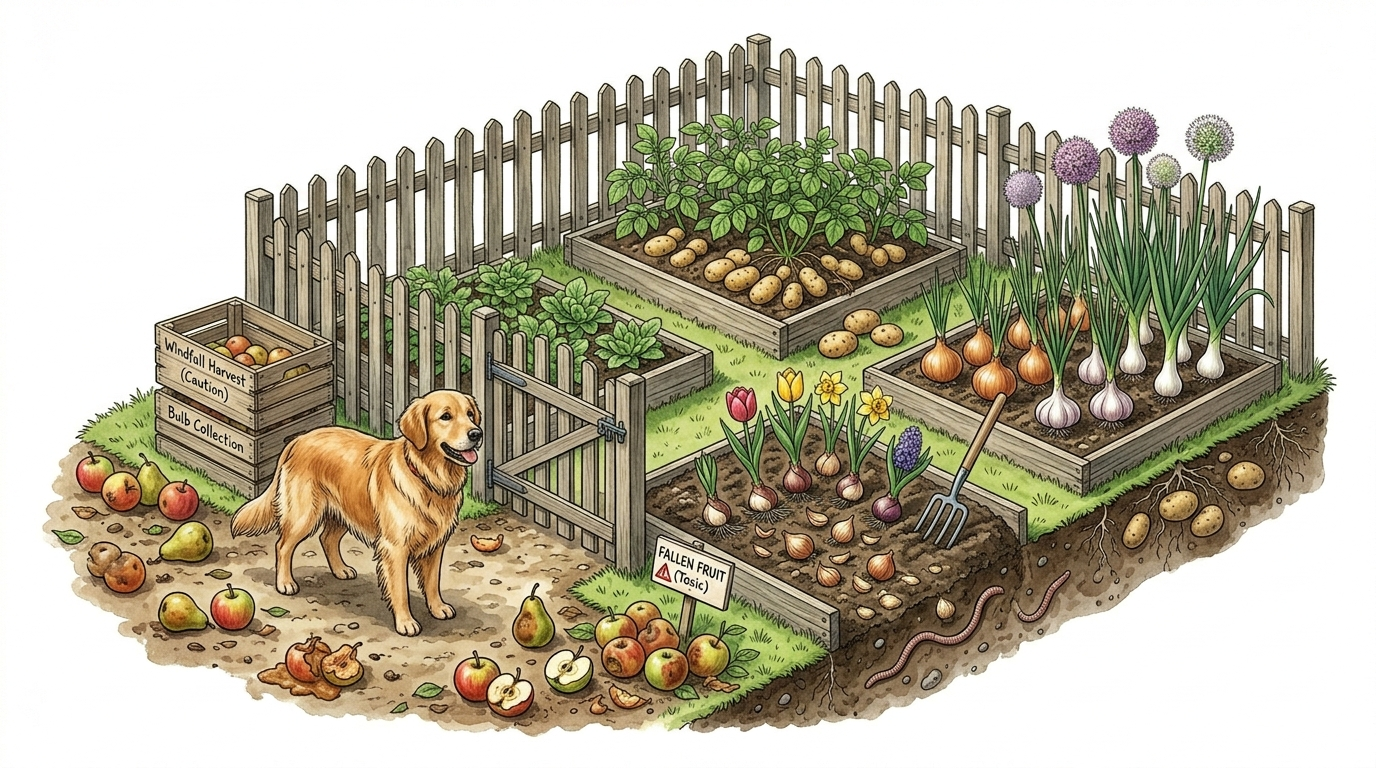
Dogs in the Garden: Windfall Fruit and Risks
Keep your garden dog-safe by managing windfall fruit, seeds, stored crops, and potentially problematic plant parts.
Guide
Horse Pastures and Garden Plants: Safety Checks
Learn how to identify risks near horse pastures, fences, turnout areas, fruit trees, and garden planting zones.
Internal links
Related plants
Curly kale
Spinach
Cauliflower
Both susceptible to clubroot.
Celery
Savoy cabbage
Both share a crinkled leaf texture.
broccoli
Both belong to the species Brassica oleracea.
Swiss Chard
Similar use as a sautéed leafy green.
Curly kale
Closely related, but curly kale has frillier leaves and a more bitter taste.
Sources
Public sources
- Wikidata entity
Wikidata · 2026-05-14
- GBIF species match
GBIF · 2026-05-14
- Deutschsprachige Wikipedia: Palmkohl
Wikipedia · 2026-05-14
- English Wikipedia: Lacinato kale
Wikipedia · 2026-05-14