Plant Profile
broccoliBrassica oleracea var. italica
Broccoli is a cool-season brassica grown for its closed flower buds. After the main harvest, many varieties produce smaller side shoots.
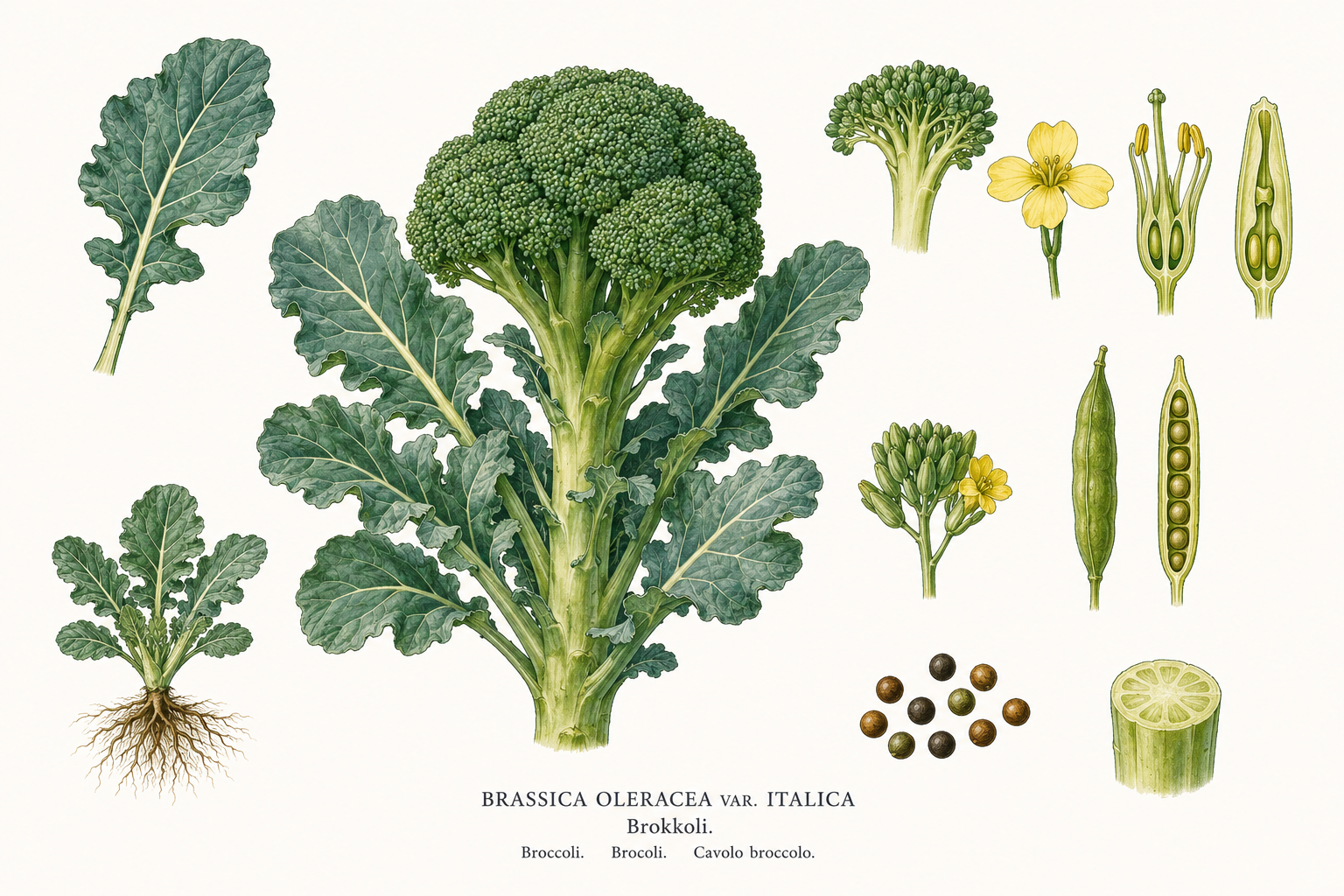
Quick profile
Key data
Suitable growing locations:
Good neighbors
CeleryLettuce
Avoid
brassicas after brassicas
Indoor & direct sowing
broccoli: Sowing and germination
Start sowing from early February for early varieties in a greenhouse or on a windowsill. Later varieties can be sown until May.
Direct sowing is possible from April, once the soil has warmed up. For a continuous harvest, several sowing batches at 2-3 week intervals are recommended.
Planting & site
broccoli: Planting and spacing
Transplant pre-grown seedlings into the open ground from mid-April, once severe frosts are no longer expected. Ensure adequate spacing.
Site & practical notes
Temperature & frost
broccoli: Temperature and site
Water & nutrients
broccoli: Water, nutrients and care
Container & growth
broccoli: Container, support and growth
Year plan
broccoli Calendar
Recurring tasks
Relevant now
June
- First harvest possible from very early varieties.heads are firm and developed: Harvest the main head before the flowers open.
- Continue fertilizing.plants are growing well: Broccoli is a heavy feeder and requires regular nutrient supply.
- Protection against pests like cabbage root fly and slugs.Crop protection nets can help against cabbage root fly. Collect slugs regularly.
Next up
July
- Main harvest time for many varieties.Harvest regularly to encourage the formation of side shoots.
- Continue fertilizing to promote the development of side shoots.plants are producing side shoots
- Watch for pests and diseases.Check regularly for signs of infestation or disease.
Monthly tasks
Single tasks from monthly data; repeated seasonal windows are shown in the overview above.
January
Quiet month
February
Direct sowing
- Preparation of sowing containers and soil.
- Sowing indoors in a greenhouse or on the windowsill for early varieties.early varieties: Start with early varieties in February for an early harvest.
March
Direct sowing
- Continue sowing indoors in the greenhouse/windowsill.
- Pricking out the first seedlings if necessary.seedlings are large enough: Transplant seedlings into larger pots once they have developed their first true leaf pair.
April
Planting
- Transplanting pre-grown seedlings into the open ground.no more hard frosts: Transplant plants from mid-April when the risk of frost has passed.
Harvest
- Direct sowing into the open ground for later harvests.soil is warm enough: Begin direct sowing in April as soon as the soil has warmed up.
Growing
- Loosen the soil and improve it with compost.before sowing or transplanting
May
Direct sowing
- Further direct sowing.Sow again every 2-3 weeks to ensure a continuous harvest.
Planting
- Further transplanting.
Growing
- First fertilizing if needed.plants show signs of deficiency
June
Harvest
- First harvest possible from very early varieties.heads are firm and developed: Harvest the main head before the flowers open.
Growing
- Continue fertilizing.plants are growing well: Broccoli is a heavy feeder and requires regular nutrient supply.
Plant health
- Protection against pests like cabbage root fly and slugs.Crop protection nets can help against cabbage root fly. Collect slugs regularly.
August
Harvest
- Continuous harvest.
Growing
- Water well during dry spells.dry weather
Plant health
- Remove yellowed or diseased leaves.
September
Harvest
- Harvest of autumn varieties.
Growing
- Protection against early frosts for late varieties.frost expected: Light fleece covers can help protect plants from light frosts.
- Top-up fertilizing if needed.plants still growing
October
Harvest
- Harvest of late and storage varieties.
Growing
- Prepare soil for the next season.after harvest: Remove crop residues and improve the soil with compost or green manure.
- Remove crop residues.after harvest
November
Harvest
- Final harvest.before hard frost
Growing
- Protect the soil over winter.after last harvest: A layer of mulch or green manure protects the soil from erosion.
- Soil cultivation and green manuring, if desired.after harvest
December
Quiet month
Flowering & pollination
broccoli Flowering & pollination
Self-fertility
not relevant for edible harvest; cross-pollinated for seed
Pollinator needed
no
Overview
Pollination is not needed to harvest the bud heads. Seed saving requires flowering plants and isolation from other Brassica oleracea forms.
Notes
Broccoli crosses with other cabbage forms of the same species.
Pruning & care
broccoli Pruning & care
Pruning type
cut main head then harvest side shoots
Pruning timing
Harvest main head and side shoots Cut the main head before yellow flowers open; allow side shoots to continue growing.
Remove
Preserve
Avoid
Tools and hygiene
Use clean, sharp knives, especially in wet weather.
Companion guide
broccoli Companion guide
Good neighbors
CeleryLettuce
Avoid
brassicas after brassicas
Use & storage
broccoli Use & storage
Harvest begins from June/July depending on the variety and sowing time, and can continue into late autumn. Harvest the main head while it is firm.
Storage
refrigerator or freezer after blanching
Storage life
Fresh usually keeps 3-5 days in the refrigerator; blanched and frozen keeps for several months.
Flavor
mild brassica flavor, green, slightly sweet when fresh
Harvest
Harvest begins from June/July depending on the variety and sowing time, and can continue into late autumn. Harvest the main head while it is firm.
Processing
After harvest
Cut with a sharp knife and a short stem, cool quickly, and do not leave in sun.
Edibility & safety
broccoli Edibility & safety
For people
In brief: which parts are edible, which parts remain risky, and whether raw consumption makes sense.
Safety notes
Broccoli is edible and non-toxic. Like other brassicas, it may cause gas in sensitive people.
Animal safety
For many animals, this plant is generally low-risk: 12 animal types are rated suitable or mostly suitable. Quantity, plant part, and individual tolerance still matter.
Each row shows which parts are more suitable and which parts are critical.
Companion animals
 Dog
Dogflower buds, tender stems
No risk parts listed
flower buds, tender stems
No risk parts listed
Gas and bloating from overconsumption
usually no action needed
Broccoli is suitable for dogs in small amounts as a treat. The edible parts (flower buds, tender stems, young leaves) are non-toxic but may cause gas and bloating if overconsumed. Woody stems and spoiled parts should be avoided.
Open animal page Cat
Catflower buds, tender stems
No risk parts listed
flower buds, tender stems
No risk parts listed
Overconsumption may cause gas or gastrointestinal upset., Only feed fresh, unspoiled parts.
observe
Broccoli is suitable for cats in small amounts as a treat. The edible parts (flower buds, tender stems, young leaves) are non-toxic and nutritious. Overconsumption may cause gas or gastrointestinal upset. Woody stems and spoiled parts should be avoided.
Open animal page Rabbit
No suitable parts listed
No risk parts listed
No suitable parts listed
No risk parts listed
unknown
Broccoli is suitable for rabbits in small amounts as a treat. Flower buds, tender stems, and young leaves are safe. Overconsumption may cause gas. Woody stem parts and spoiled material should be avoided.
Open animal page Guinea pig
flower buds, tender stems
No risk parts listed
flower buds, tender stems
No risk parts listed
Excessive consumption may cause gas or digestive discomfort
observe
Broccoli is suitable for guinea pigs in moderation and is commonly fed as part of a balanced diet. The flower buds, tender stems, and young leaves are safe. Excessive amounts may cause gas. Woody stem parts and spoiled material should be avoided.
Open animal page Hamster
No suitable parts listed
No risk parts listed
No suitable parts listed
No risk parts listed
 Budgie
flower buds, tender stems
No risk parts listed
flower buds, tender stems
No risk parts listed
Gas/bloat from overfeeding
usually no action needed
Broccoli is suitable for budgies in small amounts as a treat. Flower buds, tender stems, and young leaves are the preferred parts. Overfeeding may cause gas/bloat. Woody stems and spoiled parts should be avoided. No known toxic compounds for birds.
Open animal pageFarm animals
 Horse
Horseflower buds, tender stems
No risk parts listed
flower buds, tender stems
No risk parts listed
overfeeding, sensitive digestive system
gas, mild discomfort
observe
Broccoli is suitable for horses in small amounts as a treat. Large amounts can cause gas and digestive discomfort. Only feed edible parts (flower buds, tender stems, young leaves). Avoid woody stems and spoiled parts.
Open animal page Chicken
flower buds, tender stems
verholzte Stielteile, verfaulte oder verschimmelte Partien
flower buds, tender stems
verholzte Stielteile, verfaulte oder verschimmelte Partien
Overfeeding can cause gas and digestive discomfort. Rotted or moldy parts may contain mycotoxins.
observe
Broccoli is suitable for chickens in small amounts as a treat. Flower buds, tender stems, and young leaves are safe. Woody stems and spoiled parts should be avoided. Overfeeding may cause gas.
Open animal page Duck
Duckflower buds, tender stems
No risk parts listed
flower buds, tender stems
No risk parts listed
Overconsumption may cause gas or digestive discomfort
usually no action needed
Broccoli is edible and non-toxic for ducks. The edible parts (flower buds, tender stems, young leaves) can be fed as a treat, but only in moderation due to potential gas production in sensitive animals. Woody stem parts and rotted or moldy parts should be avoided.
Open animal page Goose
Gooseflower buds, tender stems
No risk parts listed
flower buds, tender stems
No risk parts listed
Overfeeding may cause gas or digestive discomfort., Only feed fresh, unwilted parts., Avoid woody stems and rotted material.
observe
Broccoli is suitable for geese in small amounts as a treat. The edible parts (flower buds, tender stems, young leaves) are nutrient-rich and well tolerated. Overfeeding may cause gas, as broccoli belongs to the gas-producing brassicas. No known toxic compounds identified for geese.
Open animal page Sheep
Sheepflower buds, tender stems
No risk parts listed
flower buds, tender stems
No risk parts listed
Bloat from overconsumption
observe
Broccoli is generally safe for sheep in moderation. Overconsumption may cause bloat, as with other brassicas.
Open animal page Goat
Goatflower buds, tender stems
No risk parts listed
flower buds, tender stems
No risk parts listed
Bloat from overconsumption
observe
No direct species-specific source was found for goats. This is a cautious inference from the sheep profile and the known plant-part risks.
Open animal page Cattle
flower buds, tender stems
verholzte Stielteile
flower buds, tender stems
verholzte Stielteile
Bloat from overconsumption
observe
Broccoli is suitable for cattle in small amounts as supplemental feed. The flower buds, tender stems, and young leaves are safe, while woody stem parts are poorly digestible and may cause bloat if overconsumed. No known toxic compounds.
Open animal page Pig
Pigflower buds, tender stems
verholzte Stielteile, verfaulte oder verschimmelte Partien
flower buds, tender stems
verholzte Stielteile, verfaulte oder verschimmelte Partien
overfeeding causes gas and discomfort, woody parts are difficult to digest, moldy material may contain mycotoxins
gas, gastrointestinal discomfort from overfeeding
observe
Broccoli is safe for pigs in moderation and provides nutritional value. Flower buds, tender stems, and young leaves can be given as supplemental feed. Due to high fiber and sulfur content, overfeeding may cause gas. Woody stems and moldy parts should be avoided. No known toxic compounds in normal broccoli parts. If mold is suspected or gastrointestinal signs persist, consult a veterinarian.
Open animal pageThese guidelines are for general information only and do not replace veterinary diagnosis. If critical plant parts were ingested or the animal shows unusual behaviour or symptoms, seek veterinary advice.
Max risk
unknown
Highest status
not established
Urgency
unknown
Saving seed
broccoli Saving seed
Seed viability
3 - 5 years
Plant Profile
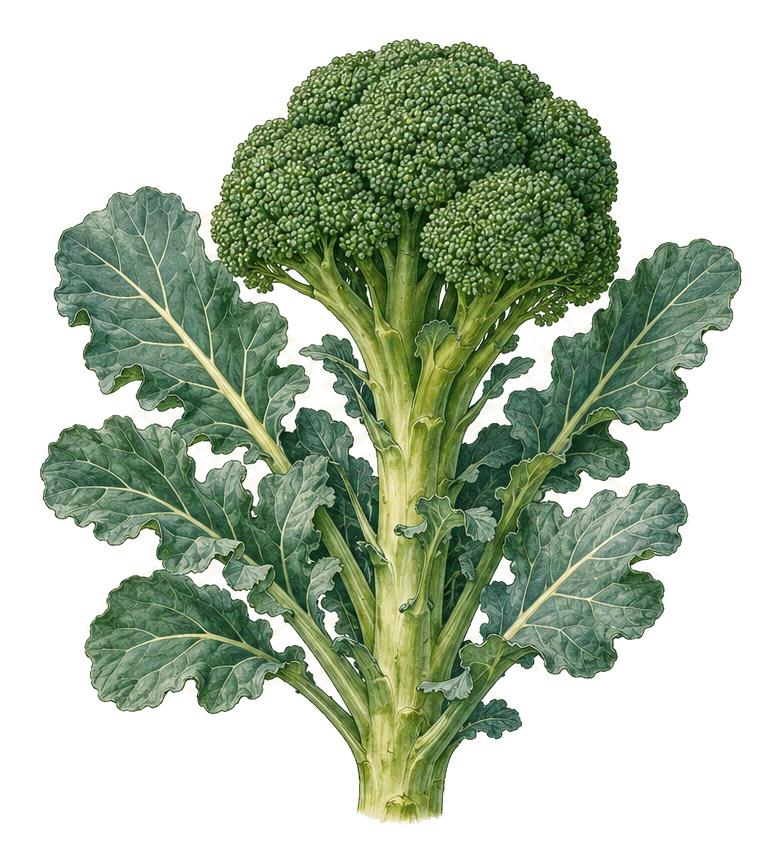
Additional plant images
Health
Pests, Diseases
Plant health
Diagnosis help
broccoli Diagnosis help
Diagnosis
If clubroot occurs, avoid brassicas on the same bed in following years.
Cultural prevention
Monitoring
First response
FAQ
Can broccoli be harvested after the main head?
Yes. Many varieties produce smaller side shoots after the main head is cut if the plant remains healthy.
Is broccoli safe for Dog?
broccoli is classified as moderation only for Dog. Risk: unknown. Urgency: usually no action needed. Broccoli is suitable for dogs in small amounts as a treat. The edible parts (flower buds, tender stems, young leaves) are non-toxic but may cause gas and bloating if overconsumed. Woody stems and spoiled parts should be avoided.
Is broccoli safe for Cat?
broccoli is classified as moderation only for Cat. Risk: unknown. Urgency: observe. Broccoli is suitable for cats in small amounts as a treat. The edible parts (flower buds, tender stems, young leaves) are non-toxic and nutritious. Overconsumption may cause gas or gastrointestinal upset. Woody stems and spoiled parts should be avoided.
Is broccoli safe for Rabbit?
broccoli is classified as not established for Rabbit. Risk: unknown. Urgency: unknown. Broccoli is suitable for rabbits in small amounts as a treat. Flower buds, tender stems, and young leaves are safe. Overconsumption may cause gas. Woody stem parts and spoiled material should be avoided.
Is broccoli safe for Guinea pig?
broccoli is classified as moderation only for Guinea pig. Risk: unknown. Urgency: observe. Broccoli is suitable for guinea pigs in moderation and is commonly fed as part of a balanced diet. The flower buds, tender stems, and young leaves are safe. Excessive amounts may cause gas. Woody stem parts and spoiled material should be avoided.
Guides
Related guides
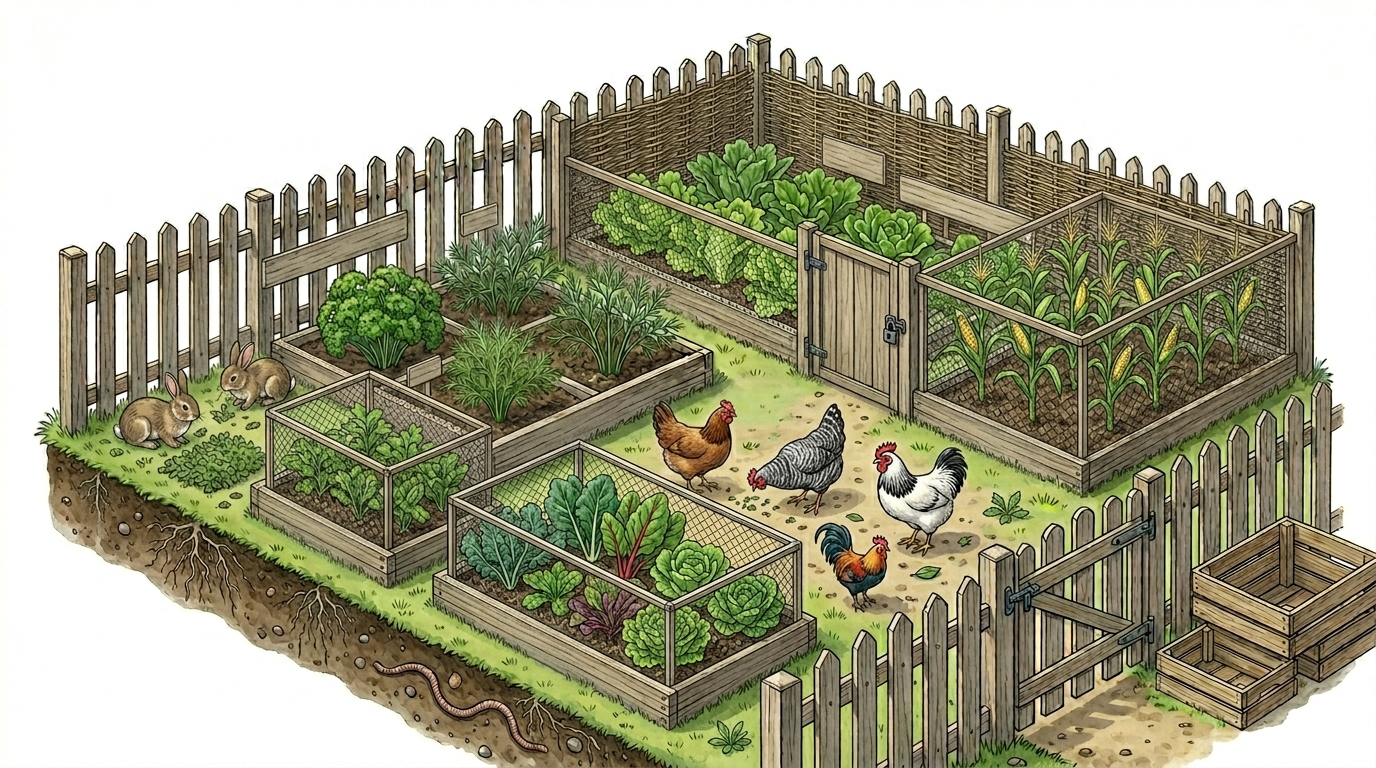
Guide
Chickens in the Garden: Safe Plants and Zones
Learn how to design a chicken-friendly garden with suitable plants, protected beds, and well-planned activity areas.
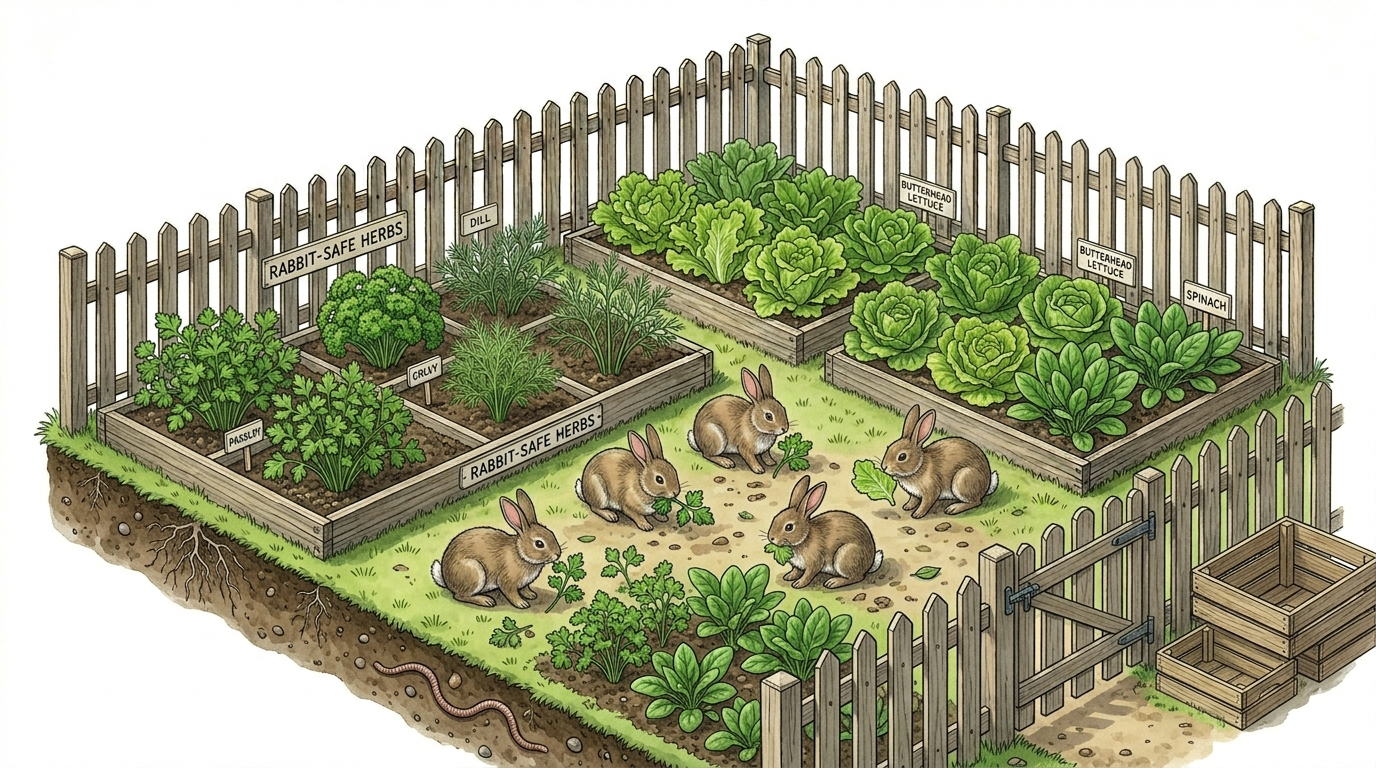
Guide
Rabbits in the Garden: Herbs and Vegetables
Learn how to choose suitable herbs and vegetables for rabbits, grow feeding plants, and plan a rabbit-friendly garden.
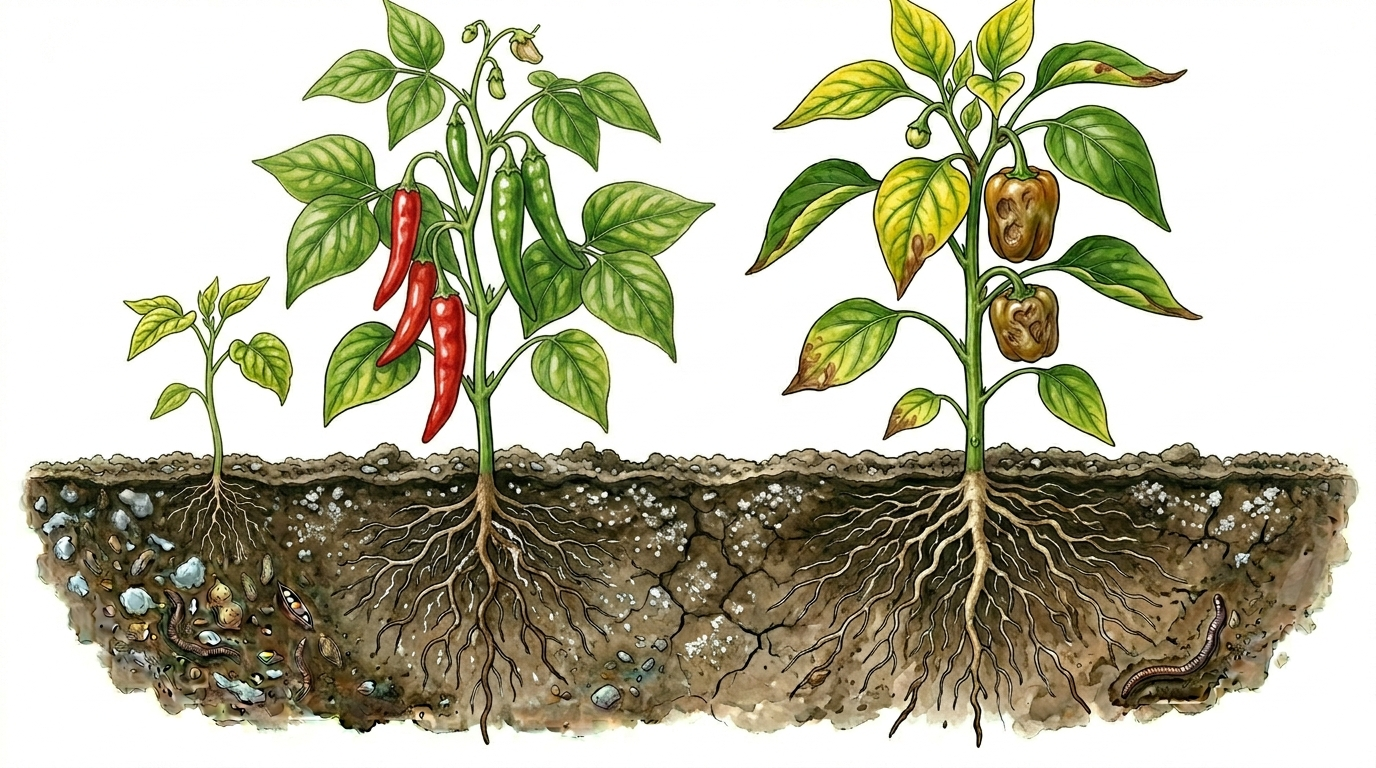
Guide
Recognizing Nutrient Deficiencies in Vegetables
Learn how to identify yellow leaves, weak growth, and common nutrient deficiencies while improving long-term plant care.
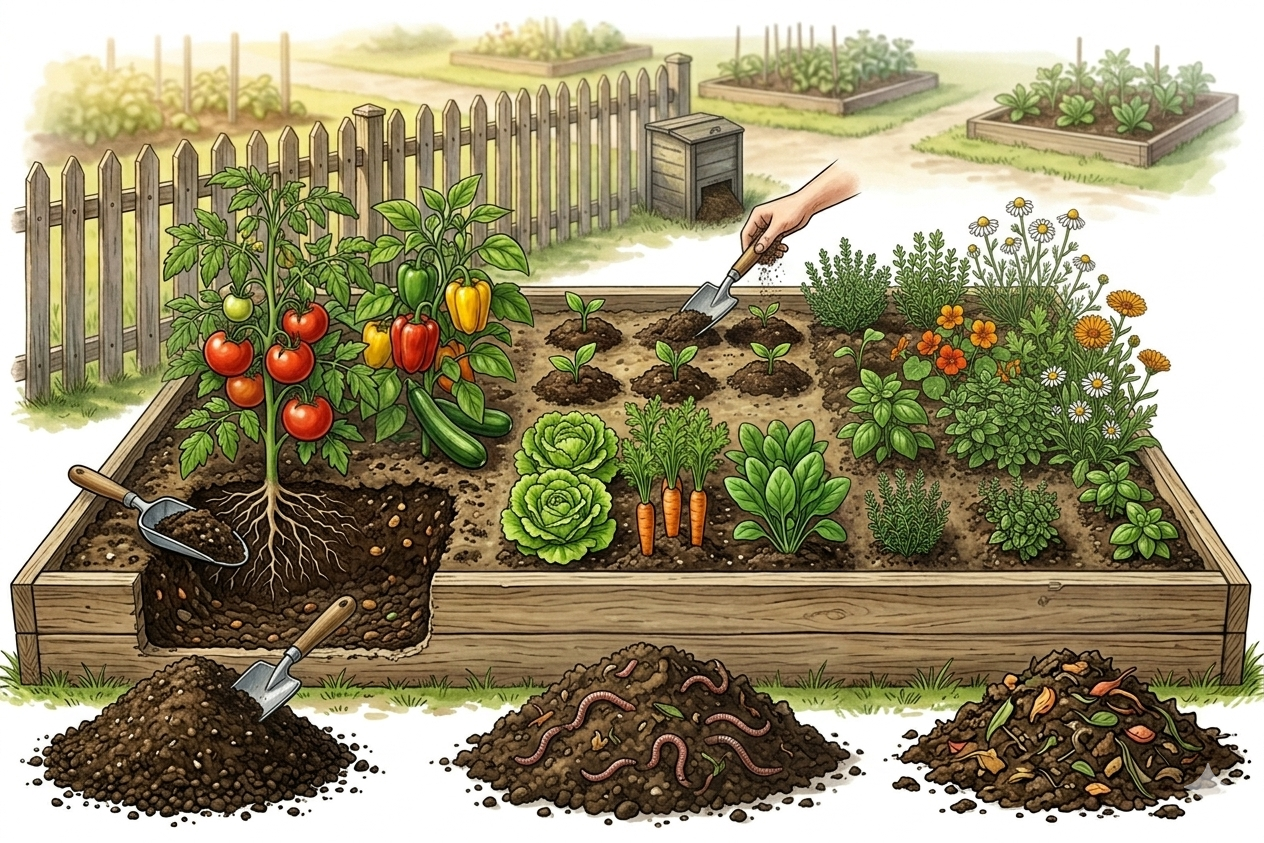
Guide
Using Compost in Food Gardens: Dosage and Timing
Learn how to use compost in vegetable beds, which crops need the most, how seedlings benefit, and when compost is best applied.
Internal links
Related plants
cauliflower
Both belong to Brassica oleracea.
Both are Brassica oleracea forms, but cauliflower forms a different curd.
Brassicas
Clubroot
Sources
Public sources
- Wikidata entity
Wikidata · 2026-05-12
- GBIF species match
GBIF · 2026-05-12
- Deutschsprachige Wikipedia: Brokkoli
Wikipedia · 2026-05-12
- English Wikipedia: Broccoli
Wikipedia · 2026-05-12