Plant Profile
ShallotAllium ascalonicum
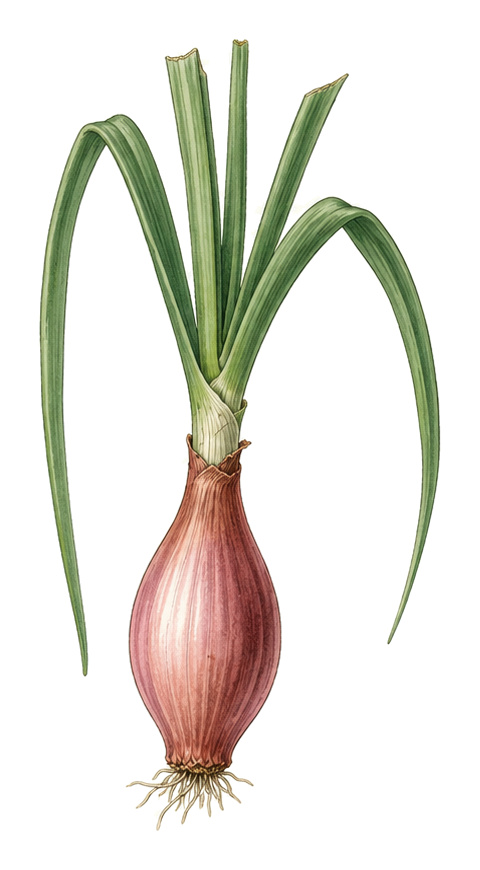
The shallot (Allium ascalonicum) is a popular bulb vegetable appreciated for its fine, mild aroma. It is closely related to the common onion and is used as both a food and an aromatic vegetable. Shallots are relatively easy to grow and are well-suited for cultivation in gardens, on balconies, and in raised beds. They prefer a sunny location and well-draining, humus-rich soil. Sowing takes place directly outdoors in spring, with harvest in summer. With good care, shallots can be stored for several months.
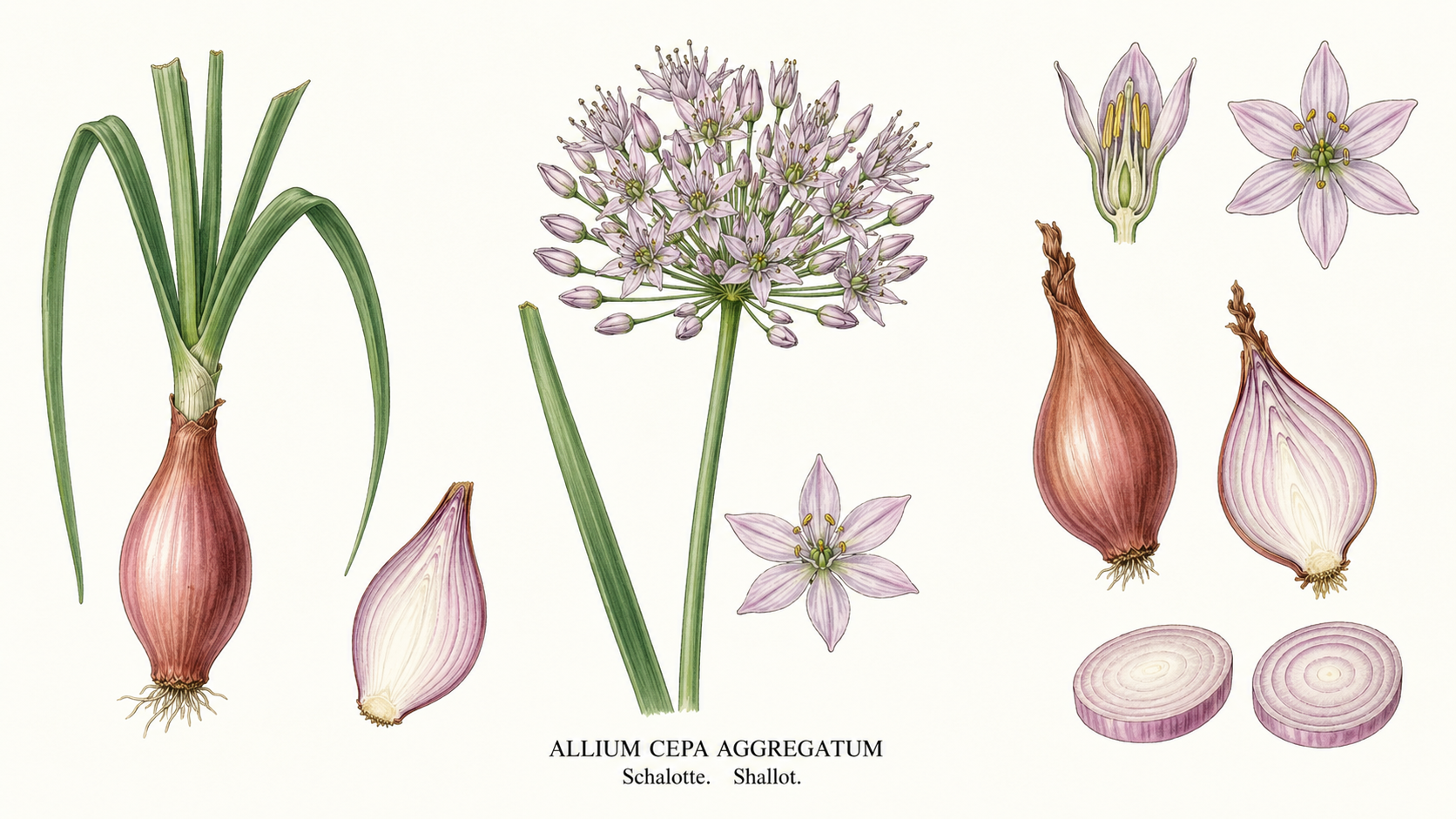
Quick profile
Key data
Suitable growing locations:
Good neighbors
CarrotLettuceStrawberryHerbs (e.g., Parsley, Dill)
Avoid
CabbageBeanPea
Indoor & direct sowing
Shallot: Sowing and germination
Shallots are generally not started indoors.
Direct sowing is possible as soon as the soil is workable and no hard frosts are expected.
Planting & site
Shallot: Planting and spacing
Seedlings or pre-grown plants can be transplanted outdoors after the last frosts.
Site & practical notes
Temperature & frost
Shallot: Temperature and site
Water & nutrients
Shallot: Water, nutrients and care
Container & growth
Shallot: Container, support and growth
Year plan
Shallot Calendar
Spring is the ideal time for sowing and planting to ensure a bountiful harvest in summer.
Relevant now
June
- Continue weeding and watering as needed.Ensure good air circulation around the plants.
- Watch for pests like the onion fly.Cultural practices like mulching can help.
Next up
July
- Stop fertilizing.This promotes bulb maturation.
- Water as needed until leaves begin to wither.Trockenheit: Reduce watering towards the end of the growing period.
Monthly tasks
Single tasks from monthly data; repeated seasonal windows are shown in the overview above.
January
Quiet month
February
Quiet month
March
Planting
- Sow directly outdoors or plant pre-grown shallots.Boden bearbeitbar, keine starken Fröste: Choose a sunny location and loose soil.
Growing
- Prepare soil, loosen, and weed.Good soil preparation is crucial for growth.
April
Planting
- Sow directly outdoors or plant pre-grown shallots.Boden bearbeitbar, keine starken Fröste: Late sowing is possible, but harvest may be delayed.
Growing
- First weeding if necessary.Early removal of weeds reduces competition.
May
Growing
- Regularly hoe and remove weeds.Keep the soil loose and weed-free.
- Water during dry spells.Trockenheit: Consistent moisture promotes bulb growth.
June
Growing
- Continue weeding and watering as needed.Ensure good air circulation around the plants.
Plant health
- Watch for pests like the onion fly.Cultural practices like mulching can help.
August
Harvest
- Harvest shallots as soon as the leaves wither.Blätter welken: Gently pull from the soil to avoid damage.
- Let the harvested bulbs dry in a airy, dry place.This is important for storage.
September
Growing
- Store dried shallots.Zwiebeln trocken und gut gereift: Store in a cool, dark, and well-ventilated place.
- Tidy up beds and prepare for the next crop.Remove plant debris and incorporate compost.
October
Quiet month
November
Quiet month
December
Quiet month
Flowering & pollination
Shallot Flowering & pollination
Self-fertility
high
Pollinator needed
no
Overview
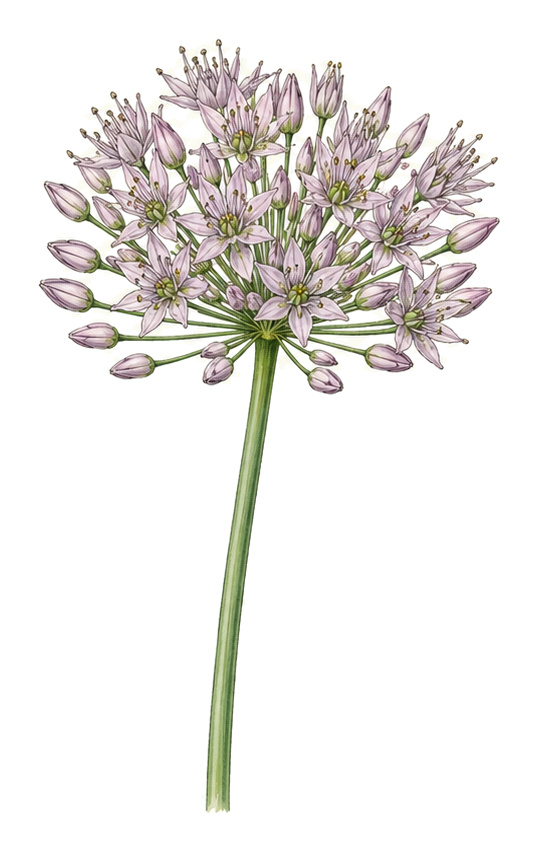
Shallots are mostly self-fertile, but cross-pollination by insects can promote fruit and seed development.
Notes
Bees and other insects visit the flowers and contribute to pollination.
Companion guide
Shallot Companion guide
Good neighbors
CarrotLettuceStrawberryHerbs (e.g., Parsley, Dill)beet
Avoid
CabbageBeanPea
Use & storage
Shallot Use & storage
Harvest when the leaves begin to wither. The bulbs should be dried thoroughly.
Storage
Cool and dry
Storage life
Several months (3-6 months, depending on variety and storage conditions).
Harvest
Harvest when the leaves begin to wither. The bulbs should be dried thoroughly.
Processing
After harvest
After harvesting, let the shallots dry in a well-ventilated, dry place for 1-2 weeks until the necks and skins are dry. Sort out damaged bulbs.
Edibility & safety
Shallot Edibility & safety
For people
In brief: which parts are edible, which parts remain risky, and whether raw consumption makes sense.
Safety notes
Shallots are non-toxic and safe for consumption.
Animal safety
For animals, the specific plant part matters here: some parts may be suitable, while others should be avoided. At least one critical rating is listed for 13 animal types.
Each row shows which parts are more suitable and which parts are critical.
Companion animals
 Dog
DogNo suitable parts listed
Bulb, Leaves
No suitable parts listed
Bulb, Leaves
Vomiting, Diarrhea, Gastrointestinal irritation
contact a vet if ingested
Shallots belong to the Allium genus and contain sulfur compounds such as disulfides and thiosulfates that can cause hemolytic anemia in dogs. Although specific studies on shallots in dogs are lacking, toxicity is likely due to chemical similarity to known toxic Allium species (onion, garlic). Even small amounts can cause gastrointestinal irritation; larger amounts lead to oxidative stress and hemolysis. No safe…
Open animal page Cat
CatNo suitable parts listed
Bulb, Leaves
No suitable parts listed
Bulb, Leaves
Vomiting, Diarrhea, Gastrointestinal irritation
contact a vet if ingested
Shallots belong to the Allium genus and contain disulfides and thiosulfates that can cause hemolytic anemia in cats. While specific studies on shallots in cats are lacking, toxicity is probable due to the known effects of Allium compounds in this species.
Open animal page Rabbit
No suitable parts listed
Bulb, Leaves
No suitable parts listed
Bulb, Leaves
Gastrointestinal upset, Diarrhea
contact a vet if symptoms appear
Shallots belong to the Allium genus and contain disulfide compounds that can cause hemolytic anemia in rabbits. While shallots are safe for human consumption, they are unsuitable for rabbits and should be avoided. Both young leaves and the bulb pose a risk. If ingested, the animal should be monitored and a veterinarian consulted if symptoms appear.
Open animal page Guinea pig
No suitable parts listed
Bulb, Leaves
No suitable parts listed
Bulb, Leaves
Gastrointestinal upset, Vomiting, Diarrhea
contact a vet if symptoms appear
Shallots contain disulfides and thiosulfates that can be toxic to guinea pigs. While specific data for guinea pigs is lacking, the toxicity of Allium species in small mammals is well documented. All parts of the plant should be avoided.
Open animal page Hamster
No suitable parts listed
Bulb, Leaves
No suitable parts listed
Bulb, Leaves
Vomiting, Diarrhea, Gastrointestinal irritation
contact a vet if symptoms appear
Shallots contain disulfides and thiosulfates that can cause hemolytic anemia and gastrointestinal distress in hamsters. While specific hamster data is lacking, toxicity is known in related rodents and other small mammals. No parts are considered safe for feeding. If ingested, monitor for symptoms and consult a veterinarian.
Open animal page Budgie
No suitable parts listed
Bulb, Leaves
No suitable parts listed
Bulb, Leaves
Vomiting, Diarrhea, Gastrointestinal irritation
contact a vet if symptoms appear
Budgies should not be given any part of the shallot, as Allium compounds can cause hemolytic anemia and gastrointestinal distress. Even small amounts can be risky. If ingested, contact an avian veterinarian.
Open animal pageFarm animals
 Horse
HorseBulb
Leaves (young shoots)
Bulb
Leaves (young shoots)
Gastrointestinal upset
contact a vet if symptoms appear
The bulb of the shallot is suitable for horses in small amounts as a treat, but the leaves may cause gastrointestinal upset due to their higher disulfide content. Regular feeding is not recommended.
Open animal page Chicken
No suitable parts listed
No risk parts listed
No suitable parts listed
No risk parts listed
 Duck
DuckNo suitable parts listed
Bulb, Leaves
No suitable parts listed
Bulb, Leaves
Gastrointestinal irritation, Vomiting, Diarrhea
contact a vet if symptoms appear
No reliable species-specific assessment is available.
Open animal page Goose
GooseNo suitable parts listed
Bulb, Leaves
No suitable parts listed
Bulb, Leaves
Gastrointestinal irritation, Vomiting, Diarrhea
contact a vet if symptoms appear
No specific sources found for geese and shallots. Based on the known toxicity of Allium species to birds and the general hazard posed by disulfides and thiosulfonates, a conservative assessment is made. Consumption should be avoided.
Open animal page Sheep
SheepBulb
Leaves (young shoots)
Bulb
Leaves (young shoots)
Gastrointestinal upset
observe
The bulb is safe for sheep in moderation, while young leaves should be avoided due to potential disulfide content. Excessive consumption may lead to gastrointestinal upset.
Open animal page Goat
GoatBulb
Leaves (young shoots)
Bulb
Leaves (young shoots)
Gastrointestinal upset
observe
No direct species-specific source was found for goats. This is a cautious inference from the sheep profile and the known plant-part risks.
Open animal page Cattle
Bulb
Leaves (young shoots)
Bulb
Leaves (young shoots)
Gastrointestinal upset, Diarrhea
observe
The bulb of the shallot is suitable for cattle in small amounts as a feed supplement, however the leaves may cause gastrointestinal upset if consumed in excess. Shallots contain disulfides and thiosulfates which can cause gastrointestinal irritation in large quantities. Acceptable as a supplemental feed in moderation, but not recommended as a primary feed.
Open animal page Pig
PigBulb
Leaves (young shoots)
Bulb
Leaves (young shoots)
Gastrointestinal upset, Vomiting, Diarrhea
observe
The bulb of the shallot is suitable for pigs in small amounts as a treat, but young leaves may cause gastrointestinal upset due to disulfides and thiosulfinates. Regular feeding is not recommended.
Open animal pageThese guidelines are for general information only and do not replace veterinary diagnosis. If critical plant parts were ingested or the animal shows unusual behaviour or symptoms, seek veterinary advice.
Max risk
4 / 5
Highest status
toxic
Urgency
contact a vet if ingested
Saving seed
Shallot Saving seed
Seed viability
1 - 2 years
Practical tips
Shallot Practical tips
Common beginner mistakes
Success pattern
High-impact tips
Grower observations
Plant Profile
Additional plant images
Health
Pests, Diseases
Pests
Onion fly
Small fly whose larvae infest and damage bulbs and roots.
Thrips (Onion thrips)
Small, slender insects that suck plant sap, leaving silvery speckles on the leaves.
Nematodes (e.g., Onion nematodes)
Microscopically small roundworms that grow within the plants, destroying them from the inside.
Diseases
Downy mildew
Fungal disease causing yellowish spots on leaves, followed by a purplish-grey sporulation in humid weather.
Fusarium rot
Fungal infection causing rot of the bulbs, often starting at the root or tip.
White rot
Fungal disease affecting the roots and base of the bulb, leading to plant death. Characterized by white, cottony mycelia and small black sclerotia.
Deficiencies
Nitrogen deficiency
- Uniform yellowing of older leaves
- Stunted plant growth
- Small bulbs
Potassium deficiency
- Yellowish margins on older leaves that later become necrotic
- Poor bulb formation and storability
- Reduced disease resistance
Magnesium deficiency
- Yellowing between the leaf veins (intercostal chlorosis) on older leaves
- Reddish discoloration possible
Plant health
Diagnosis help
Shallot Diagnosis help
Pest groups
Disease groups
Fungal diseases (Downy mildew, Fusarium, White rot)
Prevention
Diagnosis
Accurate diagnosis often requires examination of the bulbs and roots for pests or pathogens. Pay attention to typical symptoms and environmental conditions.
Cultural prevention
Monitoring
First response
Diagnostic rules
Yellowish spots on leaves, later purplish-grey coating on the underside.
Possible causes: Downy mildew
- Check humidity
- Assess temperature and ventilation
Soft, brown or pink rot on the bulb, leaves yellow and wilt.
Possible causes: Fusarium rot
- Examine bulb (base and tip)
- Check soil moisture and temperature
Plant wilts and dies from the top down, white fungal growth at the bulb base, black sclerotia in the soil.
Possible causes: White rot
- Inspect root area and bulb base
- Check soil for sclerotia
Silvery-grey speckles on leaves, leaves stunted.
Possible causes: Thrips
- Examine leaves for small insects or feeding marks
FAQ
When is the best time to plant shallots?
The best time to sow or plant shallots is in spring, as soon as the soil is workable and no hard frosts are expected, usually from March to April.
How much space do shallots need?
Shallots should be planted with a spacing of about 10-15 cm in the row and 20-30 cm between rows. This ensures good air circulation and sufficient space for bulb development.
Can shallots grow in the shade?
Shallots prefer a sunny location. While they can grow in partial shade, yields and bulb development are best in full sun.
How do I know when shallots are ripe?
Shallots are ripe when the leaves begin to wither and fall over. This usually happens in summer, around July or August.
What is the best way to store shallots?
After harvesting, shallots should be dried thoroughly. Then store them in a cool, dark, and well-ventilated place, e.g., in a net bag or basket. This way, they can be stored for several months.
What are good neighbors for shallots?
Good neighbors for shallots include carrots, lettuce, strawberries, and various herbs like parsley or dill. They help deter pests and promote growth.
What diseases can affect shallots?
Common diseases include downy mildew, Fusarium rot, and white rot. Prevention through crop rotation, good ventilation, and healthy soil is crucial.
Is Shallot safe for Dog?
Shallot is classified as toxic for Dog. Risk: 4 / 5. Urgency: contact a vet if ingested. Shallots belong to the Allium genus and contain sulfur compounds such as disulfides and thiosulfates that can cause hemolytic anemia in dogs. Although specific studies on shallots in dogs are lacking, toxicity is likely due to chemical similarity to known toxic Allium species (onion, garlic). Even small amounts can cause gastrointestinal irritation; larger amounts lead to oxidative stress and hemolysis. No safe…
Is Shallot safe for Cat?
Shallot is classified as toxic for Cat. Risk: 4 / 5. Urgency: contact a vet if ingested. Shallots belong to the Allium genus and contain disulfides and thiosulfates that can cause hemolytic anemia in cats. While specific studies on shallots in cats are lacking, toxicity is probable due to the known effects of Allium compounds in this species.
Is Shallot safe for Rabbit?
Shallot is classified as do not feed for Rabbit. Risk: unknown. Urgency: contact a vet if symptoms appear. Shallots belong to the Allium genus and contain disulfide compounds that can cause hemolytic anemia in rabbits. While shallots are safe for human consumption, they are unsuitable for rabbits and should be avoided. Both young leaves and the bulb pose a risk. If ingested, the animal should be monitored and a veterinarian consulted if symptoms appear.
Is Shallot safe for Guinea pig?
Shallot is classified as do not feed for Guinea pig. Risk: unknown. Urgency: contact a vet if symptoms appear. Shallots contain disulfides and thiosulfates that can be toxic to guinea pigs. While specific data for guinea pigs is lacking, the toxicity of Allium species in small mammals is well documented. All parts of the plant should be avoided.
Guides
Related guides
Guide
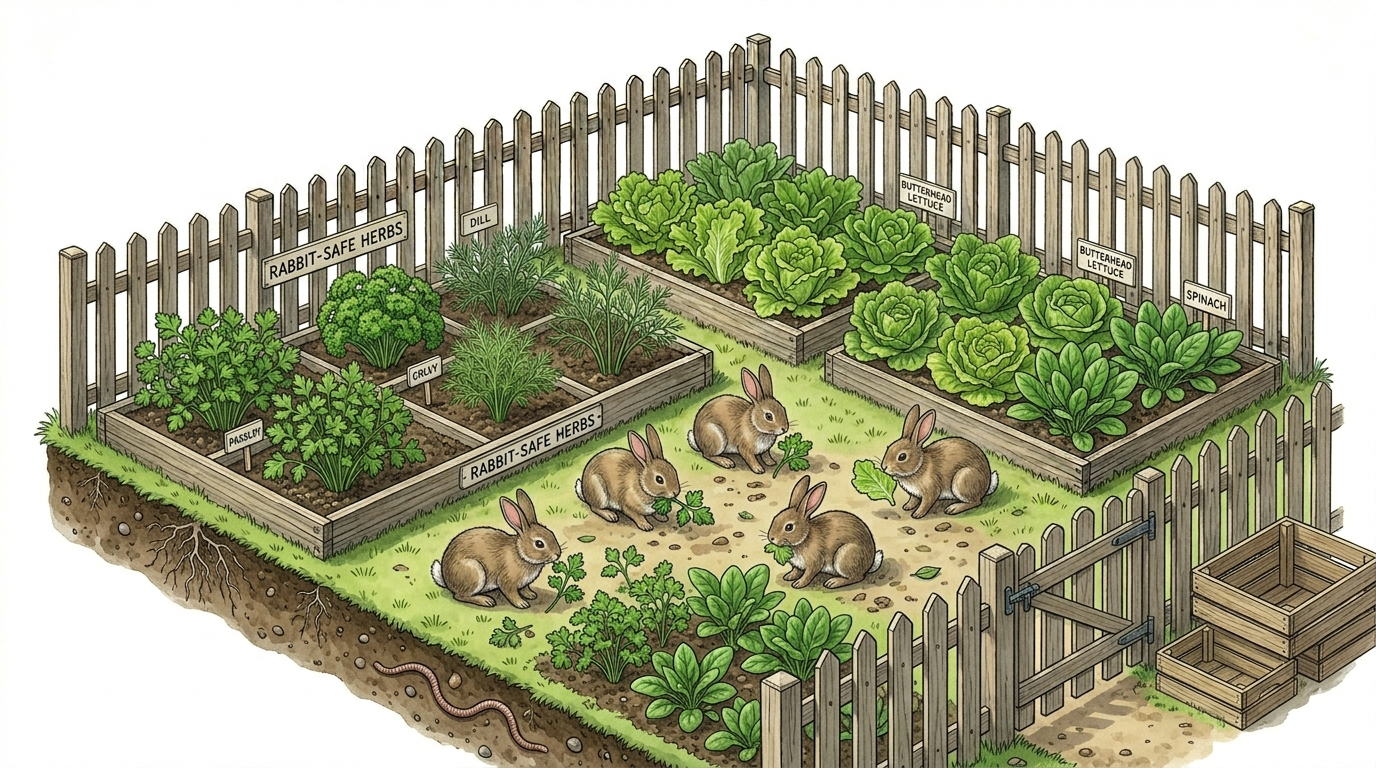
Rabbits in the Garden: Herbs and Vegetables
Learn how to choose suitable herbs and vegetables for rabbits, grow feeding plants, and plan a rabbit-friendly garden.
Guide
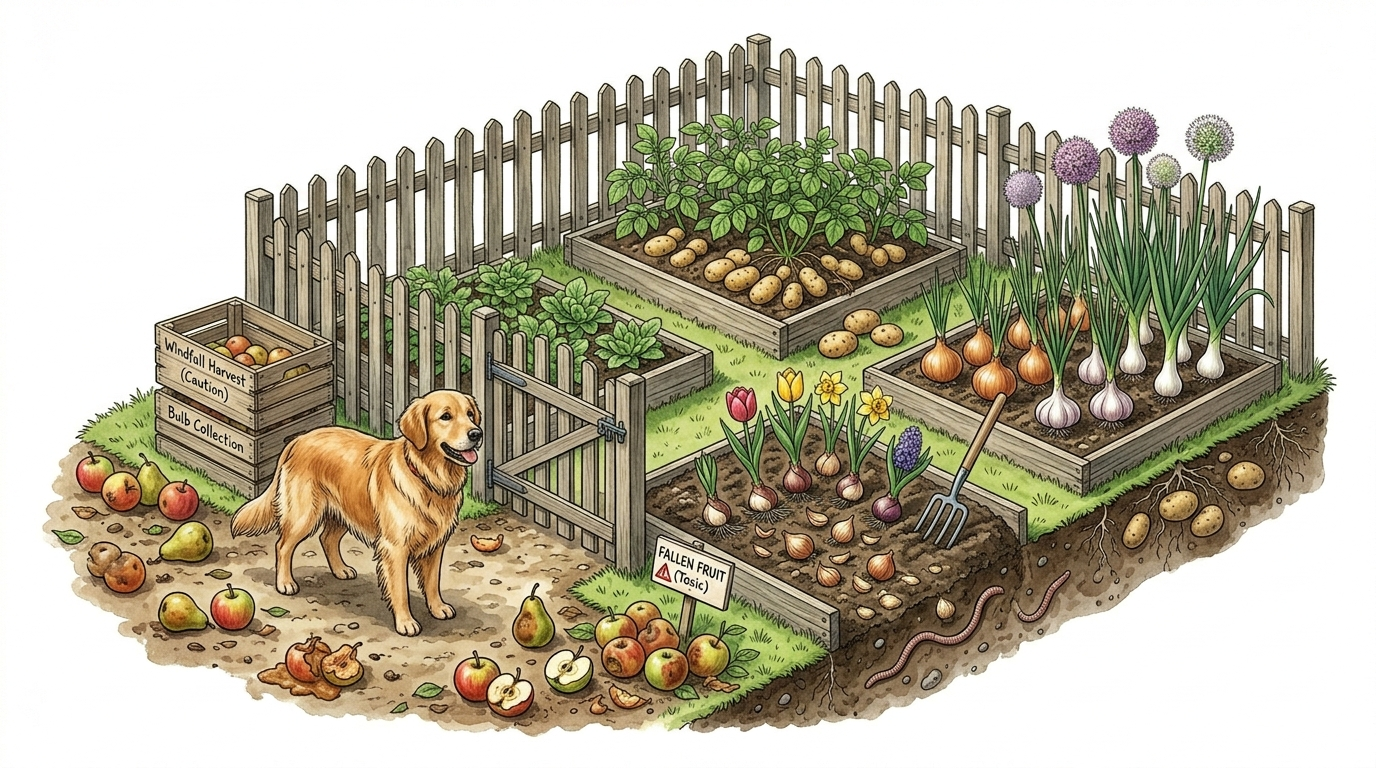
Dogs in the Garden: Windfall Fruit and Risks
Keep your garden dog-safe by managing windfall fruit, seeds, stored crops, and potentially problematic plant parts.
Guide
Horse Pastures and Garden Plants: Safety Checks
Learn how to identify risks near horse pastures, fences, turnout areas, fruit trees, and garden planting zones.
Guide
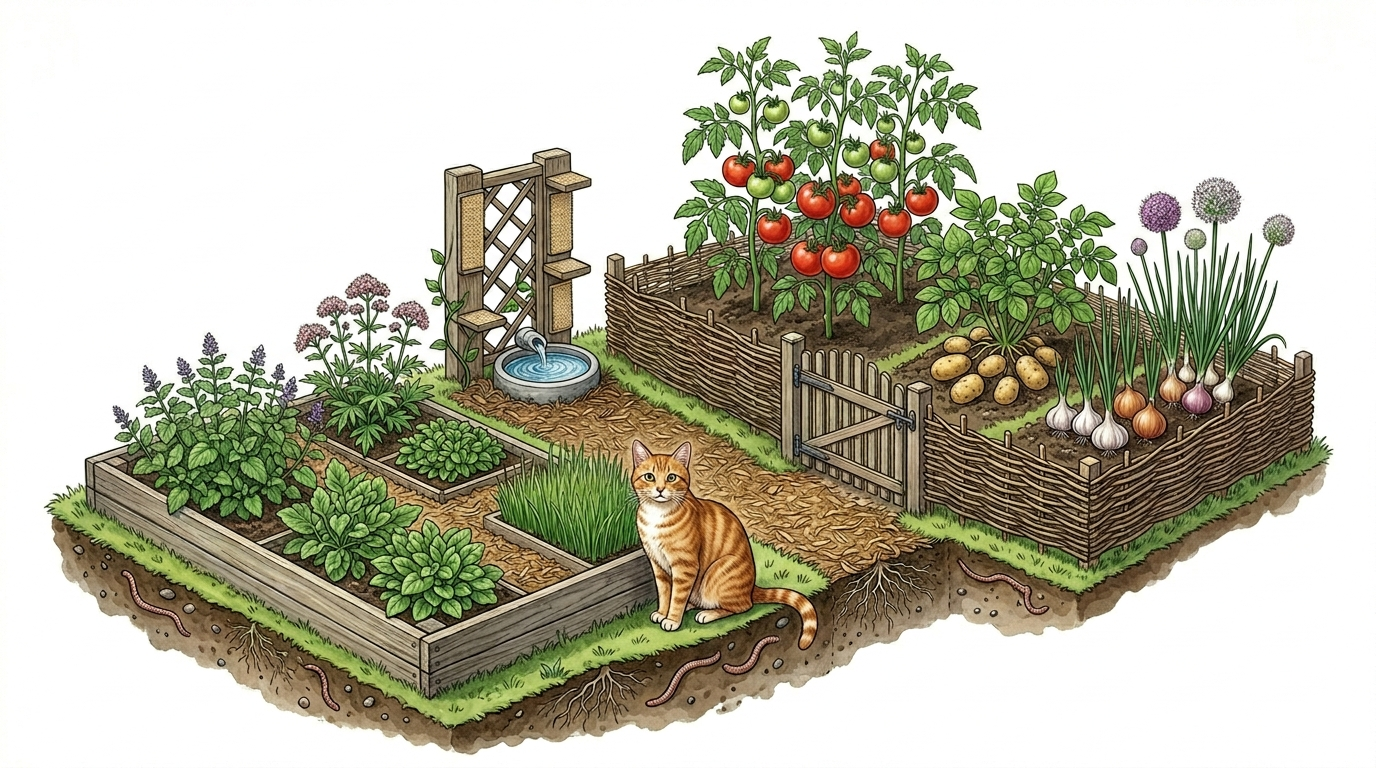
Toxic Garden Plants for Cats: Safer Planning
Learn which garden plants can be risky for cats, how to plan safer beds, and what to do if a cat eats a toxic plant.
Internal links
Related plants
Daffodil
Both belong to the Amaryllis family (Amaryllidaceae).
Belongs to the Amaryllis family (Amaryllidaceae).
Tulip
Both belong to the Amaryllis family (Amaryllidaceae).
Belongs to the Amaryllis family (Amaryllidaceae).
Onion
Both are bulb vegetables and belong to the genus Allium.
Require similar nutrient profiles, especially potassium for bulb development.
Garlic
Both are bulb vegetables and belong to the genus Allium.
Belongs to the same family (Amaryllidaceae) and genus (Allium), similar demands on soil and light.
Allium
Both are bulb vegetables and belong to the genus Allium.
Also an Allium plant with similar cultivation requirements.
Downy mildew
Can also affect other Allium species.
Fusarium rot
Commonly occurs in Allium species.
White rot
A serious disease for Allium species.
Carrot
Require balanced nutrition, with potassium being important.
Sources
Public sources
- Wikidata entity
Wikidata · 2026-05-15
- GBIF species match
GBIF · 2026-05-15
- Deutschsprachige Wikipedia: Schalotte
Wikipedia · 2026-05-15
- English Wikipedia: Shallot
Wikipedia · 2026-05-15
- Trefle API: Allium ascalonicum
Trefle · 2026-05-15