Plant Profile
table grapeVitis vinifera
Table grapes are grapes for direct consumption. They are perennial, woody climbing plants grown on trellises or pergolas. Harvest time is between August and October.
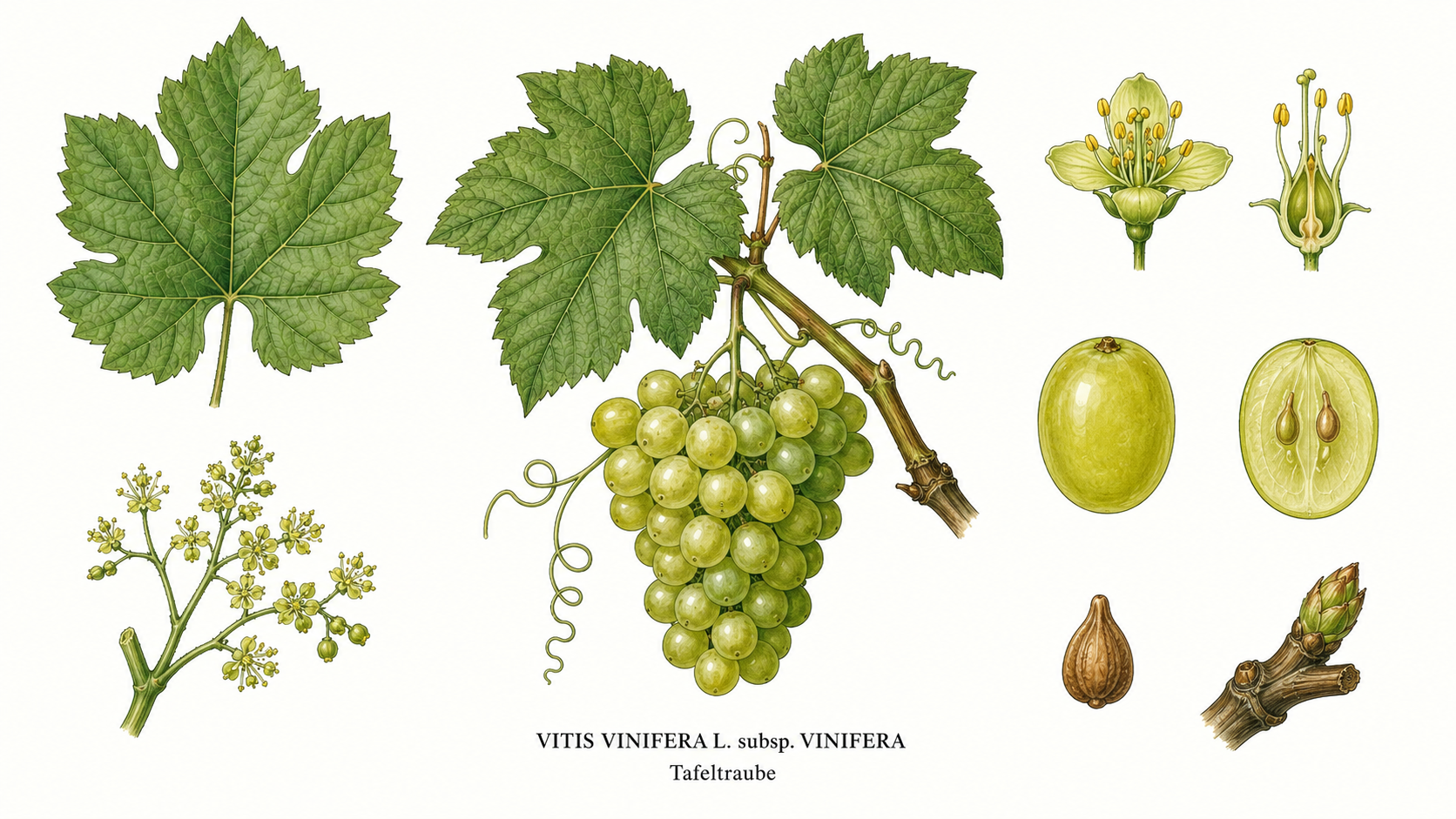
Quick profile
Key data
Suitable growing locations:
Good neighbors
herbsbeans
Avoid
cabbage familypotatocabbage family plants
Indoor & direct sowing
table grape: Sowing and germination
No indoor sowing is necessary.
Direct sowing is not common, as propagation is usually done by cuttings.
Planting & site
table grape: Planting and spacing
After the last frosts, when the soil has warmed up. Harden off young plants.
Site & practical notes
Temperature & frost
table grape: Temperature and site
Water & nutrients
table grape: Water, nutrients and care
Container & growth
table grape: Container, support and growth
Year plan
table grape Calendar
Harvest time for table grapes begins in August – a highlight of the gardening year. The berries become sweet and aromatic and are consumed directly.
Recurring tasks
Relevant now
June
- No additional single task
Next up
July
- Thin out fruit clusters to improve the quality of remaining grapes.Bei zu dichtem Fruchtbehang.: Remove some small clusters so larger ones can ripen better.
Monthly tasks
Single tasks from monthly data; repeated seasonal windows are shown in the overview above.
January
Pruning
- Dormant phase of the plant. Further winter pruning if needed.Winter.: No active care measures required, except if needed.
February
Quiet month
March
Quiet month
April
Growing
- First fertilization, if necessary.Beginn der Wachstumsperiode.: Use a slow-release long-term fertilizer.
Pruning
- Pruning measures for older plants, if not already done.Vegetationsruhe endet.: Remove dead or damaged shoots.
May
Growing
- Check and adjust supports.Bei wachsenden Trieben.: Ensure shoots are well supported.
June
No additional single task
August
No additional single task
September
Harvest
- After harvest, fertilize again if necessary to strengthen the plant for the next year.Nach der Haupternte.: Potassium-rich fertilizer can promote winter hardiness.
October
Growing
- Soil care, removal of fallen leaves.Nach der Ernte.: Prevents fungal diseases.
November
Quiet month
December
Pruning
- Dormant phase of the plant. Further winter pruning if needed.Winter.: No active care measures required, except if needed.
Flowering & pollination
table grape Flowering & pollination
Self-fertility
self-fertile
Pollinator needed
no
Overview
Grapevines are self-pollinating and do not require cross-pollination by insects or wind.
Notes
Although grapevines are self-pollinating, a light breeze during flowering can aid pollen distribution.
Pruning & care
table grape Pruning & care
Pruning type
Guyot pruning or cordon training with spur pruning
Notes
The training system determines pruning and space requirements. For table grapes in home gardens, espalier training is common.
Pruning timing
Main pruning for shaping and yield regulation. Remove old wood and cut back fruiting canes. Preferably in late winter (January-February) when the risk of severe frost has passed. Do not prune during hard frost.
Green pruning: Remove excess shoots and leaves to improve airflow and light exposure. Only remove excess, non-lignified shoots. Do not remove too many leaves to protect grapes from sunburn.
Remove leaves that shade the grapes to promote ripening. Only remove leaves sparingly. Sun protection for the grapes is important.
Remove
Preserve
Avoid
Tools and hygiene
Disinfect shears and knives before and after each cut with 70% alcohol or hot water to avoid transferring fungal diseases (e.g., Esca).
Companion guide
table grape Companion guide
Good neighbors
herbsbeans
Avoid
cabbage familypotatocabbage family plants
Use & storage
table grape Use & storage
Depending on the variety and ripening time. Grapes are ripe when they detach easily from the bunch and develop their typical aroma.
Storage
Fresh consumption, short-term storage
Storage life
A few days up to a maximum of 2-3 weeks under optimal conditions.
Harvest
Depending on the variety and ripening time. Grapes are ripe when they detach easily from the bunch and develop their typical aroma.
Processing
After harvest
Carefully cut off bunches, leaving them on the stem if possible. Remove damaged berries and leaves. Store cool and dry.
Edibility & safety
table grape Edibility & safety
For people
In brief: which parts are edible, which parts remain risky, and whether raw consumption makes sense.
Safety notes
Table grapes are non-toxic to humans and most pets. Caution: Grapes are toxic to dogs and cats and can cause kidney failure.
Animal safety
For animals, the specific plant part matters here: some parts may be suitable, while others should be avoided. At least one critical rating is listed for 2 animal types.
Each row shows which parts are more suitable and which parts are critical.
Companion animals
 Dog
DogNo suitable parts listed
Fruit (berries)
No suitable parts listed
Fruit (berries)
Even small amounts can be dangerous, Individual sensitivity varies greatly
vomiting, diarrhea, lethargy
emergency vet immediately
Table grapes (wine grapes) are toxic to dogs and can cause acute kidney failure. The exact toxic substance is unknown, but the danger is well documented. All parts of the fruit should be considered toxic.
Open animal page Cat
CatFruit (berries)
Stems, Seeds
Fruit (berries)
Stems, Seeds
Consumption of stems or seeds, Excessive fruit consumption
Gastrointestinal upset, Vomiting, Diarrhea
observe
The fruit of table grapes is safe for cats in small amounts, but stems and seeds may cause gastrointestinal upset. Wine grapes (not table grapes) are toxic to cats and can cause kidney failure – avoid confusion.
Open animal page Rabbit
Fruit (berries)
Stems, Seeds
Fruit (berries)
Stems, Seeds
Overfeeding causes diarrhea due to sugar content and acidity
Gastrointestinal upset with excessive consumption
observe
Table grapes are suitable for rabbits in small amounts as an occasional treat. Stems and seeds should be removed as they are poorly digestible and may cause gastrointestinal issues. The fruit contains beneficial nutrients but should be fed sparingly due to sugar content. No specific toxicity known for rabbits, but caution is advised against overconsumption.
Open animal page Guinea pig
Fruit (berries)
Stems, Seeds
Fruit (berries)
Stems, Seeds
Overfeeding due to high sugar content
Gastrointestinal upset with excessive consumption
observe
The fruit of the table grape is suitable for guinea pigs in small amounts as a treat. Stems and seeds should be avoided due to potential digestive issues. No known toxic compounds in the fruit. Excessive consumption may cause gastrointestinal upset due to sugar content.
Open animal page Hamster
Fruit (berries)
Stems, Seeds
Fruit (berries)
Stems, Seeds
Overfeeding may cause diarrhea due to high sugar content, Seeds may pose a choking hazard
Gastrointestinal upset with excessive consumption
observe
The fruit of the table grape is suitable for hamsters in small amounts as a treat. Stems and seeds should be removed as they taste unpleasant and may pose a choking hazard. Excessive consumption may cause digestive issues due to high sugar content. No evidence of specific toxicity for hamsters available.
Open animal page Budgie
Fruit (berries)
Stems, Seeds
Fruit (berries)
Stems, Seeds
Overfeeding, Consumption of stems or seeds
Gastrointestinal upset with excessive consumption
observe
Table grapes are suitable for budgies in small amounts as an occasional treat. The berries contain valuable nutrients, however stems and seeds may pose problems due to taste and potential obstruction risk. Excessive consumption may lead to gastrointestinal upset. No specific toxins known for birds in the berries. Observations in other bird species show similar tolerance as in parakeets. Consult a veterinarian if…
Open animal pageFarm animals
 Horse
HorseFruit (berries)
Stems, Seeds
Fruit (berries)
Stems, Seeds
Overconsumption may cause diarrhea, Seeds may pose a choking hazard
Gastrointestinal upset with overconsumption
observe
Table grapes are suitable for horses in small amounts as a treat. The berries are non-toxic, but stems and seeds should be removed to avoid gastrointestinal upset or choking hazard. Not suitable as primary feed due to high sugar content. Monitor for overconsumption and contact veterinarian if symptoms persist.
Open animal page Chicken
Fruit (berries)
Stems, Seeds
Fruit (berries)
Stems, Seeds
Overfeeding, Unripe fruit, Consumption of stems or seeds
Gastrointestinal upset with excessive consumption
observe
Table grape berries are suitable for chickens in small amounts as a treat. Stems and seeds should be avoided due to potential digestive upset. No specific toxicity evidence for chickens, but conservative classification based on general plant compounds and feeding practices.
Open animal page Duck
DuckFruit (berries)
Stems, Seeds
Fruit (berries)
Stems, Seeds
Overfeeding, Unripe or high-acid varieties
Gastrointestinal upset with excessive consumption
 Goose
GooseFruit (berries)
Stems, Seeds
Fruit (berries)
Stems, Seeds
Overfeeding, Unripe or moldy fruit
Gastrointestinal upset with excessive consumption
observe
Table grapes are suitable for geese in small amounts as a treat. Stems and seeds should be removed due to potential digestive upset. No evidence of specific kidney toxicity as seen in dogs and cats. Excessive consumption may cause gastrointestinal irritation from tannins and oxalic acid. Ensure access to fresh water. Not suitable as a primary feed. Monitor for signs of discomfort. Consult a veterinarian if symptoms…
Open animal page Sheep
SheepFruit (berries)
Stems, Seeds
Fruit (berries)
Stems, Seeds
Overfeeding, Consumption of unripe grapes, Consumption of stems and seeds
Gastrointestinal upset with excessive consumption
observe
The fruit of the table grape is safe for sheep in moderation and is readily consumed. Stems and seeds may cause gastrointestinal upset if consumed in excess. Seeds contain tannins that can impair nutrient absorption in large quantities. Ripe grapes are an energy-rich treat. If signs of digestive upset occur, feeding should be reduced and a veterinarian consulted.
Open animal page Goat
GoatFruit (berries)
Stems, Seeds
Fruit (berries)
Stems, Seeds
Overfeeding, Consumption of unripe grapes, Consumption of stems or seeds
Gastrointestinal upset with excessive consumption
observe
Table grapes are generally safe for goats as an occasional treat, but stems and seeds should be avoided due to potential gastrointestinal irritation. Grape seed oils and extracts are sometimes used in animal nutrition, but whole seeds may be poorly digestible. While grapes (Vitis vinifera) are toxic to dogs and cats causing kidney failure, this toxicity is not documented in goats based on current knowledge…
Open animal page Cattle
Fruit (berries)
Stems, Seeds
Fruit (berries)
Stems, Seeds
Overfeeding, Consumption of unripe grapes, Seeded varieties when seeds are chewed
Gastrointestinal upset from excessive consumption of stems or seeds
observe
The berries are safe for cattle in moderation and are readily consumed. Stems and seeds may cause gastrointestinal irritation if eaten in excess. No evidence of specific toxicity like in dogs/cats.
Open animal page Pig
PigFruit (berries)
Stems, Seeds
Fruit (berries)
Stems, Seeds
Overfeeding, Consumption of unripe grapes, Seeded varieties in pigs with dental issues
Gastrointestinal upset with excessive consumption
observe
Table grapes are safe for pigs in moderation as an occasional treat. Stems and seeds should be removed as they can be difficult to digest and may cause gastrointestinal upset. No evidence of specific toxicity to pigs from normal consumption of the fruit pulp.
Open animal pageThese guidelines are for general information only and do not replace veterinary diagnosis. If critical plant parts were ingested or the animal shows unusual behaviour or symptoms, seek veterinary advice.
Max risk
4 / 5
Highest status
toxic
Urgency
emergency vet immediately
Practical tips
table grape Practical tips
Common beginner mistakes
Success pattern
High-impact tips
Grower observations
Plant Profile
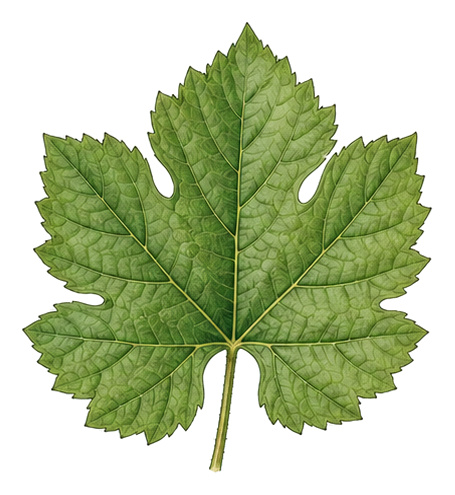
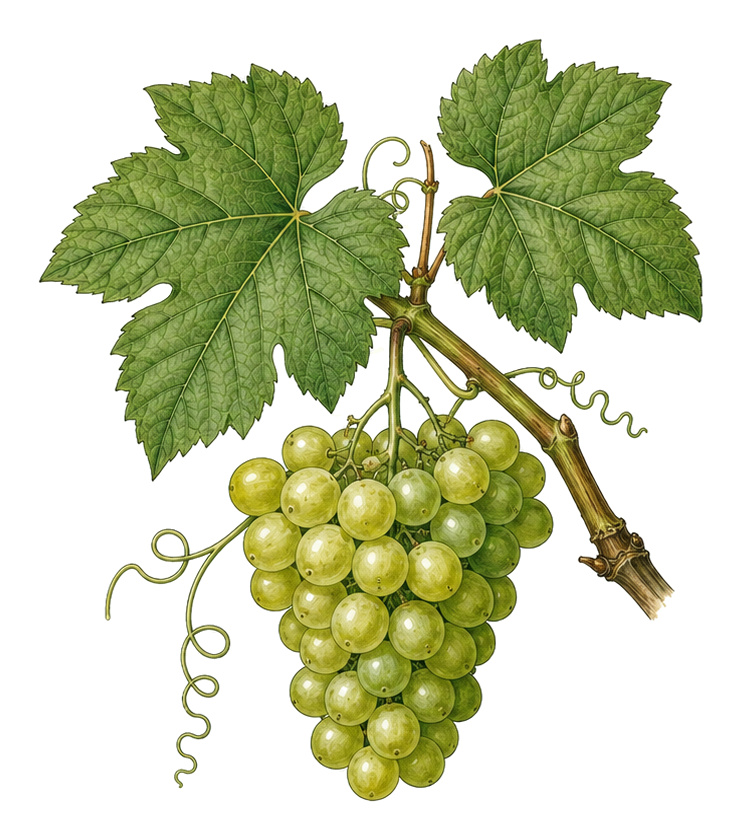
Additional plant images
Health
Pests, Diseases
Pests
Aphids
Small, sucking insects that colonize young shoots and leaves, feeding on plant sap. They can transmit viruses and cause deformities.
Spider mites
Tiny arachnids that settle on the underside of leaves, sucking plant sap. They prefer dry, warm conditions and form fine webs.
vine moth
The caterpillars of the vine moth feed on young shoots, leaves, and flower buds, which can lead to significant yield losses.
phylloxera
A tiny insect that sucks on both roots and leaves. Root damage leads to growth disorders and plant death. Leaf galls are a sign of the leaf-form.
Diseases
Powdery mildew
A fungus that appears as a white, powdery coating on leaves, shoots, and grapes. It weakens the plant and affects fruit quality.
Downy mildew
A fungus characterized by yellowish spots on the upper leaf surface and a whitish coating on the underside. It affects leaves, shoots, and grapes and can lead to significant crop losses.
grey mold (Botrytis)
A fungus that primarily affects grapes in humid weather, leading to rot. It can also occur on shoots and leaves.
Esca disease
A complex fungal disease that manifests in various symptoms, including leaf spots, bark necrosis, and sudden wilting of shoots or the entire plant (sudden vine death).
Deficiencies
Magnesium deficiency
Magnesium is a central component of chlorophyll. Deficiency leads to impaired photosynthesis.
Potassium deficiency
Potassium is important for water balance, enzyme activity, and sugar formation. Deficiency affects fruit quality and frost hardiness.
iron deficiency
Iron is essential for chlorophyll synthesis. Deficiency often occurs on calcareous soils.
Plant health
Diagnosis help
table grape Diagnosis help
Pest groups
Disease groups
Prevention
Diagnosis
Accurate diagnosis often requires observing symptoms on different plant parts (leaves, shoots, fruits, roots) and considering environmental conditions. If in doubt or suspecting quarantine pests/diseases, consulting an expert is advisable.
Cultural prevention
Monitoring
First response
Diagnostic rules
White, powdery coating on leaves and shoots.
Possible causes: Powdery mildew
- Is air circulation good?
- Are temperatures moderate?
- Are grapes affected?
Yellowish spots on upper leaf surfaces, whitish coating on leaf undersides.
Possible causes: Downy mildew
- Are leaves often wet?
- Are temperatures rather cool?
- Are grapes affected?
Gray, fuzzy coating on grapes, berries rotting.
Possible causes: Grey mold
- Is humidity high?
- Are grapes densely packed?
- Are there injuries to the berries?
Leaves show yellowed areas between veins, veins remain green.
Possible causes: Magnesium deficiency, Iron deficiency
- Are symptoms visible on young or old leaves first?
- Is the soil calcareous?
FAQ
When is the best time to plant table grapes?
The best planting time is in spring, after the last frosts, from about April to June when the soil has warmed up. Container plants can also be planted in autumn.
How do I prune a table grape correctly?
The most important pruning is the winter pruning (December-February). Old, woody shoots are removed and one- to two-year-old fruiting canes are cut back to 2–6 buds. A replacement shoot (spur) is left per main axis. In summer, green pruning can be done for ventilation.
What location is ideal for table grapes?
Table grapes need a sunny, warm, and sheltered location. A south or southwest exposure, e.g., against a house wall, is ideal. The soil should be deep, loose, and well-drained.
Do table grapes need a support?
Yes, table grapes are climbing plants and need a stable support, such as a trellis, pergola, or climbing wall. The shoots are regularly tied and trained.
Are table grapes susceptible to diseases?
Yes, grapevines can be affected by various fungal diseases such as powdery and downy mildew, grey mold, and Esca disease. Choosing resistant varieties (PiWi), a good location, and regular care help prevent them.
Can I grow table grapes in a pot?
Yes, container cultivation is possible, but requires a very large pot (at least 50 liters), good drainage, and regular watering and fertilizing. The pot should be deep and frost-proof.
Is table grape safe for Dog?
table grape is classified as toxic for Dog. Risk: 4 / 5. Urgency: emergency vet immediately. Table grapes (wine grapes) are toxic to dogs and can cause acute kidney failure. The exact toxic substance is unknown, but the danger is well documented. All parts of the fruit should be considered toxic.
Is table grape safe for Cat?
table grape is classified as do not feed for Cat. Risk: unknown. Urgency: observe. The fruit of table grapes is safe for cats in small amounts, but stems and seeds may cause gastrointestinal upset. Wine grapes (not table grapes) are toxic to cats and can cause kidney failure – avoid confusion.
Is table grape safe for Rabbit?
table grape is classified as moderation only for Rabbit. Risk: unknown. Urgency: observe. Table grapes are suitable for rabbits in small amounts as an occasional treat. Stems and seeds should be removed as they are poorly digestible and may cause gastrointestinal issues. The fruit contains beneficial nutrients but should be fed sparingly due to sugar content. No specific toxicity known for rabbits, but caution is advised against overconsumption.
Is table grape safe for Guinea pig?
table grape is classified as moderation only for Guinea pig. Risk: unknown. Urgency: observe. The fruit of the table grape is suitable for guinea pigs in small amounts as a treat. Stems and seeds should be avoided due to potential digestive issues. No known toxic compounds in the fruit. Excessive consumption may cause gastrointestinal upset due to sugar content.
Guides
Related guides
Guide
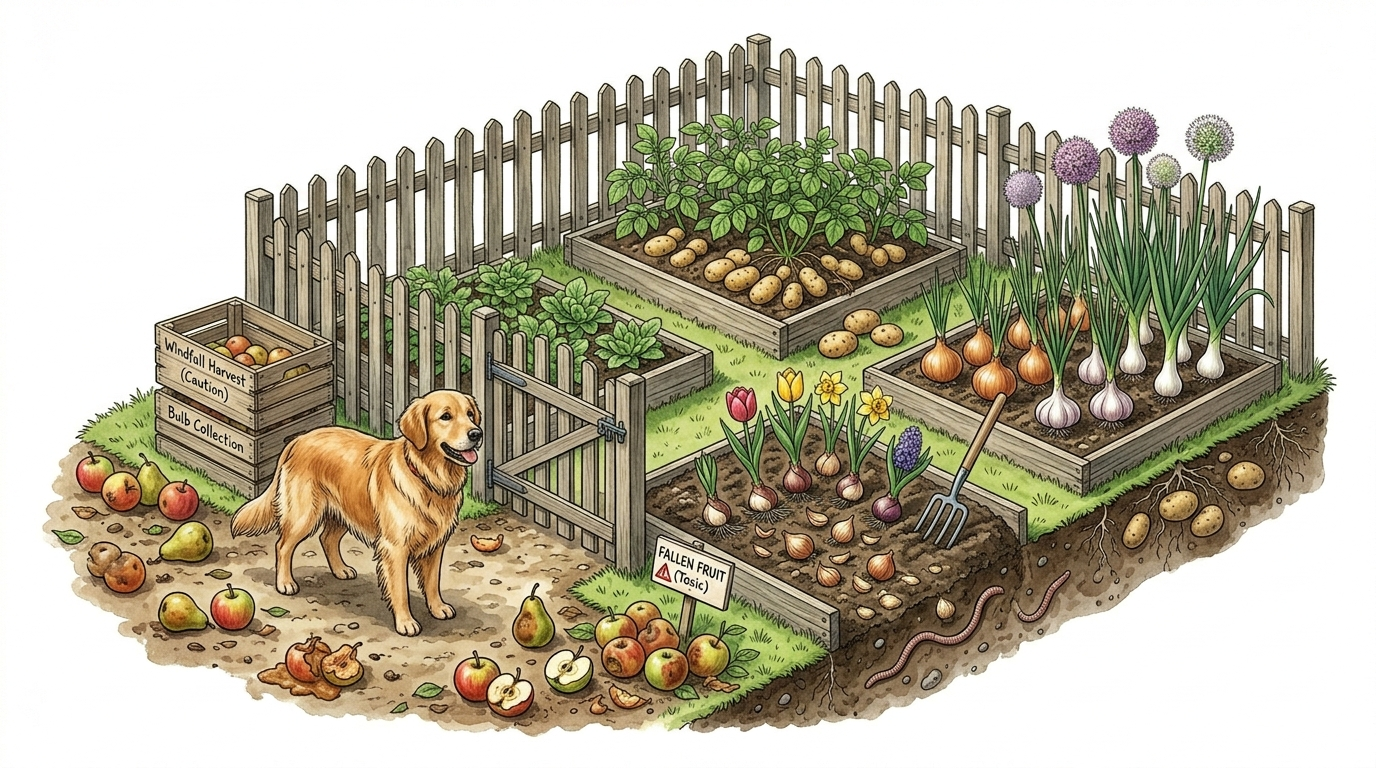
Dogs in the Garden: Windfall Fruit and Risks
Keep your garden dog-safe by managing windfall fruit, seeds, stored crops, and potentially problematic plant parts.
Guide
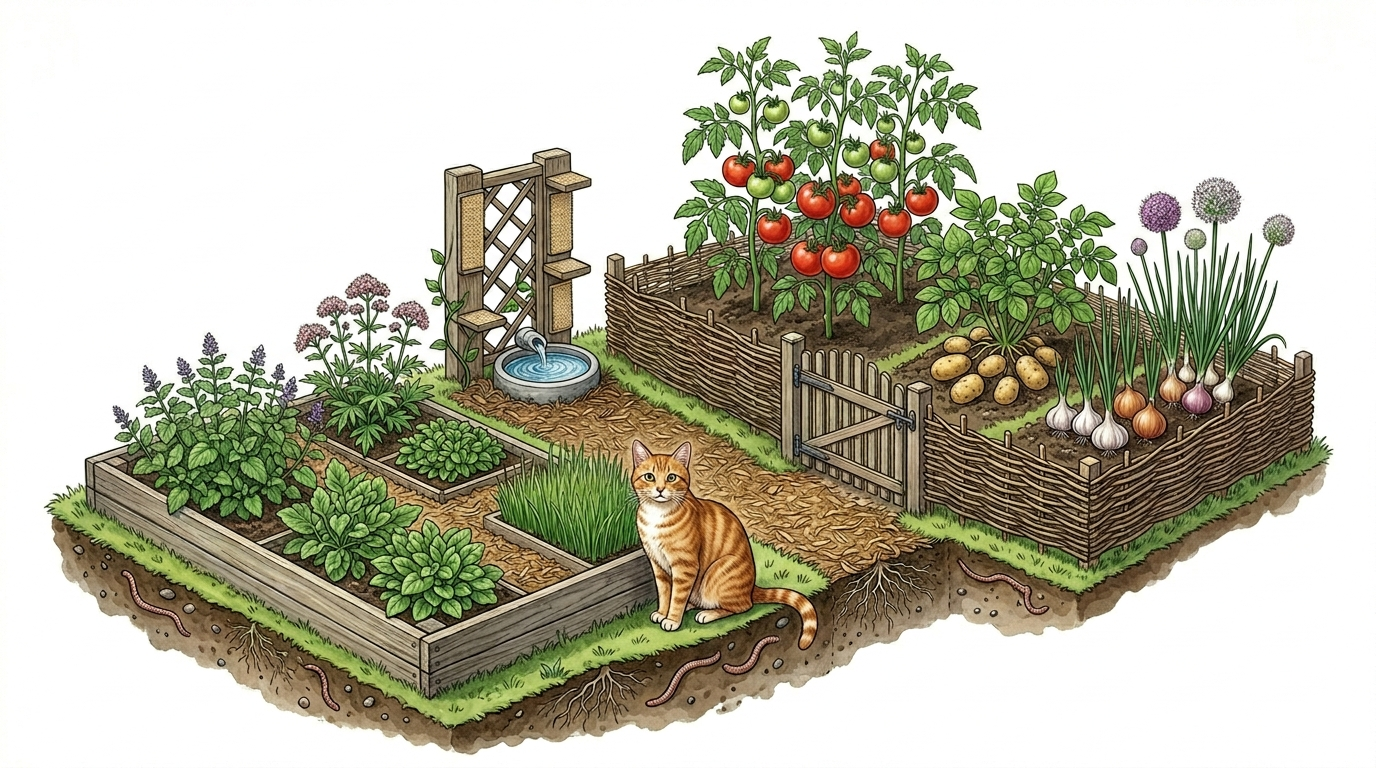
Toxic Garden Plants for Cats: Safer Planning
Learn which garden plants can be risky for cats, how to plan safer beds, and what to do if a cat eats a toxic plant.
Guide
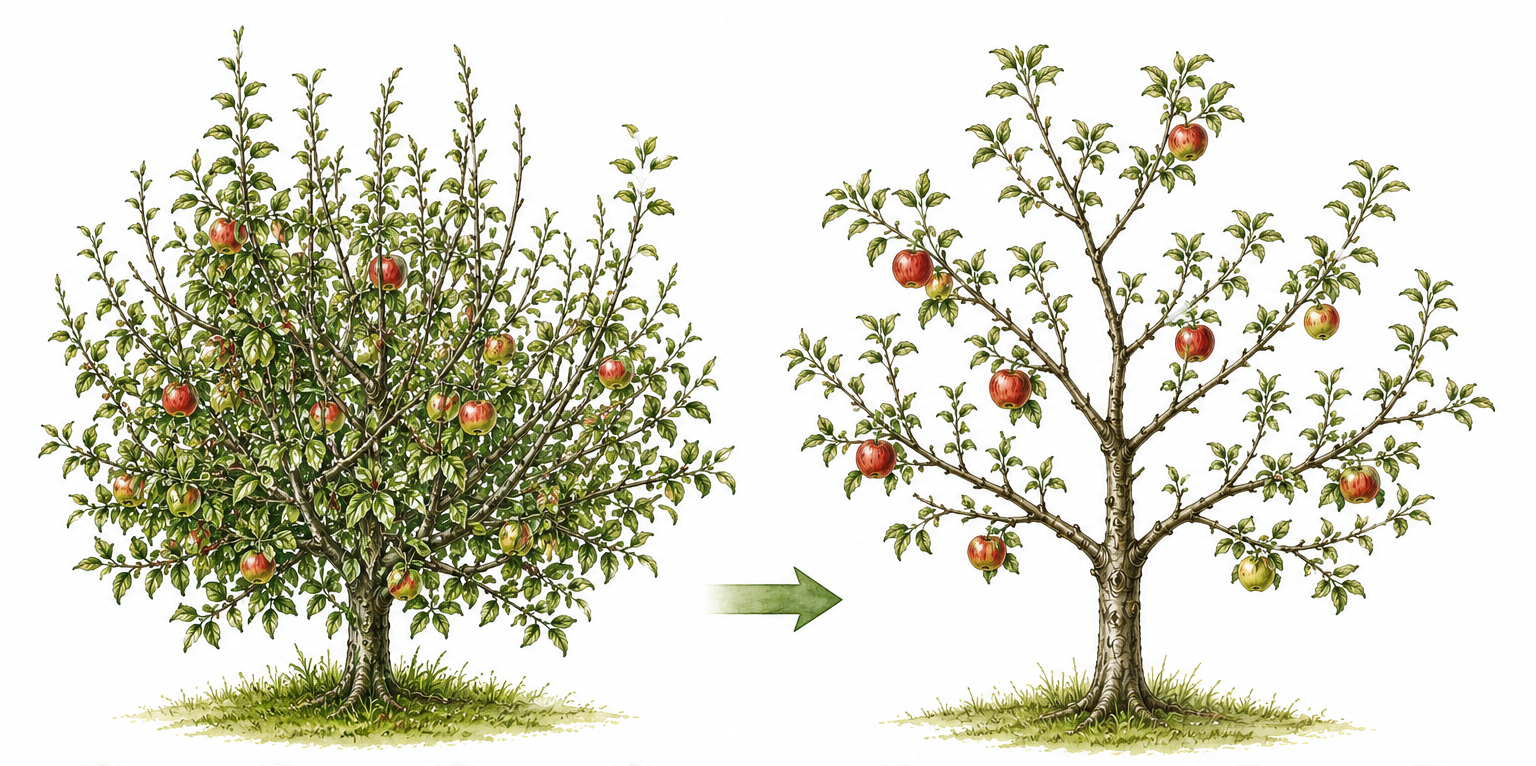
Pruning Apple Trees: Timing, Techniques, and Common Mistakes
Learn when and how to prune apple trees properly, including winter pruning, summer pruning, training cuts, and maintenance tips for healthy, productive…
Guide
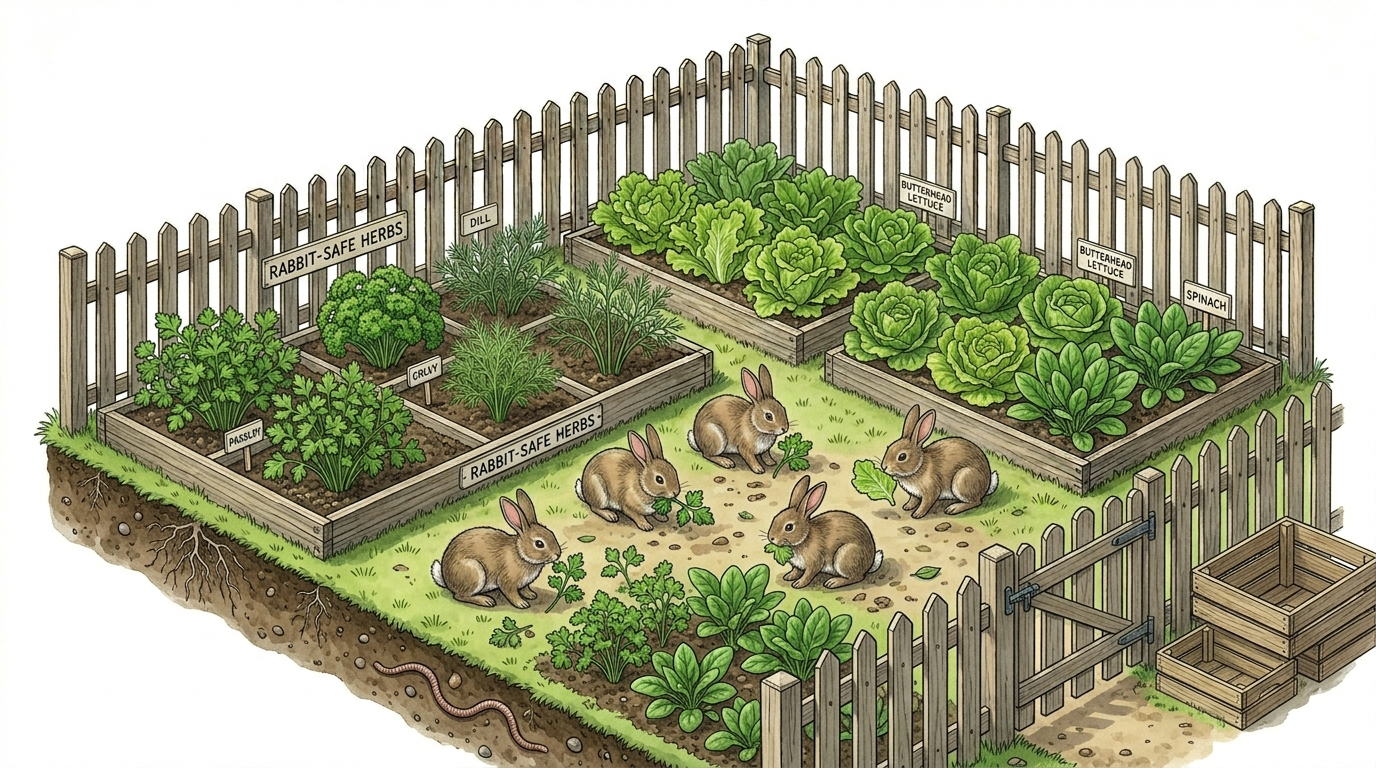
Rabbits in the Garden: Herbs and Vegetables
Learn how to choose suitable herbs and vegetables for rabbits, grow feeding plants, and plan a rabbit-friendly garden.
Internal links
Related plants
Sources
Public sources
- Wikidata entity
Wikidata · 2026-05-15
- GBIF species match
GBIF · 2026-05-15
- Deutschsprachige Wikipedia: Tafeltraube
Wikipedia · 2026-05-15
- English Wikipedia: Table grape
Wikipedia · 2026-05-15