Plant Profile
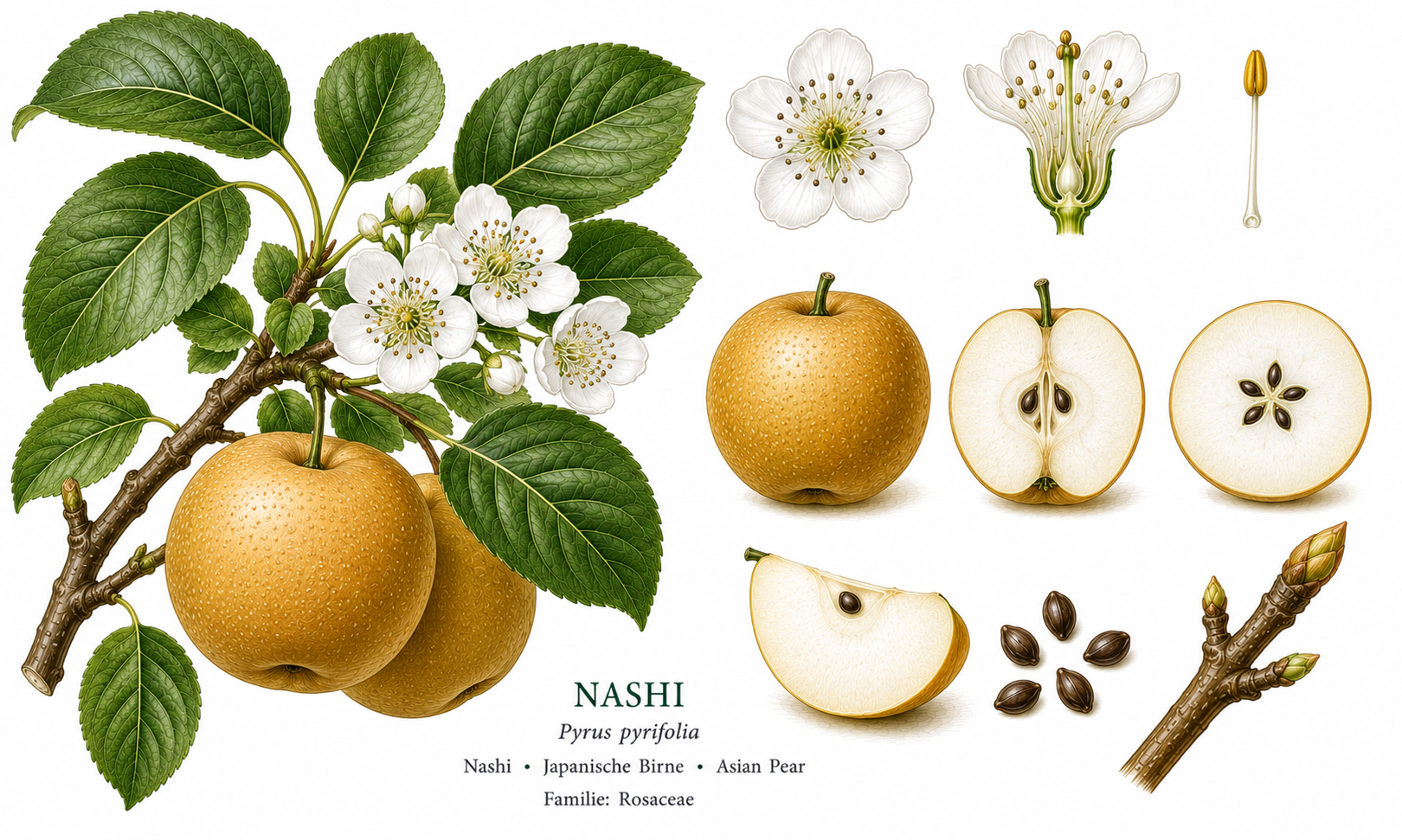
Asian pearPyrus pyrifolia
A robust pome fruit with crisp, sweet fruits.
Quick profile
Key data
Suitable growing locations:
Good neighbors
BorageComfreyChives
Avoid
Juniper
Indoor & direct sowing
Asian pear: Sowing and germination
Propagation is usually done via grafting; sowing is uncommon for home gardeners.
Direct sowing not recommended.
Planting & site
Asian pear: Planting and spacing
Planting in late autumn or early spring before bud break.
Site & practical notes
Topic: thinning, Content: To obtain large fruits, you must thin in June: leave only one or two fruits per cluster.
Temperature & frost
Asian pear: Temperature and site
Water & nutrients
Asian pear: Water, nutrients and care
Container & growth
Asian pear: Container, support and growth
Year plan
Asian pear Calendar
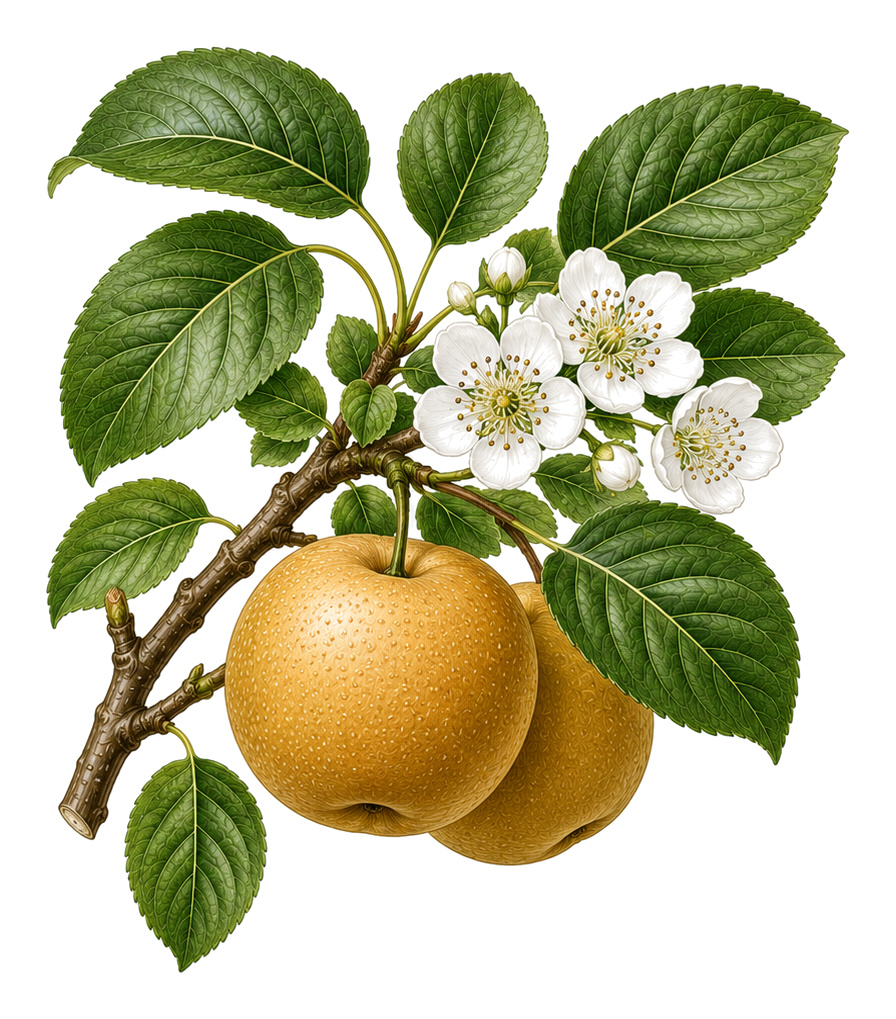
In spring, the tree transforms into a sea of white blossoms.
Recurring tasks
Relevant now
June
- No additional single task
Next up
July
- No additional single task
Monthly tasks
Single tasks from monthly data; repeated seasonal windows are shown in the overview above.
January
Quiet month
February
Quiet month
March
Growing
- Fertilizationfrost-free soil: Apply mature compost or organic fruit fertilizer.
April
No additional single task
May
Quiet month
June
Quiet month
August
No additional single task
September
No additional single task
October
No additional single task
November
No additional single task
December
Quiet month
Flowering & pollination
Asian pear Flowering & pollination
Flowering period
April to May
Flower color
White
Self-fertility
partially self-fertile
Pollinator needed
yes
Overview
Most varieties are cross-pollinating; a second variety significantly increases yield.
Notes
Suitable pollinators include other Nashi varieties or European pears such as 'Bartlett'.
Pruning & care
Asian pear Pruning & care
Pruning type
renewal pruning
Pruning timing
Structural pruning On frost-free days to stimulate growth.
Growth control Removal of water sprouts and thinning the canopy for light.
Remove
Preserve
Avoid
Tools and hygiene
Disinfect tools after each tree to prevent fire blight transmission.
Companion guide
Asian pear Companion guide
Good neighbors
BorageComfreyChives
Avoid
Juniper
Use & storage
Asian pear Use & storage
Fruits ripen on the tree; harvest when fully colored and fragrant.
Storage
Medium to long shelf life
Storage life
Up to 2 months in the refrigerator, longer in professional storage.
Primary use
Fresh fruit
Harvest
Fruits ripen on the tree; harvest when fully colored and fragrant.
Processing
After harvest
Fruits are pressure-sensitive and should be stored carefully in shallow crates.
Edibility & safety
Asian pear Edibility & safety
For people
In brief: which parts are edible, which parts remain risky, and whether raw consumption makes sense.
Safety notes
The fruit is non-toxic; seeds should not be consumed in large quantities.
Animal safety
The evidence for this plant and animals is still limited. Check the detail rows before allowing access or feeding.
Each row shows which parts are more suitable and which parts are critical.
Companion animals
 Dog
DogNo suitable parts listed
No risk parts listed
No suitable parts listed
No risk parts listed
 Cat
CatNo suitable parts listed
No risk parts listed
No suitable parts listed
No risk parts listed
 Rabbit
No suitable parts listed
No risk parts listed
No suitable parts listed
No risk parts listed
 Guinea pig
No suitable parts listed
No risk parts listed
No suitable parts listed
No risk parts listed
 Hamster
No suitable parts listed
No risk parts listed
No suitable parts listed
No risk parts listed
 Budgie
No suitable parts listed
No risk parts listed
No suitable parts listed
No risk parts listed
Farm animals
 Horse
HorseNo suitable parts listed
No risk parts listed
No suitable parts listed
No risk parts listed
 Chicken
No suitable parts listed
No risk parts listed
No suitable parts listed
No risk parts listed
 Duck
DuckNo suitable parts listed
No risk parts listed
No suitable parts listed
No risk parts listed
 Goose
GooseNo suitable parts listed
No risk parts listed
No suitable parts listed
No risk parts listed
 Sheep
SheepNo suitable parts listed
No risk parts listed
No suitable parts listed
No risk parts listed
 Goat
GoatNo suitable parts listed
No risk parts listed
No suitable parts listed
No risk parts listed
 Cattle
No suitable parts listed
No risk parts listed
No suitable parts listed
No risk parts listed
 Pig
PigNo suitable parts listed
No risk parts listed
No suitable parts listed
No risk parts listed
These guidelines are for general information only and do not replace veterinary diagnosis. If critical plant parts were ingested or the animal shows unusual behaviour or symptoms, seek veterinary advice.
Max risk
unknown
Highest status
not established
Urgency
unknown
Saving seed
Asian pear Saving seed
Seed viability
1 - 2 years
Method
Seed extraction from fully ripe fruit, cold stratification required.
Practical tips
Asian pear Practical tips
Common beginner mistakes
Insufficient fruit thinning results in small, bland fruits.
Success pattern
Regular compost in spring guarantees stable yields.
High-impact tips
A thick mulch layer keeps the soil consistently moist.
Grower observations
The 'Hosui' variety developed the most intense flavors in my experience.
Plant Profile
Additional plant images
Health
Pests, Diseases
Plant health
Diagnosis help
Asian pear Diagnosis help
Pest groups
Disease groups
Prevention
Diagnosis
Pay close attention to leaf undersides and shoot tips in spring.
Cultural prevention
Monitoring
Weekly inspection starting from bud break
First response
Pruning back affected areas into healthy wood
Diagnostic rules
Black, hook-shaped shoot tips
Possible causes: Fire blight
- Check for sticky bacterial ooze
- Note mandatory reporting in some regions
FAQ
Do I need two Nashi trees?
Yes, Nashis are mostly self-sterile. A second variety or a suitable pear tree massively increases yield.
Is Asian pear safe for Dog?
Asian pear is classified as not established for Dog. Risk: unknown. Urgency: unknown. No reliable species-specific assessment is available.
Is Asian pear safe for Cat?
Asian pear is classified as not established for Cat. Risk: unknown. Urgency: unknown. No reliable species-specific assessment is available.
Is Asian pear safe for Rabbit?
Asian pear is classified as not established for Rabbit. Risk: unknown. Urgency: unknown. No reliable species-specific assessment is available.
Is Asian pear safe for Guinea pig?
Asian pear is classified as not established for Guinea pig. Risk: unknown. Urgency: unknown. No reliable species-specific assessment is available.
Guides
Related guides
Guide
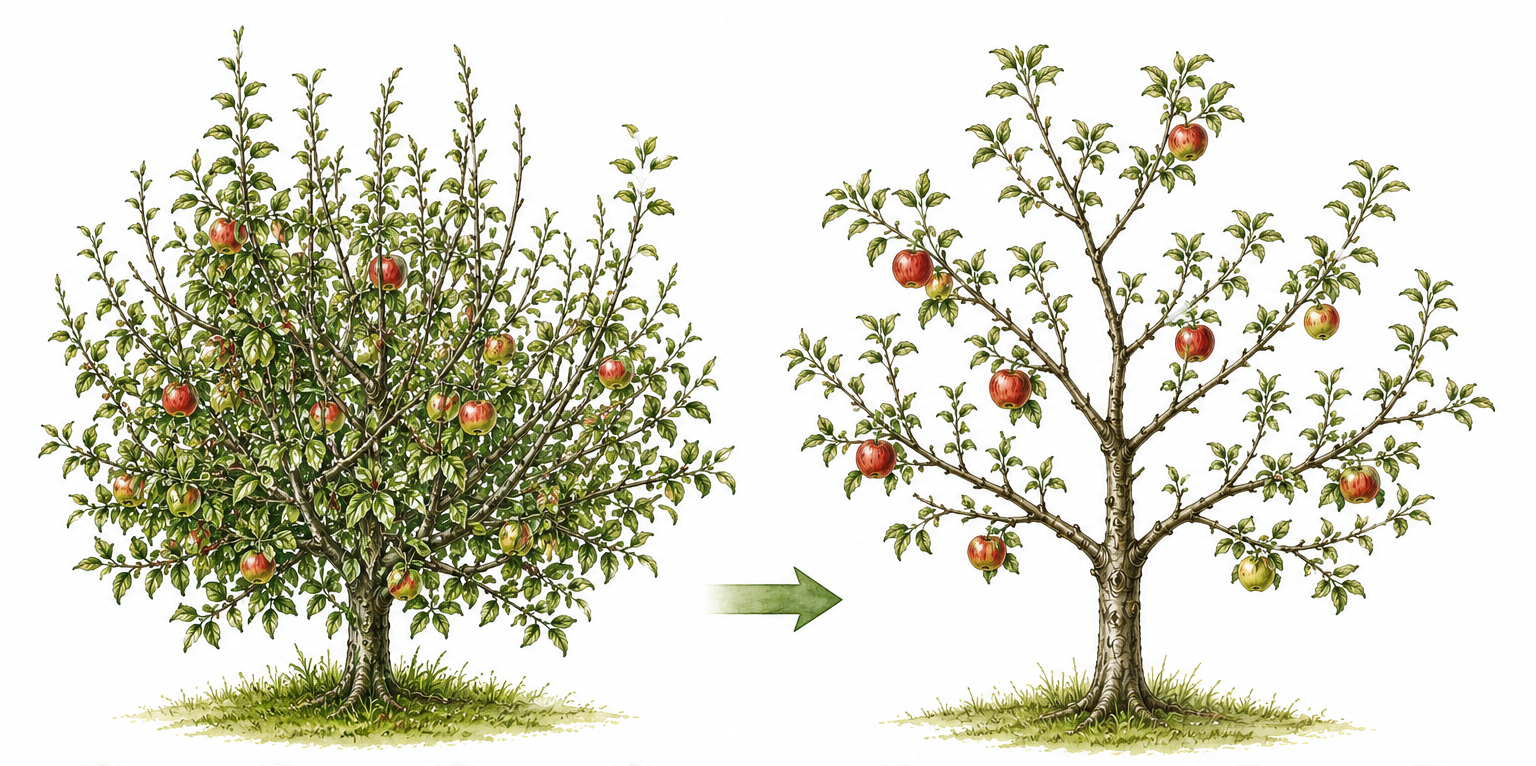
Pruning Apple Trees: Timing, Techniques, and Common Mistakes
Learn when and how to prune apple trees properly, including winter pruning, summer pruning, training cuts, and maintenance tips for healthy, productive…
Guide
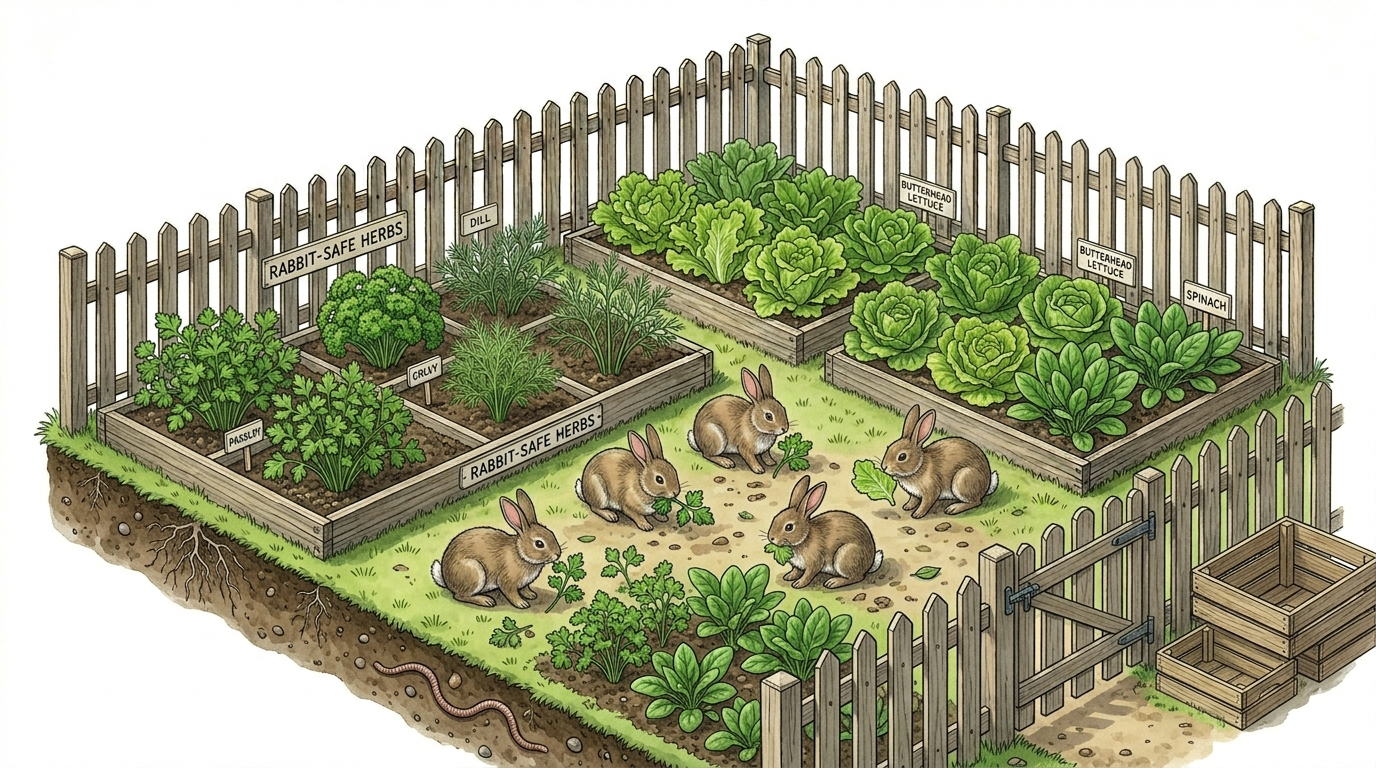
Rabbits in the Garden: Herbs and Vegetables
Learn how to choose suitable herbs and vegetables for rabbits, grow feeding plants, and plan a rabbit-friendly garden.
Guide
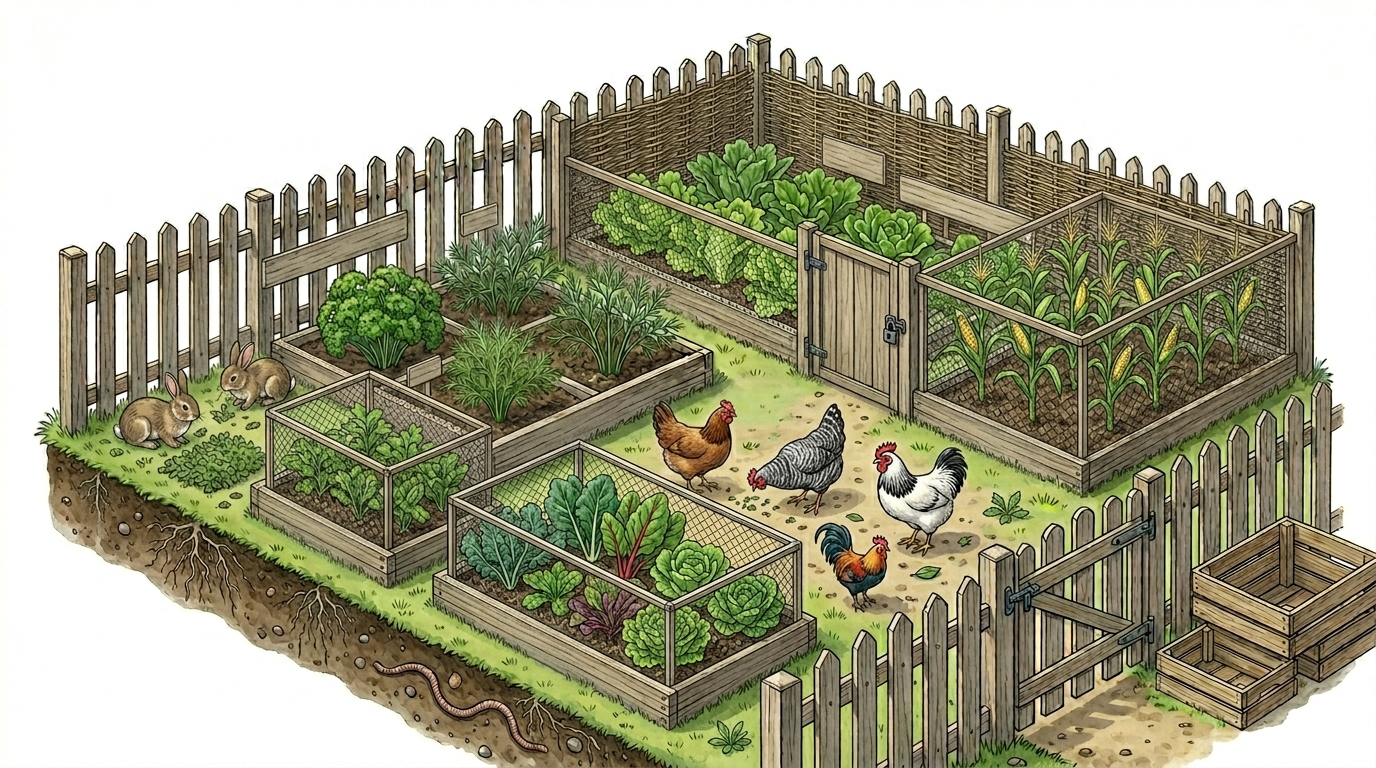
Chickens in the Garden: Safe Plants and Zones
Learn how to design a chicken-friendly garden with suitable plants, protected beds, and well-planned activity areas.
Guide
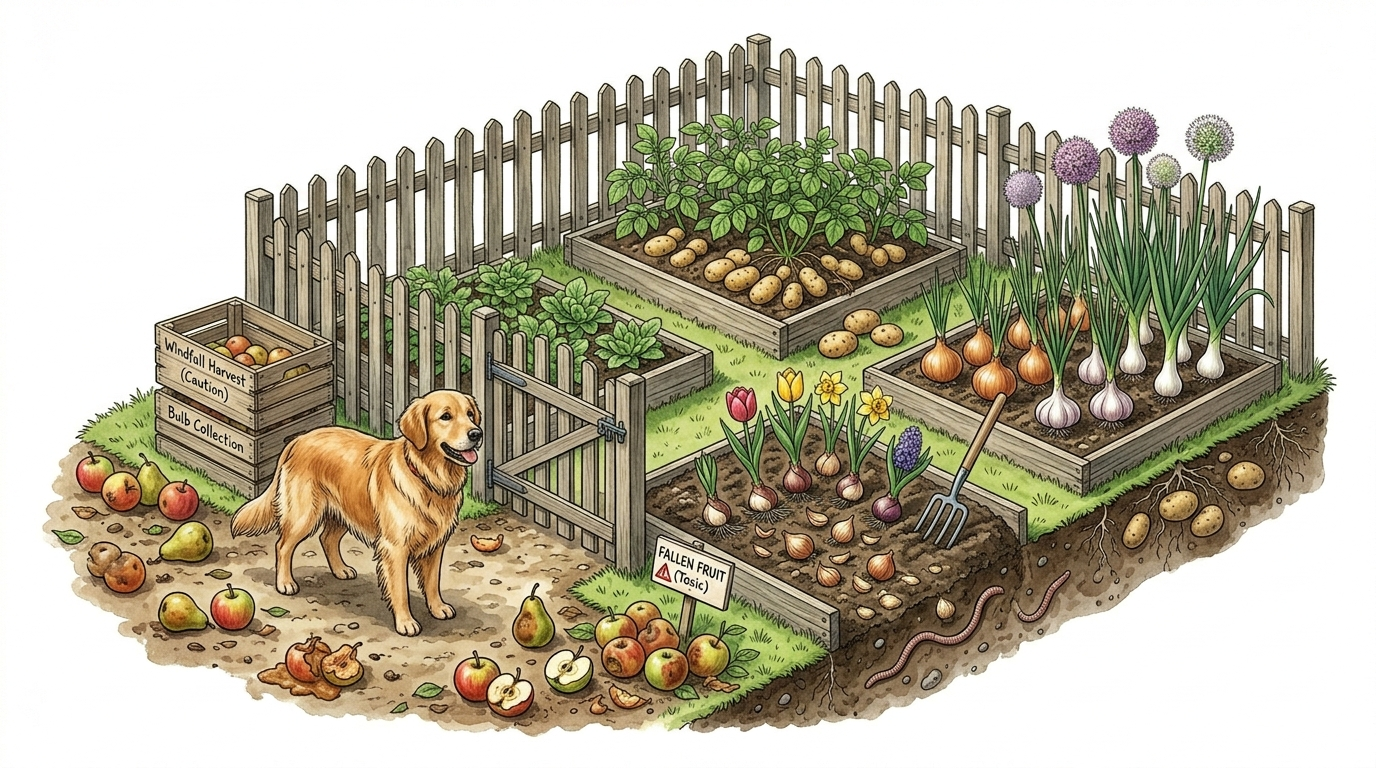
Dogs in the Garden: Windfall Fruit and Risks
Keep your garden dog-safe by managing windfall fruit, seeds, stored crops, and potentially problematic plant parts.
Internal links
Related plants
Apple
Pear
Fresh consumption and processing into juice or compote.
Similar blossom, but distinct fruit shape and texture.
Juniper
Alternate host for pear rust.
Apple
Comparable fruit shape and texture.
Quince
Both belong to the Rosaceae family.
Sources
Public sources
- Wikidata entity
Wikidata · 2026-05-14
- GBIF species match
GBIF · 2026-05-14
- Deutschsprachige Wikipedia: Nashi-Birne
Wikipedia · 2026-05-14
- English Wikipedia: Pyrus pyrifolia
Wikipedia · 2026-05-14