Plant Profile
Common HazelCorylus avellana
A robust, multi-stemmed shrub with nutritious fruits.

Quick profile
Key data
Suitable growing locations:
Good neighbors
Wild GarlicComfrey
Avoid
Walnut
Indoor & direct sowing
Common Hazel: Sowing and germination
Indoor sowing unusual; germination typically occurs outdoors after frost exposure.
Direct sowing in autumn allows for natural stratification over winter.
Planting & site
Common Hazel: Planting and spacing
Planting preferred in autumn or early spring before bud break.
Site & practical notes
Temperature & frost
Common Hazel: Temperature and site
Water & nutrients
Common Hazel: Water, nutrients and care
Container & growth
Common Hazel: Container, support and growth
Year plan
Common Hazel Calendar
Golden-yellow catkins in a gray January.
Recurring tasks
Relevant now
June
- No additional single task
Next up
July
- No additional single task
Monthly tasks
Single tasks from monthly data; repeated seasonal windows are shown in the overview above.
January
Quiet month
February
Quiet month
March
No additional single task
April
No additional single task
May
Quiet month
June
Quiet month
August
Quiet month
September
No additional single task
October
No additional single task
November
No additional single task
December
Quiet month
Flowering & pollination
Common Hazel Flowering & pollination
Flowering period
January to March
Flower type
Monoecious (separate male and female flowers on the same plant)
Self-fertility
partially_self_fertile_but_unreliable
Pollinator needed
yes
Overview
Wind-pollinated; pollination occurs in late winter via wind-borne pollen.
Notes
Although monoecious, cross-pollination by a different variety is essential for a good yield.
Pruning & care
Common Hazel Pruning & care
Pruning type
renewal pruning
Pruning timing
Main pruning and rejuvenation Before bud swell on frost-free days.
Removal of root suckers Tear out or cut excess suckers close to the ground.
Remove
Preserve
Avoid
Tools and hygiene
Use sharp loppers and a hand saw if necessary; clean tools after use.
Companion guide
Common Hazel Companion guide
Good neighbors
Wild GarlicComfrey
Avoid
Walnut
Use & storage
Common Hazel Use & storage
Harvest when nuts turn brown and fall easily from the husks.
Storage
Dry storage
Storage life
Approx. 12 months in shell; significantly shorter when shelled.
Harvest
Harvest when nuts turn brown and fall easily from the husks.
Processing
After harvest
Dry nuts in a well-ventilated, shaded spot until the kernels rattle.
Edibility & safety
Common Hazel Edibility & safety
For people
In brief: which parts are edible, which parts remain risky, and whether raw consumption makes sense.
Safety notes
Non-toxic, but high allergenic potential for allergy sufferers.
Animal safety
For many animals, this plant is generally low-risk: 12 animal types are rated suitable or mostly suitable. Quantity, plant part, and individual tolerance still matter.
Each row shows which parts are more suitable and which parts are critical.
Companion animals
 Dog
DogSeeds (nut kernel)
No risk parts listed
Seeds (nut kernel)
No risk parts listed
High fat content may cause pancreatitis, Choking hazard with whole nuts
Gastrointestinal upset with excessive consumption
observe
Hazelnut kernels are suitable for dogs in small amounts as an occasional treat, but due to high fat content should only be fed infrequently. Whole nuts pose a choking hazard. Shell and husk are not toxic but poorly digestible and should not be fed. No known toxic compounds in Corylus avellana for dogs. Excessive consumption may cause gastrointestinal upset. Seek veterinary assistance for signs of pancreatitis or…
Open animal page Cat
CatSeeds (nut kernel)
No risk parts listed
Seeds (nut kernel)
No risk parts listed
High fat content may cause pancreatitis, Choking hazard with whole nuts
Gastrointestinal upset with excessive consumption
observe
The nut kernel of Corylus avellana is safe for cats in small amounts as a treat. The shell and husk are indigestible and may cause gastrointestinal upset. Due to high fat content, feeding should be limited. No known toxic compounds in Corylus avellana for cats.
Open animal page Rabbit
No suitable parts listed
No risk parts listed
No suitable parts listed
No risk parts listed
unknown
Hazelnut kernels are suitable for rabbits as an occasional treat, but leaves, bark, and young shoots may cause gastrointestinal irritation due to tannins and essential oils. Feed only the kernels in small amounts.
Open animal page Guinea pig
Seeds (nut kernel)
Blätter, Rinde, Unreife Früchte
Seeds (nut kernel)
Blätter, Rinde, Unreife Früchte
 Hamster
Seeds (nut kernel)
Blätter, Rinde, Unreife Früchte
Seeds (nut kernel)
Blätter, Rinde, Unreife Früchte
unknown
No direct species-specific source was found for hamsters. This is a cautious inference from the guinea pigs profile and the known plant-part risks.
Open animal page Budgie
Seeds (nut kernel)
Nut shell, Involucre (husk), Leaves
Seeds (nut kernel)
Nut shell, Involucre (husk), Leaves
allergies
possible gastrointestinal upset
contact a vet if symptoms appear
Hazelnuts are safe for budgies if fed in moderation. However, the nut shell and leaves should be avoided.
Open animal pageFarm animals
 Horse
HorseNo suitable parts listed
No risk parts listed
No suitable parts listed
No risk parts listed
unknown
Hazelnuts are suitable for horses in moderation as a treat. The nut kernel is edible and nutrient-rich, but due to high fat content should be fed sparingly. Shell and husk are difficult to digest and should be removed. No known toxic compounds for horses.
Open animal page Chicken
Nut kernels (shelled)
Nut shells, Husk (involucre), Leaves
Nut kernels (shelled)
Nut shells, Husk (involucre), Leaves
Ingestion of nut shells, Consumption of large quantities, Consumption of whole, unshelled nuts
Gastrointestinal upset (if shells or large quantities consumed), Impaction (if shells consumed), Choking hazard (from whole nuts or shell pieces)
observe
Hazelnut kernels are suitable as a treat for chickens in small quantities, provided they are shelled and crushed. Nut shells and husks are indigestible and can lead to digestive issues or impaction. Leaves and twigs are not suitable as feed and should not be consumed in large quantities. The high fat content of nuts requires moderation to prevent obesity and digestive upset.
Open animal page Duck
DuckSeeds (nut kernel)
Nut shell, Involucre (husk), Leaves
Seeds (nut kernel)
Nut shell, Involucre (husk), Leaves
Overfeeding, Consumption of shells or husks
Gastrointestinal upset (e.g., diarrhea), Choking hazard (from shells), Impaction (from shells)
contact a vet if symptoms appear
Hazelnut kernels are suitable for ducks in moderation as a treat. They are high in fat and should only be offered rarely and in small quantities to prevent obesity and digestive issues. Nut shells and husks are indigestible and pose a choking or impaction hazard. Leaves and bark are not suitable as feed and should not be consumed in large quantities.
Open animal page Goose
GooseNut kernels (without shell and husk)
Nut shells, Involucres (husks), Leaves
Nut kernels (without shell and husk)
Nut shells, Involucres (husks), Leaves
Consumption of whole nuts (choking hazard, gastrointestinal issues), Overconsumption (high fat content, obesity)
Gastrointestinal upset (if shells/husks consumed), Constipation, Choking hazard (for whole nuts)
contact a vet if symptoms appear
Hazelnut kernels can be offered in very small quantities as an occasional treat. Whole nuts, shells, husks, leaves, and twigs are not suitable and can cause digestive issues, choking hazards, or obesity if overfed. The high fat content of nuts requires strict moderation.
Open animal page Sheep
SheepLeaves, Twigs
No risk parts listed
Leaves, Twigs
No risk parts listed
Excessive consumption of nuts.
Digestive upset if nuts are consumed in excess.
observe
Hazelnut is a common forage for sheep. Leaves and twigs are well-tolerated. Nuts can be fed in moderation, but excessive consumption may lead to digestive upset. There are no known toxic compounds.
Open animal page Goat
GoatLeaves, Twigs
No risk parts listed
Leaves, Twigs
No risk parts listed
Excessive consumption of nuts.
With excessive consumption of nuts: gastrointestinal upset.
usually no action needed
Common Hazel is generally safe for goats and is valued as forage. The nuts themselves are nutritious but should be fed in moderation to avoid gastrointestinal upset. The leaves and twigs are also safe and can be part of the diet.
Open animal page Cattle
Leaves, Stems
No risk parts listed
Leaves, Stems
No risk parts listed
Excessive consumption of nut shells or husks may lead to digestive upset.
usually no action needed
Common Hazel is generally safe for cattle and is valued as forage. The nuts themselves are nutritious. While the nut shells and husks are not toxic, excessive consumption may lead to digestive upset.
Open animal page Pig
PigSeeds (nut kernel)
Nut shell, Involucre (husk)
Seeds (nut kernel)
Nut shell, Involucre (husk)
Excessive consumption of nut shells or involucres
Gastrointestinal upset with excessive consumption
observe
Hazelnuts are generally safe for pigs, especially the kernels. Excessive consumption, particularly of shells and husks, can lead to gastrointestinal upset. They are not intended as a primary feed source but can be given occasionally as a supplement or treat.
Open animal pageThese guidelines are for general information only and do not replace veterinary diagnosis. If critical plant parts were ingested or the animal shows unusual behaviour or symptoms, seek veterinary advice.
Max risk
unknown
Highest status
not established
Urgency
contact a vet if symptoms appear
Saving seed
Common Hazel Saving seed
Seed viability
1 - 2 years
Method
Sowing of fully ripe, undried nuts in autumn.
Practical tips
Common Hazel Practical tips
Common beginner mistakes
Planting young shrubs too deep.
Success pattern
High yield from the 5th to 7th year with correct variety choice.
High-impact tips
Leave leaves under the shrub as natural fertilizer.
Grower observations
Birds and squirrels are often faster than the gardener.
Health
Pests, Diseases
Pests
Hazelnut Weevil
Small bore holes in the nut shell; larvae eat the kernel.
Hazel Bud Mite
Abnormally swollen buds ('big buds') that fail to open.
Diseases
Powdery Mildew
White, powdery coating on the upper leaf surfaces in late summer.
Monilia Fruit Rot
Brown, rotting nuts with grey fungal pustules.
Deficiencies
Magnesium Deficiency
Interveinal chlorosis (yellowing between leaf veins) on older leaves.
Plant health
Diagnosis help
Common Hazel Diagnosis help
Pest groups
Disease groups
Prevention
Diagnosis
Holes in nuts almost always indicate the hazelnut weevil. Check swollen buds in winter for gall mites.
Cultural prevention
Monitoring
First response
Diagnostic rules
Buds are ball-shaped and thickened in late winter
Possible causes: Phytoptus avellanae
- Break open buds to check for mites
- Mark affected shoots
FAQ
Why is my hazelnut not bearing fruit?
Often a second pollinator shrub is missing, or late frosts have destroyed the blossoms.
Is Common Hazel safe for Dog?
Common Hazel is classified as moderation only for Dog. Risk: unknown. Urgency: observe. Hazelnut kernels are suitable for dogs in small amounts as an occasional treat, but due to high fat content should only be fed infrequently. Whole nuts pose a choking hazard. Shell and husk are not toxic but poorly digestible and should not be fed. No known toxic compounds in Corylus avellana for dogs. Excessive consumption may cause gastrointestinal upset. Seek veterinary assistance for signs of pancreatitis or…
Is Common Hazel safe for Cat?
Common Hazel is classified as moderation only for Cat. Risk: unknown. Urgency: observe. The nut kernel of Corylus avellana is safe for cats in small amounts as a treat. The shell and husk are indigestible and may cause gastrointestinal upset. Due to high fat content, feeding should be limited. No known toxic compounds in Corylus avellana for cats.
Is Common Hazel safe for Rabbit?
Common Hazel is classified as not established for Rabbit. Risk: unknown. Urgency: unknown. Hazelnut kernels are suitable for rabbits as an occasional treat, but leaves, bark, and young shoots may cause gastrointestinal irritation due to tannins and essential oils. Feed only the kernels in small amounts.
Is Common Hazel safe for Guinea pig?
Common Hazel is classified as moderation only for Guinea pig. Risk: unknown. Urgency: unknown. No reliable species-specific assessment is available.
Guides
Related guides
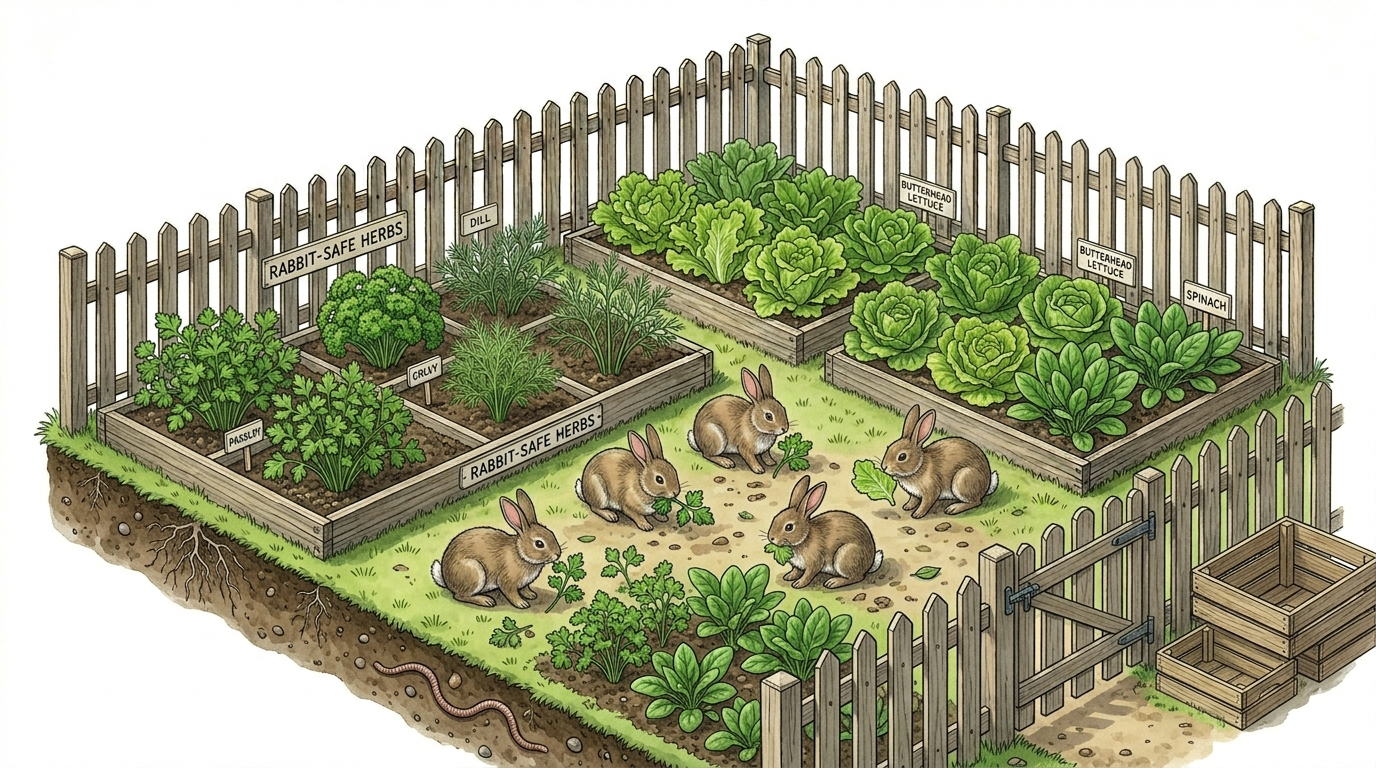
Guide
Rabbits in the Garden: Herbs and Vegetables
Learn how to choose suitable herbs and vegetables for rabbits, grow feeding plants, and plan a rabbit-friendly garden.
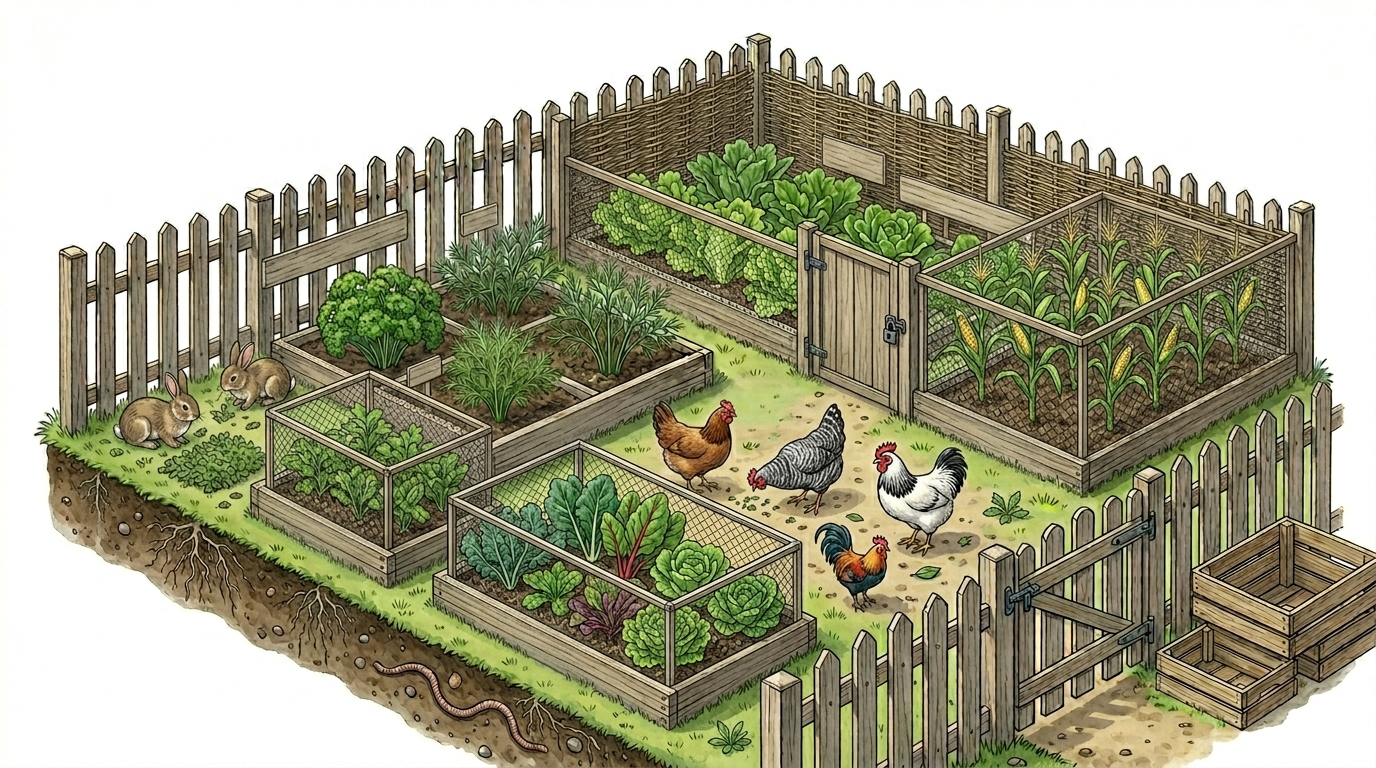
Guide
Chickens in the Garden: Safe Plants and Zones
Learn how to design a chicken-friendly garden with suitable plants, protected beds, and well-planned activity areas.
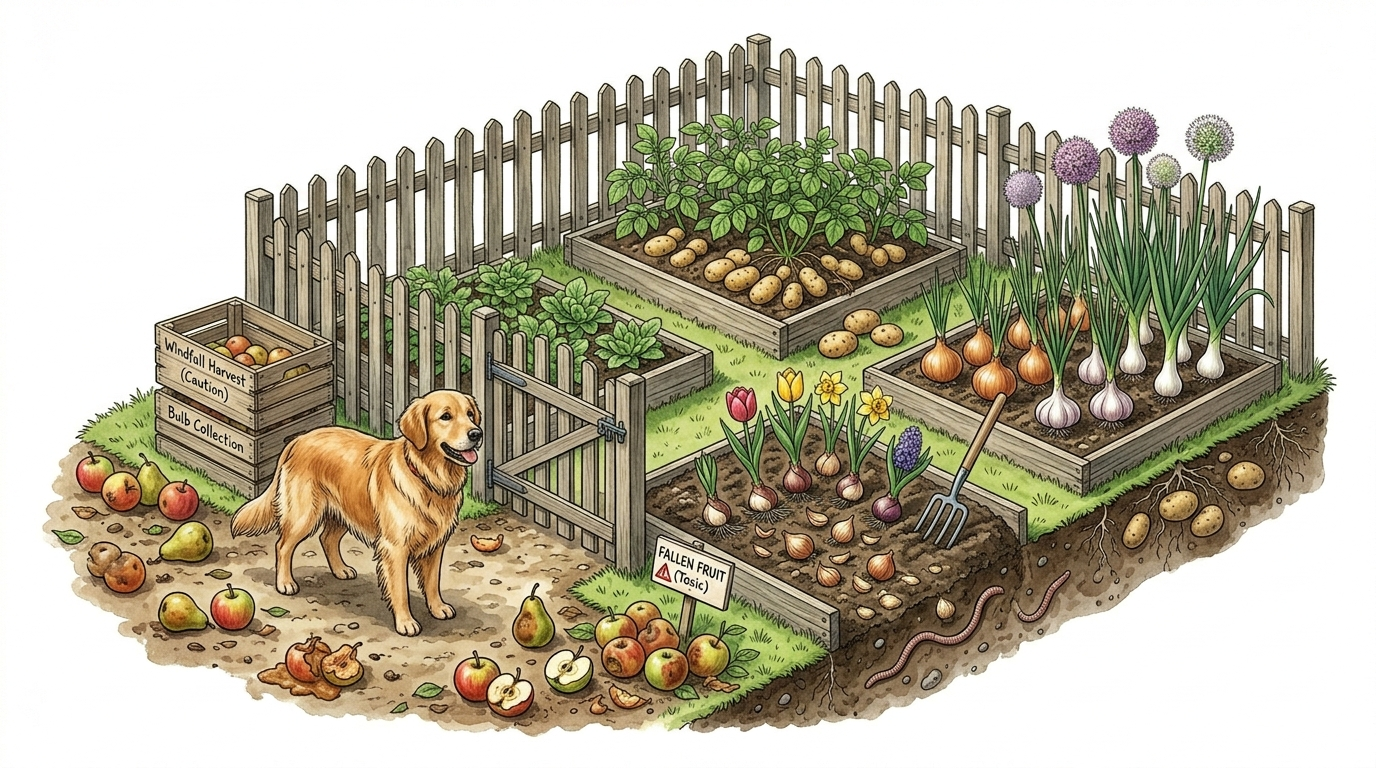
Guide
Dogs in the Garden: Windfall Fruit and Risks
Keep your garden dog-safe by managing windfall fruit, seeds, stored crops, and potentially problematic plant parts.
Guide
Horse Pastures and Garden Plants: Safety Checks
Learn how to identify risks near horse pastures, fences, turnout areas, fruit trees, and garden planting zones.
Internal links
Related plants
Alder
Sweet Chestnut
Oak
Both can be affected by powdery mildew.
Turkish Hazel
Tree-like growth, often used as a rootstock.
Silver Birch
Both belong to the Betulaceae family.
Walnut
Used as a valuable edible nut.
Filbert
Similar fruit but with a longer husk; primarily used in commercial cultivation.
Sources
Public sources
- Wikidata entity
Wikidata · 2026-05-13
- GBIF species match
GBIF · 2026-05-13
- Deutschsprachige Wikipedia: Gemeine Hasel
Wikipedia · 2026-05-13
- English Wikipedia: Corylus avellana
Wikipedia · 2026-05-13