Plant Profile
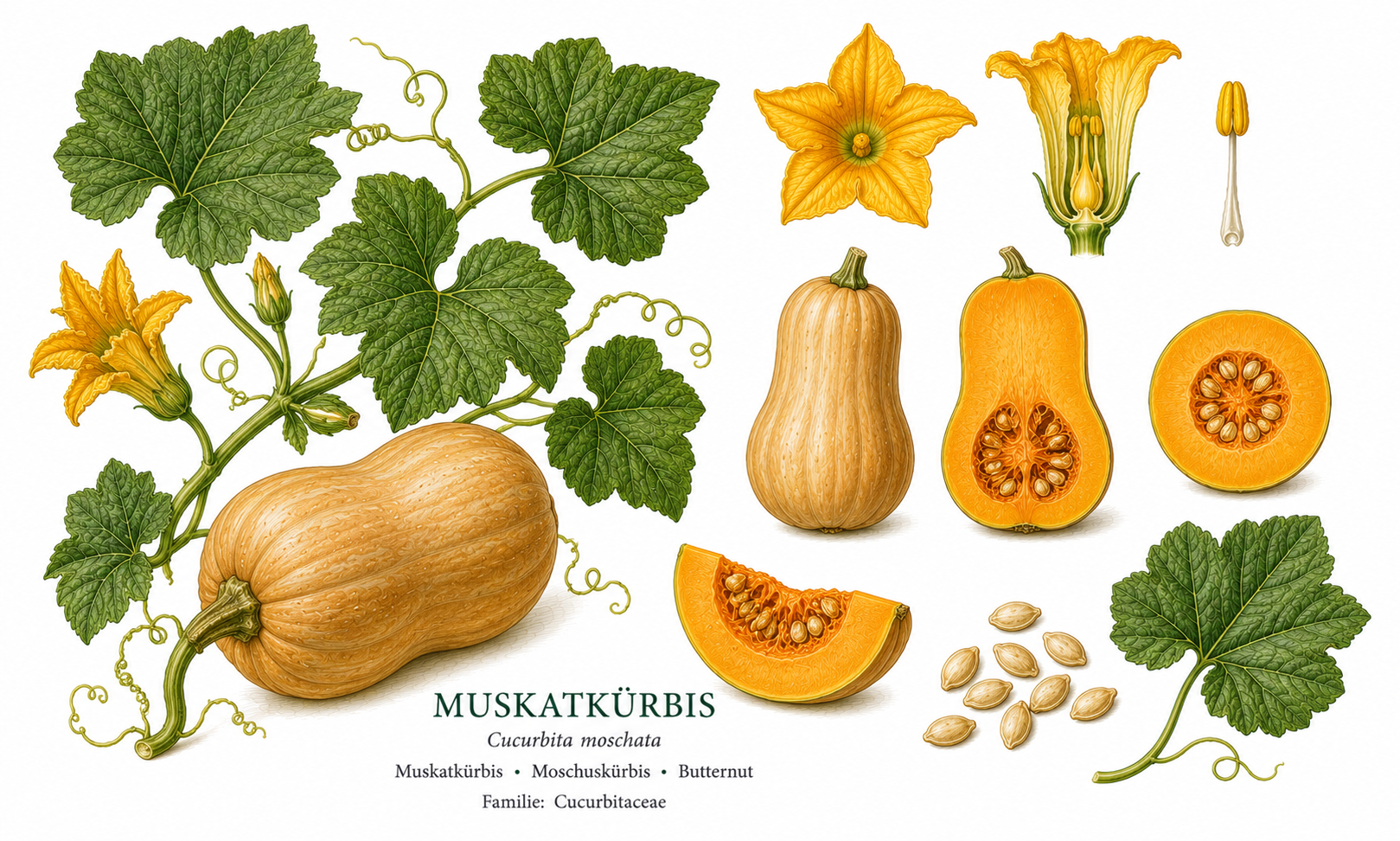
Musk squashCucurbita moschata
Heat-loving squash species with fine aroma and excellent storage properties.
Quick profile
Key data
Suitable growing locations:
Good neighbors
CornPole beanNasturtium
Avoid
Potato
Indoor & direct sowing
Musk squash: Sowing and germination
Pre-culture in pots protects against slugs and cold.
Direct sowing only after the last frost once soil is warm.
Planting & site
Musk squash: Planting and spacing
Plant out from mid-May after hardening off.
Site & practical notes
Curing tip: Let the squashes cure for 10 days in a warm room after harvest before moving them to a cooler cellar. This significantly increases shelf life.
Temperature & frost
Musk squash: Temperature and site
Water & nutrients
Musk squash: Water, nutrients and care
Container & growth
Musk squash: Container, support and growth
Year plan
Musk squash Calendar
Recurring tasks
Relevant now
June
- No additional single task
Next up
July
- No additional single task
Monthly tasks
Single tasks from monthly data; repeated seasonal windows are shown in the overview above.
January
Quiet month
February
Quiet month
March
Quiet month
April
Direct sowing
- Pre-culturePlace seeds 2-3 cm deep in nutrient-rich soil.
May
Planting
- Planting outAdd plenty of compost to the planting hole.
June
No additional single task
August
Quiet month
September
No additional single task
October
No additional single task
November
No additional single task
December
Quiet month
Flowering & pollination
Musk squash Flowering & pollination
Flowering period
July to September
Flower type
Monoecious (separate male and female flowers on the same plant)
Flower color
Yellow to orange
Self-fertility
self_fertile_per_plant
Pollinator needed
yes
Overview
Cross-pollination by insects, primarily bees and bumblebees.
Notes
Hand pollination in the early morning can ensure fruit set if insects are scarce.
Pruning & care
Musk squash Pruning & care
Pruning type
fruit_thinning_and_vining_control
Pruning timing
Growth control and yield management Pinch back shoots after fruit set (2 leaves beyond the fruit).
Remove
Preserve
Avoid
Tools and hygiene
Use clean, sharp knives; disinfect tools between plants if mildew is suspected.
Companion guide
Musk squash Companion guide
Good neighbors
CornPole beanNasturtium
Avoid
Potato
Use & storage
Musk squash Use & storage
Harvest before the first frost when the stem becomes woody.
Storage
Winter storage
Storage life
4 to 6 months
Flavor
Nutty, sweet, with a delicate nutmeg aroma.
Harvest
Harvest before the first frost when the stem becomes woody.
Processing
After harvest
After harvest, cure for 1-2 weeks at approximately 20°C to harden the rind.
Edibility & safety
Musk squash Edibility & safety
For people
In brief: which parts are edible, which parts remain risky, and whether raw consumption makes sense.
Safety notes
Caution with bitter-tasting fruits (cucurbitacins); these are toxic and must not be consumed.
Animal safety
This plant is not simply safe or unsafe for animals. 14 animal types have restrictions, so quantity, access, and plant part matter.
Each row shows which parts are more suitable and which parts are critical.
Companion animals
 Dog
DogFlesh
Bitter flesh (contains cucurbitacins), Seeds in large quantities, Leaves
Flesh
Bitter flesh (contains cucurbitacins), Seeds in large quantities, Leaves
Bitter taste indicates cucurbitacins, Excessive seed consumption may cause gastrointestinal distress
Vomiting, Diarrhea, Abdominal pain
contact a vet if symptoms appear
The flesh of musk squash is suitable for dogs in small amounts as a treat. Bitter-tasting parts contain toxic cucurbitacins and must be avoided. Seeds should be given only sparingly due to potential digestive issues. Leaves and stems are not recommended due to possible irritants. Consult a veterinarian if bitter parts are consumed or symptoms occur.
Open animal page Cat
CatFlesh
Bitter flesh (cucurbitacins), Seeds in large quantities, Leaves
Flesh
Bitter flesh (cucurbitacins), Seeds in large quantities, Leaves
Bitter taste indicates cucurbitacins, Excessive seed consumption may cause gastrointestinal distress
Vomiting, Diarrhea, Abdominal pain
contact a vet if symptoms appear
The flesh of musk squash is suitable for cats in small amounts as a treat. Bitter-tasting parts contain toxic cucurbitacins and must be avoided. Seeds should be given very sparingly, as excessive consumption may cause gastrointestinal distress. Leaves and stems are not suitable for consumption and may cause irritation.
Open animal page Rabbit
Flesh
Bitter flesh (cucurbitacins), Seeds in large amounts, Leaves
Flesh
Bitter flesh (cucurbitacins), Seeds in large amounts, Leaves
Bitter taste indicates cucurbitacins, Excessive seed consumption may cause intestinal blockage
Gastrointestinal irritation, Diarrhea
contact a vet if symptoms appear
The flesh of musk squash is safe for rabbits in small amounts and is often well-tolerated. Bitter-tasting parts contain toxic cucurbitacins and must be avoided. Seeds should be given very sparingly due to fat content and blockage risk. Leaves and shoots are not recommended due to possible irritants and lack of species-specific safety data. Introduce slowly and in small amounts.
Open animal page Guinea pig
Flesh
Bitter flesh (cucurbitacins), Seeds in large quantities, Leaves
Flesh
Bitter flesh (cucurbitacins), Seeds in large quantities, Leaves
Bitter taste indicates cucurbitacins, Excessive seed consumption may cause digestive issues
Gastrointestinal upset, Diarrhea
contact a vet if symptoms appear
The flesh of musk squash is suitable for guinea pigs in small amounts as an occasional treat. Bitter-tasting parts contain toxic cucurbitacins and must be avoided. Seeds should be given very sparingly due to their high fat content. Leaves and stems are not recommended due to possible irritants. If poisoning from bitter flesh is suspected, seek veterinary advice immediately.
Open animal page Hamster
Flesh
Bitter flesh (cucurbitacins), Seeds in large quantities, Leaves
Flesh
Bitter flesh (cucurbitacins), Seeds in large quantities, Leaves
Bitter taste indicates cucurbitacins, Excessive seed consumption may cause intestinal blockage
Diarrhea, Abdominal pain
contact a vet if symptoms appear
The flesh of musk squash is suitable for hamsters in small amounts as an occasional treat. Bitter-tasting parts contain toxic cucurbitacins and must be avoided. Seeds should be given very rarely due to fat content and choking hazard. Leaves and stems are not recommended due to possible irritants. If poisoning from bitter flesh is suspected, seek veterinary advice immediately.
Open animal page Budgie
Flesh
Bitter flesh (cucurbitacins), Seeds in large quantities, Leaves
Flesh
Bitter flesh (cucurbitacins), Seeds in large quantities, Leaves
Bitter taste indicates cucurbitacins, Excessive seed consumption may cause intestinal blockage
Diarrhea, Gastrointestinal upset
contact a vet if symptoms appear
The flesh of musk squash is suitable for budgies in small amounts as a treat. Bitter-tasting parts contain toxic cucurbitacins and must be avoided. Seeds should be given very sparingly due to fat content and potential intestinal blockage risk. Leaves and stems are not recommended due to possible irritants. If poisoning from bitter flesh is suspected, contact a veterinarian immediately.
Open animal pageFarm animals
 Horse
HorseFlesh
Bitter flesh (contains cucurbitacins), Seeds in large quantities, Leaves
Flesh
Bitter flesh (contains cucurbitacins), Seeds in large quantities, Leaves
Bitter taste indicates cucurbitacins, Excessive seed consumption may cause digestive issues
Gastrointestinal irritation, Diarrhea
contact a vet if symptoms appear
The flesh of musk squash is suitable for horses in small amounts as a treat, provided it is not bitter. Bitter fruits contain toxic cucurbitacins and must be avoided. Seeds, leaves, and stems are not recommended due to potential irritants.
Open animal page Chicken
Flesh
Bitter flesh (cucurbitacins), Seeds in large quantities, Leaves
Flesh
Bitter flesh (cucurbitacins), Seeds in large quantities, Leaves
Bitter taste indicates cucurbitacins, Excessive seed consumption may cause intestinal blockage
Diarrhea, Abdominal pain
contact a vet if symptoms appear
The flesh of musk squash is safe for chickens in small amounts as a treat. Bitter-tasting parts contain toxic cucurbitacins and must be avoided. Seeds should be given only sparingly due to fat content and potential intestinal blockage risk. Leaves and stems are not recommended due to low nutritional value and possible irritants.
Open animal page Duck
DuckFlesh, Seeds
Mature rind (if bitter), Roots
Flesh, Seeds
Mature rind (if bitter), Roots
Bitter taste indicates cucurbitacins, Unripe or overripe fruits may contain higher concentrations
Diarrhea, Abdominal pain
observe
No direct species-specific source was found for ducks. This is a cautious inference from the geese profile and the known plant-part risks.
Open animal page Goose
GooseFlesh, Seeds
Mature rind (if bitter), Roots
Flesh, Seeds
Mature rind (if bitter), Roots
Bitter taste indicates cucurbitacins, Unripe or overripe fruits may contain higher concentrations
Diarrhea, Abdominal pain
observe
The flesh, seeds, flowers, and young shoots of musk squash are safe for geese in moderation. Bitter-tasting parts contain toxic cucurbitacins and must be avoided. Suitable as a treat, but not as a primary feed due to lower nutrient density compared to specialized poultry feed. If bitter parts are consumed, immediately restrict access and observe symptoms. Consult a veterinarian if symptoms persist.
Open animal page Sheep
SheepFlesh
Bitter-tasting fruits (cucurbitacins), seeds in large quantities, leaves
Flesh
Bitter-tasting fruits (cucurbitacins), seeds in large quantities, leaves
Bitter taste indicates cucurbitacins, Overconsumption of seeds may cause digestive obstruction
Gastrointestinal upset, Diarrhea
observe
The flesh of musk squash is suitable for sheep in small amounts as a supplemental feed, provided it is not bitter. Bitter fruits contain toxic cucurbitacins and must be avoided. Seeds in large quantities, leaves, and stems are not recommended due to potential irritants and digestive issues.
Open animal page Goat
GoatFlesh, Seeds
Mature rind (if bitter), Roots
Flesh, Seeds
Mature rind (if bitter), Roots
Bitter taste indicates cucurbitacins, Immature or overripe fruits may have higher concentrations
Diarrhea, Abdominal pain
observe
Flesh, seeds, flowers, and young shoots are generally safe for goats in moderation. Bitter-tasting fruits contain cucurbitacins and are toxic. Do not use as primary feed. If poisoning is suspected, observe and contact a veterinarian if symptoms occur.
Open animal page Cattle
Flesh
Bitter-tasting fruits (cucurbitacins), seeds in large quantities, leaves
Flesh
Bitter-tasting fruits (cucurbitacins), seeds in large quantities, leaves
Bitter taste indicates cucurbitacins, Overconsumption of seeds may cause digestive obstruction
Gastrointestinal upset, Diarrhea
observe
No direct species-specific source was found for cattle. This is a cautious inference from the sheep profile and the known plant-part risks.
Open animal page Pig
PigFlesh
Bitter flesh (cucurbitacins), Seeds in large amounts, Leaves
Flesh
Bitter flesh (cucurbitacins), Seeds in large amounts, Leaves
Bitter taste indicates cucurbitacins, Excessive seed consumption may cause intestinal blockage
Gastrointestinal upset, Vomiting, Diarrhea
contact a vet if symptoms appear
The flesh of musk squash is safe and nutritious for pigs in small amounts. Bitter-tasting parts contain toxic cucurbitacins and must be avoided. Seeds should only be fed sparingly due to intestinal blockage risk. Leaves and stems are not recommended due to possible irritants. If poisoning from bitter flesh is suspected, seek veterinary advice immediately.
Open animal pageThese guidelines are for general information only and do not replace veterinary diagnosis. If critical plant parts were ingested or the animal shows unusual behaviour or symptoms, seek veterinary advice.
Max risk
unknown
Highest status
selected parts only
Urgency
contact a vet if symptoms appear
Saving seed
Musk squash Saving seed
Seed viability
4 - 6 years
Practical tips
Musk squash Practical tips
Common beginner mistakes
Planting out too early before the last frost.
Success pattern
Early indoor sowing leads to fully ripe, storable fruits.
High-impact tips
A thick layer of mulch saves watering effort and keeps fruits clean.
Grower observations
In cool summers, the fruits often stay smaller but still taste intense.
Plant Profile
Additional plant images
Health
Pests, Diseases
Deficiencies
Nitrogen deficiency
Light green to yellow leaves, stunted growth.
Plant health
Diagnosis help
Musk squash Diagnosis help
Pest groups
Disease groups
Prevention
Diagnosis
Regular inspection of the leaf undersides for pests is essential.
Cultural prevention
Monitoring
Weekly leaf inspection starting in June
First response
Diagnostic rules
White spots on leaves
Possible causes: Podosphaera xanthii
- Can the coating be wiped off?
- Does it occur mainly during dry spells?
FAQ
Why are my small squash fruits falling off?
This is usually due to lack of pollination. In wet weather, fewer insects are active; manual pollination in the morning can help.
Is Musk squash safe for Dog?
Musk squash is classified as selected parts only for Dog. Risk: unknown. Urgency: contact a vet if symptoms appear. The flesh of musk squash is suitable for dogs in small amounts as a treat. Bitter-tasting parts contain toxic cucurbitacins and must be avoided. Seeds should be given only sparingly due to potential digestive issues. Leaves and stems are not recommended due to possible irritants. Consult a veterinarian if bitter parts are consumed or symptoms occur.
Is Musk squash safe for Cat?
Musk squash is classified as selected parts only for Cat. Risk: unknown. Urgency: contact a vet if symptoms appear. The flesh of musk squash is suitable for cats in small amounts as a treat. Bitter-tasting parts contain toxic cucurbitacins and must be avoided. Seeds should be given very sparingly, as excessive consumption may cause gastrointestinal distress. Leaves and stems are not suitable for consumption and may cause irritation.
Is Musk squash safe for Rabbit?
Musk squash is classified as selected parts only for Rabbit. Risk: unknown. Urgency: contact a vet if symptoms appear. The flesh of musk squash is safe for rabbits in small amounts and is often well-tolerated. Bitter-tasting parts contain toxic cucurbitacins and must be avoided. Seeds should be given very sparingly due to fat content and blockage risk. Leaves and shoots are not recommended due to possible irritants and lack of species-specific safety data. Introduce slowly and in small amounts.
Is Musk squash safe for Guinea pig?
Musk squash is classified as selected parts only for Guinea pig. Risk: unknown. Urgency: contact a vet if symptoms appear. The flesh of musk squash is suitable for guinea pigs in small amounts as an occasional treat. Bitter-tasting parts contain toxic cucurbitacins and must be avoided. Seeds should be given very sparingly due to their high fat content. Leaves and stems are not recommended due to possible irritants. If poisoning from bitter flesh is suspected, seek veterinary advice immediately.
Guides
Related guides
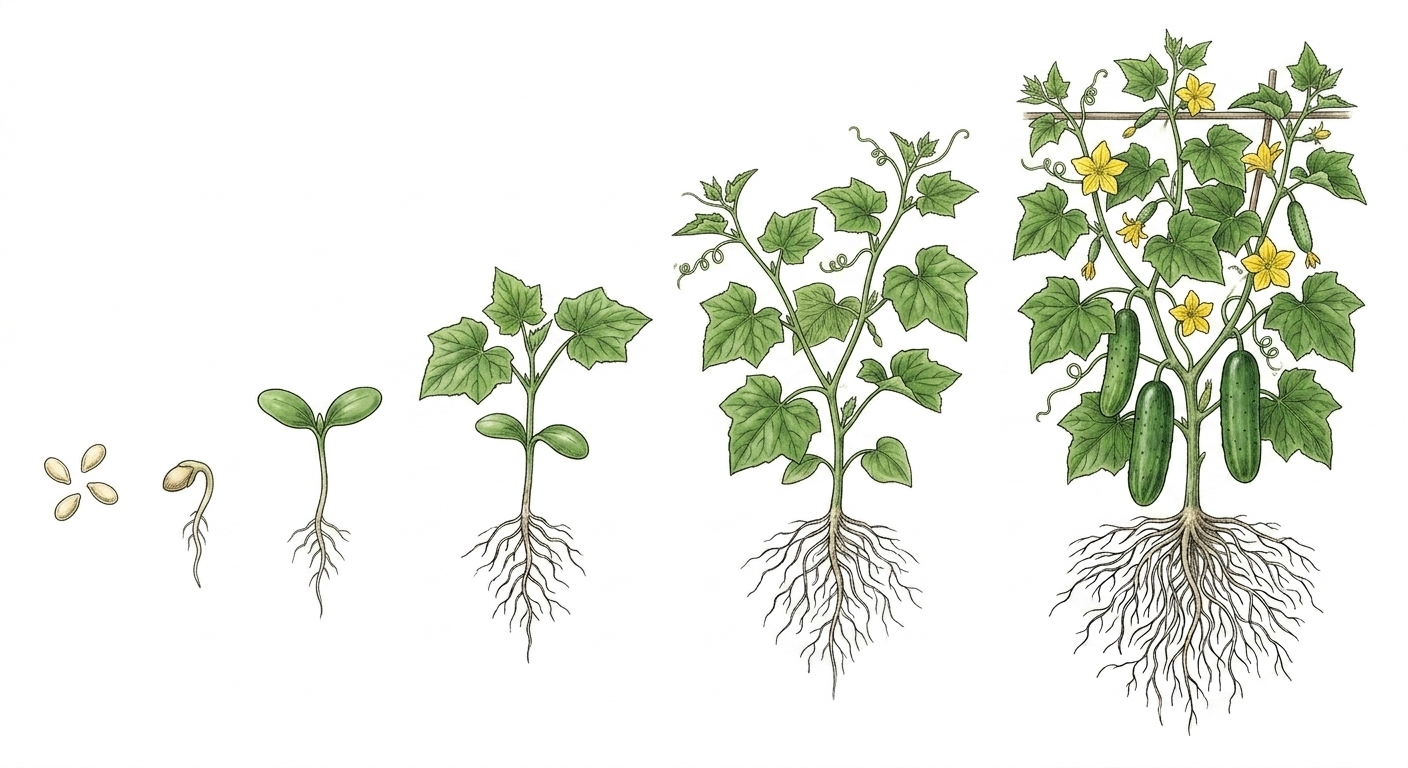
Guide
Growing Cucumbers: Starting, Supports and Harvest
Learn how to grow cucumbers successfully with indoor starting, transplanting, trellises, watering, and regular harvesting.
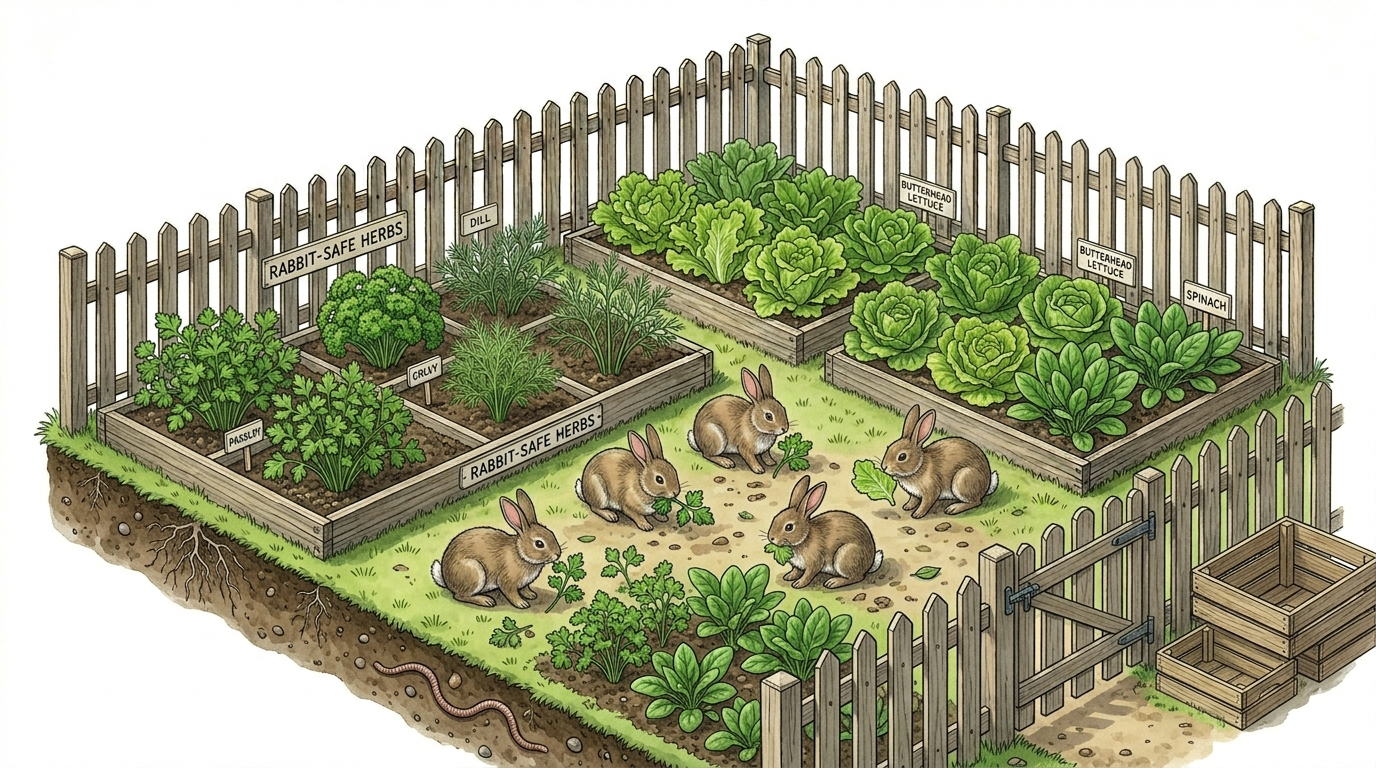
Guide
Rabbits in the Garden: Herbs and Vegetables
Learn how to choose suitable herbs and vegetables for rabbits, grow feeding plants, and plan a rabbit-friendly garden.
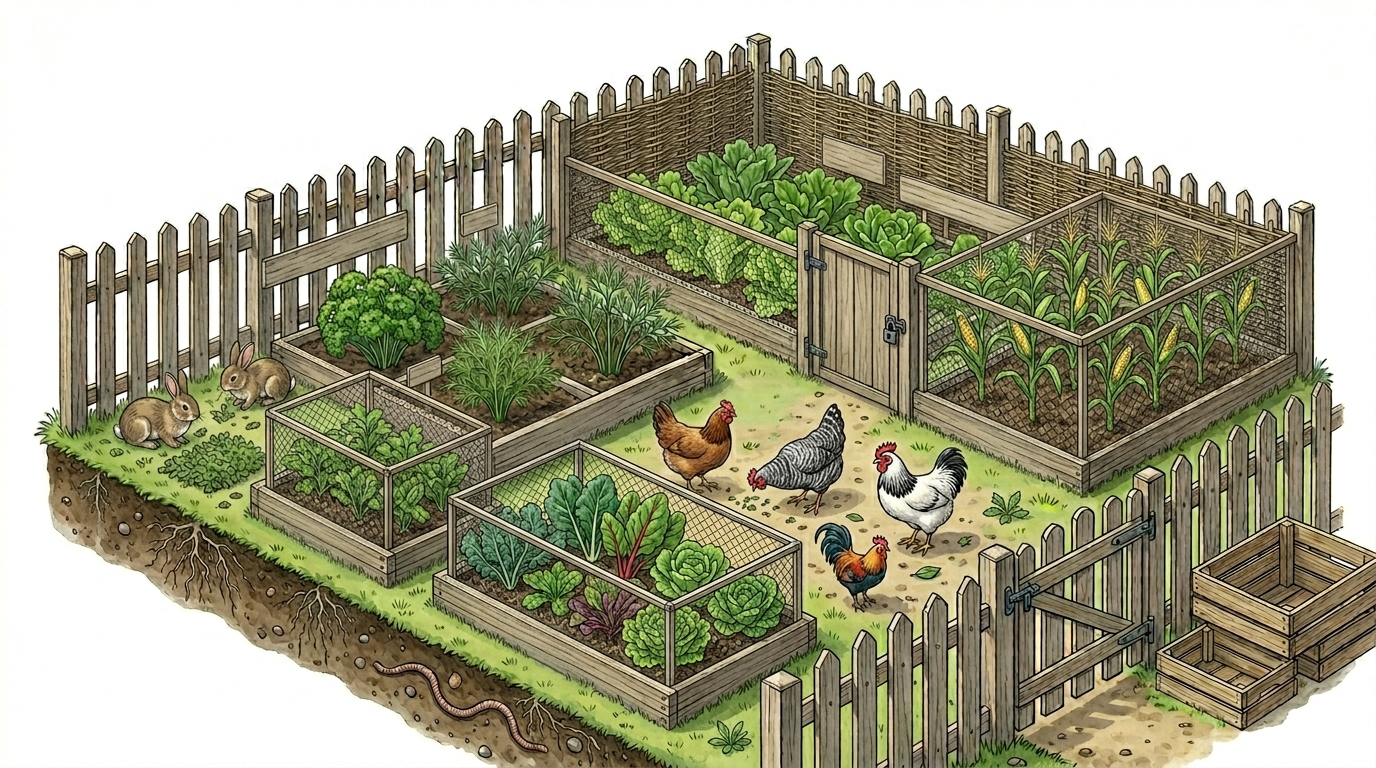
Guide
Chickens in the Garden: Safe Plants and Zones
Learn how to design a chicken-friendly garden with suitable plants, protected beds, and well-planned activity areas.
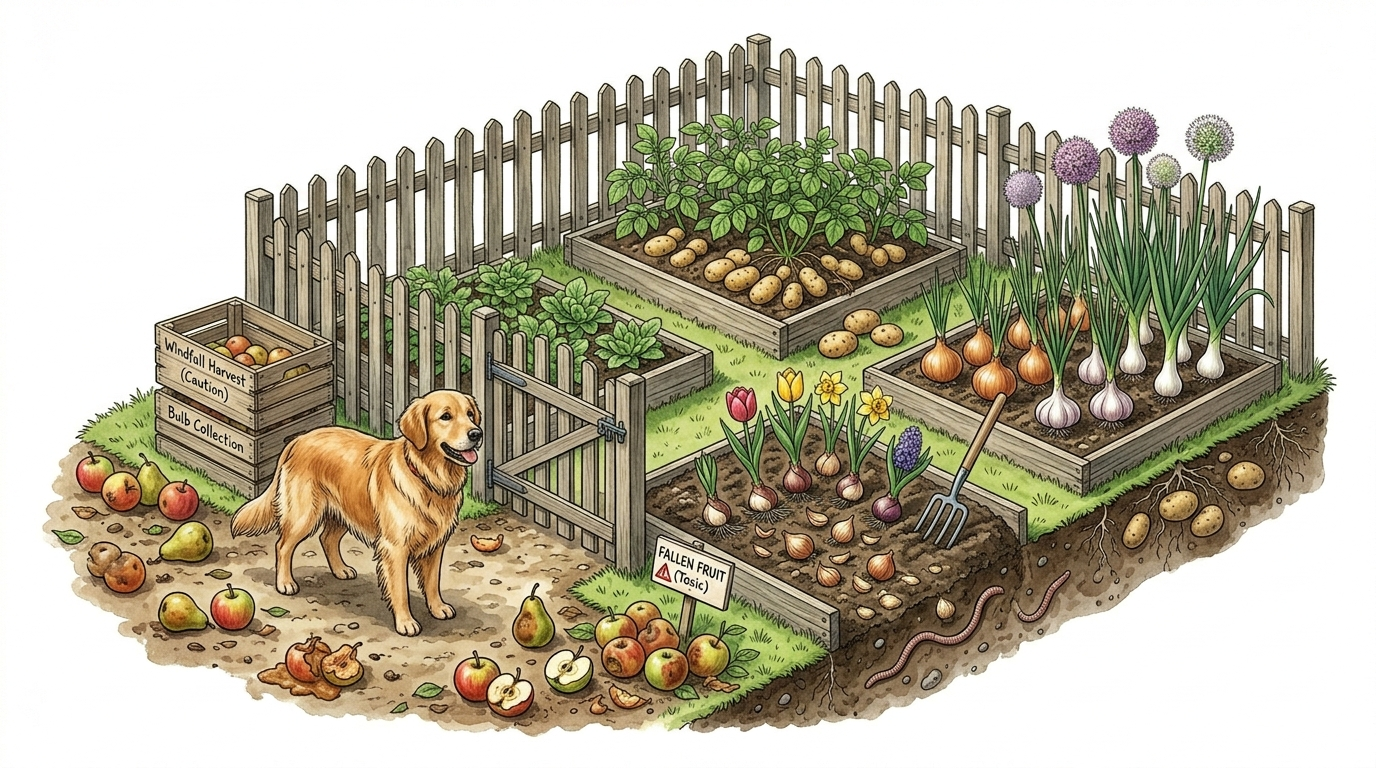
Guide
Dogs in the Garden: Windfall Fruit and Risks
Keep your garden dog-safe by managing windfall fruit, seeds, stored crops, and potentially problematic plant parts.
Internal links
Related plants
Melon
Hokkaido squash
Similar fruit shape, but different stem structure (C. moschata is more angular and flared at the fruit attachment).
Cucumber
Susceptibility to powdery mildew.
Both belong to the gourd family and share similar pests.
Eggplant
Field pumpkin / Zucchini
Same genus, but usually lower heat requirements.
Sweet potato
Similar texture and sweetness in culinary applications.
Sources
Public sources
- Wikidata entity
Wikidata · 2026-05-14
- GBIF species match
GBIF · 2026-05-14
- Deutschsprachige Wikipedia: Moschus-Kürbis
Wikipedia · 2026-05-14
- English Wikipedia: Cucurbita moschata
Wikipedia · 2026-05-14