Plant Profile
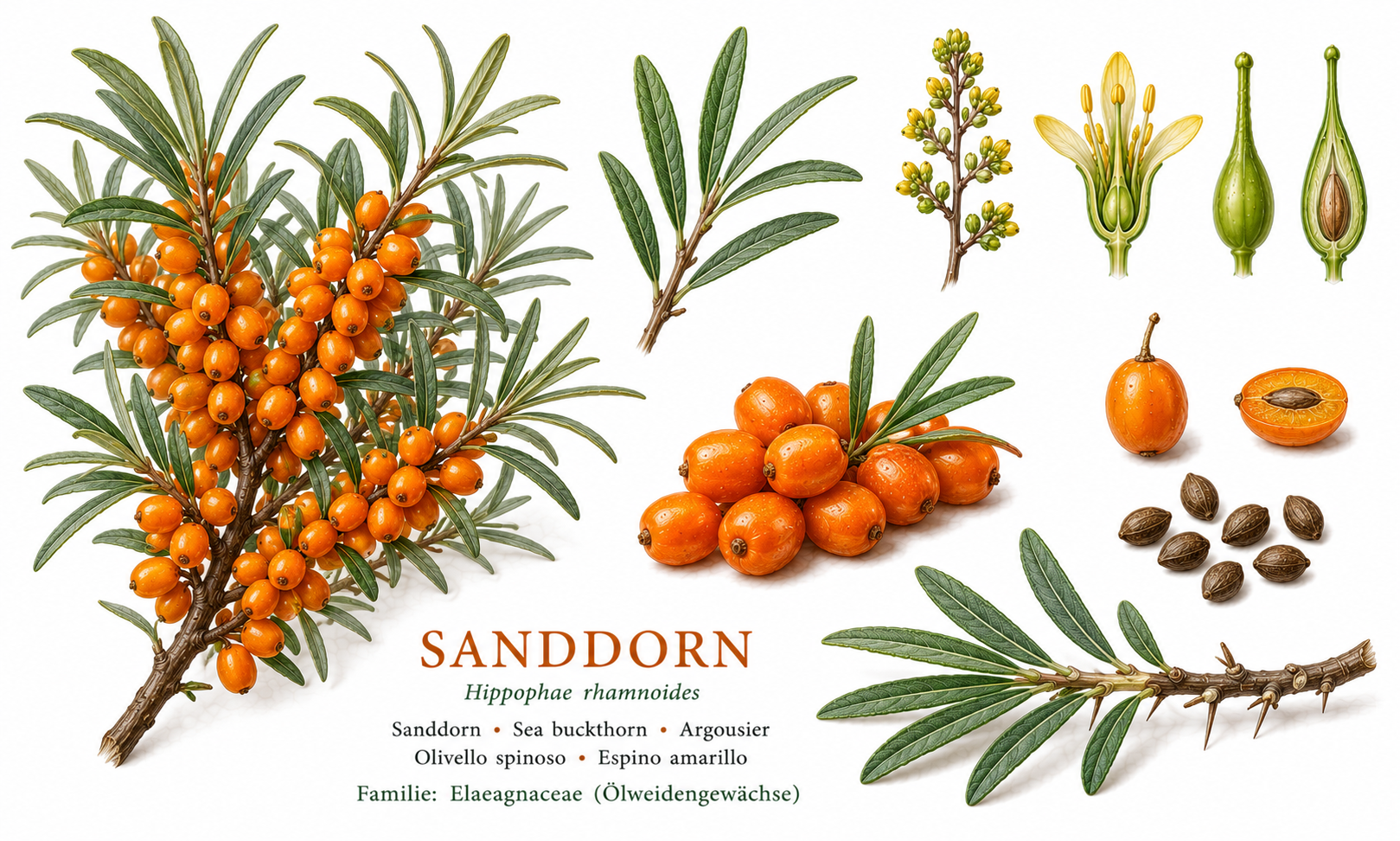
Sea BuckthornHippophae rhamnoides
Robust wild fruit shrub with vitamin-rich, tart berries. Ideal for natural gardens and hedges.
Quick profile
Key data
Suitable growing locations:
Good neighbors
No data
Avoid
No data
Indoor & direct sowing
Sea Buckthorn: Sowing and germination
Sea buckthorn is rarely sown indoors; propagation is usually by direct sowing or cuttings.
Sow in autumn for natural cold stratification over winter, or in early spring after artificial stratification.
Planting & site
Sea Buckthorn: Planting and spacing
Planting of young plants in spring or autumn during dormancy.
Temperature & frost
Sea Buckthorn: Temperature and site
Water & nutrients
Sea Buckthorn: Water, nutrients and care
Container & growth
Sea Buckthorn: Container, support and growth
Year plan
Sea Buckthorn Calendar
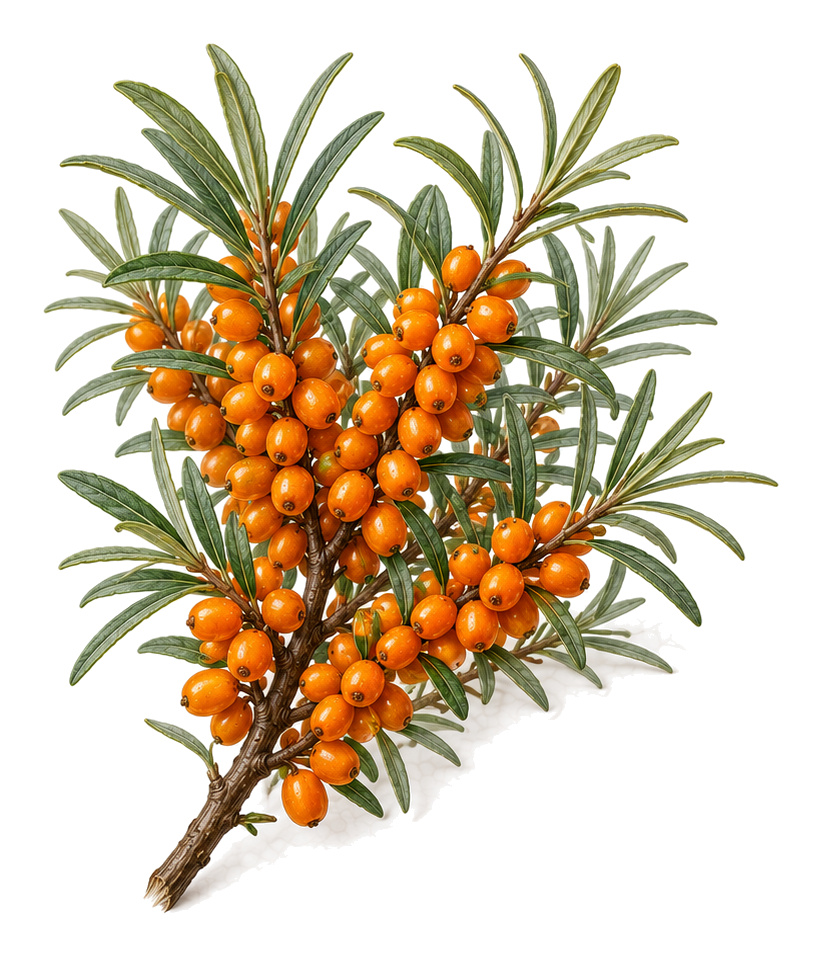
In late summer and autumn, the shrubs glow with their countless berries, offering a spectacular sight.
Recurring tasks
Relevant now
June
- Light Corrective PruningOnly if necessary for shaping or removing damaged branches.
- Light corrective pruning, removal of water shoots or damaged branches.Only if necessary and very moderate, so as not to disturb fruit development. Primarily for shape correction and removal of problematic branches.
Next up
July
- No additional single task
Monthly tasks
Single tasks from monthly data; repeated seasonal windows are shown in the overview above.
January
Quiet month
February
Quiet month
March
Growing
- Soil PreparationEnsure good drainage and loose soil.
April
Quiet month
May
Quiet month
June
Pruning
- Light Corrective PruningOnly if necessary for shaping or removing damaged branches.
- Light corrective pruning, removal of water shoots or damaged branches.Only if necessary and very moderate, so as not to disturb fruit development. Primarily for shape correction and removal of problematic branches.
August
Quiet month
September
Growing
- Soil PreparationEnsure good drainage and loose soil.
October
Quiet month
November
Quiet month
December
Quiet month
Flowering & pollination
Sea Buckthorn Flowering & pollination
Self-fertility
not_self_fertile
Pollinator needed
yes
Overview
Sea buckthorn is wind-pollinated and dioecious. For fruit production, a male plant is required in proximity to female plants.
Notes
One male sea buckthorn plant can pollinate up to 6-10 female plants, depending on wind direction and distance. Pollination occurs exclusively by wind.
Pruning & care
Sea Buckthorn Pruning & care
Pruning type
Thinning and rejuvenation pruning, removal of root suckers.
Pruning timing
Main pruning for thinning and rejuvenation, shaping. The best time is in late winter (January to March) before sap rises, or in late autumn after leaf fall. This minimizes stress on the plant and promotes fruit production in the following year.
Light corrective pruning, removal of water shoots or damaged branches. Only if necessary and very moderate, so as not to disturb fruit development. Primarily for shape correction and removal of problematic branches.
Remove
Preserve
Avoid
Tools and hygiene
Use sharp, clean tools to prevent diseases and ensure smooth cuts. Disinfect tools between plants, especially if disease is suspected.
Use & storage
Sea Buckthorn Use & storage
Berries ripen from late summer to autumn and can be harvested once fully colored.
Storage
Fresh, refrigerated, frozen, processed
Storage life
Fresh: a few days in the refrigerator. Frozen: up to 12 months. Processed: several months to years depending on product and storage.
Flavor
Intensely tart, fruity, slightly astringent.
Harvest
Berries ripen from late summer to autumn and can be harvested once fully colored.
Culinary uses
Processing
After harvest
After harvest, berries should be processed or frozen quickly to preserve their high vitamin C content. If harvesting by cutting entire branches, these are frozen directly and the berries are removed later.
Notes
Due to their very high acidity, sea buckthorn berries are rarely eaten raw, but usually processed sweetened or combined with other fruits.
Edibility & safety
Sea Buckthorn Edibility & safety
For people
In brief: which parts are edible, which parts remain risky, and whether raw consumption makes sense.
Safety notes
No known toxic effects of the edible parts.
Animal safety
For many animals, this plant is generally low-risk: 14 animal types are rated suitable or mostly suitable. Quantity, plant part, and individual tolerance still matter.
Each row shows which parts are more suitable and which parts are critical.
Companion animals
 Dog
DogFruits (berries)
No risk parts listed
Fruits (berries)
No risk parts listed
Extremely tart taste may cause stomach irritation, High vitamin C content may cause diarrhea with excessive consumption
Gastrointestinal upset with excessive consumption
observe
The edible berries of sea buckthorn are suitable for dogs in small amounts as a treat, but may cause gastrointestinal upset due to the tart taste and high vitamin C content if consumed excessively. Thorns are not toxic but physically hazardous and should be removed. No known toxic compounds in the edible parts. Processing reduces acidity and improves tolerance.
Open animal page Cat
CatFruits (berries)
No risk parts listed
Fruits (berries)
No risk parts listed
Extremely tart taste may cause gastric irritation
Gastrointestinal upset with excessive consumption
observe
The edible berries of sea buckthorn are suitable for cats in small amounts as an occasional treat, but contain high levels of vitamin C and acid that may cause gastrointestinal upset if consumed excessively. The plant contains no known toxic compounds for cats. Thorns pose a mechanical hazard but no toxic risk.
Open animal page Rabbit
Fruits (berries)
No risk parts listed
Fruits (berries)
No risk parts listed
Extremely high acidity may irritate stomach
Gastrointestinal upset with overconsumption
observe
Edible berries are suitable for rabbits in small amounts as an occasional treat, but due to the very tart taste should only be fed infrequently. Overconsumption may lead to gastrointestinal upset. Other plant parts such as leaves and twigs are not recommended due to lack of data. Thorns pose an injury risk and should be removed.
Open animal page Guinea pig
Fruits (berries)
No risk parts listed
Fruits (berries)
No risk parts listed
Extremely high vitamin C content may cause diarrhea with excessive consumption, Acidity may irritate sensitive stomachs
Gastrointestinal upset with overconsumption
observe
The edible berries of sea buckthorn are suitable for guinea pigs in small amounts as an occasional treat due to their high vitamin C content. However, due to the high acidity and vitamin C content, feeding should be limited to occasional small amounts to avoid gastrointestinal upset. Other plant parts such as leaves and stems are not recommended due to insufficient species-specific safety data.
Open animal page Hamster
Fruits (berries)
No risk parts listed
Fruits (berries)
No risk parts listed
observe
No reliable species-specific assessment is available. Cautious classification based on general knowledge of fruit feeding in rodents and high acidity.
Open animal page Budgie
Fruits (berries)
No risk parts listed
Fruits (berries)
No risk parts listed
Extremely tart taste may cause gastric irritation if overconsumed
Gastrointestinal upset if overfed
observe
The edible berries of sea buckthorn are suitable for budgies in small amounts as an occasional treat, being rich in vitamin C and antioxidants. However, due to the very tart taste and high acidity, feeding should be limited to very small quantities to avoid gastrointestinal upset. Thorns and other plant parts should not be fed. No known toxic compounds in the edible parts. If signs of discomfort occur after…
Open animal pageFarm animals
 Horse
HorseFruits (berries)
No risk parts listed
Fruits (berries)
No risk parts listed
Extremely tart taste may cause stomach irritation in large amounts, High vitamin C content may cause intolerance in sensitive animals
Gastrointestinal upset with overconsumption
observe
The edible berries of sea buckthorn are suitable for horses in small amounts as an occasional treat, but contain high levels of vitamin C and acidity that can cause gastrointestinal upset if overconsumed. Thorns are not toxic but physically hazardous and should be removed. No known toxic compounds in the edible parts. Processed forms (juice, pureed) are better tolerated than raw due to the tart taste. Long-term…
Open animal page Chicken
Fruits (berries)
No risk parts listed
Fruits (berries)
No risk parts listed
Extremely high acidity may cause gastric irritation
Gastrointestinal upset with excessive consumption
observe
The edible berries of sea buckthorn are suitable for chickens in small amounts as an occasional treat due to their high vitamin C content. However, due to the very tart taste and potential for gastric irritation, feeding should be limited to occasional small amounts. Other plant parts such as leaves and twigs are not recommended due to insufficient species-specific data and the possible presence of tannins. The…
Open animal page Duck
DuckFruits (berries)
No risk parts listed
Fruits (berries)
No risk parts listed
Extremely high acidity may cause gastric irritation
Gastrointestinal upset with excessive consumption
observe
No direct species-specific source was found for ducks. This is a cautious inference from the geese profile and the known plant-part risks.
Open animal page Goose
GooseFruits (berries)
No risk parts listed
Fruits (berries)
No risk parts listed
Extremely high acidity may cause gastric irritation
Gastrointestinal upset with excessive consumption
observe
No direct species-specific source was found for geese. This is a cautious inference from the chickens profile and the known plant-part risks.
Open animal page Sheep
SheepFruits (berries)
No risk parts listed
Fruits (berries)
No risk parts listed
Overconsumption may cause stomach irritation, Thorns can cause physical injury
Gastrointestinal upset from overconsumption due to high acidity
observe
The edible berries of sea buckthorn are suitable for sheep in small amounts as an occasional treat, but contain high levels of vitamin C and acidity that can cause gastrointestinal upset if overconsumed. Thorns should be removed to prevent physical injury. No known toxic compounds in the edible parts. Not suitable as a primary feed due to acidic taste and low dry matter content.
Open animal page Goat
GoatFruits (berries)
No risk parts listed
Fruits (berries)
No risk parts listed
Due to high acid content, excessive consumption may cause gastrointestinal upset.
observe
The edible fruits of sea buckthorn are safe in moderation and nutritious for goats. Other plant parts like leaves and twigs are not routinely consumed and are outside the usual feed context. Thorns make access difficult but are not classified as toxic.
Open animal page Cattle
Fruits (berries)
No risk parts listed
Fruits (berries)
No risk parts listed
Overconsumption may cause gastrointestinal upset due to high vitamin C content.
observe
Sea buckthorn berries are generally safe and nutritious for cattle, but should only be fed in moderation due to their high acidity and vitamin C content. Thorns are not toxic but are physically obstructive during harvesting.
Open animal page Pig
PigFruits (berries)
No risk parts listed
Fruits (berries)
No risk parts listed
observe
No reliable species-specific assessment is available. Cautious classification based on general knowledge of fruit feeding in omnivores and high acidity.
Open animal pageThese guidelines are for general information only and do not replace veterinary diagnosis. If critical plant parts were ingested or the animal shows unusual behaviour or symptoms, seek veterinary advice.
Max risk
unknown
Highest status
moderation only
Urgency
observe
Saving seed
Sea Buckthorn Saving seed
Seed viability
2 - 4 years
Method
Collect ripe berries, remove pulp by crushing and washing. Thoroughly dry the seeds and store them in a cool, dark, and dry place.
Notes
Sea buckthorn seeds require cold stratification for germination. As sea buckthorn is dioecious and often propagated vegetatively, seed saving for true-to-type offspring is more complex.
Practical tips
Sea Buckthorn Practical tips
Common beginner mistakes
Success pattern
High-impact tips
Grower observations
Plant Profile
Additional plant images
Health
Pests, Diseases
Pests
Sea Buckthorn Fly
Larvae of the sea buckthorn fly feed inside the fruits, leading to rot and crop loss. Recognizable by small puncture marks on the berries and premature fruit drop.
Aphids
Aphids suck sap from young shoots and leaves, which can lead to deformations and stunted growth. Heavy infestations excrete honeydew, attracting sooty mold.
Diseases
Powdery Mildew
A white, powdery coating on leaves and young shoots, which can inhibit growth and impair photosynthesis in severe cases.
Verticillium Wilt
A fungal disease that clogs the plant's vascular system, leading to wilting and dieback of shoots or entire plants.
Deficiencies
Iron Deficiency (Chlorosis)
Yellowing of young leaves between the veins, while the veins remain green. Often occurs on very calcareous or compacted soils that hinder iron uptake.
Plant health
Diagnosis help
Sea Buckthorn Diagnosis help
Pest groups
Disease groups
Fungal diseases (Powdery Mildew, Wilt)
Prevention
Diagnosis
Look for wilting (often a sign of waterlogging or Verticillium wilt), leaf discolorations (deficiencies), and specific feeding marks or puncture wounds on fruits (sea buckthorn fly). Sea buckthorn is generally very resilient, so problems are often due to unfavorable site conditions.
Cultural prevention
Monitoring
First response
Diagnostic rules
Wilting leaves or shoots, often one-sided
Possible causes: Waterlogging, Verticillium wilt
- Check soil moisture (too wet?)
- Check roots for rot
- Cut shoots (discoloration in wood?)
Yellow leaves with green veins (especially young leaves)
Possible causes: Iron deficiency
- Check soil pH
- Check soil for compaction
Small puncture marks and rotten spots on fruits, premature fruit drop
Possible causes: Sanddornfliege
- Check fruits for larvae
- Set up yellow sticky traps
White, powdery coating on leaves and shoots
Possible causes: Powdery mildew
- Check air circulation
- Check plant for over-fertilization
FAQ
Do I need male and female sea buckthorn plants?
Yes, sea buckthorn is dioecious, meaning male and female flowers are on separate plants. For fruit production, a male plant in proximity to female plants is essential.
When is the best time to harvest sea buckthorn?
The harvest season for sea buckthorn typically runs from August to October, when the berries are fully colored and plump.
What's the best way to harvest sea buckthorn, given the thorns?
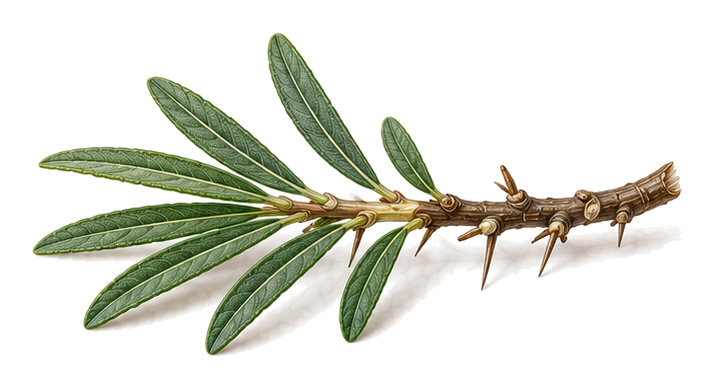
Due to the thorns and tightly attached berries, the easiest method is to cut entire fruit-laden branches and freeze them. After freezing, the berries can be easily shaken or stripped from the branches.
Is sea buckthorn easy to care for?
Yes, established sea buckthorn plants are very robust, drought-tolerant, and require little care, as long as they have a sunny location with well-drained soil and waterlogging is avoided.
Is Sea Buckthorn safe for Dog?
Sea Buckthorn is classified as moderation only for Dog. Risk: unknown. Urgency: observe. The edible berries of sea buckthorn are suitable for dogs in small amounts as a treat, but may cause gastrointestinal upset due to the tart taste and high vitamin C content if consumed excessively. Thorns are not toxic but physically hazardous and should be removed. No known toxic compounds in the edible parts. Processing reduces acidity and improves tolerance.
Is Sea Buckthorn safe for Cat?
Sea Buckthorn is classified as moderation only for Cat. Risk: unknown. Urgency: observe. The edible berries of sea buckthorn are suitable for cats in small amounts as an occasional treat, but contain high levels of vitamin C and acid that may cause gastrointestinal upset if consumed excessively. The plant contains no known toxic compounds for cats. Thorns pose a mechanical hazard but no toxic risk.
Is Sea Buckthorn safe for Rabbit?
Sea Buckthorn is classified as moderation only for Rabbit. Risk: unknown. Urgency: observe. Edible berries are suitable for rabbits in small amounts as an occasional treat, but due to the very tart taste should only be fed infrequently. Overconsumption may lead to gastrointestinal upset. Other plant parts such as leaves and twigs are not recommended due to lack of data. Thorns pose an injury risk and should be removed.
Is Sea Buckthorn safe for Guinea pig?
Sea Buckthorn is classified as moderation only for Guinea pig. Risk: unknown. Urgency: observe. The edible berries of sea buckthorn are suitable for guinea pigs in small amounts as an occasional treat due to their high vitamin C content. However, due to the high acidity and vitamin C content, feeding should be limited to occasional small amounts to avoid gastrointestinal upset. Other plant parts such as leaves and stems are not recommended due to insufficient species-specific safety data.
Guides
Related guides
Guide
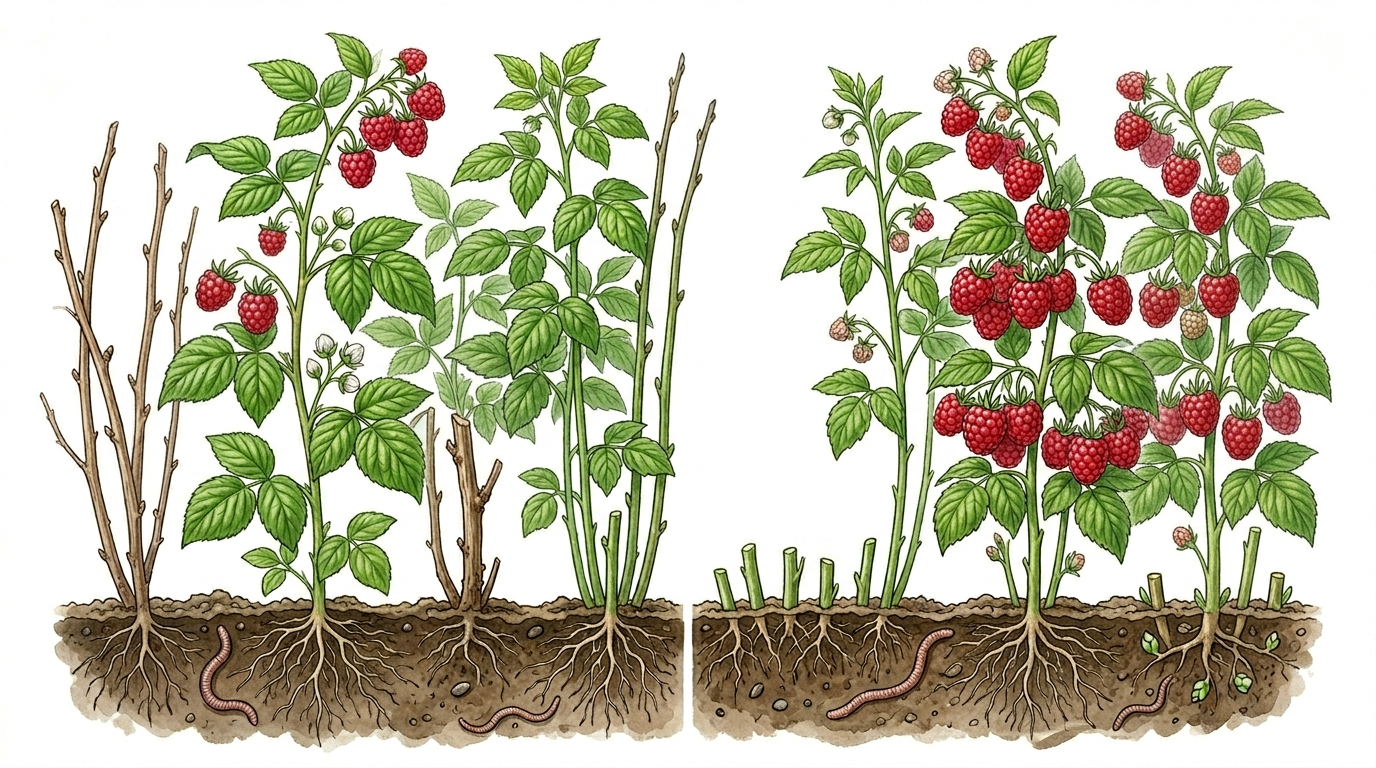
Pruning Raspberries: Summer and Autumn Types
Learn how to prune raspberries correctly by understanding the differences between summer-bearing and autumn-bearing types.
Guide
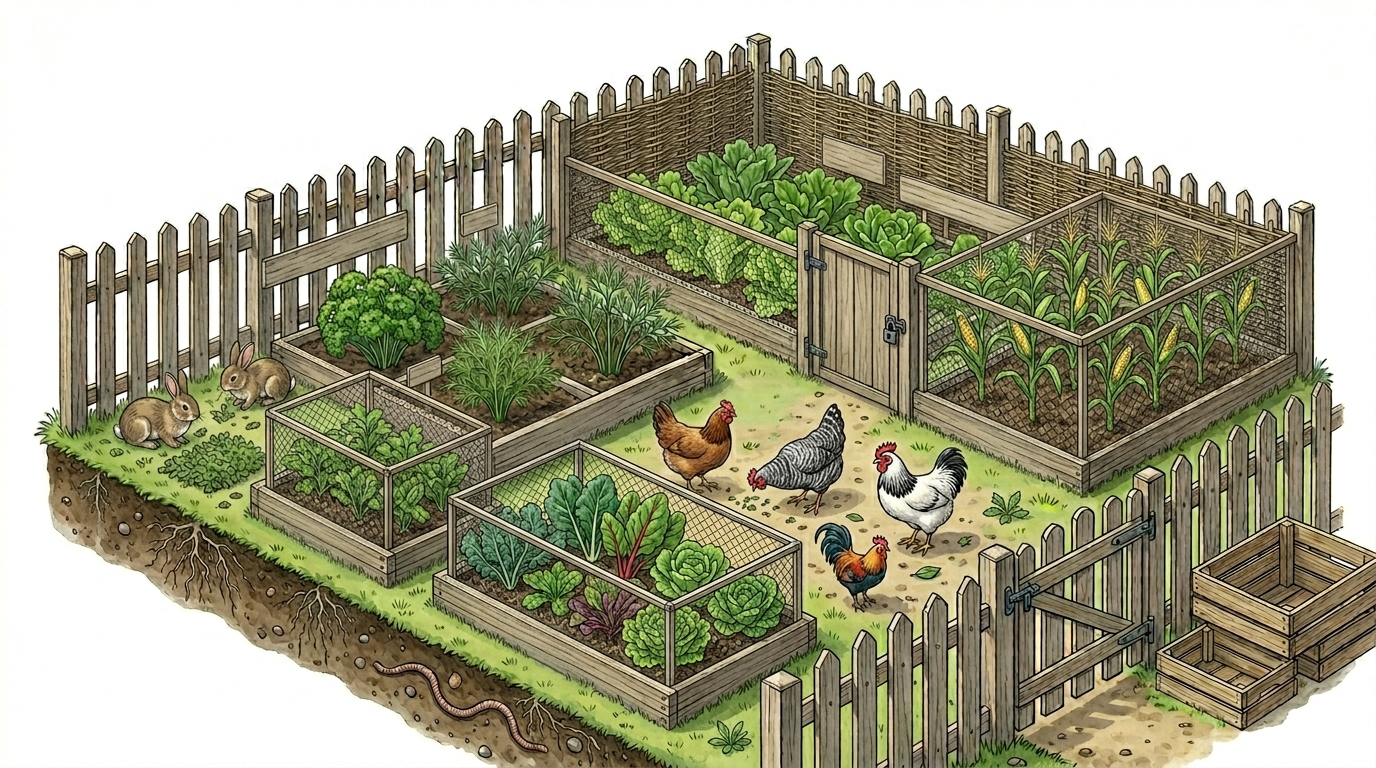
Chickens in the Garden: Safe Plants and Zones
Learn how to design a chicken-friendly garden with suitable plants, protected beds, and well-planned activity areas.
Guide
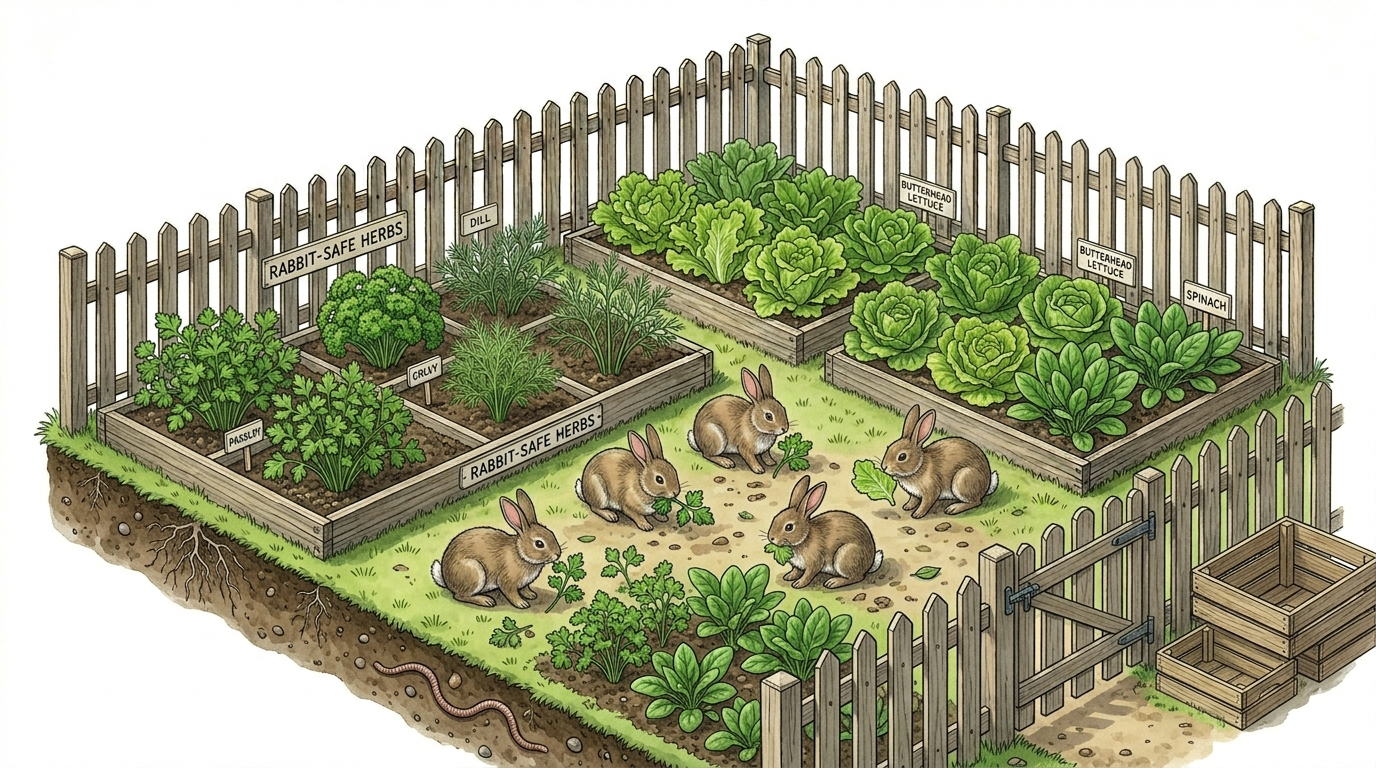
Rabbits in the Garden: Herbs and Vegetables
Learn how to choose suitable herbs and vegetables for rabbits, grow feeding plants, and plan a rabbit-friendly garden.
Guide
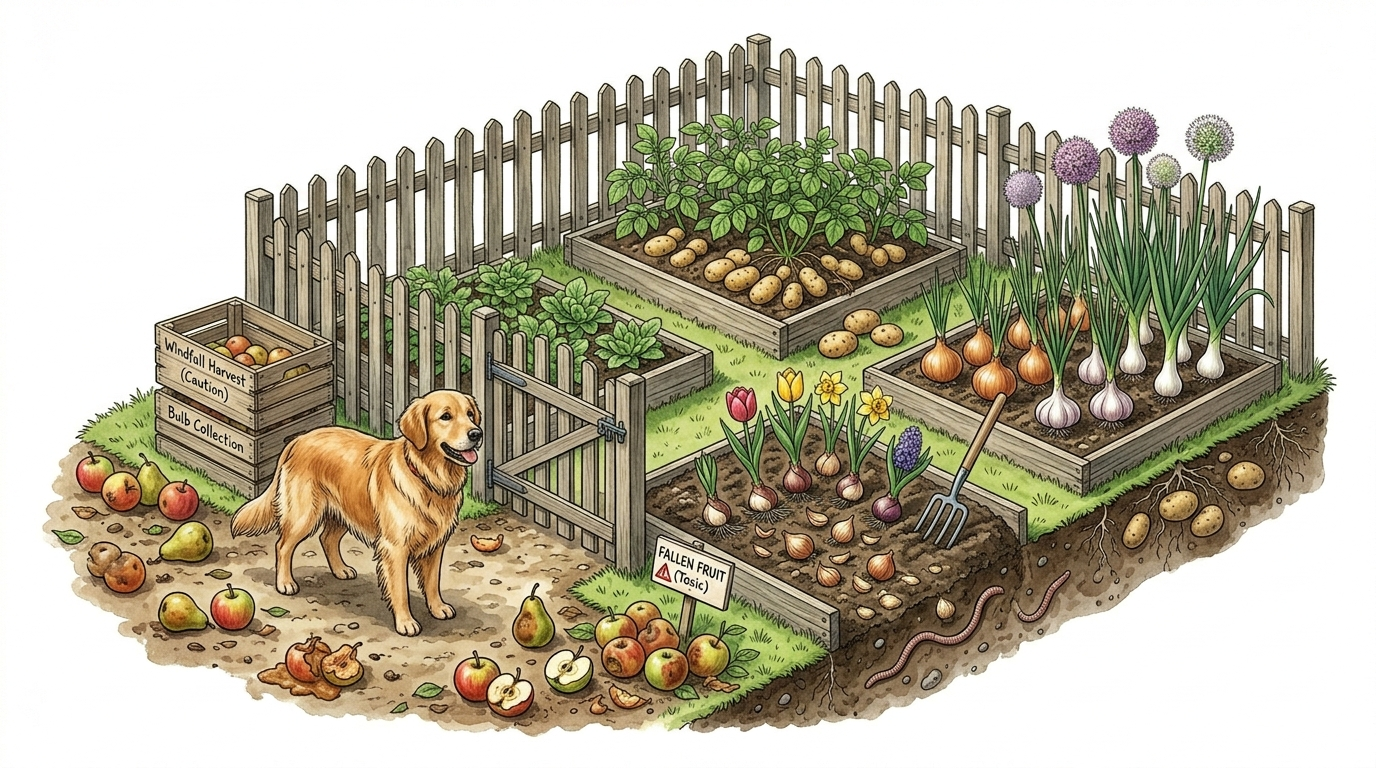
Dogs in the Garden: Windfall Fruit and Risks
Keep your garden dog-safe by managing windfall fruit, seeds, stored crops, and potentially problematic plant parts.
Internal links
Related plants
Elaeagnus
Belongs to the Oleaster family (Elaeagnaceae).
Belongs to the same family (Elaeagnaceae) and is also a nitrogen fixer.
Ribes
Both are berry shrubs and belong to the shrub fruit group.
Another berry shrub with similar cultivation goals.
Raspberry
Both are berry shrubs and belong to the shrub fruit group.
Another berry shrub with similar cultivation goals.
Powdery Mildew
A common fungal disease that affects other plants as well.
Verticillium Wilt
A soil-borne fungal disease that can affect many woody plants.
Clover
Both are nitrogen fixers and require little additional nitrogen fertilization.
Lavandula
Both are drought-tolerant once established.
Rosehip
Vitamin-rich wild fruit, often processed into juice or jam.
Blackthorn
Thorny wild shrub with edible fruits, good for hedges and natural gardens.
Sources
Public sources
- Wikidata entity
Wikidata · 2026-05-15
- GBIF species match
GBIF · 2026-05-15
- Deutschsprachige Wikipedia: Sanddorn
Wikipedia · 2026-05-15
- English Wikipedia: Sea buckthorn
Wikipedia · 2026-05-15