Plant Profile
SaturejaSatureja
Satureja is a popular culinary herb with a spicy, slightly peppery flavor. It is known for its digestive properties and is traditionally served with hearty dishes and legumes. The plant is easy to care for and grows well in both beds and pots.
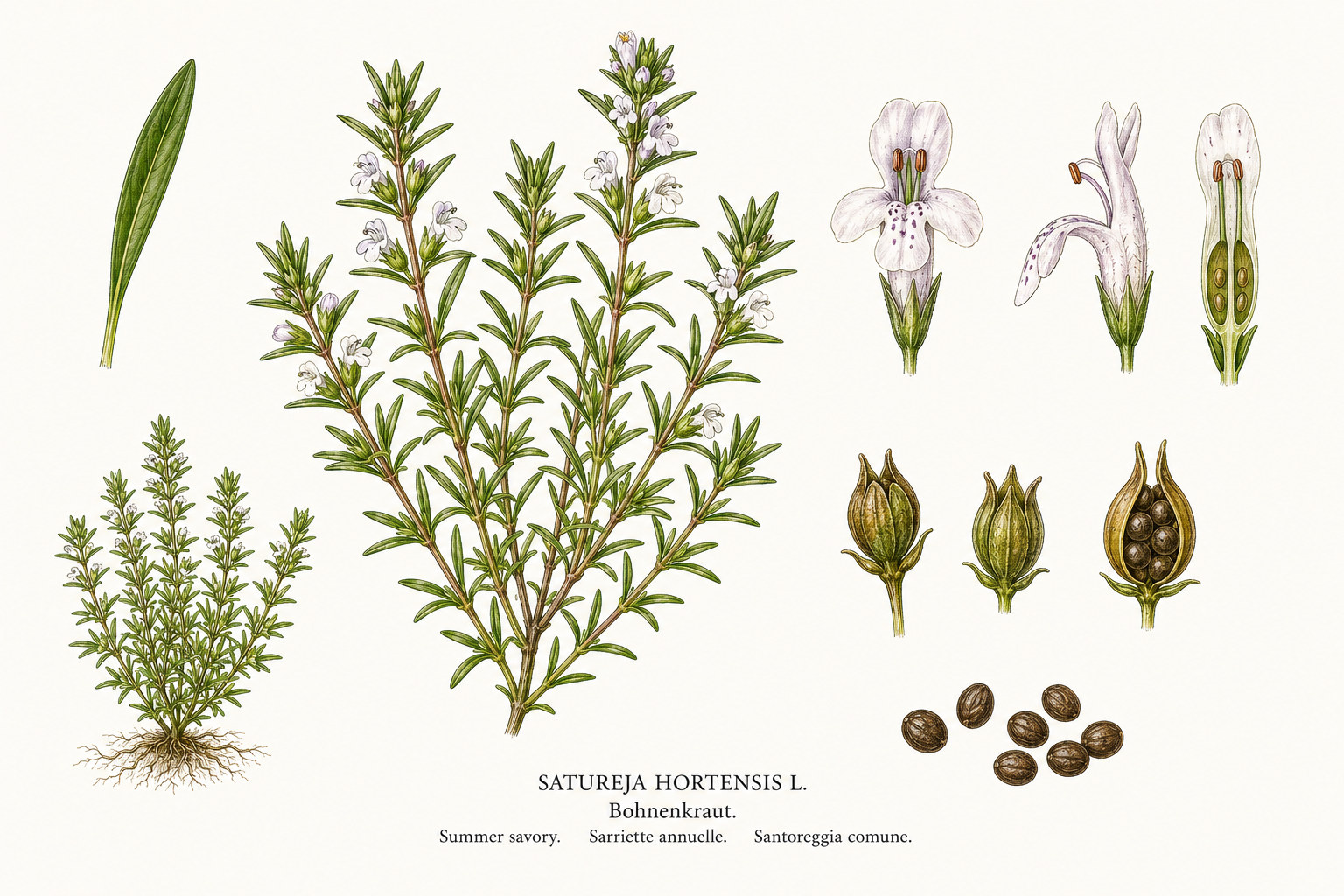
Quick profile
Key data
Suitable growing locations:
Good neighbors
BeanCabbageRadishcommon sage
Indoor & direct sowing
Satureja: Sowing and germination
Satureja is usually sown directly into the open ground.
Direct sowing into the open ground as soon as the risk of frost has passed and the soil has warmed up.
Planting & site
Satureja: Planting and spacing
As Satureja is usually sown directly, transplanting seedlings is generally not necessary.
Site & practical notes
Satureja is robust and easy to care for. Ensure good drainage to prevent root rot. Regular harvesting promotes bushy growth and prevents premature flowering. Harvest before flowering for the most intense aroma.
Temperature & frost
Satureja: Temperature and site
Water & nutrients
Satureja: Water, nutrients and care
Container & growth
Satureja: Container, support and growth
Year plan
Satureja Calendar
Satureja unfolds its full aroma in summer; harvesting just before flowering yields the most abundant crop.
Recurring tasks
Relevant now
June
- First harvestPlants are established and have sufficient foliage.: Harvest the top shoot tips to encourage branching.
Next up
July
- Regular harvestingPlants are actively growing.: Regular harvesting promotes bushy growth and prevents premature flowering.
Monthly tasks
Single tasks from monthly data; repeated seasonal windows are shown in the overview above.
January
Quiet month
February
Quiet month
March
Quiet month
April
Direct sowing
- Sow outdoorsSoil temperature at least 10°C, no frost risk.: Sow seeds in well-draining soil. Keep the soil moist.
May
Direct sowing
- Sow outdoorsSoil temperature at least 10°C, no frost risk.: Resow if needed for a longer harvest period.
June
Harvest
- First harvestPlants are established and have sufficient foliage.: Harvest the top shoot tips to encourage branching.
August
Harvest
- Continuous harvestingPlants are actively growing.: Harvest as needed for fresh use.
September
Harvest
- Harvest for preservationBefore flowering or before heavy frost.: Harvest generously for drying or freezing before the plant becomes woody.
October
Harvest
- Final harvestBefore the first hard frost.: Harvest all remaining shoots before the first hard frost.
Pruning
- Final harvest before winterBefore the first hard frost, shoots can be harvested again for preservation.
November
Quiet month
December
Quiet month
Flowering & pollination
Satureja Flowering & pollination
Self-fertility
high
Pollinator needed
no
Overview
Satureja is primarily self-pollinating but is also visited by insects, which can promote genetic diversity.
Notes
Although self-pollination is dominant, the flowers attract bees and other pollinators, which can be beneficial for seed production.
Pruning & care
Satureja Pruning & care
Pruning type
renewal_pruning_light
Pruning timing
Removal of dead plant parts and thinning As soon as new shoots become visible, old, dead stems can be cut close to the ground.
Harvesting and promoting bushy growth Regular harvesting of shoot tips encourages branching and prevents premature flowering, which improves aroma.
Final harvest before winter Before the first hard frost, shoots can be harvested again for preservation.
Remove
Preserve
Avoid
Tools and hygiene
Use sharp and clean tools to ensure clean cuts and prevent disease transmission.
Companion guide
Satureja Companion guide
Good neighbors
BeanCabbageRadishcommon sageThymus
Use & storage
Satureja Use & storage
Harvest leaves and stems as needed, preferably before flowering for the most intense aroma. Multiple cuts are possible.
Storage
Herbs, Seeds
Storage life
Dried herbs: 1-2 years. Seeds: 2-3 years.
Harvest
Harvest leaves and stems as needed, preferably before flowering for the most intense aroma. Multiple cuts are possible.
Processing
After harvest
Use fresh leaves and stems immediately or dry/freeze. Allow seeds to dry completely.
Edibility & safety
Satureja Edibility & safety
For people
In brief: which parts are edible, which parts remain risky, and whether raw consumption makes sense.
Safety notes
Satureja is considered non-toxic and safe for consumption in normal culinary amounts. In very high consumption, essential oils could theoretically have an irritant effect.
Animal safety
For many animals, this plant is generally low-risk: 14 animal types are rated suitable or mostly suitable. Quantity, plant part, and individual tolerance still matter.
Each row shows which parts are more suitable and which parts are critical.
Companion animals
 Dog
DogLeaves, Young shoots
No risk parts listed
Leaves, Young shoots
No risk parts listed
Excessive consumption
Gastrointestinal upset (with excessive consumption)
observe
Satureja is generally safe for dogs when consumed in normal amounts. Excessive consumption may lead to mild gastrointestinal upset. The essential oils could potentially be irritating in very large quantities, but this is unlikely in dogs.
Open animal page Cat
CatLeaves, Young shoots
No risk parts listed
Leaves, Young shoots
No risk parts listed
Very high consumption
Gastrointestinal upset (with very high consumption)
observe
Satureja is generally safe for cats when consumed in small amounts. Very high quantities may cause mild gastrointestinal upset.
Open animal page Rabbit
Leaves, Young shoots
Roots, Woody stems (raw)
Leaves, Young shoots
Roots, Woody stems (raw)
Excessive consumption, Consumption of roots or woody stems
Gastrointestinal upset (with excessive consumption)
usually no action needed
Satureja is generally safe for rabbits when fed in small amounts as a treat or supplement. Large quantities or consumption of roots and woody stems may cause gastrointestinal upset.
Open animal page Guinea pig
Young leaves, Young shoots
No risk parts listed
Young leaves, Young shoots
No risk parts listed
Excessive consumption
Gastrointestinal upset (with excessive consumption)
observe
Savoury is safe for guinea pigs in normal amounts. Excessive consumption may lead to mild gastrointestinal upset. The essential oils are potentially irritating in very high concentrations.
Open animal page Hamster
Young leaves, Young shoots
No risk parts listed
Young leaves, Young shoots
No risk parts listed
Excessive consumption
Gastrointestinal upset (with excessive consumption)
observe
Savoury is suitable as a treat for hamsters in small quantities. Large amounts may cause gastrointestinal upset due to essential oils. No specific toxic compounds known for hamsters.
Open animal page Budgie
Leaves, Young shoots
No risk parts listed
Leaves, Young shoots
No risk parts listed
Excessive consumption
Gastrointestinal upset (with very high consumption)
usually no action needed
Savoury is likely safe for budgies in normal amounts. Large quantities may cause mild gastrointestinal upset due to essential oils. It is used as a culinary herb, not a primary food source.
Open animal pageFarm animals
 Horse
HorseLeaves, Young shoots
No risk parts listed
Leaves, Young shoots
No risk parts listed
Excessive consumption
Gastrointestinal upset (with very high consumption)
usually no action needed
Satureja is generally safe for horses when fed in moderation. Large quantities could theoretically cause mild gastrointestinal upset, but there are no reports of severe poisoning.
Open animal page Chicken
Leaves, Young shoots
No risk parts listed
Leaves, Young shoots
No risk parts listed
Excessive consumption
Gastrointestinal upset (with very high consumption)
observe
Satureja is generally safe for chickens when fed in moderation. Large quantities may cause mild gastrointestinal upset due to essential oils. Leaves and young shoots are the safest parts.
Open animal page Duck
DuckLeaves, Young shoots
No risk parts listed
Leaves, Young shoots
No risk parts listed
Overconsumption
Gastrointestinal upset (in very high consumption)
usually no action needed
Satureja is generally safe for ducks, especially the young leaves and shoots. Excessive consumption may lead to mild gastrointestinal upset. The essential oils are not a concern in normal amounts.
Open animal page Goose
GooseYoung leaves, Young shoots
Roots, Woody stems (raw)
Young leaves, Young shoots
Roots, Woody stems (raw)
Excessive consumption, Consumption of roots or woody stems
Gastrointestinal upset (with excessive consumption)
observe
Savoury is generally safe for geese when young leaves and shoots are fed in moderation. Excessive consumption or consumption of roots/woody stems may cause mild gastrointestinal upset. No specific toxic effects on geese are known.
Open animal page Sheep
SheepYoung leaves, Young shoots
Roots, Woody stems (raw)
Young leaves, Young shoots
Roots, Woody stems (raw)
Excessive consumption of fresh plant material, Consumption of roots or woody stems
Gastrointestinal upset (with excessive consumption)
observe
Savoury is generally considered safe for sheep in normal amounts, particularly young leaves and shoots. Excessive consumption may lead to mild gastrointestinal upset. Roots and woody stems should be avoided.
Open animal page Goat
GoatLeaves, Young shoots
Roots, Woody stems (raw)
Leaves, Young shoots
Roots, Woody stems (raw)
 Cattle
Young leaves, Young shoots
Roots, Woody stems (raw)
Young leaves, Young shoots
Roots, Woody stems (raw)
Excessive consumption of fresh plant material, Consumption of roots or woody stems
Gastrointestinal upset (with excessive consumption)
observe
No direct species-specific source was found for cattle. This is a cautious inference from the sheep profile and the known plant-part risks.
Open animal page Pig
PigLeaves, Young shoots
Roots, Woody stems (raw)
Leaves, Young shoots
Roots, Woody stems (raw)
High consumption
Nausea, Vomiting, Gastrointestinal upset
contact a vet if symptoms appear
Satureja can be used as feed for pigs in normal culinary amounts. However, it is essential to use only the safe plant parts and monitor consumption.
Open animal pageThese guidelines are for general information only and do not replace veterinary diagnosis. If critical plant parts were ingested or the animal shows unusual behaviour or symptoms, seek veterinary advice.
Max risk
unknown
Highest status
moderation only
Urgency
contact a vet if symptoms appear
Saving seed
Satureja Saving seed
Seed viability
2 - 3 years
Practical tips
Satureja Practical tips
Common beginner mistakes
Success pattern
High-impact tips
Grower observations
Plant Profile
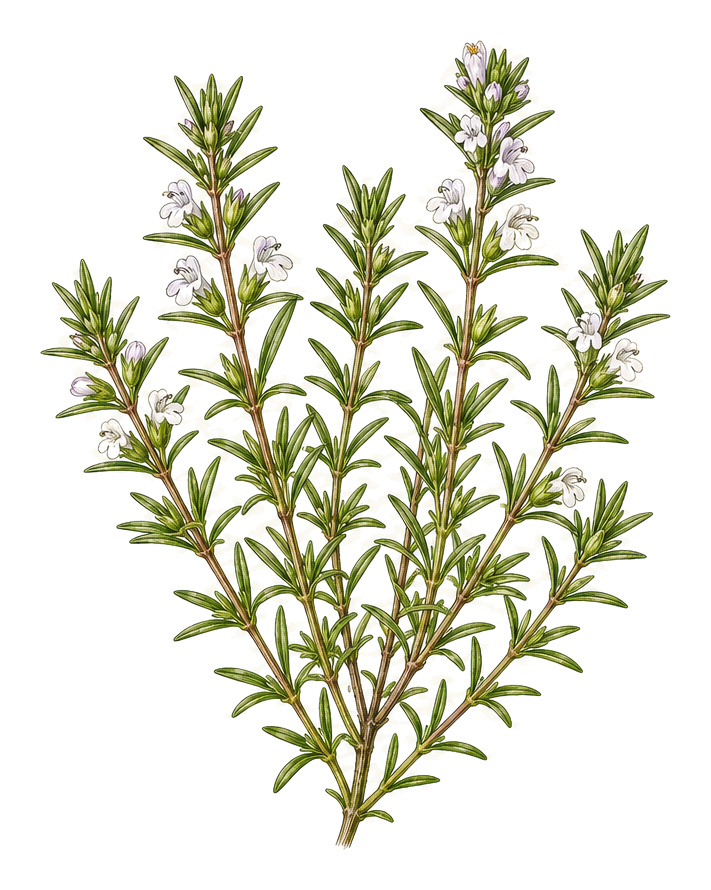
Additional plant images
Health
Pests, Diseases
Pests
Small, sucking insects that colonize young shoots and leaves, feeding on plant sap. They can cause growth disturbances and sticky honeydew excretions.
Tiny arachnids that appear in dry, warm weather. They suck plant sap, leading to fine webbing, yellowish speckles, and eventually leaf desiccation.
Small, flying insects that colonize the underside of leaves and suck plant sap. They leave behind honeydew, which can lead to sooty mold.
Diseases
Caused by fungi (e.g., Pythium, Phytophthora) in waterlogged and poorly drained conditions. Leads to wilting, stunted growth, and eventual plant death.
Fungal disease appearing as a white, powdery coating on leaves and stems. Reduces photosynthesis and can lead to plant part death in severe cases.
Plant health
Diagnosis help
Satureja Diagnosis help
Pest groups
Disease groups
Prevention
Diagnosis
Observe specific symptoms such as discoloration, wilting, coatings, or webbing to identify the cause. The combination of site conditions, care, and the appearance of pests/diseases aids in diagnosis.
Cultural prevention
Monitoring
First response
Diagnostic rules
Wilting, yellowish leaves, stunted growth, often starting at the base of the plant.
Possible causes: Root rot
- Check soil moisture (is it wet?)
- Examine roots for rot
White, powdery coating on leaves and stems that spreads.
Possible causes: Powdery mildew
- Check humidity and ventilation
- Isolate affected plant parts
Small, green or black insects on young shoots, sticky residue (honeydew).
Possible causes: Aphids
- Inspect plants for pests (especially undersides of leaves and shoot tips)
- Look for honeydew
FAQ
When is the best time to sow Satureja?
Satureja is best sown directly into the open ground as soon as the risk of frost has passed and the soil has warmed up, typically from April to June.
How much sun does Satureja need?
Satureja prefers a sunny location but also thrives in partial shade. Full sun promotes its aroma.
Can Satureja be grown in pots?
Yes, Satureja is very well-suited for growing in pots on balconies or terraces. Ensure adequate drainage and regular, but not excessive, watering.
When and how to harvest Satureja?
Harvest leaves and stems as needed, preferably before flowering for the most intense aroma. Cut the shoot tips to encourage bushy growth. Multiple harvests are possible.
What are the medicinal properties of Satureja?
Satureja is traditionally used to alleviate digestive complaints such as bloating and fullness. It has mild antibacterial and antispasmodic properties.
Is Satureja safe for Dog?
Satureja is classified as moderation only for Dog. Risk: unknown. Urgency: observe. Satureja is generally safe for dogs when consumed in normal amounts. Excessive consumption may lead to mild gastrointestinal upset. The essential oils could potentially be irritating in very large quantities, but this is unlikely in dogs.
Is Satureja safe for Cat?
Satureja is classified as moderation only for Cat. Risk: unknown. Urgency: observe. Satureja is generally safe for cats when consumed in small amounts. Very high quantities may cause mild gastrointestinal upset.
Is Satureja safe for Rabbit?
Satureja is classified as moderation only for Rabbit. Risk: unknown. Urgency: usually no action needed. Satureja is generally safe for rabbits when fed in small amounts as a treat or supplement. Large quantities or consumption of roots and woody stems may cause gastrointestinal upset.
Is Satureja safe for Guinea pig?
Satureja is classified as moderation only for Guinea pig. Risk: unknown. Urgency: observe. Savoury is safe for guinea pigs in normal amounts. Excessive consumption may lead to mild gastrointestinal upset. The essential oils are potentially irritating in very high concentrations.
Guides
Related guides
Guide
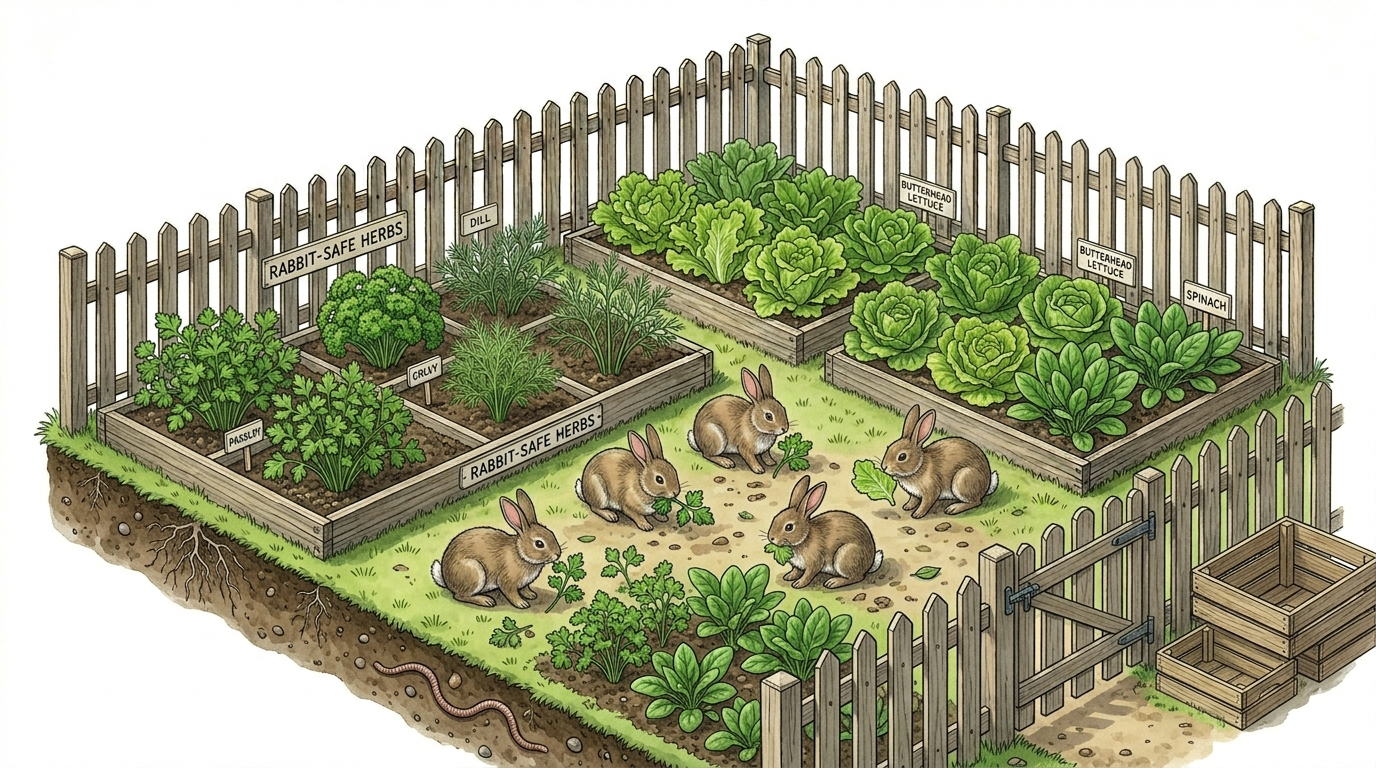
Rabbits in the Garden: Herbs and Vegetables
Learn how to choose suitable herbs and vegetables for rabbits, grow feeding plants, and plan a rabbit-friendly garden.
Guide
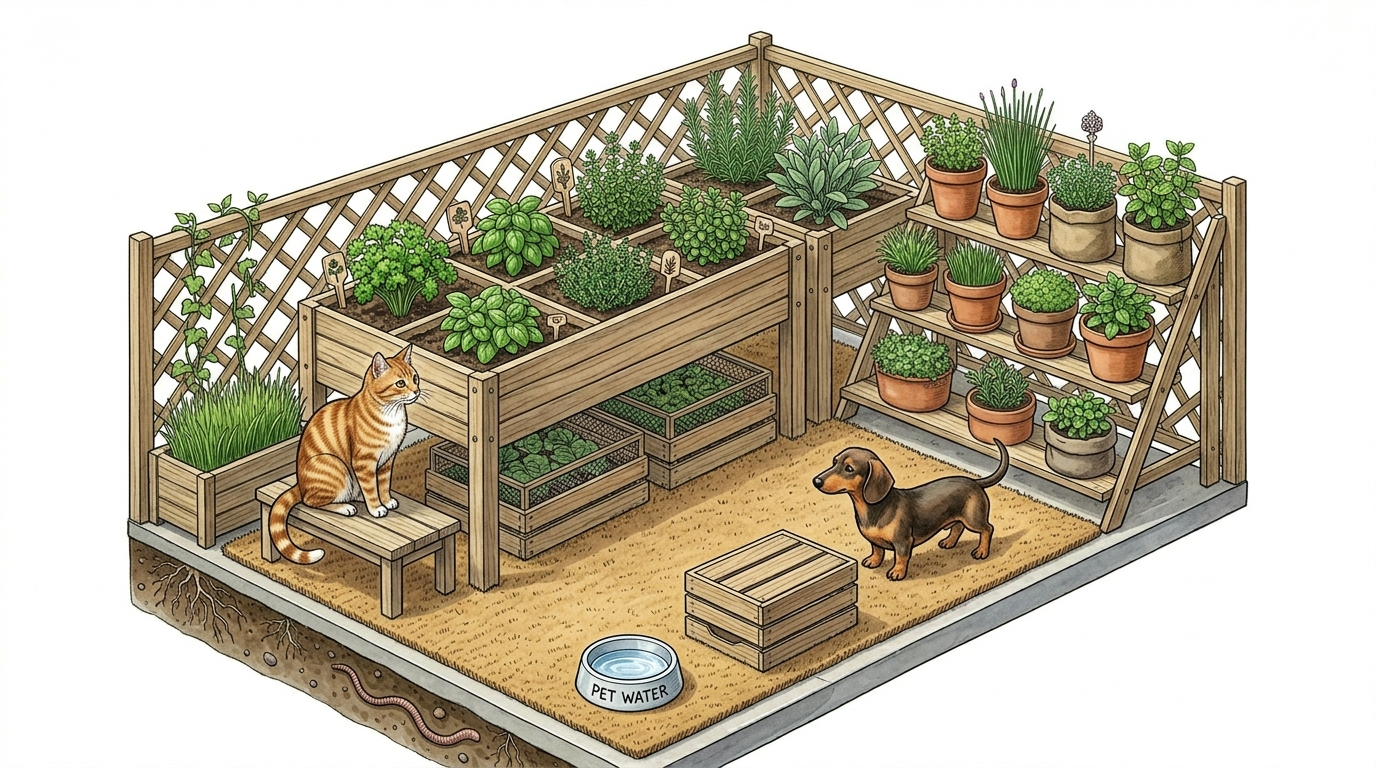
Pet-Safe Herb Gardens for Balconies and Beds
Learn how to create a pet-safe herb garden with suitable herbs, thoughtful layouts, and practical maintenance strategies.
Guide
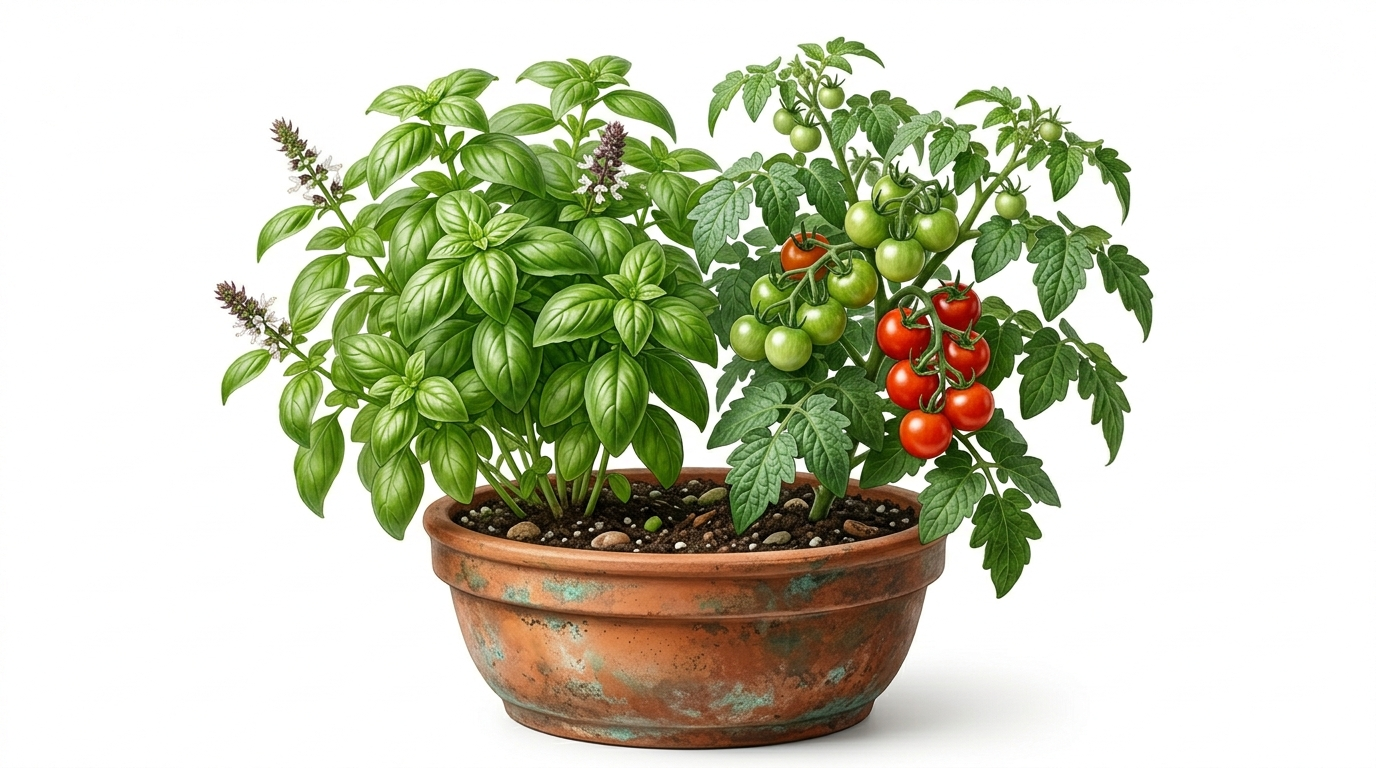
Growing Basil: Site, Watering and Harvesting
Learn how to grow basil successfully with the right site, steady watering, regular harvesting, and tips to delay flowering.
Guide
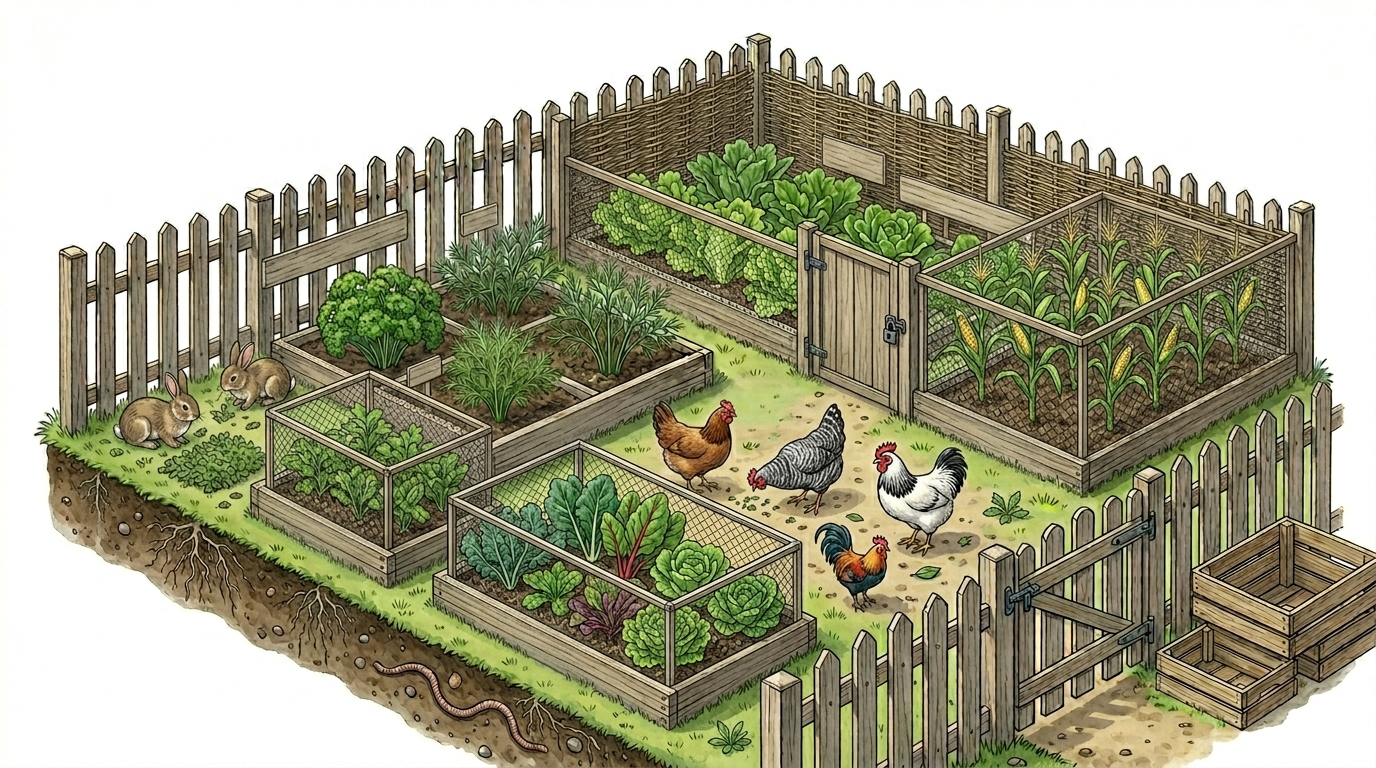
Chickens in the Garden: Safe Plants and Zones
Learn how to design a chicken-friendly garden with suitable plants, protected beds, and well-planned activity areas.
Internal links
Related plants
Mint
Belongs to the Lamiaceae (Mint) family.
basil
Belongs to the Lamiaceae (Mint) family.
Rosmarinus tomentosus
Similar growth habit and use in Mediterranean cuisine.
Thymus
Both are aromatic herbs from the Lamiaceae family with similar growth habits and uses.
Herbs
Bean
Satureja is a traditional companion for beans, as it is said to repel pests.
Cabbage
Satureja is said to deter cabbage white butterflies.
marjoram
Both are aromatic herbs used in cooking.
Oregano
Similar spicy flavor and use in savory dishes.
Sources
Public sources
- Wikidata entity
Wikidata · 2026-05-12
- GBIF species match
GBIF · 2026-05-12
- Deutschsprachige Wikipedia: Bohnenkräuter
Wikipedia · 2026-05-12
- English Wikipedia: Satureja
Wikipedia · 2026-05-12