Plant Profile
ZucchiniCucurbita pepo var. cylindrica
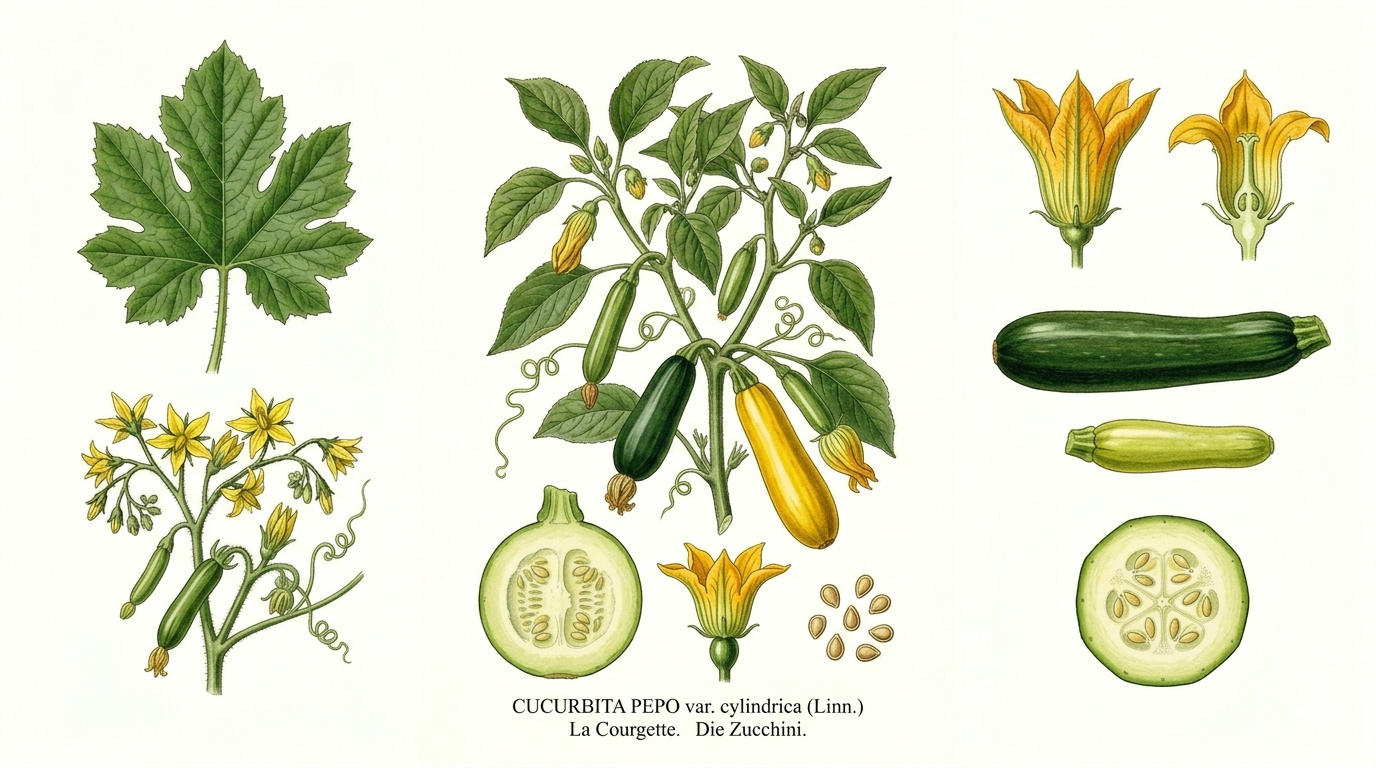
Zucchini (Cucurbita pepo var. cylindrica) are among the most straightforward and high-yielding fruiting vegetables for home gardens in temperate Central Europe. As heavy feeders, they require nutrient-rich, humus-heavy soil in a full-sun, warm location. Due to their high sensitivity to frost, young seedlings raised indoors from mid-April onwards should only be planted out after the last spring frosts in mid-May. Regular harvesting of young, tender fruits encourages the plant to continuously produce new blossoms and fruit sets until the first autumn frost. Special attention must be paid to ground-level watering and the prevention of powdery mildew in late summer.
Quick profile
Key data
Suitable growing locations:
Good neighbors
Climbing beanSweet cornOnion
Avoid
CucumberPumpkin
Indoor & direct sowing
Zucchini: Sowing and germination
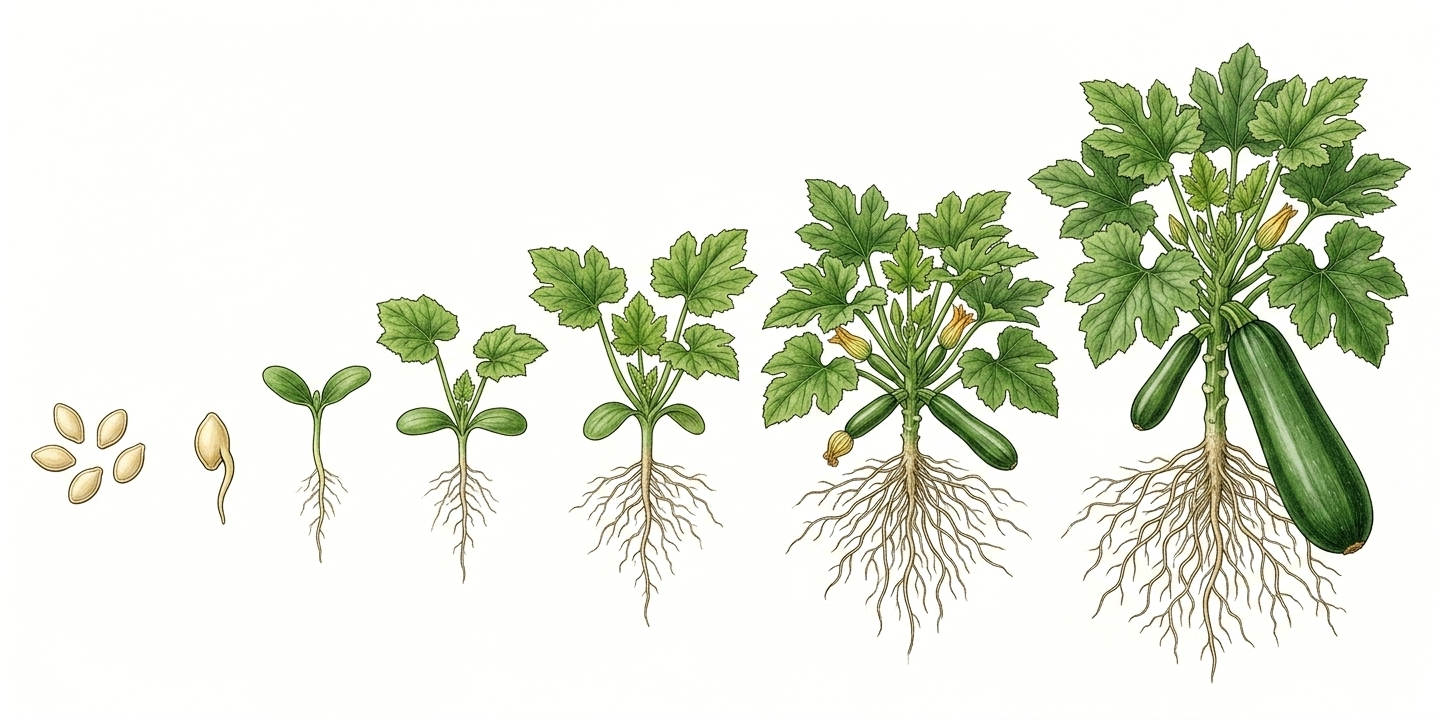
Sow indoors in pots on the windowsill or in a greenhouse from mid-April.
Direct sowing outdoors is possible from mid-May after the last frost.
Planting & site
Zucchini: Planting and spacing
Plant out young seedlings from mid-May after hardening them off.
Site & practical notes
Temperature & frost
Zucchini: Temperature and site
Water & nutrients
Zucchini: Water, nutrients and care
Container & growth
Zucchini: Container, support and growth
Year plan
Zucchini Calendar
August signals peak production – make sure to inspect your crop every 48 hours now.
Recurring tasks
Relevant now
June
- Watering and mulchingConsistent moisture prevents yield loss.
Next up
July
- No additional single task
Monthly tasks
Single tasks from monthly data; repeated seasonal windows are shown in the overview above.
January
Quiet month
February
Quiet month
March
Quiet month
April
Direct sowing
- Indoor sowingPlace one seed per pot about 2-3 cm deep.
May
Planting
- Planting out in the bedPlant only after the last spring frost; keep frost protection ready.
June
Growing
- Watering and mulchingConsistent moisture prevents yield loss.
August
No additional single task
September
No additional single task
October
No additional single task
November
Quiet month
December
Quiet month
Flowering & pollination
Zucchini Flowering & pollination
Flowering period
From June until the first frost in October.
Self-fertility
self-fertile, cross-pollination beneficial
Pollinator needed
yes

Overview
Pollination is carried out primarily by insects, especially honeybees, bumblebees, and wild bees. Since the blossoms only open for a few hours in the morning, high insect activity during this window is crucial.
Notes
In cold, wet weather, pollinators fail to fly adequately, causing incomplete fertilization, misshapen fruit tips, or abortion of young fruits. Hand pollination using a small brush can resolve this issue.
Pruning & care
Zucchini Pruning & care
Pruning timing
Ongoing plant hygiene and aeration Regularly thinning out old leaves in summer improves air circulation and reduces powdery mildew pressure.
Remove
Preserve
Avoid
Tools and hygiene
Due to the extreme risk of transmitting Zucchini Yellow Mosaic Virus (ZYMV), cutting tools must be meticulously sanitized before moving to another plant.
Companion guide
Zucchini Companion guide
Good neighbors
Climbing beanSweet cornOnion
Avoid
CucumberPumpkin
Use & storage
Zucchini Use & storage
Regular harvest of young fruits encourages continuous fruit production.
Storage
Short-term storage (fresh vegetable)
Storage life
1 to 2 weeks under optimal conditions.
Harvest
Regular harvest of young fruits encourages continuous fruit production.
Processing
After harvest
Carefully cut the fruits with a sharp knife to avoid tearing the stem attachment or damaging the plant. Do not wash if they are intended for storage.
Edibility & safety
Zucchini Edibility & safety
For people
In brief: which parts are edible, which parts remain risky, and whether raw consumption makes sense.
Safety notes
Zucchini can develop toxic bitter principles (cucurbitacins) due to stress (heat, drought) or backcrossing with ornamental gourds (especially when using self-saved seeds). If a zucchini tastes bitter, it must not be consumed under any circumstances; cooking does not destroy cucurbitacins, and they can cause severe gastrointestinal poisoning.
Animal safety
For many animals, this plant is generally low-risk: 13 animal types are rated suitable or mostly suitable. Quantity, plant part, and individual tolerance still matter.
Each row shows which parts are more suitable and which parts are critical.
Companion animals
 Dog
DogYoung fruits (including skin and soft seeds), Male and female flowers
Old, woody stems, Bitter-tasting fruits
Young fruits (including skin and soft seeds), Male and female flowers
Old, woody stems, Bitter-tasting fruits
Bitter taste indicates toxic cucurbitacins, Heat or drought stress increases risk, Home-grown plants from saved seeds have higher risk
Vomiting, Diarrhea, Abdominal pain
contact a vet if symptoms appear
Non-bitter, young zucchini fruits are suitable for dogs in small amounts as a treat. Bitter-tasting fruits must be discarded due to potential cucurbitacin poisoning. Flowers and young shoot tips are also edible and safe if not bitter. Excessive consumption may cause gastrointestinal upset.
Open animal page Cat
CatYoung fruits (including skin and soft seeds)
No risk parts listed
Young fruits (including skin and soft seeds)
No risk parts listed
Gastrointestinal upset
observe
No specific toxicity data for cats available. Based on general plant toxicity and the presence of cucurbitacins in bitter fruits, a conservative classification of 'safe_in_moderation' for young, non-bitter fruits is made. Excessive consumption or bitter fruits may cause gastrointestinal upset.
Open animal page Rabbit
Young fruits (including skin and soft seeds), Male and female flowers
Old, woody stems, Bitter-tasting fruits
Young fruits (including skin and soft seeds), Male and female flowers
Old, woody stems, Bitter-tasting fruits
Bitter taste due to stress or crossing with ornamental gourds, Excessive consumption of young fruits
Gastrointestinal irritation, Diarrhea
contact a vet if symptoms appear
Young, non-bitter zucchini fruits are suitable for rabbits in small amounts as a treat. Bitter fruits contain cucurbitacins and are hazardous. Stems and leaves should only be fed when young and tender. If bitterness is suspected, discard immediately and consult a veterinarian if symptoms occur.
Open animal page Guinea pig
Young fruits (including skin and soft seeds), Male and female flowers
Old, woody stems, Bitter-tasting fruits
Young fruits (including skin and soft seeds), Male and female flowers
Old, woody stems, Bitter-tasting fruits
Bitter taste due to stress or cross-pollination with ornamental gourds, Overfeeding causes digestive issues
Vomiting, Diarrhea, Abdominal pain
contact a vet if symptoms appear
Fresh, young, and non-bitter zucchini fruits are safe for guinea pigs in small amounts and are often eagerly eaten due to their high water and nutrient content. Bitter-tasting fruits must be completely avoided due to potential cucurbitacins. Flowers and young shoot tips can also be fed. A gradual introduction is recommended to prevent digestive upset. In case of suspected poisoning from bitter fruit, seek…
Open animal page Hamster
Young fruits (including skin and soft seeds), Male and female flowers
Old, woody stems, Bitter-tasting fruits
Young fruits (including skin and soft seeds), Male and female flowers
Old, woody stems, Bitter-tasting fruits
Bitter taste due to stress or cross-pollination with ornamental gourds, Overfeeding causes diarrhea due to high water and fiber content
Gastrointestinal upset, Vomiting, Diarrhea
contact a vet if symptoms appear
Zucchini are suitable for hamsters in small amounts as a treat, provided the fruit is young, non-bitter, and from a safe source. Bitter fruits contain cucurbitacins and are hazardous. Feed only young, tender parts; avoid woody stems. Due to high water content, offer only occasionally.
Open animal page Budgie
No suitable parts listed
No risk parts listed
No suitable parts listed
No risk parts listed
unknown
No reliable species-specific assessment is available. Due to the general toxicity of cucurbitacins in bitter fruits and the lack of data for birds, an 'unknown' classification is maintained, with a recommendation for caution.
Open animal pageFarm animals
 Horse
HorseYoung fruits (including skin and soft seeds), Male and female flowers
Old, woody stems, Bitter-tasting fruits
Young fruits (including skin and soft seeds), Male and female flowers
Old, woody stems, Bitter-tasting fruits
Bitter taste, Stress conditions (heat, drought), Backcrossing with ornamental gourds
Gastrointestinal irritation, Vomiting, Diarrhea
contact a vet if symptoms appear
Young, non-bitter zucchini fruits are suitable for horses in small amounts as a treat. Bitter-tasting fruits must be avoided due to potential cucurbitacins. Flowers and young shoot tips can also be fed. Old, woody stems are difficult to digest and should not be fed. Contact a veterinarian immediately if poisoning is suspected.
Open animal page Chicken
Young fruits (including skin and soft seeds), Male and female flowers
Old, woody stems, Bitter-tasting fruits
Young fruits (including skin and soft seeds), Male and female flowers
Old, woody stems, Bitter-tasting fruits
Bitter taste due to stress or crossing with ornamental gourds, Consumption of old or woody parts
Vomiting, Diarrhea, Abdominal pain
contact a vet if symptoms appear
Young, non-bitter zucchini fruits are safe for chickens in moderation and can be fed as a treat. Bitter fruits or woody stems contain cucurbitacins and are toxic. Always taste-test before feeding.
Open animal page Duck
DuckYoung fruits (including skin and soft seeds), Male and female flowers
Old, woody stems, Bitter-tasting fruits
Young fruits (including skin and soft seeds), Male and female flowers
Old, woody stems, Bitter-tasting fruits
Bitter taste due to stress or backcrossing, Consumption of old or woody plant parts
Vomiting, Diarrhea, Abdominal pain
contact a vet if symptoms appear
Non-bitter, young zucchini fruits are safe for ducks in moderation and can be fed as a treat. Bitter fruits or woody stems contain cucurbitacins and are toxic. Flowers and young shoot tips are also safe in small amounts. Contact a veterinarian if poisoning is suspected.
Open animal page Goose
GooseYoung fruits (including skin and soft seeds), Male and female flowers
Old, woody stems, Bitter-tasting fruits
Young fruits (including skin and soft seeds), Male and female flowers
Old, woody stems, Bitter-tasting fruits
Bitter taste due to stress or crossing with ornamental gourds, Consumption of old or woody parts
Vomiting, Diarrhea, Abdominal pain
contact a vet if symptoms appear
Non-bitter, young zucchini fruits are suitable for geese in small amounts as a treat. Bitter fruits must be avoided due to potential cucurbitacins. Flowers and young shoot tips can also be fed. Old, woody stems are not suitable. Contact a veterinarian if poisoning is suspected.
Open animal page Sheep
SheepYoung fruits (including skin and soft seeds), Male and female flowers
Old, woody stems, Bitter-tasting fruits
Young fruits (including skin and soft seeds), Male and female flowers
Old, woody stems, Bitter-tasting fruits
Bitter taste due to stress or backcrossing with ornamental gourds, Consumption of old or woody plant parts
Vomiting, Diarrhea, Abdominal pain
contact a vet if symptoms appear
No reliable species-specific assessment is available. Based on general plant toxicity and the presence of cucurbitacins in bitter fruits, a conservative classification of 'safe_in_moderation' for young, non-bitter fruits is made. Excessive consumption or bitter fruits may cause gastrointestinal upset.
Open animal page Goat
GoatYoung fruits (including skin and soft seeds), Male and female flowers
Old, woody stems, Bitter-tasting fruits
Young fruits (including skin and soft seeds), Male and female flowers
Old, woody stems, Bitter-tasting fruits
Bitter taste due to stress or crossing with ornamental gourds, Consumption of old or woody plant parts
Vomiting, Diarrhea, Abdominal pain
contact a vet if symptoms appear
Zucchini fruits are generally safe for goats if they do not taste bitter. Bitter fruits contain cucurbitacins and can cause severe gastrointestinal issues. Young shoot tips and flowers are also suitable for feeding. Old, woody stems should be avoided. If bitter taste is suspected, discontinue feeding immediately and consult a veterinarian if symptoms occur.
Open animal page Cattle
Young fruits (including skin and soft seeds), Male and female flowers
Old, woody stems, Bitter-tasting fruits
Young fruits (including skin and soft seeds), Male and female flowers
Old, woody stems, Bitter-tasting fruits
Bitter taste due to stress or crossing with ornamental gourds, Consumption of old or woody plant parts
Vomiting, Diarrhea, Abdominal pain
contact a vet if symptoms appear
Young, non-bitter zucchini fruits are safe for cattle in moderation and can be used as supplemental feed. Bitter-tasting fruits must be discarded immediately due to the risk of cucurbitacin poisoning. Woody stems and old plant parts are less digestible and should be avoided. If ingestion of bitter zucchini is suspected, contact a veterinarian immediately.
Open animal page Pig
PigYoung fruits (including skin and soft seeds), Male and female flowers
Old, woody stems, Bitter-tasting fruits
Young fruits (including skin and soft seeds), Male and female flowers
Old, woody stems, Bitter-tasting fruits
Bitter taste due to stress or crossing with ornamental gourds, Consumption of old or woody plant parts
Vomiting, Diarrhea, Abdominal pain
contact a vet if symptoms appear
['Zucchini are generally safe for pigs when young, non-bitter fruits are fed. Bitter fruits contain cucurbitacins and can cause severe poisoning. Old stems and woody parts are difficult to digest and should be avoided. Suitable as an occasional supplement in moderation.']
Open animal pageThese guidelines are for general information only and do not replace veterinary diagnosis. If critical plant parts were ingested or the animal shows unusual behaviour or symptoms, seek veterinary advice.
Max risk
unknown
Highest status
not established
Urgency
contact a vet if symptoms appear
Saving seed
Zucchini Saving seed
Seed viability
4 - 5 years
Isolation
At least 500 to 1000 meters distance from other Cucurbita pepo representatives (pumpkins, other zucchini, ornamental gourds).
Practical tips
Zucchini Practical tips
Common beginner mistakes
Planting out too early in early May without protective fleece. This results in prolonged growth stagnation due to chilling.
Success pattern
A bed thoroughly enriched with mature compost combined with a two-day picking routine guarantees a massive harvest from July onward.
High-impact tips
A thick mulch layer of straw or grass clippings retains soil moisture and stops resting fruits from rotting on bare dirt.
Grower observations
Varieties like 'Zuboda' or 'Defender' demonstrate exceptional regeneration vigor following cool spring spells in Central Europe.
Plant Profile
Additional plant images
Health
Pests, Diseases
Pests
Aphids
- Curled leaves
- Sticky honeydew
- Ant trails
Slugs
- Feeding holes on young plants
- Slime trails on leaves and soil
Diseases
Powdery mildew
- White, powdery coating on the upper leaf surface
- Later browning and dying of leaves
Downy mildew
- Yellowish, angular spots on the upper leaf surface
- Grey-purple fungal down on the lower leaf surface
Zucchini yellow mosaic virus
- Mosaic-like yellowing of leaves
- Deformed, bumpy fruits
Deficiencies
Nitrogen deficiency
- Uniform paling of older leaves to light yellow
- Stunted growth
Magnesium deficiency
Yellowing between the leaf veins (chlorosis) in older leaves
Plant health
Diagnosis help
Zucchini Diagnosis help
Pest groups
Disease groups
Prevention
Diagnosis
Check zucchini weekly for a white coating on the upper leaf surface (powdery mildew) and inspect the heart leaves of young plants for slug damage.
Cultural prevention
Monitoring
Regularly check the undersides of leaves for pests starting in July.
First response
Prune single infected leaves early to stop pathogen spread.
Diagnostic rules
White coating on leaves
Possible causes: Powdery mildew
- Can the coating be wiped off?
- Are primarily older leaves affected?
Fruits taste bitter
Possible causes: Bitter fruits
- Did the plants suffer from severe drought?
- Was self-saved seed used?
FAQ
Why are the tips of my young zucchini fruits rotting and turning black?
This is typically caused by inadequate pollination during cold, wet weather or blossom-end rot (calcium deficiency driven by erratic watering). Unfertilized fruits turn yellow and rot away.
Are bitter zucchini from the home garden dangerous to eat?
Yes, extremely dangerous. Bitter zucchini contain cucurbitacins, which cause severe gastrointestinal poisoning. Since these toxins are heat-resistant, the fruit must be entirely discarded.
Is Zucchini safe for Dog?
Zucchini is classified as moderation only for Dog. Risk: unknown. Urgency: contact a vet if symptoms appear. Non-bitter, young zucchini fruits are suitable for dogs in small amounts as a treat. Bitter-tasting fruits must be discarded due to potential cucurbitacin poisoning. Flowers and young shoot tips are also edible and safe if not bitter. Excessive consumption may cause gastrointestinal upset.
Is Zucchini safe for Cat?
Zucchini is classified as moderation only for Cat. Risk: unknown. Urgency: observe. No specific toxicity data for cats available. Based on general plant toxicity and the presence of cucurbitacins in bitter fruits, a conservative classification of 'safe_in_moderation' for young, non-bitter fruits is made. Excessive consumption or bitter fruits may cause gastrointestinal upset.
Is Zucchini safe for Rabbit?
Zucchini is classified as moderation only for Rabbit. Risk: unknown. Urgency: contact a vet if symptoms appear. Young, non-bitter zucchini fruits are suitable for rabbits in small amounts as a treat. Bitter fruits contain cucurbitacins and are hazardous. Stems and leaves should only be fed when young and tender. If bitterness is suspected, discard immediately and consult a veterinarian if symptoms occur.
Is Zucchini safe for Guinea pig?
Zucchini is classified as moderation only for Guinea pig. Risk: unknown. Urgency: contact a vet if symptoms appear. Fresh, young, and non-bitter zucchini fruits are safe for guinea pigs in small amounts and are often eagerly eaten due to their high water and nutrient content. Bitter-tasting fruits must be completely avoided due to potential cucurbitacins. Flowers and young shoot tips can also be fed. A gradual introduction is recommended to prevent digestive upset. In case of suspected poisoning from bitter fruit, seek…
Guides
Related guides
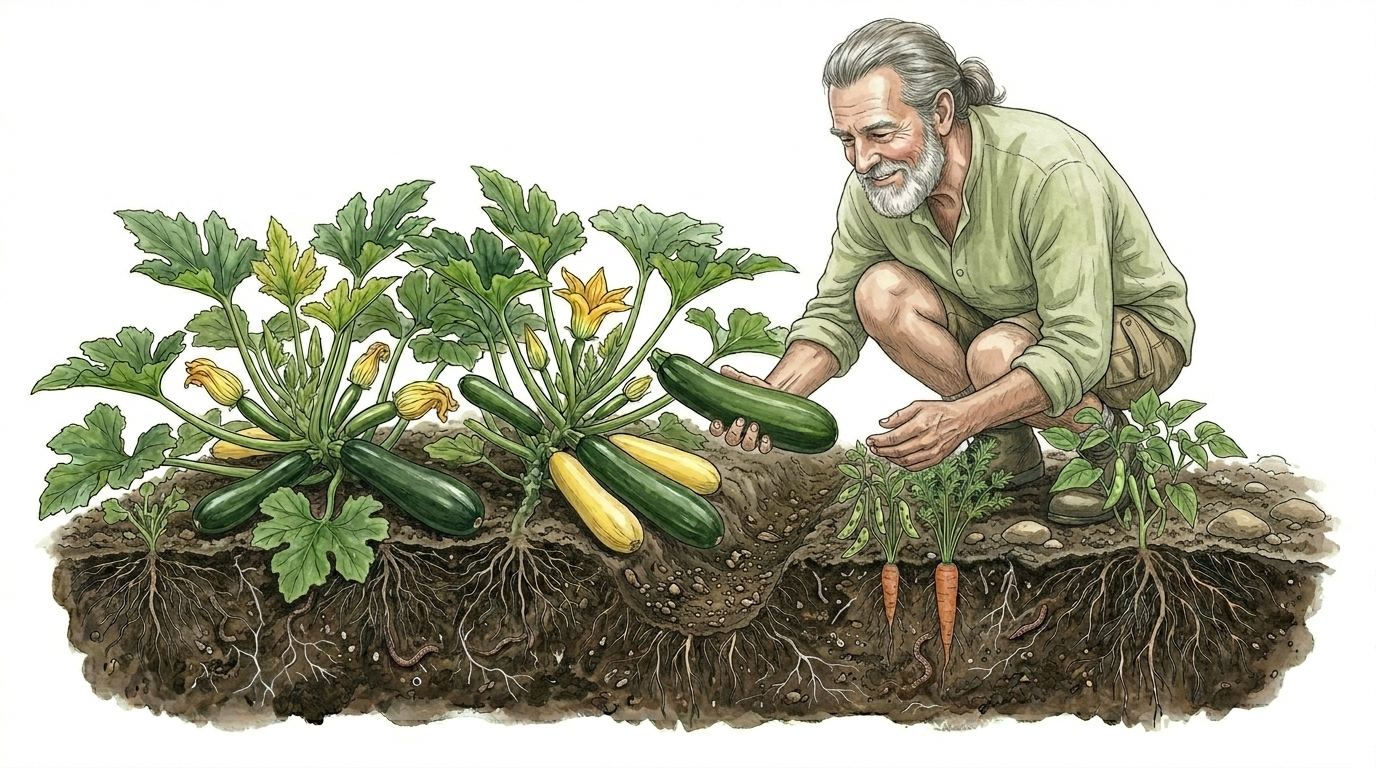
Guide
Growing Zucchini: Spacing, Pollination and Mildew
Learn how to grow zucchini with the right site, spacing, pollination support, and practical tips to prevent powdery mildew.
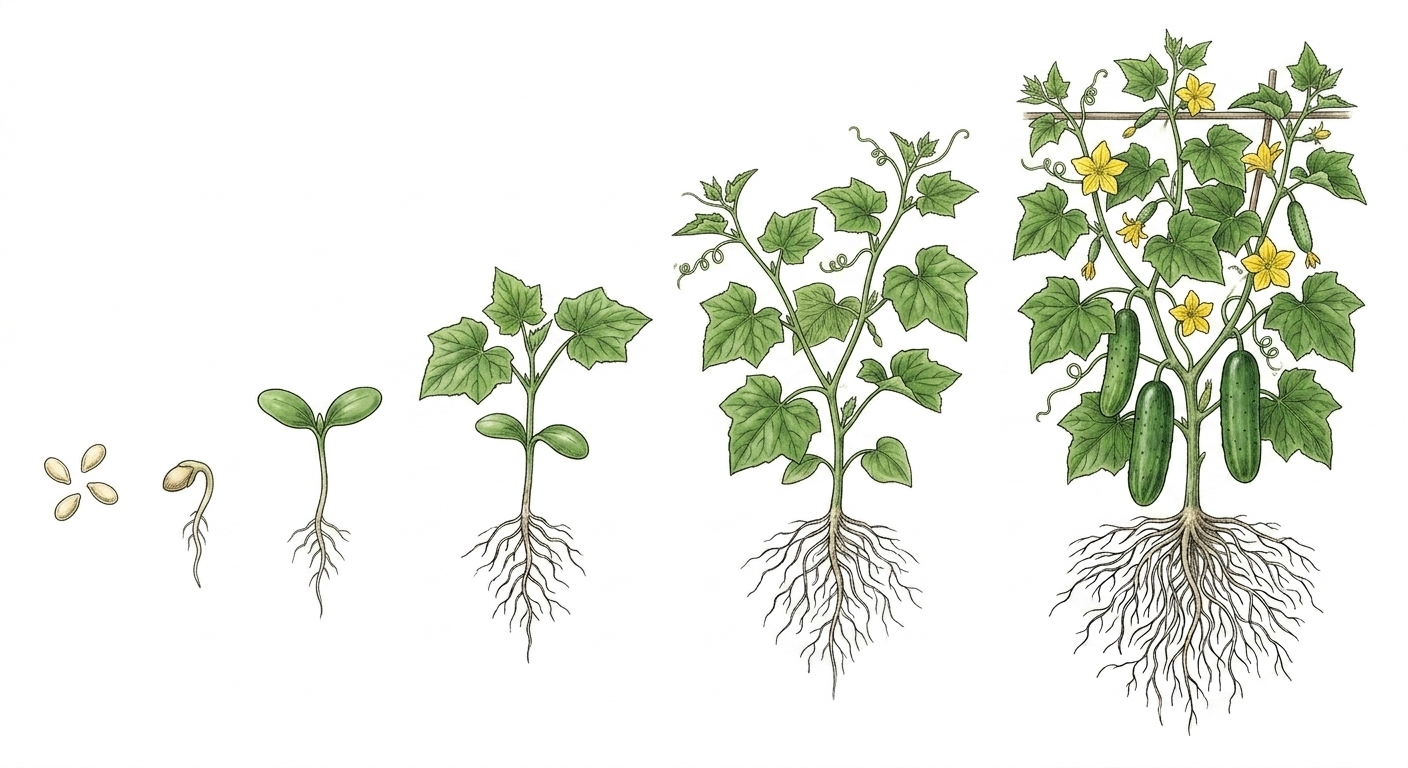
Guide
Growing Cucumbers: Starting, Supports and Harvest
Learn how to grow cucumbers successfully with indoor starting, transplanting, trellises, watering, and regular harvesting.
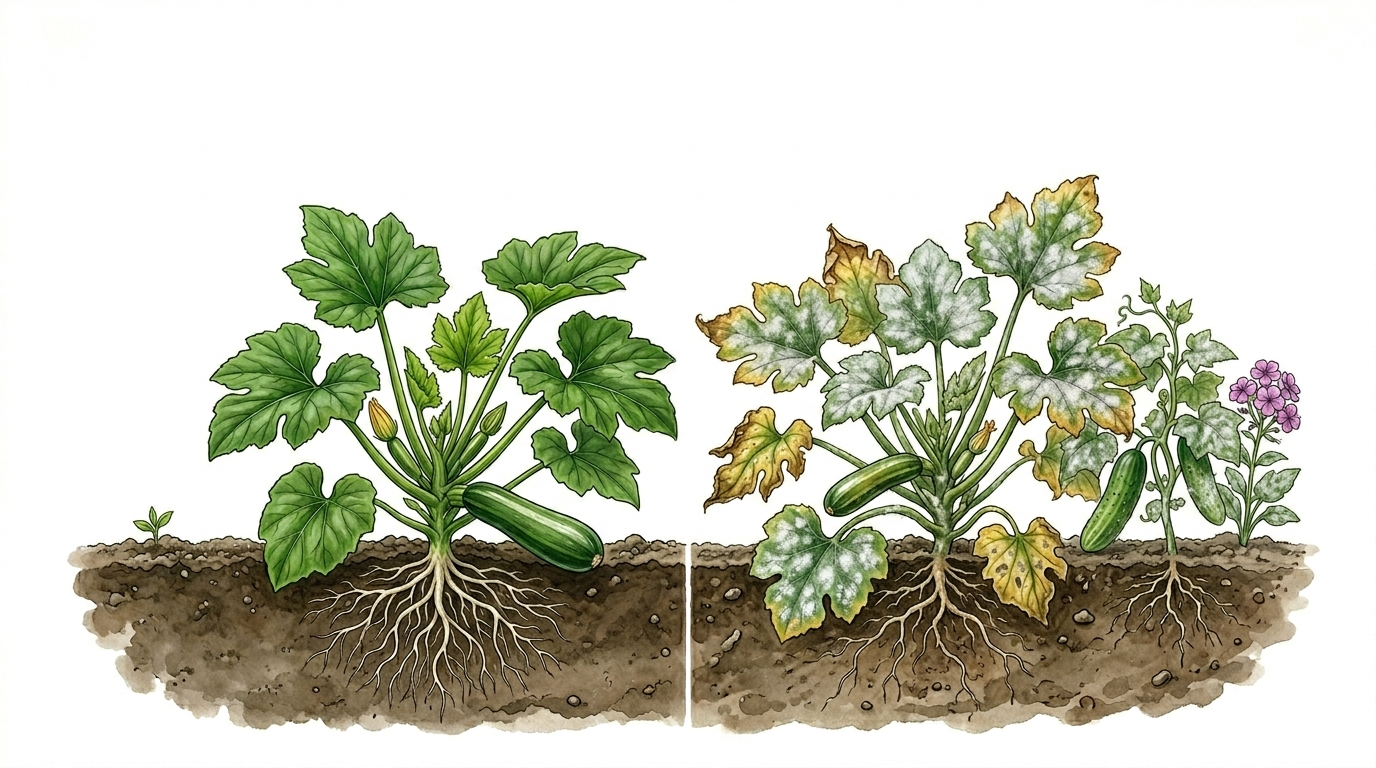
Guide
Powdery Mildew in the Garden: Prevention and Care
Learn how to recognize powdery mildew early, improve airflow, and care for affected vegetables in the garden.
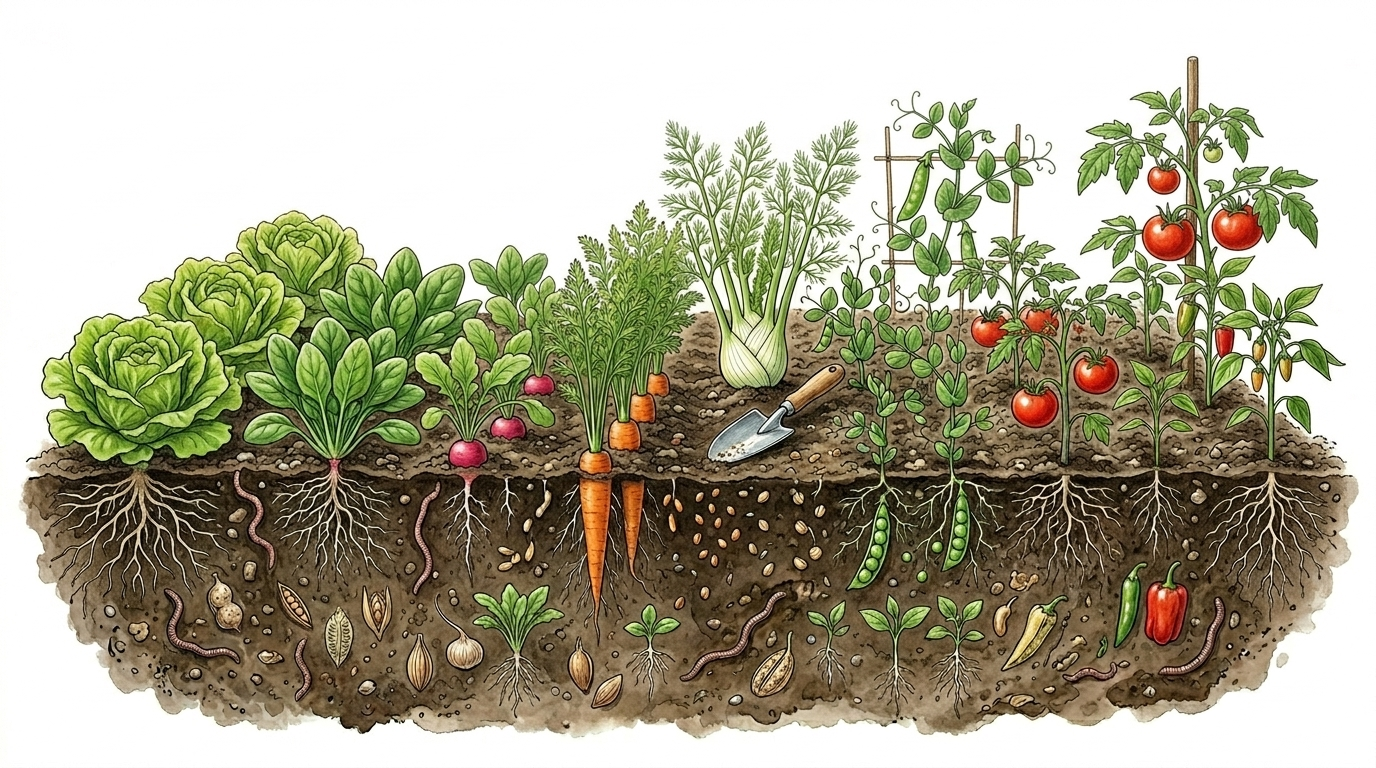
Guide
May Planting Calendar: Transplanting and Succession Sowing
What to plant and sow in May: transplant tender vegetables, continue succession sowing, and make the most of garden beds.
Internal links
Related plants
Cucumber
Belongs to the Cucurbitaceae family; shares risks of soil-borne pathogens and pests.
High shared susceptibility to powdery mildew, downy mildew, and Zucchini Yellow Mosaic Virus.
Pumpkin
Both are classified as fruiting vegetables of the Cucurbitaceae family and managed under similar cultural practices.
Belongs to the same botanical species (Cucurbita pepo) but usually exhibits a vigorous vining habit and produces larger winter storage fruits.
tomato
Requires extremely high amounts of nitrogen and potassium during peak growth phases as a heavy feeder.
Melon
Both belong to the gourd family (Cucurbitaceae) and share similar warmth and nutrient requirements.
Eggplant
Used similarly in culinary traditions for Mediterranean vegetable dishes like ratatouille and frequently prepared together.
Sources
Public sources
- Wikidata entity Q7533
Wikidata · 2026-05-16
- German Wikipedia: Zucchini
Wikipedia · 2026-05-16
- Wikidata entity
Wikidata · 2026-05-16
- GBIF species match
GBIF · 2026-05-16
- English Wikipedia: Zucchini yellow mosaic virus
Wikipedia · 2026-05-16