Plant Profile
CrambeCrambe
Perennial coastal vegetable with asparagus-like shoots and cabbage-like leaves.
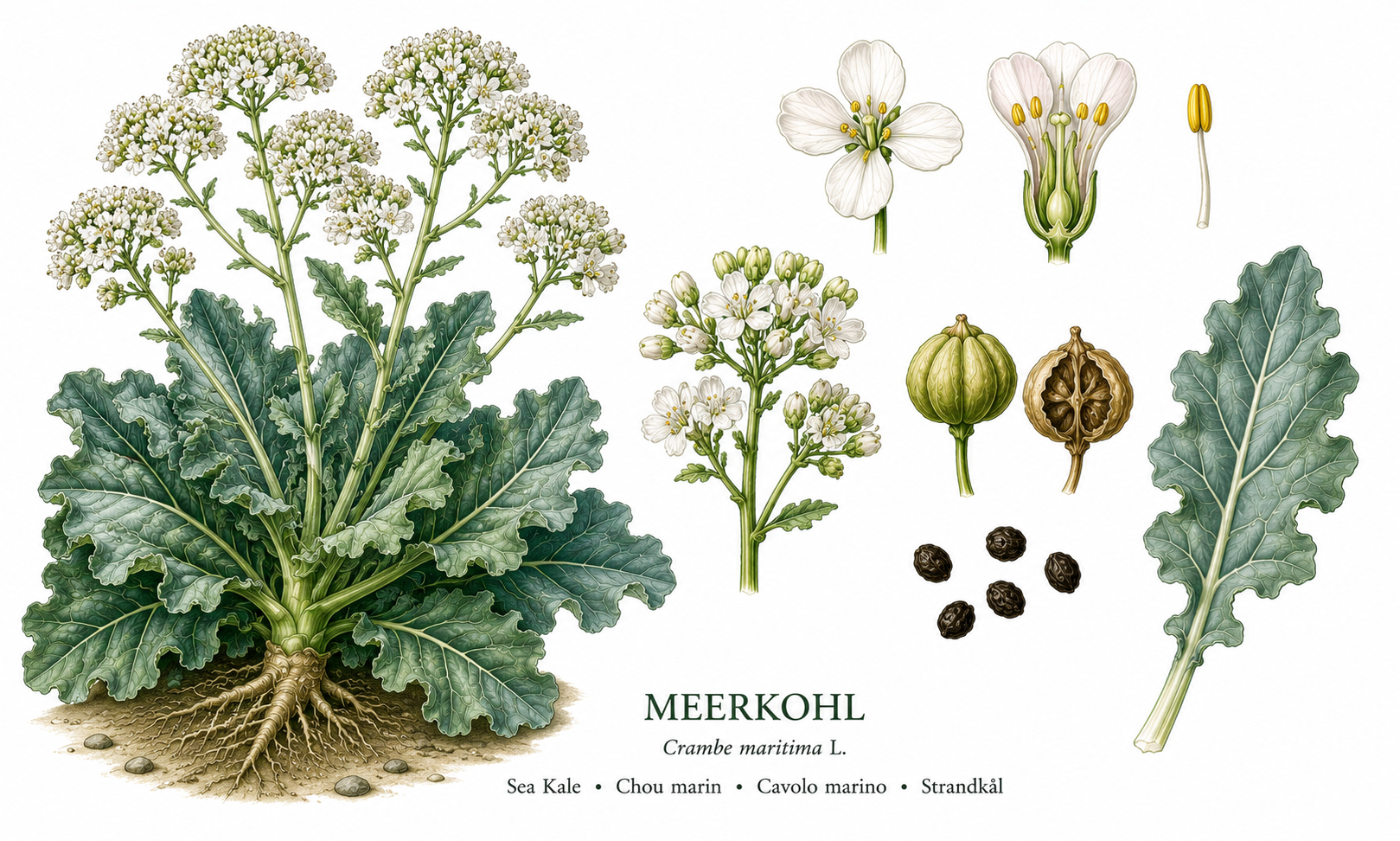
Quick profile
Key data
Suitable growing locations:
Good neighbors
DillMintRosemaryThyme
Avoid
StrawberryOther Brassicas
Indoor & direct sowing
Crambe: Sowing and germination
Pre-culture for an early harvest.
Direct sow in spring or late summer for overwintering.
Planting & site
Crambe: Planting and spacing
Plant out pre-cultured plants after the last frosts.
Temperature & frost
Crambe: Temperature and site
Water & nutrients
Crambe: Water, nutrients and care
Container & growth
Crambe: Container, support and growth
Year plan
Crambe Calendar
In early summer, sea kale surprises with fragrant white flowers that are not only beautiful but also attract bees.
Recurring tasks
Relevant now
June
- Harvest leaves, shoots, and flower budsHarvest flower buds before they open.
- Water regularlyEnsure sufficient water supply, especially during dry periods.
Next up
July
- No additional single task
Monthly tasks
Single tasks from monthly data; repeated seasonal windows are shown in the overview above.
January
Quiet month
February
Direct sowing
- Start pre-cultureStart indoors for an early harvest.
March
Direct sowing
- Continue pre-culturefrost_free_indoors
- Direct sow outdoorsPrepare soil and sow directly.
Growing
- First fertilizationApply compost or organic fertilizer.
- Prepare soilIncorporate compost and loosen soil.
April
Direct sowing
- Continue direct sowingsoil_warmed
Planting
- PlantingTransplant pre-cultured plants outdoors.
Harvest
- Harvest first leavesCarefully harvest young leaves.
May
Planting
- Complete planting outafter_last_frost
Harvest
- Harvest leaves and shootsHarvest regularly to stimulate production.
Growing
- Blanch shootsCover young shoots with buckets or pots to make them more tender.
June
Harvest
- Harvest leaves, shoots, and flower budsHarvest flower buds before they open.
Growing
- Water regularlyEnsure sufficient water supply, especially during dry periods.
August
Direct sowing
- Late summer direct sowingFor overwintering and early harvest next year.
September
Direct sowing
- Continue late summer direct sowingmild_weather
Harvest
- Last harvestHarvest generously before the first frost.
October
Planting
- Prepare plants for winterRemove dead leaves and cover with mulch.
November
Growing
- Apply winter protectionA thick layer of mulch protects the roots from frost.
December
Quiet month
Flowering & pollination
Crambe Flowering & pollination
Flowering period
Late spring to early summer (May-July)
Flower color
White
Self-fertility
partially self-fertile
Pollinator needed
yes
Overview
Sea kale is primarily pollinated by insects.
Notes
Flowers appear on tall stalks above the foliage and are attractive to pollinators.
Pruning & care
Crambe Pruning & care
Pruning timing
Removing winter damage and encouraging new growth Remove old leaves before new growth emerges.
Continuous harvesting and removal of spent stalks Regular harvesting promotes production. Remove spent stalks if no seeds are desired.
Remove
Preserve
Avoid
Excessive pruning that weakens the plant
Tools and hygiene
Use clean, sharp tools to prevent diseases.
Companion guide
Crambe Companion guide
Good neighbors
DillMintRosemaryThymeMarigoldOnionGarlic
Avoid
StrawberryOther Brassicas
Use & storage
Crambe Use & storage
Harvest leaves and shoots from the second year onwards, flower buds in early summer. Regular harvesting promotes new growth.
Storage
Short-term fresh, medium-term refrigerated, long-term frozen
Storage life
Fresh leaves/shoots: 3-5 days in the refrigerator. Blanched and frozen: Up to 6-8 months.
Flavor
Mild cabbage-like, slightly nutty, with a subtle bitter note that is reduced by blanching.
Harvest
Harvest leaves and shoots from the second year onwards, flower buds in early summer. Regular harvesting promotes new growth.
Culinary uses
Processing
After harvest
Wash harvested leaves and shoots immediately and pat dry. For storage, wrap in a damp cloth or store in perforated bags in the refrigerator. Wash flower buds and process quickly.
Notes
Sea kale is a versatile vegetable that can be used in both traditional and modern cuisines. The young, blanched shoots are considered a delicacy.
Edibility & safety
Crambe Edibility & safety
For people
In brief: which parts are edible, which parts remain risky, and whether raw consumption makes sense.
Safety notes
No toxic properties are known. As with all brassicas, excessive raw consumption may cause digestive discomfort in sensitive individuals.
Animal safety
This plant is not risk-free for several animals: 1 animal types have a critical rating.
Each row shows which parts are more suitable and which parts are critical.
Companion animals
 Dog
DogLeaves, Shoots
No risk parts listed
Leaves, Shoots
No risk parts listed
Excessive consumption
Gastrointestinal upset with excessive consumption
usually no action needed
However, excessive consumption of raw plant material can cause gastrointestinal upset in dogs, similar to humans. No specific toxic compounds are known.
Open animal page Cat
CatLeaves, Shoots
No risk parts listed
Leaves, Shoots
No risk parts listed
Gastrointestinal upset with excessive consumption
contact a vet if symptoms appear
No reliable species-specific assessment for cats is available.
Open animal page Rabbit
Leaves, Shoots
No risk parts listed
Leaves, Shoots
No risk parts listed
Excessive raw consumption may cause digestive upset in sensitive animals.
Digestive upset with excessive consumption
usually no action needed
Crambe is generally considered safe for rabbits when fed in moderation. No toxic properties are known. As with all brassicas, excessive raw consumption may cause digestive discomfort in sensitive animals.
Open animal page Guinea pig
Young leaves, Shoots
No risk parts listed
Young leaves, Shoots
No risk parts listed
Excessive raw consumption, Sensitive individuals
Digestive upset with excessive raw consumption
observe
Crambe is generally safe for guinea pigs when fed in moderation. As with other brassicas, excessive raw consumption may lead to digestive upset. Only young leaves, shoots, and flower buds should be fed, ideally cooked or steamed to improve digestibility.
Open animal page Hamster
Leaves, Shoots
No risk parts listed
Leaves, Shoots
No risk parts listed
Excessive consumption
Digestive upset with excessive consumption
usually no action needed
Crambe is generally safe for hamsters when offered in moderation. The leaves, shoots, and flower buds are edible. As with all brassicas, excessive consumption may lead to digestive upset.
Open animal page Budgie
Leaves, Shoots
No risk parts listed
Leaves, Shoots
No risk parts listed
Excessive raw consumption may cause digestive discomfort in sensitive individuals.
Digestive upset with excessive raw consumption
usually no action needed
No toxic properties are known. Considered edible, but excessive raw consumption may cause digestive upset.
Open animal pageFarm animals
 Horse
HorseLeaves, Shoots
No risk parts listed
Leaves, Shoots
No risk parts listed
Excessive consumption
Digestive upset with excessive consumption
observe
No toxic properties are known. As with all brassicas, excessive raw consumption may cause digestive discomfort in sensitive animals. Suitable as feed, but not as a primary food source.
Open animal page Chicken
Leaves, Shoots
No risk parts listed
Leaves, Shoots
No risk parts listed
Excessive consumption of raw material
Digestive upset with excessive raw consumption
observe
Crambe is not a known poison and is classified as edible. As with many brassicas, excessive raw consumption may lead to mild digestive upset in chickens. Cooked or steamed parts are better tolerated.
Open animal page Duck
DuckLeaves, Shoots
No risk parts listed
Leaves, Shoots
No risk parts listed
Excessive consumption
Digestive upset with excessive consumption
observe
Crambe is not known to be toxic to ducks. Young leaves and shoots can be fed in moderation, but as with many Brassica species, excessive consumption may lead to digestive upset. There are no specific nutritional values for ducks, but it is considered a moderate supplement.
Open animal page Goose
GooseLeaves, Shoots
No risk parts listed
Leaves, Shoots
No risk parts listed
Excessive raw consumption
Digestive upset with excessive raw consumption
usually no action needed
Crambe is suitable as feed for geese. No toxic properties are known. As with all brassicas, excessive raw consumption may cause digestive discomfort in sensitive animals.
Open animal page Sheep
SheepLeaves, Shoots
No risk parts listed
Leaves, Shoots
No risk parts listed
Excessive consumption of raw material may cause digestive upset in sensitive animals.
Digestive upset with excessive consumption
usually no action needed
Crambe is not a known toxic plant for sheep and is used as a forage plant. However, excessive consumption of raw material may cause digestive upset in sensitive animals, similar to other brassicas.
Open animal page Goat
GoatLeaves, Shoots
No risk parts listed
Leaves, Shoots
No risk parts listed
Excessive consumption
Digestive upset with excessive consumption
usually no action needed
Crambe is not known to be toxic to goats. As with other brassicas, excessive consumption of raw material may lead to mild digestive upset. The plant is used as forage for livestock.
Open animal page Cattle
Leaves, Shoots
No risk parts listed
Leaves, Shoots
No risk parts listed
Excessive consumption of raw material may cause digestive upset in sensitive animals.
Digestive upset with excessive consumption
usually no action needed
Crambe is generally considered safe for cattle. As with all brassicas, excessive raw consumption may cause digestive upset. The plant is not a primary feed but can serve as a supplement.
Open animal page Pig
PigLeaves, Shoots
No risk parts listed
Leaves, Shoots
No risk parts listed
Excessive consumption of raw material
Digestive upset with excessive raw consumption
observe
Crambe is generally safe for pigs when fed in moderation. Excessive raw consumption may lead to digestive upset. No toxic properties are known.
Open animal pageThese guidelines are for general information only and do not replace veterinary diagnosis. If critical plant parts were ingested or the animal shows unusual behaviour or symptoms, seek veterinary advice.
Max risk
unknown
Highest status
do not feed
Urgency
contact a vet if symptoms appear
Saving seed
Crambe Saving seed
Seed viability
3 - 5 years
Storage
Store dry, cool, and dark in airtight containers.
Notes
Sea kale is an outcrosser. Sufficient isolation distance from other Crambe species is required for true-to-type seeds.
Practical tips
Crambe Practical tips
Common beginner mistakes
Success pattern
High-impact tips
Grower observations
Plant Profile
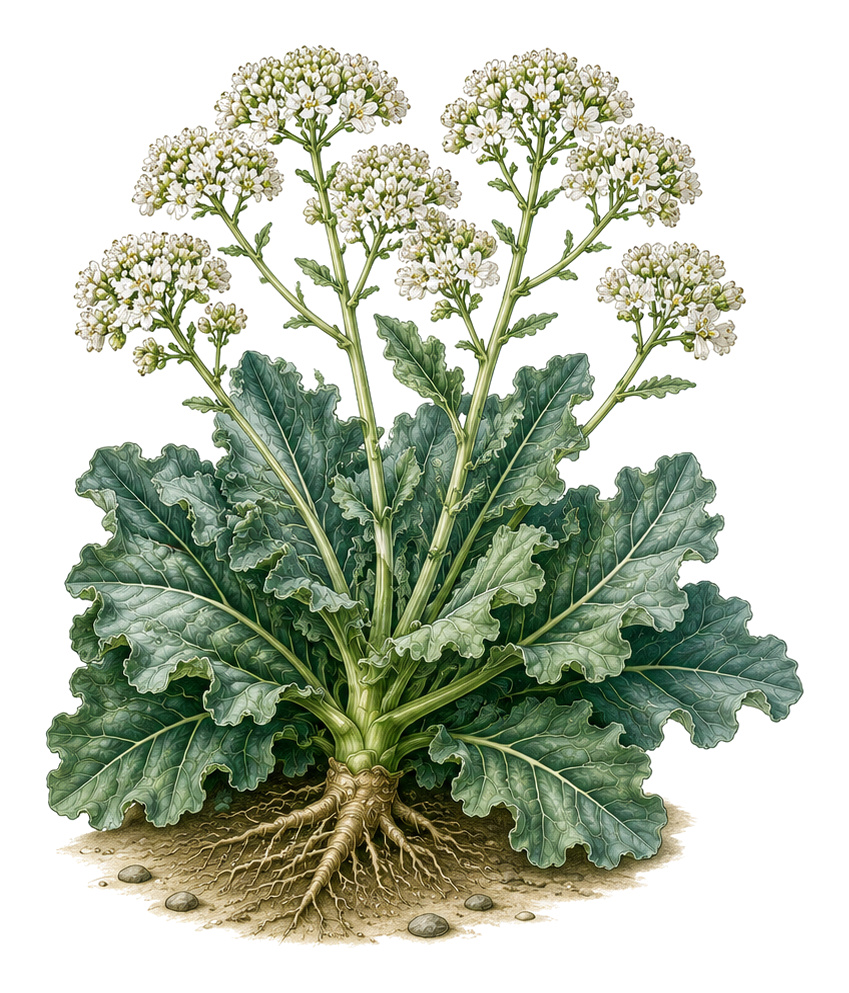
Additional plant images

Health
Pests, Diseases
Plant health
Diagnosis help
Crambe Diagnosis help
Pest groups
Disease groups
Prevention
Diagnosis
Look for specific feeding damage, leaf discoloration, wilting, or unusual growth patterns. If clubroot is suspected, a soil analysis is recommended.
Cultural prevention
Monitoring
First response
Diagnostic rules
Holes in leaves, especially on young plants
Possible causes: Flea beetles, Cabbage white caterpillars, Slugs
- Check plants for small, jumping beetles (flea beetles).
- Inspect undersides of leaves for caterpillars or eggs.
- Check for slugs at night.
Wilting leaves despite adequate moisture, stunted growth
Possible causes: Cabbage Root Fly, Clubroot, Nitrogen deficiency
- Carefully dig up plants and check roots for feeding damage or swellings.
- Check soil for waterlogging.
- Review nutrient supply.
Yellowish leaves, especially older ones
Possible causes: Nitrogen deficiency, Downy mildew
- Check nutrient supply and fertilize if necessary.
- Inspect undersides of leaves for fungal growth.
FAQ
When can I harvest sea kale?
Leaves and shoots can be harvested from the second year onwards, from April to September. Flower buds are harvested in early summer (May-June), just before they open.
How do I blanch sea kale shoots?
To make the shoots more tender and milder, cover the young sprouts in spring with a bucket, terracotta pot, or a special blanching bell. This is done about 4-6 weeks before the planned harvest.
Is sea kale winter-hardy?
Yes, sea kale is very winter-hardy and tolerates severe frosts. A layer of mulch in autumn provides additional protection for the roots.
What location does sea kale prefer?
Sea kale prefers a full sun to partial shade, open and airy location with deep, humus-rich, and well-drained soil. The pH should be neutral to slightly alkaline (optimal pH 7.0).
Is Crambe safe for Dog?
Crambe is classified as moderation only for Dog. Risk: unknown. Urgency: usually no action needed. However, excessive consumption of raw plant material can cause gastrointestinal upset in dogs, similar to humans. No specific toxic compounds are known.
Is Crambe safe for Cat?
Crambe is classified as do not feed for Cat. Risk: unknown. Urgency: contact a vet if symptoms appear. No reliable species-specific assessment for cats is available.
Is Crambe safe for Rabbit?
Crambe is classified as moderation only for Rabbit. Risk: unknown. Urgency: usually no action needed. Crambe is generally considered safe for rabbits when fed in moderation. No toxic properties are known. As with all brassicas, excessive raw consumption may cause digestive discomfort in sensitive animals.
Is Crambe safe for Guinea pig?
Crambe is classified as moderation only for Guinea pig. Risk: unknown. Urgency: observe. Crambe is generally safe for guinea pigs when fed in moderation. As with other brassicas, excessive raw consumption may lead to digestive upset. Only young leaves, shoots, and flower buds should be fed, ideally cooked or steamed to improve digestibility.
Guides
Related guides
Guide
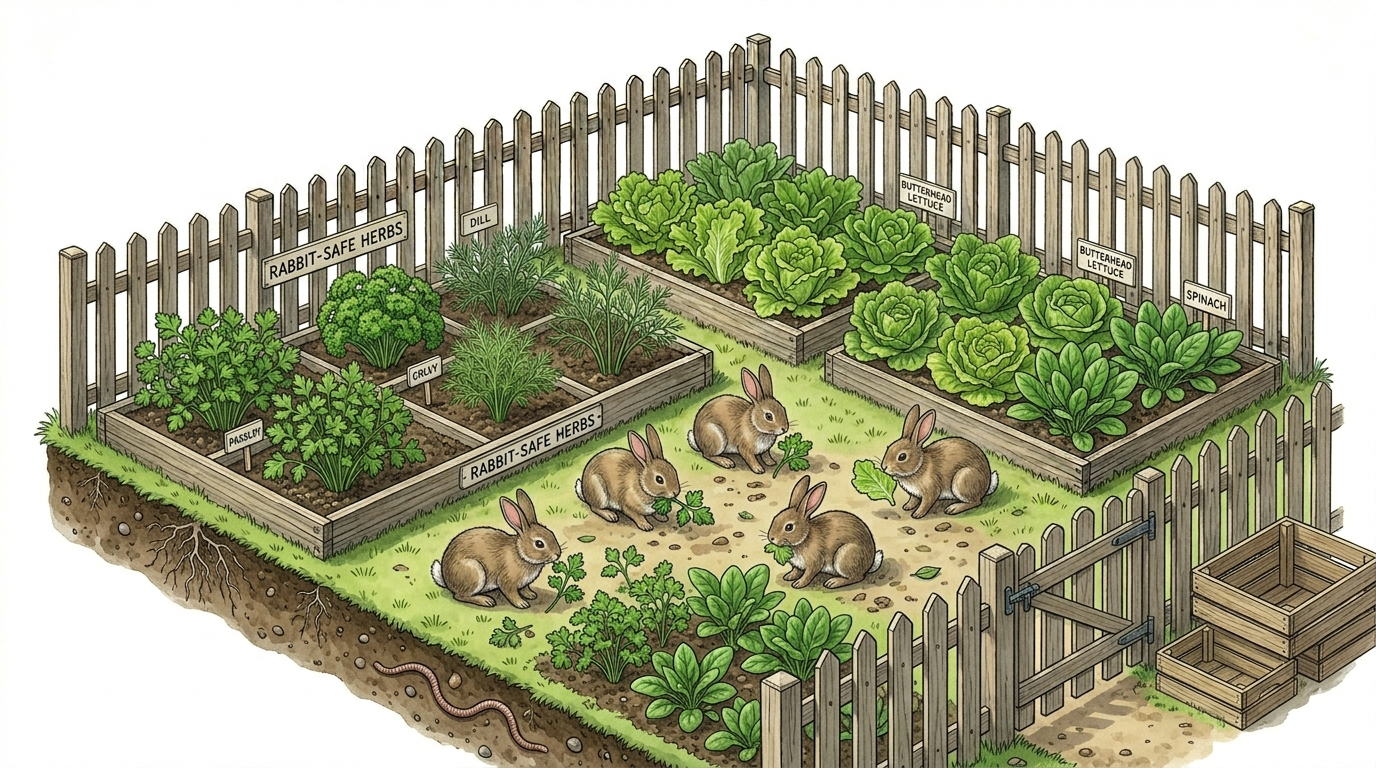
Rabbits in the Garden: Herbs and Vegetables
Learn how to choose suitable herbs and vegetables for rabbits, grow feeding plants, and plan a rabbit-friendly garden.
Guide
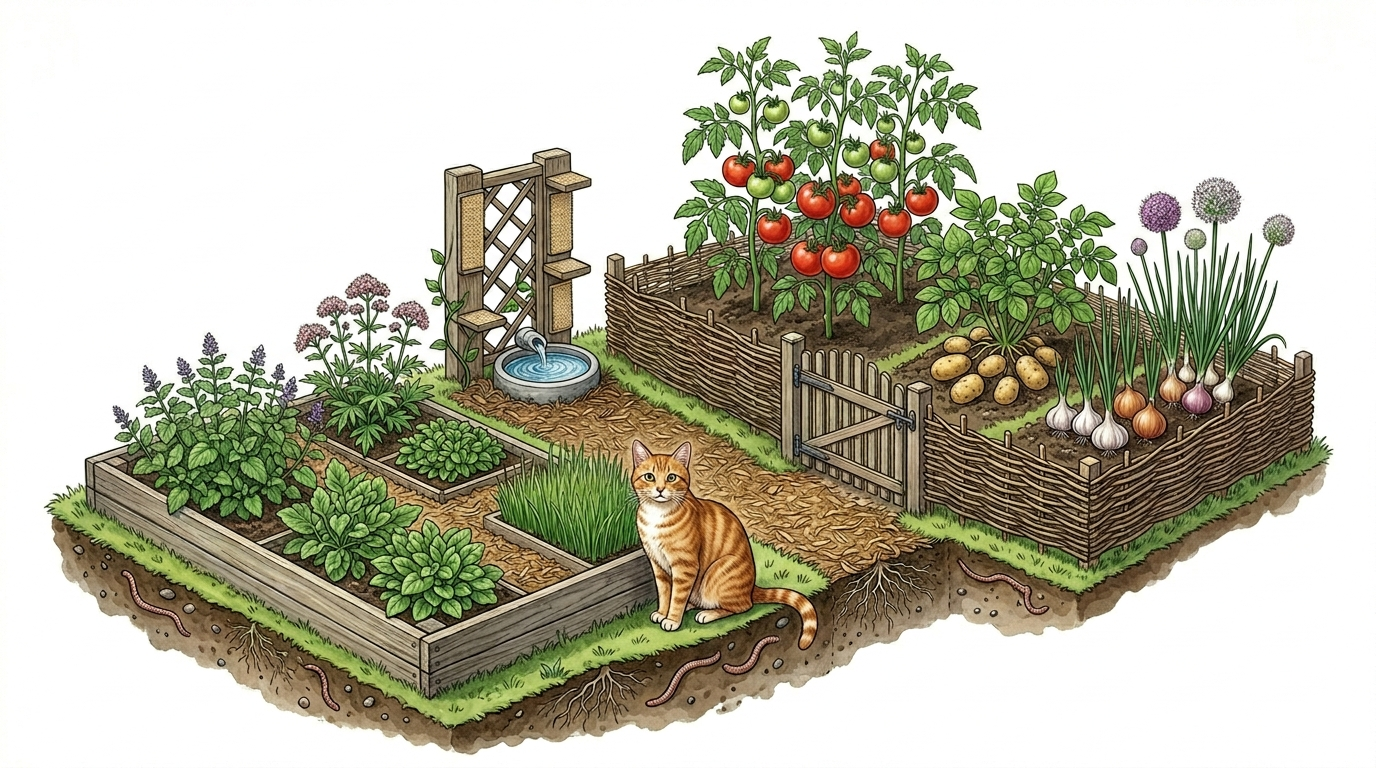
Toxic Garden Plants for Cats: Safer Planning
Learn which garden plants can be risky for cats, how to plan safer beds, and what to do if a cat eats a toxic plant.
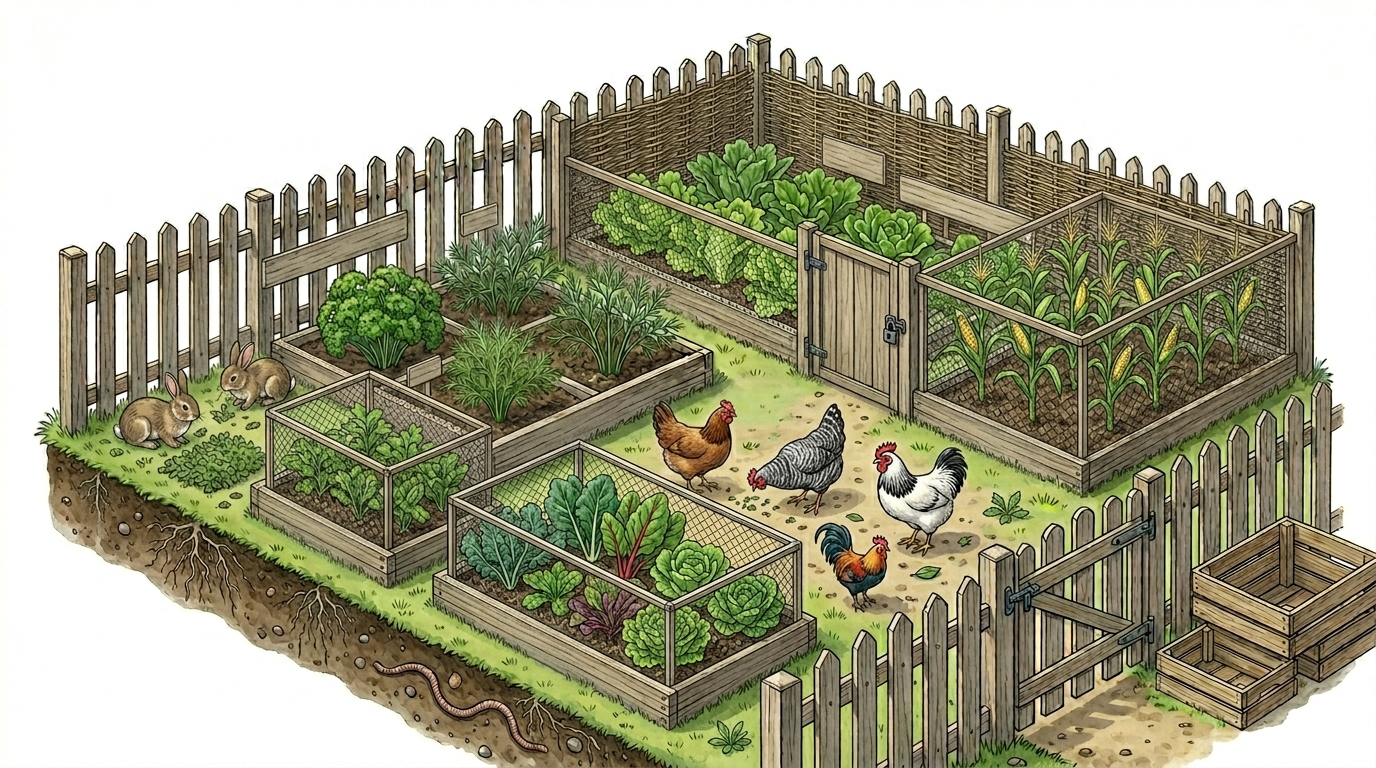
Guide
Chickens in the Garden: Safe Plants and Zones
Learn how to design a chicken-friendly garden with suitable plants, protected beds, and well-planned activity areas.
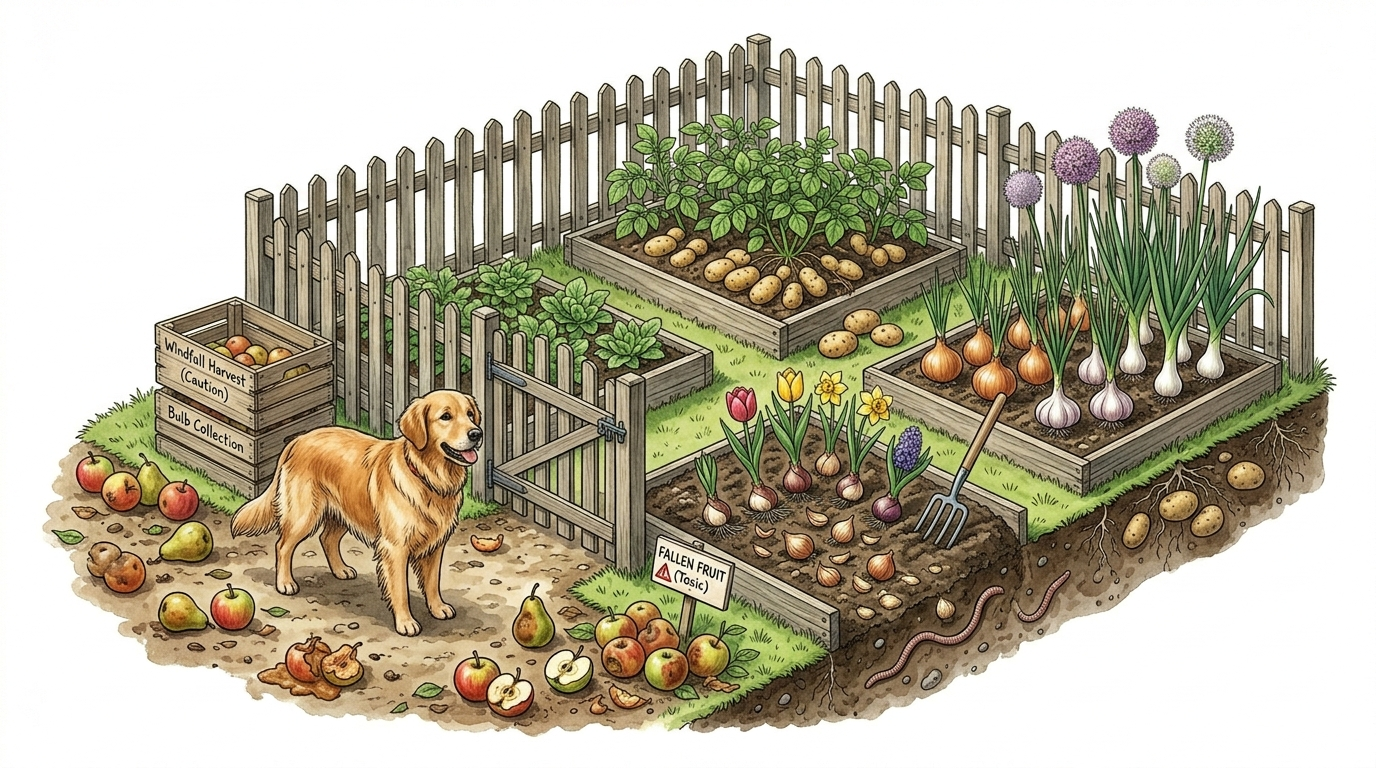
Guide
Dogs in the Garden: Windfall Fruit and Risks
Keep your garden dog-safe by managing windfall fruit, seeds, stored crops, and potentially problematic plant parts.
Internal links
Related plants
Cabbage
All brassicas share similar nutrient needs and are susceptible to similar pests and diseases.
Belongs to the same brassica group and has similar cultivation requirements.
Radish
All brassicas share similar nutrient needs and are susceptible to similar pests and diseases.
Belongs to the same plant family (Brassicaceae).
Mustard
All brassicas share similar nutrient needs and are susceptible to similar pests and diseases.
Belongs to the same plant family (Brassicaceae).
broccoli
All brassicas share similar nutrient needs and are susceptible to similar pests and diseases.
Belongs to the same brassica group and has similar cultivation requirements.
cauliflower
All brassicas share similar nutrient needs and are susceptible to similar pests and diseases.
Belongs to the same brassica group and has similar cultivation requirements.
Kale
All brassicas share similar nutrient needs and are susceptible to similar pests and diseases.
Belongs to the same brassica group and has similar cultivation requirements.
Clubroot
Typical disease for brassicas.
Downy mildew
Common in brassicas, especially in humid weather.
Powdery mildew
Can also affect brassicas.
Sources
Public sources
- Wikidata entity
Wikidata · 2026-05-14
- GBIF species match
GBIF · 2026-05-14
- Deutschsprachige Wikipedia: Meerkohl
Wikipedia · 2026-05-14
- English Wikipedia: Crambe
Wikipedia · 2026-05-14