Plant Profile
Lemon BalmMelissa officinalis
Lemon balm is a popular herb with a refreshing lemon scent and flavor. It is easy to grow and versatile in the kitchen and for teas. Its calming properties also make it a valued medicinal plant.
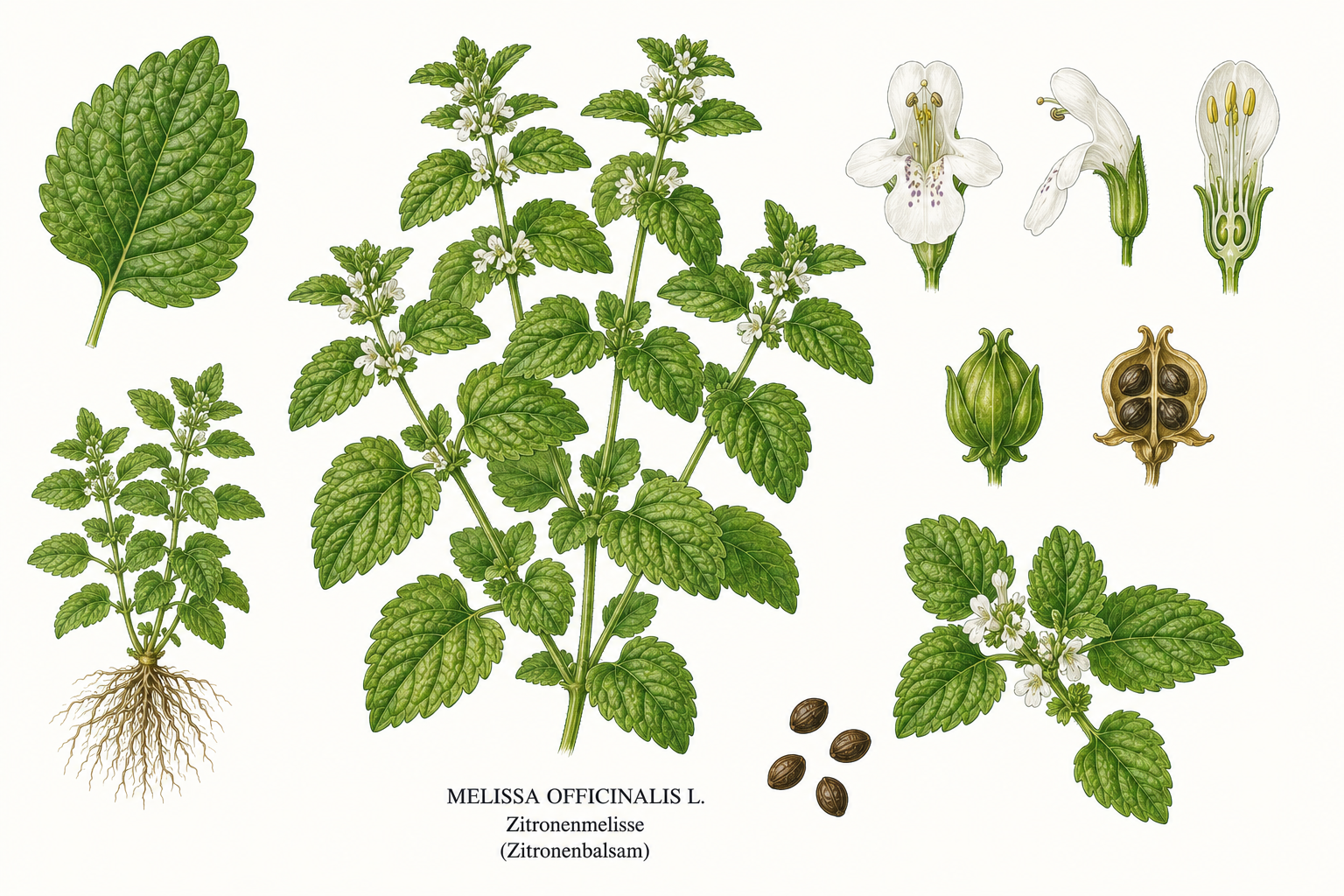
Quick profile
Key data
Suitable growing locations:
Good neighbors
StrawberryCabbageCucumbertomato
Avoid
Indoor & direct sowing
Lemon Balm: Sowing and germination
Sow in trays or pots indoors.
Direct sow into the open ground once the risk of frost has passed.
Planting & site
Lemon Balm: Planting and spacing
Plant out seedlings that were started indoors.
Site & practical notes
Lemon balm is an easy-care plant well-suited for beginners. Ensure adequate spacing as it can spread vigorously. Regular harvesting promotes bushy growth and prevents bolting.
Temperature & frost
Lemon Balm: Temperature and site
Water & nutrients
Lemon Balm: Water, nutrients and care
Container & growth
Lemon Balm: Container, support and growth
Year plan
Lemon Balm Calendar
The best harvest time for the most intense aroma is just before flowering in late spring.
Relevant now
June
- Harvestplants growing: Regular harvesting encourages bushy growth.
Next up
July
- Harvestplants growing: Harvest before flowering for best aroma.
- Pruningafter first flush of growth: A prune can encourage a second harvest in late summer.
Monthly tasks
Single tasks from monthly data; repeated seasonal windows are shown in the overview above.
January
Quiet month
February
Quiet month
March
Direct sowing
- Indoor sowingroom temperature: Sow in seed compost, cover lightly, keep moist.
April
Direct sowing
- Indoor sowing or direct sowingafter last frost: Direct sow outdoors once soil temperature is adequate.
May
Planting
- Planting outafter last frost: Harden off seedlings and plant into the garden.
Harvest
- First harvestplants established: Harvest young leaves for tea or culinary use.
June
Harvest
- Harvestplants growing: Regular harvesting encourages bushy growth.
August
Harvest
- Harvestplants growing: Continuous harvesting of leaves.
September
Harvest
- Harvestplants growing: Harvest leaves for fresh use or drying.
October
Harvest
- Final harvestbefore first frost: Harvest all remaining leaves before the first frost.
November
Quiet month
December
Quiet month
Flowering & pollination
Lemon Balm Flowering & pollination
Self-fertility
self-fertile
Pollinator needed
yes
Overview
Lemon balm is self-fertile but is pollinated by insects.
Notes
Bees, bumblebees, and other pollinators are attracted to the flowers.
Companion guide
Lemon Balm Companion guide
Good neighbors
StrawberryCabbageCucumbertomato
Avoid
Use & storage
Lemon Balm Use & storage
Harvest leaves as needed, preferably before flowering for best aroma.
Storage
Herbs
Storage life
Dried: 1-2 years; Frozen: up to 1 year
Harvest
Harvest leaves as needed, preferably before flowering for best aroma.
Processing
After harvest
Process or dry leaves immediately after harvest. Do not wash if harvested dry to avoid aroma loss. If harvested wet, rinse gently and dry thoroughly.
Edibility & safety
Lemon Balm Edibility & safety
For people
In brief: which parts are edible, which parts remain risky, and whether raw consumption makes sense.
Safety notes
The plant is considered non-toxic. No side effects are known when used as intended.
Animal safety
For many animals, this plant is generally low-risk: 14 animal types are rated suitable or mostly suitable. Quantity, plant part, and individual tolerance still matter.
Each row shows which parts are more suitable and which parts are critical.
Companion animals
 Dog
DogLeaves, Young shoots
No risk parts listed
Leaves, Young shoots
No risk parts listed
Overconsumption may cause gastrointestinal upset
usually no action needed
Lemon balm (Melissa officinalis) is considered non-toxic to dogs. Leaves and young shoots can be fed in small amounts as a treat. Overconsumption may cause mild gastrointestinal upset. No known toxic compounds or serious side effects with intended use.
Open animal page Cat
CatLeaves, Young shoots
No risk parts listed
Leaves, Young shoots
No risk parts listed
usually no action needed
Leaves and young shoots can be given occasionally as a treat. No known side effects when used as intended.
Open animal page Rabbit
Leaves, Young shoots
No risk parts listed
Leaves, Young shoots
No risk parts listed
usually no action needed
Lemon balm (Melissa officinalis) is non-toxic to rabbits and can be fed as part of a balanced diet. The leaves and young shoots are edible and well tolerated by rabbits. No known side effects with normal feeding.
Open animal page Guinea pig
Leaves, Young shoots
No risk parts listed
Leaves, Young shoots
No risk parts listed
usually no action needed
Lemon balm (Melissa officinalis) is considered non-toxic to guinea pigs and can be fed as part of a varied diet. The leaves and young shoots are edible and generally well-tolerated. No known toxic compounds or adverse effects when used as intended.
Open animal page Hamster
Leaves, Young shoots
No risk parts listed
Leaves, Young shoots
No risk parts listed
Overconsumption may cause gastrointestinal upset
usually no action needed
Lemon balm is generally considered non-toxic to hamsters. Fresh leaves and young shoots can be fed as occasional treats. No known toxic compounds or serious side effects with normal use. Possible mild risk of gastrointestinal upset with excessive consumption. Not suitable as a primary food, but safe as a supplement or enrichment.
Open animal page Budgie
Leaves, Young shoots
No risk parts listed
Leaves, Young shoots
No risk parts listed
Overfeeding
usually no action needed
Lemon balm (Melissa officinalis) is considered non-toxic to birds including budgies. Leaves and young shoots can be offered in small amounts as supplemental feed. No known side effects when used as intended. Possible digestive upset with overfeeding.
Open animal pageFarm animals
 Horse
HorseLeaves, Young shoots
No risk parts listed
Leaves, Young shoots
No risk parts listed
Overconsumption may cause mild gastrointestinal upset
usually no action needed
Lemon balm (Melissa officinalis) is considered non-toxic to horses and can be fed in moderation as a treat. The plant contains essential oils that are safe in normal feeding amounts. Overconsumption may cause mild gastrointestinal upset. No known severe toxins or harmful effects when fed appropriately.
Open animal page Chicken
Leaves, Young shoots
No risk parts listed
Leaves, Young shoots
No risk parts listed
Overfeeding may cause digestive upset
usually no action needed
Lemon balm is generally considered non-toxic to chickens and can be given in moderation as supplemental feed. Leaves and young shoots are edible and palatable. Mild gastrointestinal upset may occur with overconsumption. No known toxic compounds or serious side effects documented in chickens. Suitable as part of a varied diet, but not as a primary food source.
Open animal page Duck
DuckLeaves, Young shoots
No risk parts listed
Leaves, Young shoots
No risk parts listed
Overconsumption may cause gastrointestinal upset
usually no action needed
Lemon balm is considered non-toxic for ducks. Fresh leaves and young shoots can be occasionally fed as a treat. No known toxic compounds or side effects when used as intended. Monitor for possible gastrointestinal upset with overconsumption.
Open animal page Goose
GooseLeaves, Young shoots
No risk parts listed
Leaves, Young shoots
No risk parts listed
Overconsumption may cause gastrointestinal upset
usually no action needed
Lemon balm is generally considered non-toxic. For geese, leaves and young shoots are suitable as supplemental feed in moderation. No goose-specific toxicity reports are available, but based on general non-toxicity and use as herbal forage for poultry, a conservative assessment is made.
Open animal page Sheep
SheepLeaves, Young shoots
No risk parts listed
Leaves, Young shoots
No risk parts listed
Overconsumption may cause mild gastrointestinal upset
usually no action needed
Lemon balm (Melissa officinalis) is considered non-toxic to sheep. Leaves and young shoots can be fed in moderation as part of a balanced diet. No known toxic compounds or serious side effects with intended use. Mild gastrointestinal upset may occur with overconsumption.
Open animal page Goat
GoatLeaves, Young shoots
No risk parts listed
Leaves, Young shoots
No risk parts listed
Overconsumption may cause mild gastrointestinal upset
usually no action needed
Lemon balm is generally considered safe for goats, based on its non-toxicity in related livestock and its use as a forage plant. No specific toxicity reports for goats are available, but general safety is inferred from its non-toxicity in horses and similar livestock. Leaves and young shoots are edible and palatable. Mild gastrointestinal upset may occur with overconsumption. No known toxic compounds.
Open animal page Cattle
Leaves, Young shoots
No risk parts listed
Leaves, Young shoots
No risk parts listed
Overconsumption may cause mild gastrointestinal upset
usually no action needed
Lemon balm (Melissa officinalis) is considered non-toxic to cattle. Leaves and young shoots can be fed in moderation as part of a balanced diet. No known toxic compounds or serious side effects with intended use. Mild gastrointestinal upset may occur with overconsumption.
Open animal page Pig
PigLeaves, Young shoots
No risk parts listed
Leaves, Young shoots
No risk parts listed
Overfeeding may cause digestive upset
usually no action needed
Lemon balm (Melissa officinalis) is generally considered non-toxic to pigs and can be used in moderation as supplemental feed. The leaves and young shoots are edible and palatable. Excessive consumption may cause mild digestive upset. No known toxic compounds or serious adverse effects at normal feeding levels.
Open animal pageThese guidelines are for general information only and do not replace veterinary diagnosis. If critical plant parts were ingested or the animal shows unusual behaviour or symptoms, seek veterinary advice.
Max risk
1 / 5
Highest status
suitable
Urgency
usually no action needed
Saving seed
Lemon Balm Saving seed
Seed viability
2 - 3 years
Practical tips
Lemon Balm Practical tips
Common beginner mistakes
Success pattern
High-impact tips
Grower observations
Plant Profile
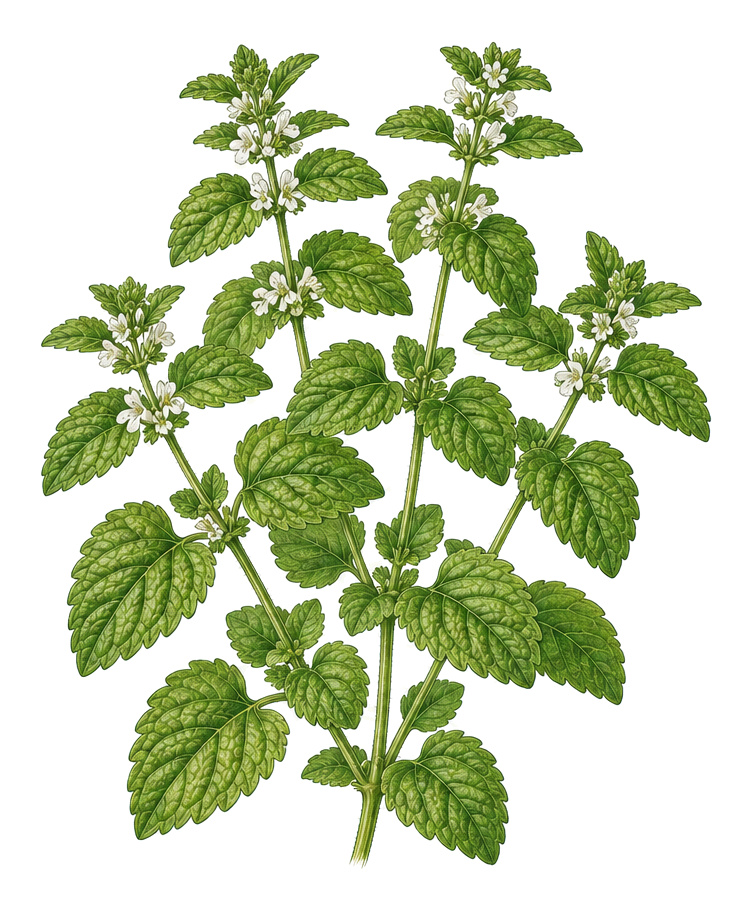
Additional plant images
Health
Pests, Diseases
Pests
Aphids
Small, sap-sucking insects that colonize young shoots and leaves, weakening the plant and potentially transmitting diseases.
Spider mites
Tiny arachnids that appear in dry weather and high humidity. They suck plant sap and leave fine webbing.
Diseases
Powdery mildew
Fungal disease appearing as a white, powdery coating on leaves, stems, and flowers. Often occurs in warm, dry weather with high humidity.
Rust
Fungal disease characterized by small, pustule-like spots on leaves, often orange, yellow, or brown.
Deficiencies
Nitrogen Deficiency
Leads to general growth inhibition and yellowed, often pale green leaves, especially on older foliage.
Magnesium deficiency
Appears as chlorosis (yellowing) between the leaf veins, while the veins remain green. Usually affects older leaves.
Plant health
Diagnosis help
Lemon Balm Diagnosis help
Pest groups
Disease groups
Fungal diseases (mildew, rust)
Prevention
Diagnosis
Symptoms of pests and diseases can be similar. Accurate diagnosis often requires examination of affected plant parts and environmental conditions.
Cultural prevention
Monitoring
First response
Diagnostic rules
White, powdery coating on leaves
Possible causes: Powdery mildew
- Is air circulation good?
- Are plants too densely planted?
- Does this occur in warm, humid weather?
Small, orange to brown pustules on the underside of leaves
Possible causes: Rust
- Is the weather humid?
- Are the leaves often wet?
FAQ
How often should I water lemon balm?
Keep the soil consistently moist, but avoid waterlogging. Water regularly, especially during dry periods, but allow the top layer of soil to dry slightly between waterings.
Can lemon balm grow in shade?
Lemon balm prefers a sunny to partial shade location. It can tolerate shade, but may be less aromatic and grow more leggy in full shade.
When is the best time to harvest lemon balm?
Leaves can be harvested throughout the growing season, but they have the best aroma just before flowering, typically in late spring or early summer (May to July).
Why is my lemon balm turning yellow?
Yellow leaves can be due to waterlogging, nutrient deficiency (especially nitrogen or magnesium), or insufficient light. Check watering, nutrient supply, and location.
Is Lemon Balm safe for Dog?
Lemon Balm is classified as suitable for Dog. Risk: 1 / 5. Urgency: usually no action needed. Lemon balm (Melissa officinalis) is considered non-toxic to dogs. Leaves and young shoots can be fed in small amounts as a treat. Overconsumption may cause mild gastrointestinal upset. No known toxic compounds or serious side effects with intended use.
Is Lemon Balm safe for Cat?
Lemon Balm is classified as suitable for Cat. Risk: 1 / 5. Urgency: usually no action needed. Leaves and young shoots can be given occasionally as a treat. No known side effects when used as intended.
Is Lemon Balm safe for Rabbit?
Lemon Balm is classified as suitable for Rabbit. Risk: 1 / 5. Urgency: usually no action needed. Lemon balm (Melissa officinalis) is non-toxic to rabbits and can be fed as part of a balanced diet. The leaves and young shoots are edible and well tolerated by rabbits. No known side effects with normal feeding.
Is Lemon Balm safe for Guinea pig?
Lemon Balm is classified as suitable for Guinea pig. Risk: 1 / 5. Urgency: usually no action needed. Lemon balm (Melissa officinalis) is considered non-toxic to guinea pigs and can be fed as part of a varied diet. The leaves and young shoots are edible and generally well-tolerated. No known toxic compounds or adverse effects when used as intended.
Guides
Related guides
Guide
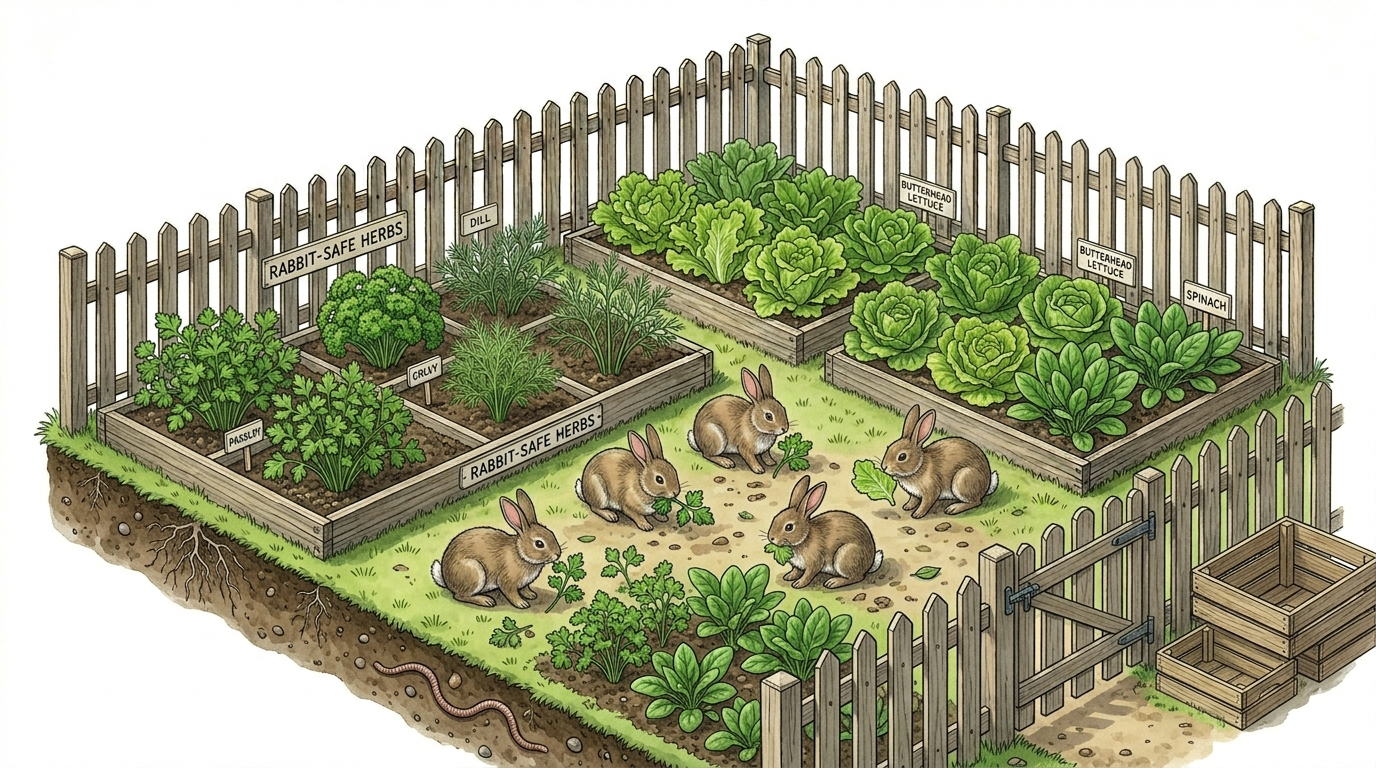
Rabbits in the Garden: Herbs and Vegetables
Learn how to choose suitable herbs and vegetables for rabbits, grow feeding plants, and plan a rabbit-friendly garden.
Guide
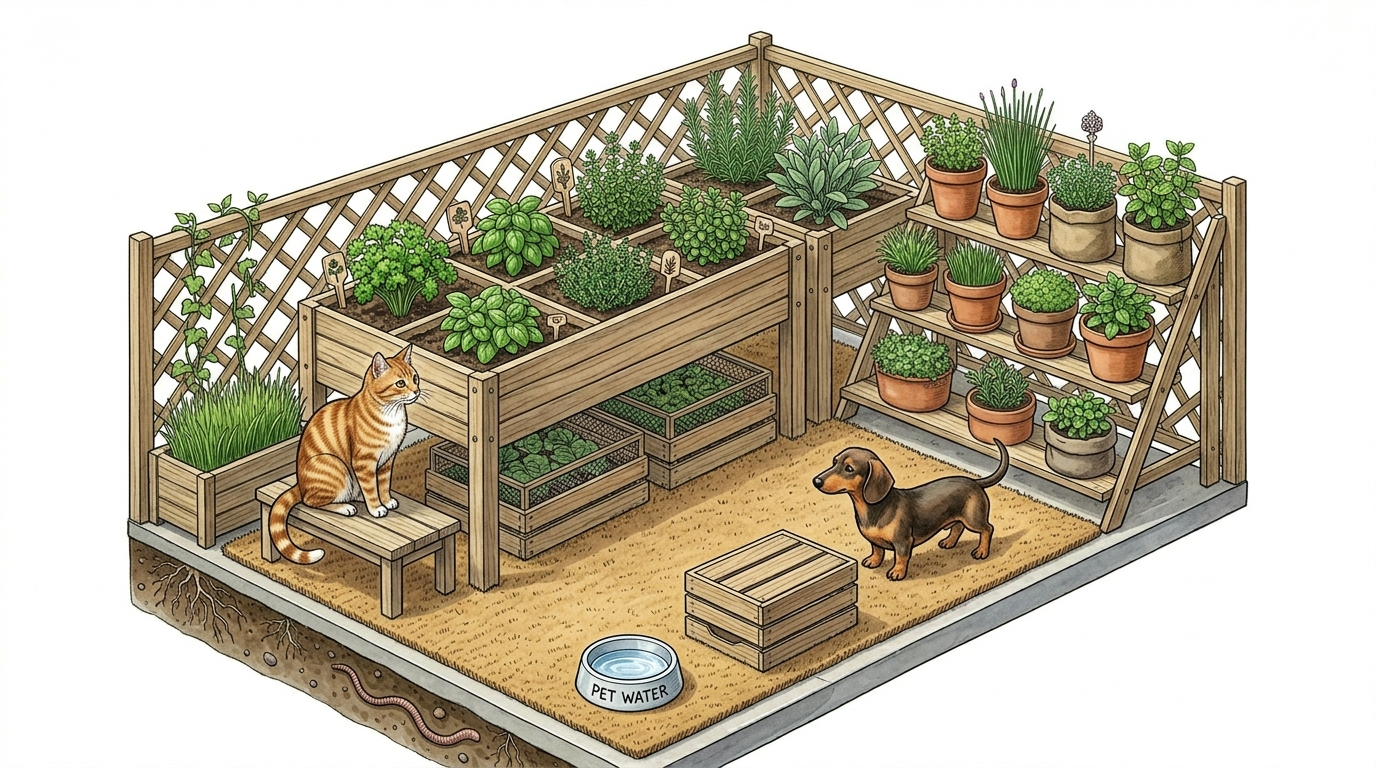
Pet-Safe Herb Gardens for Balconies and Beds
Learn how to create a pet-safe herb garden with suitable herbs, thoughtful layouts, and practical maintenance strategies.
Guide
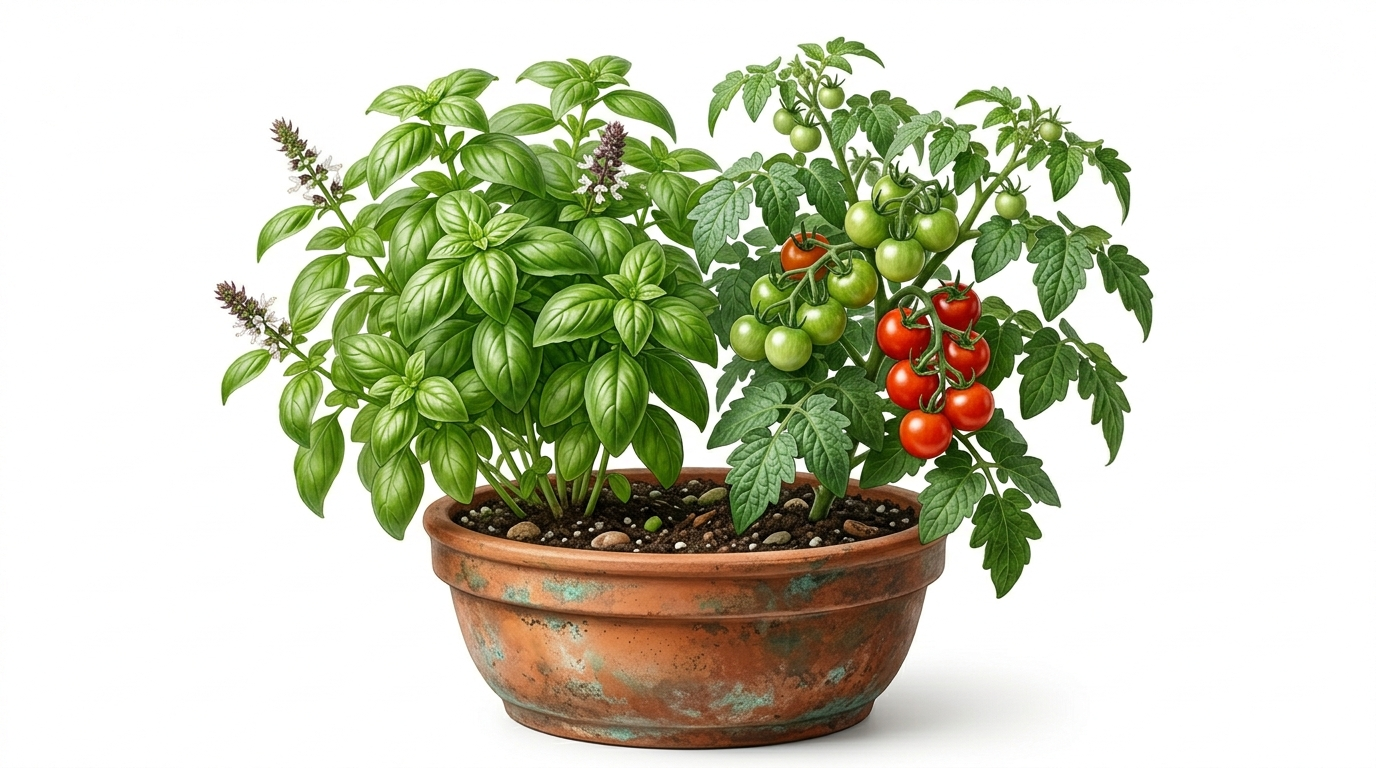
Growing Basil: Site, Watering and Harvesting
Learn how to grow basil successfully with the right site, steady watering, regular harvesting, and tips to delay flowering.
Guide
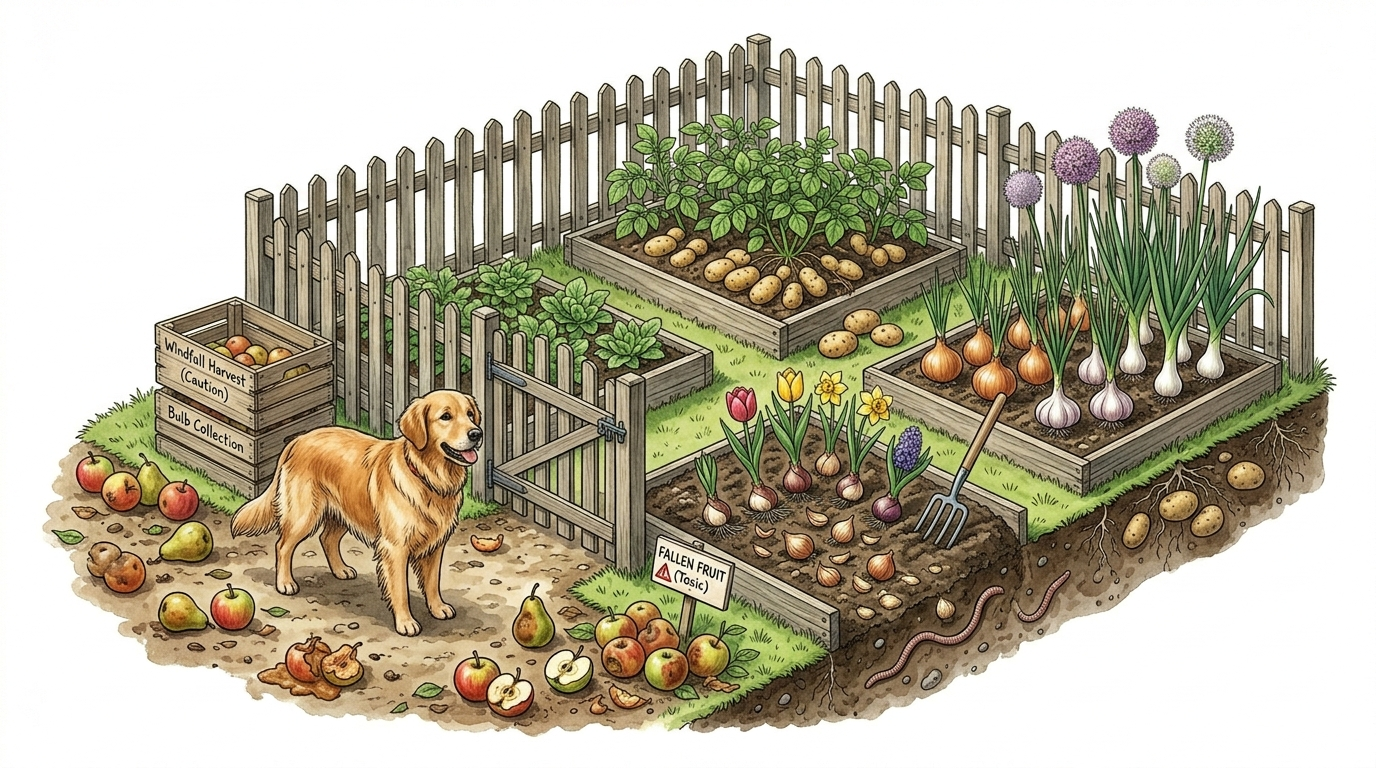
Dogs in the Garden: Windfall Fruit and Risks
Keep your garden dog-safe by managing windfall fruit, seeds, stored crops, and potentially problematic plant parts.
Internal links
Related plants
Rosmarinus tomentosus
Belongs to the Lamiaceae family.
parsley
Both are popular culinary herbs.
Chives
Both are perennial herbs that are harvested regularly.
Coriander
Also requires light feeding.
Peppermint
Belongs to the same family (Lamiaceae) and has similar care requirements.
common sage
Also a popular culinary and medicinal herb from the Lamiaceae family.
basil
Belongs to the Lamiaceae family.
Lavandula
Both are valued for their calming and aromatic properties.
Sources
Public sources
- Wikidata entity
Wikidata · 2026-05-16
- GBIF species match
GBIF · 2026-05-16
- Deutschsprachige Wikipedia: Zitronenmelisse
Wikipedia · 2026-05-16
- English Wikipedia: Lemon balm
Wikipedia · 2026-05-16