Plant Profile
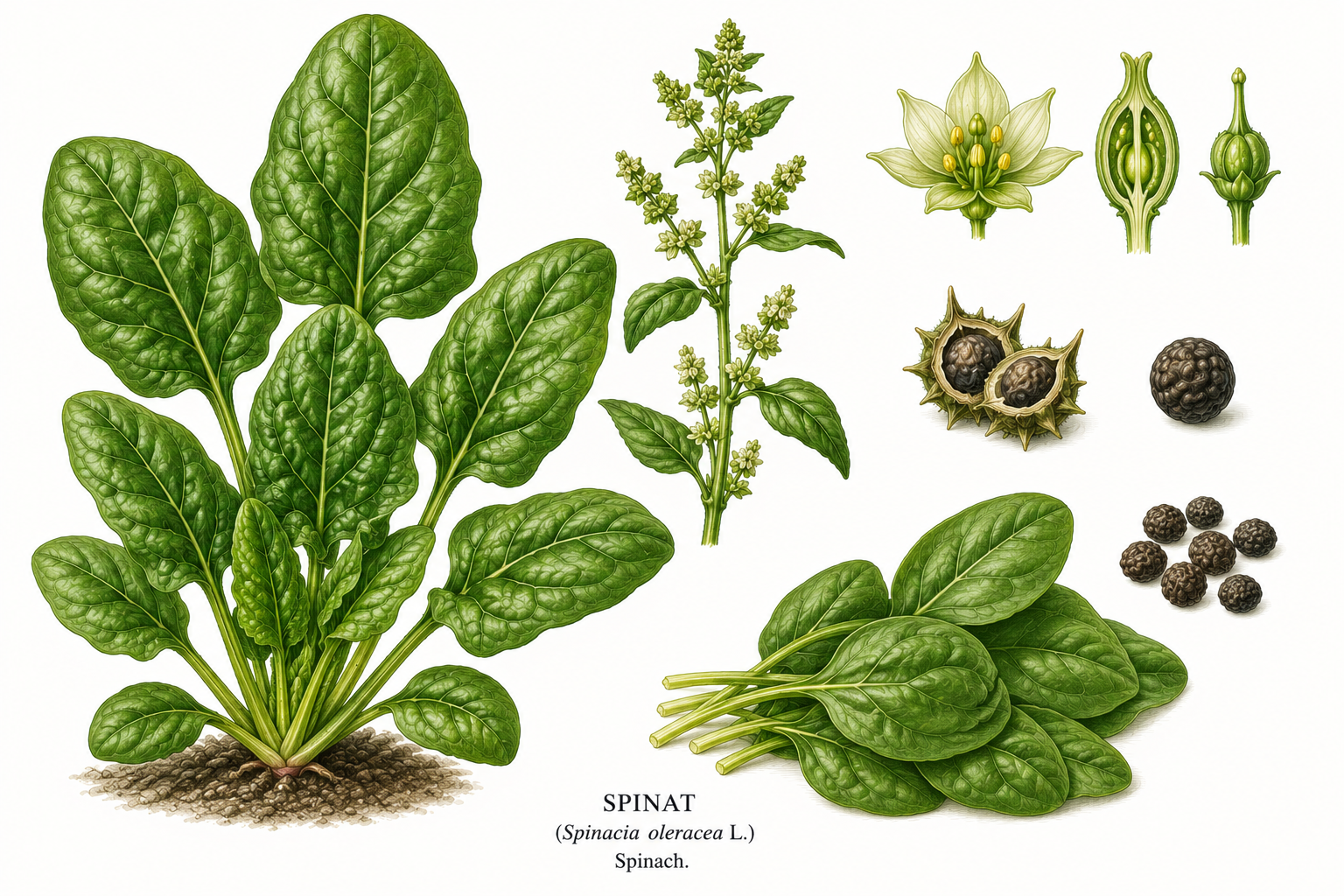
SpinachSpinacia oleracea
Fast-growing leafy green for spring, autumn and winter harvests.
Quick profile
Key data
Suitable growing locations:
Good neighbors
StrawberryCabbageBush beanPea
Indoor & direct sowing
Spinach: Sowing and germination
Spinach is not usually started indoors, as direct sowing is simpler and more successful.
Outdoor sowing possible from February to October; sow from August to October for autumn harvest.
Planting & site
Spinach: Planting and spacing
Spinach is direct-sown; transplanting is not typical.
Site & practical notes
Sowing notes: Sow spinach directly outdoors. No pre-culture required. Resow every 2–3 weeks for continuous harvest., Bolting prevention: Heat and drought promote bolting. Provide shade and water adequately in midsummer., Soil preference: Humus-rich, loose soil with good water-holding capacity is ideal.
Temperature & frost
Spinach: Temperature and site
Water & nutrients
Spinach: Water, nutrients and care
Container & growth
Spinach: Container, support and growth
Year plan
Spinach Calendar
Spinach sown in autumn can often be harvested into winter.
Relevant now
June
- Harvest and pest monitoringWatch for aphids and leaf miners.
Next up
July
- Harvest and provide shade if hotTemperatur über 25°C: During heatwaves harvest in morning and protect bed with fleece or shade netting.
Monthly tasks
Single tasks from monthly data; repeated seasonal windows are shown in the overview above.
January
Growing
- Bed preparationClear snow and incorporate compost if soil is not frozen.
February
Direct sowing
- Early outdoor sowingSow from about mid-February when soil is frost-free.
March
Direct sowing
- Main outdoor sowingFrom March, resow every 2–3 weeks for continuous harvest.
April
Harvest
- Begin harvestHarvest leaves when 8–10 cm long.
May
Harvest
- Continue harvestingWater during dry spells to delay bolting.
June
Plant health
- Harvest and pest monitoringWatch for aphids and leaf miners.
August
Harvest
- Sow for autumn and winter harvestSow in August for autumn harvest; choose winter-hardy varieties.
September
Harvest
- Resow and harvestFurther sowing possible to extend harvest into autumn.
October
Direct sowing
- Last sowing and frost protectionFrostgefahr: Last sowing in October; cover with fleece or brush when frost threatens.
November
Harvest
- Harvest in mild weatherBoden nicht gefroren: Continue harvesting when frost-free.
December
Harvest
- Harvest in mild wintersMilde Witterung ohne Dauerfrost: Leaves can be harvested in mild winters.
Flowering & pollination
Spinach Flowering & pollination
Flowering period
June to September (when bolted)
Self-fertility
nicht selbstfruchtbar (diözisch)
Pollinator needed
no
Overview
Wind pollinated (anemophilous); insects play little role.
Notes
Because male and female flowers are on separate plants, wind pollination is essential.
Pruning & care
Spinach Pruning & care
Pruning type
nicht anwendbar
Tools and hygiene
Not applicable for spinach.
Companion guide
Spinach Companion guide
Good neighbors
StrawberryCabbageBush beanPeaRadish
Use & storage
Spinach Use & storage
Harvest leaves from April to December, depending on sowing date.
Storage
Short-term storage in refrigerator; freezing for longer preservation.
Storage life
Fridge: 2–5 days; freezer: up to 12 months.
Flavor
Mild, slightly sweet, after cooking slightly earthy.
Harvest
Harvest leaves from April to December, depending on sowing date.
Processing
After harvest
Store spinach immediately after harvest in a cool, dark place; remove wilted or damaged leaves before storing. Do not wash before storage.
Edibility & safety
Spinach Edibility & safety
For people
In brief: which parts are edible, which parts remain risky, and whether raw consumption makes sense.
Safety notes
Raw spinach contains oxalic acid, which can be harmful in very high consumption (several kg raw daily). Blanching reduces oxalic acid. Individuals with kidney stones should eat spinach only cooked.
Animal safety
For many animals, this plant is generally low-risk: 14 animal types are rated suitable or mostly suitable. Quantity, plant part, and individual tolerance still matter.
Each row shows which parts are more suitable and which parts are critical.
Companion animals
 Dog
DogLeaves, young shoots
Roots, Flower stalks, Seeds
Leaves, young shoots
Roots, Flower stalks, Seeds
High raw consumption, Kidney issues
Gastrointestinal upset, Vomiting, Diarrhea
observe
Leaves and young shoots are safe in moderation; roots, flower stalks, and seeds contain higher concentrations of oxalic acid and should be avoided. Blanching reduces risk. For dogs with kidney issues, feed only after consulting a veterinarian.
Open animal page Cat
CatLeaves, young shoots
Roots, flower stalks, seeds
Leaves, young shoots
Roots, flower stalks, seeds
high consumption of raw leaves, pre-existing kidney or urinary tract conditions
gastrointestinal upset, vomiting, diarrhea
observe
Spinach leaves and young shoots are safe for cats in small amounts as an occasional treat. Roots, flower stalks, and seeds contain higher concentrations of oxalic acid and should be avoided. Overconsumption may cause gastrointestinal upset. For cats with a history of kidney stones, spinach should only be given after consulting a veterinarian. Blanching reduces oxalic acid content.
Open animal page Rabbit
Leaves, young shoots
Roots, flower stalks, seeds
Leaves, young shoots
Roots, flower stalks, seeds
high oxalic acid content when raw, overfeeding, animals with kidney sensitivity
gastrointestinal upset, kidney strain with excessive intake
observe
Spinach leaves are suitable for rabbits in small amounts as supplemental feed. Due to oxalic acid content, raw spinach should only be fed occasionally and in limited quantities. Roots, flower stalks, and seeds are not suitable and should be avoided. Excessive intake may cause gastrointestinal upset. Long-term, there is a risk of kidney strain from oxalate accumulation. Blanching significantly reduces oxalic acid…
Open animal page Guinea pig
Leaves, young shoots
Roots, flower stalks, seeds
Leaves, young shoots
Roots, flower stalks, seeds
high oxalate content, kidney sensitivity
gastrointestinal upset, kidney strain with excessive intake
observe
Leaves and young shoots are safe in moderation; roots, flower stalks, and seeds contain higher concentrations of oxalic acid and should be avoided. Blanching reduces oxalic acid content.
Open animal page Hamster
Leaves, young shoots
Roots, flower stalks, seeds
Leaves, young shoots
Roots, flower stalks, seeds
high oxalic acid content when raw, overfeeding, animals with kidney sensitivity
gastrointestinal upset, kidney strain with overconsumption
observe
Spinach leaves can be given to hamsters as an occasional treat, but only in small amounts due to oxalic acid content. Young leaves are preferred. Roots, seeds, and flower stalks should be avoided. If signs of digestive upset occur, discontinue feeding and consult a veterinarian.
Open animal page Budgie
Leaves, young shoots
Roots, flower stalks, seeds
Leaves, young shoots
Roots, flower stalks, seeds
high oxalic acid content, overfeeding, kidney sensitivity
gastrointestinal upset, kidney strain with excessive intake
observe
Leaves and young shoots are suitable for budgies in small amounts as an occasional treat. Due to oxalic acid content, spinach should only be fed occasionally and in limited amounts. Roots, flower stalks, and seeds are not suitable and should be avoided. Excessive intake may cause gastrointestinal upset or kidney strain. Consult a veterinarian if symptoms occur.
Open animal pageFarm animals
 Horse
HorseLeaves, young shoots
Roots, flower stalks, seeds
Leaves, young shoots
Roots, flower stalks, seeds
high oxalic acid content when raw, overfeeding, kidney sensitivity
gastrointestinal upset, kidney strain with excessive intake
observe
Spinach is generally safe for horses in moderation, with high oxalic acid content necessitating avoidance of overfeeding. Young leaves and shoots are preferred; roots, flower stalks, and seeds should be avoided. Blanching reduces oxalic acid risk. Excessive intake may cause gastrointestinal upset or kidney strain. Consult a veterinarian if symptoms occur.
Open animal page Chicken
Leaves, young shoots
Roots, Flower stalks, Seeds
Leaves, young shoots
Roots, Flower stalks, Seeds
High consumption of raw leaves, Pre-existing kidney issues
Kidney strain with excessive intake, Gastrointestinal upset
observe
Leaves and young shoots are suitable for chickens in moderation but contain oxalic acid, which can be harmful with excessive intake. Roots, flower stalks, and seeds should be avoided. Blanching reduces oxalic acid content. Monitor for signs of distress and consult a veterinarian if symptoms persist.
Open animal page Duck
DuckLeaves, young shoots
Roots, flower stalks, seeds
Leaves, young shoots
Roots, flower stalks, seeds
high oxalic acid content when raw, overfeeding, animals with kidney sensitivity
gastrointestinal upset, kidney strain with excessive intake
observe
Leaves and young shoots of spinach are suitable for ducks in moderation but contain oxalic acid, which can be harmful in excessive amounts. Roots, flower stalks, and seeds should not be fed. Blanchings reduces oxalic acid content.
Open animal page Goose
GooseLeaves, young shoots
Roots, flower stalks, seeds
Leaves, young shoots
Roots, flower stalks, seeds
high oxalic acid content when raw, overconsumption, kidney sensitivity
gastrointestinal upset, kidney strain with excessive intake
observe
Leaves and young shoots are suitable for geese in moderation and are often included as part of a varied diet. Due to oxalic acid content, raw spinach should only be given occasionally and in small amounts. Roots, flower stalks, and seeds should not be fed. Blanching reduces the risk.
Open animal page Sheep
SheepLeaves, young shoots
Roots, Flower stalks, Seeds
Leaves, young shoots
Roots, Flower stalks, Seeds
High oxalic acid content when raw, Excessive consumption, Presence of kidney stones
Gastrointestinal upset, Kidney strain with excessive intake
observe
Leaves and young shoots are safe and nutritious for sheep in moderation. Roots, flower stalks, and seeds contain higher concentrations of oxalic acid and should be avoided. Blanching reduces oxalic acid content.
Open animal page Goat
GoatLeaves, young shoots
Roots, flower stalks, seeds
Leaves, young shoots
Roots, flower stalks, seeds
high oxalic acid content when raw, overfeeding, kidney sensitivity
gastrointestinal upset, kidney strain with excessive intake
observe
Spinach leaves are suitable for goats in moderation and are often readily eaten. Due to oxalic acid content, intake should be limited, especially in animals with kidney problems. Young leaves are preferred. Roots, seeds, and flower stalks should be avoided. Blanching significantly reduces oxalic acid. Excessive intake may cause gastrointestinal upset. Long-term high consumption may predispose to kidney stones…
Open animal page Cattle
Leaves, young shoots
Roots, flower stalks, seeds
Leaves, young shoots
Roots, flower stalks, seeds
high oxalic acid content when raw, overfeeding, kidney sensitivity
gastrointestinal upset, kidney strain with excessive intake
observe
Spinach leaves and young shoots are suitable for cattle in moderation and are occasionally used as supplemental feed. Due to oxalic acid content, intake should be limited, especially in animals with kidney sensitivity. Roots, flower stalks, and seeds should not be fed. Blanching reduces oxalic acid content.
Open animal page Pig
PigLeaves, young shoots
Roots, flower stalks, seeds
Leaves, young shoots
Roots, flower stalks, seeds
high oxalic acid content when raw, kidney sensitivity
gastrointestinal upset, kidney strain with excessive intake
observe
Leaves and young shoots are suitable for pigs in moderation and valued as nutritious green fodder. Roots, flower stalks, and seeds contain higher concentrations of oxalic acid and should be avoided. Blanching reduces oxalic acid content.
Open animal pageThese guidelines are for general information only and do not replace veterinary diagnosis. If critical plant parts were ingested or the animal shows unusual behaviour or symptoms, seek veterinary advice.
Max risk
unknown
Highest status
moderation only
Urgency
observe
Saving seed
Spinach Saving seed
Seed viability
3 - 5 years
Method
Method: Spinach is wind pollinated; maintain isolation distances of at least 500 m (preferably 1 km) between varieties for seed purity., Harvest: Harvest seed heads in late summer when they are dry and brown. Beat out the seeds from the clusters and let them dry further., Storage: Store cool, dry, and dark. Viability: 3–5 years.
Practical tips
Spinach Practical tips
Common beginner mistakes
Success pattern
Resow every two weeks for a continuous harvest.
High-impact tips
Mulching suppresses weeds and retains soil moisture.
Grower observations
Plant Profile
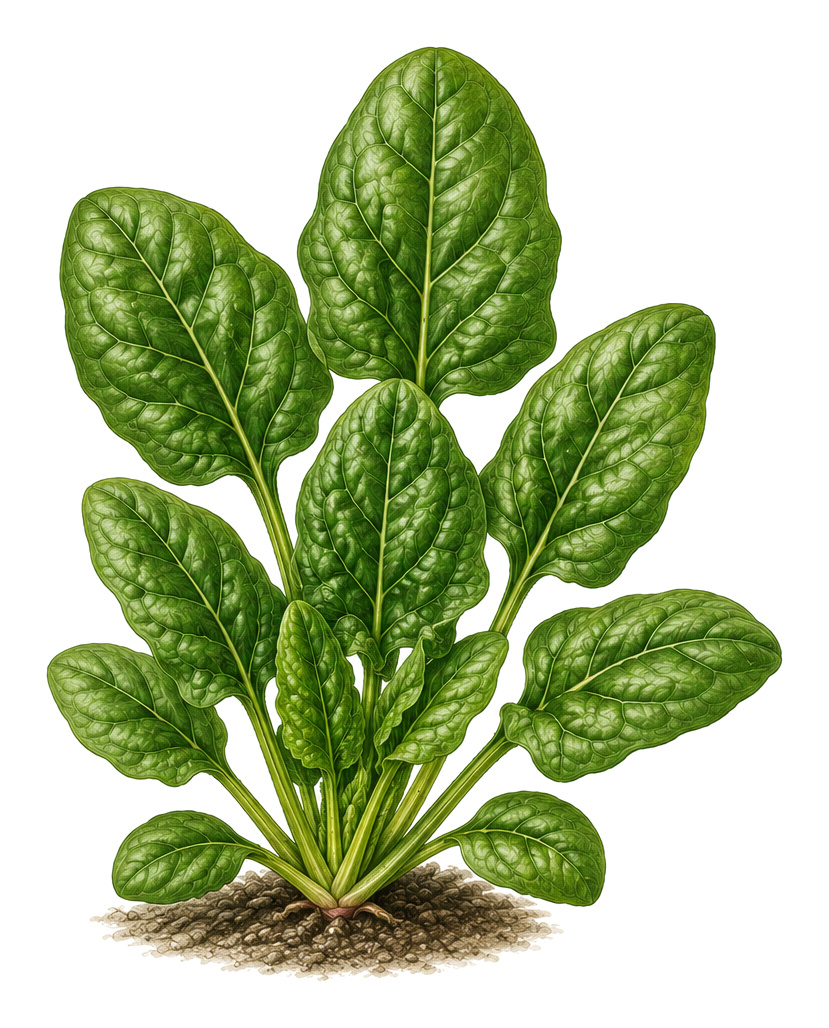
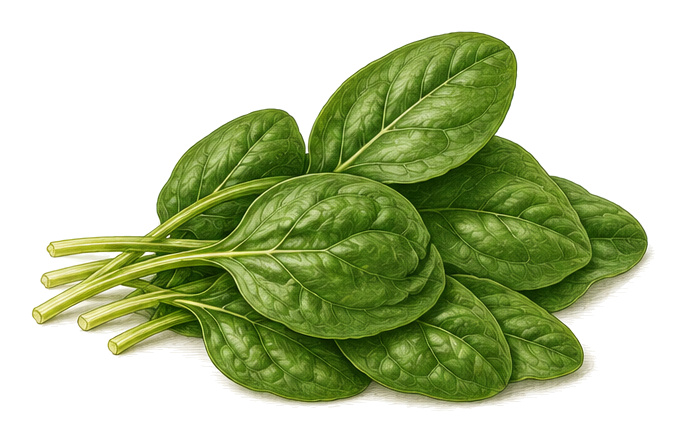
Additional plant images

Health
Pests, Diseases
Pests
Aphids
Curled, distorted leaves, sticky honeydew
Leaf miners
White, winding tunnels in leaf tissue
Slugs and snails
Holes in leaves, slime trails
Diseases
Downy mildew
Yellowish to brownish spots on the upper leaf surface, greyish-purple fungal growth on the underside
Root rot
Wilting, yellowing leaves, brown, soft roots
Deficiencies
Nitrogen deficiency
Pale yellow to light green leaves, weak growth
Boron deficiency
Thickened, cracked leaf veins, deformed leaves
Plant health
Diagnosis help
Spinach Diagnosis help
Pest groups
Disease groups
Prevention
Diagnosis
Examine leaf undersides for pests and fungal growth. Compare symptoms with the described damage patterns.
Cultural prevention
Monitoring
First response
Diagnostic rules
Yellow spots on the upper leaf surface, greyish growth on the underside
Possible causes: Downy mildew
- Examine leaf underside with a magnifying glass
- Check moisture conditions
- Check variety for resistance
Wilting despite moist soil
Possible causes: Root rot
- Dig up roots and check for rot
- Examine soil for waterlogging
Distorted, curled leaves
Possible causes: Blattlausbefall
- Search leaf undersides for aphids
- Check if ants are present
FAQ
When should I sow spinach?
Spinach can be sown outdoors from February to October. For an autumn harvest, sow from August to October.
Why is my spinach bolting?
Spinach bolts due to long days, heat above 25°C, or drought stress. Choose heat-tolerant varieties and provide shade and even watering.
Can I grow spinach in a pot?
Yes, spinach is well-suited for container growing. Choose a pot with at least 5 litres volume and good drainage.
Is spinach winter-hardy?
Yes, spinach tolerates light frost down to -5°C. Protect with fleece or brushwood in harder frosts.
What to do about downy mildew on spinach?
Choose resistant varieties, maintain wide spacing, avoid leaf wetness. Remove affected leaves and spray with horsetail tea.
Is Spinach safe for Dog?
Spinach is classified as moderation only for Dog. Risk: unknown. Urgency: observe. Leaves and young shoots are safe in moderation; roots, flower stalks, and seeds contain higher concentrations of oxalic acid and should be avoided. Blanching reduces risk. For dogs with kidney issues, feed only after consulting a veterinarian.
Is Spinach safe for Cat?
Spinach is classified as moderation only for Cat. Risk: unknown. Urgency: observe. Spinach leaves and young shoots are safe for cats in small amounts as an occasional treat. Roots, flower stalks, and seeds contain higher concentrations of oxalic acid and should be avoided. Overconsumption may cause gastrointestinal upset. For cats with a history of kidney stones, spinach should only be given after consulting a veterinarian. Blanching reduces oxalic acid content.
Is Spinach safe for Rabbit?
Spinach is classified as moderation only for Rabbit. Risk: unknown. Urgency: observe. Spinach leaves are suitable for rabbits in small amounts as supplemental feed. Due to oxalic acid content, raw spinach should only be fed occasionally and in limited quantities. Roots, flower stalks, and seeds are not suitable and should be avoided. Excessive intake may cause gastrointestinal upset. Long-term, there is a risk of kidney strain from oxalate accumulation. Blanching significantly reduces oxalic acid…
Is Spinach safe for Guinea pig?
Spinach is classified as moderation only for Guinea pig. Risk: unknown. Urgency: observe. Leaves and young shoots are safe in moderation; roots, flower stalks, and seeds contain higher concentrations of oxalic acid and should be avoided. Blanching reduces oxalic acid content.
Guides
Related guides
Guide
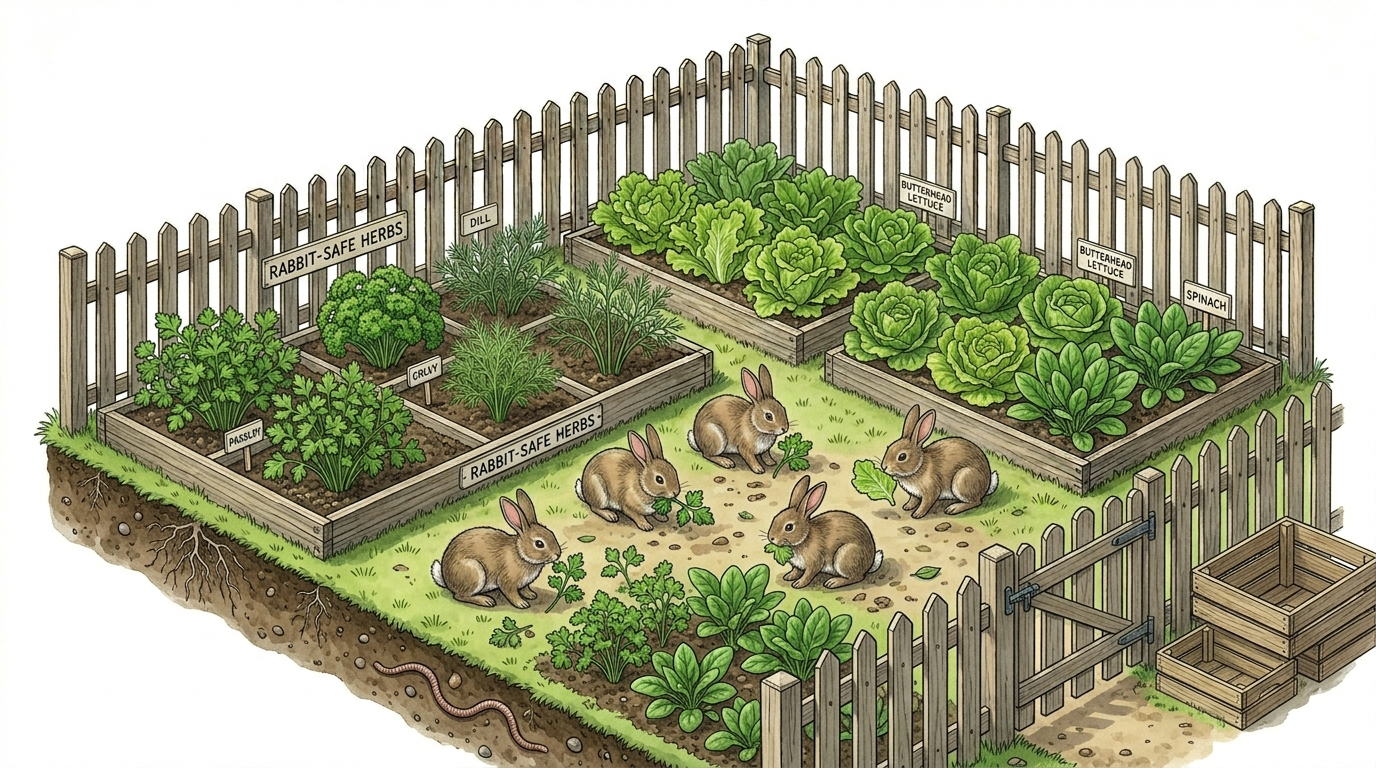
Rabbits in the Garden: Herbs and Vegetables
Learn how to choose suitable herbs and vegetables for rabbits, grow feeding plants, and plan a rabbit-friendly garden.
Guide
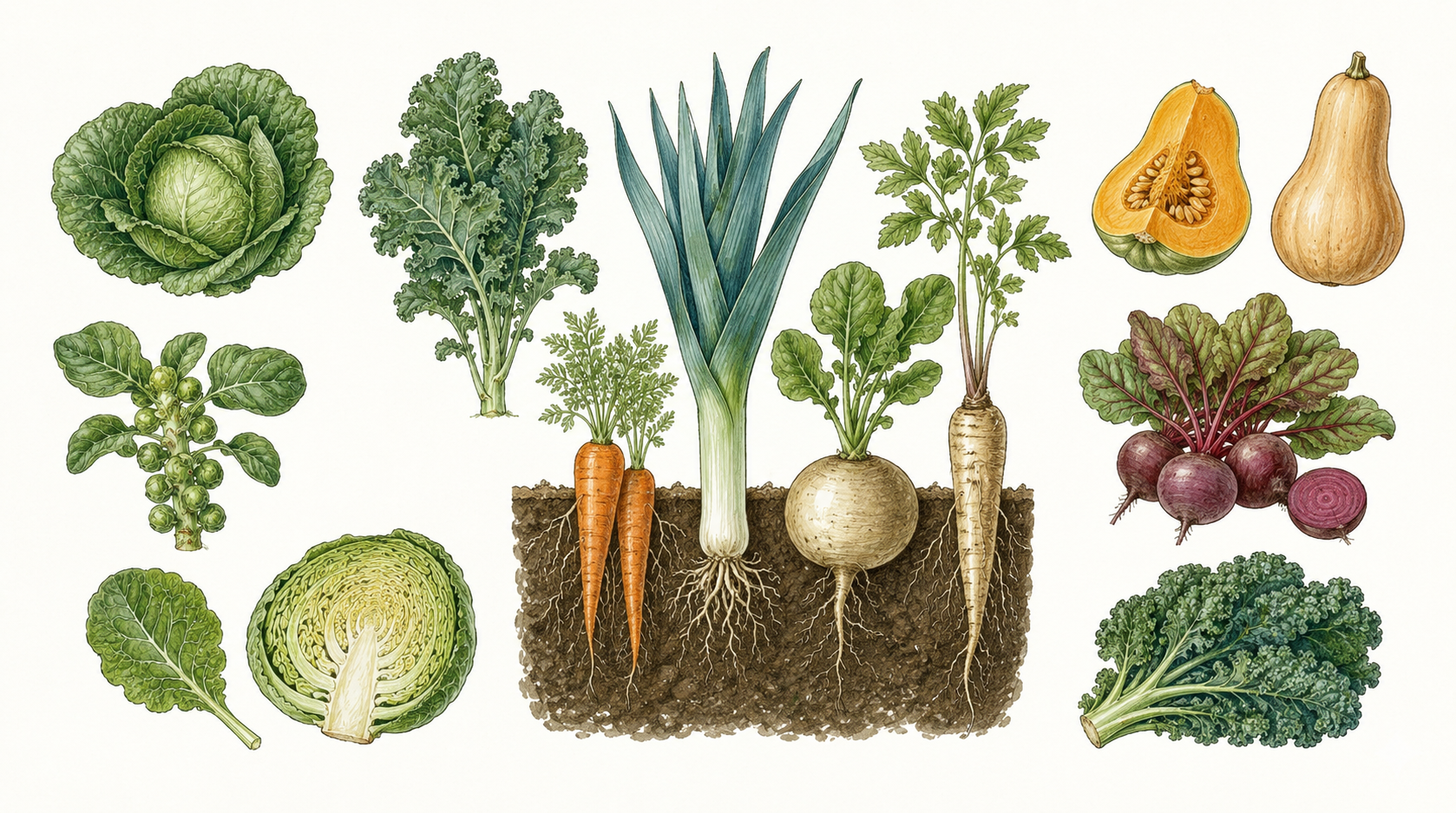
Growing Autumn Vegetables for Winter Harvests
Learn how to grow autumn vegetables such as kale, spinach, lamb's lettuce, and leeks for harvests into winter.
Guide
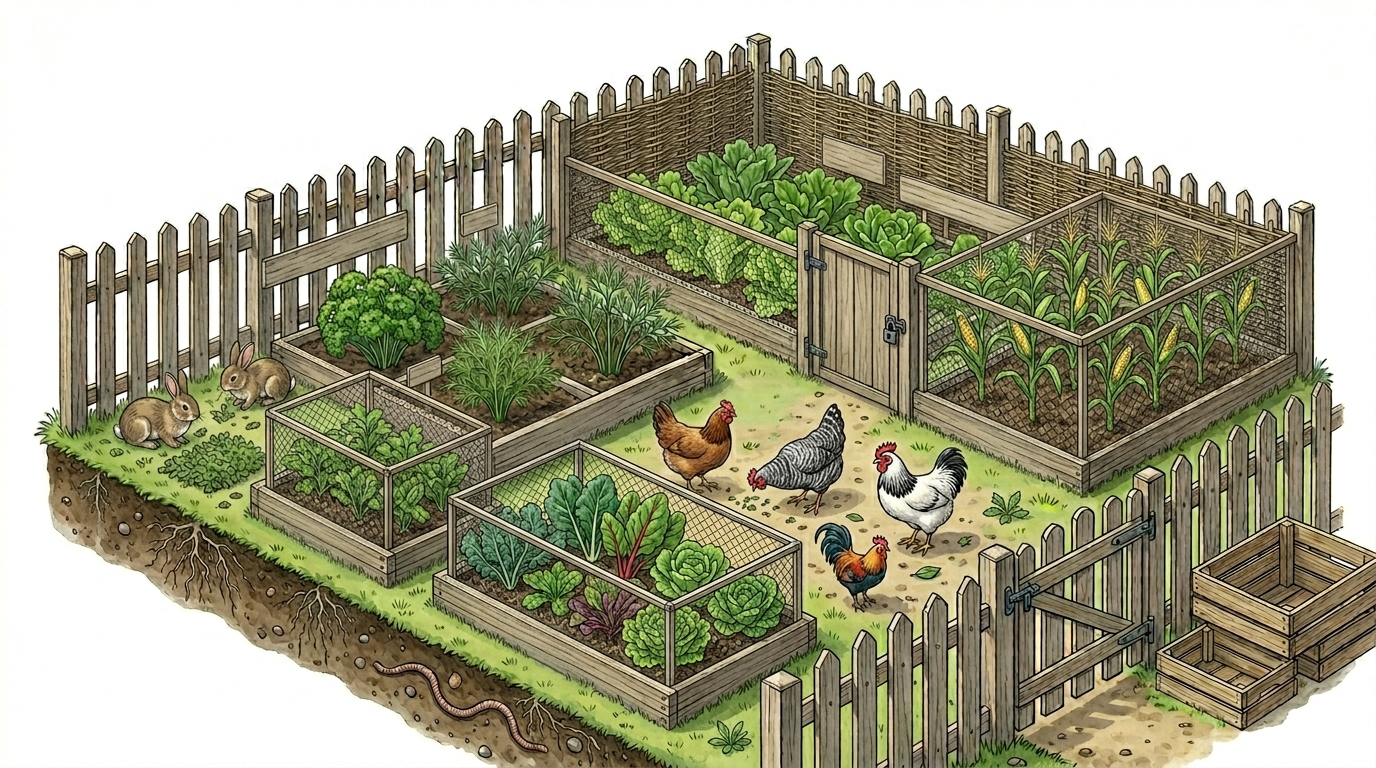
Chickens in the Garden: Safe Plants and Zones
Learn how to design a chicken-friendly garden with suitable plants, protected beds, and well-planned activity areas.
Guide
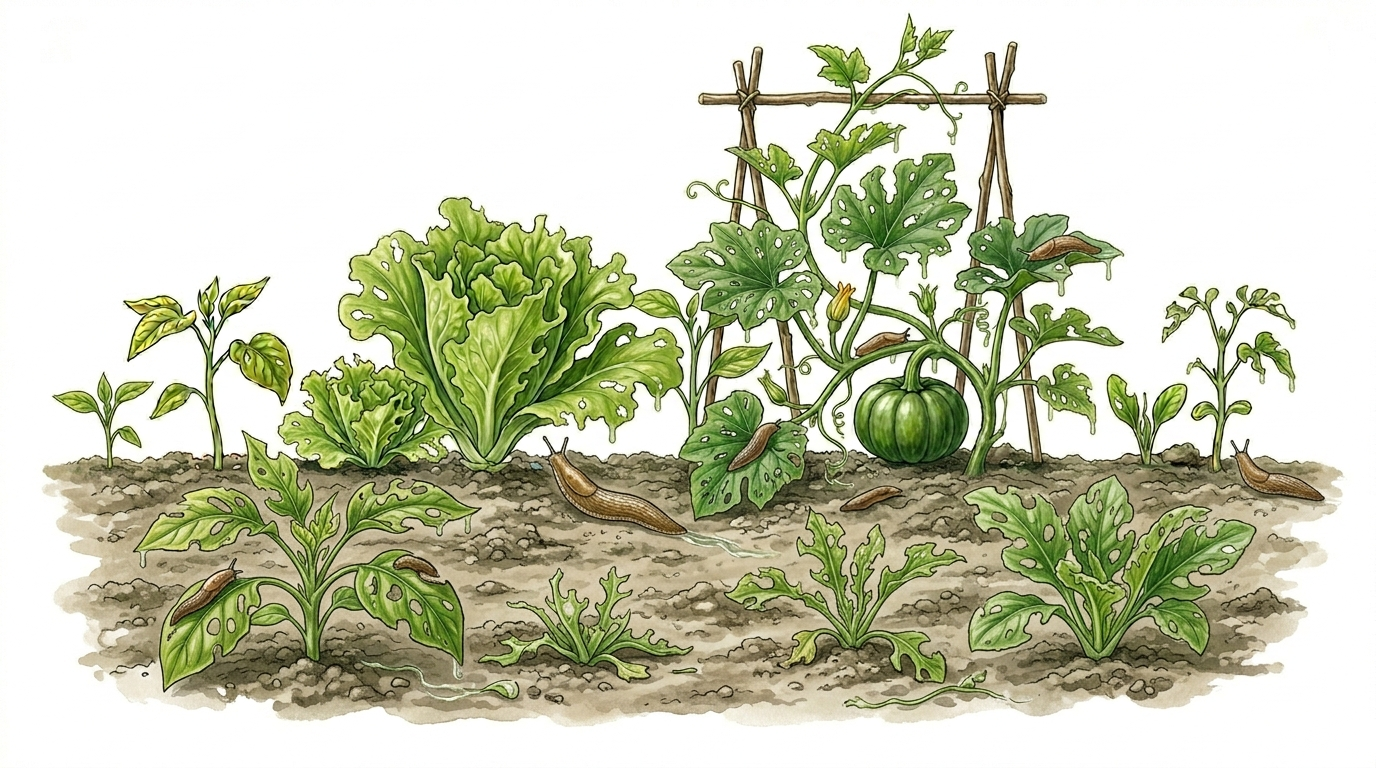
Slugs in Vegetable Beds: Protecting Vulnerable Plants
Learn how to protect vegetables from slugs, recognize feeding damage early, and plan beds to reduce slug pressure.
Internal links
Related plants
Beetroot
Both belong to the Chenopodiaceae.
Susceptible to similar fungal diseases like root rot.
Lettuce
Both are leafy greens.
Similar nutrient requirements (medium feeder).
Common Purslane
Similar use as leafy salad.
corn salad
Often confused as a winter leafy green, but has different requirements.
Sources
Public sources
- Wikidata entity
Wikidata · 2026-05-15
- GBIF species match
GBIF · 2026-05-15
- Deutschsprachige Wikipedia: Spinat
Wikipedia · 2026-05-15
- English Wikipedia: Spinach
Wikipedia · 2026-05-15