Plants
36
Category
Herbs brings together 36 plant profiles with cultivation data, care guidance, and calendar windows. Typical sowing windows include January - December. Harvest is especially relevant in January - December. Common site needs: Sunny to partial shade, warm, sunny, sheltered. Useful edible parts: Bulb, bulbs, flowers, Flowers.
Overview
36
Sunny to partial shade, warm, sunny, sheltered
high, low, medium, very low
Bulb, bulbs, flowers, Flowers, herb, leaves
35 / 36
Growing guidance
Herbs are commonly sold together even though their requirements differ sharply. Basil is an annual crop that prefers warmth and nutrients, while thyme, sage, and oregano are perennial and favour dry, free-draining soil. Parsley and chives need more even moisture; mint spreads strongly and is often easier to control in its own container. A herb bed works better when plants are grouped by water demand, winter hardiness, and growth habit rather than culinary use alone.
Mediterranean herbs need abundant light and should not remain waterlogged. Heavy soil benefits from a raised position and added mineral structure, while small pots can dry rapidly in summer even with drought-tolerant species. Leafy herbs often remain tender for longer in bright or partly shaded positions with even watering. On balconies, walls, wind, and container size influence the microclimate as much as orientation. Every container needs open drainage and sufficient root room.
Regular harvesting encourages compact new growth in many herbs. Pick clean, healthy material before intense midday heat where possible; not every herb retains quality when dried. Flowers support insects but can change flavour and leaf production in crops grown mainly for foliage. Perennial subshrubs should not be cut hard into old leafless wood, and vulnerable container plants need protection from frozen root balls in winter.
Check safe use before combining crops. Edible parts, sensible quantity, and animal safety are species-specific. The profiles connect harvest, site, container suitability, and known risks. For a durable herb garden, a smaller selection of well-positioned plants is usually easier to maintain and more productive than a densely mixed box.
Overview
Sowing: January - December; harvest: January - December.
Site values: Sunny to partial shade, warm, sunny, sheltered; water: high, low, medium.
Useful parts: Bulb, bulbs, flowers, Flowers, herb; container suitable: 35 of 36 plants.
Overview
Quick entry points by common gardening intent, so the category is more than a list.
This selection helps with quick decisions in June.
This selection helps with quick decisions in June.
This selection helps with quick decisions in June.
This selection helps with quick decisions in June.
Plants
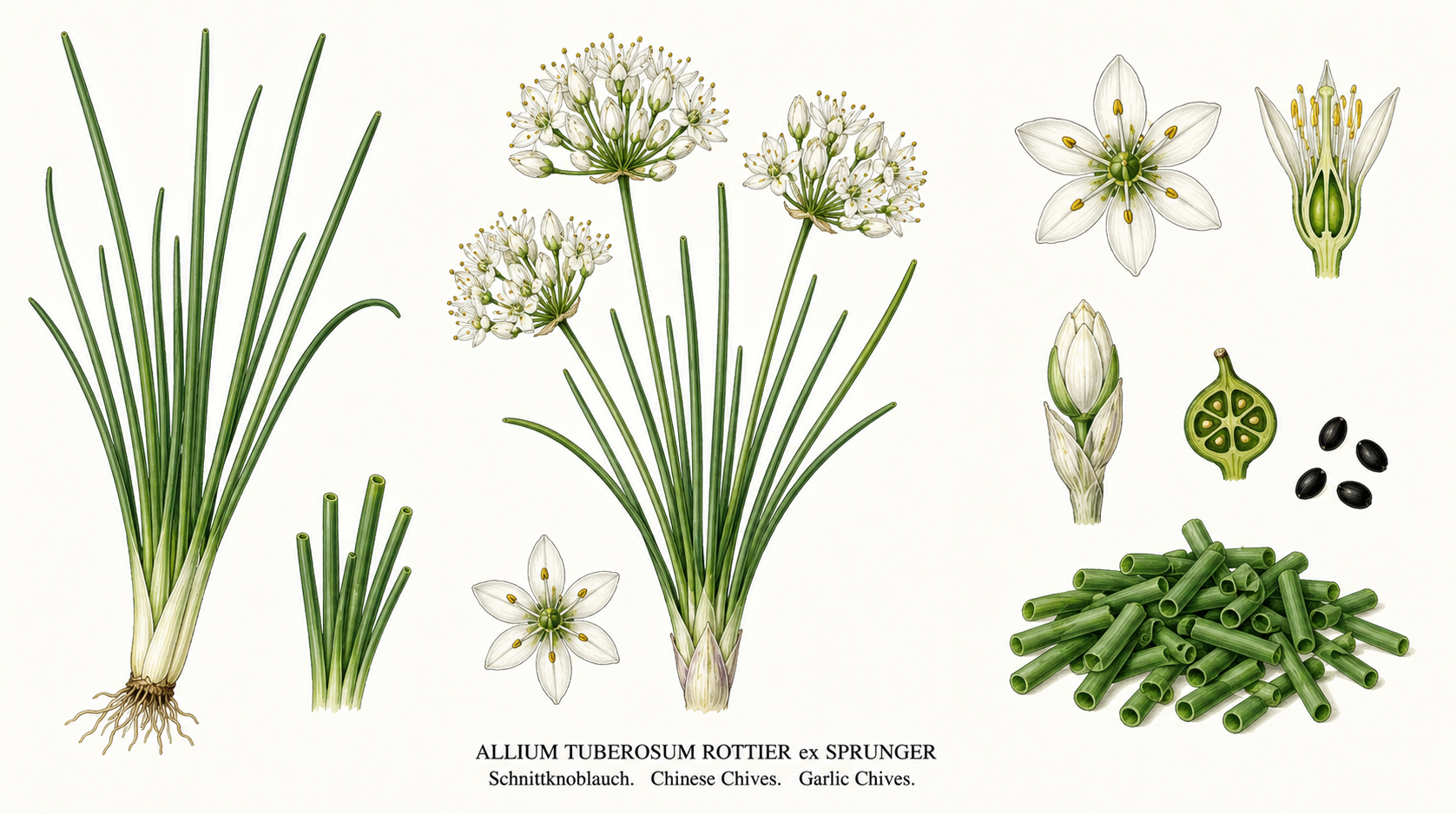
Allium ramosum

Allium ursinum
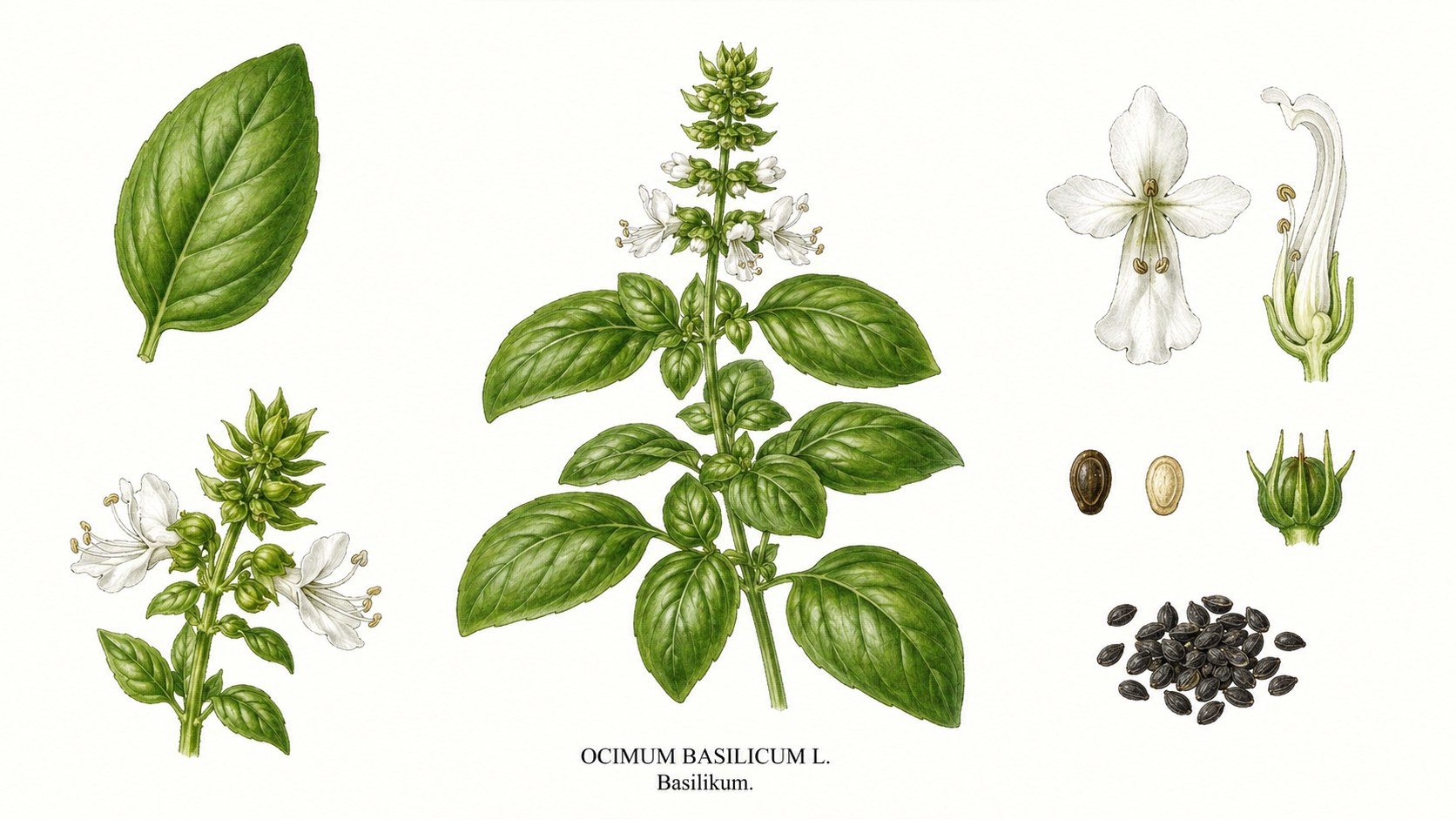
Ocimum basilicum
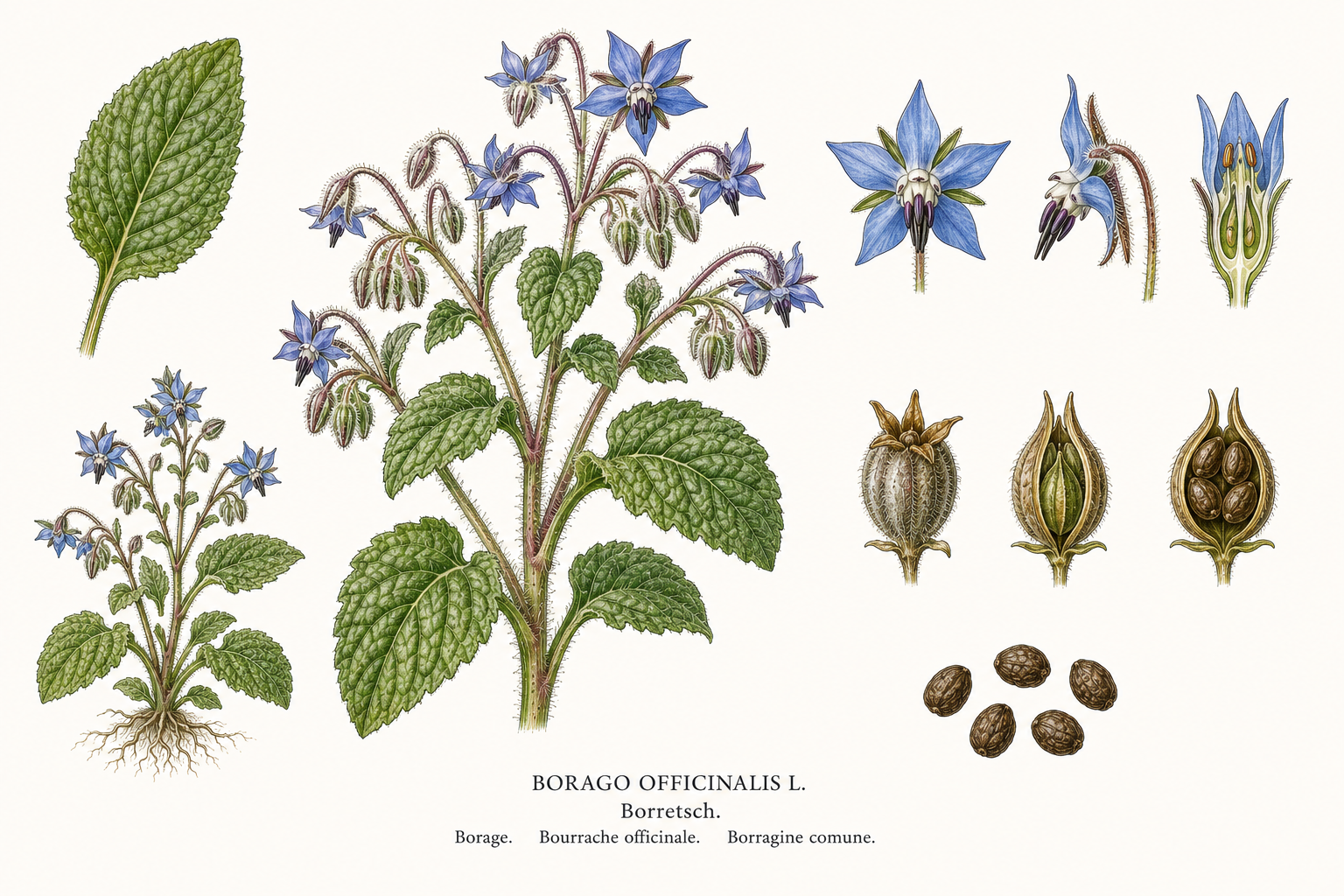
Borago officinalis
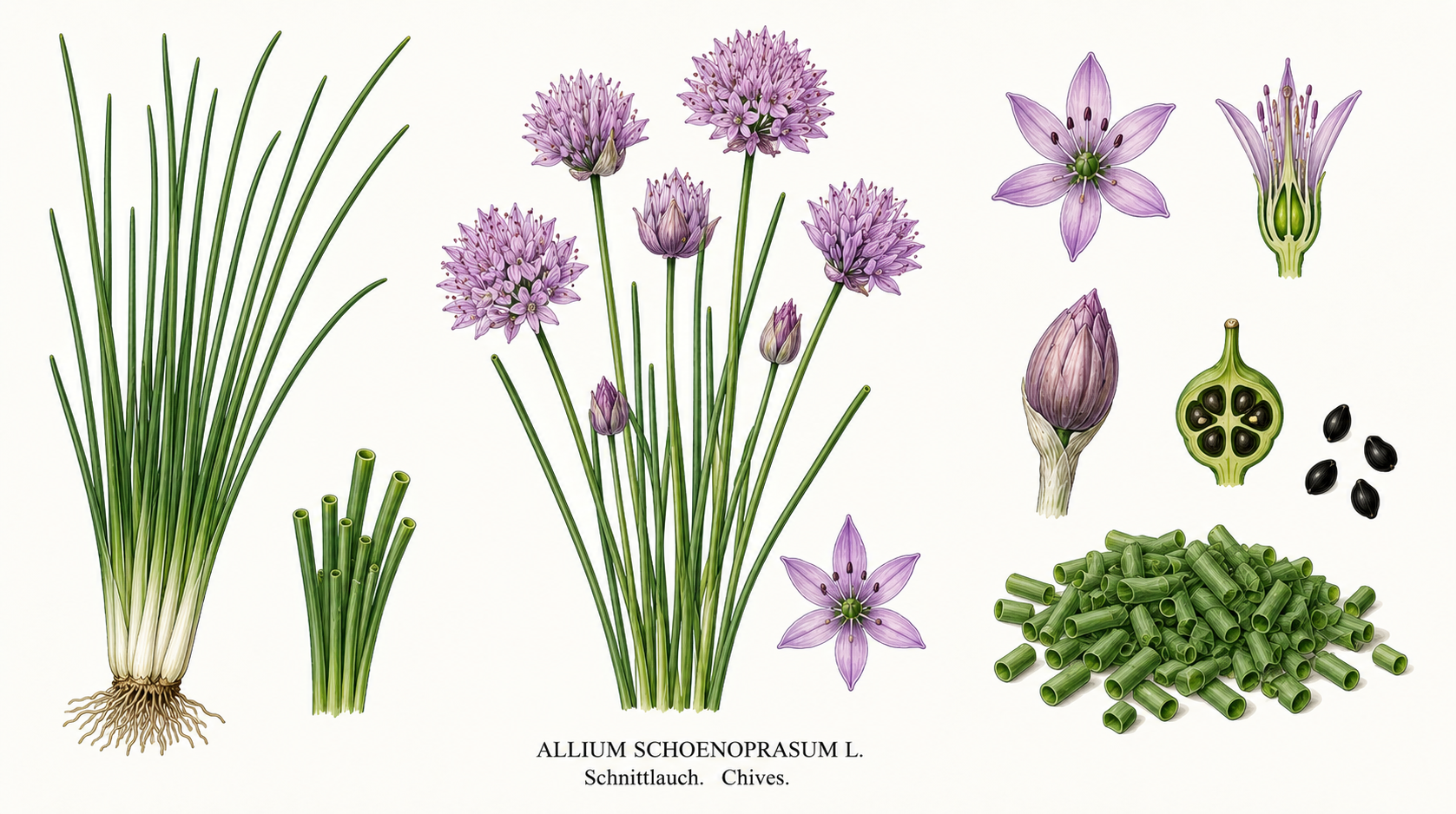
Allium schoenoprasum
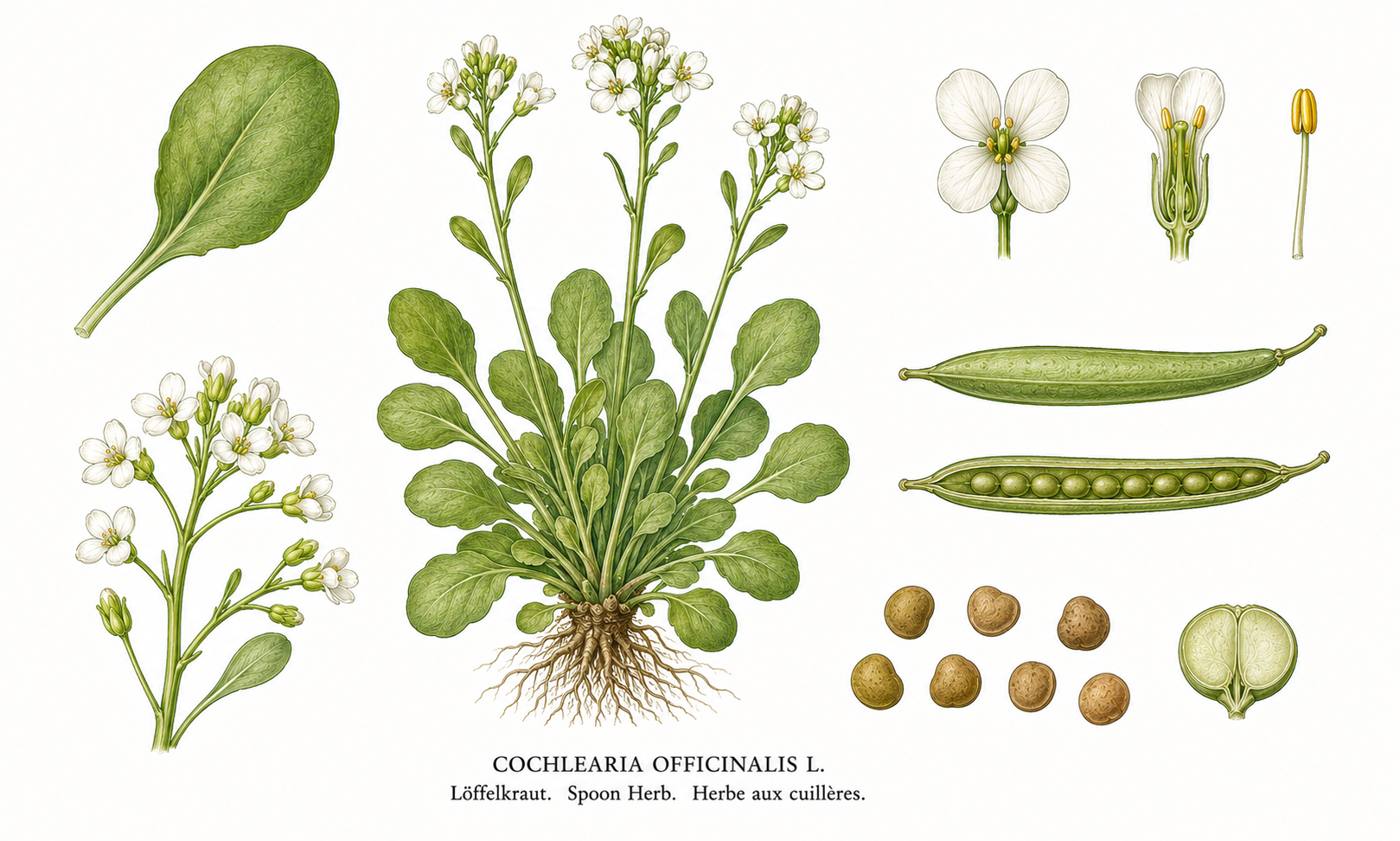
Cochlearia
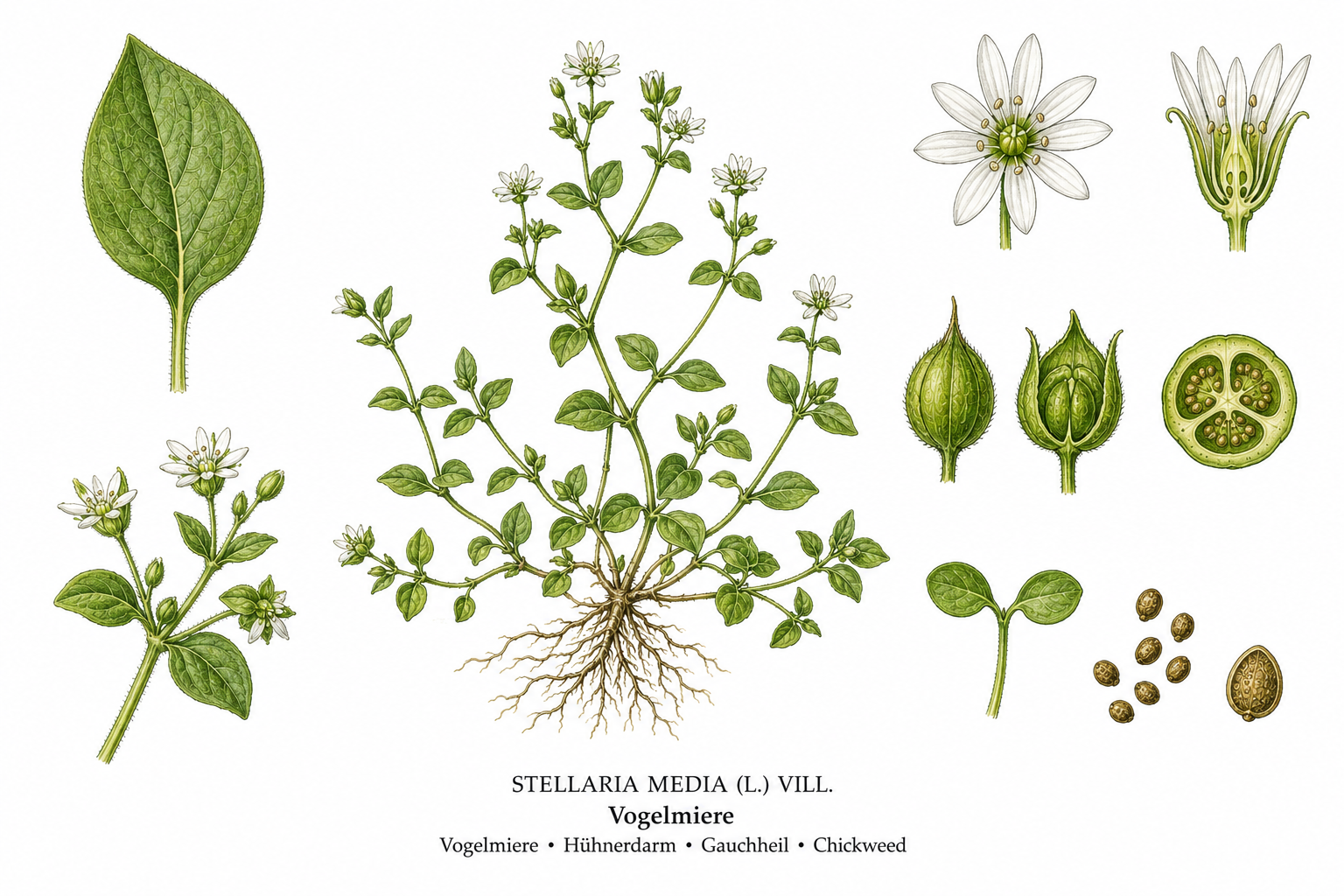
Stellaria media
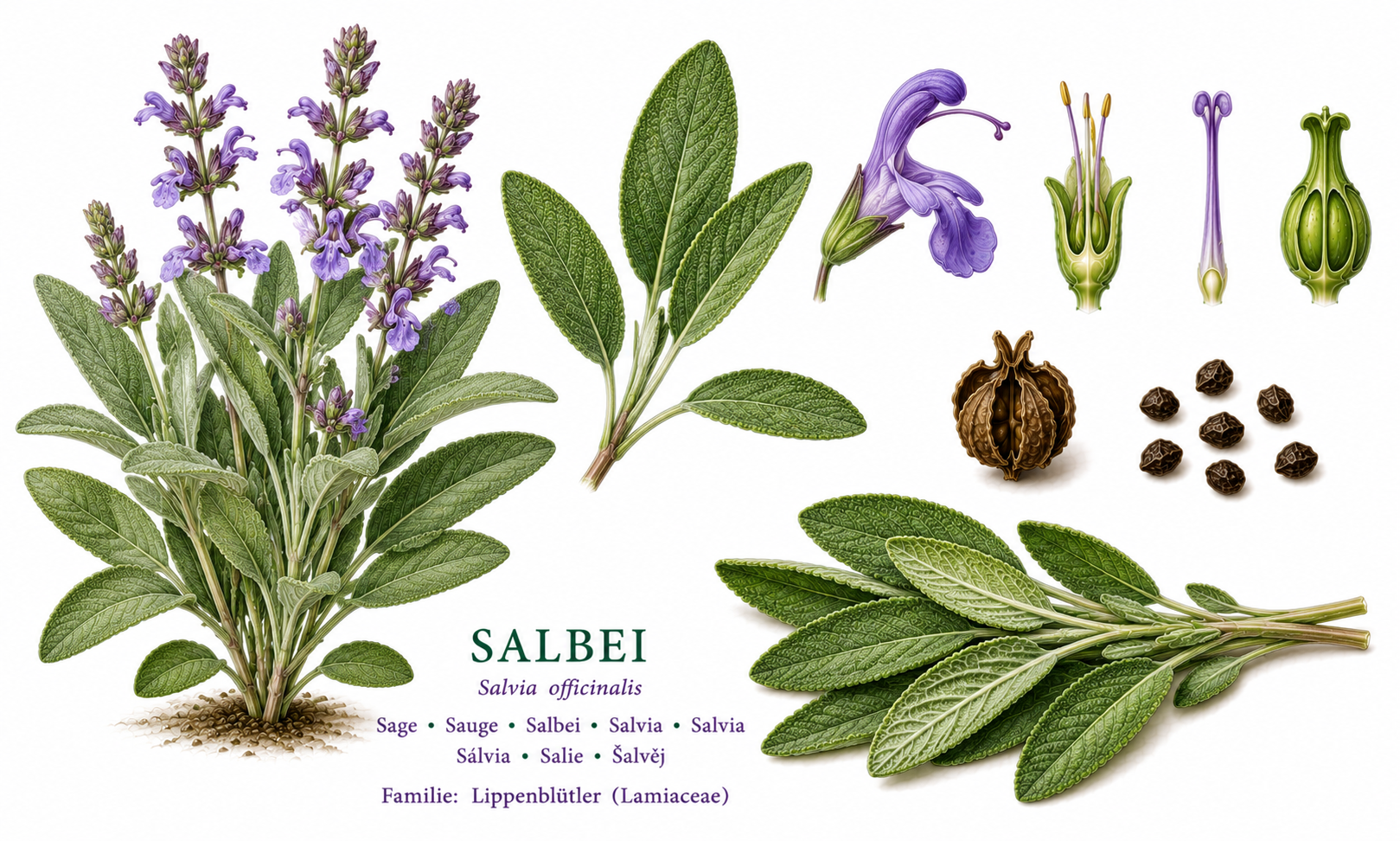
Salvia officinalis
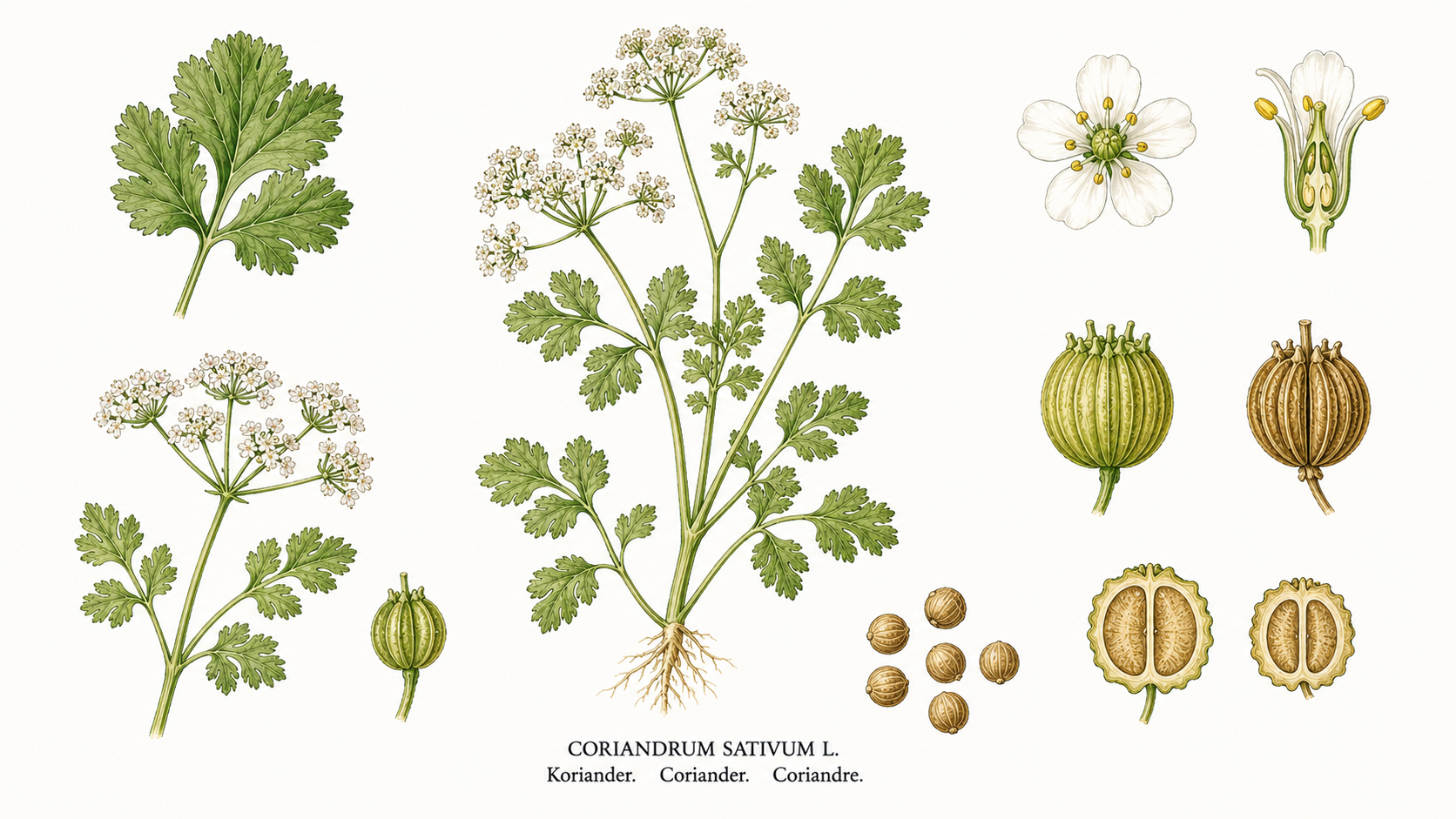
Coriandrum sativum

Helichrysum italicum

Anethum graveolens
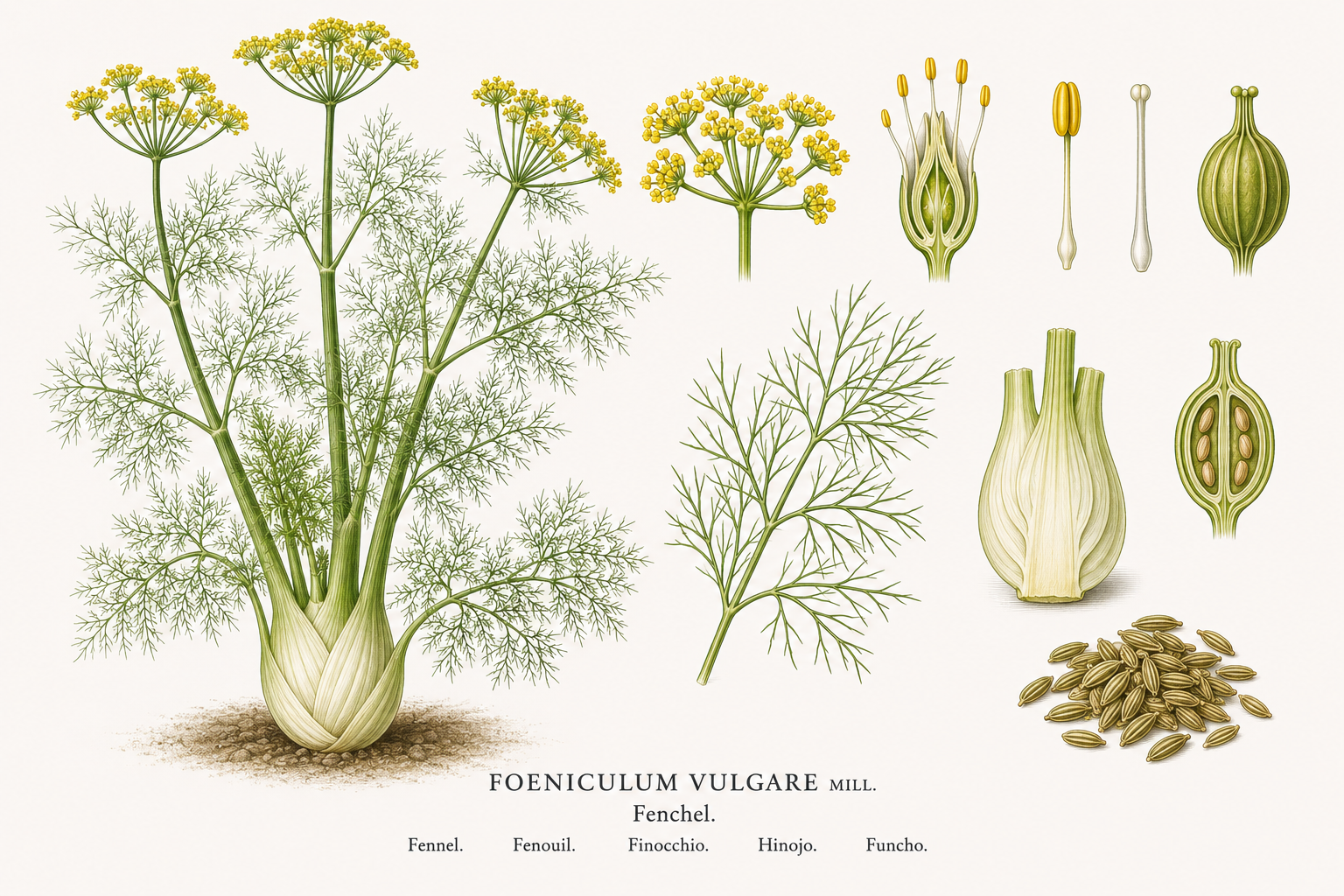
Foeniculum vulgare
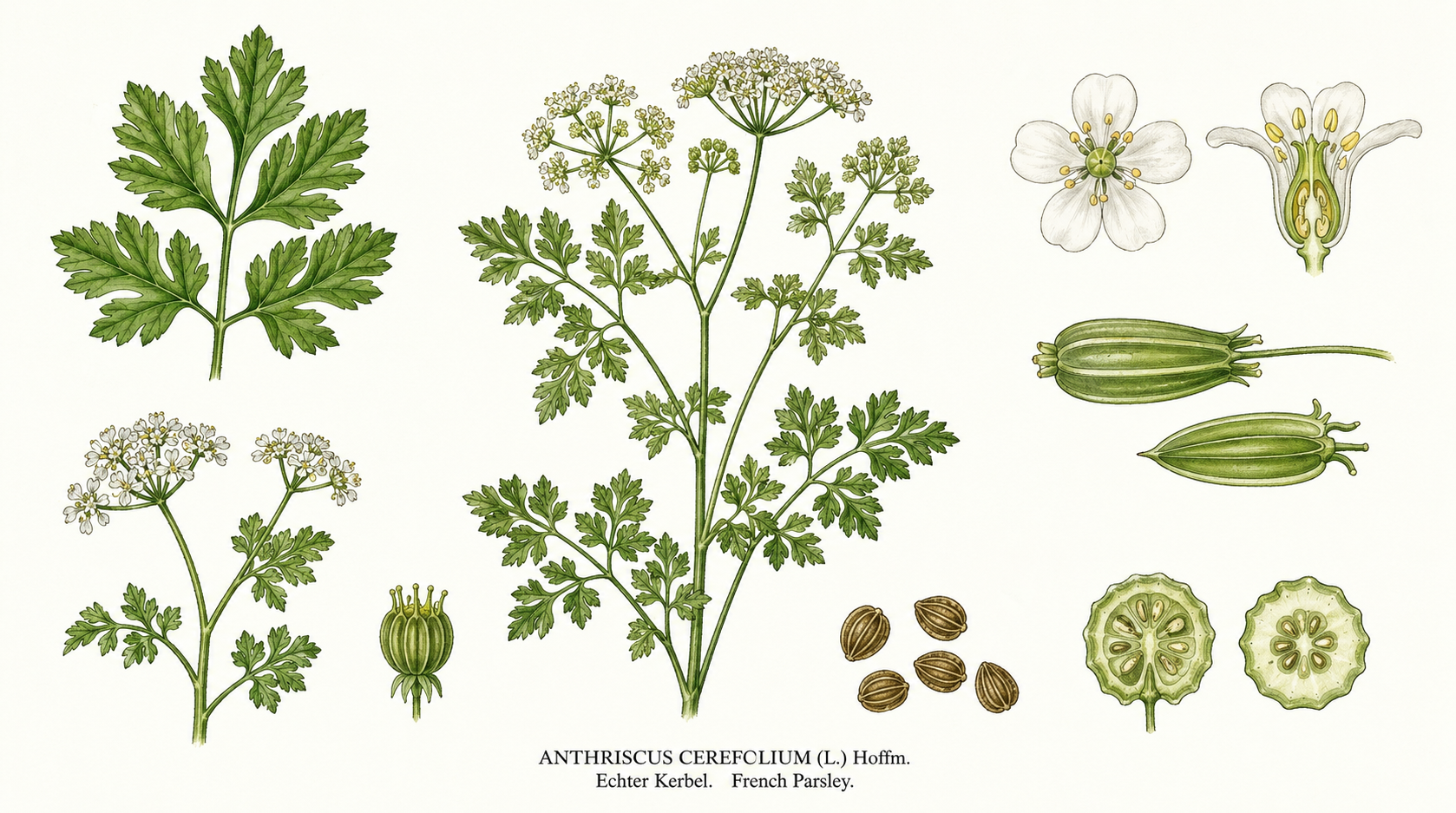
Anthriscus cerefolium
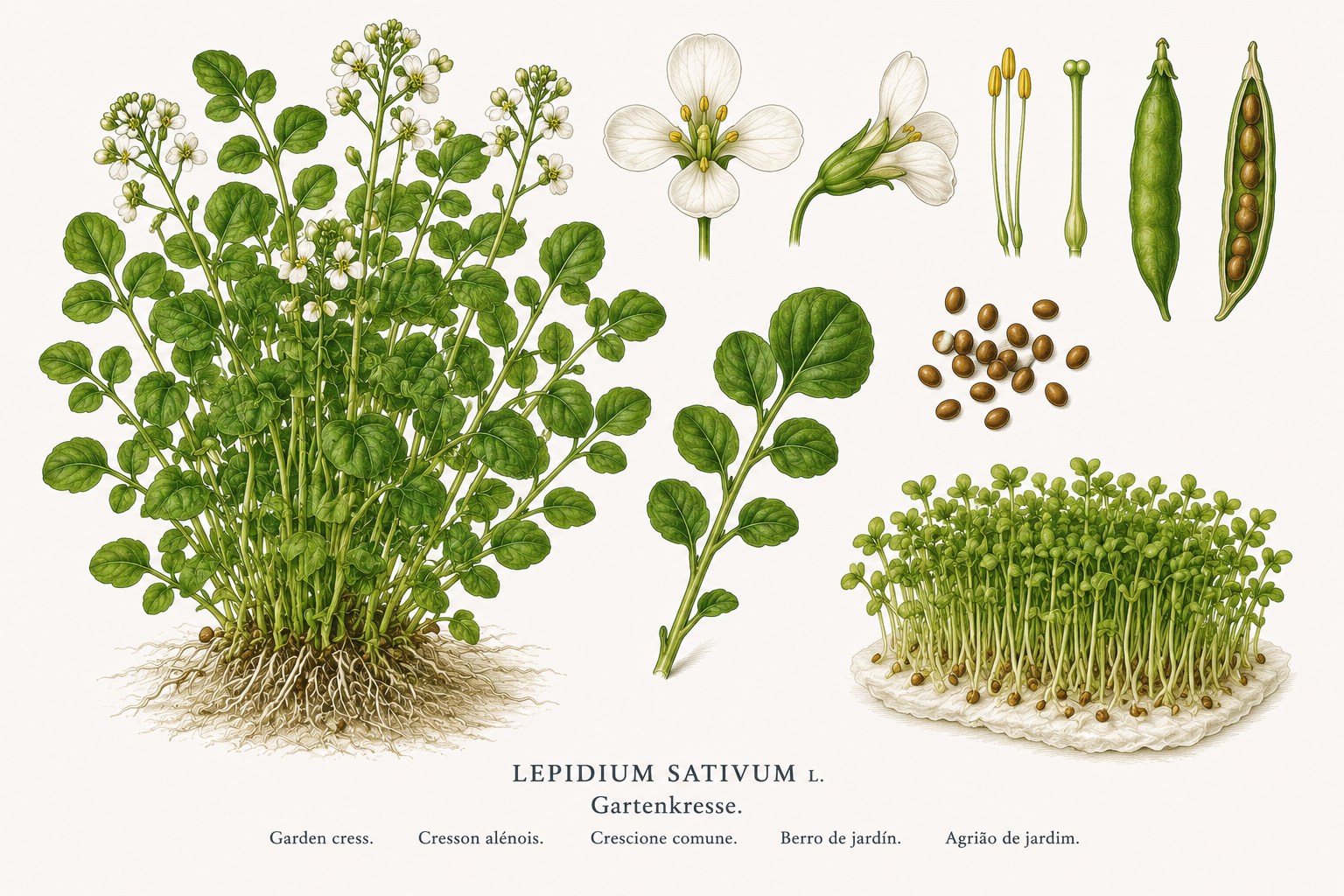
Lepidium sativum
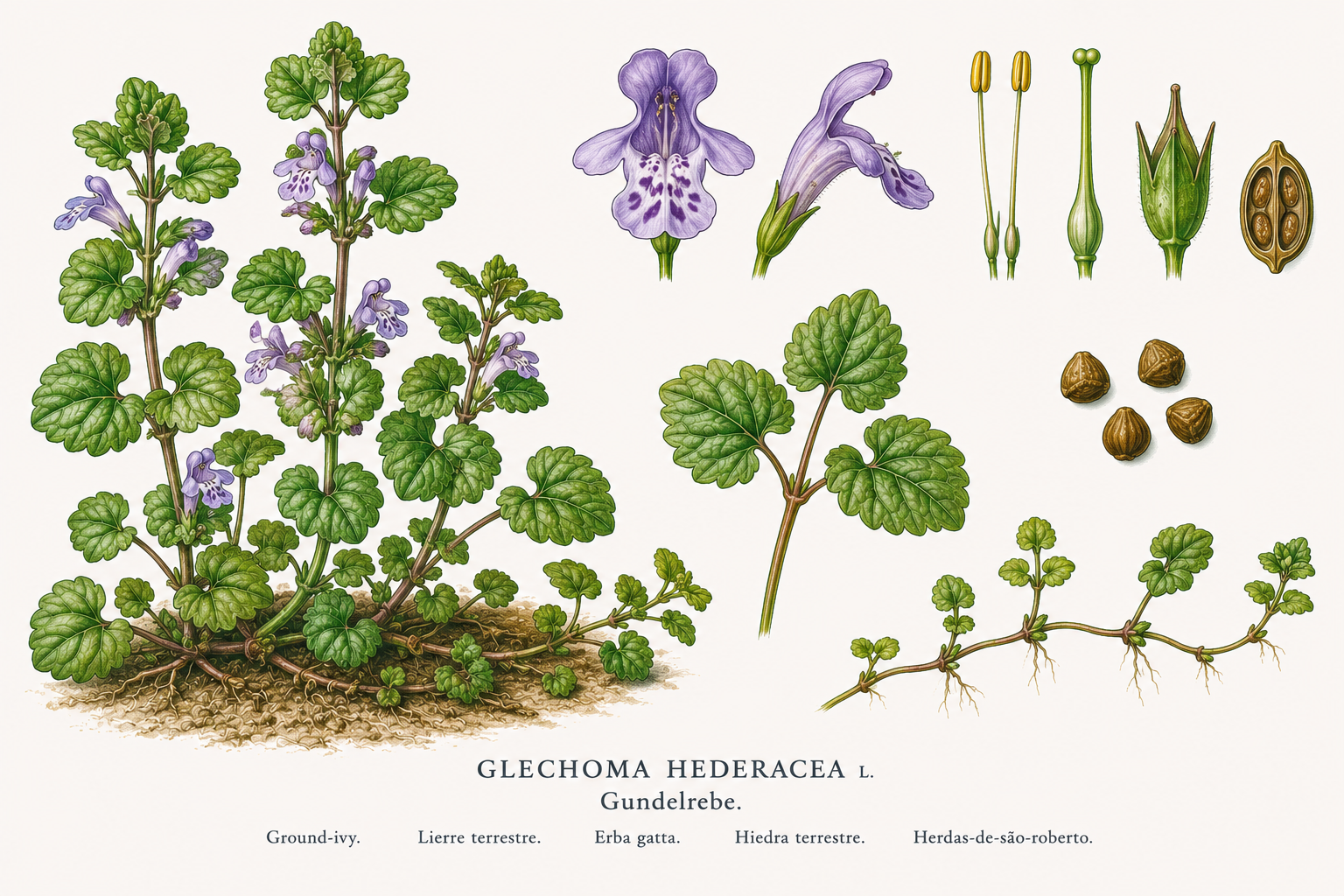
Glechoma hederacea
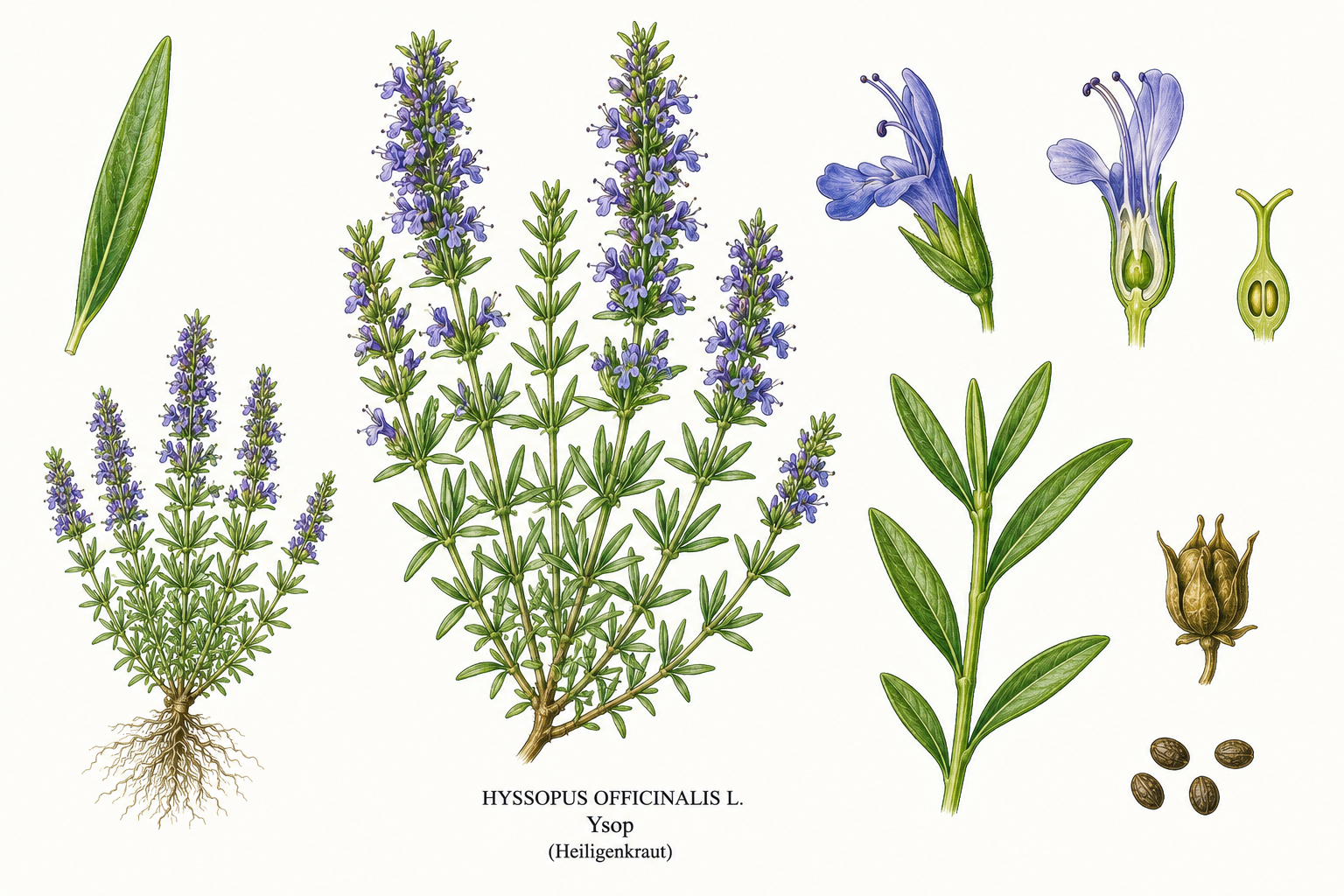
Hyssopus officinalis
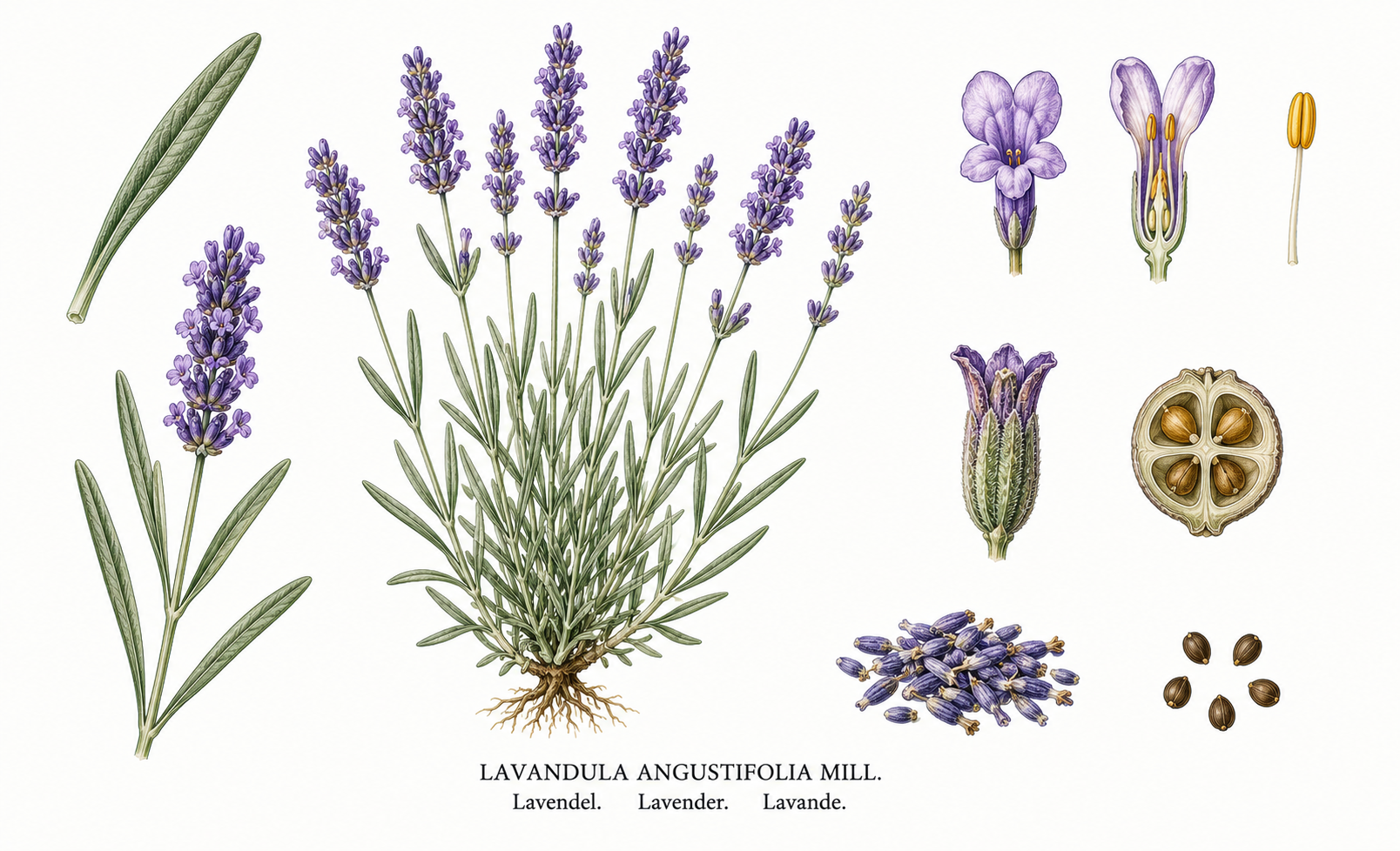
Lavandula
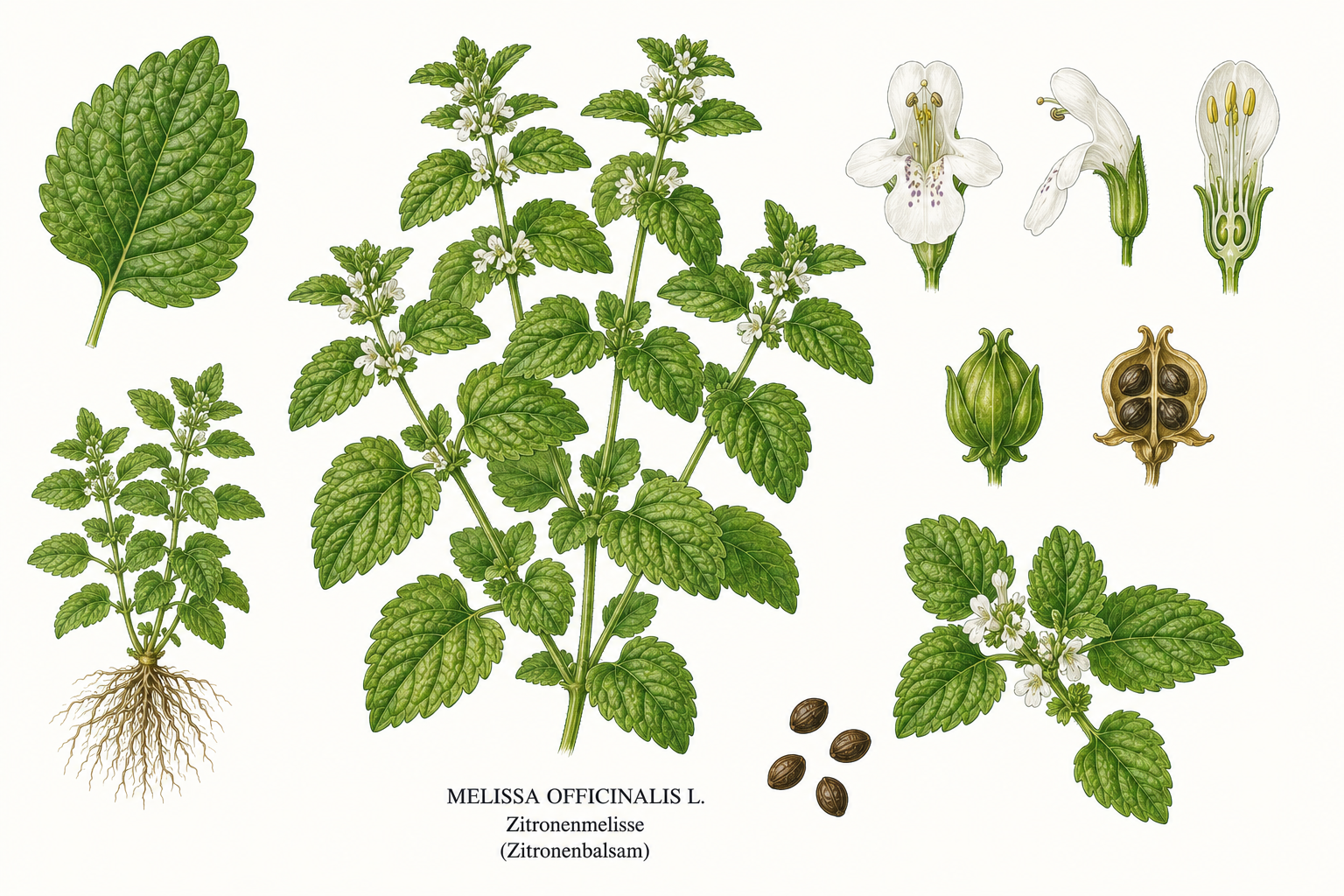
Melissa officinalis
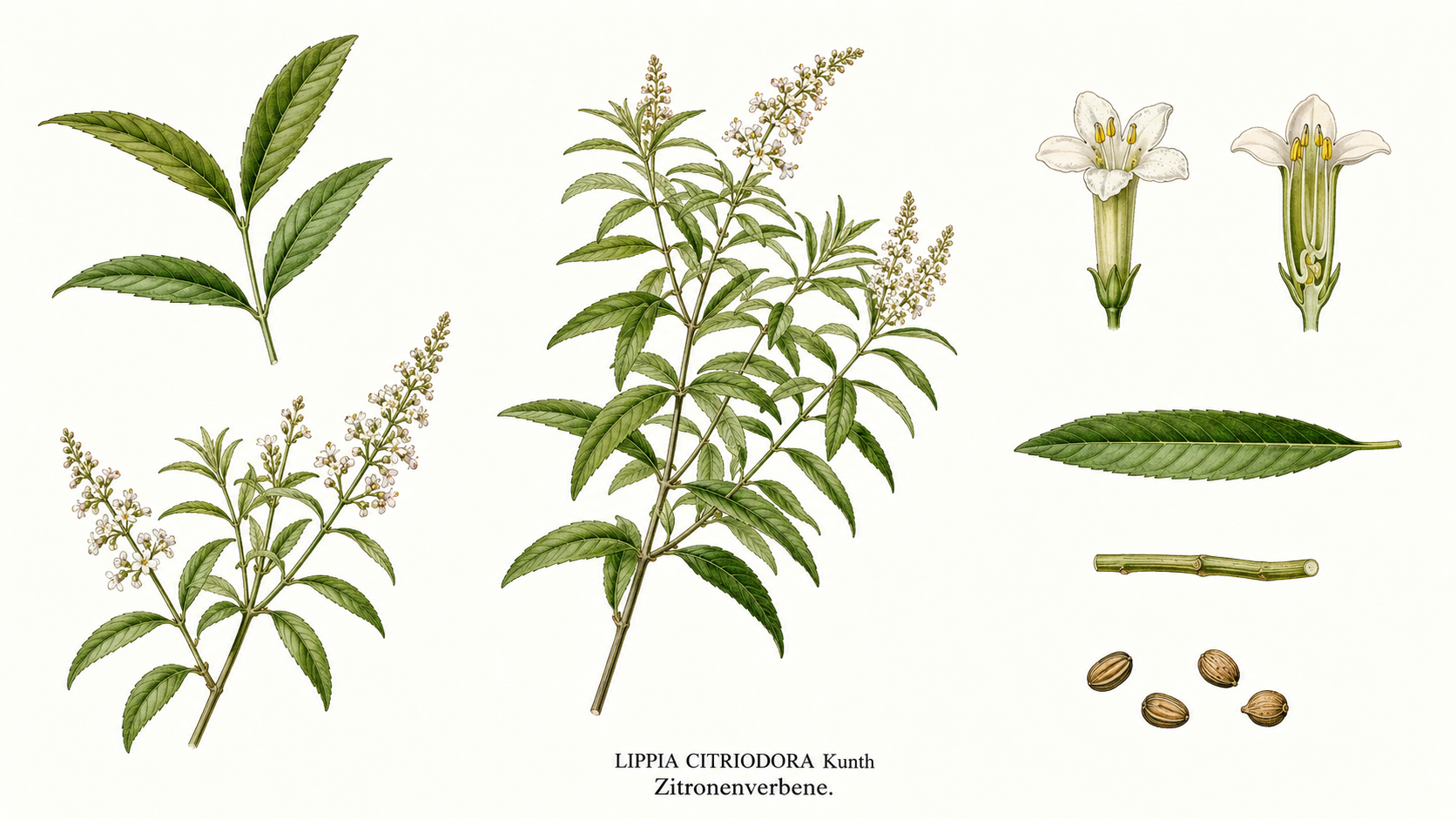
Aloysia citrodora
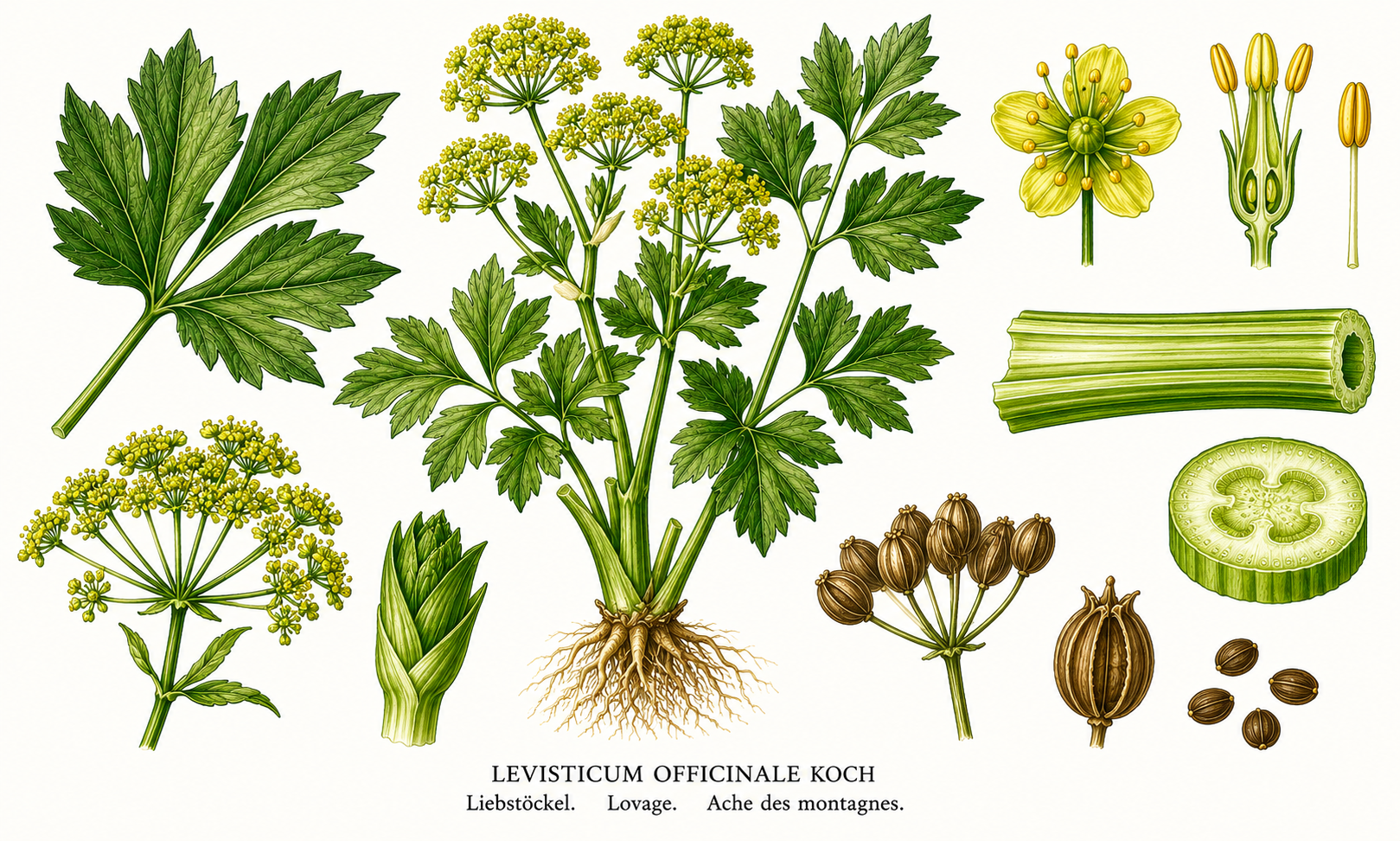
Levisticum officinale
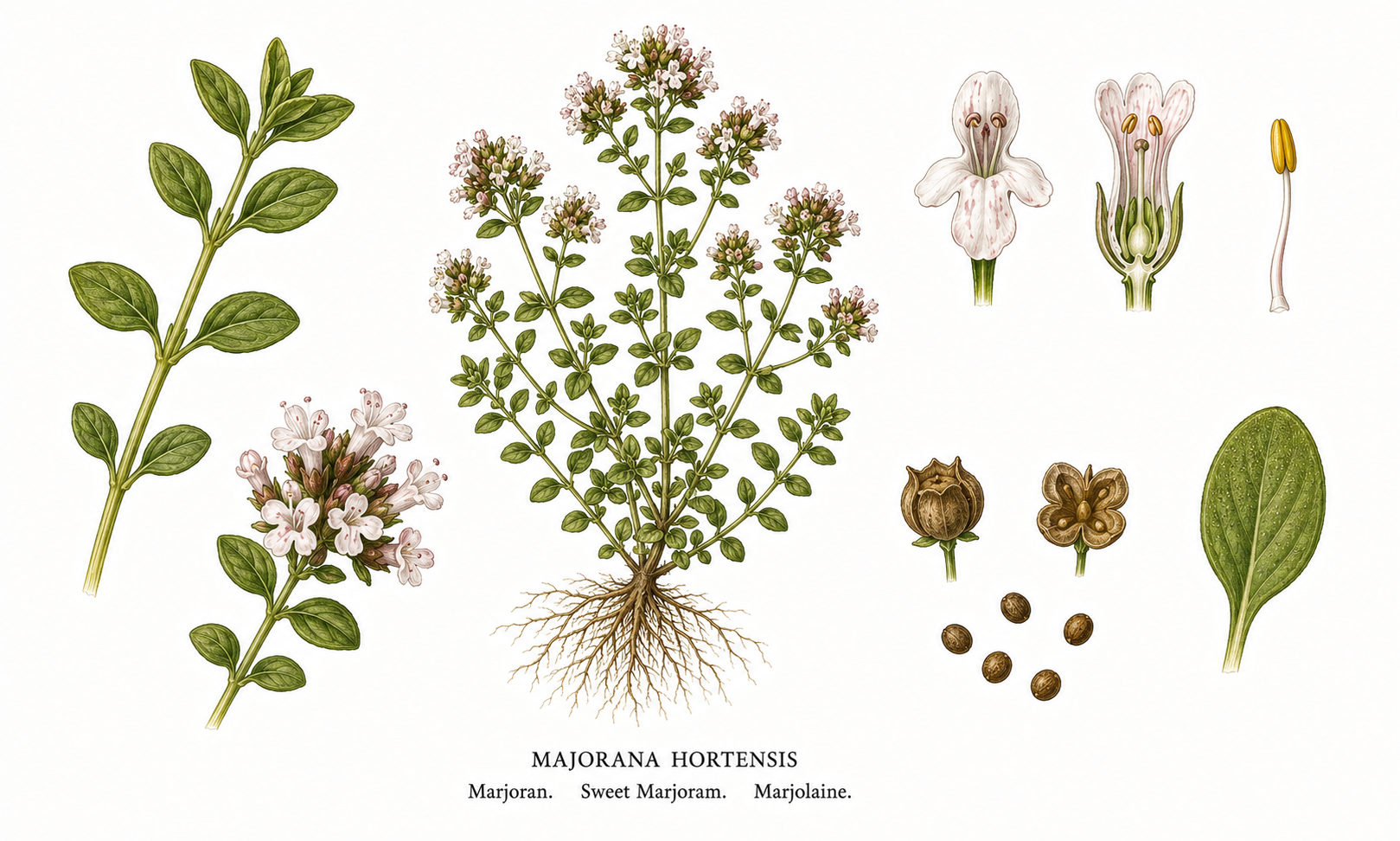
Origanum majorana
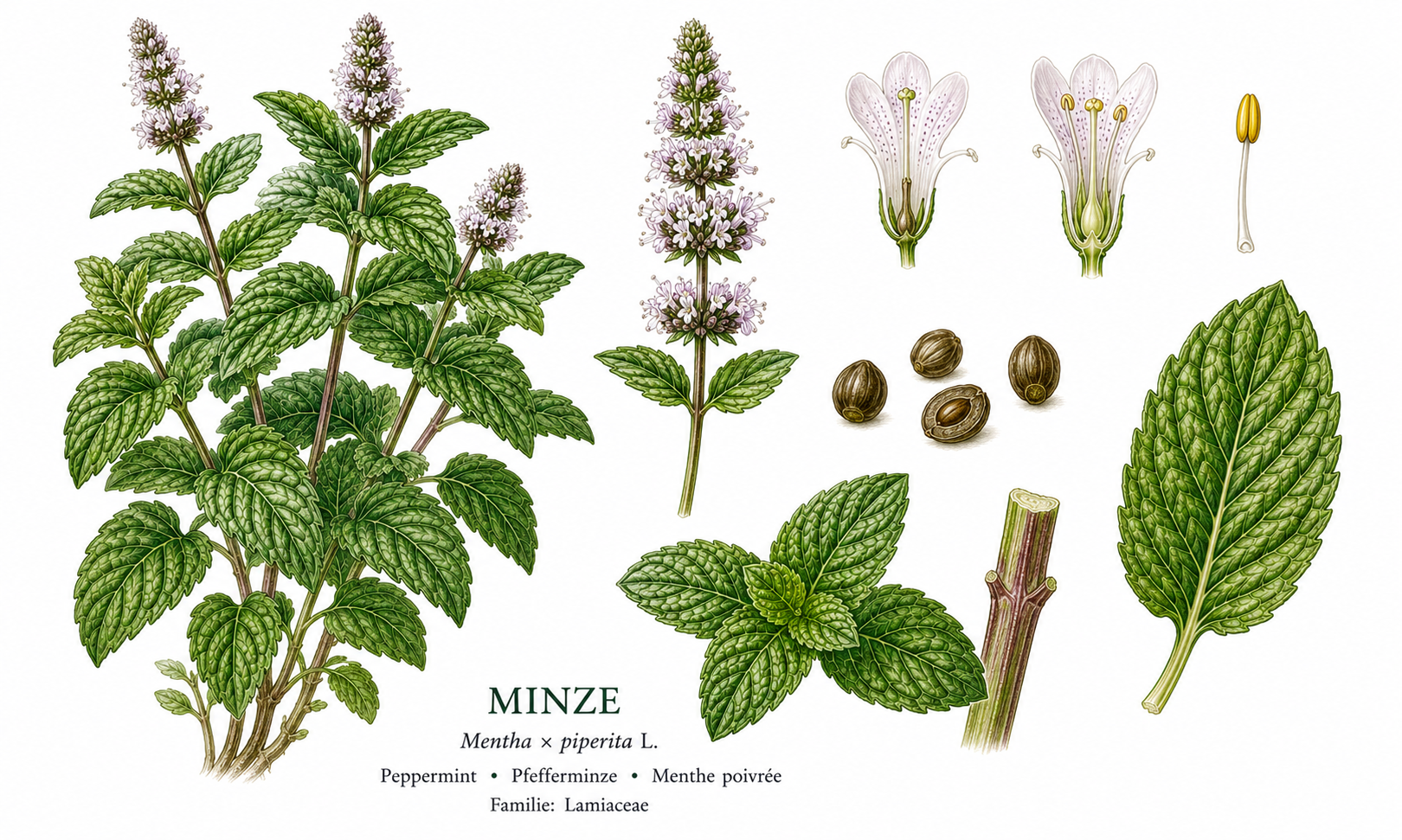
Mentha
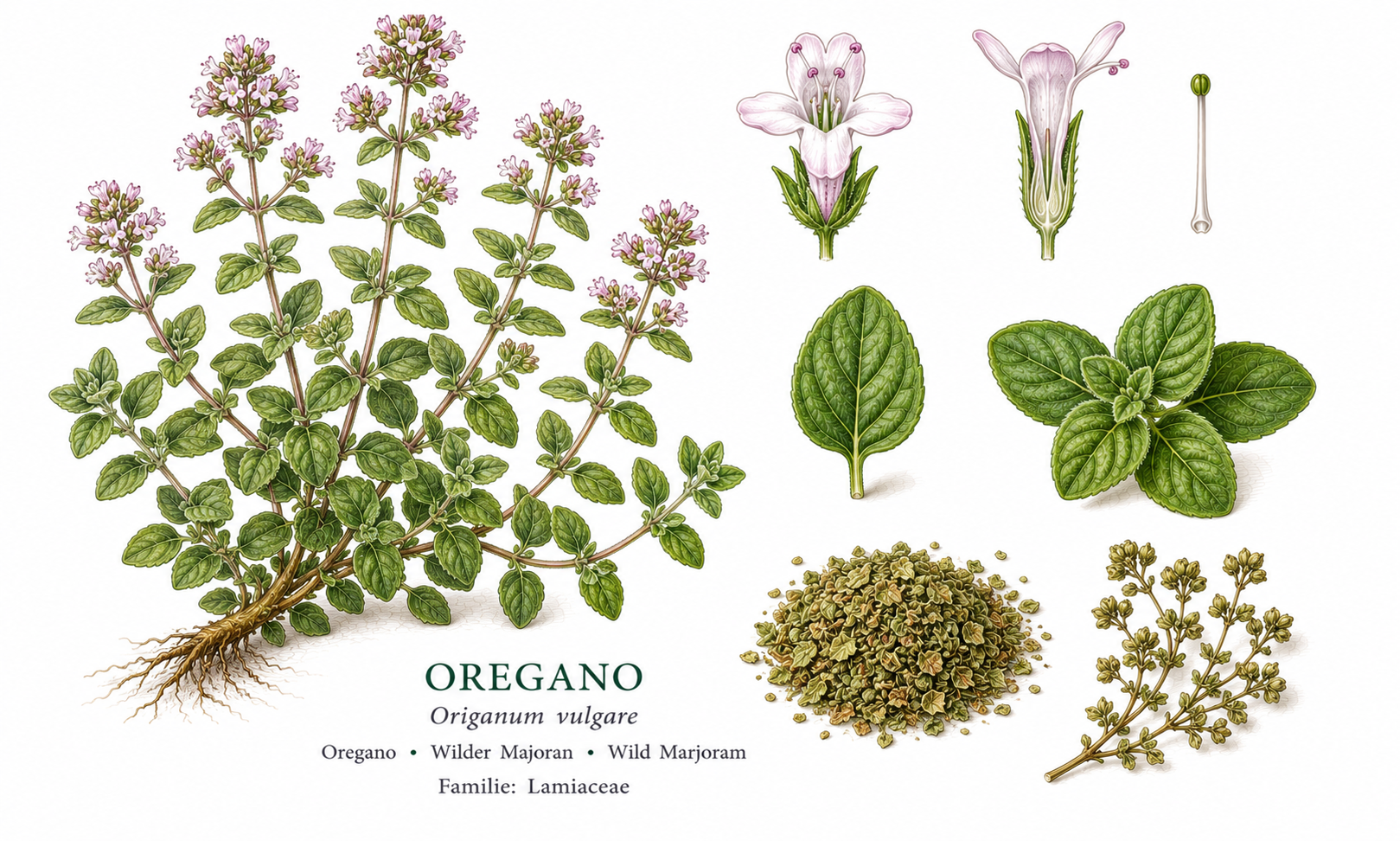
Origanum vulgare
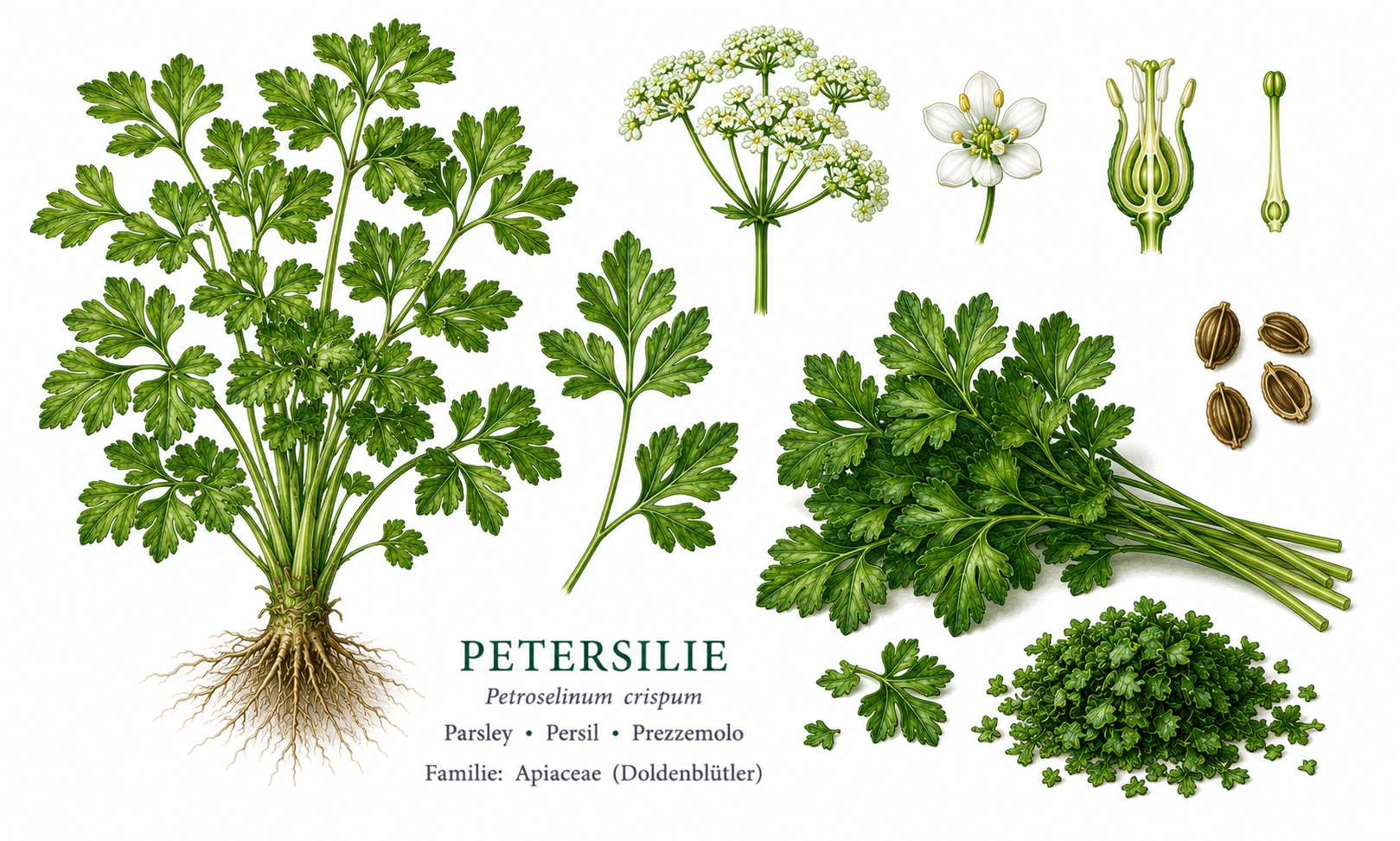
Petroselinum crispum
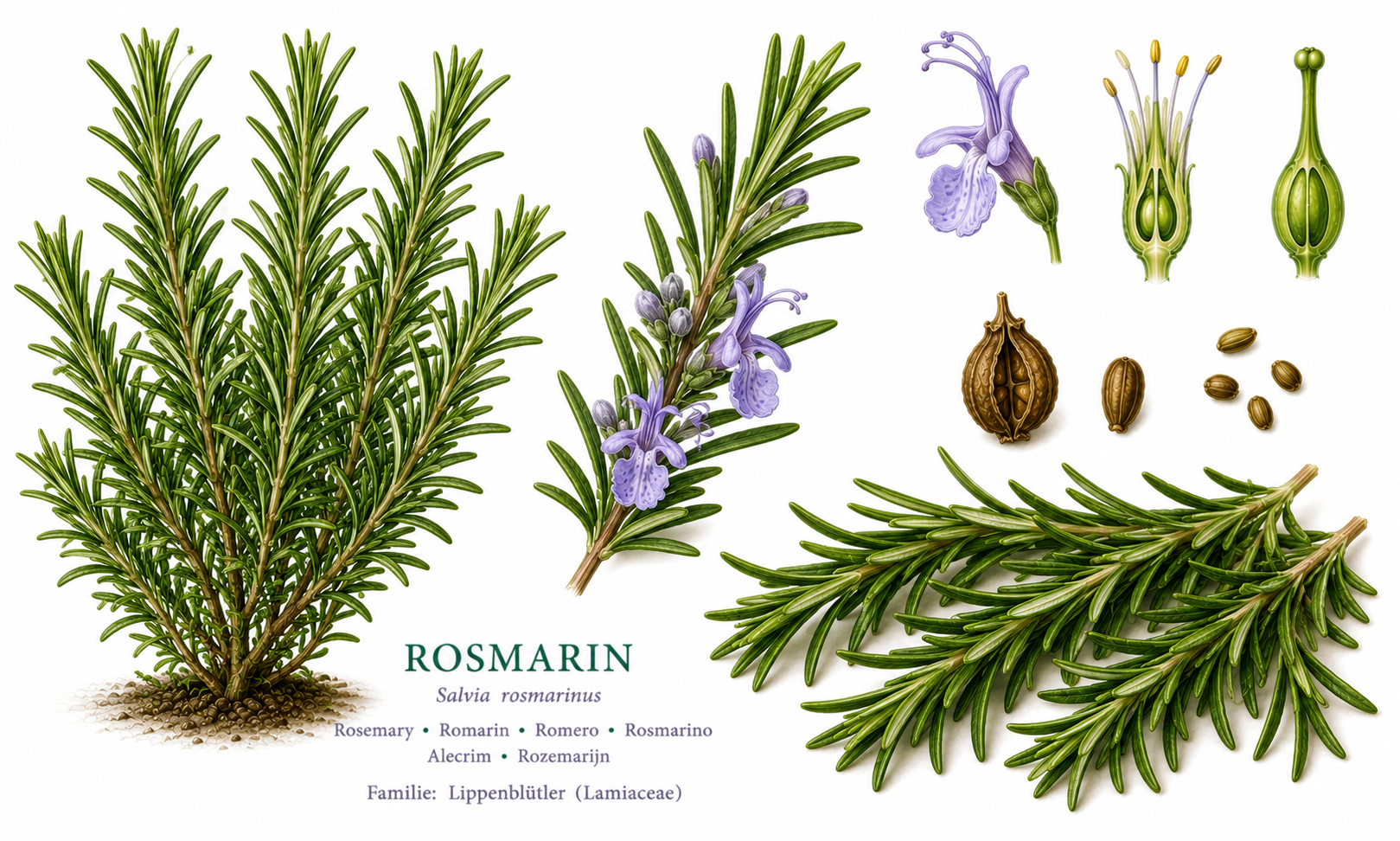
Rosmarinus tomentosus
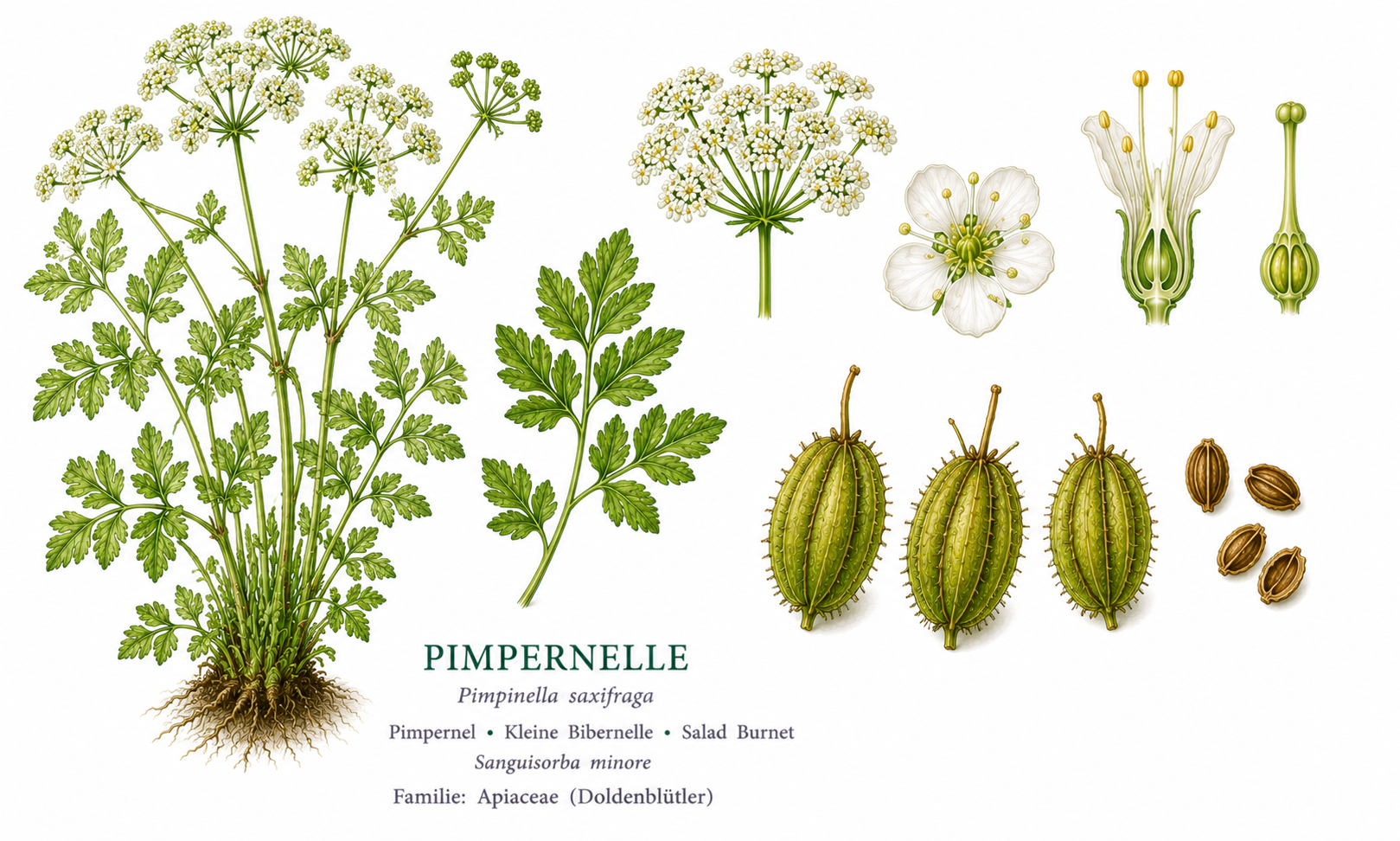
Sanguisorba minor
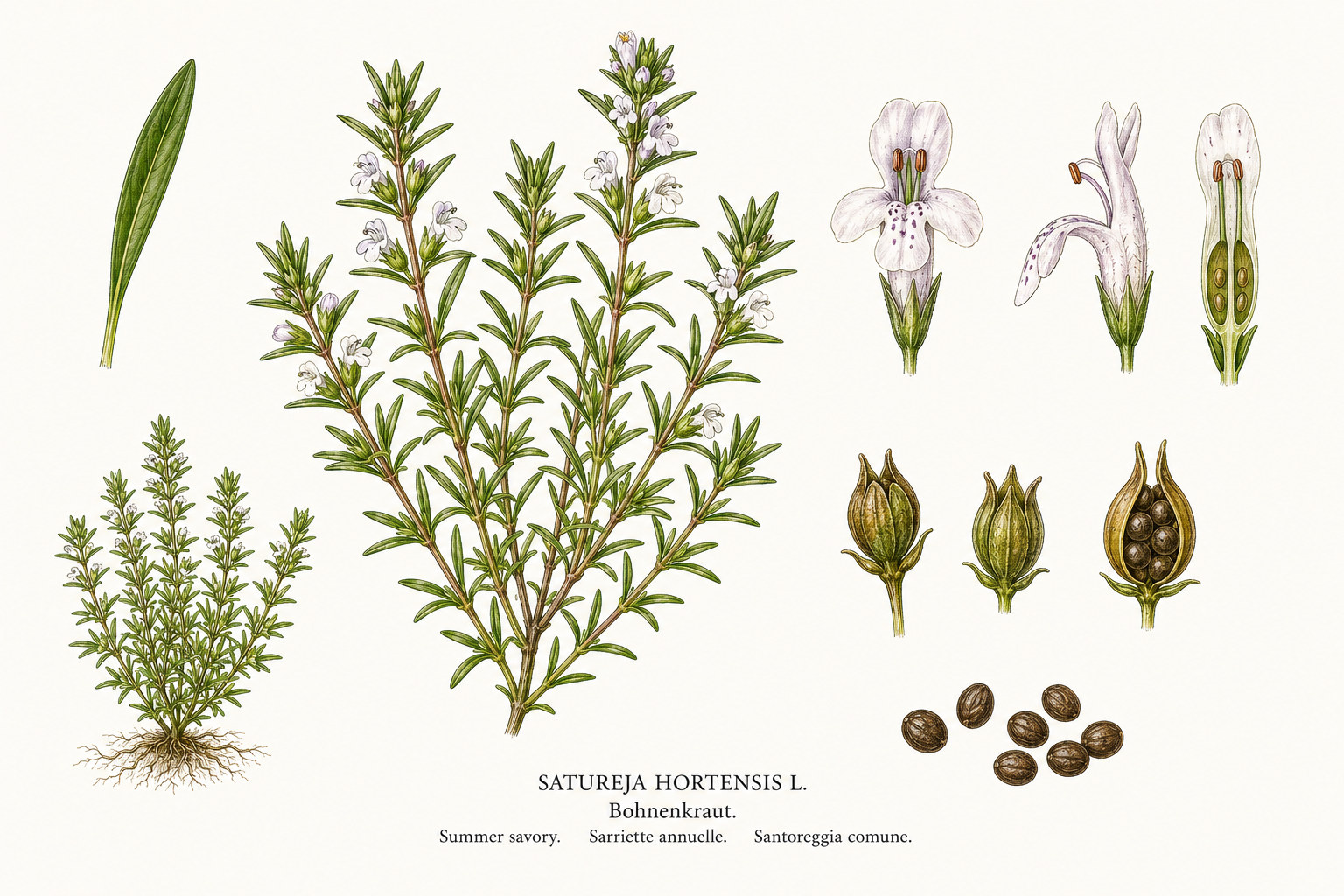
Satureja
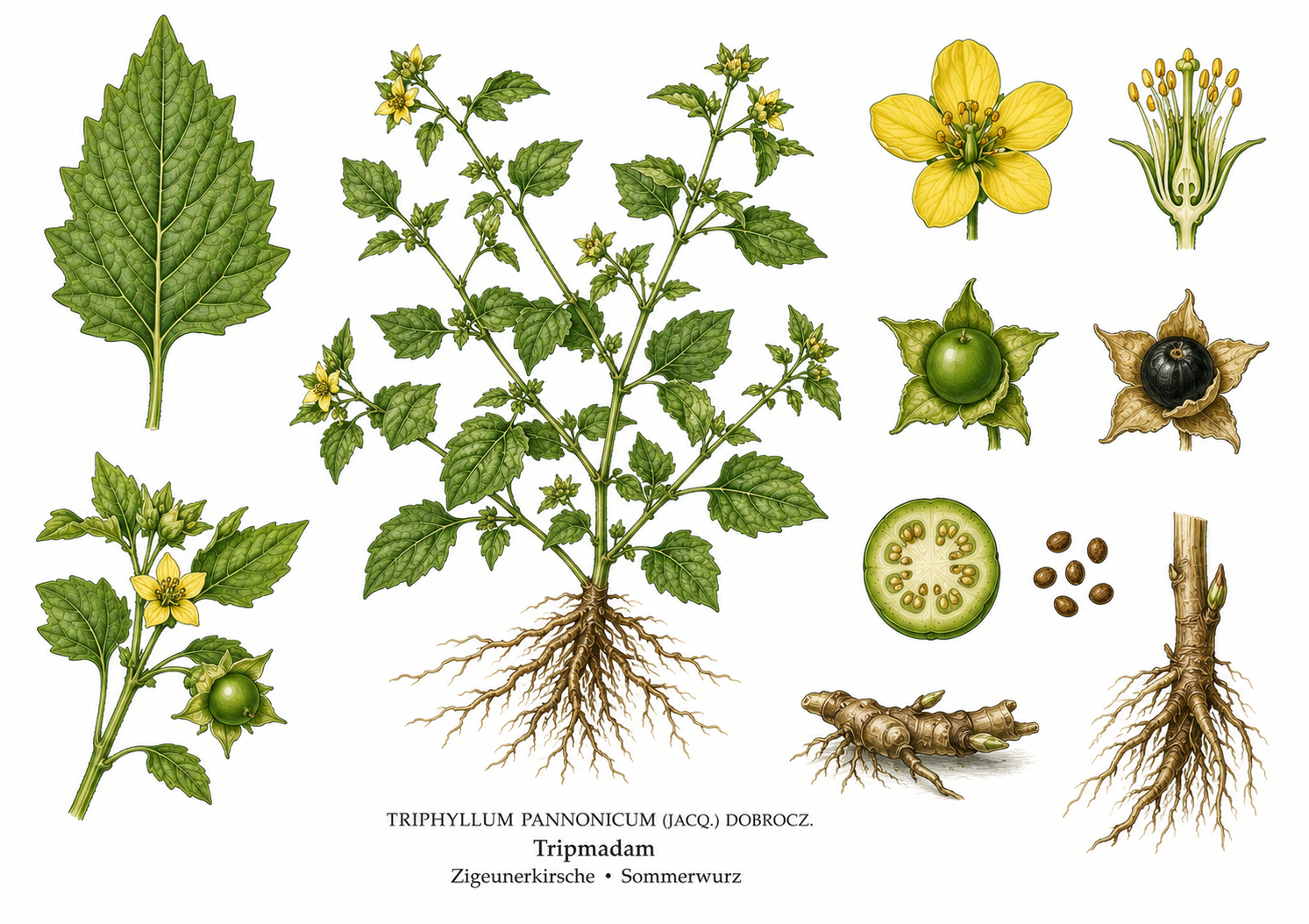
Sedum rupestre
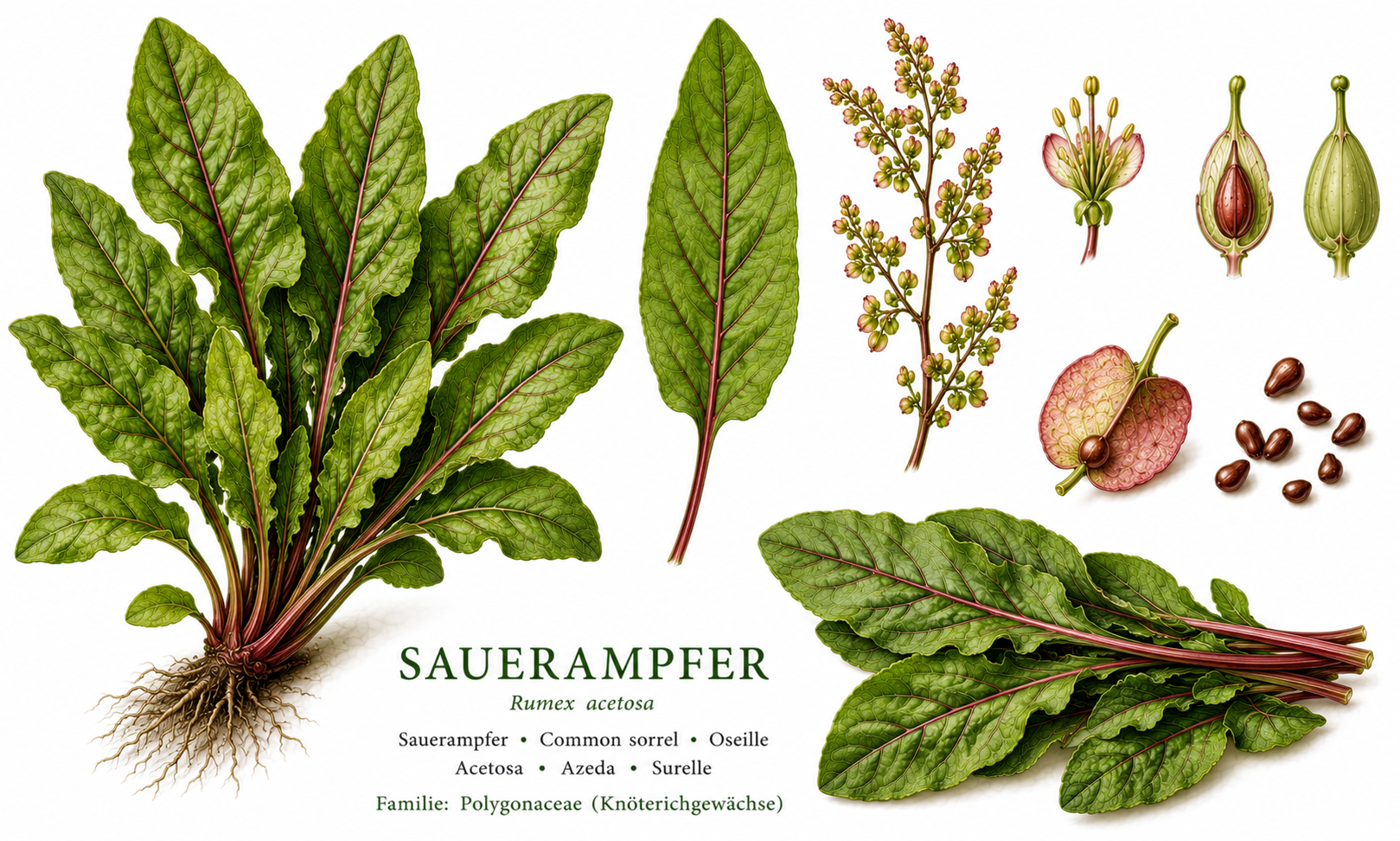
Rumex acetosa
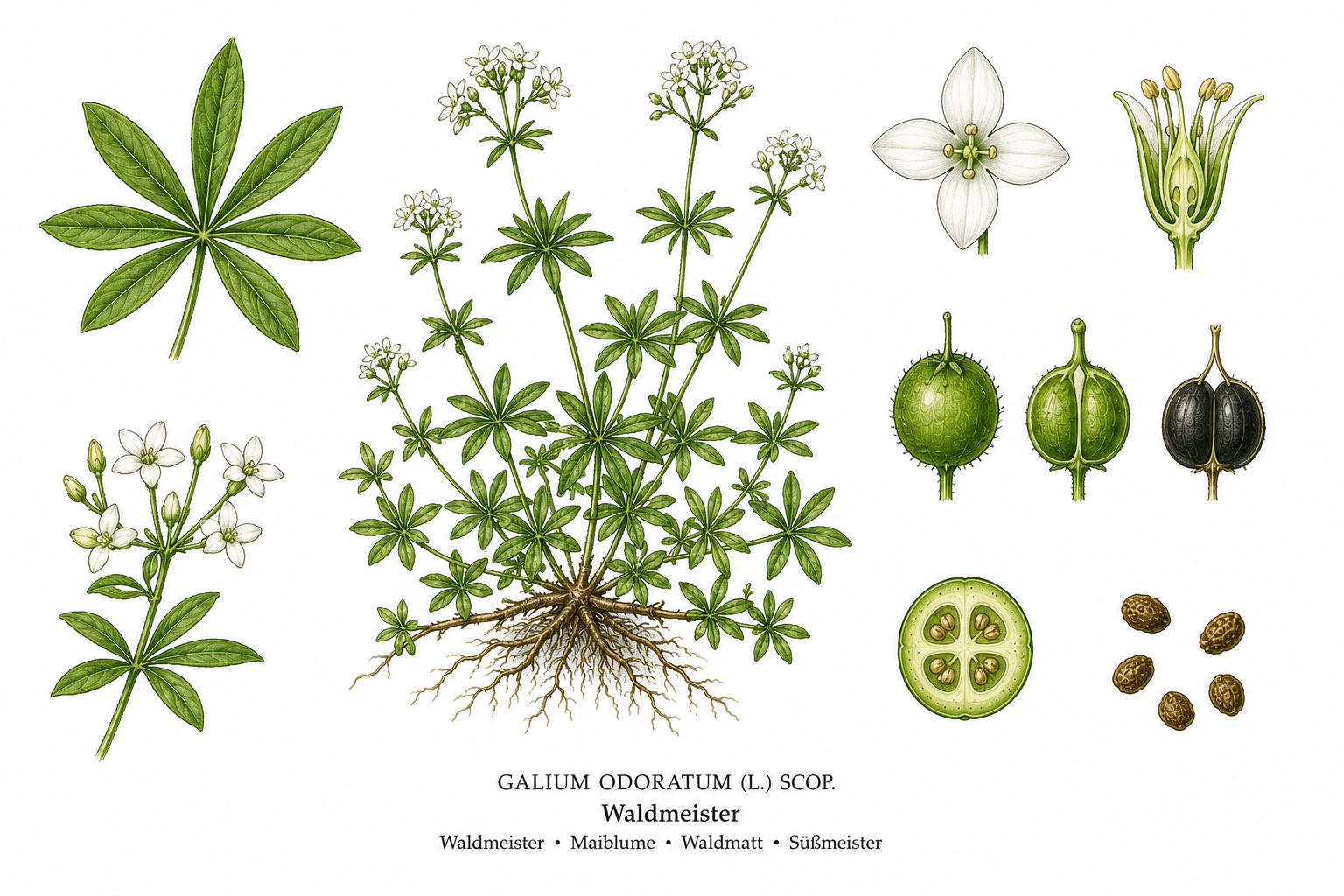
Galium odoratum
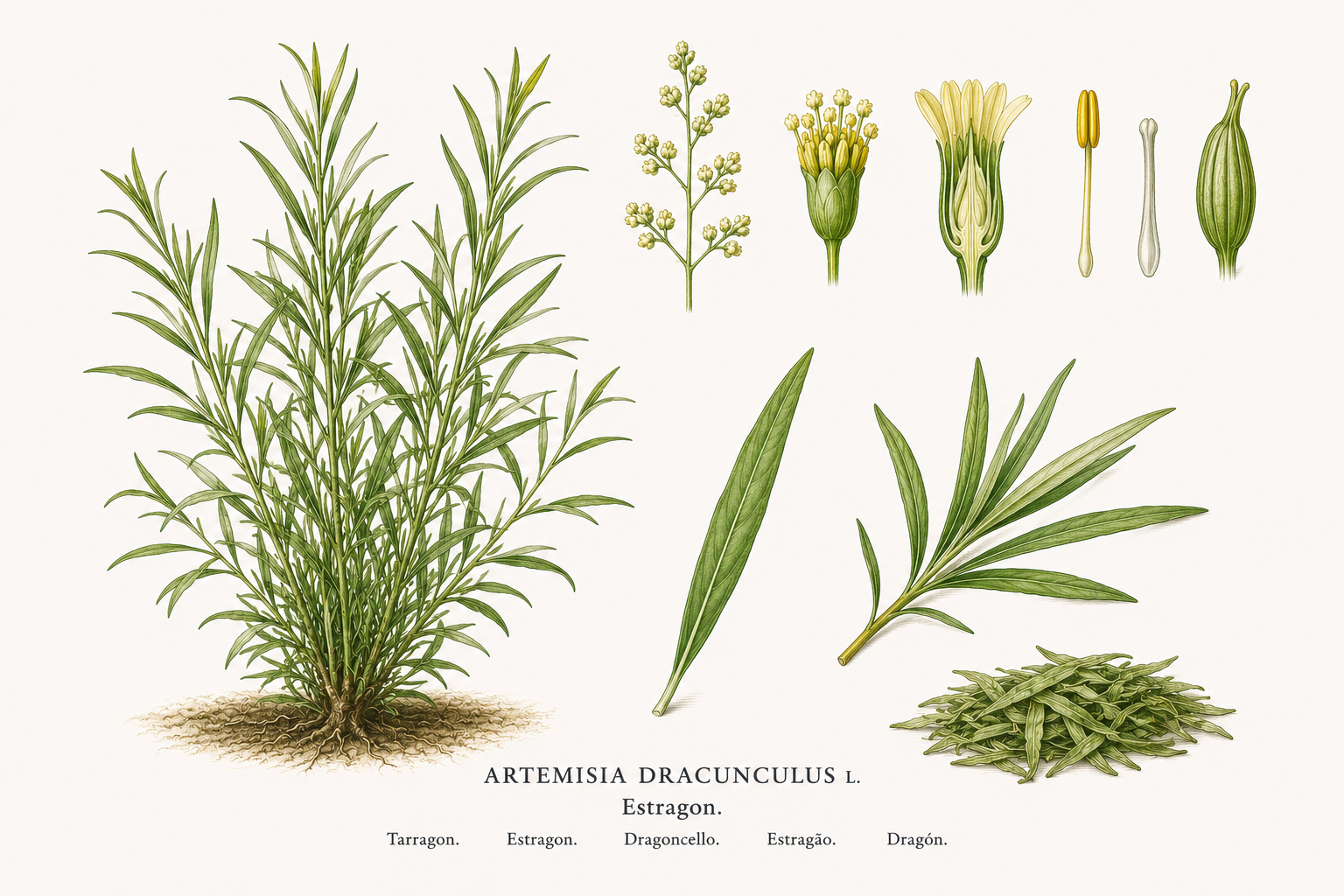
Artemisia dracunculus
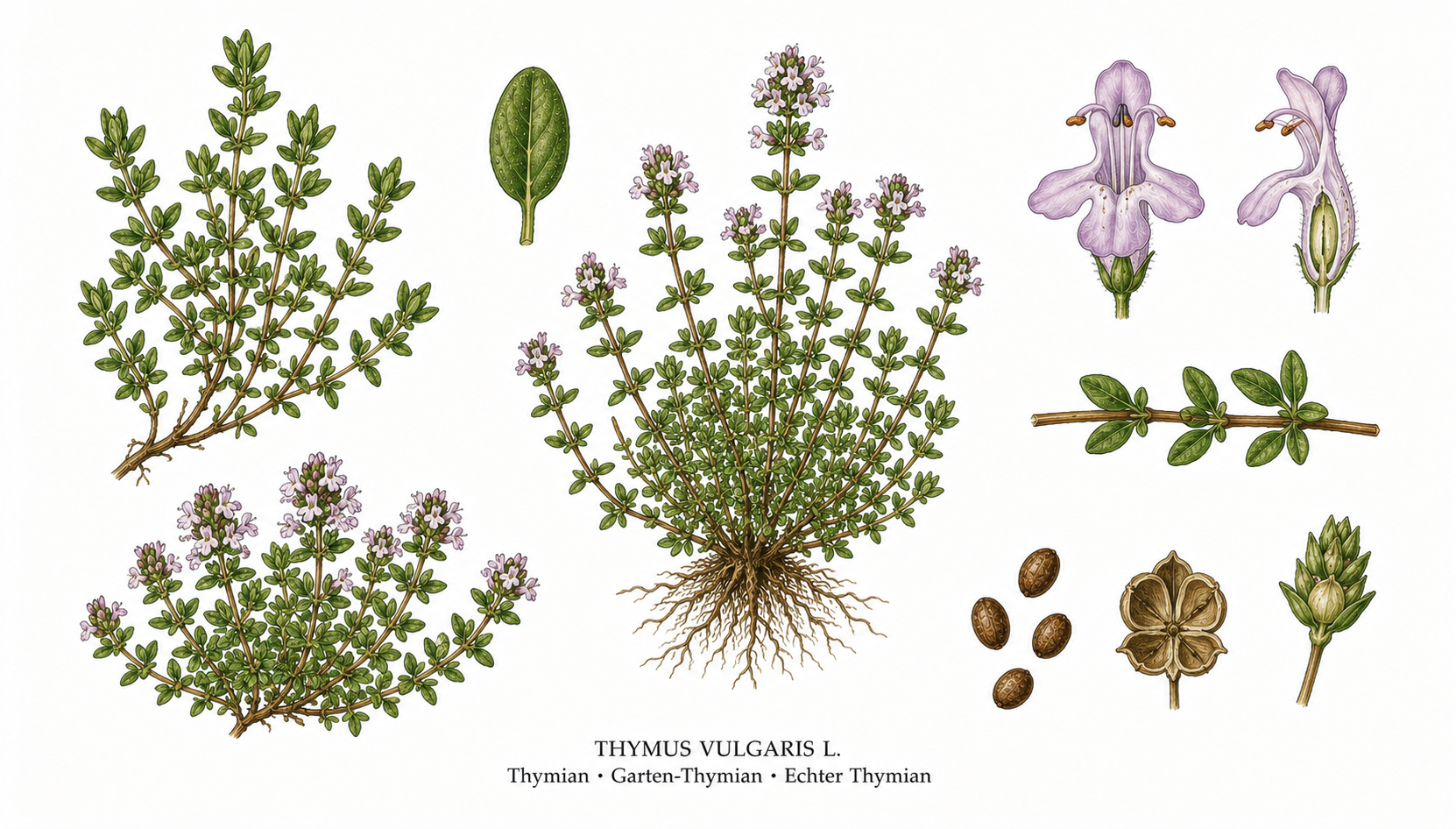
Thymus
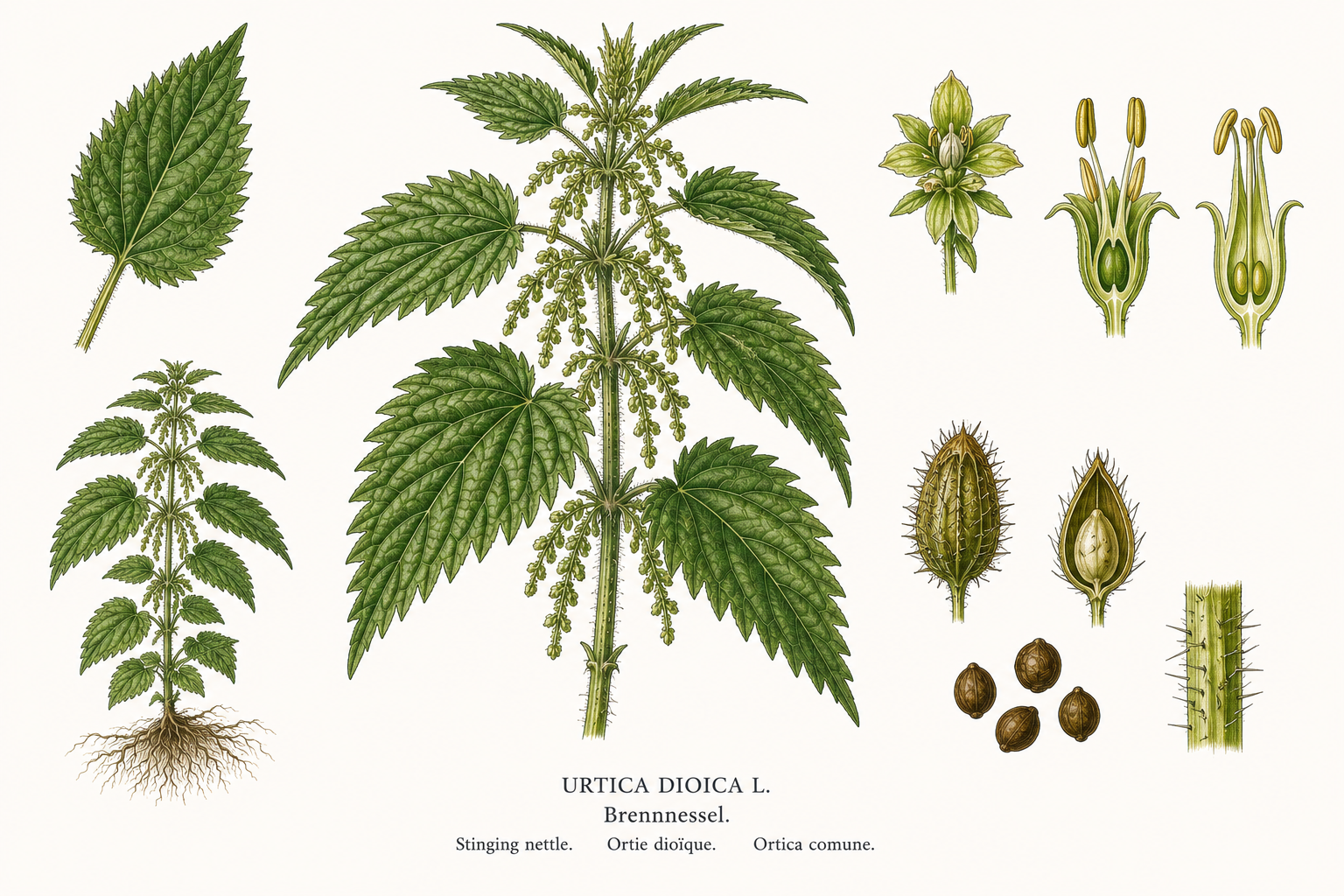
Urtica
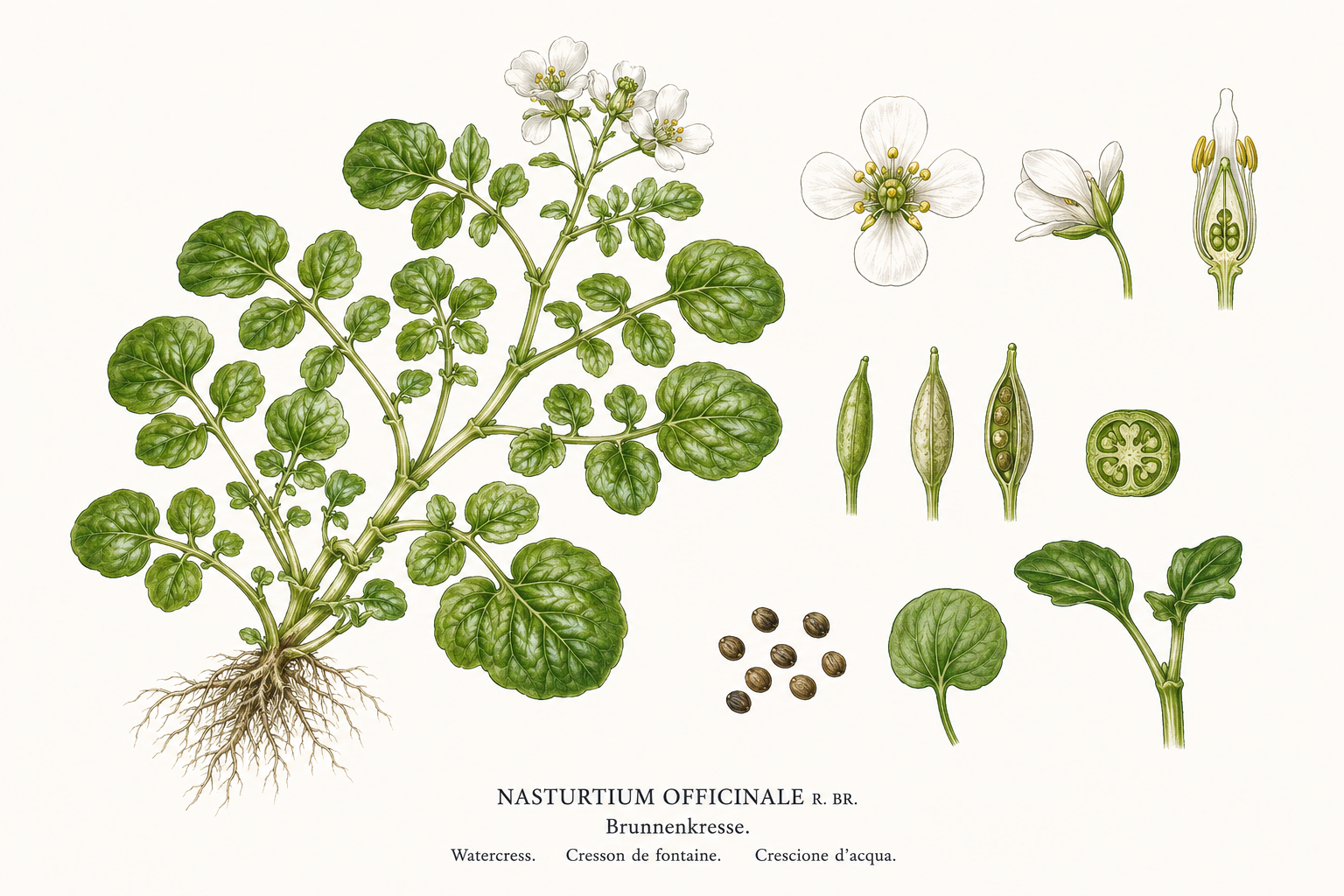
Nasturtium officinale
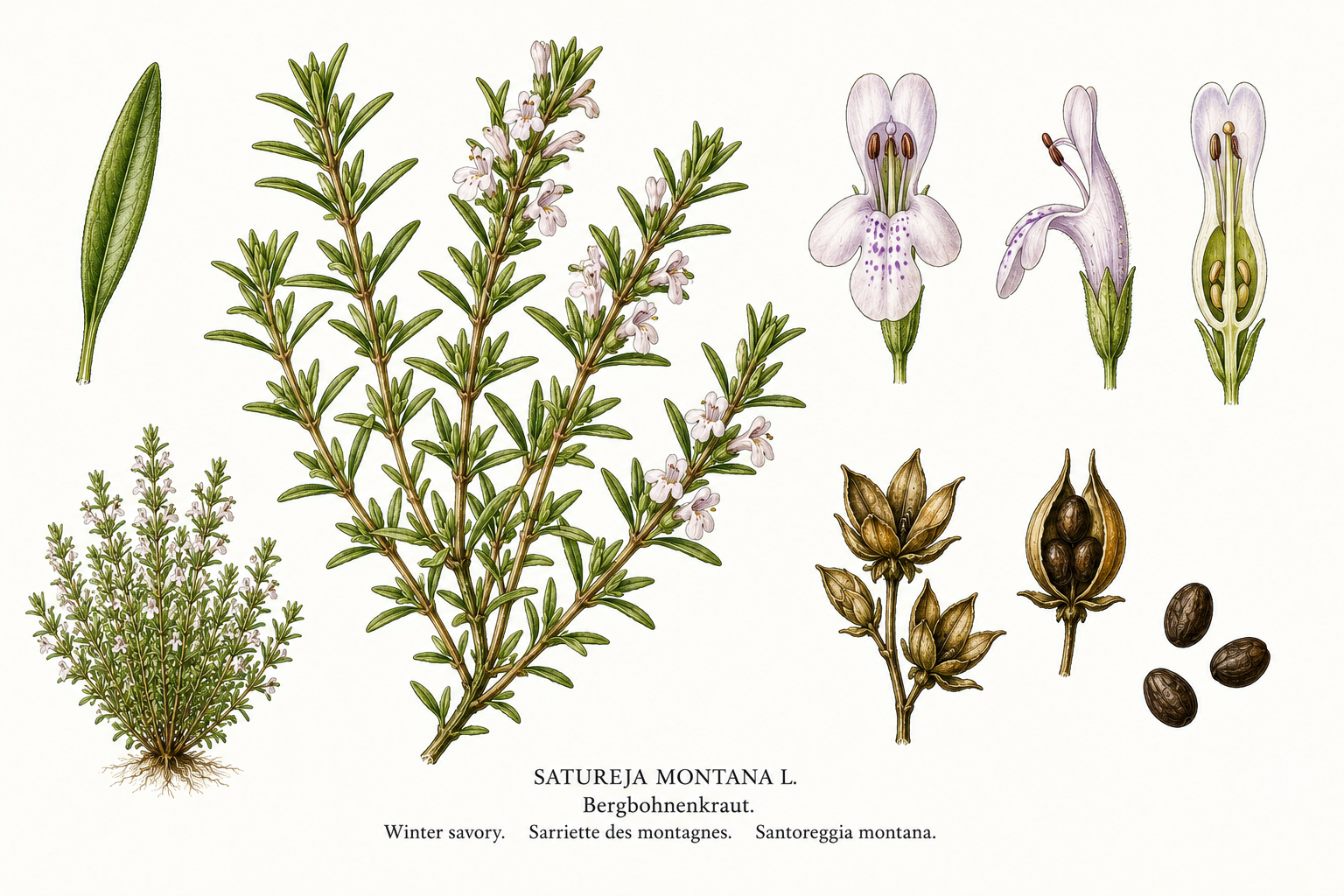
Satureja montana
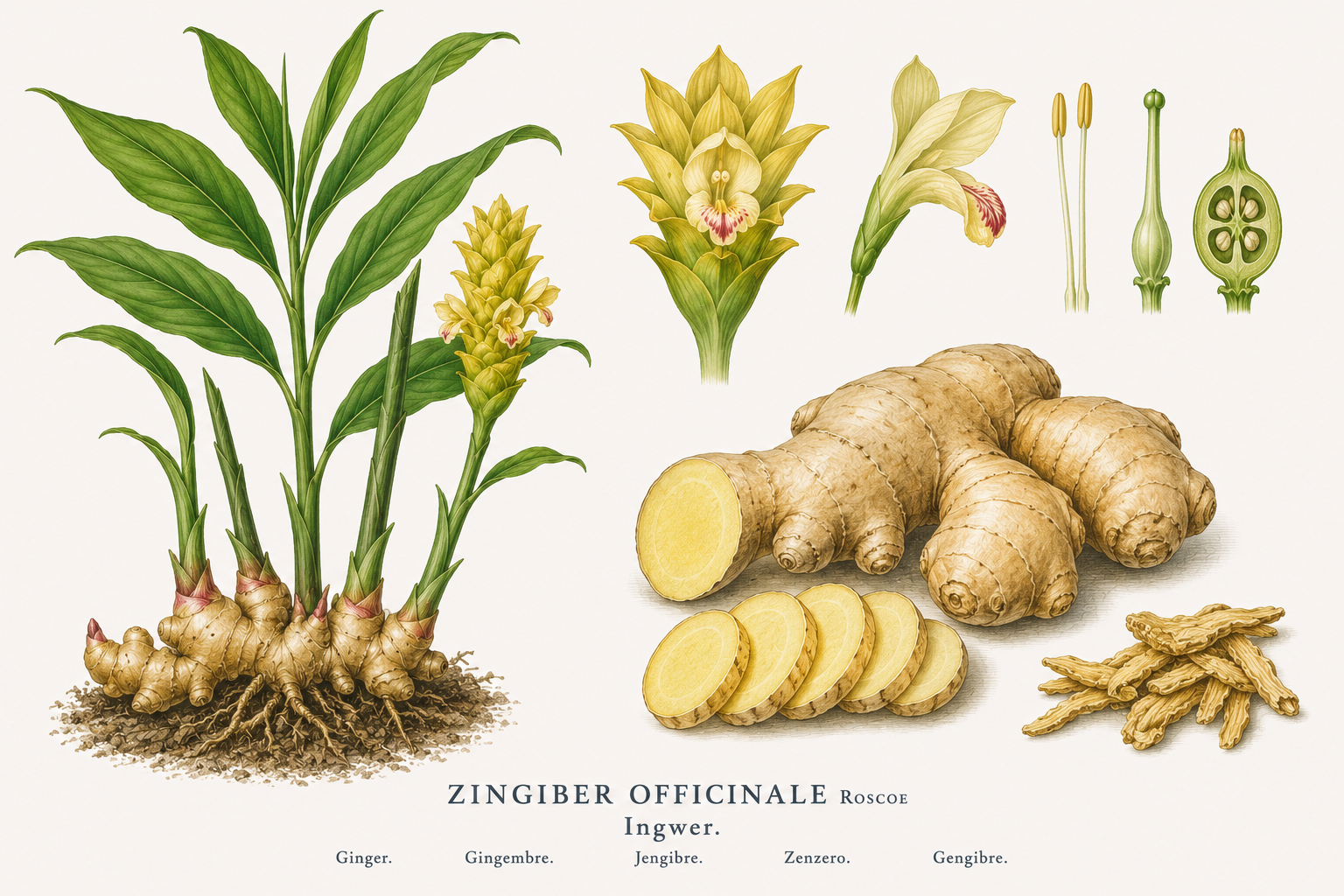
Zingiber
Guides
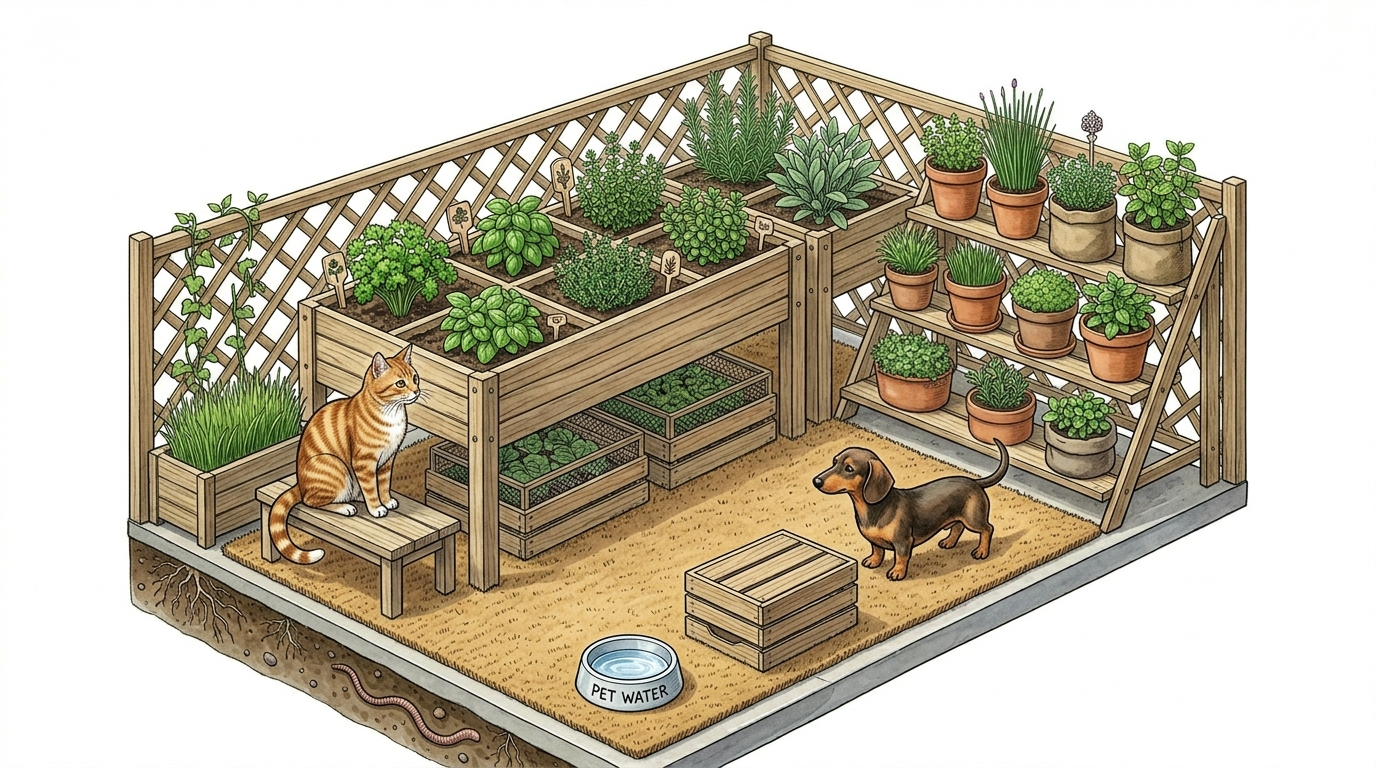
Guide
Learn how to create a pet-safe herb garden with suitable herbs, thoughtful layouts, and practical maintenance strategies.
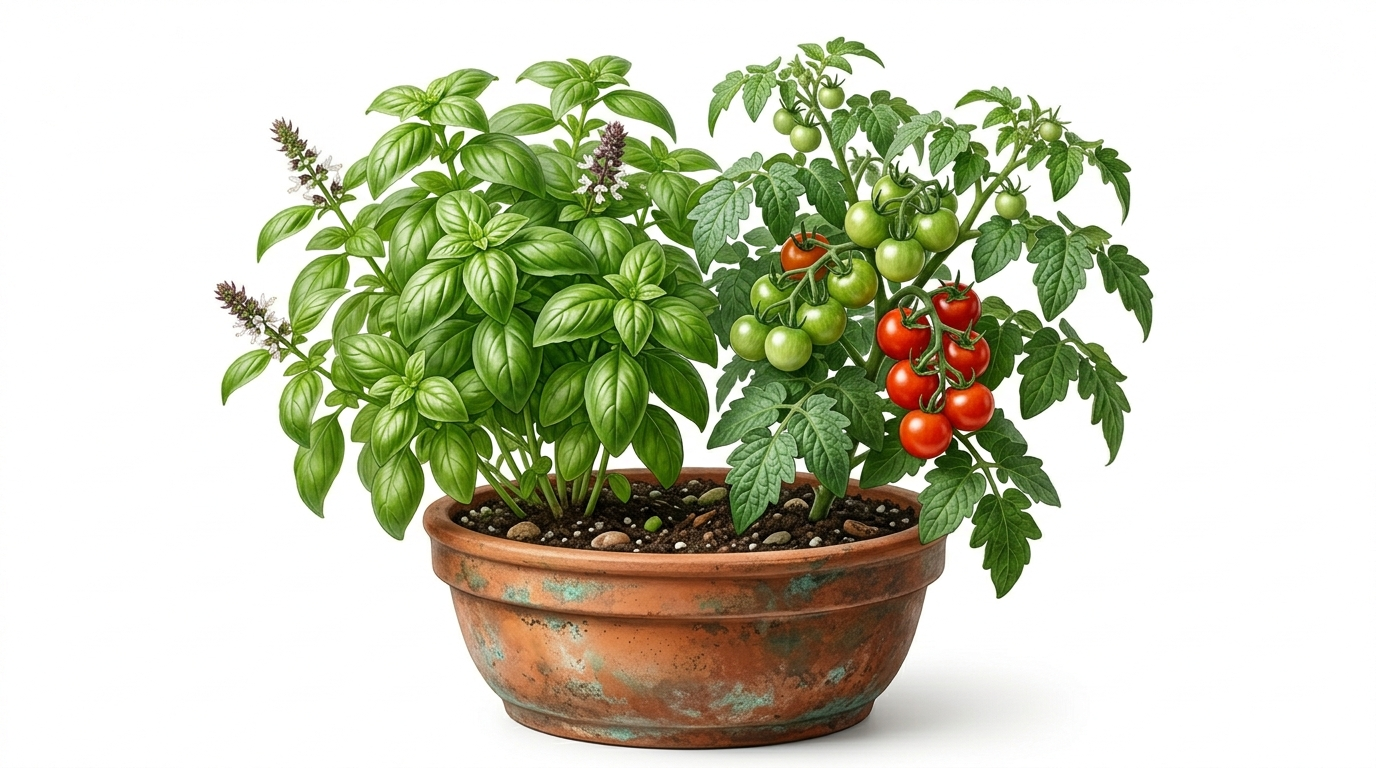
Guide
Learn how to grow basil successfully with the right site, steady watering, regular harvesting, and tips to delay flowering.
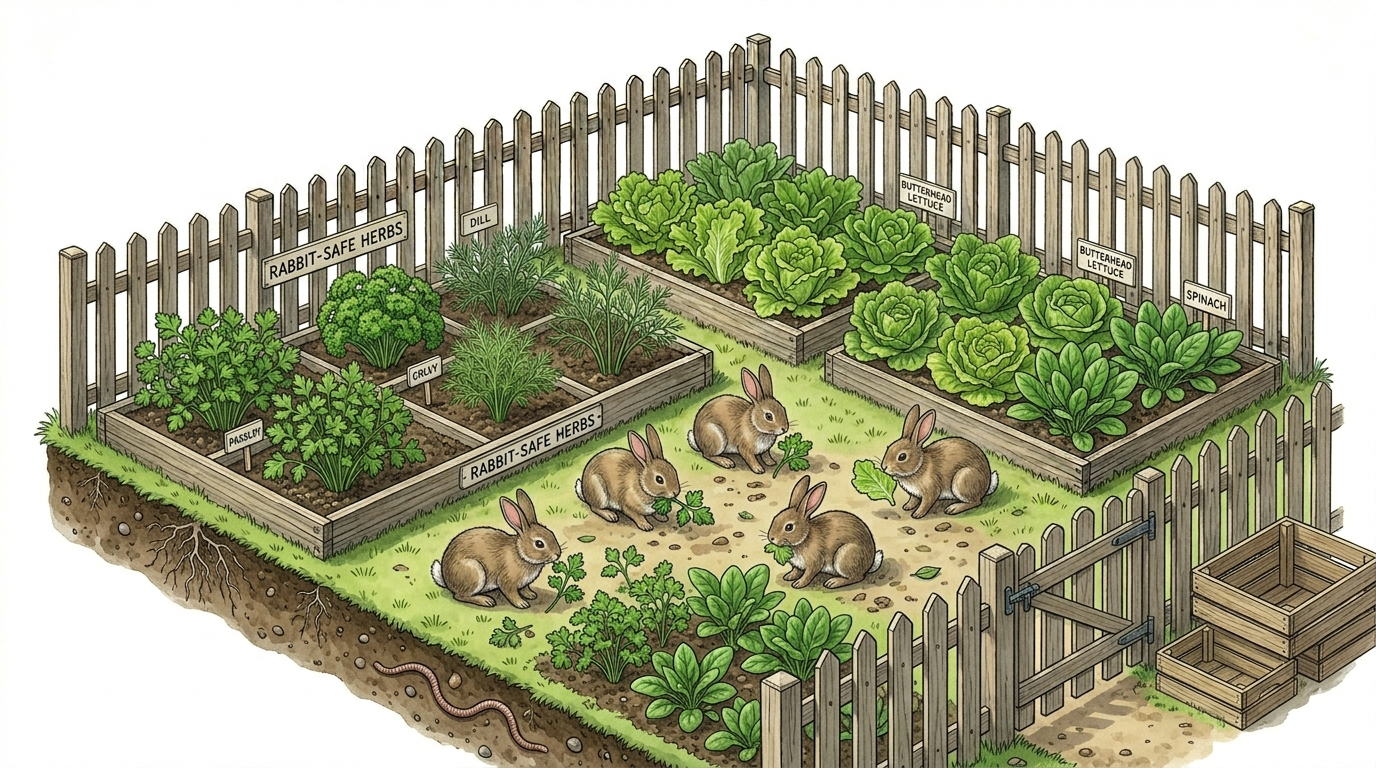
Guide
Learn how to choose suitable herbs and vegetables for rabbits, grow feeding plants, and plan a rabbit-friendly garden.
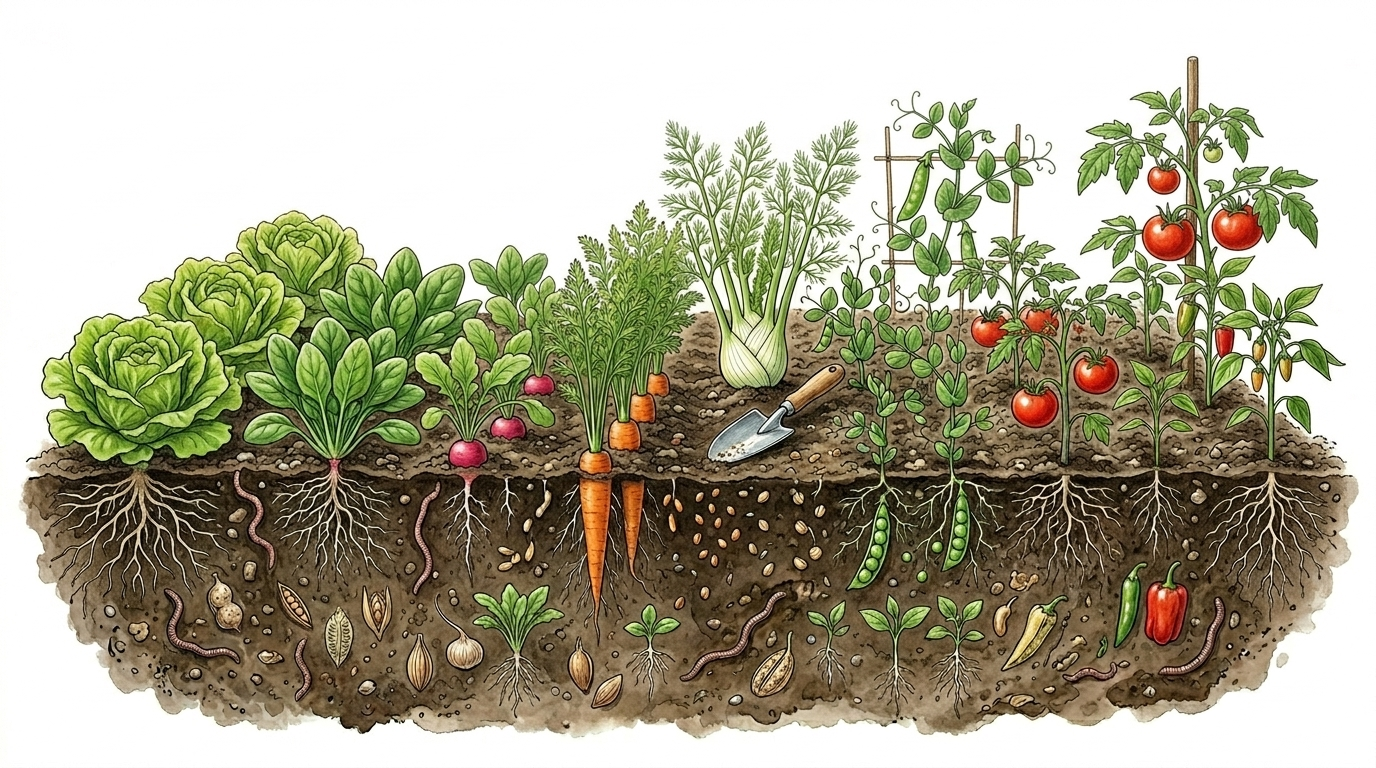
Guide
What to plant and sow in May: transplant tender vegetables, continue succession sowing, and make the most of garden beds.
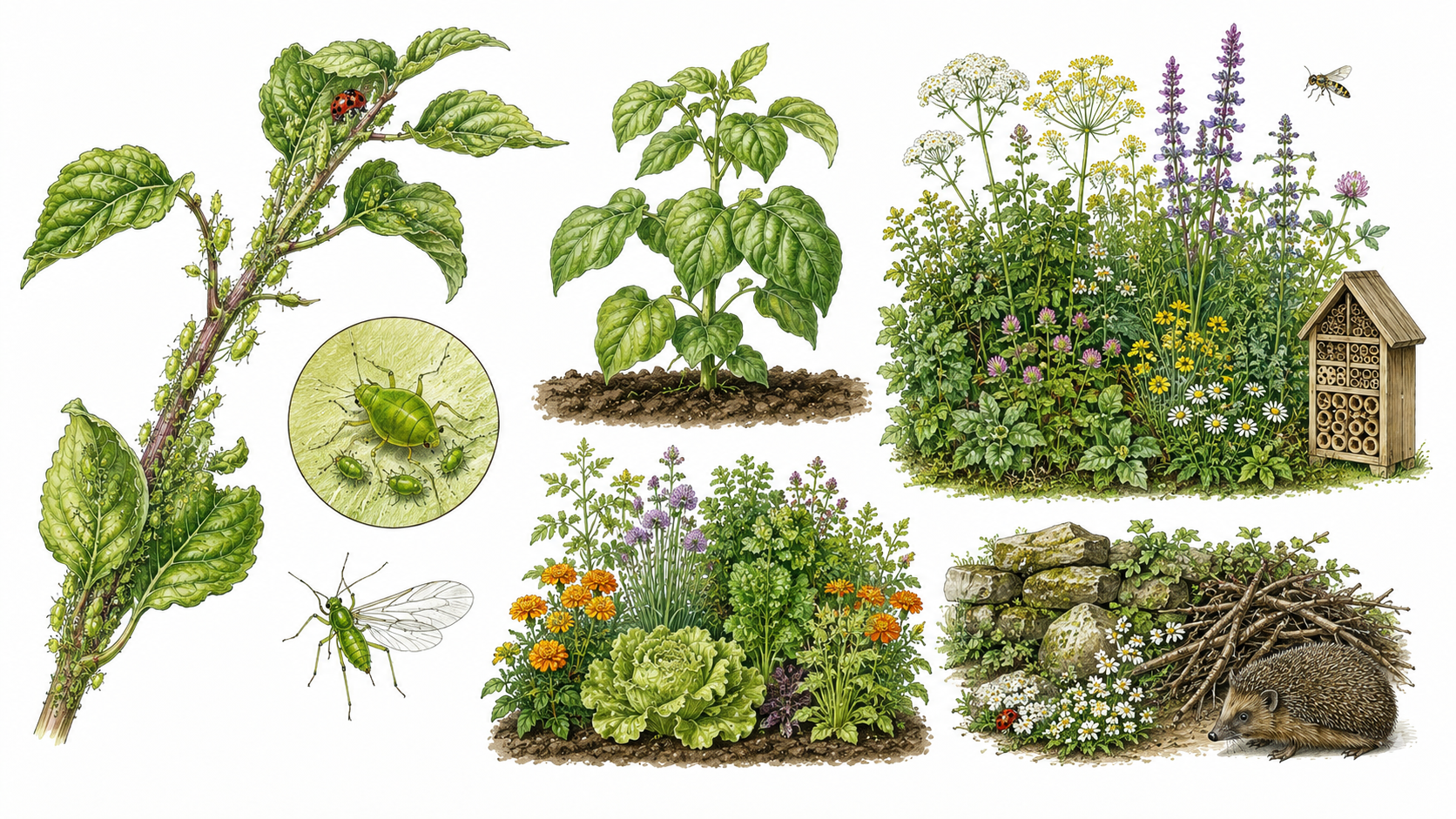
Guide
Learn how to reduce aphids naturally with resilient plants, beneficial insects, diverse beds, and companion planting.
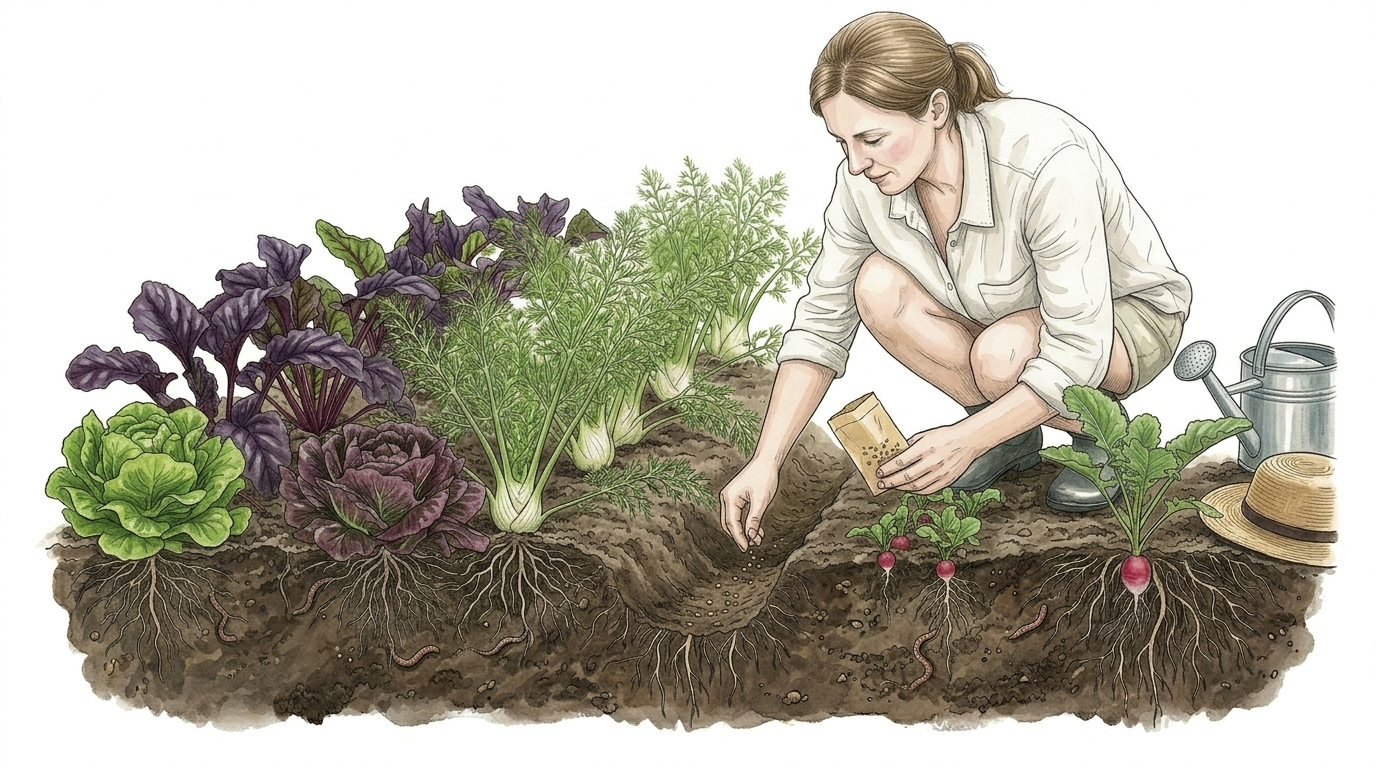
Guide
Discover which vegetables to sow in June for succession planting, filling gaps in beds, and planning autumn harvests.
More categories