Plant Profile
PeachPrunus persica
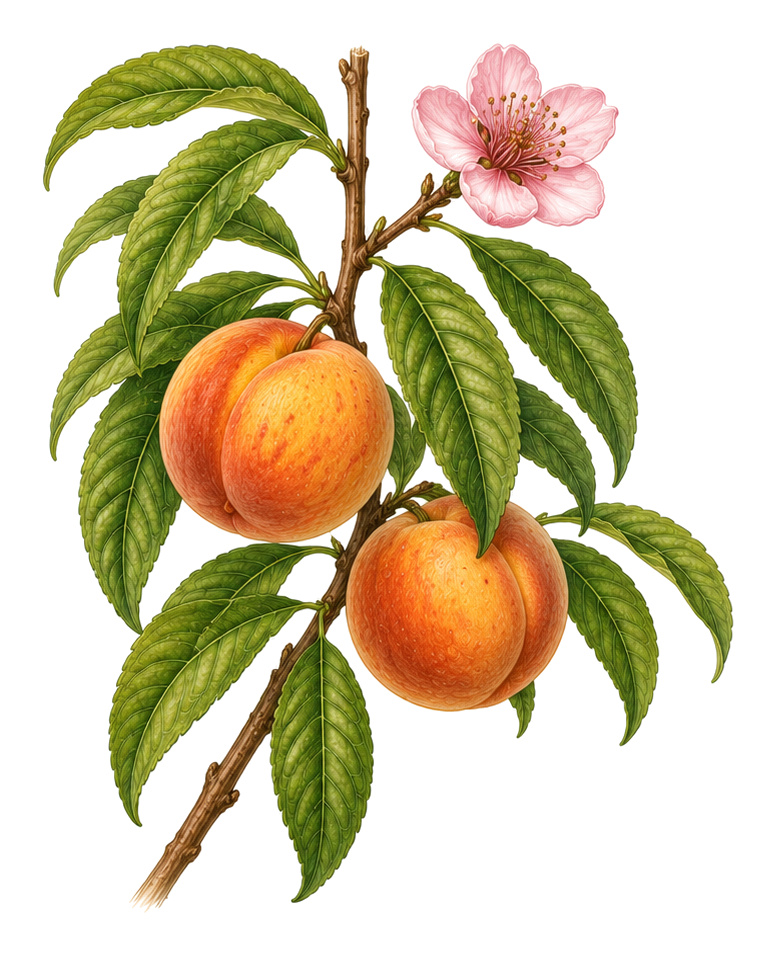
The peach tree is a heat-loving stone fruit that delights with its juicy fruits and early blossoms. It requires a sheltered location and regular pruning.
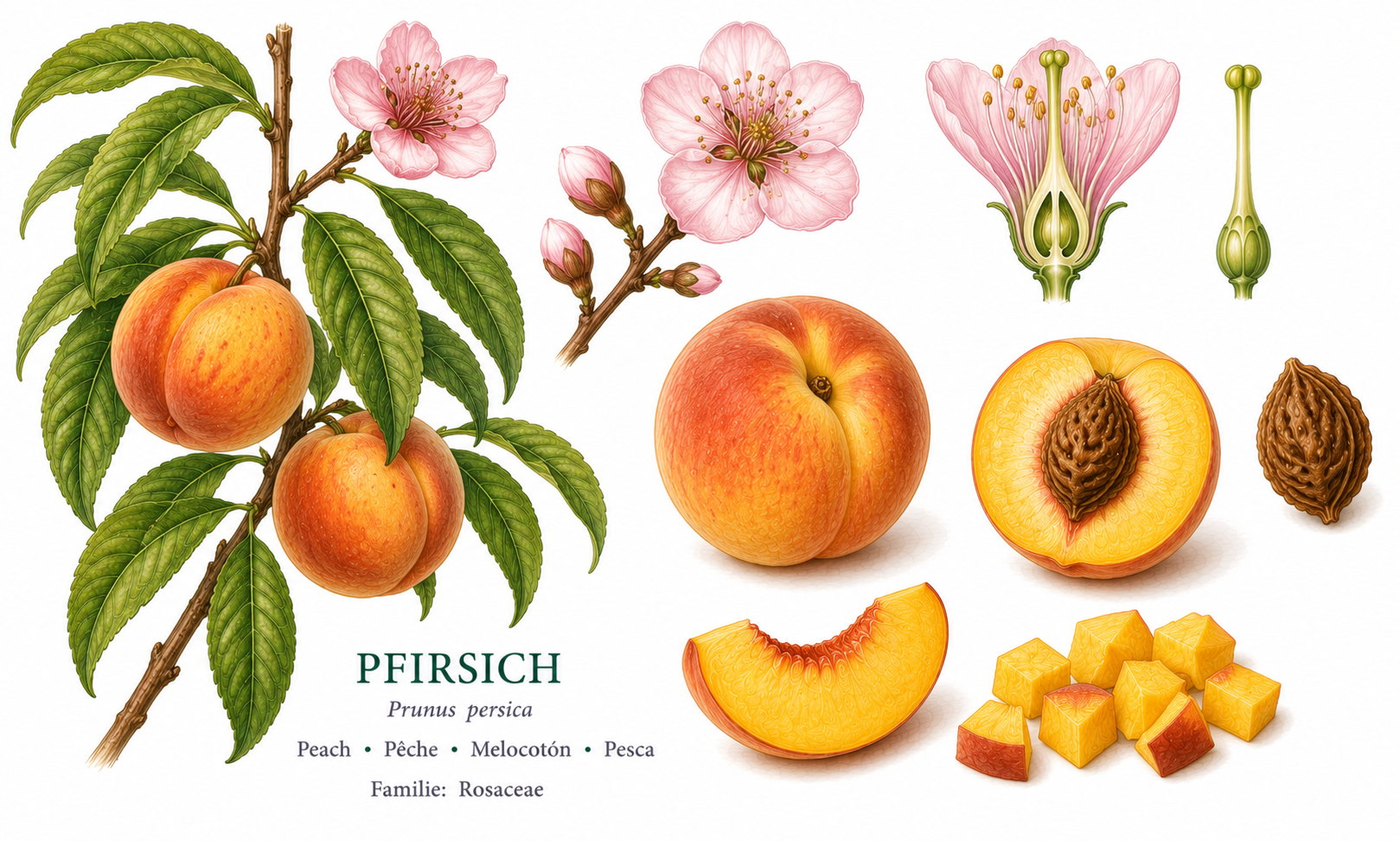
Quick profile
Key data
Suitable growing locations:
Good neighbors
NasturtiumGarlicHorseradish
Avoid
Potato
Indoor & direct sowing
Peach: Sowing and germination
Propagation by seed uncommon for home gardeners; usually grafted.
Not recommended as seedlings are not true to type.
Planting & site
Peach: Planting and spacing
Spring planting preferred in harsh climates; container plants possible year-round.
Temperature & frost
Peach: Temperature and site
Water & nutrients
Peach: Water, nutrients and care
Container & growth
Peach: Container, support and growth
Year plan
Peach Calendar
Protect the delicate blossoms from late frosts in spring to safeguard your harvest.
Recurring tasks
Relevant now
June
- No additional single task
Next up
July
- No additional single task
Monthly tasks
Single tasks from monthly data; repeated seasonal windows are shown in the overview above.
January
Quiet month
February
Plant health
- Peach leaf curl preventionTreatment must occur before bud scales open.
March
No additional single task
April
No additional single task
May
Quiet month
June
Quiet month
August
No additional single task
September
No additional single task
October
No additional single task
November
No additional single task
December
Quiet month
Flowering & pollination
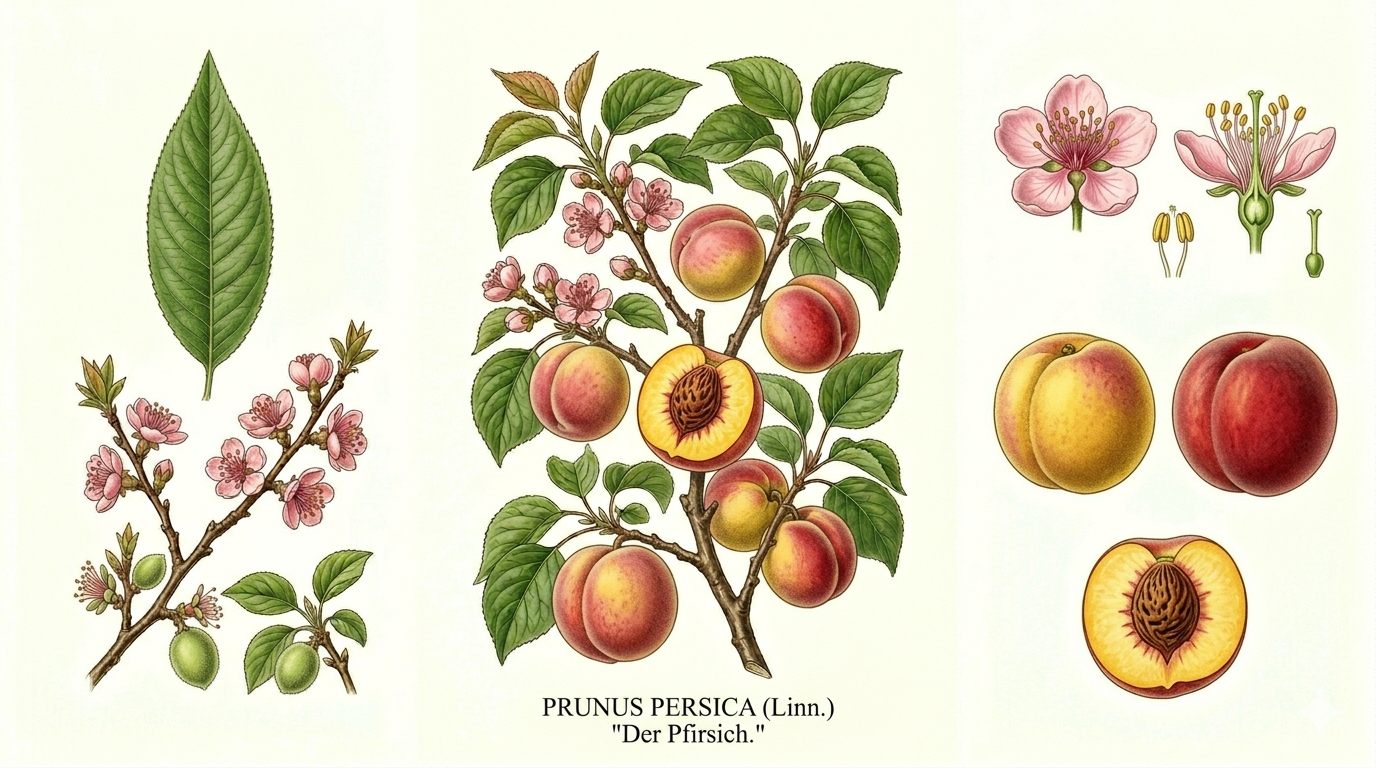
Peach Flowering & pollination
Flowering period
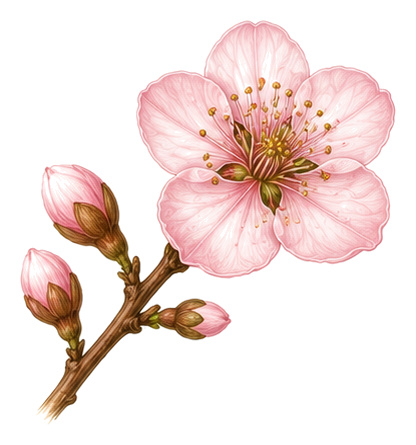
March to April
Flower color
Pink to deep pink
Self-fertility
high
Pollinator needed
no
Overview
Most peach varieties are self-fertile but benefit from insect pollination.
Notes
Bees and bumblebees are the main pollinators; fertilization is often limited during cool early spring weather.
Pruning & care
Peach Pruning & care
Pruning type
Mixed pruning (fruiting and structural)
Pruning timing
Production pruning Done shortly before or during flowering to distinguish true from false fruiting branches.
Summer pruning Removing water sprouts to improve light penetration for the fruits.
Remove
Preserve
Avoid
Tools and hygiene
Disinfect saw and shears after each tree (prevention of bacterial canker).
Companion guide
Peach Companion guide
Good neighbors
NasturtiumGarlicHorseradish
Avoid
Potato
Use & storage
Peach Use & storage
Strongly dependent on variety and regional climate.
Storage
Short-term storage
Storage life
Approx. 3-5 days in the refrigerator; only 1-2 days at room temperature.
Harvest
Strongly dependent on variety and regional climate.
Processing
After harvest
Handle with care as peaches are extremely sensitive to bruising.
Edibility & safety
Peach Edibility & safety
For people
In brief: which parts are edible, which parts remain risky, and whether raw consumption makes sense.
Safety notes
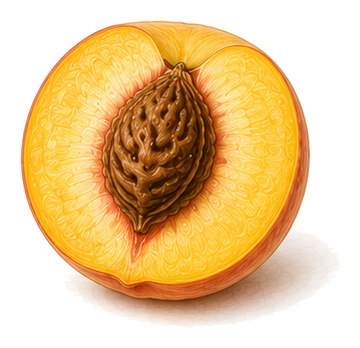
The seed kernel inside the pit is toxic and must not be consumed.
Animal safety
This plant is not simply safe or unsafe for animals. 14 animal types have restrictions, so quantity, access, and plant part matter.
Each row shows which parts are more suitable and which parts are critical.
Companion animals
 Dog
DogFruit flesh, Skin
Pit (contains amygdalin), Leaves, Stems
Fruit flesh, Skin
Pit (contains amygdalin), Leaves, Stems
Consumption of wilted leaves or stems, Chewing or swallowing pits
Difficulty breathing, dilated pupils, brick red mucous membranes
contact a vet if ingested
Peach fruit flesh is safe for dogs in small amounts as a treat, but the pit, leaves, and stems contain amygdalin, which can metabolize to cyanide and cause poisoning. Wilted foliage poses higher risk due to increased cyanide concentration. Seek veterinary advice immediately if ingestion of toxic parts is suspected.
Open animal page Cat
CatFruit flesh, Skin
Pit (contains amygdalin), Leaves, Stems
Fruit flesh, Skin
Pit (contains amygdalin), Leaves, Stems
Consumption of wilted leaves, Chewing or swallowing pits, Access to fallen fruit with pits
Difficulty breathing, Dilated pupils, Brick red mucous membranes
contact a vet if ingested
Peach fruit flesh is generally safe in small amounts as a treat, but pits, leaves, and stems contain amygdalin, which can hydrolyze to hydrogen cyanide. Wilted foliage is particularly hazardous. If ingestion of toxic parts is suspected, seek veterinary advice immediately.
Open animal page Rabbit
Fruit flesh, Skin
Pit (contains amygdalin), Leaves, Stems
Fruit flesh, Skin
Pit (contains amygdalin), Leaves, Stems
Consumption of pits, leaves, or stems, Wilted foliage increases cyanide release
Difficulty breathing, Diarrhea, Weakness
contact a vet if symptoms appear
Peach fruit flesh is suitable for rabbits in small amounts as an occasional treat, but pits, leaves, and stems contain amygdalin, which can metabolize to cyanide. Wilted foliage poses higher risk due to increased cyanide release. Overfeeding fruit may cause digestive issues due to sugar content.
Open animal page Guinea pig
Fruit flesh, Skin
Pit (contains amygdalin), Leaves
Fruit flesh, Skin
Pit (contains amygdalin), Leaves
Consumption of pits or leaves, Wilted foliage increases risk
Difficulty breathing, Vomiting, Diarrhea
contact a vet if symptoms appear
Fruit flesh in small amounts suitable as a treat. Pits, leaves, and wilted foliage contain amygdalin and can release cyanide. Seek veterinary advice if toxic parts are ingested.
Open animal page Hamster
Fruit flesh, Skin
Pit (contains amygdalin), Leaves
Fruit flesh, Skin
Pit (contains amygdalin), Leaves
Consumption of pits, leaves, or wilted twigs, Smaller animals are more sensitive to cyanide
Difficulty breathing, Vomiting, Weakness
contact a vet if ingested
The flesh of the peach is suitable for hamsters in small amounts as an occasional treat, but the pit, leaves, and wilted plant parts contain amygdalin, which can hydrolyze to cyanide. Due to the small body size and rapid metabolism of hamsters, there is an increased risk of cyanogenic poisoning, even from small amounts of toxic parts. The flesh itself is non-toxic and generally well tolerated, but should only be…
Open animal page Budgie
Fruit flesh, Skin
Pit (contains amygdalin), Leaves
Fruit flesh, Skin
Pit (contains amygdalin), Leaves
Access to pits or leaves, Wilted leaves increase risk
Difficulty breathing, Vomiting, Weakness
contact a vet if symptoms appear
The flesh of the peach is suitable for budgies in small amounts as a treat, but the pit and leaves contain amygdalin, which can metabolize to cyanide. Budgies should not have access to pits or leaves. If toxic parts are ingested, seek veterinary assistance immediately.
Open animal pageFarm animals
 Horse
HorseFruit flesh
Pit, Leaves, Stems
Fruit flesh
Pit, Leaves, Stems
Ingestion of pits, leaves, or wilted branches, Access to fallen fruit with pits
Difficulty breathing, Tremors, Vomiting
contact a vet if ingested
The flesh of the peach is generally safe for horses in small amounts, but the pit, leaves, and stems contain amygdalin, which can hydrolyze to hydrogen cyanide. Wilted foliage is particularly hazardous due to higher concentrations of cyanogenic glycosides. Horses should not have access to peach trees, especially not to wilted prunings or fallen fruit with pits. Contact a veterinarian immediately if poisoning is…
Open animal page Chicken
Fruit flesh, Skin
Pit (contains amygdalin), Leaves
Fruit flesh, Skin
Pit (contains amygdalin), Leaves
Consumption of pits, leaves, or wilted twigs, Crushed or damaged seeds increase cyanide release
Difficulty breathing, bright red mucous membranes, dilated pupils
contact a vet if symptoms appear
Peach fruit flesh is safe for chickens in small amounts as a treat, but the pit, leaves, and wilted twigs contain amygdalin, which can hydrolyze to hydrogen cyanide and cause poisoning. Monitoring is recommended if access to hazardous parts is possible.
Open animal page Duck
DuckFruit flesh, Skin
Pit (contains amygdalin), Leaves
Fruit flesh, Skin
Pit (contains amygdalin), Leaves
Consumption of pits or leaves, wilted foliage increases risk
Difficulty breathing, Shock, Mucous membrane irritation
contact a vet if symptoms appear
Flesh in small amounts suitable as treat. Pits, leaves, and wilted foliage contain amygdalin and can release cyanide. Feed only pitted fruit occasionally. Contact vet if signs of poisoning appear.
Open animal page Goose
GooseFruit flesh
Pit (contains amygdalin), Leaves
Fruit flesh
Pit (contains amygdalin), Leaves
Access to pits or leaves, Wilted leaves increase risk
Difficulty breathing, Vomiting, Diarrhea
contact a vet if symptoms appear
The flesh of peach is suitable for geese in small amounts as an occasional treat, but pits and leaves contain amygdalin which can hydrolyze to hydrogen cyanide. Geese should not have access to pits or wilted leaves. If toxic parts are ingested, monitor for symptoms and contact a veterinarian if symptoms appear.
Open animal page Sheep
SheepFruit flesh
Pit, Leaves, Stems
Fruit flesh
Pit, Leaves, Stems
Consumption of leaves or stems
Difficulty breathing, Panting, Shock
contact a vet if symptoms appear
Peaches are not recommended for sheep as the leaves and stems contain toxic cyanogenic glycosides.
Open animal page Goat
GoatFruit flesh, Skin
Pit (contains amygdalin), Leaves, Wilted branches
Fruit flesh, Skin
Pit (contains amygdalin), Leaves, Wilted branches
Consumption of pits, leaves, or wilted branches, Access to fallen fruit with pits
Difficulty breathing, Vomiting, Diarrhea
contact a vet if ingested
Peach fruit flesh is suitable for goats in small amounts as a treat, but pits, leaves, and wilted branches contain amygdalin, which can hydrolyze to hydrogen cyanide and cause poisoning. Monitoring is recommended if goats have access to peach trees.
Open animal page Cattle
Fruit flesh, Skin
Pit (contains amygdalin), Leaves, Wilted branches
Fruit flesh, Skin
Pit (contains amygdalin), Leaves, Wilted branches
Consumption of pits, leaves, or wilted branches, Ingestion of amygdalin through chewing or crushing pits
Difficulty breathing, Brick red mucous membranes, Dilated pupils
contact a vet if ingested
Peach fruit flesh is suitable for cattle in small amounts as a treat, but pits, leaves, and wilted branches contain amygdalin, which can hydrolyze to hydrogen cyanide and cause poisoning. Feed only the fruit flesh and ensure no access to hazardous parts.
Open animal page Pig
PigFruit flesh, Skin
Pit (contains amygdalin), Leaves, Wilted branches
Fruit flesh, Skin
Pit (contains amygdalin), Leaves, Wilted branches
Consumption of pits, leaves, or wilted branches, Access to fallen fruit with pits
Difficulty breathing, Brick red mucous membranes, Dilated pupils
contact a vet if ingested
Peach fruit flesh is suitable for pigs in small amounts as a treat, but pits, leaves, and wilted branches contain amygdalin, which can hydrolyze to hydrogen cyanide and cause poisoning. Pigs should not have access to fallen fruit with pits. If ingestion of toxic parts is suspected, contact a veterinarian immediately.
Open animal pageThese guidelines are for general information only and do not replace veterinary diagnosis. If critical plant parts were ingested or the animal shows unusual behaviour or symptoms, seek veterinary advice.
Max risk
3 / 5
Highest status
selected parts only
Urgency
contact a vet if ingested
Saving seed
Peach Saving seed
Seed type
stone
Seed viability
1 - 2 years
Practical tips
Peach Practical tips
Common beginner mistakes
Success pattern
High-impact tips
Grower observations
Plant Profile
Additional plant images
Health
Pests, Diseases
Pests
Green peach aphid
Curled leaves, sticky honeydew.
Oriental fruit moth
Wilting shoot tips, larvae inside fruit.
Diseases
Peach leaf curl
Blister-like, reddish leaf deformations in spring.
Brown rot
Rotting rings on fruit, shriveled 'fruit mummies'.
Deficiencies
Iron deficiency (Chlorosis)
Yellow leaves with green veins, often on lime-rich soils.
Plant health
Diagnosis help
Peach Diagnosis help
Pest groups
Disease groups
Prevention
Diagnosis
Leaf changes in early growth usually indicate fungal infections from the previous year.
Cultural prevention
Monitoring
Monitor bud swell in February/March
First response
Remove infection sources (mummies, leaf litter)
Diagnostic rules
Leaves curl and turn reddish
Possible causes: Taphrina deformans
- Timing of appearance (Spring?)
- Presence of aphids (Rule out)
FAQ
When is the best time to plant a peach tree?
The best planting time for bare-root peach trees is in spring (March/April) or autumn (October/November). Containerized plants can be planted almost year-round.
How do I combat peach leaf curl?
The most important measure is a dormant spray with approved agents (e.g., copper preparations) just before bud swell in February/March. Remove infected leaves early.
Do I need to prune my peach tree?
Yes, regular pruning is essential. Peaches bear fruit on one-year-old wood, so annual renewal pruning is necessary to ensure harvest and keep the tree vital.
Is Peach safe for Dog?
Peach is classified as selected parts only for Dog. Risk: 3 / 5. Urgency: contact a vet if ingested. Peach fruit flesh is safe for dogs in small amounts as a treat, but the pit, leaves, and stems contain amygdalin, which can metabolize to cyanide and cause poisoning. Wilted foliage poses higher risk due to increased cyanide concentration. Seek veterinary advice immediately if ingestion of toxic parts is suspected.
Is Peach safe for Cat?
Peach is classified as selected parts only for Cat. Risk: 3 / 5. Urgency: contact a vet if ingested. Peach fruit flesh is generally safe in small amounts as a treat, but pits, leaves, and stems contain amygdalin, which can hydrolyze to hydrogen cyanide. Wilted foliage is particularly hazardous. If ingestion of toxic parts is suspected, seek veterinary advice immediately.
Is Peach safe for Rabbit?
Peach is classified as selected parts only for Rabbit. Risk: unknown. Urgency: contact a vet if symptoms appear. Peach fruit flesh is suitable for rabbits in small amounts as an occasional treat, but pits, leaves, and stems contain amygdalin, which can metabolize to cyanide. Wilted foliage poses higher risk due to increased cyanide release. Overfeeding fruit may cause digestive issues due to sugar content.
Is Peach safe for Horse?
Peach is classified as selected parts only for Horse. Risk: 3 / 5. Urgency: contact a vet if ingested. The flesh of the peach is generally safe for horses in small amounts, but the pit, leaves, and stems contain amygdalin, which can hydrolyze to hydrogen cyanide. Wilted foliage is particularly hazardous due to higher concentrations of cyanogenic glycosides. Horses should not have access to peach trees, especially not to wilted prunings or fallen fruit with pits. Contact a veterinarian immediately if poisoning is…
Guides
Related guides
Guide
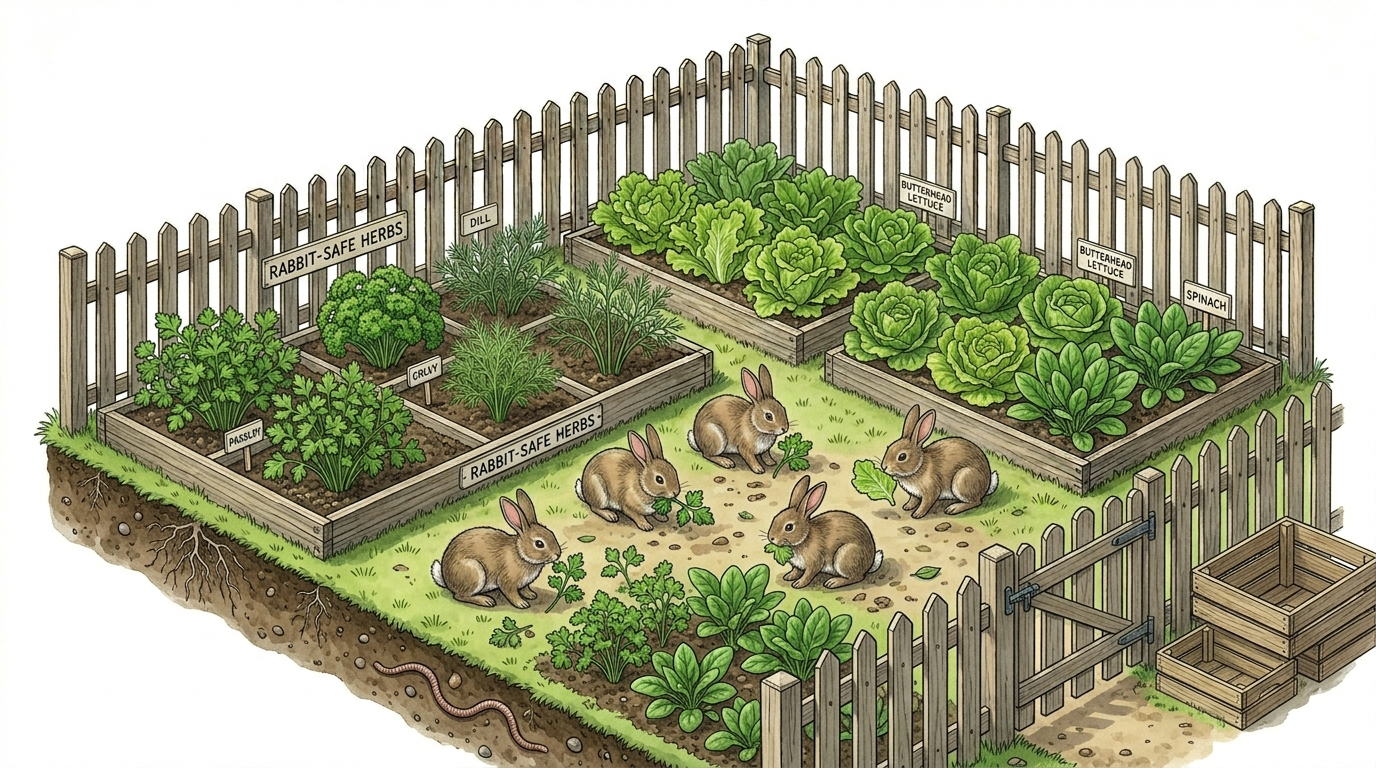
Rabbits in the Garden: Herbs and Vegetables
Learn how to choose suitable herbs and vegetables for rabbits, grow feeding plants, and plan a rabbit-friendly garden.
Guide
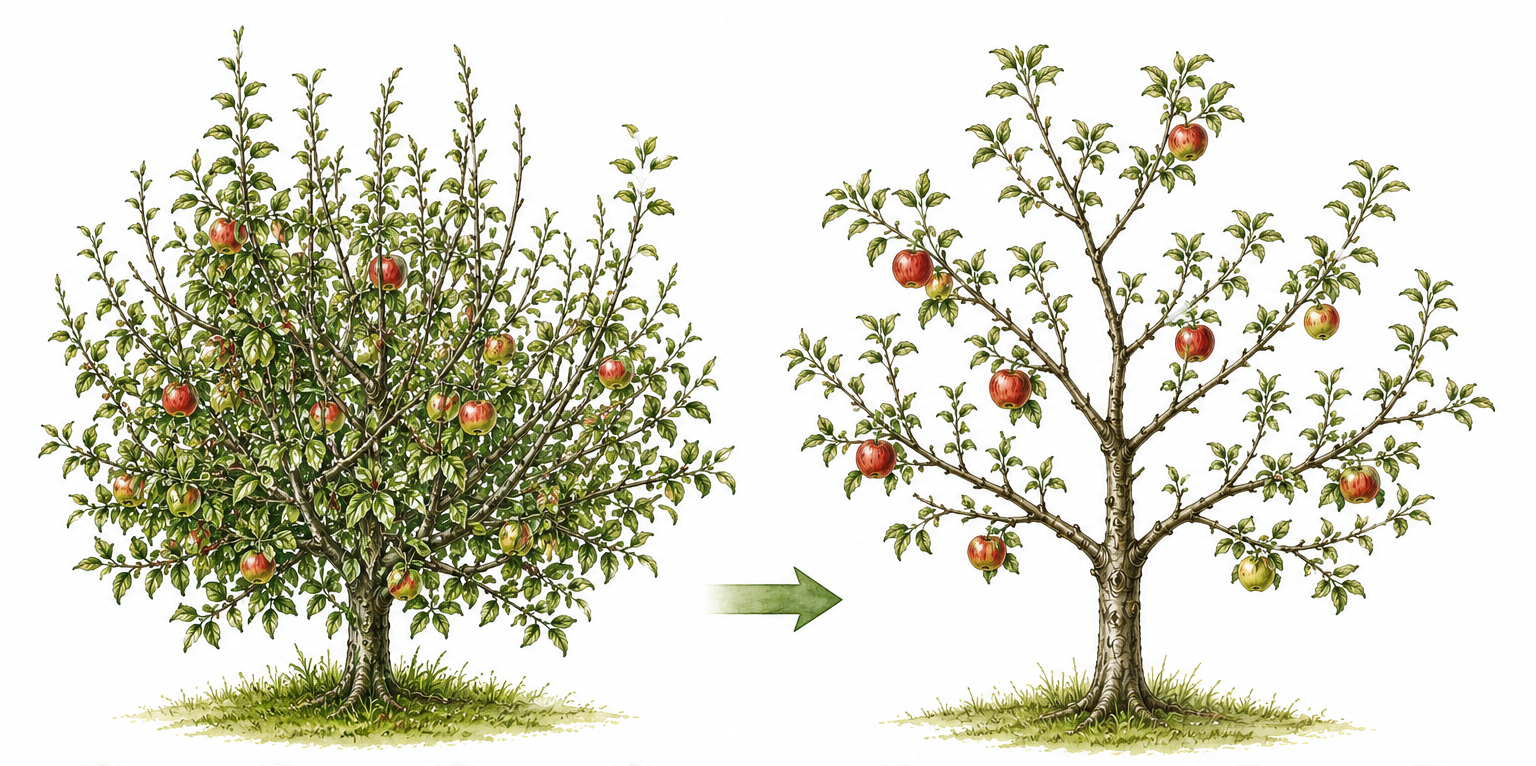
Pruning Apple Trees: Timing, Techniques, and Common Mistakes
Learn when and how to prune apple trees properly, including winter pruning, summer pruning, training cuts, and maintenance tips for healthy, productive…
Guide
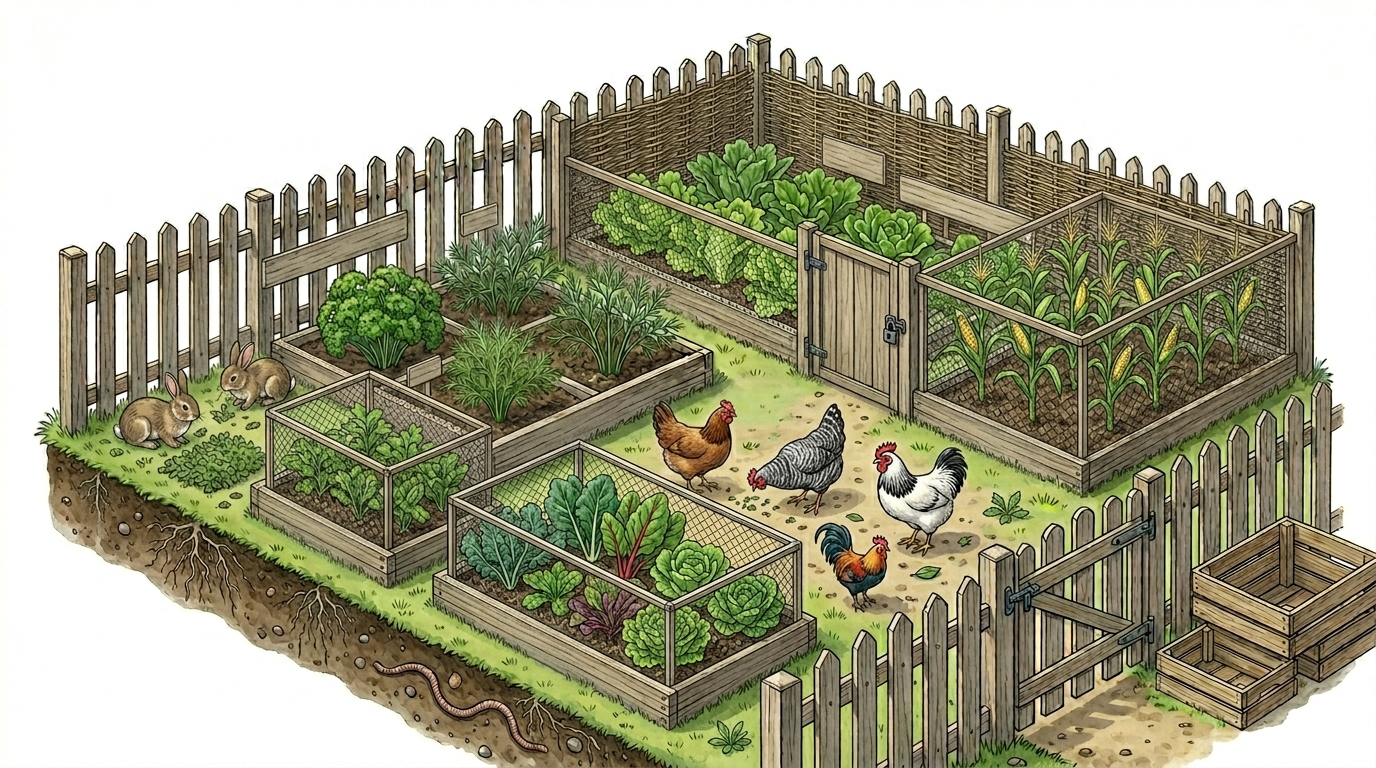
Chickens in the Garden: Safe Plants and Zones
Learn how to design a chicken-friendly garden with suitable plants, protected beds, and well-planned activity areas.
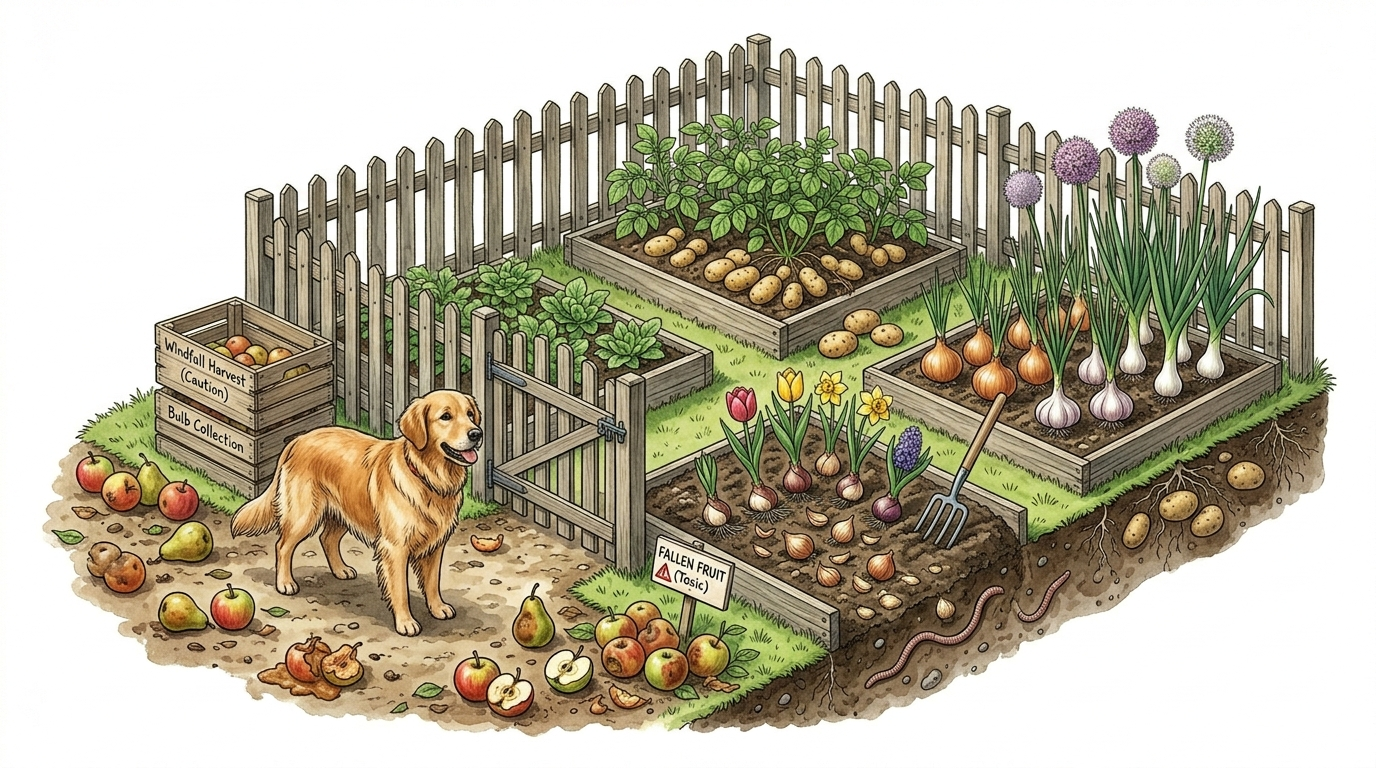
Guide
Dogs in the Garden: Windfall Fruit and Risks
Keep your garden dog-safe by managing windfall fruit, seeds, stored crops, and potentially problematic plant parts.
Internal links
Related plants
Plum
Both belong to the genus Prunus in the Rose family.
Both are stone fruit trees.
Apricot
Both belong to the genus Prunus in the Rose family.
Both are stone fruit trees.
Brown rot
Monilia affects many stone fruit species.
Verticillium wilt
Can also affect other Rose family members.
Sweet Cherry
Genus relation, similar care
Apple
Belongs to the Rose family
Strawberry
Belongs to the Rose family
Apricot
Fresh eating, jam, baking
Plum
Fresh eating, jam, baking
Sources
Public sources
- Wikidata entity
Wikidata · 2026-05-14
- GBIF species match
GBIF · 2026-05-14
- Deutschsprachige Wikipedia: Pfirsich
Wikipedia · 2026-05-14
- English Wikipedia: Peach
Wikipedia · 2026-05-14