Profile

AlliumAllium

Leek (Allium) is a versatile and robust plant, valued in many cuisines worldwide. With its mild, oniony flavor and health benefits, it is an asset to any garden and diet. From sowing to harvest, leeks are relatively easy to care for and forgive minor mistakes.
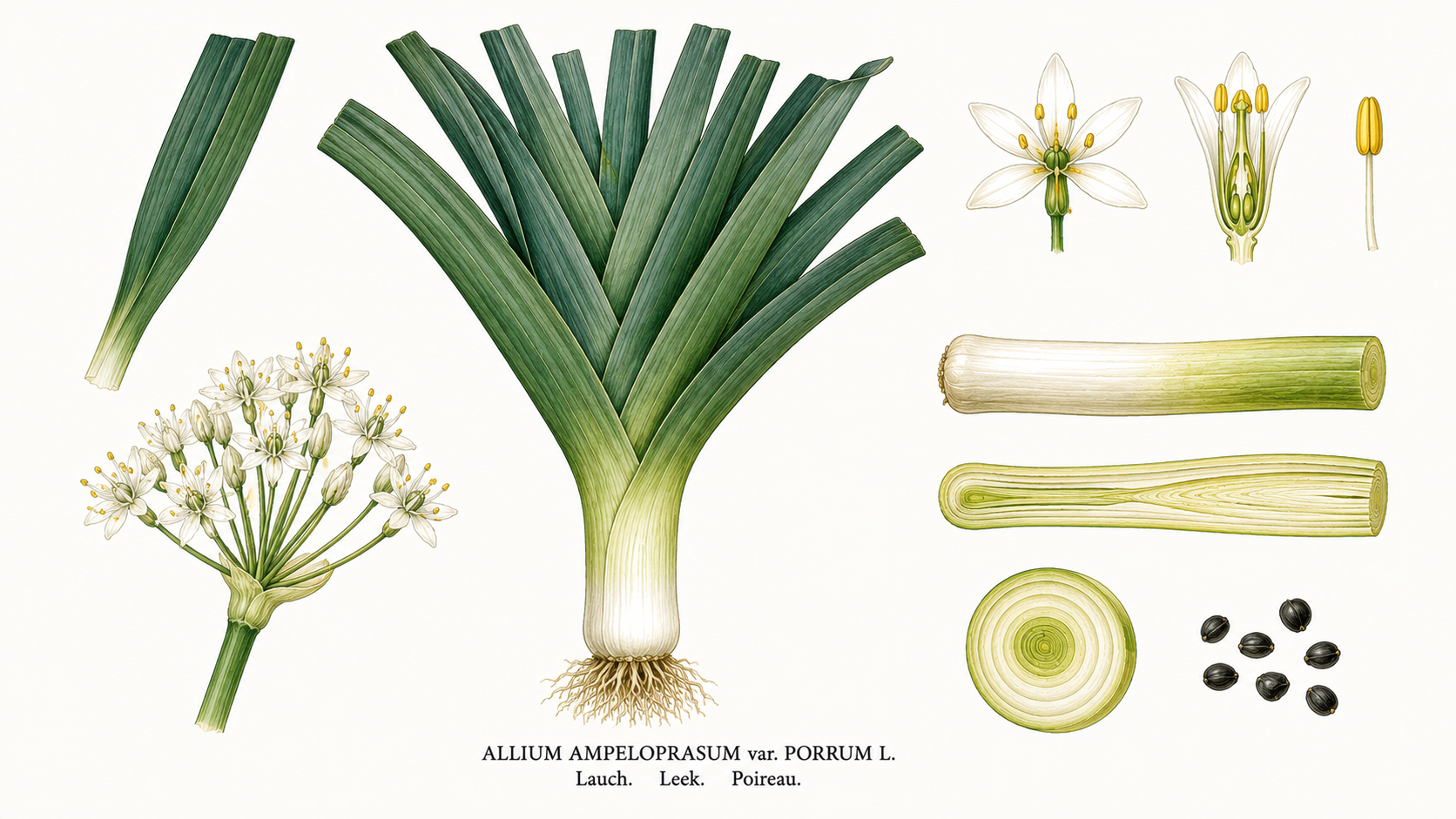
Allium (Allium): plant portrait for plant portrait - Bulb and tuber vegetables, Amaryllis family, Sunny to partial shade
Allium: plant portrait. harvest: Jan, Feb, Mar, Apr, May, Jun, Jul, Aug, Sep, Oct, Nov, Dec.

Quick profile

Key data

Planting

Apr, May, Jun, Jul, Aug, Sep

Harvest

Jul, Aug, Sep, Oct, Nov, Dec, Jan, Feb, Mar, Apr, May, Jun

Light

Sunny to partial shade

Water

high

Good neighbors

CarrotCeleryStrawberryChamomile

Avoid

BeanPeaCabbage

Growing data

Allium Growing data

Seed depth

1 - 2 cm

Plant spacing

10 - 15 cm

Row spacing

20 - 30 cm

Germination temp

15 - 20 °C

Sowing and germination

Seed depth1 - 2 cm
Germination temp15 - 20 °C
Germination time10 - 20 days
Seed viability2 - 3 years
Light germinatorNo
Dark germinatorYes
Cold germinatorNo
Stratification neededNo
Pre-soaking recommendedNo
Direct sowing possibleYes
Pre-culture recommendedYes

Planting and spacing

Plant spacing10 - 15 cm
Row spacing20 - 30 cm
Plants per m²30 - 50 per m²
Spacing3-4 plants per square

Temperature and site

Soil temperature10 - 18 °C
Growing temperaturefrom 5 °C
Optimal temperature15 - 22 °C
Frost sensitiveNo
Late frost sensitiveNo
Heat tolerancemedium
Cold tolerancehigh

Water, nutrients and care

Waterhigh
Critical water phasesGrowth phase, Shaft formation
Watering methodBewässerung an der Basis
Droughthigh
Waterlogging sensitiveYes
Mulching recommendedYes
Nutrient needmedium_feeder
Compost recommendedYes
Fertilizer sensitivitylow

Container, support and growth

Container suitableYes
Pot sizeVolume: from 10 l; Recommended: from 20 l; Diameter: from 20 cm; Depth: from 20 cm
Height30 - 80 cm
Width10 - 15 cm
Yield0.2 - 0.5 kg

Year plan

Allium Calendar

All plants
Indoor sowingDirect sowingPlantingHarvest

Indoor sowing

No data

Leeks are usually sown directly into the open ground.

Direct sowing

MarAprMayJunJulAug

Sow outdoors from March to August. An early sowing in March/April allows for an earlier harvest.

Planting

AprMayJunJulAugSep

Plant out pre-grown young plants into the open ground. Ensure adequate spacing.

Harvest

JulAugSepOctNovDecJanFebMarAprMayJun

Harvesting can take place from summer until the following spring, depending on the variety and sowing time. Winter-hardy varieties can remain in the bed over winter.

Year plan
  1. Harvest winter leeks
  2. Frost protection for overwintering plants
  3. Harvest winter leeks
  4. Loosen soil
  5. Prepare soil for sowing
  6. Sow leeks (open ground)
  7. Sow leeks (open ground)
  8. Plant out young plants
  9. Sow leeks (open ground)
  10. Plant out young plants
  11. Sow leeks (open ground)
  12. Plant out young plants
  13. Harvest summer leeks
  14. Hill up for blanching
  15. Harvest summer leeks
  16. Hill up for blanching
  17. Harvest leeks
  18. Hill up for blanching

Growing

Allium Site, soil and care

Light

Sunny to partial shade

Wind

Sheltered

Spacing

10 - 15 cm

Storage

Storage methods: Overwinter in the ground (winter-hardy varieties), Cool and moist in sand or damp sawdust, Refrigerator (short-term), Freezing (processed), Notes: Winter-hardy leek varieties can remain in the ground all winter and be harvested as needed, as long as the soil is not frozen. For cellar storage, a moist environment is important to prevent drying out.

  • Leeks prefer deep, loose, and humus-rich soil.
  • Regular hilling up promotes a long, white stem and protects against frost.
  • Ensure adequate plant spacing to prevent diseases.
  • Winter-hardy varieties can overwinter in the open ground and be harvested as needed.
  • Thorough washing is important as soil can accumulate between the leaf layers.
Cultivation timeline for Allium (Allium) with sowing, planting, care, and harvest months
Allium: cultivation timeline. calendar: Jan, Feb, Mar, Apr, May, Jun, Jul, Aug, Sep, Oct, Nov, Dec.

Pruning

Allium Pruning

not_applicable

Goal

not_applicable

Tools and hygiene

Not applicable, as no tree pruning is required.

Companion guide

Allium Companion guide

Companion guide

Good neighbors

CarrotCeleryStrawberryChamomileMarigoldtomato

Avoid

BeanPeaCabbage

Health

Pests, Diseases

Pests

Leek Moth

Leek moth larvae tunnel into the leaves and stems of leeks, which can lead to significant crop loss. There are multiple generations per year.

Onion Fly

Onion fly larvae feed on the roots and base of leeks, which can lead to plant death. Young plants are particularly vulnerable.

Leek Miner

Leek miner larvae cause characteristic mines in the leaves. Infestation can weaken plants and make them more susceptible to diseases.

Diseases

Leek Rust

Leek rust is a fungal disease that spreads rapidly in humid weather. It weakens plants and can reduce yield.

Downy Mildew

Downy mildew is a fungal disease that occurs in cool, humid weather. It can affect entire crops and significantly reduce yield.

White Rot

White rot is a severe fungal disease that attacks leeks from the base, leading to plant death. The fungus can survive in the soil for many years.

Deficiencies

Nitrogen Deficiency

  • Leaves turn pale green to yellowish, starting on older leaves
  • Stunted growth
  • Thin stems

Potassium Deficiency

  • Leaf margins yellow and die back (necrosis)
  • Weak, soft stems
  • Reduced frost hardiness

Phosphorus Deficiency

  • Leaves turn purplish or dark green
  • Poor root growth
  • Delayed development

Plant health

FAQ

When is the best time to sow leeks?

Leeks can be sown directly into the open ground from March to August. For an earlier harvest, pre-cultivation indoors or in a greenhouse from February is recommended.

How often do leeks need watering?

Leeks require consistent watering, especially during the growth phase. During dry periods, water regularly and thoroughly, preferably at the base of the plant.

What can be done against leek pests like the leek moth?

To protect against leek moths and other pests, fine-mesh insect netting is the most effective method. Crop rotation and promoting beneficial insects also help.

Can leeks be harvested in winter?

Yes, many leek varieties are winter-hardy and can be harvested throughout the winter as long as the soil is not frozen. Light protection with brushwood can be beneficial during severe frost.

Why is my leek bolting?

Premature bolting (flower stalk formation) is often caused by temperature fluctuations, drought stress, or choosing non-bolt-resistant varieties. Ensure consistent care and select suitable varieties.

Related plants

Onion

Same familySame crop groupSimilar nutrient needsSimilar water needs

Both belong to the Amaryllidaceae family.

Both are alliums and are cultivated similarly.

Garlic

Same familySame crop group

Both belong to the Amaryllidaceae family.

Both are alliums and are cultivated similarly.

Chives

Same family

Belongs to the Allium genus and Amaryllidaceae family.

Leek Rust

Shared diseases

Leeks are susceptible to leek rust.

Downy Mildew

Shared diseases

Leeks can be affected by downy mildew.

White Rot

Shared diseases

Leeks are susceptible to white rot, especially in damp conditions.

Cabbage

Similar nutrient needs

Cabbage is also a heavy feeder and benefits from similar nutrient supply.

Carrot

Similar water needs

Carrots also prefer consistent moisture.

Sources

Public sources

  1. Wikidata entity

    Wikidata · 2026-05-13

  2. GBIF species match

    GBIF · 2026-05-13

  3. Deutschsprachige Wikipedia: Lauch (Gattung)

    Wikipedia · 2026-05-13

  4. English Wikipedia: Allium

    Wikipedia · 2026-05-13

Details

More public plant data

Names
Common

Allium

Plural

Allium

BotanicalAllium
Synonyms
  1. ornamental onion
  2. onion
  3. onion genus
  4. onions
Common synonyms
  1. ornamental onion
  2. onion
  3. onion genus
  4. onions
Regional names
Historical names
Market names
Misspellings
Search terms
  1. Allium
Taxonomy
KingdomPlantae
Clades
  1. Tracheophyta
  2. Liliopsida
OrderAsparagales
Family botanicalAmaryllidaceae
Family

Amaryllis family

Family idamaryllidaceae
SubfamilyAllioideae
TribeAllieae
GenusAllium
Classification
Main groupZwiebel- und Knollengewächse
Sub groupLauchgewächse
Crop groupLauch
Life cyclemehrjährig
Perennialyes
Woodyno
Treeno
Shrubno
Edible parts
  1. bulbs
  2. leaves
  3. flowers
Nutrient groupSchwefelhaltige Aromapflanzen
Calendar
Sowing indoor
Notes

Leeks are usually sown directly into the open ground.

Sowing outdoor
Months
  1. 3
  2. 4
  3. 5
  4. 6
  5. 7
  6. 8
Earliest month3
Latest month8
Notes

Sow outdoors from March to August. An early sowing in March/April allows for an earlier harvest.

Planting out
Months
  1. 4
  2. 5
  3. 6
  4. 7
  5. 8
  6. 9
Earliest month4
Latest month9
Notes

Plant out pre-grown young plants into the open ground. Ensure adequate spacing.

Harvest
Months
  1. 7
  2. 8
  3. 9
  4. 10
  5. 11
  6. 12
  7. 1
  8. 2
  9. 3
  10. 4
  11. 5
  12. 6
Earliest month7
Latest month6
Notes

Harvesting can take place from summer until the following spring, depending on the variety and sowing time. Winter-hardy varieties can remain in the bed over winter.

Month tasks
1
  1. Harvest winter varieties of leeks.

  2. If necessary: Protect overwintering plants from severe frost.

2
  1. Harvest winter varieties of leeks.

  2. Loosen the soil if not already done.

3
  1. Prepare the soil for sowing.

  2. Early sowing of leek varieties in the open ground.

  3. Harvest late winter varieties of leeks.

4
  1. Sow leeks in the open ground.

  2. Plant out pre-grown young plants.

  3. Weed and loosen the soil.

5
  1. Sow leeks in the open ground.

  2. Plant out pre-grown young plants.

  3. Hoe regularly and water during dry periods.

6
  1. Sow leeks in the open ground.

  2. Plant out pre-grown young plants.

  3. Hill up as needed to promote blanching.

7
  1. Harvest early summer leek varieties.

  2. Hill up as needed.

  3. Water and fertilize regularly.

8
  1. Harvest summer leek varieties.

  2. Hill up as needed.

  3. Sow late varieties for autumn/winter harvest.

9
  1. Harvest summer and early autumn leek varieties.

  2. Hill up as needed.

10
  1. Harvest autumn leek varieties.

  2. Hill up as needed.

  3. Prepare harvested leeks for winter storage.

11
  1. Harvest autumn and early winter varieties.

  2. Hill up as needed.

12
  1. Harvest winter varieties of leeks.

  2. If necessary: Protect overwintering plants from severe frost.

Month tasks structured
1
  1. TaskHarvesting
    Label

    Harvest winter leeks

    Prioritymedium
    Months
    1. 1
    ConditionPlants are mature
    Estimated effortlow
    Notes

    Harvest only the required amount to leave the plant in the bed.

  2. TaskProtection
    Label

    Frost protection for overwintering plants

    Prioritylow
    Months
    1. 1
    ConditionSevere frost expected
    Estimated effortlow
    Notes

    Cover with brushwood or fleece.

2
  1. TaskHarvesting
    Label

    Harvest winter leeks

    Prioritymedium
    Months
    1. 2
    ConditionPlants are mature
    Estimated effortlow
    Notes

    Harvest only the required amount to leave the plant in the bed.

  2. TaskSoil preparation
    Label

    Loosen soil

    Prioritylow
    Months
    1. 2
    ConditionSoil is workable
    Estimated effortmedium
    Notes

    If not already done, prepare the soil for the upcoming season.

3
  1. TaskSoil preparation
    Label

    Prepare soil for sowing

    Priorityhigh
    Months
    1. 3
    ConditionSoil is workable
    Estimated effortmedium
    Notes

    Loosen soil deeply, incorporate compost.

  2. TaskSowing
    Label

    Sow leeks (open ground)

    Priorityhigh
    Months
    1. 3
    ConditionSoil temperature suitable
    Estimated effortmedium
    Notes

    Early varieties for an earlier harvest.

  3. TaskHarvesting
    Label

    Harvest winter leeks

    Prioritymedium
    Months
    1. 3
    ConditionPlants are mature
    Estimated effortlow
    Notes

    Last harvest of late winter leek varieties.

4
  1. TaskSowing
    Label

    Sow leeks (open ground)

    Priorityhigh
    Months
    1. 4
    ConditionSoil is workable
    Estimated effortmedium
    Notes

    Continue sowing for summer and autumn harvest.

  2. TaskPlanting out
    Label

    Plant out young plants

    Priorityhigh
    Months
    1. 4
    ConditionPlants have 4-5 true leaves
    Estimated effortmedium
    Notes

    Plant pre-grown plants into the open ground, pay attention to spacing.

  3. TaskWeeding
    Label

    Weed

    Prioritymedium
    Months
    1. 4
    ConditionWeeds are visible
    Estimated effortmedium
    Notes

    Keep young plants and sowings free of weeds.

5
  1. TaskSowing
    Label

    Sow leeks (open ground)

    Prioritymedium
    Months
    1. 5
    ConditionSoil is workable
    Estimated effortmedium
    Notes

    Late sowing for a late harvest.

  2. TaskPlanting out
    Label

    Plant out young plants

    Priorityhigh
    Months
    1. 5
    ConditionPlants have 4-5 true leaves
    Estimated effortmedium
    Notes

    Plant pre-grown plants into the open ground.

  3. TaskCultivation
    Label

    Loosen soil and water

    Prioritymedium
    Months
    1. 5
    ConditionDry weather
    Estimated effortmedium
    Notes

    Hoe regularly and water well during dry periods.

6
  1. TaskSowing
    Label

    Sow leeks (open ground)

    Prioritylow
    Months
    1. 6
    ConditionSoil is workable
    Estimated effortmedium
    Notes

    Very late sowing for a late harvest.

  2. TaskPlanting out
    Label

    Plant out young plants

    Priorityhigh
    Months
    1. 6
    ConditionPlants have 4-5 true leaves
    Estimated effortmedium
    Notes

    Plant pre-grown plants into the open ground.

  3. TaskCultivation
    Label

    Hill up for blanching

    Prioritymedium
    Months
    1. 6
    ConditionPlants are growing well
    Estimated effortmedium
    Notes

    Earth up around the stems to lengthen the white shaft.

7
  1. TaskHarvesting
    Label

    Harvest summer leeks

    Priorityhigh
    Months
    1. 7
    ConditionPlants are mature
    Estimated effortlow
    Notes

    Start harvesting early summer leek varieties.

  2. TaskCultivation
    Label

    Hill up for blanching

    Prioritymedium
    Months
    1. 7
    ConditionPlants are growing well
    Estimated effortmedium
    Notes

    Continue hilling up for better blanching.

  3. TaskNutrition
    Label

    Fertilize

    Prioritymedium
    Months
    1. 7
    ConditionPlants are growing
    Estimated effortlow
    Notes

    Liquid fertilizer or compost tea to promote growth.

8
  1. TaskHarvesting
    Label

    Harvest summer leeks

    Priorityhigh
    Months
    1. 8
    ConditionPlants are mature
    Estimated effortlow
    Notes

    Main harvest time for summer leek varieties.

  2. TaskCultivation
    Label

    Hill up for blanching

    Prioritymedium
    Months
    1. 8
    ConditionPlants are growing well
    Estimated effortmedium
    Notes

    Continue hilling up for better blanching.

  3. TaskSowing
    Label

    Sow leeks (late varieties)

    Prioritymedium
    Months
    1. 8
    ConditionSoil is workable
    Estimated effortmedium
    Notes

    Sow varieties intended for autumn and winter harvest.

9
  1. TaskHarvesting
    Label

    Harvest leeks

    Priorityhigh
    Months
    1. 9
    ConditionPlants are mature
    Estimated effortlow
    Notes

    Harvest summer and early autumn leek varieties.

  2. TaskCultivation
    Label

    Hill up for blanching

    Prioritymedium
    Months
    1. 9
    ConditionPlants are growing well
    Estimated effortmedium
    Notes

    Continue hilling up for better blanching.

10
  1. TaskHarvesting
    Label

    Harvest autumn leeks

    Priorityhigh
    Months
    1. 10
    ConditionPlants are mature
    Estimated effortlow
    Notes

    Main harvest time for autumn leek varieties.

  2. TaskCultivation
    Label

    Hill up for blanching

    Prioritymedium
    Months
    1. 10
    ConditionPlants are growing well
    Estimated effortmedium
    Notes

    Last opportunity to hill up before winter.

  3. TaskStorage
    Label

    Prepare leeks for storage

    Prioritymedium
    Months
    1. 10
    ConditionHarvested leeks
    Estimated effortlow
    Notes

    Store leeks cool and dark, e.g., in sand or damp sawdust.

11
  1. TaskHarvesting
    Label

    Harvest leeks

    Priorityhigh
    Months
    1. 11
    ConditionPlants are mature
    Estimated effortlow
    Notes

    Harvest autumn and early winter varieties.

  2. TaskCultivation
    Label

    Hill up for blanching

    Prioritymedium
    Months
    1. 11
    ConditionPlants are growing well
    Estimated effortmedium
    Notes

    Last opportunity to hill up before winter.

12
  1. TaskHarvesting
    Label

    Harvest winter leeks

    Priorityhigh
    Months
    1. 12
    ConditionPlants are mature
    Estimated effortlow
    Notes

    Harvest winter leek varieties, depending on the weather.

  2. TaskProtection
    Label

    Frost protection for overwintering plants

    Prioritylow
    Months
    1. 12
    ConditionSevere frost expected
    Estimated effortlow
    Notes

    Cover with brushwood or fleece.

Book content
Overview

Leek (Allium) is a versatile and robust plant, valued in many cuisines worldwide. With its mild, oniony flavor and health benefits, it is an asset to any garden and diet. From sowing to harvest, leeks are relatively easy to care for and forgive minor mistakes.

Structured month tasks
1
  1. TaskHarvesting
    Label

    Harvest winter leeks

    Prioritymedium
    Months
    1. 1
    ConditionPlants are mature
    Estimated effortlow
    Notes

    Harvest only the required amount to leave the plant in the bed.

  2. TaskProtection
    Label

    Frost protection for overwintering plants

    Prioritylow
    Months
    1. 1
    ConditionSevere frost expected
    Estimated effortlow
    Notes

    Cover with brushwood or fleece.

2
  1. TaskHarvesting
    Label

    Harvest winter leeks

    Prioritymedium
    Months
    1. 2
    ConditionPlants are mature
    Estimated effortlow
    Notes

    Harvest only the required amount to leave the plant in the bed.

  2. TaskSoil preparation
    Label

    Loosen soil

    Prioritylow
    Months
    1. 2
    ConditionSoil is workable
    Estimated effortmedium
    Notes

    If not already done, prepare the soil for the upcoming season.

3
  1. TaskSoil preparation
    Label

    Prepare soil for sowing

    Priorityhigh
    Months
    1. 3
    ConditionSoil is workable
    Estimated effortmedium
    Notes

    Loosen soil deeply, incorporate compost.

  2. TaskSowing
    Label

    Sow leeks (open ground)

    Priorityhigh
    Months
    1. 3
    ConditionSoil temperature suitable
    Estimated effortmedium
    Notes

    Early varieties for an earlier harvest.

  3. TaskHarvesting
    Label

    Harvest winter leeks

    Prioritymedium
    Months
    1. 3
    ConditionPlants are mature
    Estimated effortlow
    Notes

    Last harvest of late winter leek varieties.

4
  1. TaskSowing
    Label

    Sow leeks (open ground)

    Priorityhigh
    Months
    1. 4
    ConditionSoil is workable
    Estimated effortmedium
    Notes

    Continue sowing for summer and autumn harvest.

  2. TaskPlanting out
    Label

    Plant out young plants

    Priorityhigh
    Months
    1. 4
    ConditionPlants have 4-5 true leaves
    Estimated effortmedium
    Notes

    Plant pre-grown plants into the open ground, pay attention to spacing.

  3. TaskWeeding
    Label

    Weed

    Prioritymedium
    Months
    1. 4
    ConditionWeeds are visible
    Estimated effortmedium
    Notes

    Keep young plants and sowings free of weeds.

5
  1. TaskSowing
    Label

    Sow leeks (open ground)

    Prioritymedium
    Months
    1. 5
    ConditionSoil is workable
    Estimated effortmedium
    Notes

    Late sowing for a late harvest.

  2. TaskPlanting out
    Label

    Plant out young plants

    Priorityhigh
    Months
    1. 5
    ConditionPlants have 4-5 true leaves
    Estimated effortmedium
    Notes

    Plant pre-grown plants into the open ground.

  3. TaskCultivation
    Label

    Loosen soil and water

    Prioritymedium
    Months
    1. 5
    ConditionDry weather
    Estimated effortmedium
    Notes

    Hoe regularly and water well during dry periods.

6
  1. TaskSowing
    Label

    Sow leeks (open ground)

    Prioritylow
    Months
    1. 6
    ConditionSoil is workable
    Estimated effortmedium
    Notes

    Very late sowing for a late harvest.

  2. TaskPlanting out
    Label

    Plant out young plants

    Priorityhigh
    Months
    1. 6
    ConditionPlants have 4-5 true leaves
    Estimated effortmedium
    Notes

    Plant pre-grown plants into the open ground.

  3. TaskCultivation
    Label

    Hill up for blanching

    Prioritymedium
    Months
    1. 6
    ConditionPlants are growing well
    Estimated effortmedium
    Notes

    Earth up around the stems to lengthen the white shaft.

7
  1. TaskHarvesting
    Label

    Harvest summer leeks

    Priorityhigh
    Months
    1. 7
    ConditionPlants are mature
    Estimated effortlow
    Notes

    Start harvesting early summer leek varieties.

  2. TaskCultivation
    Label

    Hill up for blanching

    Prioritymedium
    Months
    1. 7
    ConditionPlants are growing well
    Estimated effortmedium
    Notes

    Continue hilling up for better blanching.

  3. TaskNutrition
    Label

    Fertilize

    Prioritymedium
    Months
    1. 7
    ConditionPlants are growing
    Estimated effortlow
    Notes

    Liquid fertilizer or compost tea to promote growth.

8
  1. TaskHarvesting
    Label

    Harvest summer leeks

    Priorityhigh
    Months
    1. 8
    ConditionPlants are mature
    Estimated effortlow
    Notes

    Main harvest time for summer leek varieties.

  2. TaskCultivation
    Label

    Hill up for blanching

    Prioritymedium
    Months
    1. 8
    ConditionPlants are growing well
    Estimated effortmedium
    Notes

    Continue hilling up for better blanching.

  3. TaskSowing
    Label

    Sow leeks (late varieties)

    Prioritymedium
    Months
    1. 8
    ConditionSoil is workable
    Estimated effortmedium
    Notes

    Sow varieties intended for autumn and winter harvest.

9
  1. TaskHarvesting
    Label

    Harvest leeks

    Priorityhigh
    Months
    1. 9
    ConditionPlants are mature
    Estimated effortlow
    Notes

    Harvest summer and early autumn leek varieties.

  2. TaskCultivation
    Label

    Hill up for blanching

    Prioritymedium
    Months
    1. 9
    ConditionPlants are growing well
    Estimated effortmedium
    Notes

    Continue hilling up for better blanching.

10
  1. TaskHarvesting
    Label

    Harvest autumn leeks

    Priorityhigh
    Months
    1. 10
    ConditionPlants are mature
    Estimated effortlow
    Notes

    Main harvest time for autumn leek varieties.

  2. TaskCultivation
    Label

    Hill up for blanching

    Prioritymedium
    Months
    1. 10
    ConditionPlants are growing well
    Estimated effortmedium
    Notes

    Last opportunity to hill up before winter.

  3. TaskStorage
    Label

    Prepare leeks for storage

    Prioritymedium
    Months
    1. 10
    ConditionHarvested leeks
    Estimated effortlow
    Notes

    Store leeks cool and dark, e.g., in sand or damp sawdust.

11
  1. TaskHarvesting
    Label

    Harvest leeks

    Priorityhigh
    Months
    1. 11
    ConditionPlants are mature
    Estimated effortlow
    Notes

    Harvest autumn and early winter varieties.

  2. TaskCultivation
    Label

    Hill up for blanching

    Prioritymedium
    Months
    1. 11
    ConditionPlants are growing well
    Estimated effortmedium
    Notes

    Last opportunity to hill up before winter.

12
  1. TaskHarvesting
    Label

    Harvest winter leeks

    Priorityhigh
    Months
    1. 12
    ConditionPlants are mature
    Estimated effortlow
    Notes

    Harvest winter leek varieties, depending on the weather.

  2. TaskProtection
    Label

    Frost protection for overwintering plants

    Prioritylow
    Months
    1. 12
    ConditionSevere frost expected
    Estimated effortlow
    Notes

    Cover with brushwood or fleece.

Cultivation specs
Seed
Seed depth cm min.1
Seed depth cm max.2
Light germinatorno
Dark germinatoryes
Cold germinatorno
Stratification neededno
Pre soaking recommendedno
Germination temperature c min.15
Germination temperature c max.20
Germination days min.10
Germination days max.20
Seed lifespan years min.2
Seed lifespan years max.3
Direct sowing possibleyes
Pre culture recommendedyes
Spacing
Plant spacing cm min.10
Plant spacing cm max.15
Row spacing cm min.20
Row spacing cm max.30
Recommended density per sqm min.30
Recommended density per sqm max.50
Square foot gardening spacing3-4 plants per square
Spacing notes

If sown densely, thinning will be necessary later. Adequate spacing promotes bulb development.

Growth dimensions
Height cm min.30
Height cm max.80
Width cm min.10
Width cm max.15
Growth speedmedium
Final size notes

Height and width vary greatly depending on the variety.

Temperature
Min. growing temperature5 °C
Optimal temperature c min.15
Optimal temperature c max.22
Max. heat tolerance30 °C
Soil temperature for sowing c min.10
Soil temperature for sowing c optimal18
Frost sensitiveno
Late frost sensitiveno
Heat tolerancemedium
Cold tolerancehigh
Temperature notes

Leeks are relatively frost-hardy, but young plants may need protection from severe frost.

Water
Water needhigh
Critical water phases
  1. Growth phase
  2. Shaft formation
Drought tolerantno
Drought sensitivityhigh
Waterlogging sensitiveyes
Mulching recommendedyes
Water notes

Consistent soil moisture is important. Avoid waterlogging at all costs.

Nutrition
Nutrient groupmedium_feeder
Heavy feederno
Medium feederyes
Light feederno
Nitrogen needhigh
Phosphorus needmedium
Potassium needhigh
Calcium needmedium
Magnesium needmedium
Compost recommendedyes
Mulching recommendedyes
Fertilizer sensitivitylow
Nutrition notes

Requires sufficient nutrients for good growth, especially nitrogen. Compost and well-rotted manure are ideal.

Container
Container suitableyes
Min. pot volume10 l
Recommended pot volume20 l
Min. pot depth20 cm
Min. pot diameter20 cm
Plants per container min.1
Plants per container max.3
Drainage requiredyes
Repotting neededno
Container notes

Deeper pots are more suitable. Ensure good drainage.

Cultivation modes
Outdoor bed suitableyes
Raised bed suitableyes
Container suitableyes
Balcony suitableyes
Greenhouse suitableno
Polytunnel suitableno
Indoor suitableno
Windowsill suitableno
Hydroponic possibleno
Permaculture suitableyes
No dig suitableyes
Yield density
Yield per plant min.0.2
Yield per plant max.0.5
Yield unitkg
Yield per sqm min.2
Yield per sqm max.5
Yield reliabilitymedium
Yield notes

Yields can vary depending on variety, care, and location.

Site
Sun

Sunny to partial shade

Wind

Sheltered

Notes

A sunny location promotes growth, but leeks also tolerate partial shade. Protection from strong winds is beneficial.

Soil
Type

Deep, loose, humus-rich, nutrient-rich

PH min.6
PH max.7.5
Drainage

Well-drained, no waterlogging

Notes

Prefers deep, loose soils well-supplied with nutrients. Avoid waterlogging at all costs.

Watering
Need

High, consistent

Method

Directly at the base, avoiding wetting the foliage

Notes

The soil should be kept consistently moist, especially during dry periods. Avoid waterlogging.

Nutrition
Fertilizer types
  1. Compost

  2. Well-rotted manure

  3. Organic slow-release fertilizer

  4. Liquid fertilizer (during the growing season)

Application timing

Before planting/sowing, during the growing season

Notes

Leeks are heavy feeders and require sufficient nutrients, especially nitrogen for leaf growth and potassium for bulb formation. Good base fertilization with compost or manure is recommended.

Cultivation planning
Succession sowing
Possibleyes
Interval days min.14
Interval days max.21
Bed planning notes

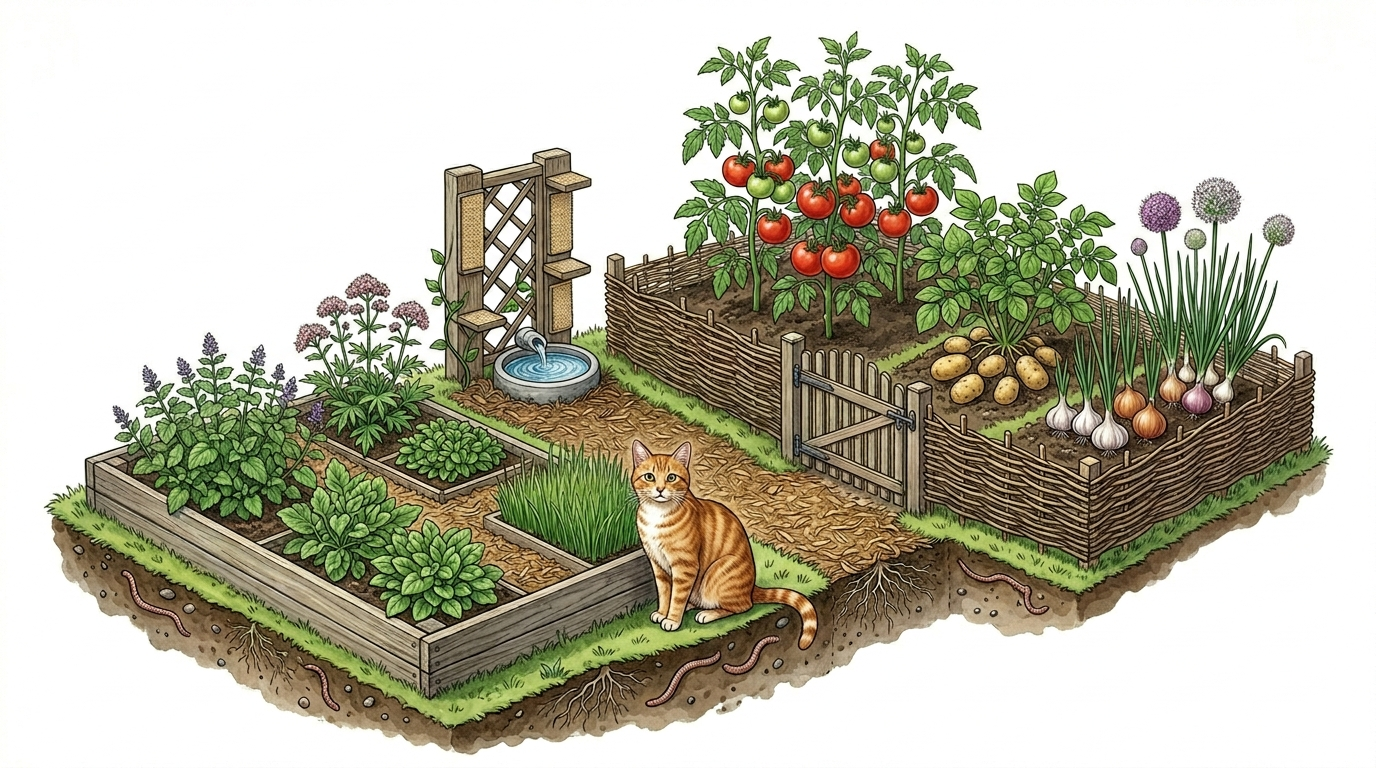
Leeks can be grown well in mixed culture with carrots, celery, tomatoes, and strawberries. Do not plant next to legumes or cabbage.

Rotation prioritymedium
Interplanting potentialgood
Mechanization relevancelow
Crop rotation
Recommended break years3
Family rotation avoidAmaryllidaceae
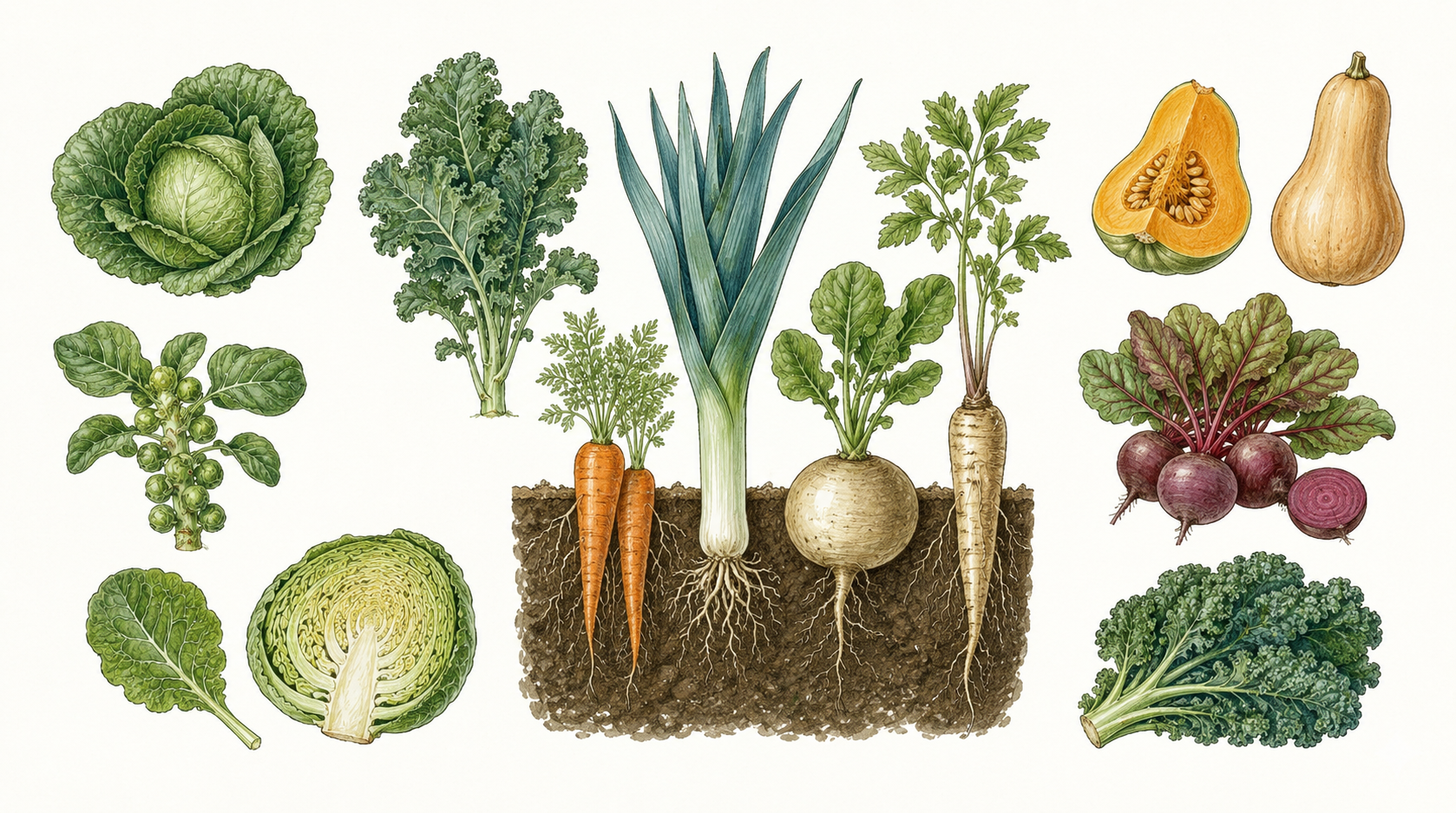
Good preceding crops
  1. Legumes
  2. Root vegetables
  3. Leafy greens
Bad preceding crops
  1. Other Alliums (onions, garlic)
  2. Cabbage family
Notes

A crop rotation of at least three years is important to prevent the spread of diseases and pests, especially leek moth and leek rust. For white rot, an even longer break (8-10 years) is necessary.

Deficiencies
  1. Slugstickstoffmangel
    Name

    Nitrogen Deficiency

    Symptoms
    1. Leaves turn pale green to yellowish, starting on older leaves
    2. Stunted growth
    3. Thin stems
    Causes
    1. Nitrogen-poor soil
    2. Leaching due to heavy rain
    3. Insufficient fertilization
    Remedies
    1. Apply organic nitrogen fertilizer (e.g., horn meal, nettle liquid manure).
    2. Incorporate compost or well-rotted manure.
    3. Use liquid fertilizer with high nitrogen content.
    Affected parts
    1. Entire plant
    2. Older leaves
    Severitymedium
  2. Slugkaliummangel
    Name

    Potassium Deficiency

    Symptoms
    1. Leaf margins yellow and die back (necrosis)
    2. Weak, soft stems
    3. Reduced frost hardiness
    Causes
    1. Potassium-poor soil
    2. Nutrient imbalance
    Remedies
    1. Apply potassium-rich fertilizer (e.g., wood ash, potassium sulfate).
    2. Incorporate compost.
    Affected parts
    1. Leaf margins
    2. Stem
    Severitymedium
  3. Slugphosphormangel
    Name

    Phosphorus Deficiency

    Symptoms
    1. Leaves turn purplish or dark green
    2. Poor root growth
    3. Delayed development
    Causes
    1. Phosphorus-poor soil
    2. Cold, wet soil
    Remedies
    1. Incorporate phosphorus-containing fertilizer (e.g., bone meal, rock phosphate).
    2. Warm the soil and ensure good drainage.
    Affected parts
    1. Leaves
    2. Roots
    Severitylow
Problems
  1. Slugschossen
    Name

    Bolting (premature flowering)

    Symptoms
    1. Formation of a flower stalk in the center of the plant
    2. Hard, inedible stalk
    Causes
    1. Temperature fluctuations (cold stress followed by warmth)
    2. Drought stress
    3. Irregular watering
    4. Incorrect variety choice (non-bolt-resistant varieties)
    Prevention
    1. Choose bolt-resistant varieties.
    2. Ensure consistent watering.
    3. Protect young plants from extreme temperature fluctuations.
    4. Do not sow too early if severe frosts are still a threat.
    Management
    1. Remove flower stalk early to redirect energy to leaves (quality will still suffer).
    2. Harvest the plant before the stalk becomes too tough.
    Affected parts
    1. Entire plant
    2. Stem
    Severitymedium
  2. Slugunzureichende_bleiche
    Name

    Insufficient Blanching of the Stem

    Symptoms
    1. Green or only slightly blanched stem
    2. Less tender and mild flavor
    Causes
    1. Insufficient hilling up of soil around the stem
    2. Too shallow planting
    Prevention
    1. Regular hilling up of soil around the growing stems.
    2. Deeper planting of young plants in planting holes or trenches.
    Management
    1. Later hilling up can still achieve some blanching, but quality may not be optimal.
    Affected parts
    1. Stem
    Severitylow
Problem management
Common pest groups
  1. Insects (Leek Moth, Onion Fly, Leek Miner, Thrips)
Common disease groups
  1. Fungal diseases (Leek Rust, Downy Mildew, White Rot)
Prevention principles
  1. Adherence to a wide crop rotation (at least 3-4 years, 8-10 years for white rot).
  2. Use of insect netting during the flight periods of leek moth and leek miner.
  3. Selection of resistant or tolerant varieties.
  4. Ensuring good soil hygiene and removal of infested plant debris.
  5. Optimal plant spacing for good air circulation.
  6. Consistent water and nutrient supply to strengthen plants.
  7. Companion planting with suitable partners (e.g., carrots).
Diagnosis notes

Pay attention to early signs of pests or diseases. Regular inspection of leaves (top and bottom) and the stem base is crucial. Consider weather conditions and the planting history of the bed.

Disease graph
Scopeleek_health_management
Profiles
  1. Sluglauchmotte
    Severityhigh
    Conditions
    1. Warm, dry periods
    2. Multiple generations per year
    Affected parts
    1. Leaves
    2. Stem
    Prevention
    1. Insect netting
    2. Crop rotation
    3. Remove infested debris
    Organic control
    1. Promote beneficial insects (parasitic wasps)
    2. Pheromone traps
  2. Slugzwiebelfliege
    Severitymedium
    Conditions
    1. Moist soils
    2. Spring and late summer
    Affected parts
    1. Roots
    2. Stem base
    Prevention
    1. Insect netting
    2. Crop rotation
    3. Companion planting with carrots
    Organic control
    1. Remove infested plants
    2. Nematodes (against larvae)
  3. Sluglauchminierfliege
    Severityhigh
    Conditions
    1. Flight periods in spring and late summer
    Affected parts
    1. Leaves
    Prevention
    1. Insect netting
    2. Adjusted sowing/planting times
    Organic control
    1. Remove infested leaves
  4. Sluglauchrost
    Severitymedium
    Conditions
    1. Humid weather
    2. High air humidity
    Affected parts
    1. Leaves
    Prevention
    1. Resistant varieties
    2. Good air circulation
    3. Crop rotation
    Organic control
    1. Remove affected leaves
    2. Plant strengtheners (e.g., horsetail tea)
  5. Slugfalscher_mehltau
    Severityhigh
    Conditions
    1. Cool, humid weather
    2. Leaf wetness
    Affected parts
    1. Leaves
    Prevention
    1. Resistant varieties
    2. Good air circulation
    3. Crop rotation
    4. Avoid leaf wetness
    Organic control
    1. Remove infected plant debris
    2. Plant strengtheners
  6. Slugweissfaeule
    Severityhigh
    Conditions
    1. Moist, heavy soils
    2. Soil-borne fungus
    Affected parts
    1. Roots
    2. Stem base
    Prevention
    1. Long crop rotation (8-10 years)
    2. Soil hygiene
    3. Healthy planting material
    Organic control
    1. Dispose of infected plants (do not compost!)
    2. Soil improvement
  7. Slugschossen
    Severitymedium
    Conditions
    1. Extreme temperature fluctuations
    2. Drought stress
    Affected parts
    1. Stem
    Prevention
    1. Bolt-resistant varieties
    2. Consistent watering
    Organic control
    1. Early harvest
Diagnostic rules
  1. Symptom

    Tunnels in leaves and stems

    Possible causes
    1. lauchmotte
    2. lauchminierfliege
    First checks
    1. Check for larvae or pupae inside tunnels.
    2. Note the type of tunnels (straight vs. zigzag).
  2. Symptom

    Wilting and yellowing of leaves, rotting base

    Possible causes
    1. zwiebelfliege
    2. weissfaeule
    3. stickstoffmangel
    First checks
    1. Check plant base for larvae or white fungal growth.
    2. Check soil moisture and fertilization.
  3. Symptom

    Orange-brown pustules on leaves

    Possible causes
    1. lauchrost
    First checks
    1. Check humidity and air circulation.
    2. Verify plant spacing.
  4. Symptom

    Yellowish spots on leaves, greyish-purple mold

    Possible causes
    1. falscher_mehltau
    First checks
    1. Check weather conditions (cool, humid).
    2. Examine the underside of leaves closely.
  5. Symptom

    Leaves pale green to yellowish, stunted growth

    Possible causes
    1. stickstoffmangel
    First checks
    1. Check fertilization history.
    2. Consider soil analysis.
  6. Symptom

    Leaf margins yellow and die back

    Possible causes
    1. kaliummangel
    First checks
    1. Check fertilizer for potassium content.
  7. Symptom

    Purplish leaves, poor root growth

    Possible causes
    1. phosphormangel
    First checks
    1. Check soil temperature and moisture.
  8. Symptom

    Flower stalk formation in the center of the plant

    Possible causes
    1. schossen
    First checks
    1. Check weather history (cold snaps).
    2. Verify variety for bolt resistance.
Prevention strategy
Cultural
  1. Adherence to a wide crop rotation (at least 3-4 years, 8-10 years for white rot).
  2. Selection of site-adapted and resistant varieties.
  3. Optimal plant spacing for good air circulation and rapid drying of leaves.
  4. Deeper planting or regular hilling up to promote a long, white stem.
  5. Companion planting with suitable partners like carrots or celery.
Monitoring
  1. Regular inspection of plants for early signs of pests (feeding damage, larvae) or diseases (spots, pustules).
  2. Use of yellow sticky traps for monitoring flies.
  3. Observation of weather conditions to identify risk periods for fungal diseases.
Organic first response
  1. Immediately remove and dispose of infested plant parts or entire plants in general waste.
  2. Use insect netting when pest pressure is known.
  3. Strengthen plants with organic fertilizers and plant strengtheners (e.g., nettle liquid manure, horsetail tea).
  4. In case of severe onion fly infestation: use nematodes.
Notes

A healthy, vigorous plant is more resistant to pests and diseases. Ensure nutrient-rich, well-drained soil and consistent watering.

Phenology
Stages
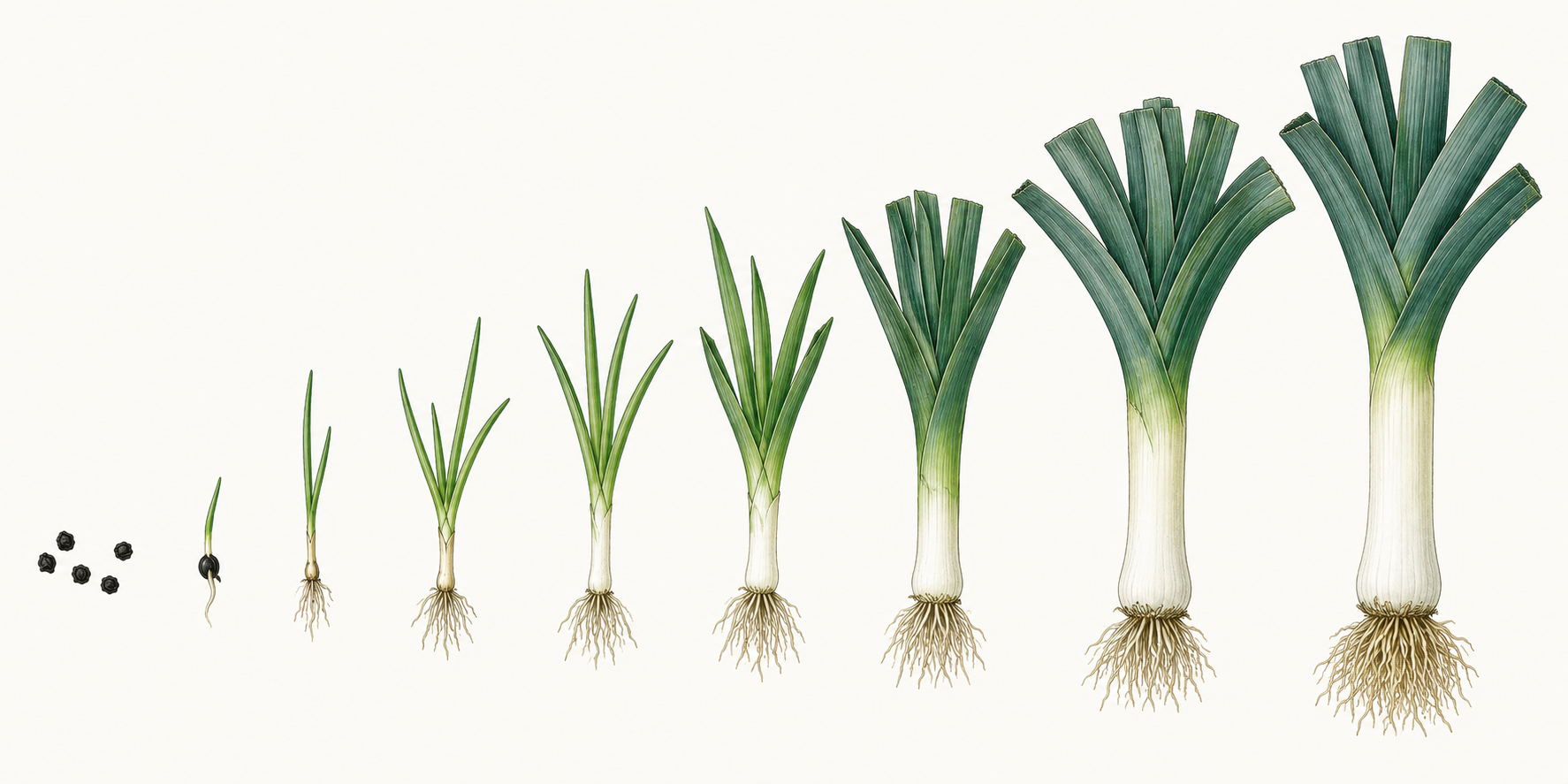
  1. Germination
  2. Seedling development
  3. Vegetative growth (shaft formation)
  4. Bolting (flower stalk formation)
  5. Flowering
  6. Seed maturation
Notes

Leek is a biennial plant that forms the edible shaft in its first year and flowers and produces seeds in its second year. For harvest, leeks are picked before bolting, as the stem becomes woody afterwards.

Flowering pollination
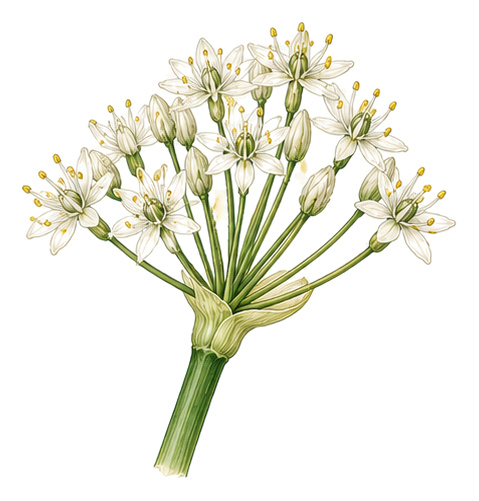
Flowering period

June - August (in the second year)

Flower color

White to pink-purple

Flower type

Umbellate flower clusters

Notes

Leeks flower in the second year after sowing. The flowers are attractive to bees and other insects.

Harvest
Harvest months
  1. July
  2. August
  3. September
  4. October
  5. November
  6. December
  7. January
  8. February
  9. March
  10. April
Harvest season

Year-round, depending on variety and sowing time

Harvest method

Carefully pull the plant from the soil or loosen with a digging fork and remove.

Notes

Harvesting can take place from summer until the following spring, depending on the variety and sowing time. Winter-hardy varieties can remain in the bed over winter and be harvested as needed. Harvest before the plants bolt, otherwise the stem will become woody.

Harvest details
Harvest frequency

As needed, once the desired size is reached.

Harvest indicators
  1. Shaft has reached desired diameter (approx. 2-5 cm)
  2. Leaves are vigorous green and upright
  3. Before a flower stalk forms (bolting)
Post harvest handling

Remove soil from harvested leeks, trim outer, damaged, or very green leaves. Shorten roots. Wash thoroughly, especially between leaf layers, to remove soil.

Storage
Storage methods
  1. Overwinter in the ground (winter-hardy varieties)
  2. Cool and moist in sand or damp sawdust
  3. Refrigerator (short-term)
  4. Freezing (processed)
Notes

Winter-hardy leek varieties can remain in the ground all winter and be harvested as needed, as long as the soil is not frozen. For cellar storage, a moist environment is important to prevent drying out.

Storage details
General storage category

Cool and moist

Storage life

In the ground: several months; in sand/sawdust: 2-3 months; in refrigerator: 1-2 weeks; frozen: up to 12 months

Processing options
  1. Freezing (blanched or raw)
  2. Drying (for soup greens)
  3. Pickling (rarely)
Processing use
Primary uses
  1. Fresh consumption
  2. Cooking
  3. Freezing
Secondary uses
  1. Drying (as a spice or soup greens)
Notes

Leek is a versatile vegetable that can be used raw or cooked. It makes an excellent base for soups, stews, and sauces.

Kitchen usage
Flavor profile

Mild oniony, slightly sweet, earthy

Culinary uses
  1. Soups and stews (as a base or main ingredient)
  2. Gratins and casseroles
  3. Vegetable side dish (steamed, fried)
  4. Quiches and tarts
  5. Raw in salads (especially young, tender shafts)
  6. Stir-fries
Preparation tips
  1. Wash leeks thoroughly, as soil can accumulate between the leaf layers.
  2. Use the white and light green parts of the shaft; the dark green part is often tougher but can be used for broths.
  3. Slice into rounds, rings, or strips.
Pairing suggestions
  1. Potatoes
  2. Cheese
  3. Cream
  4. Bacon
  5. Fish
  6. Poultry
Safety and edibility
Edible parts
  1. Shaft (white and light green)
  2. Leaves (tender, green parts)
  3. Flowers (as edible garnish)
Inedible or caution parts
  1. Roots
  2. Very tough, outer leaves
  3. Woody flower stalk after bolting
Toxicity notes

Leek is non-toxic to humans and has been used as food for centuries. Like other Allium species, it can be toxic to pets (especially dogs and cats) in large quantities.

Raw consumption

Yes, especially young and tender leek shafts can be used raw in salads or as a garnish. They have a fresh, mild-spicy flavor.

Seed saving
Seed saving possibleyes
Life cycle for seed

Biennial (flowering and seed production in the second year)

Pollination type

Open-pollinated, insect-pollinated

Isolation requiredyes
Isolation distance meters800
Isolation notes

To obtain true-to-type seeds, sufficient isolation distance from other flowering leek or onion species (Allium genus) is required, as they can easily cross-pollinate. For home gardeners, a distance of 800 meters or staggered flowering times may be sufficient.

Seed maturation indicators
  1. Flower heads dry out and turn brown
  2. Seed capsules open easily
  3. Seeds are black and hard
Seed harvest method

Cut off flower heads when the first seeds are ripe, and allow to dry further in a dry, well-ventilated place. Shake or rub seeds from the capsules.

Seed cleaning method

Separate seeds from chaff and plant debris by winnowing and sieving.

Seed storage conditions

Cool, dry, and dark in airtight containers.

Seed viability years2
Seed saving advanced
Population size for genetic diversity

At least 20-50 plants for good genetic diversity.

Hand pollination techniques

Not common, as insect pollination is efficient. If necessary, flowers can be pollinated with a fine brush and then isolated with a net.

Disease prevention for seed plants

Select only healthy plants for seed production. Watch for signs of fungal diseases (e.g., leek rust) and remove affected plants. Maintain good crop rotation.

Notes

For seed saving, it is important not to harvest the plants in the first year, but to leave them in the ground over winter so they can flower in the second year. Light winter protection can be helpful in harsh climates.

Woody crop details
Rootstock relevancede: Nicht zutreffend, da Lauch keine verholzende Pflanze ist. | en: Not applicable, as leek is not a woody plant.
Renewal pruning relevancede: Nicht zutreffend, da Lauch keine verholzende Pflanze ist. | en: Not applicable, as leek is not a woody plant.
Notes

Leek is not a woody plant, so these details are not applicable.

Ecology
Pollinator valuemedium
Wildlife valuelow
Biodiversity notes

Leek flowers provide a food source for bees and other pollinators. However, the plant itself offers little shelter or food for other wildlife.

Practical notes
  1. Leeks prefer deep, loose, and humus-rich soil.
  2. Regular hilling up promotes a long, white stem and protects against frost.
  3. Ensure adequate plant spacing to prevent diseases.
  4. Winter-hardy varieties can overwinter in the open ground and be harvested as needed.
  5. Thorough washing is important as soil can accumulate between the leaf layers.
Seasonal content
Spring

In spring, leeks are sown in the open ground or started as pre-cultivation. Pay attention to the correct soil temperature and protect young plants from late frosts if necessary.

Summer

Summer is the main growth phase. Regular watering, hoeing, and hilling up are important for developing a long, white stem. The first summer varieties can be harvested.

Autumn

Autumn is the main harvest time for many leek varieties. Hilling up can continue to promote blanching. Winter-hardy varieties can remain in the bed.

Winter

Winter-hardy leek varieties can be harvested directly from the garden bed when the soil is not frozen. Light winter protection may be beneficial.