Plant Profile
ChayoteSechium edule
Chayote (Sechium edule) is a fascinating and versatile plant from the gourd family (Cucurbitaceae). Native to Central America, it has spread worldwide and is valued for its edible fruits, young shoots, and even roots. This herbaceous climbing plant requires warmth and ample space to grow and thrive. In cooler climates, it is typically grown as an annual, necessitating indoor starting to overcome its long growing season. The fruits have a mild flavor and can be used raw or cooked, making them a valuable addition to the kitchen. Chayote is relatively easy to care for, provided its basic needs for warmth, water, and nutrients are met.
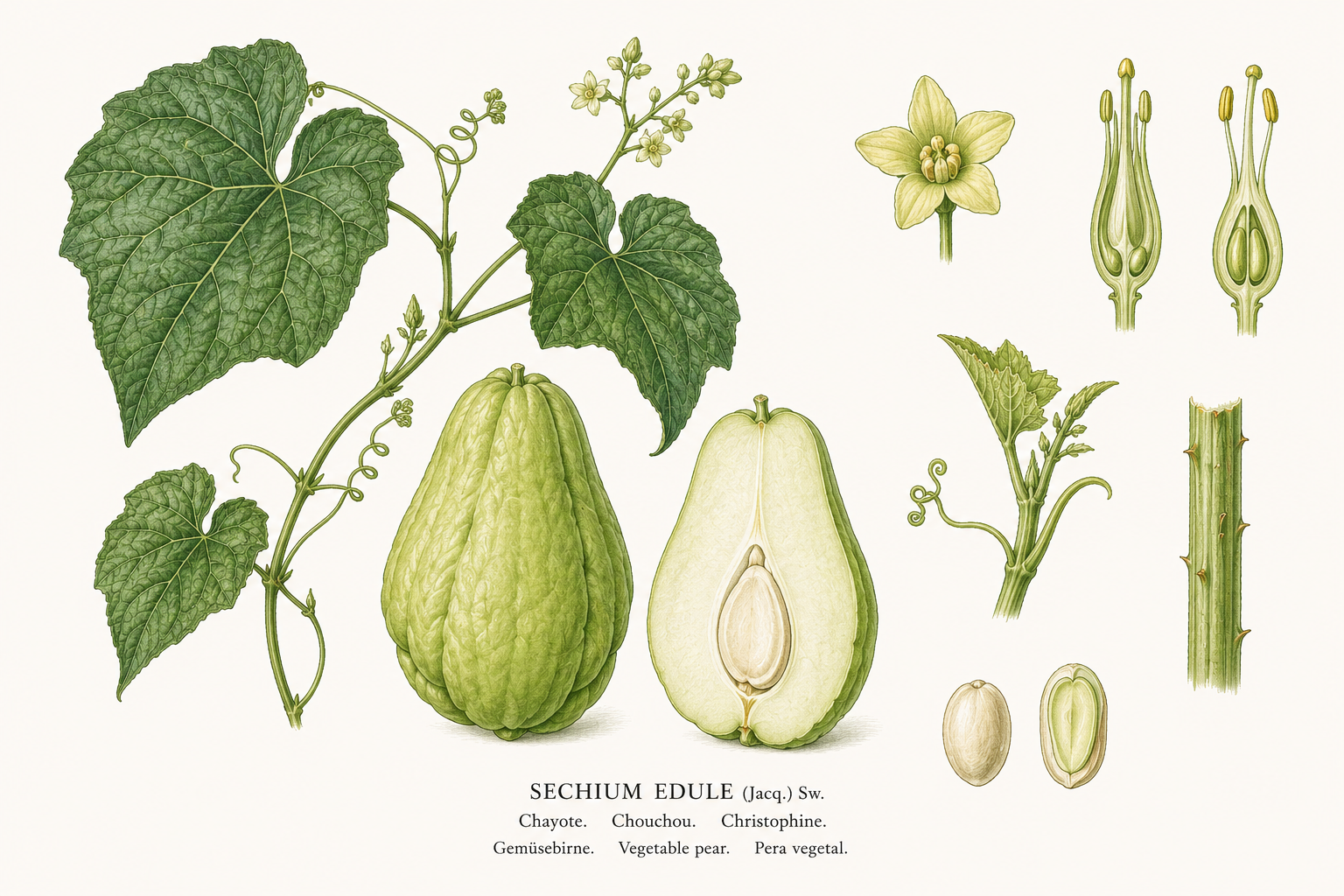
Quick profile
Key data
Suitable growing locations:
Good neighbors
Legumes (e.g., beans, peas)RadishMarigold
Avoid
PotatoFennel
Indoor & direct sowing
Chayote: Sowing and germination
Chayote is started indoors as it requires a long growing season and is sensitive to cold.
Planting & site
Chayote: Planting and spacing
Plant chayote outdoors after the last frosts, when soil temperatures are consistently above 15°C.
Site & practical notes
Chayote requires a long, warm summer. In cooler climates, starting indoors is essential. The plants are vigorous climbers and need sturdy support. Ensure adequate water and nutrient supply, especially during fruit development. Fruits can also be planted directly by placing the whole fruit in soil.
Temperature & frost
Chayote: Temperature and site
Water & nutrients
Chayote: Water, nutrients and care
Container & growth
Chayote: Container, support and growth
Year plan
Chayote Calendar
Chayote's long growing season necessitates indoor starting to ensure fruit production in late summer and autumn.
Recurring tasks
Relevant now
June
- Mulch the soil around Chayote plantsAfter planting out.: Use organic mulch materials like straw or compost.
- Provide climbing support for Chayote plantsPlants are actively growing and starting to vine.: Ensure support is sturdy and tall enough.
Next up
July
- No additional single task
Monthly tasks
Single tasks from monthly data; repeated seasonal windows are shown in the overview above.
January
Quiet month
February
Quiet month
March
Direct sowing
- Start Chayote seeds indoorsSoil temperature consistently above 18°C.: Use well-draining soil and keep it moist but not waterlogged.
Planting
- Transplant indoor-started Chayote seedlings into larger potsSeedlings have developed true leaves.: Use larger pots with good drainage.
April
Direct sowing
- Provide adequate light and warmth for Chayote seedlingsSeedlings are growing indoors.: Use grow lights if natural light is limited.
- Repot Chayote seedlings into larger containersRoots are filling the current pot.: Ensure new pots are large enough to support growth for the next few weeks.
May
Planting
- Harden off Chayote plantsAfter the last frost date has passed and temperatures are stable.: Start with short periods outdoors, gradually increasing exposure over 1-2 weeks.
June
Planting
- Mulch the soil around Chayote plantsAfter planting out.: Use organic mulch materials like straw or compost.
- Provide climbing support for Chayote plantsPlants are actively growing and starting to vine.: Ensure support is sturdy and tall enough.
August
Growing
- Continue to support growing Chayote vinesVines are growing rapidly.: Gently tie vines to the support structure.
September
No additional single task
October
Planting
- Protect Chayote plants from strong windsWindy weather.: Tie plants to their supports if necessary.
November
Planting
- Prepare Chayote plants for overwinteringEnd of growing season in cold climates.: This may involve cutting back the plant and overwintering the rootstock in a frost-free location.
Harvest
- Harvest last Chayote fruits before hard frostBefore the first hard frost.: All remaining fruits should be harvested to prevent loss.
December
Direct sowing
- Collect seeds from ripe Chayote fruitsAfter harvesting mature fruits.: Store seeds in a cool, dry place.
Planting
- Remove dead Chayote plantsAfter the first hard frost.: Dispose of plant material to prevent disease spread.
Flowering & pollination
Chayote Flowering & pollination
Self-fertility
self-fertile
Pollinator needed
no
Overview
Wind pollination is predominant, but insects can also contribute to pollination.
Notes
While not strictly required, insects like bees and flies can enhance pollination efficiency.
Pruning & care
Chayote Pruning & care
Pruning type
annual_removal
Pruning timing
Preparing the plant for the new growing season For indoor-grown plants: repot and perform initial shaping cuts if necessary.
Promoting fruit formation and controlling growth Remove excessively vigorous vines that weaken the plant or hinder harvest. Regularly monitor for pests and diseases.
Supporting harvest and preparing for overwintering Remove dead or diseased plant parts. Harvest remaining fruits if necessary and prepare the plant for overwintering (if planned in cooler climates).
Dormancy and planning No pruning measures. Collect seeds and prepare storage. Plan for the next season.
Remove
Preserve
Avoid
Tools and hygiene
Disinfect tools with alcohol or hot water after each cut to prevent disease transmission.
Companion guide
Chayote Companion guide
Good neighbors
Legumes (e.g., beans, peas)RadishMarigold
Avoid
PotatoFennel
Use & storage
Chayote Use & storage
Harvest begins in late summer or early autumn and can continue until the first frost.
Storage
Cool and dry
Storage life
Fruits: 2-4 weeks at cool temperatures (approx. 7-10°C). Rootstock: overwinter frost-free.
Harvest
Harvest begins in late summer or early autumn and can continue until the first frost.
Processing
After harvest
Handle harvested fruits gently to avoid bruising. Wash and dry thoroughly if needed.
Edibility & safety
Chayote Edibility & safety
For people
In brief: which parts are edible, which parts remain risky, and whether raw consumption makes sense.
Safety notes
All parts of the chayote are edible and non-toxic.
Animal safety
For many animals, this plant is generally low-risk: 14 animal types are rated suitable or mostly suitable. Quantity, plant part, and individual tolerance still matter.
Each row shows which parts are more suitable and which parts are critical.
Companion animals
 Dog
DogFruit, Young shoots
No risk parts listed
Fruit, Young shoots
No risk parts listed
Overconsumption may cause gastrointestinal upset
usually no action needed
Chayote is edible and non-toxic for dogs. All parts of the plant can be fed. Excessive consumption may cause mild gastrointestinal upset. Suitable as supplemental feed.
Open animal page Cat
CatFruit, Young shoots
No risk parts listed
Fruit, Young shoots
No risk parts listed
Overconsumption may cause gastrointestinal upset
usually no action needed
Chayote is considered non-toxic to cats. All parts are edible, but consumption should be limited to occasional treats to avoid gastrointestinal upset.
Open animal page Rabbit
Fruit, Young shoots
No risk parts listed
Fruit, Young shoots
No risk parts listed
usually no action needed
Chayote is edible and non-toxic for rabbits. All parts can be fed, though the fruit should be given in moderation due to its water content. Young shoots and leaves are particularly suitable as fresh greens. No known toxic compounds or species-specific hazards documented for rabbits.
Open animal page Guinea pig
Fruit, Young shoots
No risk parts listed
Fruit, Young shoots
No risk parts listed
Overfeeding
usually no action needed
Chayote is edible and non-toxic for guinea pigs. All parts can be fed, with young shoots and leaves being particularly suitable. As with any new food, introduce gradually and monitor for digestive tolerance.
Open animal page Hamster
Fruit
No risk parts listed
Fruit
No risk parts listed
Overfeeding
usually no action needed
Chayote fruit is suitable for hamsters in small amounts as a treat. All parts of the plant are edible and non-toxic, but feeding should be limited to the fruit flesh to avoid digestive issues.
Open animal page Budgie
Fruit, Young shoots
No risk parts listed
Fruit, Young shoots
No risk parts listed
Overfeeding may cause digestive upset
usually no action needed
Chayote is edible and non-toxic for budgies. All parts can be fed in moderation. Monitor birds for individual sensitivities.
Open animal pageFarm animals
 Horse
HorseFruit, Young shoots
No risk parts listed
Fruit, Young shoots
No risk parts listed
usually no action needed
Chayote is considered edible and non-toxic for horses. All parts of the plant can be fed, with the fruit being particularly palatable. When introducing chayote for the first time, the amount should be gradually increased to allow the horse's digestive system to adjust to the new feed.
Open animal page Chicken
Fruit, Young shoots
No risk parts listed
Fruit, Young shoots
No risk parts listed
usually no action needed
Chayote is edible and non-toxic for chickens. All parts can be fed. Suitable as part of a balanced diet.
Open animal page Duck
DuckFruit, Young shoots
No risk parts listed
Fruit, Young shoots
No risk parts listed
usually no action needed
Chayote is edible and non-toxic for ducks. All parts can be fed. Suitable as part of a balanced diet.
Open animal page Goose
GooseFruit, Young shoots
No risk parts listed
Fruit, Young shoots
No risk parts listed
usually no action needed
Chayote is edible and non-toxic for geese. All parts can be fed. Suitable as part of a balanced diet.
Open animal page Sheep
SheepFruit, Young shoots
No risk parts listed
Fruit, Young shoots
No risk parts listed
Overfeeding may cause digestive upset
usually no action needed
Chayote is considered safe for sheep in moderation. All parts are edible and non-toxic, but it should only be given as supplemental feed to avoid digestive upset.
Open animal page Goat
GoatFruit, Young shoots
No risk parts listed
Fruit, Young shoots
No risk parts listed
Overfeeding may cause digestive upset
usually no action needed
Chayote is considered safe feed for goats, all parts are edible and non-toxic. Overconsumption may cause mild digestive upset.
Open animal page Cattle
Fruit, Young shoots
No risk parts listed
Fruit, Young shoots
No risk parts listed
usually no action needed
Chayote is considered edible and non-toxic. All parts of the plant are suitable for human consumption and there are no indications of toxicity in livestock. As a feedstuff, it can be used in moderation but should not constitute the main portion of the ration.
Open animal page Pig
PigFruit, Young shoots
No risk parts listed
Fruit, Young shoots
No risk parts listed
Overfeeding may cause digestive upset
usually no action needed
Chayote is used as feed for pigs in some regions. All parts are edible and non-toxic. Overconsumption may cause mild digestive upset.
Open animal pageThese guidelines are for general information only and do not replace veterinary diagnosis. If critical plant parts were ingested or the animal shows unusual behaviour or symptoms, seek veterinary advice.
Max risk
unknown
Highest status
moderation only
Urgency
usually no action needed
Saving seed
Chayote Saving seed
Seed viability
1 - 2 years
Practical tips
Chayote Practical tips
Common beginner mistakes
Success pattern
Successful indoor starting, timely planting after the last frosts, providing sturdy support, and consistent watering/fertilization.
High-impact tips
Grower observations
Health
Pests, Diseases
Pests
Aphids
Small, sap-sucking insects that cluster on young shoots and leaves, weakening the plant. They can cause yellowing, distorted leaves, and reduced growth. They can also transmit viruses.
Spider mites
Tiny arachnids that feed on plant sap, typically found on the underside of leaves. They cause fine stippling, yellowing, and fine webbing. Thrive in dry, hot conditions.
Cucumber beetles (e.g., Western cucumber beetle, Eastern cucumber beetle)
Small beetles that damage both leaves and fruits by feeding. They can also transmit diseases like bacterial wilt.
Squash vine borer
Larvae bore into the plant's stems and feed internally, causing wilting and eventual death of the plant. Frass (excrement) and entry holes are often visible.
Diseases
Powdery mildew
A fungal disease that appears as a white, powdery coating on leaves, stems, and fruits. It weakens the plant and can affect fruit production.
Downy mildew
A fungal disease that appears as a grayish-purple fuzzy growth on the underside of leaves, causing yellowish spots on the upper leaf surface. Leads to leaf drop and plant weakening.
Bacterial wilt
A bacterial disease transmitted by cucumber beetles. It causes rapid wilting of the plant, often without prior yellowing. Vascular tissues become clogged with bacteria.
Deficiencies
Magnesium deficiency
Causes interveinal chlorosis (yellowing between the veins) while the veins remain green. Often occurs in acidic soils or with excessive potassium fertilization.
Potassium deficiency
Results in marginal necrosis (brown, dead edges) on older leaves, often after initial yellowing of the leaf margins. Affects fruit development and overall plant health.
Plant health
Diagnosis help
Chayote Diagnosis help
Pest groups
Disease groups
Prevention
Diagnosis
Diagnosing problems with chayote requires careful observation of symptoms and environmental conditions. Pay attention to specific pests and diseases common to cucurbits. Distinguishing between nutrient deficiencies and diseases can be challenging.
Cultural prevention
Monitoring
First response
Diagnostic rules
White, powdery coating on leaves
Possible causes: Powdery mildew
- Check air circulation
- Observe temperature and humidity
Rapid wilting of the entire plant without prior yellowing
Possible causes: Bacterial wilt
- Check for cucumber beetles
- Examine cut stem for milky sap
Yellowish spots on upper leaf surface, gray growth on lower leaf surface
Possible causes: Downy mildew
- Check humidity and leaf wetness
- Consider weather conditions
FAQ
Can chayote be grown outdoors in Germany?
Yes, but only in the warmest regions and often requiring indoor starting. Plants must be moved outdoors after the last frost and harvested before the first frost. Overwintering the rootstock is possible in mild locations.
How much space does a chayote plant need?
Chayote is a vigorous climbing plant and requires ample space. Plan for at least 1-2 square meters per plant, plus sufficient height for support (at least 2-3 meters).
What can I do with chayote fruits?
Chayote fruits are very versatile. They can be eaten raw in salads, boiled, fried, stuffed, or added to soups and stews. Young shoots and leaves are also edible and can be prepared like spinach. The roots can be cooked and used like potatoes.
Is chayote prone to diseases?
Yes, chayote can be susceptible to fungal diseases like mildew and bacterial diseases like wilt, especially in humid conditions or with poor air circulation. Pests like cucumber beetles can also cause issues.
Is Chayote safe for Dog?
Chayote is classified as suitable for Dog. Risk: unknown. Urgency: usually no action needed. Chayote is edible and non-toxic for dogs. All parts of the plant can be fed. Excessive consumption may cause mild gastrointestinal upset. Suitable as supplemental feed.
Is Chayote safe for Cat?
Chayote is classified as suitable for Cat. Risk: unknown. Urgency: usually no action needed. Chayote is considered non-toxic to cats. All parts are edible, but consumption should be limited to occasional treats to avoid gastrointestinal upset.
Is Chayote safe for Rabbit?
Chayote is classified as suitable for Rabbit. Risk: unknown. Urgency: usually no action needed. Chayote is edible and non-toxic for rabbits. All parts can be fed, though the fruit should be given in moderation due to its water content. Young shoots and leaves are particularly suitable as fresh greens. No known toxic compounds or species-specific hazards documented for rabbits.
Is Chayote safe for Guinea pig?
Chayote is classified as suitable for Guinea pig. Risk: unknown. Urgency: usually no action needed. Chayote is edible and non-toxic for guinea pigs. All parts can be fed, with young shoots and leaves being particularly suitable. As with any new food, introduce gradually and monitor for digestive tolerance.
Guides
Related guides
Guide
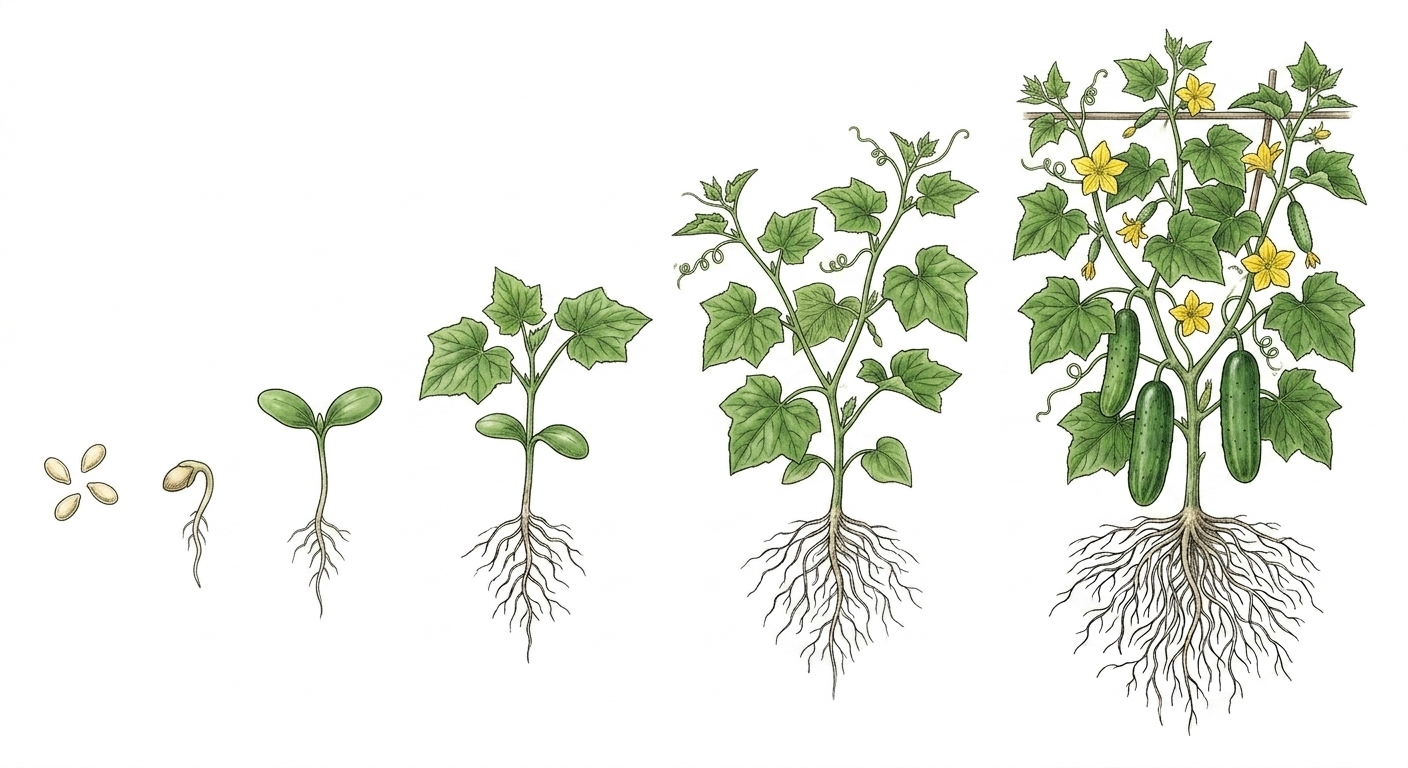
Growing Cucumbers: Starting, Supports and Harvest
Learn how to grow cucumbers successfully with indoor starting, transplanting, trellises, watering, and regular harvesting.
Guide
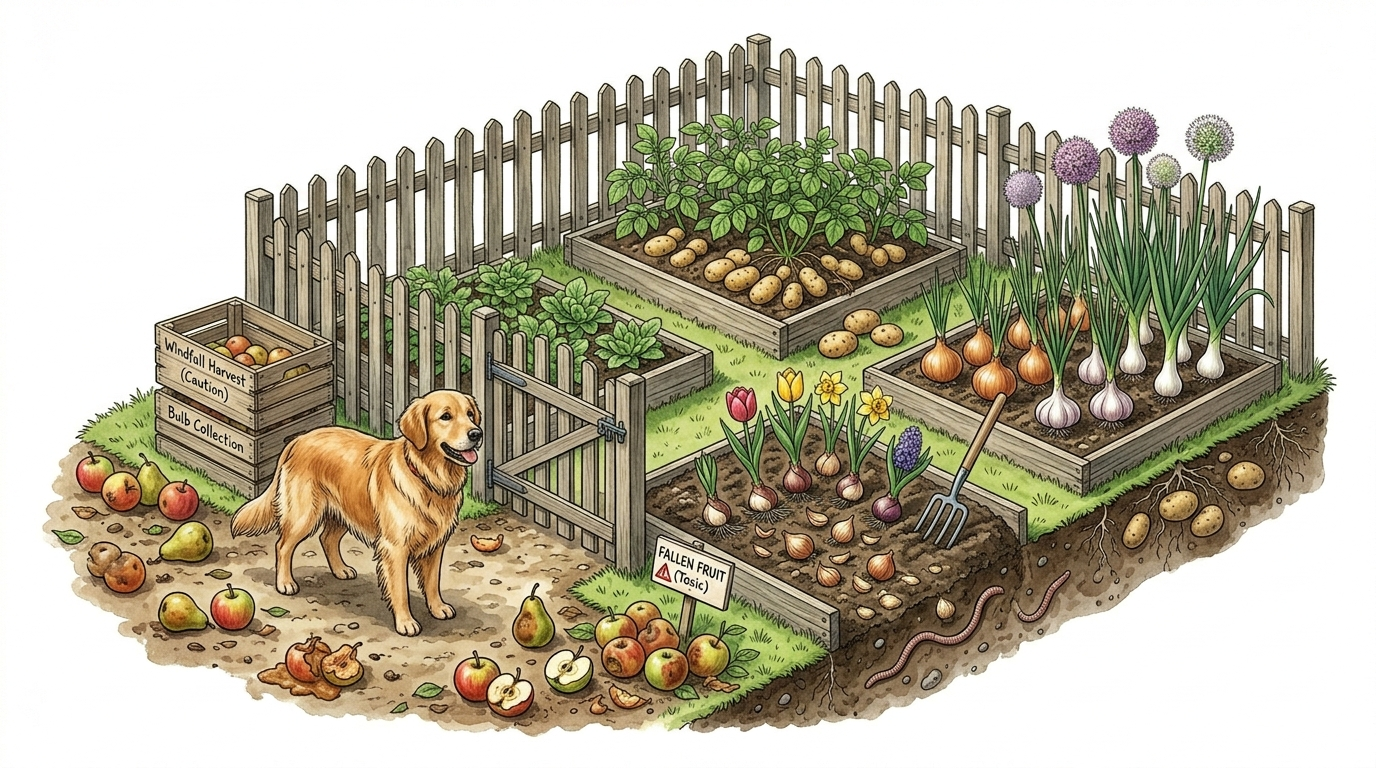
Dogs in the Garden: Windfall Fruit and Risks
Keep your garden dog-safe by managing windfall fruit, seeds, stored crops, and potentially problematic plant parts.
Guide
Horse Pastures and Garden Plants: Safety Checks
Learn how to identify risks near horse pastures, fences, turnout areas, fruit trees, and garden planting zones.
Guide
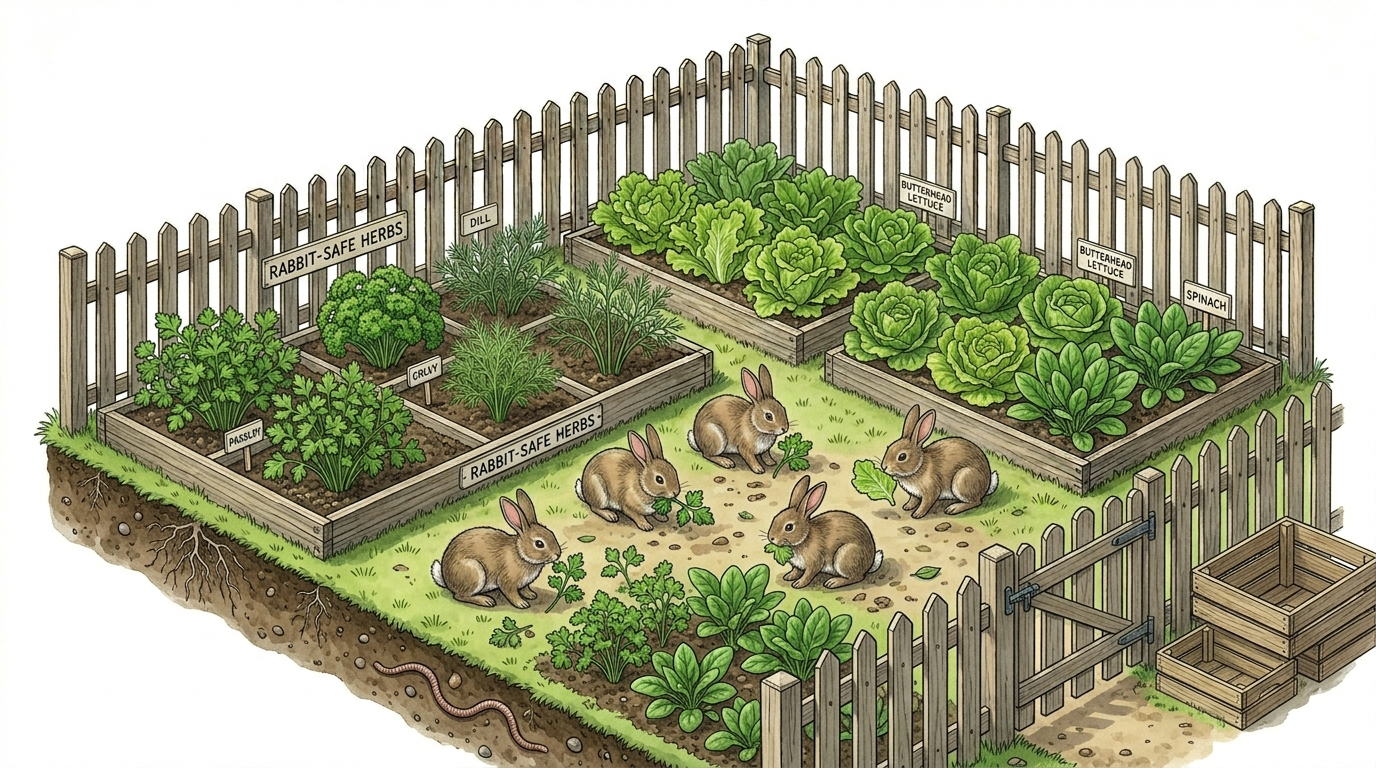
Rabbits in the Garden: Herbs and Vegetables
Learn how to choose suitable herbs and vegetables for rabbits, grow feeding plants, and plan a rabbit-friendly garden.
Internal links
Related plants
Cucumber
Both belong to the Cucurbitaceae family.
Belongs to the same family (Cucurbitaceae) and shares similar growing requirements (warmth, moisture).
Squash
Both belong to the Cucurbitaceae family.
Closely related, also from the gourd family, requiring similar conditions.
Melon
Both are fruit vegetables from the gourd family.
Belongs to the Cucurbitaceae family.
tomato
Both are heavy feeders and require significant potassium for fruit development.
Corn
Both plants have high water requirements, especially during growth and fruiting phases.
Pumpkin
Belongs to the Cucurbitaceae family.
Zucchini
Both are fruit vegetables used versatilely in cooking, often boiled or fried.
Sweet potato
The root of the chayote can be used similarly to sweet potato.
Xanthium strumarium
The scientific name Xanthium strumarium was erroneously listed as a synonym for chayote.
Sources
Public sources
- Wikidata entity
Wikidata · 2026-05-12
- GBIF species match
GBIF · 2026-05-12
- Deutschsprachige Wikipedia: Chayote
Wikipedia · 2026-05-12
- English Wikipedia: Chayote
Wikipedia · 2026-05-12
- Trefle API: Sechium edule
Trefle · 2026-05-12
- Wikidata entity
Wikidata · 2026-05-12
- GBIF species match
GBIF · 2026-05-12
- Deutschsprachige Wikipedia: Gewöhnliche Spitzklette
Wikipedia · 2026-05-12