Plant Profile
DandelionTaraxacum
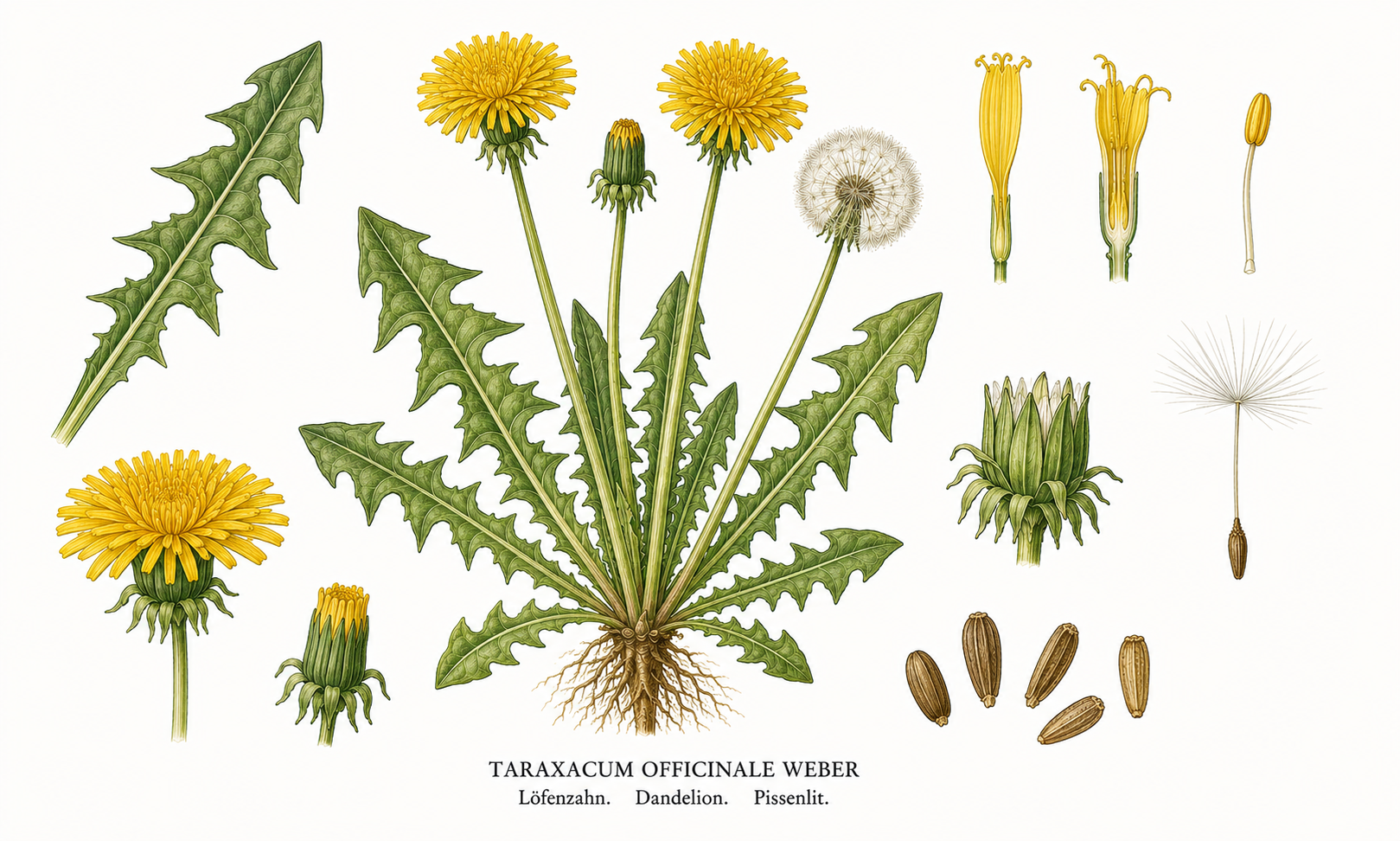
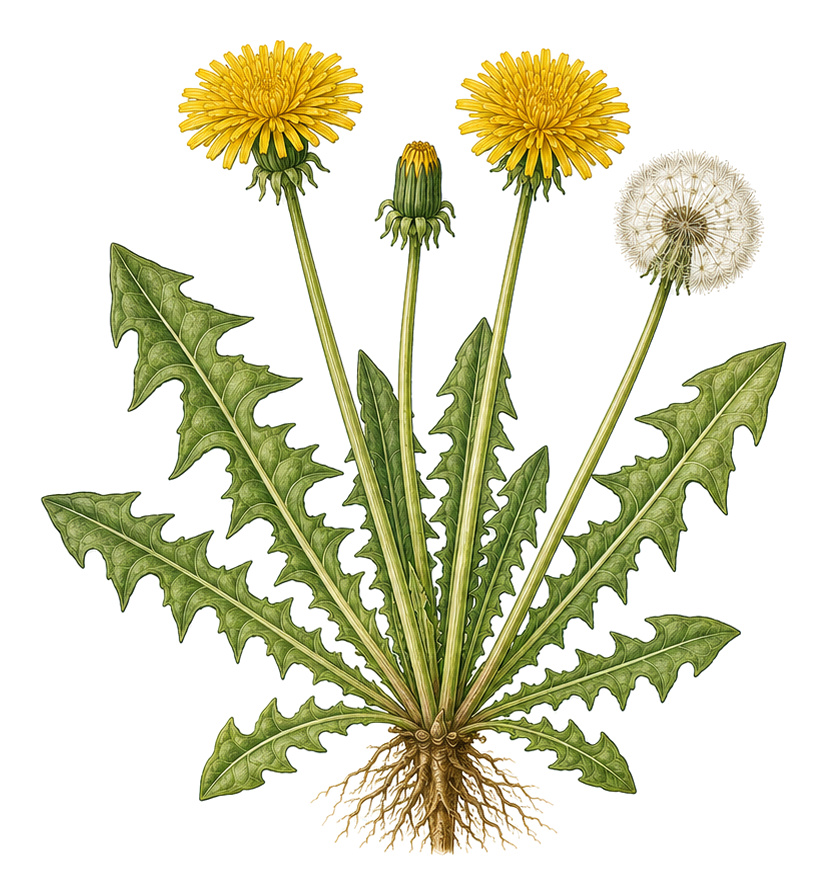
Dandelion is a robust wild plant known for its bright yellow flowers, edible leaves, flowers, and roots, and its ecological importance as an early pollinator plant. It is undemanding and versatile.
Quick profile
Key data
Suitable growing locations:
Good neighbors
Fruit TreesTomatoesCabbage (Brassicas)
Avoid
No data
Indoor & direct sowing
Dandelion: Sowing and germination
Dandelion is typically direct-sown outdoors or grows wild.
For a continuous harvest, seeds can be sown in succession.
Planting & site
Dandelion: Planting and spacing
Dandelion is rarely pre-cultivated and planted out; it is usually direct-sown.
Temperature & frost
Dandelion: Temperature and site
Water & nutrients
Dandelion: Water, nutrients and care
Container & growth
Dandelion: Container, support and growth
Year plan
Dandelion Calendar
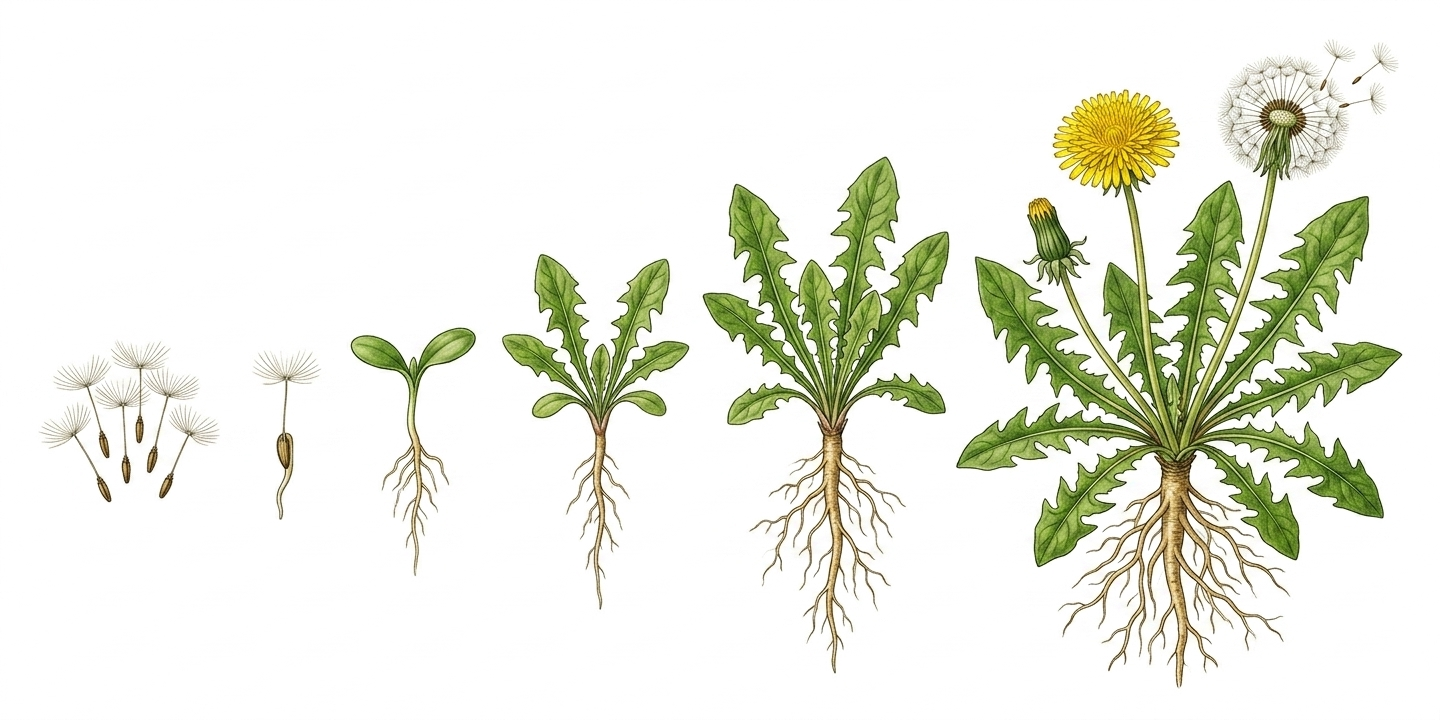
In spring, young dandelion leaves are at their most tender and mild – perfect for fresh salads. The bright yellow flowers are a welcome early nectar source for insects.
Recurring tasks
Relevant now
June
- No additional single task
Next up
July
- No additional single task
Monthly tasks
Single tasks from monthly data; repeated seasonal windows are shown in the overview above.
January
Quiet month
February
Quiet month
March
No additional single task
April
No additional single task
May
No additional single task
June
No additional single task
August
Direct sowing
- Last direct sowing
September
No additional single task
October
No additional single task
November
Quiet month
December
Quiet month
Flowering & pollination
Dandelion Flowering & pollination
Flowering period
March, April, May, June
Flower type
Capitulum (composite flower)
Flower color
Yellow
Self-fertility
highly self-fertile
Pollinator needed
no
Overview
Dandelion is known for its ability to reproduce by apomixis (asexual seed formation without fertilization), meaning many species can produce seeds without pollination. Nevertheless, the flowers are also pollinated by insects.
Notes
The bright yellow flowers attract a variety of pollinators and are an important early nectar source.
Companion guide
Dandelion Companion guide
Good neighbors
Fruit TreesTomatoesCabbage (Brassicas)
Avoid
No data
Use & storage
Dandelion Use & storage
Young leaves are most tender in spring. Flowers in spring/early summer. Roots in autumn.
Storage
Fresh, dried, processed
Storage life
Fresh leaves: 2-3 days in the refrigerator. Dried leaves/flowers/roots: up to 1 year. Frozen leaves: up to 6 months. Roots in cellar: several weeks.
Flavor
Leaves: slightly bitter, nutty; Flowers: slightly sweet, honey-like; Roots: earthy, slightly bitter
Harvest
Young leaves are most tender in spring. Flowers in spring/early summer. Roots in autumn.
Processing
After harvest
Gently wash leaves and flowers and shake dry. Thoroughly brush or wash roots to remove soil.
Notes
Storage depends on the intended use. Fresh leaves have a short shelf life, while dried or processed parts last longer.
Edibility & safety
Dandelion Edibility & safety
For people
In brief: which parts are edible, which parts remain risky, and whether raw consumption makes sense.
Safety notes
Dandelion is generally non-toxic and safe for consumption. The white latex that exudes from broken stems can cause mild skin irritation or allergic reactions in some individuals.
Animal safety
For many animals, this plant is generally low-risk: 14 animal types are rated suitable or mostly suitable. Quantity, plant part, and individual tolerance still matter.
Each row shows which parts are more suitable and which parts are critical.
Companion animals
 Dog
DogLeaves, Flowers
No risk parts listed
Leaves, Flowers
No risk parts listed
Overconsumption may cause gastrointestinal upset
usually no action needed
Dandelion is generally considered safe for dogs. All parts of the plant (leaves, flowers, roots) can be fed in moderation. The latex may cause skin irritation in sensitive dogs but is not toxic when ingested. As a nutritious supplement, dandelion contains vitamins A, C, K, and minerals such as potassium and iron. Due to its high fiber and bitter compound content, introduction should be gradual to avoid digestive…
Open animal page Cat
CatLeaves, Flowers
No risk parts listed
Leaves, Flowers
No risk parts listed
Overconsumption may cause gastrointestinal upset
usually no action needed
Dandelion is generally considered safe for cats. All parts of the plant can be fed, but quantity should be limited to avoid gastrointestinal upset. The latex may cause skin irritation in sensitive cats.
Open animal page Rabbit
Leaves, Flowers
No risk parts listed
Leaves, Flowers
No risk parts listed
Excessive consumption may lead to loose stools
usually no action needed
Dandelion is a safe and nutritious feed for rabbits. All parts of the plant can be fed, with gradual introduction recommended to avoid digestive upset. The latex is generally not a concern for rabbits.
Open animal page Guinea pig
Leaves, Flowers
No risk parts listed
Leaves, Flowers
No risk parts listed
usually no action needed
Dandelion is safe for guinea pigs and can be fed as part of their diet. All parts of the plant are edible and nutritious. The latex is generally not a concern for guinea pigs.
Open animal page Hamster
Leaves, Flowers
No risk parts listed
Leaves, Flowers
No risk parts listed
Overconsumption may cause diarrhea
usually no action needed
Dandelion is safe for hamsters and can be included as part of their diet. All parts of the plant are edible and nutritious. However, due to its high water and fiber content, feeding should be moderate to avoid digestive issues.
Open animal page Budgie
Leaves, Flowers
No risk parts listed
Leaves, Flowers
No risk parts listed
usually no action needed
Dandelion is safe for budgies and can be fed as part of a balanced diet. All parts of the plant are edible and nutritious. The latex is generally not a concern for birds.
Open animal pageFarm animals
 Horse
HorseLeaves, Flowers
No risk parts listed
Leaves, Flowers
No risk parts listed
usually no action needed
Dandelion is generally safe for horses and is commonly used as a forage plant. All parts are edible and nutritious. The latex may rarely cause skin irritation in sensitive horses but is not toxic when ingested.
Open animal page Chicken
Leaves, Flowers
No risk parts listed
Leaves, Flowers
No risk parts listed
usually no action needed
Dandelion is safe for chickens and can be included in their diet. All parts of the plant are edible and nutritious. The latex does not cause known irritation in chickens.
Open animal page Duck
DuckLeaves, Flowers
No risk parts listed
Leaves, Flowers
No risk parts listed
Excessive consumption may cause digestive upset
usually no action needed
Dandelion is safe for ducks and is commonly used as natural forage. All parts are edible and nutritious. The latex is generally not a concern for ducks.
Open animal page Goose
GooseLeaves, Flowers
No risk parts listed
Leaves, Flowers
No risk parts listed
Excessive consumption may lead to loose stools
usually no action needed
Dandelion is safe for geese and commonly used as natural forage. All parts are edible and nutritious. Very large quantities may cause loose stools, but this is harmless. No known toxic compounds for birds have been identified.
Open animal page Sheep
SheepLeaves, Flowers
No risk parts listed
Leaves, Flowers
No risk parts listed
usually no action needed
Dandelion is safe for sheep and is commonly used as a forage plant. All parts are edible and nutritious.
Open animal page Goat
GoatLeaves, Flowers
No risk parts listed
Leaves, Flowers
No risk parts listed
Excessive consumption may cause temporary diarrhea
usually no action needed
Dandelion is safe for goats and commonly used as forage. All parts are edible and nutritious. The latex is harmless to goats.
Open animal page Cattle
Leaves, Flowers
No risk parts listed
Leaves, Flowers
No risk parts listed
Excessive consumption may cause temporary diarrhea
usually no action needed
Dandelion is generally safe for cattle and valued as a nutritious forage. All parts are edible and rich in vitamins and minerals. Normal grazing poses no risk. Excessive consumption may cause temporary loose stools in sensitive animals but is not dangerous.
Open animal page Pig
PigLeaves, Flowers
No risk parts listed
Leaves, Flowers
No risk parts listed
Excessive consumption may cause diarrhea
usually no action needed
Dandelion is suitable as feed for pigs and is commonly used in swine production. All parts are edible and nutritionally valuable.
Open animal pageThese guidelines are for general information only and do not replace veterinary diagnosis. If critical plant parts were ingested or the animal shows unusual behaviour or symptoms, seek veterinary advice.
Max risk
unknown
Highest status
moderation only
Urgency
usually no action needed
Saving seed
Dandelion Saving seed
Seed saving
yes
Seed viability
2 - 5 years
Notes
Collect seeds on a dry day. Ensure seeds are fully mature but have not yet been dispersed by wind.
Practical tips
Dandelion Practical tips
Common beginner mistakes
Success pattern
High-impact tips
Grower observations
Plant Profile
Additional plant images
Health
Pests, Diseases
Plant health
Diagnosis help
Dandelion Diagnosis help
Pest groups
Disease groups
Fungal diseases (Mildew, Rust)
Prevention
Diagnosis
Dandelion is a very robust plant. Most 'problems' are more management-related (spread) or due to extreme environmental conditions (bolting). Serious diseases or pest infestations that severely threaten the plant are rare.
Cultural prevention
Monitoring
First response
Diagnostic rules
Rapid spread, outcompeting other plants
Possible causes: Verunkrautung
- Check for seed formation
- Inspect roots
Sticky leaves, visible small insects
Possible causes: Aphids
- Check undersides of leaves
- Presence of beneficial insects
White, powdery coating on leaves
Possible causes: Powdery mildew
- Check humidity and ventilation
- Plant spacing
FAQ
Is dandelion edible?
Yes, all parts of the dandelion are edible: young leaves for salads, flowers for jelly or fried, and the roots roasted as a coffee substitute or cooked.
How do I prevent dandelion from spreading too much in my garden?
To control its spread, remove flower heads before they turn into puffballs and form seeds. Regular weeding, ensuring the entire taproot is removed, is also effective.
When is the best time to harvest dandelion?
Young leaves are most tender and least bitter in spring. Flowers are harvested in spring and early summer when fully open. Roots are best in autumn or early spring when the plant stores its energy in them.
Is Dandelion safe for Dog?
Dandelion is classified as moderation only for Dog. Risk: unknown. Urgency: usually no action needed. Dandelion is generally considered safe for dogs. All parts of the plant (leaves, flowers, roots) can be fed in moderation. The latex may cause skin irritation in sensitive dogs but is not toxic when ingested. As a nutritious supplement, dandelion contains vitamins A, C, K, and minerals such as potassium and iron. Due to its high fiber and bitter compound content, introduction should be gradual to avoid digestive…
Is Dandelion safe for Cat?
Dandelion is classified as moderation only for Cat. Risk: unknown. Urgency: usually no action needed. Dandelion is generally considered safe for cats. All parts of the plant can be fed, but quantity should be limited to avoid gastrointestinal upset. The latex may cause skin irritation in sensitive cats.
Is Dandelion safe for Rabbit?
Dandelion is classified as suitable for Rabbit. Risk: unknown. Urgency: usually no action needed. Dandelion is a safe and nutritious feed for rabbits. All parts of the plant can be fed, with gradual introduction recommended to avoid digestive upset. The latex is generally not a concern for rabbits.
Is Dandelion safe for Guinea pig?
Dandelion is classified as suitable for Guinea pig. Risk: unknown. Urgency: usually no action needed. Dandelion is safe for guinea pigs and can be fed as part of their diet. All parts of the plant are edible and nutritious. The latex is generally not a concern for guinea pigs.
Guides
Related guides
Guide
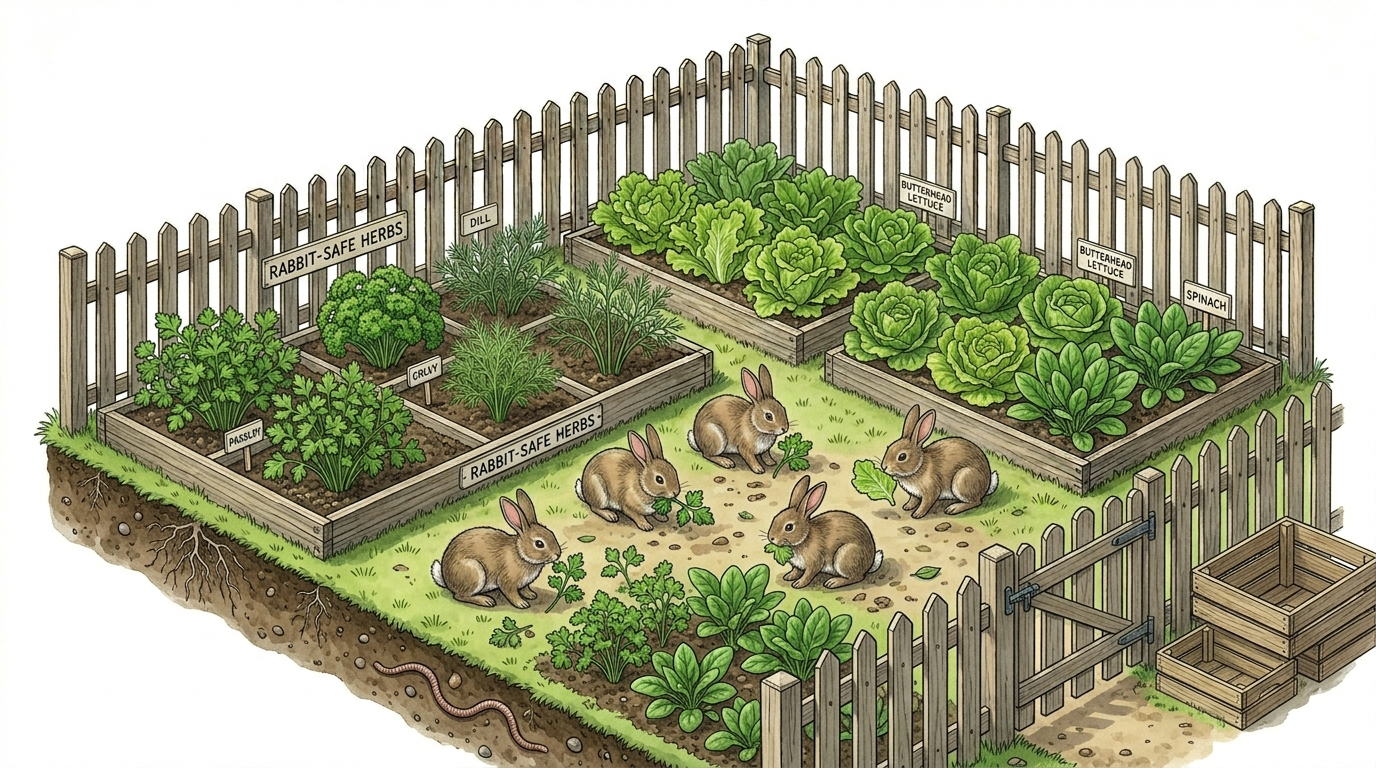
Rabbits in the Garden: Herbs and Vegetables
Learn how to choose suitable herbs and vegetables for rabbits, grow feeding plants, and plan a rabbit-friendly garden.
Guide
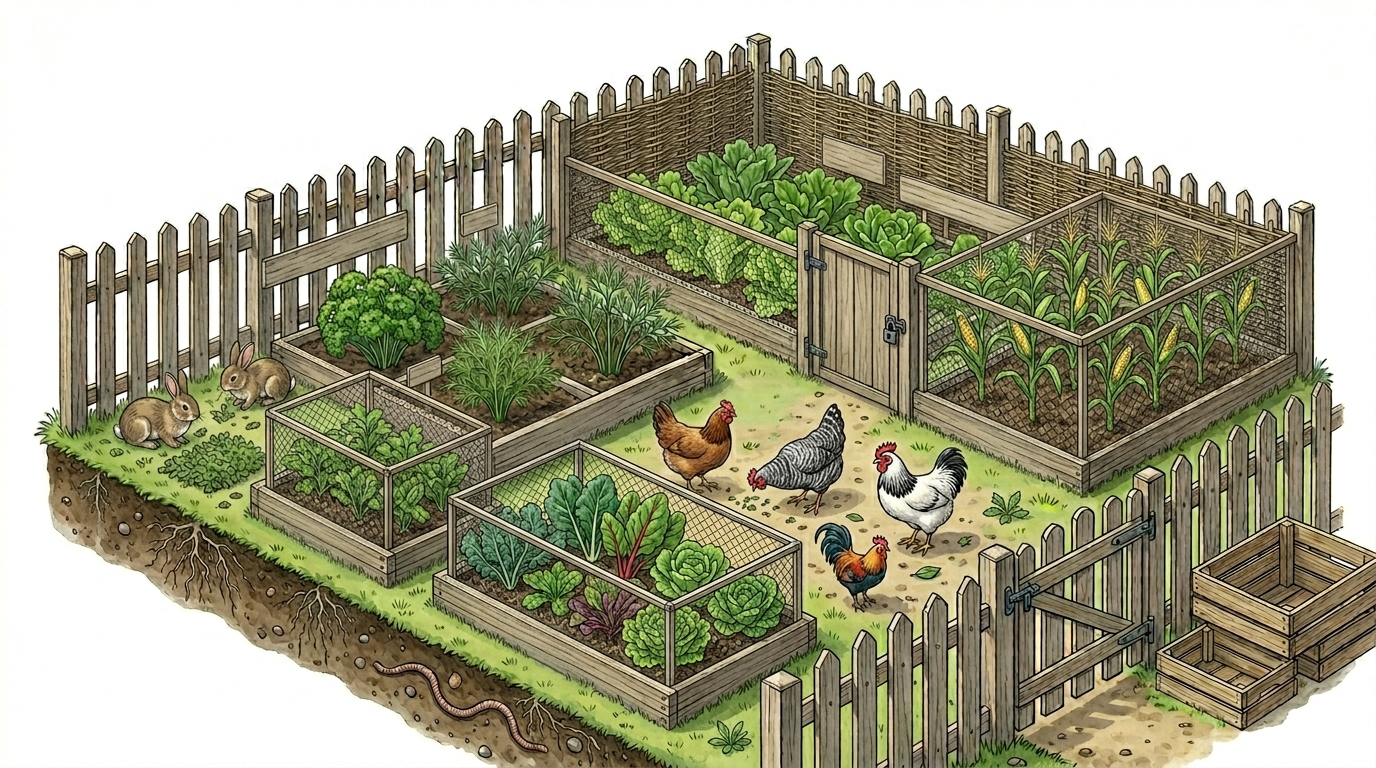
Chickens in the Garden: Safe Plants and Zones
Learn how to design a chicken-friendly garden with suitable plants, protected beds, and well-planned activity areas.
Guide
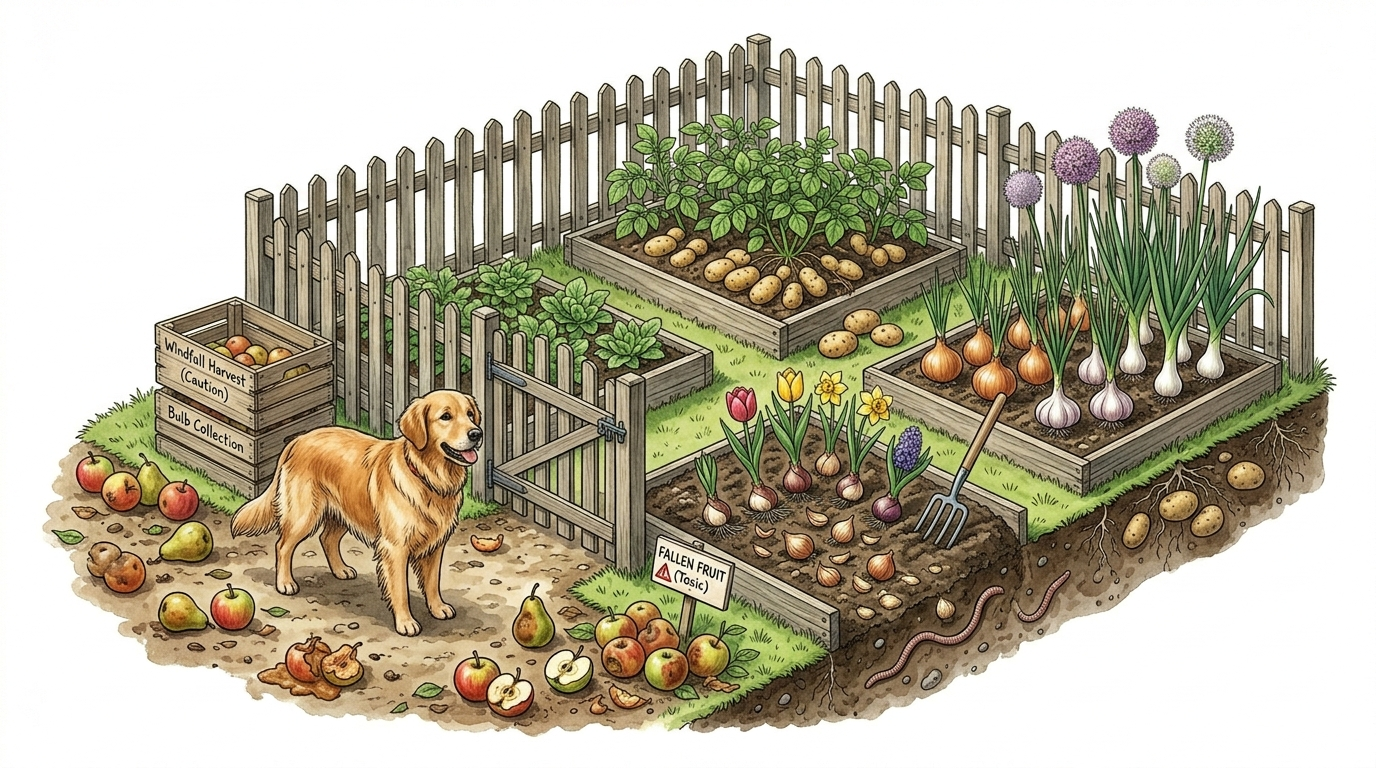
Dogs in the Garden: Windfall Fruit and Risks
Keep your garden dog-safe by managing windfall fruit, seeds, stored crops, and potentially problematic plant parts.
Guide
Horse Pastures and Garden Plants: Safety Checks
Learn how to identify risks near horse pastures, fences, turnout areas, fruit trees, and garden planting zones.
Internal links
Related plants
Lettuce (Lactuca sativa)
Both belong to the Aster family (Asteraceae) and the Cichorieae subfamily.
Belongs to the Aster family (Asteraceae), subfamily Cichorieae.
Chicory (Cichorium intybus)
Closely related within the Cichorieae subfamily, similar compounds and uses.
Closely related (both Cichorieae), similar use of leaves and roots.
Urtica
Both are edible wild herbs collected and used as wild greens.
Both are edible wild herbs used as greens or for teas.
Powdery Mildew
Can occasionally affect dandelion, but rarely a serious problem.
Rust Fungi
Specific rust fungi can affect dandelion, but are rarely problematic in gardens.
Radish
Both are medium feeders and benefit from moderate nutrient supply.
Carrot
Prefer moderate but regular watering and are drought-tolerant once established.
Arugula
Similar use as a pungent leafy green in salads.
Cichorium endivia
Belongs to the Aster family (Asteraceae), subfamily Cichorieae.
Sources
Public sources
- Wikidata entity
Wikidata · 2026-05-14
- GBIF species match
GBIF · 2026-05-14
- Deutschsprachige Wikipedia: Löwenzahn (Taraxacum)
Wikipedia · 2026-05-14
- English Wikipedia: Taraxacum
Wikipedia · 2026-05-14