Plant Profile
MintMentha
Mint is an indispensable herb in every garden, known for its refreshing aroma and versatile uses in cuisine and traditional medicine. From invigorating teas to aromatic desserts, mint enriches the diet and also offers ecological benefits as a bee pasture. Its robust nature and rapid growth make it a popular choice for gardeners, but also require careful site selection and, if necessary, measures to control its spread.
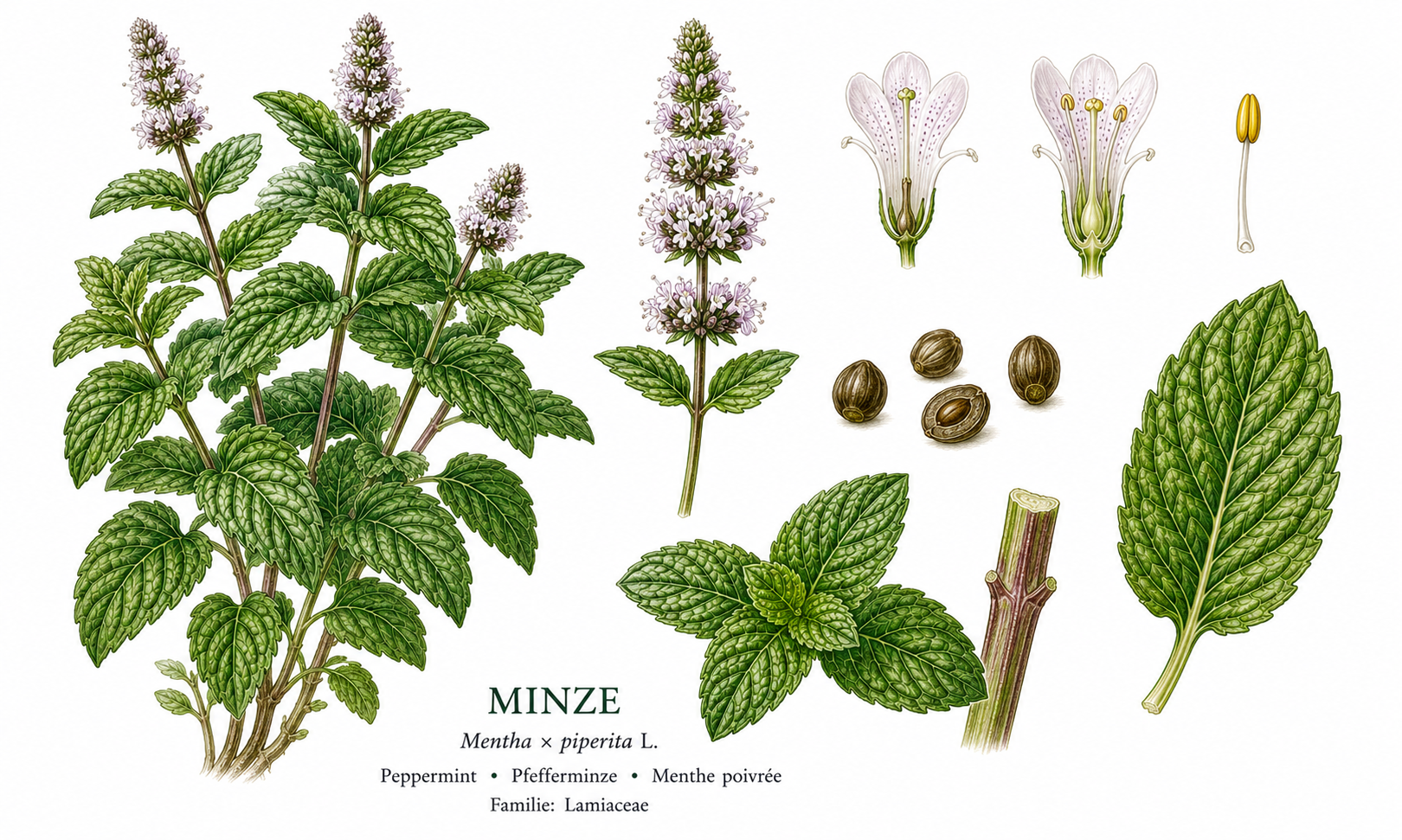
Quick profile
Key data
Suitable growing locations:
Indoor & direct sowing
Mint: Sowing and germination
For an earlier harvest, mint can be pre-cultured indoors.
Direct sowing after the last frost, when the soil is warm enough.
Planting & site
Mint: Planting and spacing
Plant out seedlings after the last expected frosts (Ice Saints).
Temperature & frost
Mint: Temperature and site
Water & nutrients
Mint: Water, nutrients and care
Container & growth
Mint: Container, support and growth
Year plan
Mint Calendar
From May to October, you can continuously harvest fresh mint leaves.
Relevant now
June
- Continuous harvestRegular harvesting keeps the plant productive and prevents flowering (which can reduce aroma).
- Control spreadCheck root barriers or remove runners.
- Water regularlyMint requires consistently moist soil.
Next up
July
- Continuous harvestIdeal for fresh consumption or drying.
- Control spreadPrevent aggressive spread.
- Water regularlyEspecially important during hot and dry periods.
Monthly tasks
Single tasks from monthly data; repeated seasonal windows are shown in the overview above.
January
Quiet month
February
Quiet month
March
Direct sowing
- Pre-culture indoorsFor an earlier harvest and stronger plants.
Planting
- Divide old plantsTo rejuvenate and propagate mint.
April
Direct sowing
- Direct sowing outdoorsAfter the last frost, when the soil has warmed up.
Planting
- Plant out seedlingsTransplant pre-cultured plants into beds or pots. Consider root barriers!
May
Planting
- Plant out seedlingsLast opportunity to plant out seedlings.
Harvest
- First harvestHarvest young shoots to encourage bushy growth.
Growing
- Water regularlyEnsure sufficient moisture, especially during dry weather.
June
Harvest
- Continuous harvestRegular harvesting keeps the plant productive and prevents flowering (which can reduce aroma).
Growing
- Control spreadCheck root barriers or remove runners.
- Water regularlyMint requires consistently moist soil.
August
Harvest
- Continuous harvestThe aroma is still very good.
Growing
- Water regularlyContinue to ensure moist soil.
September
Harvest
- Last major harvestHarvest larger quantities before the first frost and dry or freeze them.
Growing
- Prepare for winterCut back plants and mulch if necessary.
October
Harvest
- Light harvestHarvest small quantities only as needed.
Growing
- Apply winter protectionCover with leaves or brushwood, especially for young plants or in harsh climates.
November
Quiet month
December
Quiet month
Flowering & pollination
Mint Flowering & pollination
Flowering period
June to September
Flower type
Small flowers in terminal or axillary false whorls
Flower color
White, Pink, Purple
Self-fertility
partially self-fertile
Pollinator needed
yes
Overview
Mint is primarily pollinated by insects, especially bees and other flying insects.
Notes
The flowers are small but numerous and attract many insects.
Companion guide
Mint Companion guide
Use & storage
Mint Use & storage
Continuous harvesting of leaves and shoots promotes growth. The aroma is most intense before flowering.
Storage
Herbs
Storage life
Fresh: 3-7 days in the refrigerator; Dried: up to 1 year; Frozen: 6-12 months.
Flavor
Refreshing, cooling, slightly pungent, sweet or lemony depending on the variety.
Harvest
Continuous harvesting of leaves and shoots promotes growth. The aroma is most intense before flowering.
Processing
After harvest
Gently wash harvested leaves and shoots and pat dry. Process or store quickly to minimize loss of aroma.
Notes
Mint should be used sparingly, as its intense aroma can overpower other flavors. Add to warm dishes at the end of cooking to preserve its aroma.
Edibility & safety
Mint Edibility & safety
For people
In brief: which parts are edible, which parts remain risky, and whether raw consumption makes sense.
Safety notes
Most common culinary mints (e.g., peppermint, spearmint) are safe in normal quantities. Pennyroyal mint contains pulegone, which can be hepatotoxic and should be avoided during pregnancy.
Animal safety
For animals, the specific plant part matters here: some parts may be suitable, while others should be avoided. At least one critical rating is listed for 9 animal types.
Each row shows which parts are more suitable and which parts are critical.
Companion animals
 Dog
DogLeaves (in small amounts, from common culinary mints)
Pennyroyal mint (Mentha pulegium) (all parts), large quantities of other mint varieties, concentrated essential oils
Leaves (in small amounts, from common culinary mints)
Pennyroyal mint (Mentha pulegium) (all parts), large quantities of other mint varieties, concentrated essential oils
Large quantities, Concentrated essential oils, Pennyroyal mint (Mentha pulegium)
Vomiting, Diarrhea
observe
Most common culinary mints are safe for dogs in small amounts. Large quantities or ingestion of Pennyroyal mint can cause gastrointestinal upset. Essential oils are concentrated and should not be administered directly.
Open animal page Cat
CatNo suitable parts listed
All parts, especially Pennyroyal mint (Mentha pulegium), concentrated essential oils
No suitable parts listed
All parts, especially Pennyroyal mint (Mentha pulegium), concentrated essential oils
Large amounts, Essential oil, Pennyroyal mint (Mentha pulegium)
Vomiting, Diarrhea
contact a vet if symptoms appear
Mint contains essential oils that can cause gastrointestinal upset in cats when ingested in larger amounts. Common culinary mints like peppermint or spearmint are usually harmless in very small quantities, but due to toxin potential and lack of species-specific safety studies, feeding is not recommended. Pennyroyal mint (Mentha pulegium) is particularly hazardous due to pulegone.
Open animal page Rabbit
No suitable parts listed
All parts, especially Pennyroyal mint (Mentha pulegium), concentrated essential oils
No suitable parts listed
All parts, especially Pennyroyal mint (Mentha pulegium), concentrated essential oils
Large quantities, Pennyroyal mint (Mentha pulegium), Mint essential oil
Diarrhea, Gastrointestinal upset
contact a vet if symptoms appear
No reliable species-specific assessment is available. Due to essential oils and known toxicity of Pennyroyal mint, feeding is not recommended.
Open animal page Guinea pig
No suitable parts listed
All parts, especially Pennyroyal mint (Mentha pulegium), concentrated essential oils
No suitable parts listed
All parts, especially Pennyroyal mint (Mentha pulegium), concentrated essential oils
Large quantities, Pennyroyal mint (Mentha pulegium), Mint essential oil
Diarrhea, Gastrointestinal upset
contact a vet if symptoms appear
Mint is generally safe for guinea pigs in normal amounts, but large quantities may cause gastrointestinal upset. Pennyroyal mint is toxic and should be avoided. Essential oil should not be used.
Open animal page Hamster
No suitable parts listed
All parts, especially Pennyroyal mint (Mentha pulegium), concentrated essential oils
No suitable parts listed
All parts, especially Pennyroyal mint (Mentha pulegium), concentrated essential oils
Large quantities, Pennyroyal mint (Mentha pulegium), Mint essential oil
Gastrointestinal upset, Lethargy
contact a vet if symptoms appear
No reliable species-specific assessment is available. Due to essential oils and known toxicity of Pennyroyal mint, feeding is not recommended.
Open animal page Budgie
Leaves (in small amounts, from common culinary mints), Young shoots (in small amounts, from common culinary mints)
Pennyroyal mint (Mentha pulegium) (all parts), large quantities of other mint varieties, concentrated essential oils
Leaves (in small amounts, from common culinary mints), Young shoots (in small amounts, from common culinary mints)
Pennyroyal mint (Mentha pulegium) (all parts), large quantities of other mint varieties, concentrated essential oils
Large amounts, Essential oil, Pennyroyal mint (Mentha pulegium)
Gastrointestinal upset, Lethargy, Vomiting
observe
Mint is likely safe for budgies in small amounts, but essential oils can cause gastrointestinal upset if overfed. Pennyroyal mint (Mentha pulegium) is toxic and should be avoided. Use only common culinary mint such as peppermint or spearmint.
Open animal pageFarm animals
 Horse
HorseNo suitable parts listed
All parts, especially Pennyroyal mint (Mentha pulegium), concentrated essential oils
No suitable parts listed
All parts, especially Pennyroyal mint (Mentha pulegium), concentrated essential oils
Large amounts, Pennyroyal mint (Mentha pulegium), Mint essential oil
Vomiting, Diarrhea
contact a vet if symptoms appear
Mint contains essential oils that can cause gastrointestinal irritation in horses when ingested in large amounts. Common culinary mints like peppermint or spearmint are usually harmless in very small quantities, but due to the risk of confusion with toxic varieties like pennyroyal and the concentration of oils, it is generally advised against. Pennyroyal mint is particularly hazardous due to pulegone.
Open animal page Chicken
Leaves (in small amounts, from common culinary mints), Young shoots (in small amounts, from common culinary mints)
Pennyroyal mint (Mentha pulegium) (all parts), large quantities of other mint varieties, concentrated essential oils
Leaves (in small amounts, from common culinary mints), Young shoots (in small amounts, from common culinary mints)
Pennyroyal mint (Mentha pulegium) (all parts), large quantities of other mint varieties, concentrated essential oils
Large amounts, Essential oil, Pennyroyal mint (Mentha pulegium)
Gastrointestinal upset, Lethargy, Vomiting
observe
Mint is safe for chickens in normal amounts, but large quantities can cause gastrointestinal upset. Mint essential oil should be avoided. Leaves and young shoots are the safe parts. Pennyroyal mint (Mentha pulegium) is toxic and should not be fed.
Open animal page Duck
DuckLeaves (in small amounts, from common culinary mints), Young shoots (in small amounts, from common culinary mints)
Pennyroyal mint (Mentha pulegium) (all parts), large quantities of other mint varieties, concentrated essential oils
Leaves (in small amounts, from common culinary mints), Young shoots (in small amounts, from common culinary mints)
Pennyroyal mint (Mentha pulegium) (all parts), large quantities of other mint varieties, concentrated essential oils
Large amounts, Essential oil, Pennyroyal mint (Mentha pulegium)
Gastrointestinal upset, Lethargy, Vomiting
observe
No direct species-specific source was found for ducks. This is a cautious inference from the chickens profile and the known plant-part risks.
Open animal page Goose
GooseLeaves (in small amounts, from common culinary mints), Young shoots (in small amounts, from common culinary mints)
Pennyroyal mint (Mentha pulegium) (all parts), large quantities of other mint varieties, concentrated essential oils
Leaves (in small amounts, from common culinary mints), Young shoots (in small amounts, from common culinary mints)
Pennyroyal mint (Mentha pulegium) (all parts), large quantities of other mint varieties, concentrated essential oils
Large amounts, Essential oil, Pennyroyal mint (Mentha pulegium)
Gastrointestinal upset, Lethargy, Vomiting
observe
No direct species-specific source was found for geese. This is a cautious inference from the chickens profile and the known plant-part risks.
Open animal page Sheep
SheepNo suitable parts listed
All parts, especially Pennyroyal mint (Mentha pulegium), concentrated essential oils
No suitable parts listed
All parts, especially Pennyroyal mint (Mentha pulegium), concentrated essential oils
Large quantities, Pennyroyal mint (Mentha pulegium), Mint essential oil
Gastrointestinal upset, Lethargy, Liver damage (with pulegone exposure)
contact a vet if symptoms appear
No direct species-specific source was found for sheep. This is a cautious inference from the goats profile and the known plant-part risks.
Open animal page Goat
GoatNo suitable parts listed
All parts, especially Pennyroyal mint (Mentha pulegium), concentrated essential oils
No suitable parts listed
All parts, especially Pennyroyal mint (Mentha pulegium), concentrated essential oils
Large quantities, Pennyroyal mint (Mentha pulegium), Mint essential oil
Gastrointestinal upset, Lethargy, Liver damage (with pulegone exposure)
contact a vet if symptoms appear
No reliable species-specific assessment is available. Due to essential oils and known toxicity of Pennyroyal mint, feeding is not recommended.
Open animal page Cattle
No suitable parts listed
All parts, especially Pennyroyal mint (Mentha pulegium), concentrated essential oils
No suitable parts listed
All parts, especially Pennyroyal mint (Mentha pulegium), concentrated essential oils
Large quantities, Pennyroyal mint (Mentha pulegium), Mint essential oil
Gastrointestinal upset, Lethargy, Liver damage (with pulegone exposure)
contact a vet if symptoms appear
No reliable species-specific assessment is available. Due to essential oils and known toxicity of Pennyroyal mint, feeding is not recommended.
Open animal page Pig
PigNo suitable parts listed
All parts, especially Pennyroyal mint (Mentha pulegium), concentrated essential oils
No suitable parts listed
All parts, especially Pennyroyal mint (Mentha pulegium), concentrated essential oils
Large quantities, Pennyroyal mint (Mentha pulegium), Mint essential oil
Gastrointestinal upset, Lethargy, Liver damage (with pulegone exposure)
contact a vet if symptoms appear
No reliable species-specific assessment is available. Due to essential oils and known toxicity of Pennyroyal mint, feeding is not recommended.
Open animal pageThese guidelines are for general information only and do not replace veterinary diagnosis. If critical plant parts were ingested or the animal shows unusual behaviour or symptoms, seek veterinary advice.
Max risk
4 / 5
Highest status
toxic
Urgency
contact a vet if symptoms appear
Saving seed
Mint Saving seed
Seed viability
2 - 3 years
Notes
Mint is often a hybrid, and seeds from such plants are rarely true-to-type. For true-to-type propagation, cuttings or division are preferred.
Practical tips
Mint Practical tips
Common beginner mistakes
Success pattern
High-impact tips
Grower observations
Plant Profile
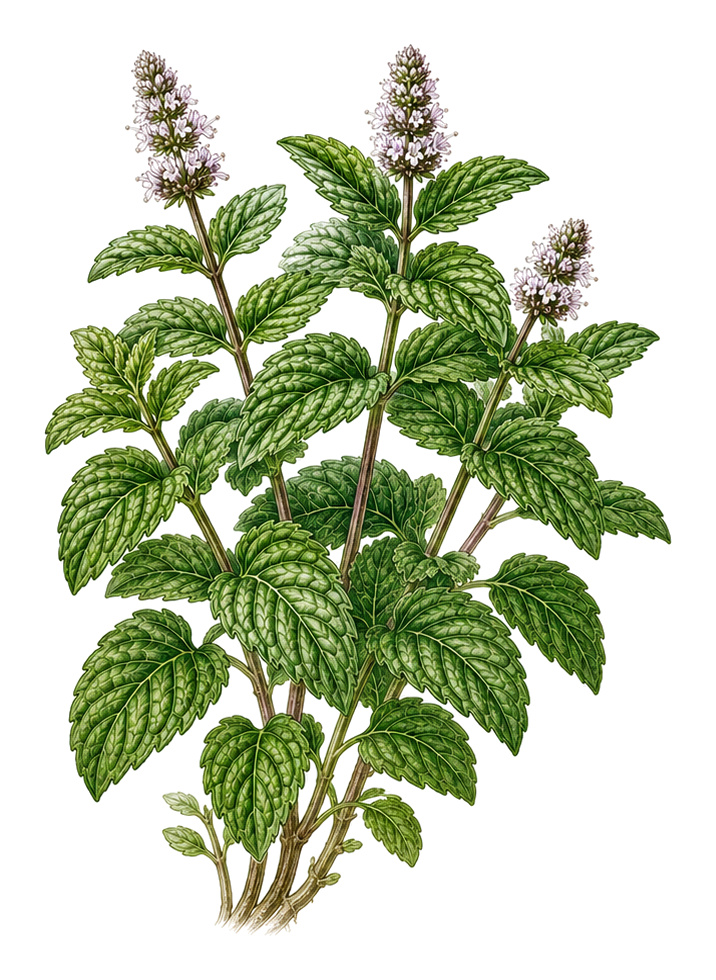
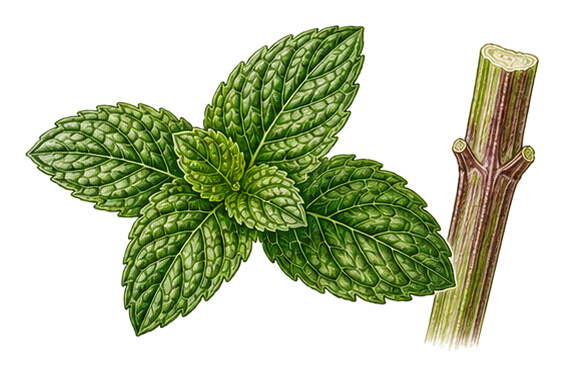
Additional plant images
Health
Pests, Diseases
Plant health
Diagnosis help
Mint Diagnosis help
Pest groups
Disease groups
Prevention
Diagnosis
Pay attention to the exact location of symptoms (young vs. old leaves, upper vs. underside) and growing conditions (moisture, temperature, light) to narrow down the cause.
Cultural prevention
Monitoring
First response
Diagnostic rules
Orange-brown pustules on undersides of leaves, yellow spots on upper sides
Possible causes: Minzrost
- Check plants for good air circulation
- Remove infected leaves
White, powdery coating on leaves and stems
Possible causes: Powdery mildew
- Check plant spacing
- Improve air circulation
Wilting leaves despite moist soil, foul smell
Possible causes: Root rot
- Check soil for waterlogging
- Improve drainage
Sticky leaves, small insects on shoot tips
Possible causes: Aphids
- Rinse plants with water
- Encourage beneficial insects
FAQ
Why does my mint spread so much?
Mint forms strong underground runners (rhizomes) with which it quickly spreads in the garden. To prevent this, it should be grown in pots or with a deep root barrier in the bed.
How do I harvest mint correctly to get the best aroma?
Harvest mint preferably in the morning after the dew has dried but before the sun gets too strong. Snip stems above a leaf node to encourage bushy growth. The aroma is most intense before flowering.
Is mint winter-hardy?
Most mint varieties grown in Central Europe are winter-hardy and can survive winter outdoors. Light winter protection with leaves or brushwood can be beneficial in harsh climates or for young plants.
Can I grow mint in a pot?
Yes, growing mint in pots is highly recommended to control its aggressive spread. Ensure a sufficiently large pot (at least 5-10 liters volume) with good drainage and regular watering.
What to do against mint rust?
Mint rust is a common fungal disease. Immediately remove infected plant parts and dispose of them in household waste (do not compost). Ensure good air circulation and avoid overhead watering. A radical cutback in spring can help.
Is Mint safe for Dog?
Mint is classified as selected parts only for Dog. Risk: 3 / 5. Urgency: observe. Most common culinary mints are safe for dogs in small amounts. Large quantities or ingestion of Pennyroyal mint can cause gastrointestinal upset. Essential oils are concentrated and should not be administered directly.
Is Mint safe for Cat?
Mint is classified as toxic for Cat. Risk: 4 / 5. Urgency: contact a vet if symptoms appear. Mint contains essential oils that can cause gastrointestinal upset in cats when ingested in larger amounts. Common culinary mints like peppermint or spearmint are usually harmless in very small quantities, but due to toxin potential and lack of species-specific safety studies, feeding is not recommended. Pennyroyal mint (Mentha pulegium) is particularly hazardous due to pulegone.
Is Mint safe for Rabbit?
Mint is classified as do not feed for Rabbit. Risk: 3 / 5. Urgency: contact a vet if symptoms appear. No reliable species-specific assessment is available. Due to essential oils and known toxicity of Pennyroyal mint, feeding is not recommended.
Is Mint safe for Horse?
Mint is classified as toxic for Horse. Risk: 4 / 5. Urgency: contact a vet if symptoms appear. Mint contains essential oils that can cause gastrointestinal irritation in horses when ingested in large amounts. Common culinary mints like peppermint or spearmint are usually harmless in very small quantities, but due to the risk of confusion with toxic varieties like pennyroyal and the concentration of oils, it is generally advised against. Pennyroyal mint is particularly hazardous due to pulegone.
Guides
Related guides
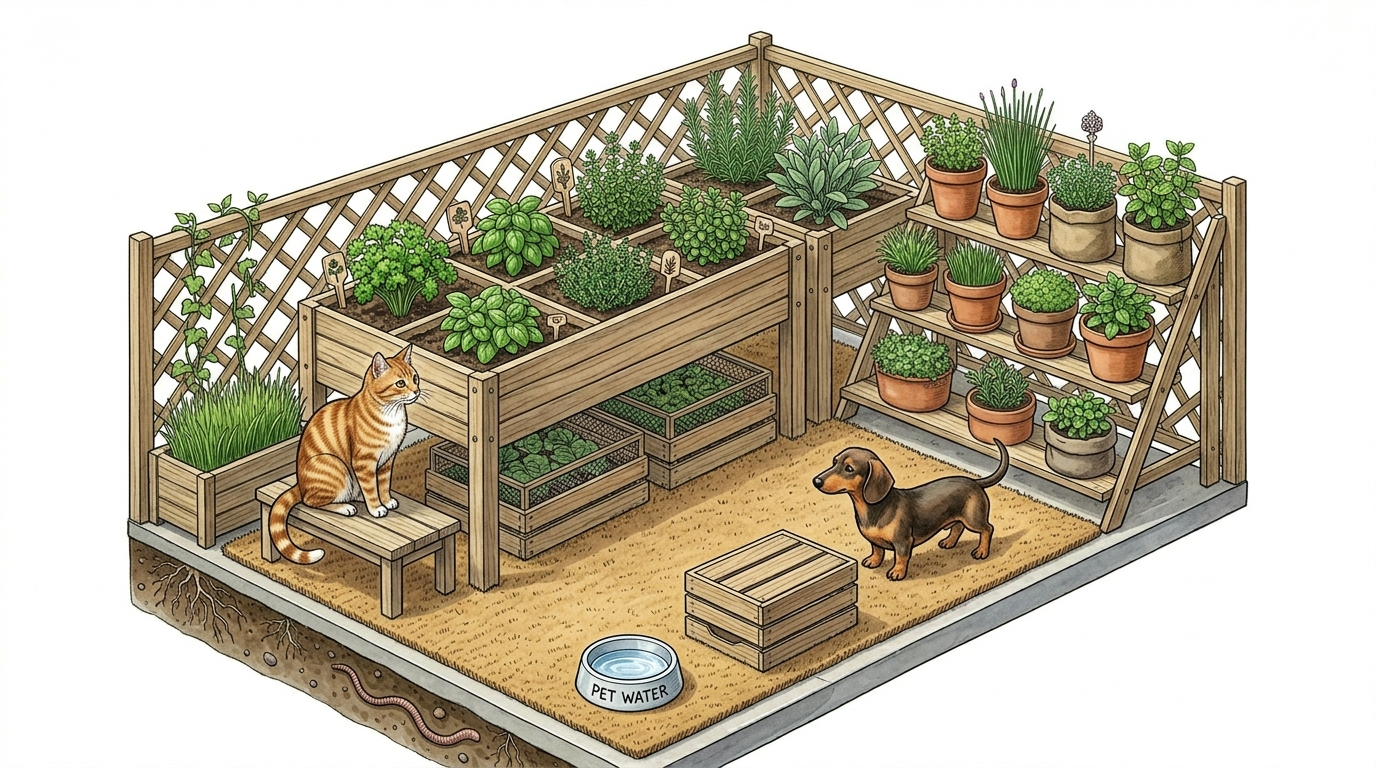
Guide
Pet-Safe Herb Gardens for Balconies and Beds
Learn how to create a pet-safe herb garden with suitable herbs, thoughtful layouts, and practical maintenance strategies.
Guide
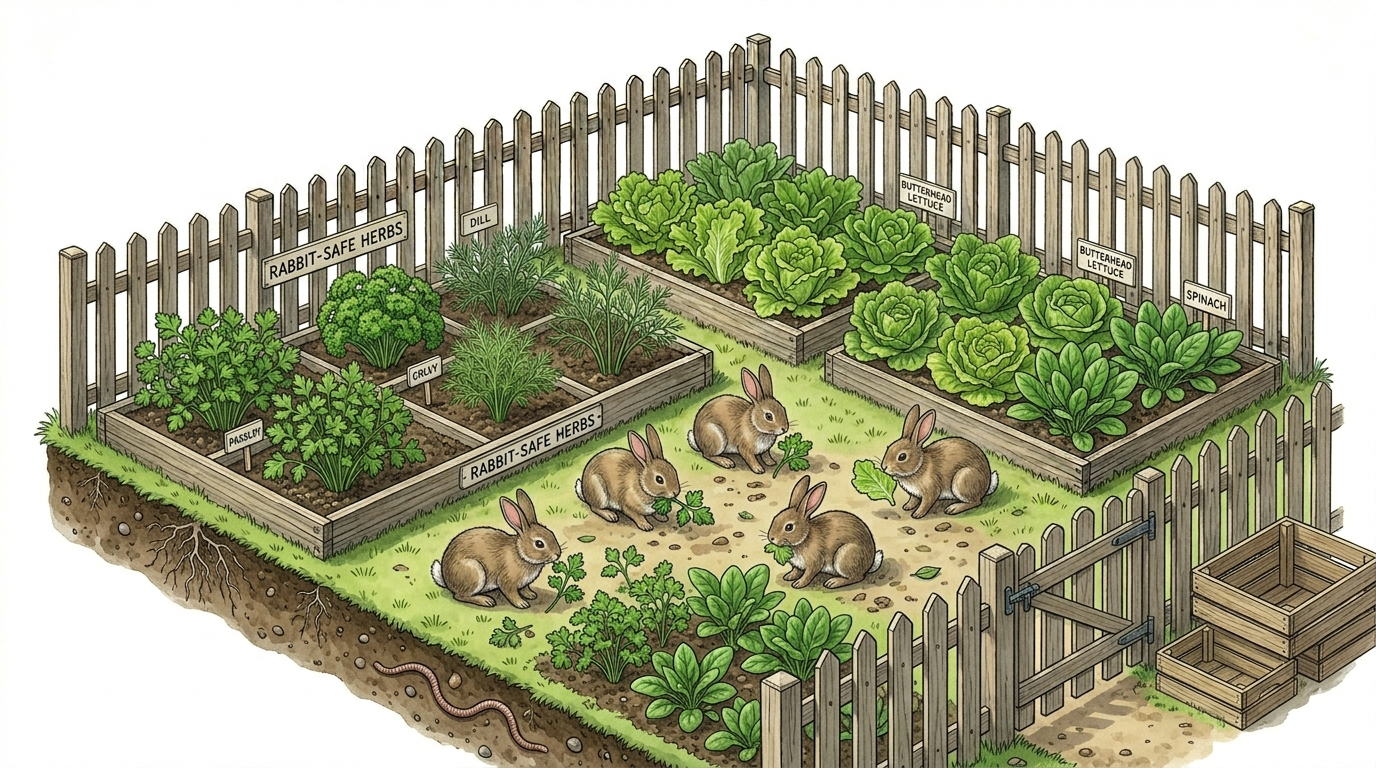
Rabbits in the Garden: Herbs and Vegetables
Learn how to choose suitable herbs and vegetables for rabbits, grow feeding plants, and plan a rabbit-friendly garden.
Guide
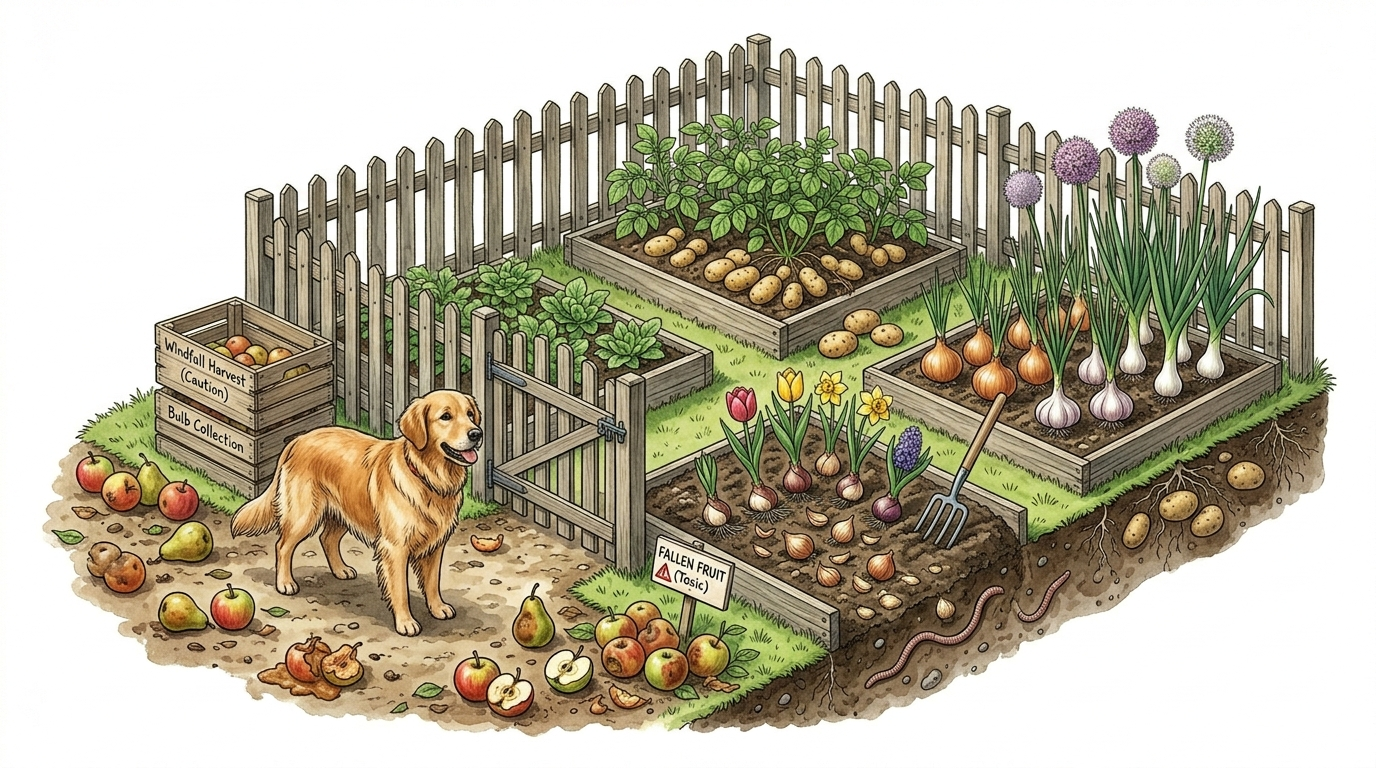
Dogs in the Garden: Windfall Fruit and Risks
Keep your garden dog-safe by managing windfall fruit, seeds, stored crops, and potentially problematic plant parts.
Guide
Horse Pastures and Garden Plants: Safety Checks
Learn how to identify risks near horse pastures, fences, turnout areas, fruit trees, and garden planting zones.
Internal links
Related plants
basil
Both belong to the Lamiaceae (mint family).
Popular culinary herb with similar culinary applications.
Oregano
Both belong to the Lamiaceae (mint family).
Like mint, belongs to the Lamiaceae (mint family).
parsley
Both are popular culinary herbs.
Chives
Both are popular culinary herbs.
Powdery Mildew
Can also affect other herbs with poor air circulation.
Aphids
A widespread pest that affects many plants.
Lettuce
Both are medium feeders and benefit from moderate nutrient supply.
Spinach
Both are medium feeders and benefit from moderate nutrient supply.
Sources
Public sources
- Wikidata entity
Wikidata · 2026-05-14
- GBIF species match
GBIF · 2026-05-14
- Deutschsprachige Wikipedia: Minzen
Wikipedia · 2026-05-14
- English Wikipedia: Mentha
Wikipedia · 2026-05-14