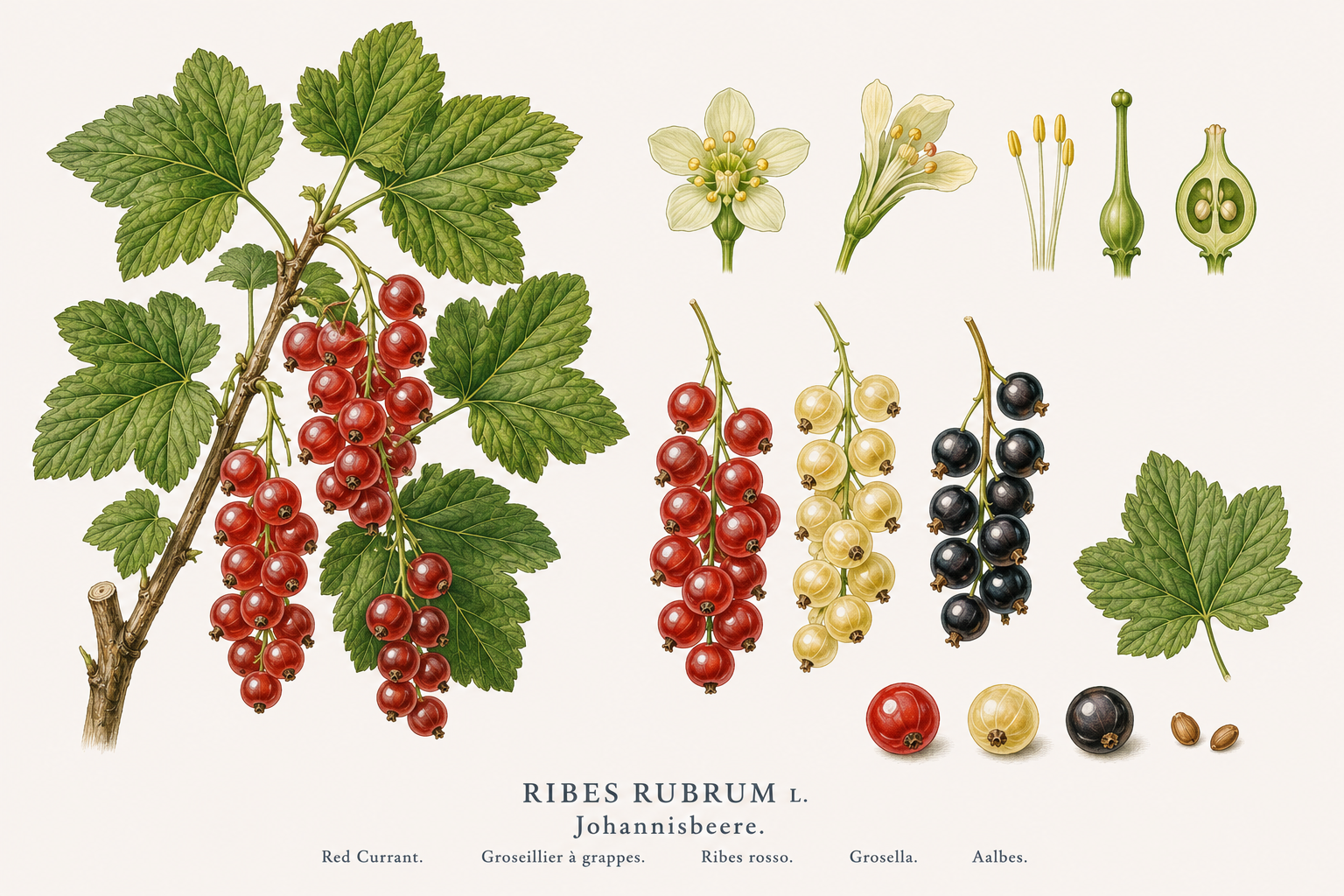
Quick profile
Key data
Planting
Mar, Apr, Oct
Harvest
Jun, Jul, Aug
Water
medium
Growing data
Ribes Growing data
Plant spacing
100 - 150 cm
Row spacing
150 - 200 cm
Sowing and germination
Planting and spacing
Temperature and site
Water, nutrients and care
Container, support and growth
Year plan
Ribes Calendar
Indoor sowing
Ribes are generally not started from seed indoors.
Direct sowing
Sowing Ribes is uncommon, as they are usually propagated by cuttings or grafting.
Planting
Planting young plants or bare-root shrubs in spring or autumn.
Harvest
Harvest time varies by variety and ripeness.
Year plan
- Pruning for rejuvenation and yield promotion
- Loosen soil and first fertilization
- Check for pests and diseases
- Fertilize again if needed
- Thinning cut for strong new growth
- Mulching for moisture retention
- First harvest for early varieties
- Regular watering during fruit development
- Main harvest time for most varieties
- Weeding
- After harvest: Prune spent shoots
- Preparation for autumn pruning
- Autumn pruning for shaping and promoting next year's fruit set
- Soil improvement with compost
- Planting new shrubs
- Mulching with leaves or compost
- Protect young plants from frost
- Check for winter damage
Growing
Ribes Site, soil and care
Spacing
100 - 150 cm
Storage
Fresh, Frozen, Dried, Processed
Ribes are robust and forgiving of minor care mistakes. Important factors include a sunny to partial shade location, well-draining soil, and regular pruning to increase yield. Ensure adequate watering during fruit development.
Pruning
Ribes Pruning
Pruning is crucial for yield and health. It should be done annually, ideally after harvest or in late winter.
Goal
Renewal pruning
Notes
Pruning is crucial for yield and health. It should be done annually, ideally after harvest or in late winter.
Pruning timing
late winter
Fundamental pruning for shaping and rejuvenation, removal of old shoots. Prune while the plant is still dormant, before sap flow begins. Allows a clear view of the structure.
after harvest
Removal of harvested shoots (especially on red and white currants), thinning. Facilitates harvest and promotes ripening of remaining shoots for the next year. On blackcurrants, only remove weak or diseased shoots.
Remove
- Old, inactive shoots (older than 4-5 years)
- Inward-growing shoots
- Crossing shoots
- Diseased or damaged shoots
- Overly dense shoots
- Sucker shoots (on standards)
Preserve
- Young, vigorous shoots (1-3 years old) for next year's fruit production
- Well-distributed, load-bearing main shoots
- Base of fruit spurs (on blackcurrants)
Avoid
- Radical shortening of all shoots
- Removing all one-year-old shoots (on blackcurrants)
- Pruning during flowering or fruit development (except for harvest)
Tools and hygiene
Use sharp and clean pruning tools to make clean cuts and prevent disease transmission.
Companion guide
Ribes Companion guide
Health
Pests, Diseases
Pests
Aphids
Small, soft-bodied insects that feed on plant sap and excrete sticky honeydew. They infest young shoots and leaves.
Currant bud mite
Microscopic mites that overwinter in the buds and feed on them. They cause stunted, bushy growth (witches' brooms).
Currant sawfly
The larvae eat holes in the leaves and can defoliate the plant if heavily infested.
Gooseberry aphid
A specialized aphid species that primarily infests gooseberries but can also damage Ribes. Causes similar symptoms to other aphids.
Spider mites
Small, spider-like creatures that feed on plant sap, especially in dry weather. They form fine webbing.
Diseases
Powdery mildew
Fungal disease appearing as a white, powdery coating on leaves, shoots, and fruits. Often occurs in warm, dry weather with high humidity.
Rust disease
Fungal disease characterized by yellow-orange pustules on the underside of leaves and yellow spots on the upper surface. Can also appear on stems and fruits.
Leaf spot diseases
Various fungi can cause leaf spots, appearing as dark or light spots with often darker margins on the leaves. Leads to premature leaf drop.
Grey mold (Botrytis)
Fungus that attacks fruits, flowers, and shoots, especially in damp weather. Appears as a grey, fuzzy coating.
Verticillium wilt
Soil-borne fungal disease that clogs the plant's vascular system. Leads to wilting shoots and plant death.
Deficiencies
Magnesium deficiency
Magnesium is a central component of chlorophyll. Deficiency leads to reduced photosynthesis.
Iron deficiency
Iron is important for chlorophyll formation and enzyme activity. Deficiency often occurs on alkaline or poorly aerated soils.
Potassium deficiency
Potassium is important for water regulation, enzyme activation, and fruit quality.
Plant health
FAQ
When is the best time to plant Ribes?
The best time to plant Ribes bushes is in autumn (October/November) or early spring (March/April) when the soil is frost-free. Autumn planting gives the roots more time to establish before spring growth.
How often do Ribes need to be pruned?
Ribes should be pruned annually. The main pruning is done in late winter (February/March) for rejuvenation and shaping. Light thinning can also be done after harvest.
What kind of soil do Ribes prefer?
Ribes prefer humus-rich, loose, and well-draining soil with a slightly acidic to neutral pH (approx. 5.5 - 7.0). Waterlogging must be avoided.
Can Ribes grow in containers?
Yes, Ribes are well-suited for container growing. Use a sufficiently large pot (at least 30-50 liters) with good drainage and high-quality potting soil. Regular watering and fertilization are important.
Related plants
gooseberry
Both belong to the Grossulariaceae family.
Berry fruit
Ribes are a primary type of berry fruit.
Powdery mildew
Commonly affects Ribes and other berry fruit varieties.
Grey mold (Botrytis)
Can affect Ribes and other berry fruits, especially in damp weather.
Raspberry
Require similar nutrients, especially potassium for fruit development.
Rubus
Both prefer consistent soil moisture and do not tolerate waterlogging.
Guides
Related guides
Guide
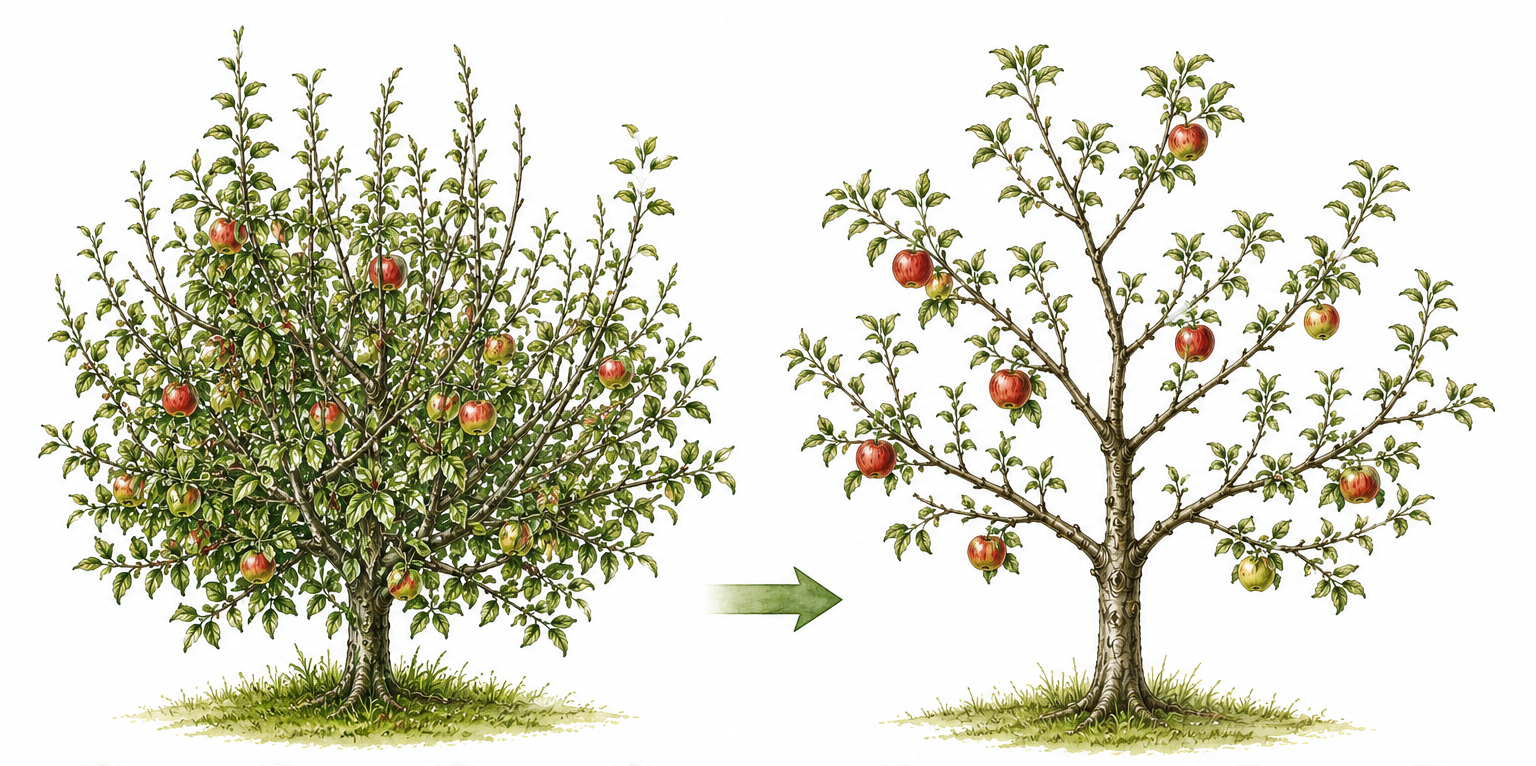
Pruning Apple Trees: Timing, Techniques, and Common Mistakes
Learn when and how to prune apple trees properly, including winter pruning, summer pruning, training cuts, and maintenance tips for healthy, productive…
Guide
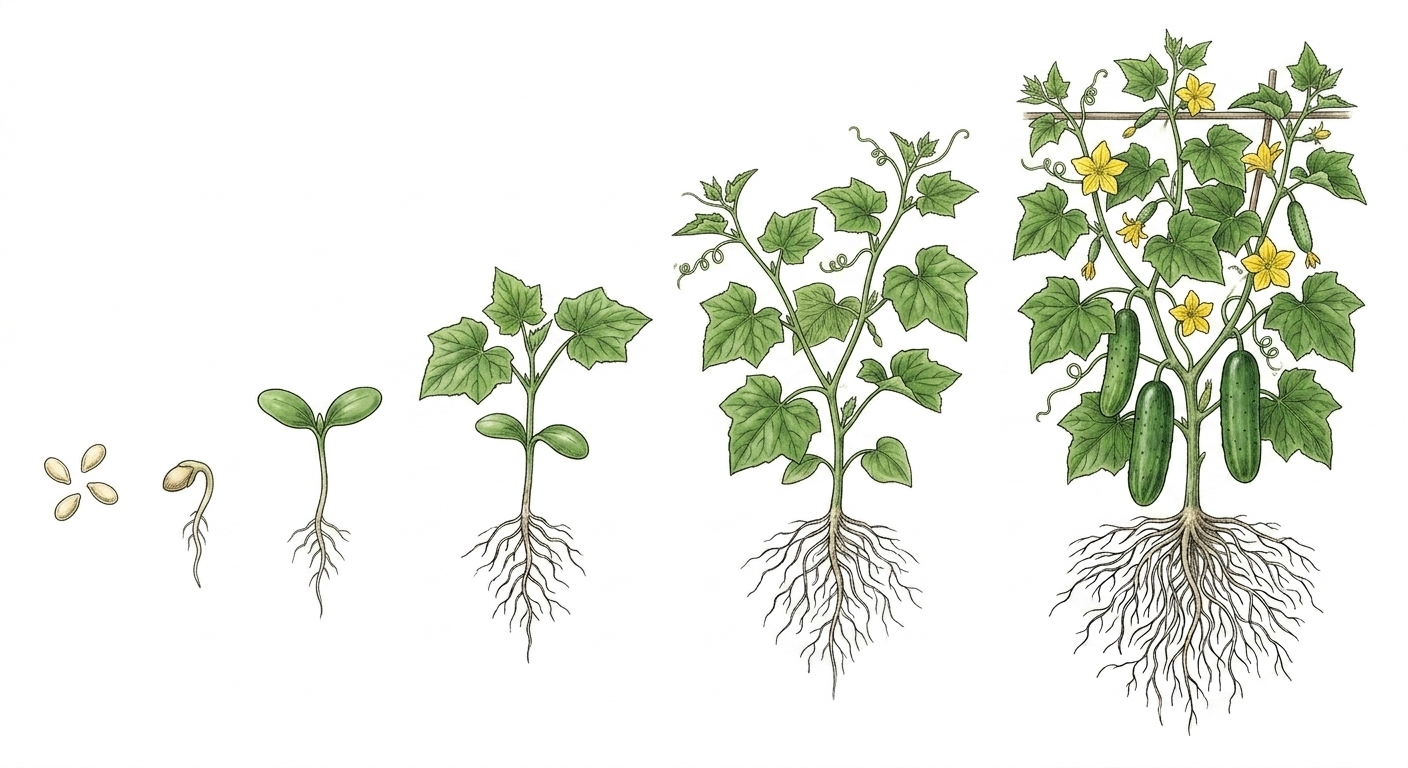
Growing Cucumbers: Starting, Supports and Harvest
Learn how to grow cucumbers successfully with indoor starting, transplanting, trellises, watering, and regular harvesting.
Guide
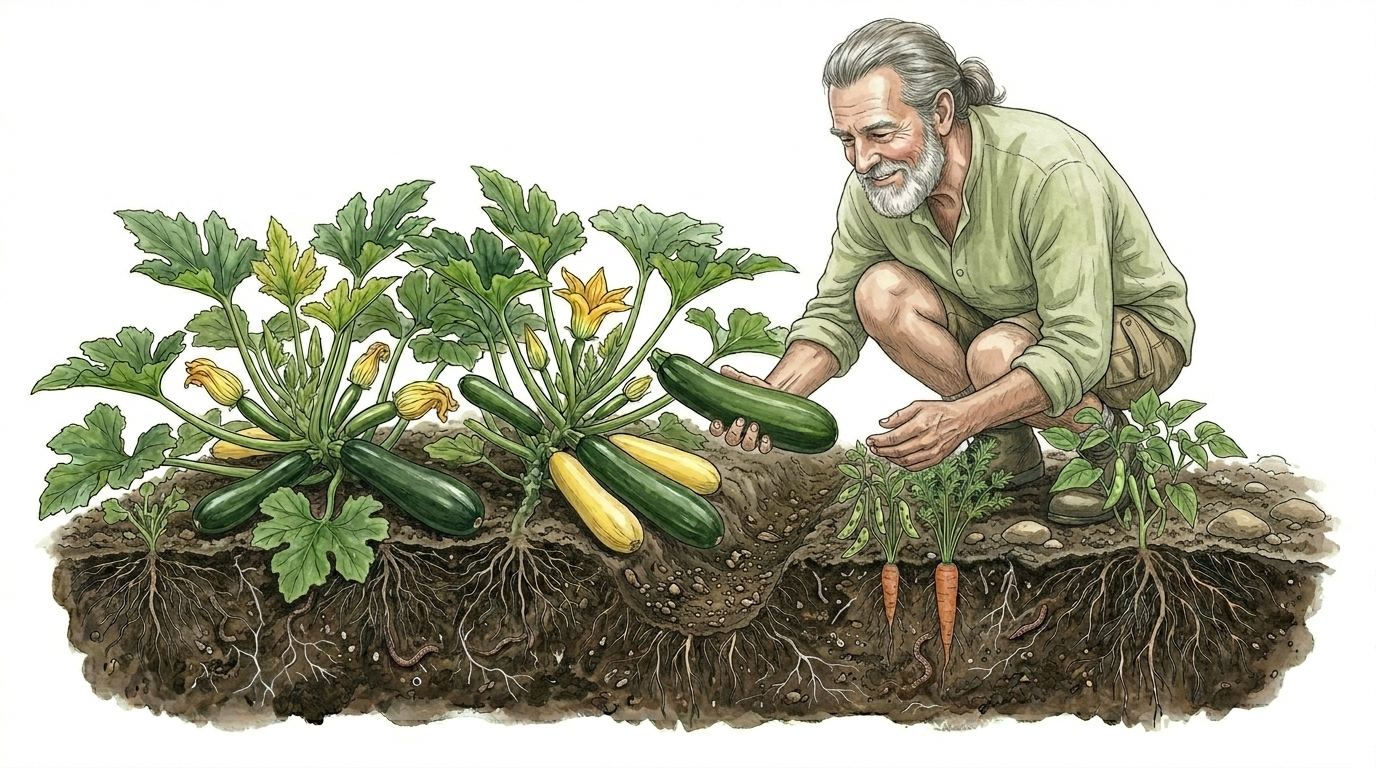
Growing Zucchini: Spacing, Pollination and Mildew
Learn how to grow zucchini with the right site, spacing, pollination support, and practical tips to prevent powdery mildew.
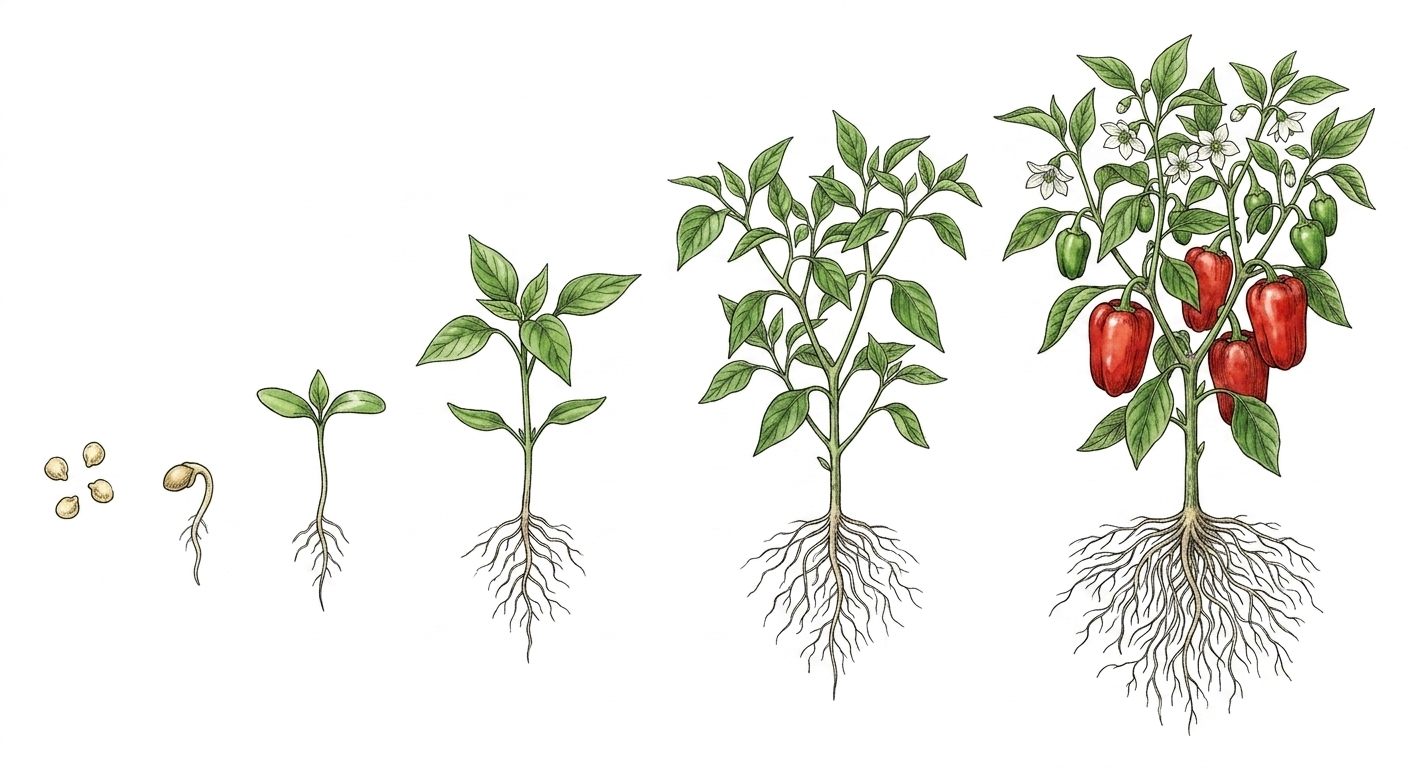
Guide
Starting Peppers and Chilies Indoors Successfully
Learn how to start peppers and chilies indoors with proper warmth, strong light, pricking out, and healthy seedling care.
Internal links
Related plants
Sources
Public sources
- Wikidata entity
Wikidata · 2026-05-13
- GBIF species match
GBIF · 2026-05-13
- Deutschsprachige Wikipedia: Johannisbeeren
Wikipedia · 2026-05-13
- English Wikipedia: Ribes
Wikipedia · 2026-05-13
Details
More public plant data
Names
Common
Ribes
Plural
Ribes
Synonyms
- Träuble
- Ribisel
- Wanzenbeere
- Kanztraube
- Bocksbeere
- Ribiseln
- Aalbeere
- Stachelbeergewächse
- Ribisl
- Johannisbeere
- Gichtbeere
Common synonyms
- Träuble
- Ribisel
- Wanzenbeere
- Kanztraube
- Bocksbeere
- Ribiseln
- Aalbeere
- Stachelbeergewächse
- Ribisl
- Johannisbeere
- Gichtbeere
Regional names
- Meer-Trübeli
- Ribiseli
Historical names
Market names
Misspellings
International names
Fr
- Groseillier
Es
- Grosella
It
- Ribes
Pl
- Porzecze
Search terms
- Ribes
- Currant
- Gooseberry
Taxonomy
Clades
- Tracheophytes
- Angiosperms
- Eudicots
- Core Eudicots
- Saxifragales
Family
Gooseberry family
Classification
Edible parts
- Fruit
Calendar
Sowing indoor
Notes
Ribes are generally not started from seed indoors.
Sowing outdoor
Notes
Sowing Ribes is uncommon, as they are usually propagated by cuttings or grafting.
Planting out
Months
- 3
- 4
- 10
Notes
Planting young plants or bare-root shrubs in spring or autumn.
Harvest
Months
- 6
- 7
- 8
Notes
Harvest time varies by variety and ripeness.
Month tasks
3
Pruning for rejuvenation and yield promotion
Loosen soil and first fertilization
4
Check for pests and diseases
Fertilize again if needed
5
Thinning cut for strong new growth
Mulching for moisture retention
6
First harvest for early varieties
Regular watering during fruit development
7
Main harvest time for most varieties
Weeding
8
After harvest: Prune spent shoots
Preparation for autumn pruning
9
Autumn pruning for shaping and promoting next year's fruit set
Soil improvement with compost
10
Planting new shrubs
Mulching with leaves or compost
11
Protect young plants from frost
Check for winter damage
Month tasks structured
3
- TaskSchnittmaßnahmen zur Verjüngung und Ertragsförderung.
Label
Pruning for rejuvenation and yield promotion
PriorityhighMonths
- 3
Conditiondormant seasonEstimated effortmediumNotes
Remove old and weak shoots to improve air circulation and prevent diseases.
- TaskBoden lockern und erste Düngergabe.
Label
Loosen soil and first fertilization
PrioritymediumMonths
- 3
Conditionsoil workableEstimated effortlowNotes
A dose of compost or organic fertilizer promotes growth.
4
- TaskKontrolle auf Schädlinge und Krankheiten.
Label
Check for pests and diseases
PriorityhighMonths
- 4
Conditiongrowing seasonEstimated effortlowNotes
Early detection and control of aphids or fungal diseases.
- TaskBei Bedarf Nachdüngen.
Label
Fertilize again if needed
PrioritymediumMonths
- 4
Conditionvigorous growthEstimated effortlowNotes
Especially for heavy feeders or in containers, a second fertilization may be beneficial.
5
- TaskAuslichtungsschnitt bei starkem Neuaustrieb.
Label
Thinning cut for strong new growth
PrioritymediumMonths
- 5
Conditionstrong new growthEstimated effortlowNotes
Remove overly dense shoots to improve ventilation.
- TaskMulchen zur Feuchtigkeitsspeicherung.
Label
Mulching for moisture retention
PriorityhighMonths
- 5
Conditionafter rain or wateringEstimated effortlowNotes
A layer of organic material keeps the soil moist and suppresses weeds.
6
- TaskErste Ernte bei frühen Sorten.
Label
First harvest for early varieties
PriorityhighMonths
- 6
Conditionfruit ripeEstimated effortmediumNotes
Depending on variety and weather, harvest begins in late spring to early summer.
- TaskRegelmäßige Bewässerung während der Fruchtbildung.
Label
Regular watering during fruit development
PriorityhighMonths
- 6
Conditiondry weatherEstimated effortmediumNotes
Sufficient water is crucial for the development of large, juicy berries.
7
- TaskHaupt-Erntezeit für die meisten Sorten.
Label
Main harvest time for most varieties
PriorityhighMonths
- 7
Conditionfruit ripeEstimated efforthighNotes
Berries often ripen in stages, so multiple harvest passes are necessary.
- TaskEntfernen von Unkraut.
Label
Weeding
PrioritymediumMonths
- 7
Conditionweeds presentEstimated effortlowNotes
Weeds compete for water and nutrients.
8
- TaskNach der Ernte: Rückschnitt verblühter Triebe.
Label
After harvest: Prune spent shoots
PrioritymediumMonths
- 8
Conditionafter harvestEstimated effortlowNotes
Remove harvested fruit trusses and possibly over-aged or weak shoots.
- TaskVorbereitung auf den Herbstschnitt.
Label
Preparation for autumn pruning
PrioritylowMonths
- 8
ConditionanyEstimated effortlowNotes
Observe plant growth to plan for autumn pruning.
9
- TaskHerbstschnitt zur Formgebung und Förderung des Fruchtansatzes im nächsten Jahr.
Label
Autumn pruning for shaping and promoting next year's fruit set
PriorityhighMonths
- 9
Conditiondormant seasonEstimated effortmediumNotes
Remove crossing or inward-growing shoots. For currants, often prune back to 6-8 well-distributed main branches.
- TaskBodenverbesserung mit Kompost.
Label
Soil improvement with compost
PriorityhighMonths
- 9
ConditionanyEstimated effortlowNotes
A dose of compost strengthens the plant for winter and improves soil structure.
10
- TaskPflanzung neuer Sträucher.
Label
Planting new shrubs
PriorityhighMonths
- 10
Conditionsoil workableEstimated effortmediumNotes
Autumn is ideal for planting bare-root or container shrubs.
- TaskMulchen mit Laub oder Kompost.
Label
Mulching with leaves or compost
PrioritymediumMonths
- 10
Conditionafter plantingEstimated effortlowNotes
Protects roots from frost and improves the soil.
11
- TaskSchutz junger Pflanzen vor Frost.
Label
Protect young plants from frost
PrioritymediumMonths
- 11
Conditionfrost expectedEstimated effortlowNotes
Young or sensitive shrubs can be covered with fleece or brushwood.
- TaskKontrolle auf Winterschäden.
Label
Check for winter damage
PrioritylowMonths
- 11
Conditionmild winter daysEstimated effortlowNotes
Check for frost damage or damage from animal browsing.
Book content
Overview
Ribes are popular and easy-to-care-for berry bushes that fit into almost any garden. They provide healthy fruits for fresh consumption and processing.
Structured month tasks
3
- TaskSchnittmaßnahmen zur Verjüngung und Ertragsförderung.
Label
Pruning for rejuvenation and yield promotion
PriorityhighMonths
- 3
Conditiondormant seasonEstimated effortmediumNotes
Remove old and weak shoots to improve air circulation and prevent diseases.
- TaskBoden lockern und erste Düngergabe.
Label
Loosen soil and first fertilization
PrioritymediumMonths
- 3
Conditionsoil workableEstimated effortlowNotes
A dose of compost or organic fertilizer promotes growth.
4
- TaskKontrolle auf Schädlinge und Krankheiten.
Label
Check for pests and diseases
PriorityhighMonths
- 4
Conditiongrowing seasonEstimated effortlowNotes
Early detection and control of aphids or fungal diseases.
- TaskBei Bedarf Nachdüngen.
Label
Fertilize again if needed
PrioritymediumMonths
- 4
Conditionvigorous growthEstimated effortlowNotes
Especially for heavy feeders or in containers, a second fertilization may be beneficial.
5
- TaskAuslichtungsschnitt bei starkem Neuaustrieb.
Label
Thinning cut for strong new growth
PrioritymediumMonths
- 5
Conditionstrong new growthEstimated effortlowNotes
Remove overly dense shoots to improve ventilation.
- TaskMulchen zur Feuchtigkeitsspeicherung.
Label
Mulching for moisture retention
PriorityhighMonths
- 5
Conditionafter rain or wateringEstimated effortlowNotes
A layer of organic material keeps the soil moist and suppresses weeds.
6
- TaskErste Ernte bei frühen Sorten.
Label
First harvest for early varieties
PriorityhighMonths
- 6
Conditionfruit ripeEstimated effortmediumNotes
Depending on variety and weather, harvest begins in late spring to early summer.
- TaskRegelmäßige Bewässerung während der Fruchtbildung.
Label
Regular watering during fruit development
PriorityhighMonths
- 6
Conditiondry weatherEstimated effortmediumNotes
Sufficient water is crucial for the development of large, juicy berries.
7
- TaskHaupt-Erntezeit für die meisten Sorten.
Label
Main harvest time for most varieties
PriorityhighMonths
- 7
Conditionfruit ripeEstimated efforthighNotes
Berries often ripen in stages, so multiple harvest passes are necessary.
- TaskEntfernen von Unkraut.
Label
Weeding
PrioritymediumMonths
- 7
Conditionweeds presentEstimated effortlowNotes
Weeds compete for water and nutrients.
8
- TaskNach der Ernte: Rückschnitt verblühter Triebe.
Label
After harvest: Prune spent shoots
PrioritymediumMonths
- 8
Conditionafter harvestEstimated effortlowNotes
Remove harvested fruit trusses and possibly over-aged or weak shoots.
- TaskVorbereitung auf den Herbstschnitt.
Label
Preparation for autumn pruning
PrioritylowMonths
- 8
ConditionanyEstimated effortlowNotes
Observe plant growth to plan for autumn pruning.
9
- TaskHerbstschnitt zur Formgebung und Förderung des Fruchtansatzes im nächsten Jahr.
Label
Autumn pruning for shaping and promoting next year's fruit set
PriorityhighMonths
- 9
Conditiondormant seasonEstimated effortmediumNotes
Remove crossing or inward-growing shoots. For currants, often prune back to 6-8 well-distributed main branches.
- TaskBodenverbesserung mit Kompost.
Label
Soil improvement with compost
PriorityhighMonths
- 9
ConditionanyEstimated effortlowNotes
A dose of compost strengthens the plant for winter and improves soil structure.
10
- TaskPflanzung neuer Sträucher.
Label
Planting new shrubs
PriorityhighMonths
- 10
Conditionsoil workableEstimated effortmediumNotes
Autumn is ideal for planting bare-root or container shrubs.
- TaskMulchen mit Laub oder Kompost.
Label
Mulching with leaves or compost
PrioritymediumMonths
- 10
Conditionafter plantingEstimated effortlowNotes
Protects roots from frost and improves the soil.
11
- TaskSchutz junger Pflanzen vor Frost.
Label
Protect young plants from frost
PrioritymediumMonths
- 11
Conditionfrost expectedEstimated effortlowNotes
Young or sensitive shrubs can be covered with fleece or brushwood.
- TaskKontrolle auf Winterschäden.
Label
Check for winter damage
PrioritylowMonths
- 11
Conditionmild winter daysEstimated effortlowNotes
Check for frost damage or damage from animal browsing.
Cultivation specs
Seed
Spacing
Spacing notes
Spacing depends on the variety's vigor and desired canopy size.
Growth dimensions
Final size notes
Bushy shrub, varying in size depending on variety and pruning.
Temperature
Temperature notes
Hardy, but young plants may need protection during extreme frosts.
Water
Critical water phases
- Fruit development
- Drought periods
Water notes
Consistent soil moisture is important; avoid waterlogging at all costs.
Nutrition
Nutrition notes
Regular fertilization with compost and potassium-rich fertilizers promotes fruit production and winter hardiness.
Container
Container notes
Requires sufficient space for the root system and good drainage.
Support
Support notes
Training pruning is important to ensure good fruit production and ventilation.
Cultivation modes
Yield density
Yield notes
Yields vary greatly depending on variety, plant age, location, and care.
Site
Sun exposure
Full sun to partial shade
Wind exposure
Sheltered
Site notes
A sunny location promotes fruit development, while partial shade can be beneficial in extreme heat. Protection from strong winds is advisable.
Soil
Soil type
Humus-rich, loose, well-draining, slightly acidic to neutral
Soil notes
Avoid heavy, clay soils prone to waterlogging. Improvement with compost is recommended.
Watering
Critical water phases
- Fruit development
- Drought periods
Water notes
Consistent soil moisture is important; avoid waterlogging at all costs.
Nutrition
Nutrition notes
Regular fertilization with compost and potassium-rich fertilizers promotes fruit production and winter hardiness.
Cultivation planning
Succession sowing
Bed planning notes
Ribes are long-lived and should be given a permanent location. Ensure adequate spacing from other plants.
Cultivation planning notes
As shrubs, Ribes are well-suited for home gardens, as part of a fruit hedge, or as a solitary plant.
Crop rotation
Ribes are long-lived shrubs and do not have strict crop rotation requirements. However, it is advisable not to plant them immediately after other heavy feeders or susceptible crops like potatoes or tomatoes to avoid soil fatigue and pest buildup. A break of 3-4 years in the same location is recommended, especially if diseases like powdery mildew or leaf spot have occurred.
Deficiencies
Magnesium deficiency
Name
Magnesium deficiency
Description
Magnesium is a central component of chlorophyll. Deficiency leads to reduced photosynthesis.
Symptoms
- Yellowing (chlorosis) between the leaf veins, while the veins remain green (intercostal chlorosis)
- Often starts on older leaves
- Can lead to premature leaf drop
Management
- Foliar spray with Epsom salts (magnesium sulfate)
- Improve soil with organic matter
- Adjust fertilization
Iron deficiency
Name
Iron deficiency
Description
Iron is important for chlorophyll formation and enzyme activity. Deficiency often occurs on alkaline or poorly aerated soils.
Symptoms
- Yellowing (chlorosis) between the leaf veins, with veins remaining green
- Starts on the youngest leaves
- In severe cases: leaves turn almost white
Management
- Foliar spray with iron chelates
- Improve soil to lower pH (if necessary)
- Adjust fertilization
Potassium deficiency
Name
Potassium deficiency
Description
Potassium is important for water regulation, enzyme activation, and fruit quality.
Symptoms
- Edge necrosis (brown leaf margins)
- Yellowing of leaf margins
- Poor fruit development and reduced frost hardiness
Management
- Fertilize with potassium-rich fertilizers (e.g., potassium sulfate)
- Mulch with organic matter
Problems
Poor fruit set
Name
Poor fruit set
Description
Insufficient fruit development despite the presence of flowers.
Causes
- Inadequate pollination (wind, insects)
- Extreme temperatures during flowering
- Nutrient deficiency (especially potassium, phosphorus)
- Diseases or pests
- Incorrect pruning (over-pruning of fruiting shoots)
Management
- Encourage pollinators (nearby flower meadow)
- Protect blossoms from frost
- Adjust fertilization
- Pruning after harvest or in late winter
Reduced yield
Name
Reduced yield
Description
Lower fruit quantity than expected.
Causes
- Plant age (too young or too old)
- Insufficient nutrient supply
- Water shortage
- Diseases and pests
- Unfavorable weather
- Incorrect pruning
Management
- Adjust fertilization and watering
- Regular pruning for rejuvenation
- Disease and pest control
- Variety selection
Winter damage
Name
Winter damage
Description
Damage to shoots or roots caused by frost, cold, or drying winds.
Causes
- Extreme cold
- Drying out by cold wind (frost drought)
- Premature budding in warm winters
- Young, not yet hardened plants
Management
- Mulch the root area
- Protect young plants (fleece, brushwood)
- Site selection (sheltered from wind)
- Choose appropriate varieties
Problem management
Common pest groups
- Aphids
- Mites
- Caterpillars
- Thrips
Common disease groups
- Fungal diseases (mildew, rust, leaf spots)
- Bacterial infections (rare)
- Viral diseases (rare)
Prevention principles
- Site selection: Sunny to partial shade, sheltered from wind.
- Soil: Loose, humus-rich, well-draining, slightly acidic to neutral.
- Variety selection: Prefer more resistant varieties.
- Plant spacing: Adequate spacing for good air circulation.
- Pruning: Regular pruning to promote air circulation and remove old/diseased shoots.
- Fertilization: Balanced, but not excessive, nitrogen fertilization. Sufficient potassium.
- Watering: Consistent moisture, avoid waterlogging.
- Hygiene: Remove fallen leaves and infected plant parts.
- Plant strengthening: Use plant infusions (e.g., horsetail).
Diagnosis notes
Accurate diagnosis often requires observing specific symptoms, the location of infestation (leaves, shoots, fruits), and environmental conditions. Professional advice or laboratory analysis is recommended if uncertain.
Disease graph
Profiles
- Slugpowdery_mildew_ribesSeveritymedium
Conditions
- Warm, dry days
- High humidity (nights)
- Poor air circulation
Affected parts
- Leaves
- Young shoots
- Fruits
Prevention
- Choose mildew-resistant varieties
- Adequate plant spacing
- Good pruning for ventilation
- Plant strengthening with horsetail
Organic control
- Sprays with sulfur or potassium bicarbonate
- Removal of infected plant parts
- Slugrust_disease_ribesSeveritymedium
Conditions
- Damp weather
- Presence of alternate hosts (e.g., pines for white rust)
- Poor air circulation
Affected parts
- Leaves (upper and lower sides)
- Stems
Prevention
- Choose resistant varieties
- Remove infected leaves
- Good hygiene
- Distance from alternate hosts
Organic control
- Remove and destroy infected foliage
- Plant strengthening
- Slugleaf_spot_ribesSeveritylow
Conditions
- Damp weather
- Poor air circulation
- Plant stress
Affected parts
- Leaves
Prevention
- Good hygiene (remove fallen leaves)
- Adequate plant spacing
- Adjust fertilization
- Variety selection
Organic control
- Remove and destroy infected leaves
- Plant strengthening
- Sluggrey_mold_ribesSeveritymedium
Conditions
- High humidity
- Lack of ventilation
- Injured fruits or shoots
- Cool, damp weather
Affected parts
- Fruits
- Flowers
- Young shoots
Prevention
- Ensure good ventilation through pruning
- Harvest in dry conditions
- Avoid injuries
- Remove fruit mummies
Organic control
- Remove and destroy infected plant parts
- Sprays with approved biological agents
Diagnostic rules
Symptom
White, powdery coating on leaves and shoots
Possible causes
- powdery_mildew_ribes
First checks
- Check for high humidity and poor air circulation.
- Examine young shoots and fruit surfaces.
Symptom
Yellow-orange pustules on leaf undersides
Possible causes
- rust_disease_ribes
First checks
- Check for presence of alternate hosts (e.g., pines).
- Examine leaf undersides for pustules.
Symptom
Eaten leaves with holes, visible caterpillars
Possible causes
- currant_sawfly
First checks
- Inspect leaves for damage and caterpillars.
- Check for webbing on leaves.
Symptom
Curled, yellowed leaves, sticky honeydew
Possible causes
- aphids
- gooseberry_aphid
First checks
- Inspect young shoots and leaf undersides for small insects.
- Look for signs of wilting or stunted growth.
Symptom
Grey, fuzzy coating on fruits
Possible causes
- grey_mold_ribes
First checks
- Check for high humidity and poor ventilation.
- Examine fruits for signs of rot.
Prevention strategy
Cultural
- Choose disease-resistant varieties whenever possible.
- Ensure good air circulation by maintaining proper plant spacing and pruning regularly.
- Practice good garden hygiene: remove fallen leaves and infected plant debris promptly.
- Provide adequate nutrition and water to keep plants healthy and less susceptible to stress.
- Avoid overhead watering, especially in the evening, to minimize leaf wetness.
Monitoring
- Regularly inspect plants for early signs of pests and diseases, especially during warm, humid periods.
- Pay close attention to young shoots, leaves, and developing fruits.
- Monitor weather forecasts for conditions favorable to disease development (e.g., prolonged dampness).
Organic first response
- For aphids and spider mites: Use strong water jets, insecticidal soaps, or neem oil sprays.
- For caterpillars: Hand-pick them or use Bacillus thuringiensis (Bt) sprays.
- For fungal diseases like powdery mildew: Use sprays based on sulfur, potassium bicarbonate, or plant extracts like horsetail.
- Remove and destroy any infected plant parts immediately.
Notes
Prevention is key to keeping Ribes healthy. A combination of good site selection, variety choice, appropriate care, and prompt action at the first sign of problems is most effective.
Diagnosis
Diagnosing problems in Ribes relies on careful observation of symptoms such as discoloration, spots, feeding damage, or growth abnormalities. Identifying the pest or disease is crucial for selecting the correct control measure. Always consider the growing conditions and the season.
Phenology
Stages
- Bud break: March
- Flowering: April - May
- Fruit ripening: June - August
- Leaf fall: October - November
Notes
The exact timing for bud break, flowering, and fruit ripening varies depending on the variety, location, and weather conditions.
Harvest
- Fruits
- Berries
Harvest details
Harvest frequency
Annual
Harvest indicators
- Full coloration of berries (red, black, or white depending on variety)
- Slight give when gently pressed
- Sweetish taste
Post harvest handling
Handle harvested berries gently to avoid bruising. Store in a cool place if not processed immediately.
Storage
- Fresh
- Frozen
- Dried
- Processed
Storage details
General storage category
Cool and dry
Storage life
Fresh: a few days (2-5). Frozen: 6-12 months. Processed: months to years.
Processing options
- Jam
- Jelly
- Juice
- Compote
- Liqueur
- Drying
- Freezing
Kitchen usage
Ribes are versatile: eaten raw as a snack, in desserts, cakes, pies, compotes, jams, jellies, juices, smoothies, liqueurs, and for decoration.
Safety and edibility
Edible parts
- Fruit
Inedible or caution parts
- Leaves
- Stems
- Roots
Toxicity notes
The fruits are edible. Leaves, stems, and roots are not intended for consumption and may contain small amounts of glycosides.
Raw consumption
The fruits can be consumed raw, but are often tart and are therefore more commonly processed.
Woody crop details
Training systems to research
- cordon
- espalier
- bush
- standard
Notes
Ribes are robust shrubs well-suited for various training systems. The choice of training system influences fruit size and yield.
Ecology
Biodiversity notes
Ribes bushes provide food and habitat for various insects and birds. The flowers are an important food source for early pollinators.
Practical notes
Ribes are robust and forgiving of minor care mistakes. Important factors include a sunny to partial shade location, well-draining soil, and regular pruning to increase yield. Ensure adequate watering during fruit development.
Seasonal content
Spring
In spring, Ribes bushes bud and begin to flower. This is the time for the main pruning and the first fertilization with compost.
Summer
Summer is the main growing and harvest season. Berries ripen and can be harvested. Ensure adequate watering and check for pests.
Autumn
After harvest, spent shoots can be pruned back. Autumn is also a good time to plant new bushes and improve the soil with organic matter.
Winter
Ribes are dormant in winter. Late winter is ideal for the main pruning, as long as the plant has not yet budded.