Plant Profile
Good King HenryBlitum bonus-henricus
A perennial leafy green that requires little work and provides abundant harvests.
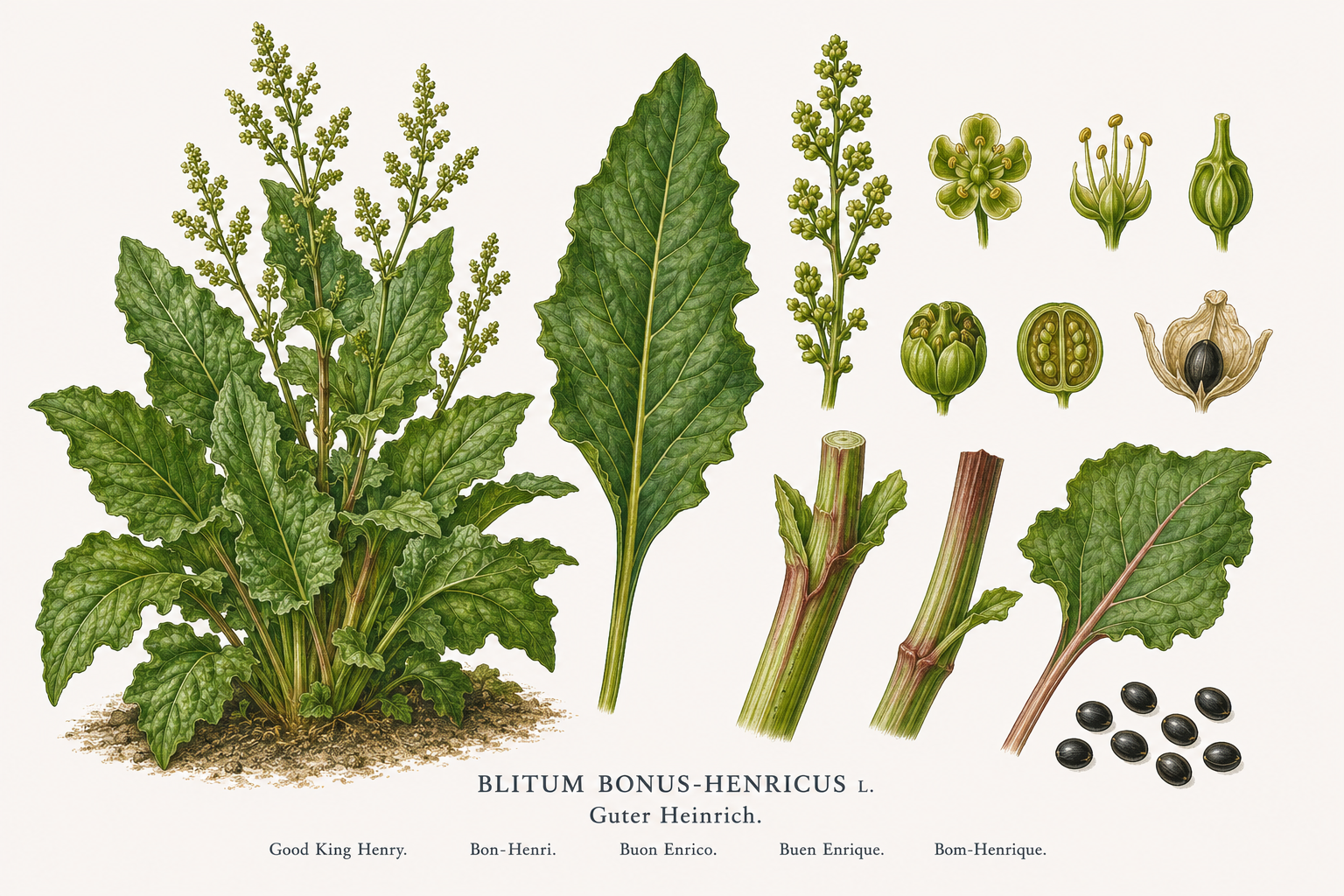
Quick profile
Key data
Suitable growing locations:
Good neighbors
RhubarbHorseradish
Avoid
SpinachBeetroot
Indoor & direct sowing
Good King Henry: Sowing and germination
Pre-culture in pots for better germination control.
Autumn sowing utilizes natural cold exposure.
Planting & site
Good King Henry: Planting and spacing
Set out young plants with sufficient spacing.
Site & practical notes
Temperature & frost
Good King Henry: Temperature and site
Water & nutrients
Good King Henry: Water, nutrients and care
Container & growth
Good King Henry: Container, support and growth
Year plan
Good King Henry Calendar
In early spring, it provides the year's first fresh vitamins.
Recurring tasks
Relevant now
June
- No additional single task
Next up
July
- No additional single task
Monthly tasks
Single tasks from monthly data; repeated seasonal windows are shown in the overview above.
January
Quiet month
February
No additional single task
March
No additional single task
April
No additional single task
May
No additional single task
June
No additional single task
August
No additional single task
September
No additional single task
October
No additional single task
November
Quiet month
December
Quiet month
Flowering & pollination
Good King Henry Flowering & pollination
Flowering period
Months: 5, 6, 7, 8, Notes: Inconspicuous greenish flower clusters.
Self-fertility
self-fertile
Pollinator needed
no
Overview
Pollination is primarily carried out by wind (anemophily).
Notes
No insect pollination necessary for fruit set.
Pruning & care
Good King Henry Pruning & care
Pruning type
herbaceous_perennial_cut
Pruning timing
Spring cleanup Remove old stems from previous year close to the ground before new growth starts.
Vitalization pruning Removing flower stalks encourages the formation of new, tender leaves.
Remove
Preserve
Avoid
Tools and hygiene
Use clean knives to prevent rot on the fleshy rootstock.
Companion guide
Good King Henry Companion guide
Good neighbors
RhubarbHorseradish
Avoid
SpinachBeetroot
Use & storage
Good King Henry Use & storage
Best quality before flowering; harvest young shoots like asparagus.
Storage
Short-term storage (fresh) or freezing
Storage life
Fresh: 2 days; Frozen: 6-10 months
Flavor
Savory, slightly nutty, similar to spinach but more intense.
Harvest
Best quality before flowering; harvest young shoots like asparagus.
Processing
After harvest
Leaves wilt quickly; best processed immediately or wrapped in a damp cloth.
Edibility & safety
Good King Henry Edibility & safety
For people
In brief: which parts are edible, which parts remain risky, and whether raw consumption makes sense.
Safety notes
Contains saponins and oxalic acid. People with kidney problems should limit consumption.
Animal safety
For animals, the specific plant part matters here: some parts may be suitable, while others should be avoided. At least one critical rating is listed for 12 animal types.
Each row shows which parts are more suitable and which parts are critical.
Companion animals
 Dog
Dogleaves, young shoots
seeds, older tough stalks, roots
leaves, young shoots
seeds, older tough stalks, roots
High oxalate content may stress kidneys, Saponins may irritate mucous membranes
Vomiting, Diarrhea, Gastrointestinal upset
contact a vet if symptoms appear
Leaves, young shoots, and flower spikes can be fed in small amounts as an occasional treat. Seeds, older stalks, and roots contain higher concentrations of saponins and oxalic acid and should be avoided. Cooking reduces oxalic acid and saponin content.
Open animal page Cat
Catleaves, young shoots
seeds
leaves, young shoots
seeds
Consumption of seeds, Excessive consumption of raw leaves
Vomiting, Diarrhea, Gastrointestinal upset
observe
Leaves, young shoots, and flower spikes of Good King Henry may be suitable as an occasional treat for cats in small amounts, but contain saponins and oxalic acid that can cause gastrointestinal upset if consumed excessively. Seeds should be avoided due to higher concentrations of these compounds. Cooking reduces the content of saponins and oxalic acid.
Open animal page Rabbit
leaves, young shoots
seeds, older tough stalks, roots
leaves, young shoots
seeds, older tough stalks, roots
High oxalic acid content with excessive consumption, Saponin irritant effect
Gastrointestinal upset, Diarrhea
observe
Leaves, young shoots, and flower spikes of Good King Henry can be given to rabbits in small amounts as supplemental feed. Seeds, older stalks, and roots contain higher concentrations of saponins and oxalic acid and should be avoided. Excessive consumption may cause gastrointestinal upset. Introduce gradually and in moderation. Consult a veterinarian if symptoms persist.
Open animal page Guinea pig
leaves, young shoots
seeds, older tough stalks, roots
leaves, young shoots
seeds, older tough stalks, roots
High oxalic acid content with excessive consumption, Saponin irritant effect
Gastrointestinal upset, Diarrhea
observe
No direct species-specific source was found for guinea pigs. This is a cautious inference from the rabbits profile and the known plant-part risks.
Open animal page Hamster
leaves, young shoots
seeds, older, tough stalks, roots
leaves, young shoots
seeds, older, tough stalks, roots
High oxalate content may stress kidneys, Saponins may irritate stomach
Gastrointestinal upset, Diarrhea, Vomiting
observe
Leaves, young shoots, and flower spikes can be fed in small amounts as a treat. Seeds, older stalks, and roots contain higher concentrations of saponins and oxalic acid and should be avoided. Observation is advised if large amounts are consumed or in sensitive animals.
Open animal page Budgie
leaves, young shoots
seeds, older tough stalks, roots
leaves, young shoots
seeds, older tough stalks, roots
High oxalate content may stress kidneys, Saponins may irritate stomach
Gastrointestinal upset, Diarrhea, Vomiting
observe
Leaves, young shoots, and flower spikes can be offered in small amounts as a treat. Seeds, older stalks, and roots contain higher concentrations of saponins and oxalic acid and should be avoided. Consult a veterinarian if poisoning symptoms occur.
Open animal pageFarm animals
 Horse
Horseleaves, young shoots
seeds, older, tough stalks, roots
leaves, young shoots
seeds, older, tough stalks, roots
Excessive consumption, Consumption of seeds or mature stalks
Gastrointestinal upset, Diarrhea
observe
Leaves, young shoots, and flower spikes can be fed in small amounts but contain saponins and oxalic acid, which may cause gastrointestinal upset if consumed excessively. Seeds and older stalks should be avoided due to higher concentrations of these compounds. No horse-specific sources found, but conservative classification based on known constituents and effects in related species, as well as general forage use.
Open animal page Chicken
leaves, young shoots
seeds
leaves, young shoots
seeds
High oxalate content may stress kidneys, Saponins may irritate mucous membranes
Gastrointestinal upset, Diarrhea, Vomiting
observe
Leaves, young shoots, and flower spikes of Good King Henry are edible for chickens in small amounts and are occasionally used as supplemental feed. Seeds contain higher concentrations of saponins and oxalic acid and should be avoided. Excessive consumption may cause gastrointestinal upset. Cooking reduces oxalic acid and saponin content.
Open animal page Duck
Duckleaves, young shoots
seeds
leaves, young shoots
seeds
High oxalate content may stress kidneys, Saponins may irritate mucous membranes
Gastrointestinal upset, Diarrhea, Vomiting
observe
Leaves, young shoots, and flower spikes of Good King Henry are suitable for ducks in small amounts but contain saponins and oxalic acid. Seeds should be avoided due to higher concentrations of these compounds. Cooking reduces saponin and oxalic acid levels.
Open animal page Goose
Gooseleaves, young shoots
seeds
leaves, young shoots
seeds
High oxalate content may stress kidneys, Saponins can cause irritation
Gastrointestinal upset, Diarrhea
observe
Leaves, young shoots, and flower spikes of Good King Henry may be suitable as supplemental feed for geese in small amounts, but they contain saponins and oxalic acid, which can cause gastrointestinal upset if consumed excessively. Seeds should be avoided due to higher concentrations of these compounds. Cooking reduces the levels of saponins and oxalic acid.
Open animal page Sheep
Sheepleaves, young shoots
seeds, older tough stalks, roots
leaves, young shoots
seeds, older tough stalks, roots
Excessive seed consumption, Consumption of older stalks
Gastrointestinal upset, Diarrhea
observe
Leaves, young shoots, and flower spikes are suitable for sheep in moderation. Seeds and older stalks contain higher concentrations of saponins and oxalic acid and may cause gastrointestinal upset. Roots are inedible and should be avoided. Consumption of large amounts may lead to diarrhea. Consult a veterinarian if symptoms persist.
Open animal page Goat
Goatleaves, young shoots
seeds
leaves, young shoots
seeds
High seed consumption, Kidney sensitivity
Gastrointestinal upset, Diarrhea
observe
Leaves, young shoots, and flower spikes of Good King Henry are suitable for goats in moderation but contain saponins and oxalic acid, which can cause gastrointestinal upset if consumed excessively. Seeds should be avoided due to higher concentrations of these compounds. Cooking reduces saponin and oxalic acid levels.
Open animal page Cattle
leaves, young shoots
seeds, older tough stalks, roots
leaves, young shoots
seeds, older tough stalks, roots
High oxalic acid content in seeds and older stalks, Saponins may cause gastric irritation
Gastrointestinal upset, Diarrhea, Kidney strain with overconsumption
observe
Leaves, young shoots, and flower spikes of Good King Henry can be used in moderation as supplemental feed for cattle. Seeds, older stalks, and roots contain higher concentrations of saponins and oxalic acid and should be avoided. Overconsumption may cause gastrointestinal upset and kidney strain. Cooking reduces oxalic acid content.
Open animal page Pig
Pigleaves, young shoots
seeds, older tough stalks, roots
leaves, young shoots
seeds, older tough stalks, roots
High oxalate content may stress kidneys, Saponins may irritate mucous membranes
Gastrointestinal upset, Diarrhea, Vomiting
observe
Leaves, young shoots, and flower spikes of Good King Henry may be suitable for pigs in small amounts as supplemental feed, but contain saponins and oxalic acid that can cause gastrointestinal upset if consumed excessively. Seeds and older stalks should be avoided due to higher concentrations of these compounds. Cooking reduces saponin and oxalic acid levels.
Open animal pageThese guidelines are for general information only and do not replace veterinary diagnosis. If critical plant parts were ingested or the animal shows unusual behaviour or symptoms, seek veterinary advice.
Max risk
unknown
Highest status
do not feed
Urgency
contact a vet if symptoms appear
Saving seed
Good King Henry Saving seed
Seed viability
1 - 3 years
Practical tips
Good King Henry Practical tips
Common beginner mistakes
Sowing too deep: As light germinators, the seeds need light to sprout.
Success pattern
After two years in the ground, the plant is fully established and yields abundantly.
High-impact tips
A location right next to the compost pile saves on additional fertilizing.
Grower observations
The shoots are particularly tender if they are lightly earthed up in spring.
Health
Pests, Diseases
Pests
Aphids
- Curled leaves
- Sticky honeydew
Slugs
Feeding holes on young shoots
Diseases
Downy Mildew
- Yellowish spots on leaf top
- Grey coating underneath
Rust fungi
Orange-red pustules
Deficiencies
Nitrogen deficiency
- Stunted growth
- Pale green to yellowish leaves
Plant health
Diagnosis help
Good King Henry Diagnosis help
Pest groups
Disease groups
Leaf fungi
Prevention
Diagnosis
The plant is overall very robust; problems usually only occur with extreme nutrient deficiency or waterlogging.
Cultural prevention
Monitoring
Weekly check for aphids in spring
First response
Rinsing with a water jet for mild aphid infestation
Diagnostic rules
Yellow leaf discoloration in young plants
Possible causes: Nitrogen deficiency, Waterlogging
- Check soil moisture
- Review fertilization
FAQ
Is Good King Henry winter hardy?
Yes, it is extremely frost hardy and reliably regrows from the rootstock every spring.
Are the seeds edible?
Yes, they can be used similarly to quinoa, but must be washed well beforehand to remove saponins.
Is Good King Henry safe for Dog?
Good King Henry is classified as do not feed for Dog. Risk: unknown. Urgency: contact a vet if symptoms appear. Leaves, young shoots, and flower spikes can be fed in small amounts as an occasional treat. Seeds, older stalks, and roots contain higher concentrations of saponins and oxalic acid and should be avoided. Cooking reduces oxalic acid and saponin content.
Is Good King Henry safe for Cat?
Good King Henry is classified as do not feed for Cat. Risk: unknown. Urgency: observe. Leaves, young shoots, and flower spikes of Good King Henry may be suitable as an occasional treat for cats in small amounts, but contain saponins and oxalic acid that can cause gastrointestinal upset if consumed excessively. Seeds should be avoided due to higher concentrations of these compounds. Cooking reduces the content of saponins and oxalic acid.
Is Good King Henry safe for Rabbit?
Good King Henry is classified as moderation only for Rabbit. Risk: unknown. Urgency: observe. Leaves, young shoots, and flower spikes of Good King Henry can be given to rabbits in small amounts as supplemental feed. Seeds, older stalks, and roots contain higher concentrations of saponins and oxalic acid and should be avoided. Excessive consumption may cause gastrointestinal upset. Introduce gradually and in moderation. Consult a veterinarian if symptoms persist.
Is Good King Henry safe for Hamster?
Good King Henry is classified as do not feed for Hamster. Risk: unknown. Urgency: observe. Leaves, young shoots, and flower spikes can be fed in small amounts as a treat. Seeds, older stalks, and roots contain higher concentrations of saponins and oxalic acid and should be avoided. Observation is advised if large amounts are consumed or in sensitive animals.
Guides
Related guides
Guide
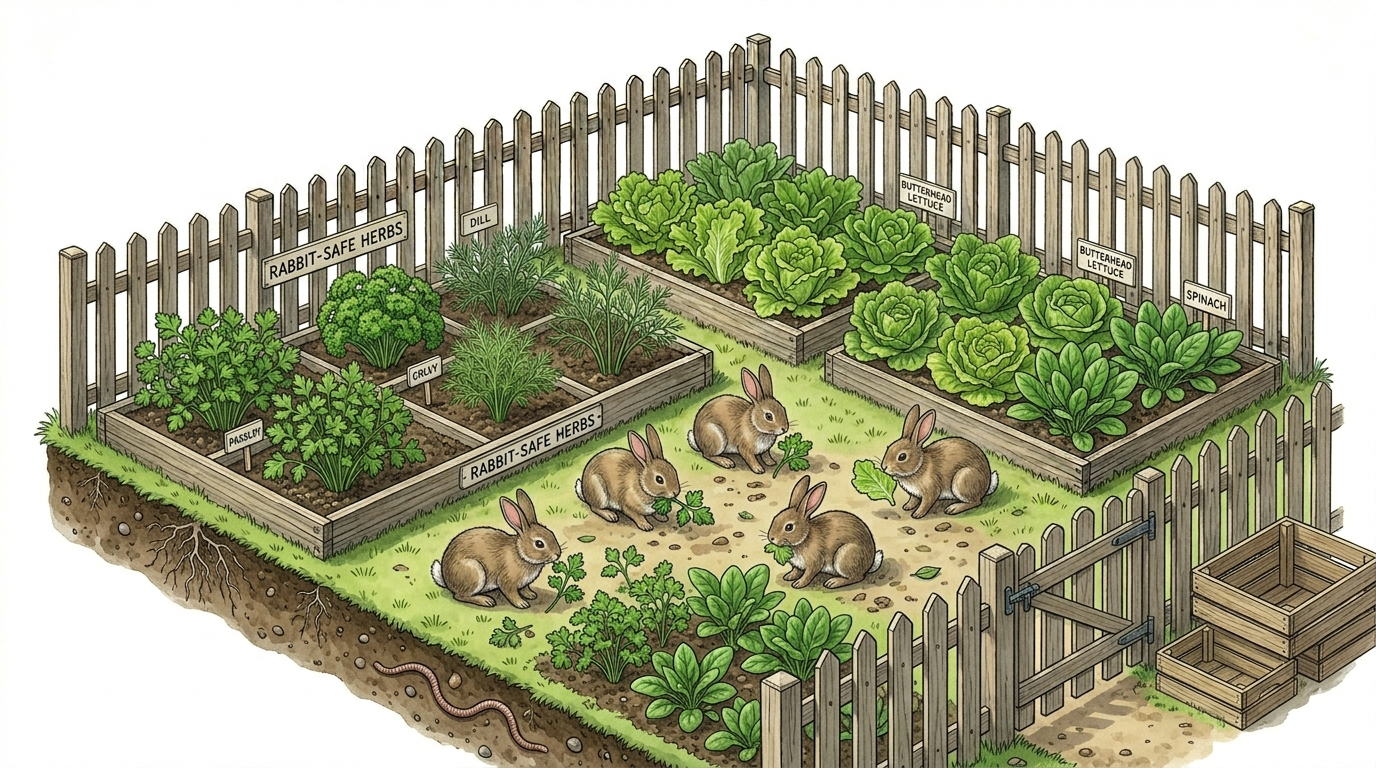
Rabbits in the Garden: Herbs and Vegetables
Learn how to choose suitable herbs and vegetables for rabbits, grow feeding plants, and plan a rabbit-friendly garden.
Guide
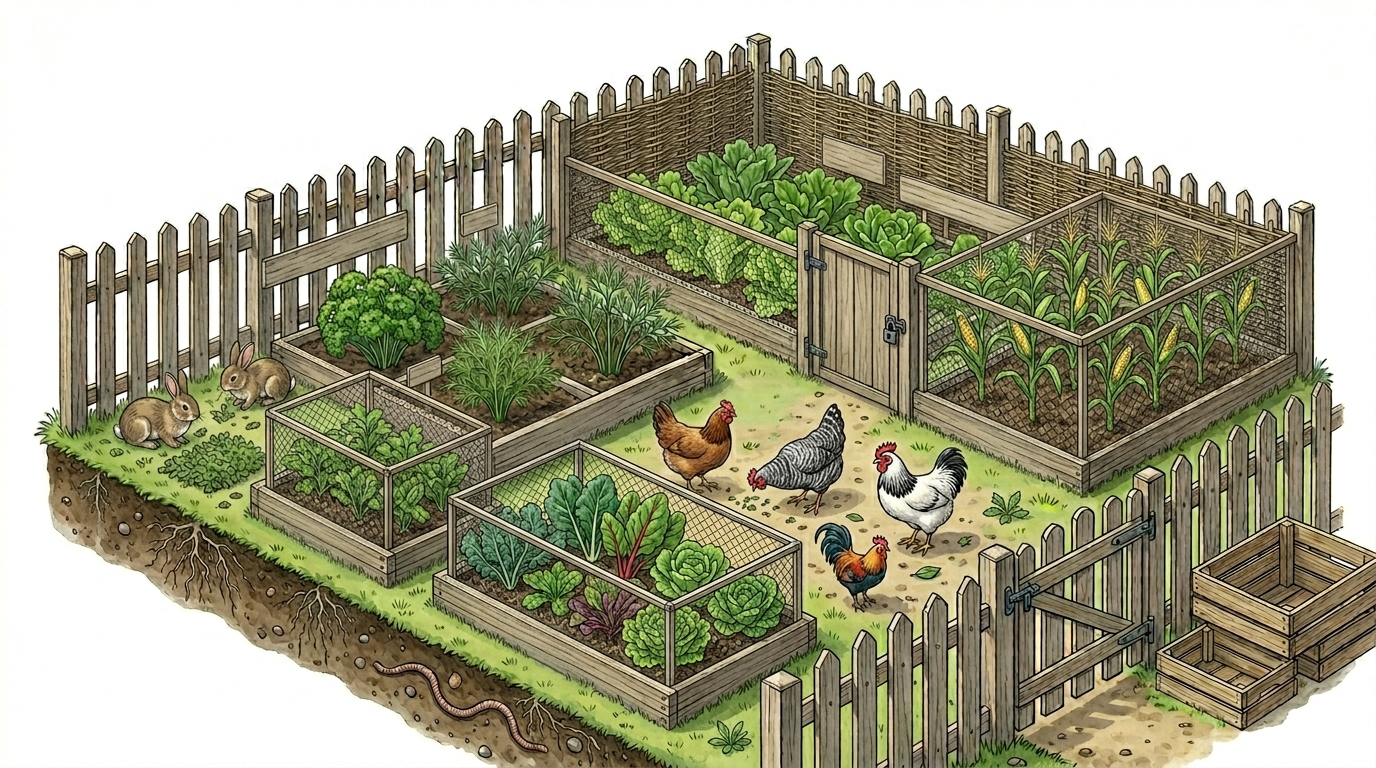
Chickens in the Garden: Safe Plants and Zones
Learn how to design a chicken-friendly garden with suitable plants, protected beds, and well-planned activity areas.
Guide
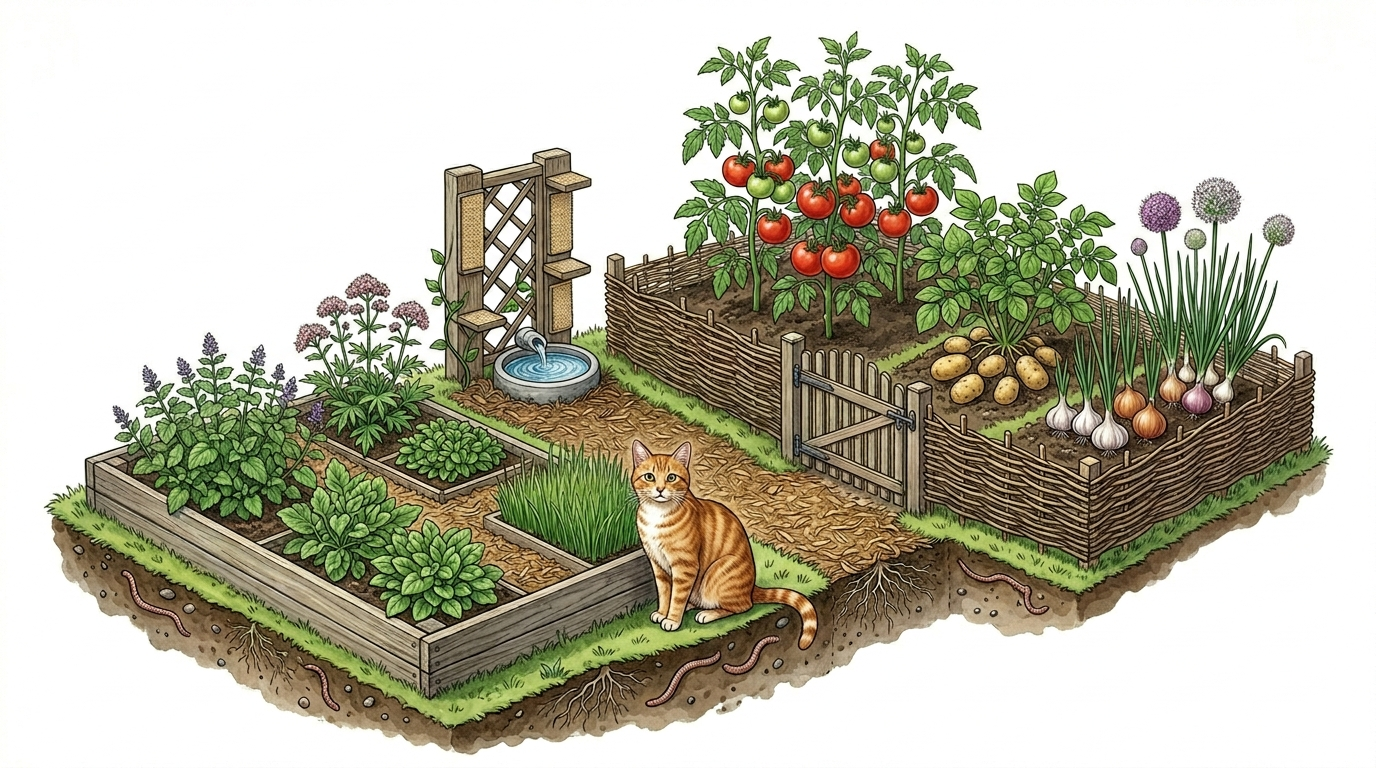
Toxic Garden Plants for Cats: Safer Planning
Learn which garden plants can be risky for cats, how to plan safer beds, and what to do if a cat eats a toxic plant.
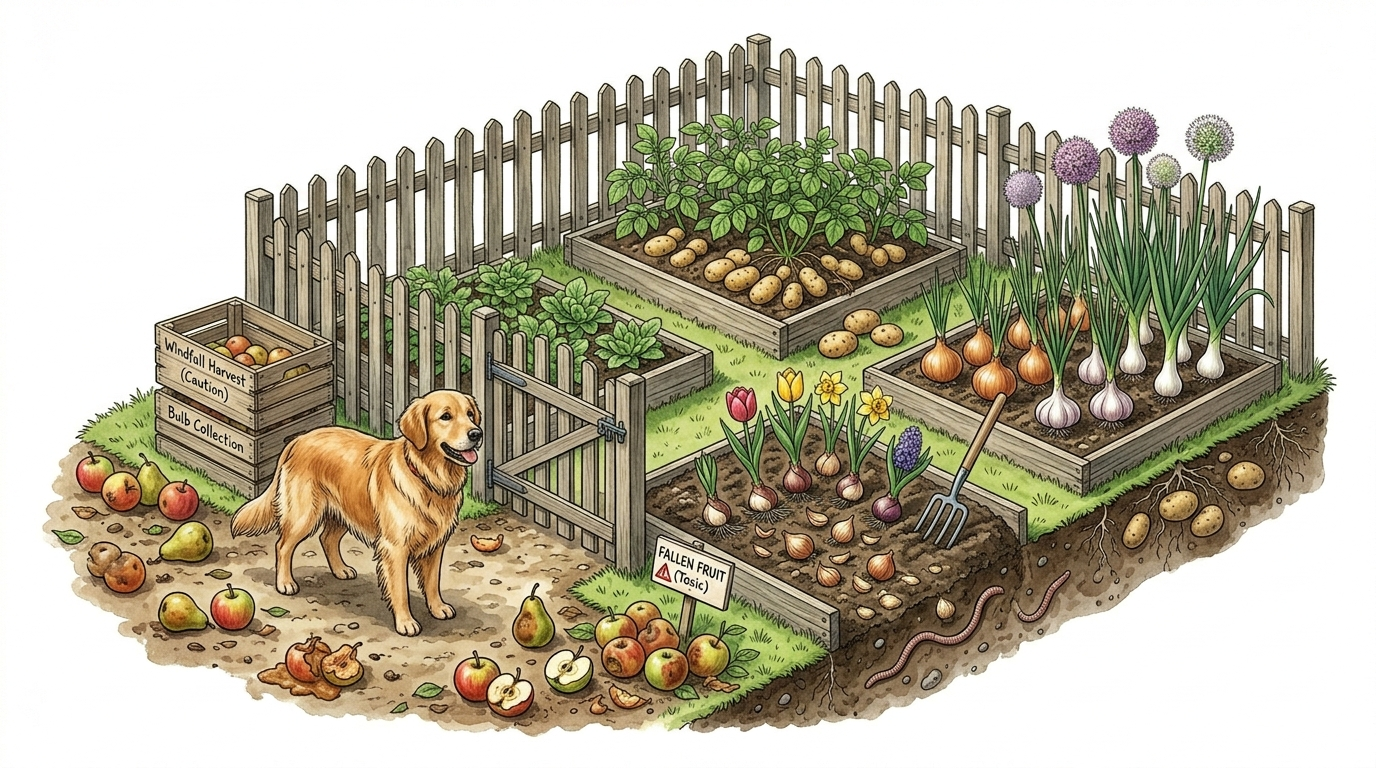
Guide
Dogs in the Garden: Windfall Fruit and Risks
Keep your garden dog-safe by managing windfall fruit, seeds, stored crops, and potentially problematic plant parts.
Internal links
Related plants
Spinach
Similar culinary use of leaves.
Quinoa
Nettle
Beetroot
Both belong to the Amaranthaceae family.
Cabbage
Lettuce
Rhubarb
Both are long-lived perennial garden inhabitants.
Fat Hen
Similar leaf shape, but annual.
Sources
Public sources
- Wikidata entity
Wikidata · 2026-05-13
- GBIF species match
GBIF · 2026-05-13
- Deutschsprachige Wikipedia: Guter Heinrich
Wikipedia · 2026-05-13
- English Wikipedia: Blitum bonus-henricus
Wikipedia · 2026-05-13