Plant Profile
AsparagusAsparagus
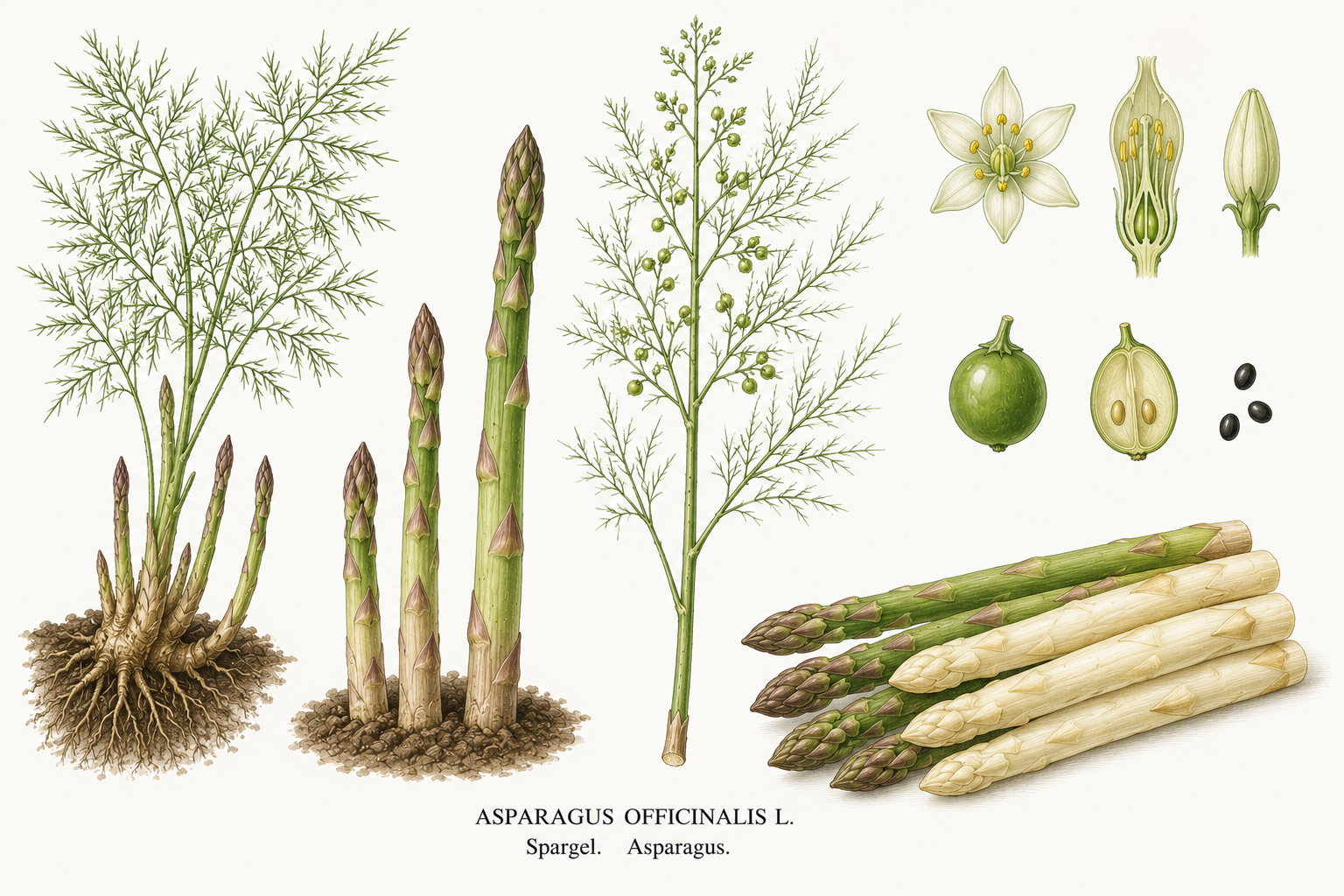
Asparagus is a perennial stem vegetable. It needs deep, humus-rich soil and a sunny location.
Quick profile
Key data
Suitable growing locations:
Indoor & direct sowing
Asparagus: Sowing and germination
Asparagus is generally not started indoors.
Direct sowing is possible, but germination can be slow and uneven. Sow in rows about 30-40 cm apart.
Planting & site
Asparagus: Planting and spacing
Young plants or divided rootstocks are planted out in spring after the last frosts.
Temperature & frost
Asparagus: Temperature and site
Water & nutrients
Asparagus: Water, nutrients and care
Container & growth
Asparagus: Container, support and growth
Year plan
Asparagus Calendar
Asparagus season starts in April and ends by St. John's Day, June 24th.
Recurring tasks
Relevant now
June
- End harvestmid-June: Harvest should not extend beyond St. John's Day (June 24th).
Next up
July
- Allow green shoots to growpost-harvest: These shoots build up energy for next year's spears.
Monthly tasks
Single tasks from monthly data; repeated seasonal windows are shown in the overview above.
January
Quiet month
February
Quiet month
March
Growing
- Prepare soil and incorporate compostsoil workable: Asparagus requires nutrient-rich soil.
April
No additional single task
May
No additional single task
June
Harvest
- End harvestmid-June: Harvest should not extend beyond St. John's Day (June 24th).
August
Quiet month
September
Quiet month
October
Growing
- Soil care and compost applicationlate autumn: Improves soil structure and nutrient supply for the coming spring.
November
Quiet month
December
Quiet month
Flowering & pollination
Asparagus Flowering & pollination
Self-fertility
self-incompatible
Pollinator needed
yes
Overview
Asparagus is dioecious – male and female flowers are on separate plants. Pollination is mainly by insects such as bees and bumblebees. Male plants are considered more productive and are preferred in cultivation.
Notes
Since female plants produce seeds and berries, they invest less energy in spear production. For seed production, both male and female plants need to be present.
Pruning & care
Asparagus Pruning & care
Pruning type
kein Schnittsystem
Pruning timing
Cut back dead foliage to prevent fungal diseases Fronds are cut only when fully yellowed and dead, usually from September onwards.
Remove
Preserve
Healthy green fronds during the growing season for assimilation
Avoid
Cutting healthy green fronds during the growing season
Tools and hygiene
Clean cutting tools before and after use to prevent transmission of fungal diseases (e.g., Fusarium). Disinfect with alcohol or household bleach.
Companion guide
Asparagus Companion guide
Use & storage
Asparagus Use & storage
Harvest time is typically from April to June. No harvest in the first year after planting to allow the plant to establish. Harvesting can begin in the second or third year.
Storage
Short-term storage (fresh) and preserved (frozen/pickled)
Storage life
Fresh: 2–3 days in the refrigerator; blanched frozen: 8–12 months; pickled: up to 1 year.
Flavor
mild, delicately nutty to slightly bitter
Harvest
Harvest time is typically from April to June. No harvest in the first year after planting to allow the plant to establish. Harvesting can begin in the second or third year.
Processing
After harvest
Store spears immediately after harvest in a cool, damp place, preferably wrapped in a damp cloth. Trim the ends freshly before storage. Asparagus is high in sugar and loses aroma and tenderness quickly – ideally consume on the day of harvest.
Notes
Fresh asparagus should not be stored too long as it quickly becomes woody and loses flavor. Always blanch before freezing to preserve quality.
Edibility & safety
Asparagus Edibility & safety
For people
In brief: which parts are edible, which parts remain risky, and whether raw consumption makes sense.
Safety notes
The red berries of asparagus contain saponins and other compounds that are toxic to humans and pets (dogs, cats). Ingestion can cause gastrointestinal upset.
Animal safety
For animals, the specific plant part matters here: some parts may be suitable, while others should be avoided. At least one critical rating is listed for 2 animal types.
Each row shows which parts are more suitable and which parts are critical.
Companion animals
 Dog
DogYoung shoots (asparagus spears)
Berries, Woody ends of spears, Mature fronds
Young shoots (asparagus spears)
Berries, Woody ends of spears, Mature fronds
Consumption of berries or mature plant parts, Overconsumption of young shoots
Vomiting, Diarrhea, Gastrointestinal upset
contact a vet if symptoms appear
Young asparagus spears are suitable for dogs in small amounts as a treat. Berries and mature plant parts contain saponins and can cause gastrointestinal upset. Woody ends are difficult to digest and should be avoided.
Open animal page Cat
CatYoung shoots (asparagus spears)
Berries, Woody ends of spears, Mature fronds
Young shoots (asparagus spears)
Berries, Woody ends of spears, Mature fronds
Consumption of berries or mature plant parts, Overconsumption of young shoots
Vomiting, Diarrhea, Gastrointestinal upset
observe
Young asparagus spears are safe for cats in small amounts as an occasional treat. Berries and mature plant parts contain saponins and can cause gastrointestinal upset. Consult a veterinarian if large amounts or unknown plant parts are ingested.
Open animal page Rabbit
Young shoots (asparagus spears)
Berries, Woody ends of spears, Mature fronds
Young shoots (asparagus spears)
Berries, Woody ends of spears, Mature fronds
Consumption of berries or mature plant parts, Overconsumption of young shoots
Gastrointestinal upset, Diarrhea
contact a vet if symptoms appear
The young shoots of asparagus are generally safe for rabbits in small amounts and can be given as a treat. The red berries as well as woody ends and mature fronds contain saponins and are toxic. Ingestion of toxic parts may cause gastrointestinal upset. Only feed the young, tender shoots and in moderation.
Open animal page Guinea pig
Young shoots (asparagus spears)
Berries, Woody ends of spears, Mature fronds
Young shoots (asparagus spears)
Berries, Woody ends of spears, Mature fronds
Consumption of berries or mature plant parts, Overconsumption of young shoots
Gastrointestinal upset, Vomiting, Diarrhea
observe
The young shoots (asparagus spears) are suitable for guinea pigs in small amounts as a treat. The red berries as well as woody ends and mature fronds contain saponins and are toxic or difficult to digest. Ingestion of toxic parts may cause gastrointestinal upset. Only feed the young, tender shoots and in moderation. Not suitable as a main feed. Consult a veterinarian if uncertain or if symptoms occur.
Open animal page Hamster
Young shoots (asparagus spears)
Berries, Woody ends of spears, Mature fronds
Young shoots (asparagus spears)
Berries, Woody ends of spears, Mature fronds
Consumption of berries or mature plant parts, Overconsumption of young shoots
Gastrointestinal upset, Vomiting, Diarrhea
observe
Young asparagus spears are suitable for hamsters in small amounts as a treat. Berries and mature plant parts contain saponins and are toxic. If toxic parts are ingested, observe for symptoms and consult a veterinarian if symptoms persist.
Open animal page Budgie
Young shoots (asparagus spears)
Berries, Woody ends of spears, Mature fronds
Young shoots (asparagus spears)
Berries, Woody ends of spears, Mature fronds
Consumption of berries or mature plant parts, Overconsumption of edible parts
Gastrointestinal upset, Vomiting, Diarrhea
contact a vet if symptoms appear
The young shoots (asparagus spears) are safe for budgies in small amounts, but the red berries as well as woody ends and mature fronds contain saponins that can cause gastrointestinal upset. Budgies should only receive the tender tips and never have access to berries.
Open animal pageFarm animals
 Horse
HorseYoung shoots (asparagus spears)
Berries, Woody ends of spears, Mature fronds
Young shoots (asparagus spears)
Berries, Woody ends of spears, Mature fronds
Consumption of berries or mature plant parts, Overconsumption of shoots
Gastrointestinal upset, Vomiting, Diarrhea
contact a vet if symptoms appear
The young shoots (spears) are suitable for horses in moderation and are occasionally fed as a treat. The red berries as well as woody ends and mature fronds contain saponins and can cause gastrointestinal upset. Feeding should be limited to the young, tender shoots. If toxic parts are ingested, observe for symptoms and contact a veterinarian if symptoms persist or are severe.
Open animal page Chicken
Young shoots (asparagus spears)
Berries, Woody ends of spears, Mature fronds
Young shoots (asparagus spears)
Berries, Woody ends of spears, Mature fronds
Consumption of berries or mature plant parts, Overconsumption of young shoots
Gastrointestinal upset, Vomiting, Diarrhea
observe
Young asparagus spears are suitable for chickens in small amounts as a treat. Berries and mature plant parts contain saponins and are toxic. Overfeeding may cause digestive issues. No specific poultry studies found, but conservative classification based on known toxins and poultry feeding practices.
Open animal page Duck
DuckYoung shoots (asparagus spears)
Berries, Woody ends of spears, Mature fronds
Young shoots (asparagus spears)
Berries, Woody ends of spears, Mature fronds
Consumption of berries or mature plant parts, Overconsumption of shoots
Gastrointestinal upset, Vomiting, Diarrhea
observe
Young asparagus shoots are safe for ducks in moderation and can be offered as a treat. Berries, woody ends, and mature fronds contain saponins and should be avoided. Ingestion of toxic parts may cause gastrointestinal upset. Ducks should not have access to mature berries.
Open animal page Goose
GooseYoung shoots (asparagus spears)
Berries, Woody ends of spears, Mature fronds
Young shoots (asparagus spears)
Berries, Woody ends of spears, Mature fronds
Consumption of berries or mature plant parts, Overconsumption of young shoots
Gastrointestinal upset, Vomiting, Diarrhea
observe
The young shoots of asparagus are suitable for geese in small amounts as an occasional treat. The red berries as well as woody ends and mature fronds contain saponins and can cause gastrointestinal upset. Feeding should be limited to the young, tender shoots. If toxic parts are ingested, observe for symptoms and consult a veterinarian if issues persist.
Open animal page Sheep
SheepYoung shoots (asparagus spears)
Berries, Woody ends of spears, Mature fronds
Young shoots (asparagus spears)
Berries, Woody ends of spears, Mature fronds
Consumption of berries or mature plant parts, Overconsumption of shoots
Gastrointestinal upset, Vomiting, Diarrhea
observe
Young asparagus shoots are generally safe for sheep in moderation, while berries and mature plant parts contain saponins that can cause gastrointestinal upset. Sheep should only consume the young, tender shoots and be prevented from accessing berries and woody ends. If large amounts or toxic parts are ingested, the animal should be observed and a veterinarian consulted if symptoms persist.
Open animal page Goat
GoatYoung shoots (asparagus spears)
Berries, Woody ends of spears, Mature fronds
Young shoots (asparagus spears)
Berries, Woody ends of spears, Mature fronds
Consumption of berries, Consumption of woody or mature plant parts
Gastrointestinal upset, Vomiting, Diarrhea
observe
The young shoots of asparagus are safe for goats in moderation and can be fed as an occasional treat. The red berries as well as woody ends and mature fronds contain saponins and are toxic or poorly digestible. Ingestion of toxic parts may cause gastrointestinal upset. Goats tend to explore various plant parts, so access to berries and mature plants should be prevented. In case of suspected poisoning, a…
Open animal page Cattle
Young shoots (asparagus spears)
Berries, Woody ends of spears, Mature fronds
Young shoots (asparagus spears)
Berries, Woody ends of spears, Mature fronds
Consumption of berries or mature plant parts, Overconsumption of young shoots
Gastrointestinal upset, Vomiting, Diarrhea
observe
Young asparagus spears are tolerable for cattle in small amounts and can be fed as an occasional supplement. Berries and mature plant parts contain saponins and are toxic. Ingestion of toxic parts may cause gastrointestinal upset. No evidence of severe poisoning in cattle from asparagus spears.
Open animal page Pig
PigYoung shoots (asparagus spears)
Berries, Woody ends of spears, Mature fronds
Young shoots (asparagus spears)
Berries, Woody ends of spears, Mature fronds
Consumption of berries or mature plant parts, Overconsumption of young shoots
Gastrointestinal upset, Vomiting, Diarrhea
contact a vet if symptoms appear
Young asparagus spears are edible for pigs and can be fed occasionally as a treat. The red berries as well as woody ends and mature fronds contain saponins and are toxic. Overconsumption of young shoots may lead to digestive issues. No indications of severe poisoning in pigs from asparagus spears found, but caution advised due to saponins in other parts.
Open animal pageThese guidelines are for general information only and do not replace veterinary diagnosis. If critical plant parts were ingested or the animal shows unusual behaviour or symptoms, seek veterinary advice.
Max risk
unknown
Highest status
do not feed
Urgency
contact a vet if symptoms appear
Saving seed
Asparagus Saving seed
Seed viability
2 - 3 years
Method
Asparagus is propagated from seed or root divisions. For seed saving, collect the red berries from female plants when soft and deep red (late summer/autumn). Mash berries, wash out seeds, and dry them.
Notes
Male plants are more productive, so propagation by root division is preferred. Seed propagation results in a mix of male and female plants; males can be selected.
Practical tips
Asparagus Practical tips
Common beginner mistakes
Success pattern
High-impact tips
Grower observations
Plant Profile
Additional plant images

Health
Pests, Diseases
Pests
Asparagus beetle (Crioceris asparagi)
- Feeding holes on spears and fronds
- Discoloration of fronds
- Egg clusters on shoots
Asparagus fly (Platyparea poeciloptera)
- Wilting and dying shoot tips
- Mining tunnels in the spears
Diseases
Asparagus rust (Puccinia asparagi)
- Yellow to orange pustules on fronds
- Premature dieback of fronds
- Plant weakness
Asparagus wilt (Fusarium spp.)
- Yellow, wilting fronds
- Brown discoloration of roots
- Death of whole plants
Deficiencies
- Pale, yellowish fronds
- Weak growth
- Thin spears
- Brown tips on spears
- Reduced resistance to diseases
- Dark green, dull fronds
- Poor root development
Plant health
Diagnosis help
Asparagus Diagnosis help
Pest groups
Disease groups
Prevention
Diagnosis
When problems occur, first inspect the fronds, spears, and roots for pests and signs of disease. Nutrient deficiencies often show in leaf color and growth.
Cultural prevention
Monitoring
First response
Diagnostic rules
Orange pustules on fronds
Possible causes: Asparagus rust
- Check underside of fronds
- Check affected fronds for moisture
Yellowish, wilting fronds and brown roots
Possible causes: Fusarium wilt, Root rot
- Dig up roots and check for discoloration
- Check soil for waterlogging
Feeding holes on spears and fronds
Possible causes: Asparagus beetle, Lily beetle
- Look for beetles and larvae on fronds
- Identify egg clusters on shoots
FAQ
When can I harvest asparagus?
Start from the second or third year after planting, from April to mid-June (by St. John's Day at the latest).
Is asparagus suitable for containers?
No, asparagus has deep roots and is perennial, so it is not suitable for container cultivation.
Does asparagus need fertilizer?
Yes, asparagus is a heavy feeder. Fertilize in spring before growth begins and after harvest with compost or organic fertilizer.
Why are my asparagus spears thin?
Possible causes: nutrient deficiency (especially nitrogen), drought, or aging plants. Fertilize and water regularly.
Is Asparagus safe for Dog?
Asparagus is classified as moderation only for Dog. Risk: unknown. Urgency: contact a vet if symptoms appear. Young asparagus spears are suitable for dogs in small amounts as a treat. Berries and mature plant parts contain saponins and can cause gastrointestinal upset. Woody ends are difficult to digest and should be avoided.
Is Asparagus safe for Cat?
Asparagus is classified as moderation only for Cat. Risk: unknown. Urgency: observe. Young asparagus spears are safe for cats in small amounts as an occasional treat. Berries and mature plant parts contain saponins and can cause gastrointestinal upset. Consult a veterinarian if large amounts or unknown plant parts are ingested.
Is Asparagus safe for Rabbit?
Asparagus is classified as moderation only for Rabbit. Risk: unknown. Urgency: contact a vet if symptoms appear. The young shoots of asparagus are generally safe for rabbits in small amounts and can be given as a treat. The red berries as well as woody ends and mature fronds contain saponins and are toxic. Ingestion of toxic parts may cause gastrointestinal upset. Only feed the young, tender shoots and in moderation.
Is Asparagus safe for Budgie?
Asparagus is classified as do not feed for Budgie. Risk: unknown. Urgency: contact a vet if symptoms appear. The young shoots (asparagus spears) are safe for budgies in small amounts, but the red berries as well as woody ends and mature fronds contain saponins that can cause gastrointestinal upset. Budgies should only receive the tender tips and never have access to berries.
Guides
Related guides
Guide
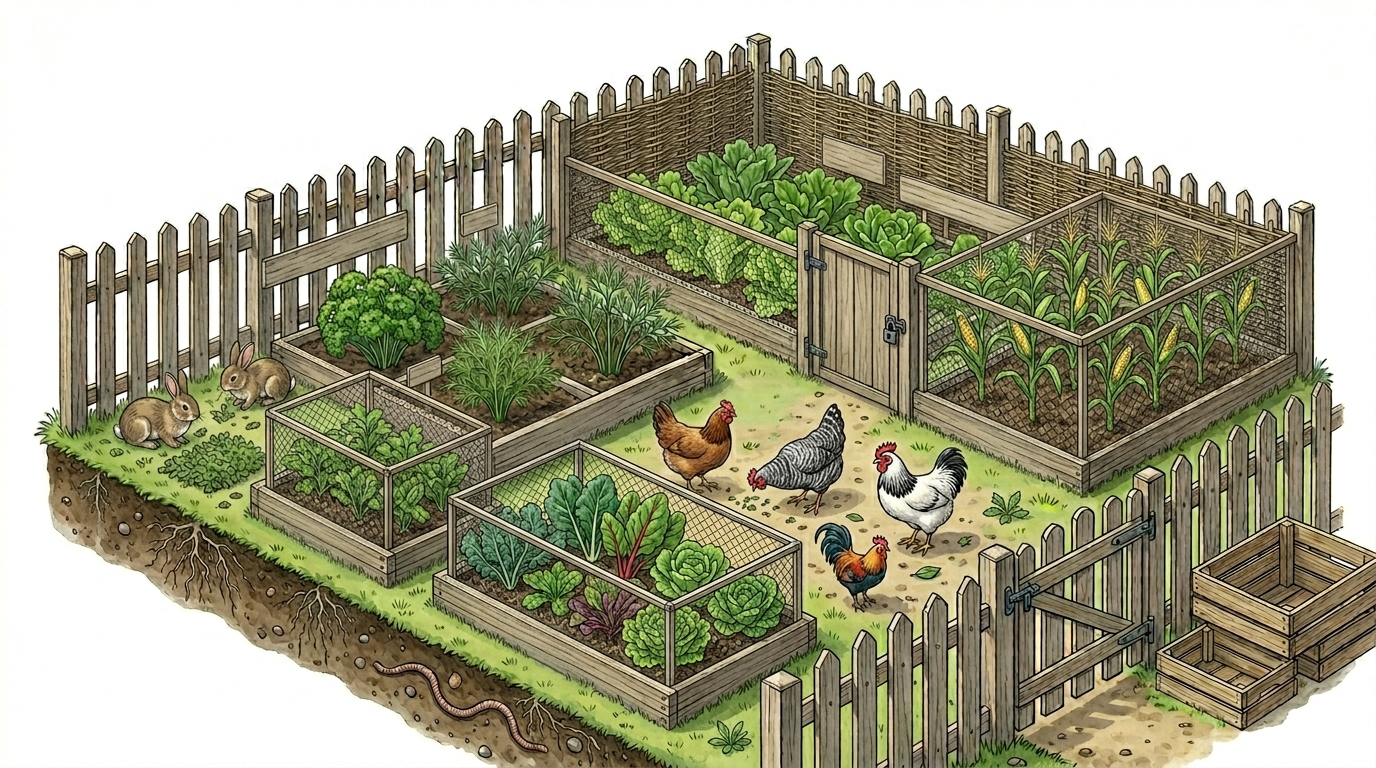
Horse Pastures and Garden Plants: Safety Checks
Learn how to identify risks near horse pastures, fences, turnout areas, fruit trees, and garden planting zones.
Guide
Chickens in the Garden: Safe Plants and Zones
Learn how to design a chicken-friendly garden with suitable plants, protected beds, and well-planned activity areas.
Guide
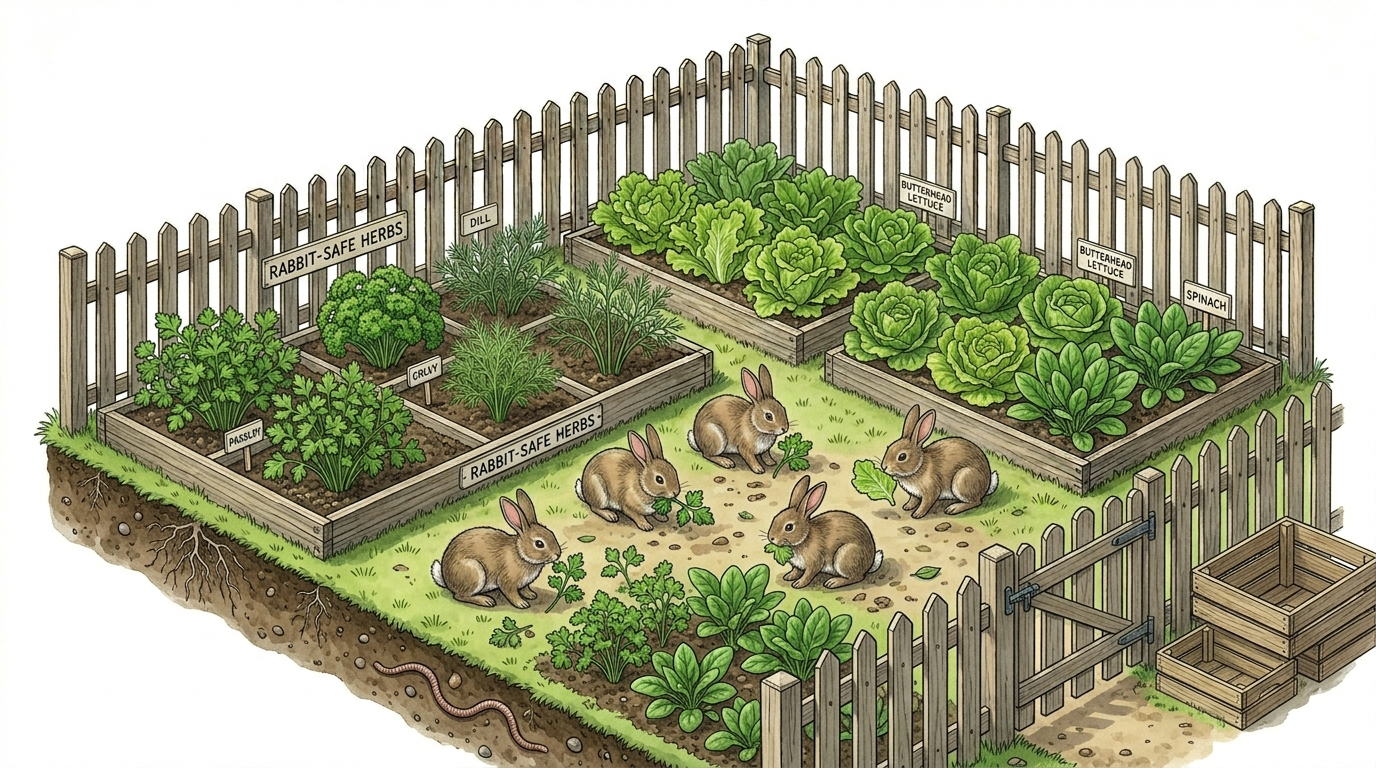
Rabbits in the Garden: Herbs and Vegetables
Learn how to choose suitable herbs and vegetables for rabbits, grow feeding plants, and plan a rabbit-friendly garden.
Guide
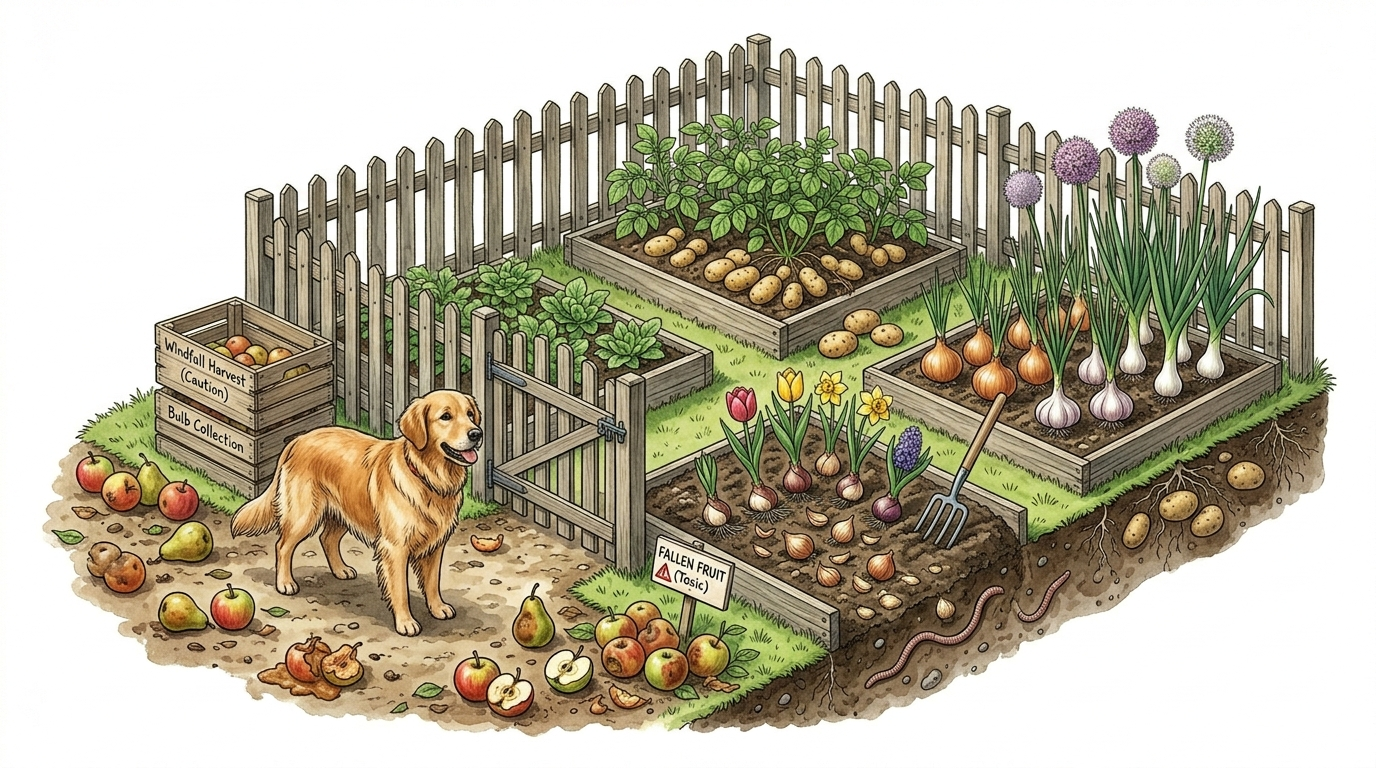
Dogs in the Garden: Windfall Fruit and Risks
Keep your garden dog-safe by managing windfall fruit, seeds, stored crops, and potentially problematic plant parts.
Internal links
Related plants
broccoli
Occasionally called 'Spargelkohl' (asparagus cabbage) in German, but is a different species.
Sources
Public sources
- Wikidata entity
Wikidata · 2026-05-15
- GBIF species match
GBIF · 2026-05-15
- Deutschsprachige Wikipedia: Spargel
Wikipedia · 2026-05-15
- English Wikipedia: Asparagus (genus)
Wikipedia · 2026-05-15