Plant Profile
Common WalnutJuglans regia
The Common Walnut tree (Juglans regia) is an impressive deciduous tree valued for its nutritious nuts and valuable wood. It prefers sunny locations and deep soils. Harvesting takes place in autumn, and the nuts have versatile uses. Walnut trees can live to a great age and require ample space.
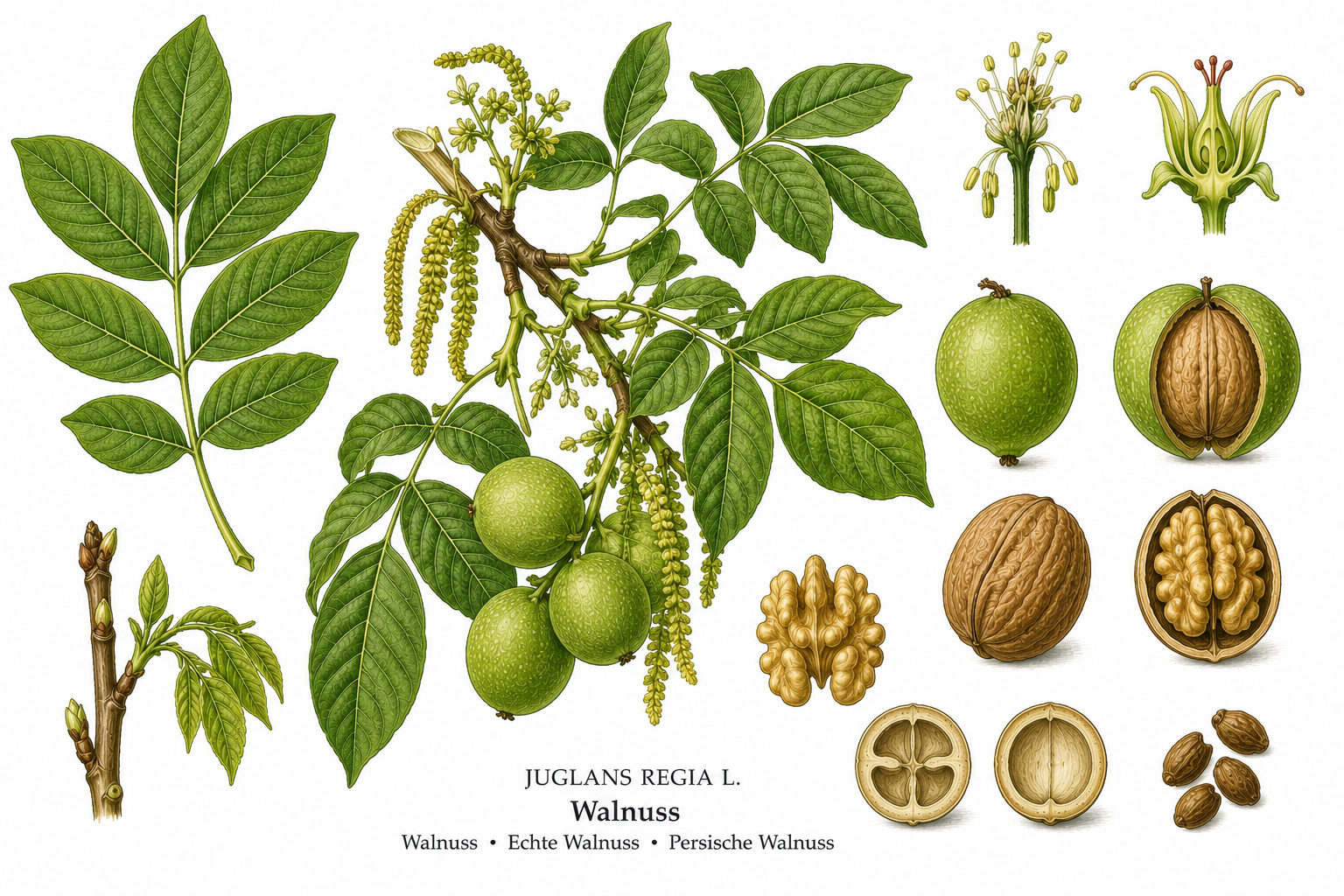
Quick profile
Key data
Suitable growing locations:
Good neighbors
MapleOakBirchPoplar
Avoid
AppletomatoPotatoBlueberry
Indoor & direct sowing
Common Walnut: Sowing and germination
Not suitable for indoor sowing.
Direct sow in spring as soon as the soil has warmed up. Nuts can also be sown directly in autumn, but are then more susceptible to pests.
Planting & site
Common Walnut: Planting and spacing
Walnuts are usually sown directly or purchased as young plants and planted out. Pre-grown plants can be planted out after the last frosts.
Site & practical notes
Walnut trees require ample space and should not be planted too close to buildings or other trees. Be mindful of the juglone tolerance of neighboring plants. Young trees are frost-sensitive and require winter protection.
Temperature & frost
Common Walnut: Temperature and site
Water & nutrients
Common Walnut: Water, nutrients and care
Container & growth
Common Walnut: Container, support and growth
Year plan
Common Walnut Calendar
Autumn is harvest time, when ripe walnuts fall from the tree.
Recurring tasks
Relevant now
June
- Thin out excessive growth if necessaryStarkes, unkontrolliertes Wachstum.: Promotes fruit formation and air circulation.
Next up
July
- No additional single task
Monthly tasks
Single tasks from monthly data; repeated seasonal windows are shown in the overview above.
January
Quiet month
February
Quiet month
March
Direct sowing
- Prepare soil and sow walnuts directlyBoden ist bearbeitbar und hat sich erwärmt.: Choose a well-draining location.
April
Plant health
- Monitor for pests and diseasesBeginnende Wachstumsperiode.: Early detection facilitates control.
May
No additional single task
June
Pruning
- Thin out excessive growth if necessaryStarkes, unkontrolliertes Wachstum.: Promotes fruit formation and air circulation.
August
Growing
- Observe for first signs of ripeningSpätsommer.: The husk begins to change color and open.
September
Harvest
- Begin harvesting walnutsFruchthüllen platzen auf.: Collect nuts from the ground or shake from branches.
October
Harvest
- Main harvest time for walnutsHerbst.: Continue harvesting and drying.
Pruning
- Tree pruning (shaping, thinning)Nach der Ernte, vor dem Winter.: Remove dead or diseased branches and shape the crown.
November
Growing
- Soil care around the treeHerbst.: Remove fallen leaves to prevent diseases.
Pruning
- Tree pruning (shaping, thinning)Laubfall, vor dem Winter.: Remove dead or diseased branches and shape the crown.
December
Growing
- Soil care around the treeWinter.: Remove fallen leaves to prevent diseases.
Plant health
- Check for pests and diseases in winterWinter.: Identify potential problems for the next spring.
Flowering & pollination
Common Walnut Flowering & pollination
Flowering period
April to May
Flower type
Monoecious (male and female flowers on the same tree)
Self-fertility
partially self-fertile
Pollinator needed
no
Overview
Walnut trees are monoecious and wind-pollinated. Many varieties exhibit dichogamy (protandry or protogyny), where male and female flowers mature at different times, hindering self-pollination and promoting cross-pollination.
Notes
Although walnut trees are self-fertile, dichogamy (male and female flowers maturing at different times) can lead to reduced fruit set. Planting two or more trees of different varieties with overlapping flowering times significantly improves yield. Pollination occurs exclusively by wind.
Pruning & care
Common Walnut Pruning & care
Pruning type
Formative and maintenance pruning for fruit production and tree health.
Pruning timing
Formative pruning on young trees before bud break to establish crown structure. Allows for good wound healing and promotes vigorous growth.
Maintenance pruning after harvest to remove dead/diseased wood and for thinning. Cuts heal more slowly, but removing infected material is important.
Remove
Preserve
Avoid
Tools and hygiene
Clean and disinfect pruning tools (secateurs, saw) regularly, especially after cutting diseased wood, to prevent disease spread. Use an alcohol or bleach solution (1 part bleach to 9 parts water).
Companion guide
Common Walnut Companion guide
Good neighbors
MapleOakBirchPoplarSycamoreCornBeansSquashDaffodilsDaylilies
Avoid
AppletomatoPotatoBlueberryRhododendronPineAlfalfaCabbage familyAsparagus
Use & storage
Common Walnut Use & storage
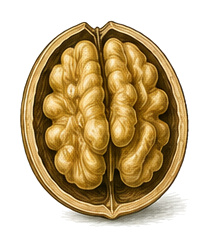
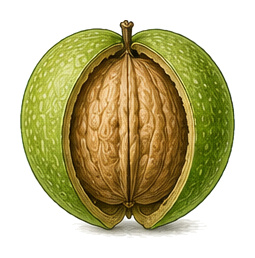
The harvest time for walnuts is in autumn when the green husks split open and the nuts fall to the ground. They can also be shaken from the trees.
Storage
Dry storage
Storage life
In shell: 6-12 months at room temperature, up to 2 years in a cool, dry place (e.g., cellar). Shelled: A few weeks at room temperature, several months in the refrigerator, up to 1 year in the freezer.
Primary use
Fresh consumption, baking, cooking, oil production.
Flavor
Rich, nutty, slightly bitter, with a characteristic earthy note.
Harvest
The harvest time for walnuts is in autumn when the green husks split open and the nuts fall to the ground. They can also be shaken from the trees.
Culinary uses
Processing
After harvest
After harvesting, nuts should be immediately freed from their green husks (wear gloves, as husks stain). Then wash thoroughly to remove residues and allow to dry in a well-ventilated, dry place (not in direct sunlight) for several weeks until the kernel's moisture content is reduced to about 8-10%. This prevents mold and extends shelf life.
Edibility & safety
Common Walnut Edibility & safety
For people
In brief: which parts are edible, which parts remain risky, and whether raw consumption makes sense.
Safety notes
Walnut trees produce juglone, a chemical compound that is toxic to many other plants (especially nightshades) due to allelopathy. Juglone can also stain skin and cause mild irritation in sensitive individuals. However, the nut kernels themselves are safe and edible.
Animal safety
For animals, the specific plant part matters here: some parts may be suitable, while others should be avoided. At least one critical rating is listed for 12 animal types.
Each row shows which parts are more suitable and which parts are critical.
Companion animals
 Dog
DogFruit (nut kernel)
Green fruit husks (staining, contain juglone), Leaves (contain juglone), Roots (contain juglone)
Fruit (nut kernel)
Green fruit husks (staining, contain juglone), Leaves (contain juglone), Roots (contain juglone)
Ingestion of leaves, husks, or roots, Consumption of unripe or moldy nuts
Gastrointestinal upset, Vomiting, Diarrhea
contact a vet if symptoms appear
The edible nut kernels are generally safe for dogs in small amounts, but other plant parts (leaves, green husks, roots) may cause gastrointestinal upset due to juglone content. Moldy nuts can produce mycotoxins posing a higher risk. Regular feeding is not recommended due to high fat content and potential digestive issues.
Open animal page Cat
CatFruit (nut kernel)
Green fruit husks, Leaves, Roots
Fruit (nut kernel)
Green fruit husks, Leaves, Roots
Ingestion of leaves, husks, or roots
Vomiting, Diarrhea
contact a vet if symptoms appear
The nut kernel is edible and safe for cats in small amounts, but other plant parts contain juglone, which can cause gastrointestinal upset. Due to the risk of accidental ingestion of toxic parts, it is generally not recommended.
Open animal page Rabbit
Fruit (nut kernel)
Green fruit husks, Leaves, Roots
Fruit (nut kernel)
Green fruit husks, Leaves, Roots
Consumption of non-edible parts, Unripe or moldy nuts
Gastrointestinal upset
observe
The nut kernel of Juglans regia is edible for rabbits in small amounts, but other plant parts contain juglone, which can cause gastrointestinal upset. Feed only the kernel and avoid mold.
Open animal page Guinea pig
Fruit (nut kernel)
Green fruit husks, Leaves, Roots
Fruit (nut kernel)
Green fruit husks, Leaves, Roots
Consumption of non-edible parts, Unripe or moldy nuts
Gastrointestinal upset
observe
No direct species-specific source was found for guinea pigs. This is a cautious inference from the rabbits profile and the known plant-part risks.
Open animal page Hamster
Fruit (nut kernel)
Green fruit husks (staining, contain juglone), Leaves (contain juglone), Roots (contain juglone)
Fruit (nut kernel)
Green fruit husks (staining, contain juglone), Leaves (contain juglone), Roots (contain juglone)
Consumption of non-edible parts (leaves, husks, roots), Overconsumption of nut kernels due to high fat content
Gastrointestinal upset, Vomiting, Diarrhea
observe
The edible nut kernel of the walnut is suitable for hamsters in small amounts as an occasional treat but is high in fat and should be fed sparingly. All other plant parts contain juglone and are toxic. If toxic parts are ingested, observe for symptoms and consult a veterinarian if signs persist.
Open animal page Budgie
Fruit (nut kernel)
Green fruit husks, Leaves, Roots
Fruit (nut kernel)
Green fruit husks, Leaves, Roots
Ingestion of leaves, husks, or roots, High fat content of nut kernels
Gastrointestinal upset, Vomiting, Diarrhea
contact a vet if symptoms appear
The nut kernel of the walnut is edible for budgies and can occasionally be given as a treat, but due to its high fat content, only in small amounts. Leaves, husks, and roots contain juglone and are toxic. Ingestion of these parts may cause gastrointestinal upset. If symptoms occur, a veterinarian should be consulted.
Open animal pageFarm animals
 Horse
HorseFruit (nut kernel)
Green fruit husks, Leaves, Roots
Fruit (nut kernel)
Green fruit husks, Leaves, Roots
Consumption of non-edible parts, Skin contact with green parts
Gastrointestinal upset, Skin irritation
observe
The edible nut kernels are safe for horses in moderation, but all green plant parts (fruit husks, leaves, roots) contain juglone and may cause gastrointestinal upset or skin irritation. Due to the lack of horse-specific sources, a conservative assessment is made.
Open animal page Chicken
Fruit (nut kernel)
Green fruit husks, Leaves, Roots
Fruit (nut kernel)
Green fruit husks, Leaves, Roots
Consumption of non-edible parts, Overconsumption of nut kernels
Gastrointestinal upset, Vomiting, Diarrhea
contact a vet if symptoms appear
The edible nut kernels are safe for chickens in moderation and can occasionally be given as a treat. Other plant parts contain juglone, which can cause gastrointestinal upset if ingested. Overfeeding nut kernels due to their high fat content should be avoided. If symptoms occur after ingestion of any plant part, a veterinarian should be consulted.
Open animal page Duck
DuckFruit (nut kernel)
Green fruit husks, Leaves, Roots
Fruit (nut kernel)
Green fruit husks, Leaves, Roots
Consumption of non-edible parts
Gastrointestinal upset
observe
Edible nut kernels are safe for ducks in moderation, while other plant parts contain juglone and may cause gastrointestinal upset. A part-specific risk assessment is appropriate.
Open animal page Goose
GooseFruit (nut kernel)
Green fruit husks, Leaves, Roots
Fruit (nut kernel)
Green fruit husks, Leaves, Roots
Consumption of non-edible parts, Unripe or green nuts
Gastrointestinal upset, Vomiting, Diarrhea
observe
The edible nut kernels are suitable for geese in small amounts as an occasional treat, but other plant parts contain juglone and may cause gastrointestinal upset. Feed only the shelled kernel, never whole unripe fruits or leaves. Consult a veterinarian if large amounts or inappropriate parts are consumed.
Open animal page Sheep
SheepFruit (nut kernel)
Green fruit husks, Leaves, Roots
Fruit (nut kernel)
Green fruit husks, Leaves, Roots
Consumption of leaves, husks, or roots, Feed contamination with fallen plant parts
Gastrointestinal upset, Diarrhea
observe
The nut kernels of Juglans regia are edible and nutritious for sheep, but other plant parts contain juglone, which can cause gastrointestinal irritation if ingested. Sheep should be restricted to nut kernels only, especially if fallen fruits or leaves are present on pasture. Monitoring is advised if access to non-nut parts exists.
Open animal page Goat
GoatFruit (nut kernel)
Green fruit husks, Leaves, Roots
Fruit (nut kernel)
Green fruit husks, Leaves, Roots
Consumption of non-edible parts, Skin contact with green parts
Gastrointestinal upset, Vomiting, Diarrhea
contact a vet if symptoms appear
The edible nut kernels are generally safe for goats in moderation, but other plant parts contain juglone, which can cause gastrointestinal upset. Goats should only have access to mature nuts and should not be allowed to browse on leaves, husks, or roots. If toxic parts are ingested, monitor for symptoms and consult a veterinarian if symptoms persist.
Open animal page Cattle
Fruit (nut kernel)
Green fruit husks, Leaves, Roots
Fruit (nut kernel)
Green fruit husks, Leaves, Roots
Consumption of leaves, husks, or roots, Feed contamination with fallen plant material
Gastrointestinal upset, Diarrhea
contact a vet if symptoms appear
Nut kernels are edible for cattle and can be given occasionally as a treat. Other plant parts contain juglone, which can cause gastrointestinal irritation if ingested. Feed should be checked for contamination with fallen leaves or fruit.
Open animal page Pig
PigNo suitable parts listed
No risk parts listed
No suitable parts listed
No risk parts listed
unknown
['The edible nut kernels are safe for pigs in moderation and can be given as a treat. All other parts of the tree contain juglone and are toxic. Ingestion of toxic parts may cause gastrointestinal upset.']
Open animal pageThese guidelines are for general information only and do not replace veterinary diagnosis. If critical plant parts were ingested or the animal shows unusual behaviour or symptoms, seek veterinary advice.
Max risk
unknown
Highest status
do not feed
Urgency
contact a vet if symptoms appear
Saving seed
Common Walnut Saving seed
Seed viability
1 - 2 years
Practical tips
Common Walnut Practical tips
Common beginner mistakes
Success pattern
High-impact tips
Plant Profile
Additional plant images
Health
Pests, Diseases
Plant health
Diagnosis help
Common Walnut Diagnosis help
Pest groups
Disease groups
Prevention
Diagnosis
Look for discolorations, spots, and deformities on leaves, fruits, and shoots. Also check soil conditions and weather patterns.
Cultural prevention
Monitoring
First response
Diagnostic rules
Dark, soft spots on green fruit husks, maggots inside the husk
Possible causes: Walnut husk fly
- Check fruit husks for small puncture holes
- Check yellow sticky traps in the tree for flies
Small, round, later irregular brown spots on leaves that spread; premature leaf drop
Possible causes: Walnut anthracnose
- Recent humid weather?
- Remove fallen leaves from previous year
Black, sunken spots on young leaves, shoots, and fruit husks; flowers die off
Possible causes: Bacterial Blight
- Cool, humid spring?
- Visual inspection for slime or wet spots
Yellowish leaves, especially on young shoots, despite adequate moisture
Possible causes: Zinc deficiency, Iron deficiency
- Check soil pH
- Consider soil nutrient analysis
FAQ
When is the best time to plant a walnut tree?
The best time to plant walnut trees is in autumn or early spring when the soil is workable and there is no extreme heat or frost. Young trees can also be purchased in containers and planted almost year-round, as long as the soil is not frozen.
How much space does a walnut tree need?
Walnut trees grow very large and wide. Plan for at least 8-15 meters of space from other trees, buildings, or paths, depending on the variety and desired crown structure.
Why isn't my walnut tree producing nuts?
Possible reasons include: the tree is too young (full yields often not until 10-15 years), insufficient pollination (two trees of different varieties improve yield), late frosts damaging flowers or young fruits, or unfavorable site conditions (too little sun, waterlogging).
What is juglone and how does it affect my plants?
Juglone is a chemical compound produced by the walnut tree that inhibits the growth of many other plants (allelopathy). Sensitive plants like tomatoes, potatoes, apples, and rhododendrons should not be planted near walnut trees. Tolerant plants like maples, oaks, or corn can grow nearby.
Is Common Walnut safe for Dog?
Common Walnut is classified as do not feed for Dog. Risk: unknown. Urgency: contact a vet if symptoms appear. The edible nut kernels are generally safe for dogs in small amounts, but other plant parts (leaves, green husks, roots) may cause gastrointestinal upset due to juglone content. Moldy nuts can produce mycotoxins posing a higher risk. Regular feeding is not recommended due to high fat content and potential digestive issues.
Is Common Walnut safe for Cat?
Common Walnut is classified as do not feed for Cat. Risk: unknown. Urgency: contact a vet if symptoms appear. The nut kernel is edible and safe for cats in small amounts, but other plant parts contain juglone, which can cause gastrointestinal upset. Due to the risk of accidental ingestion of toxic parts, it is generally not recommended.
Is Common Walnut safe for Rabbit?
Common Walnut is classified as do not feed for Rabbit. Risk: unknown. Urgency: observe. The nut kernel of Juglans regia is edible for rabbits in small amounts, but other plant parts contain juglone, which can cause gastrointestinal upset. Feed only the kernel and avoid mold.
Is Common Walnut safe for Guinea pig?
Common Walnut is classified as do not feed for Guinea pig. Risk: unknown. Urgency: observe. No direct species-specific source was found for guinea pigs. This is a cautious inference from the rabbits profile and the known plant-part risks.
Guides
Related guides
Guide
Horse Pastures and Garden Plants: Safety Checks
Learn how to identify risks near horse pastures, fences, turnout areas, fruit trees, and garden planting zones.
Guide
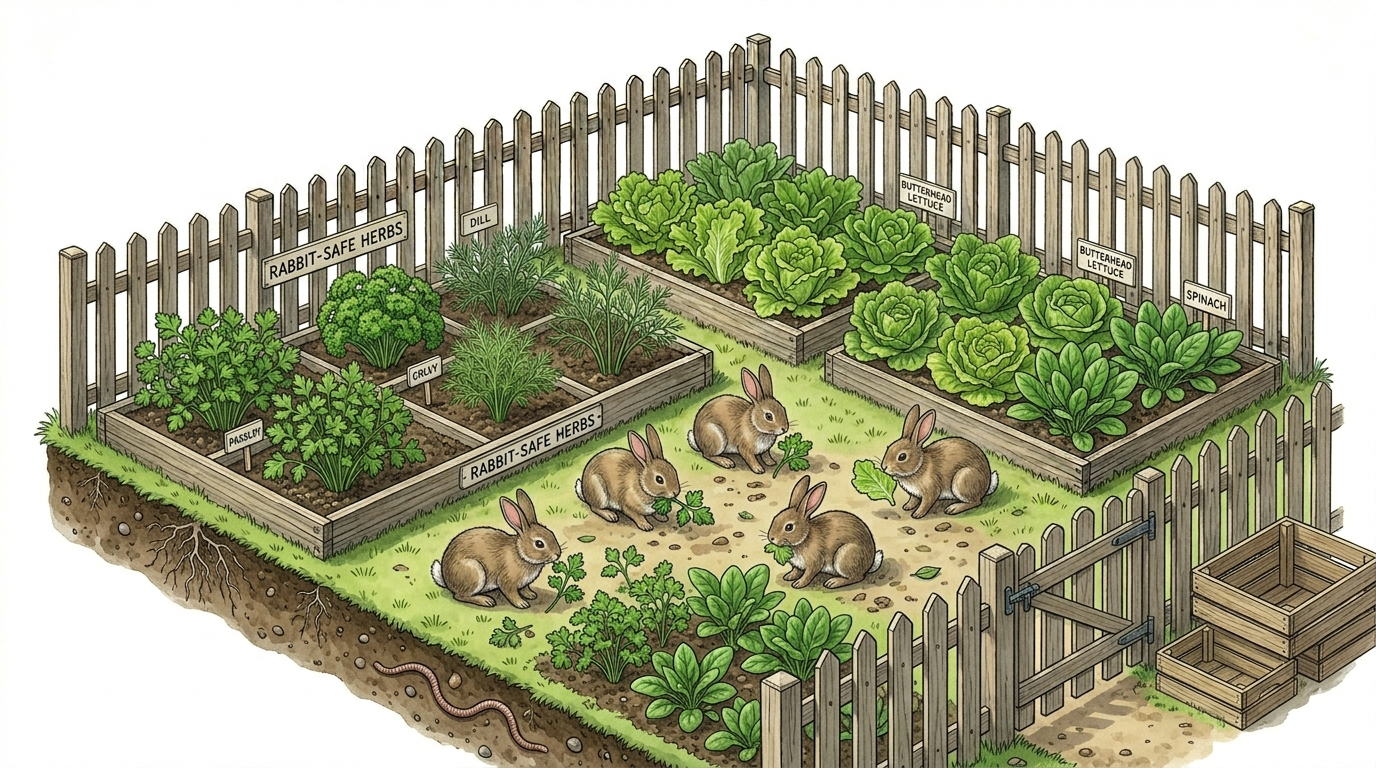
Rabbits in the Garden: Herbs and Vegetables
Learn how to choose suitable herbs and vegetables for rabbits, grow feeding plants, and plan a rabbit-friendly garden.
Guide
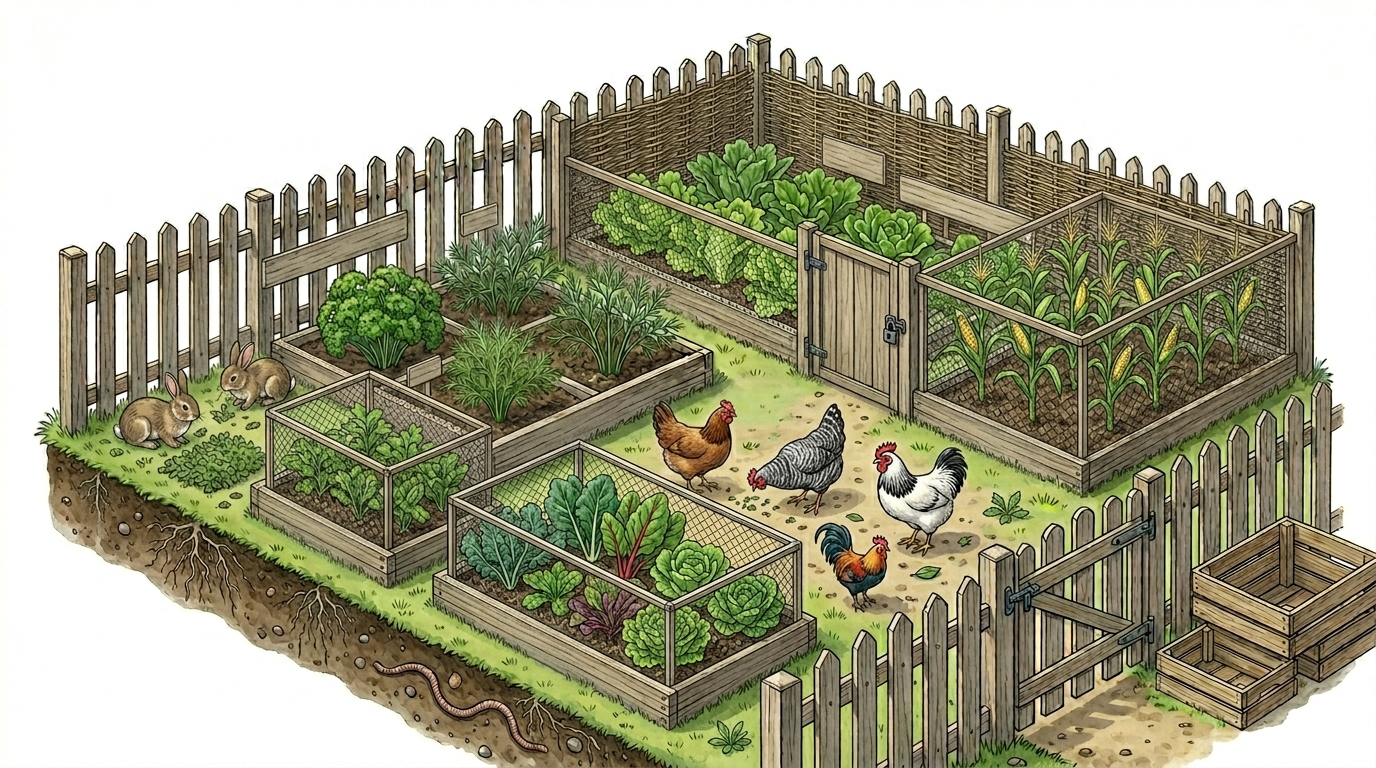
Chickens in the Garden: Safe Plants and Zones
Learn how to design a chicken-friendly garden with suitable plants, protected beds, and well-planned activity areas.
Guide
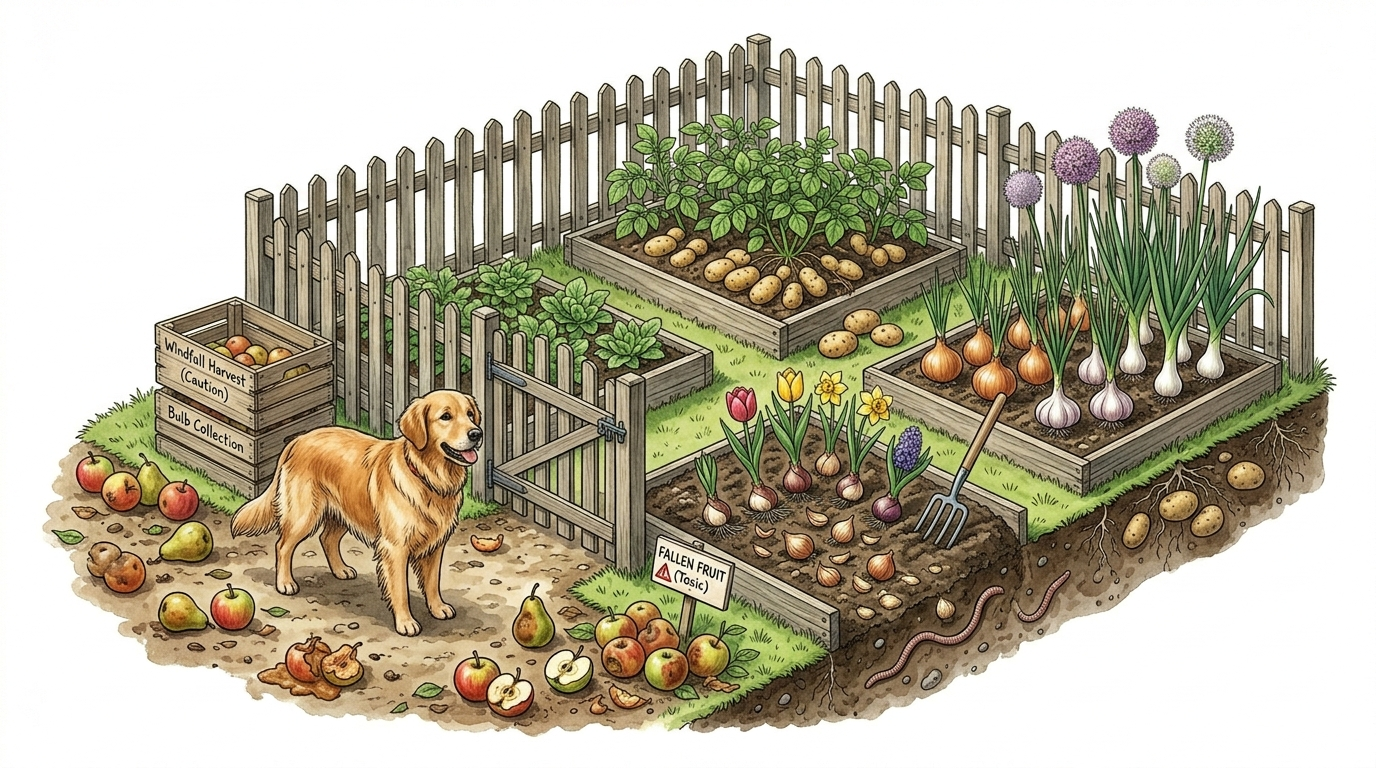
Dogs in the Garden: Windfall Fruit and Risks
Keep your garden dog-safe by managing windfall fruit, seeds, stored crops, and potentially problematic plant parts.
Internal links
Related plants
Pecan
Belongs to the Juglandaceae family.
Belongs to the same family (Juglandaceae) and is also a nut tree.
Nut trees
Walnut is an important nut tree.
Apple
Both are medium to heavy-feeding fruit trees requiring balanced nutrition.
Both prefer consistent moisture but do not tolerate waterlogging.
Hazelnut
Another popular nut tree often grown in gardens.
Almond
Both are consumed fresh, used in baked goods, and processed into oil.
Pistachio
Both are popular nuts for snacks and culinary applications.
Sources
Public sources
- Wikidata entity
Wikidata · 2026-05-15
- GBIF species match
GBIF · 2026-05-15
- Deutschsprachige Wikipedia: Echte Walnuss
Wikipedia · 2026-05-15
- English Wikipedia: Juglans regia
Wikipedia · 2026-05-15
- PlantNet Trefle API
Trefle · 2026-05-15