Plant Profile
LavandulaLavandula
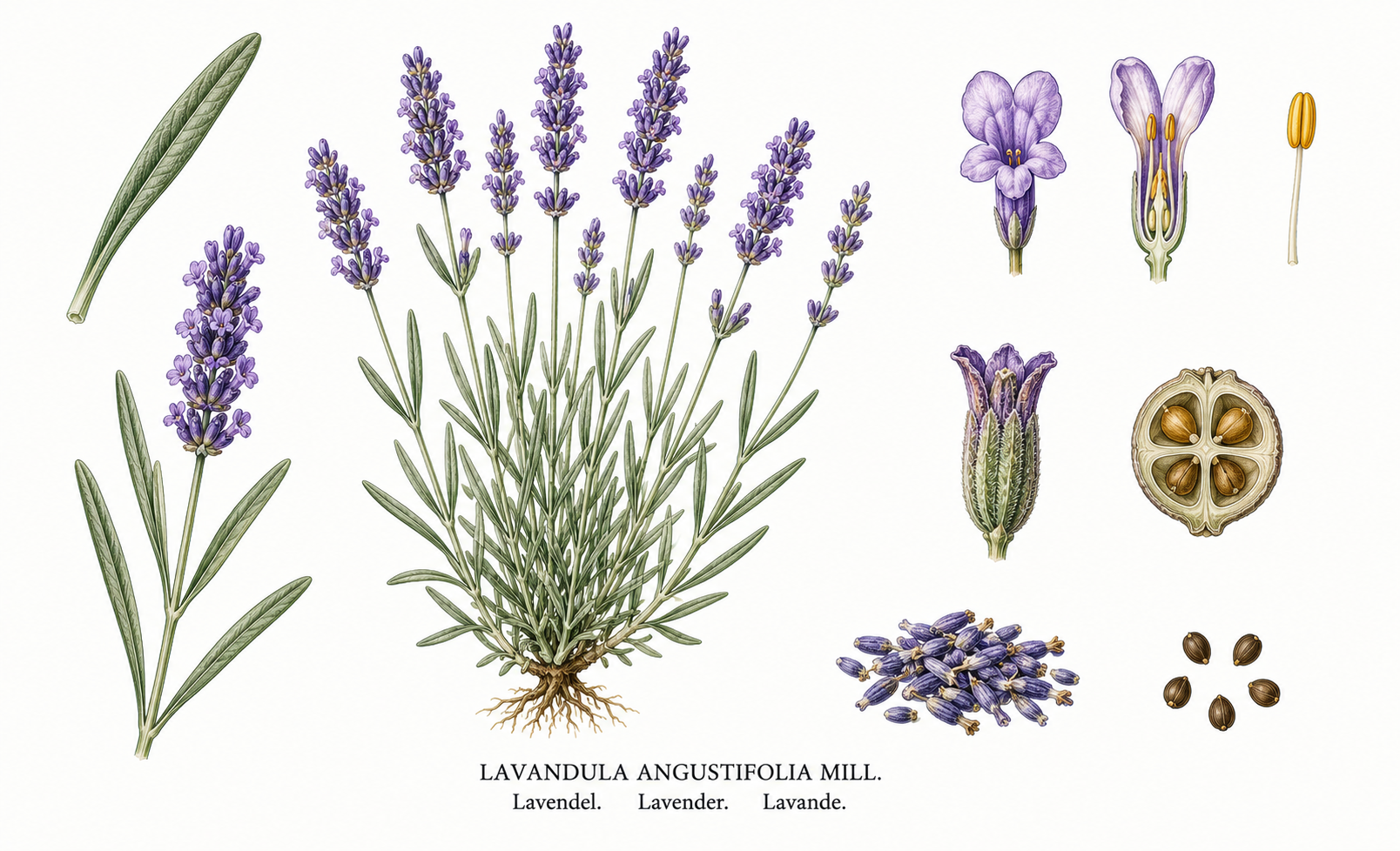
Lavender is an aromatic subshrub valued for its fragrant flowers and easy-care nature. It is ideal for sunny locations and dry soils, where it adds accents with its blue-violet blooms and attracts bees. Lavender is not only an ornamental plant but is also used in the kitchen, for fragrance extraction, and in folk medicine.
Quick profile
Key data
Good neighbors
RoseRosemaryThymeOregano
Avoid
MintHosta
Indoor & direct sowing
Lavandula: Sowing and germination
Seed is possible, but cultivars are often propagated by cuttings.
Direct sow only into warm, fine soil.
Planting & site
Lavandula: Planting and spacing
Plant in spring or early autumn into drained soil.
Site & practical notes
Lavender is an easy-care plant that benefits from some basic maintenance. The most important aspect is avoiding waterlogging. Annual pruning promotes flowering and keeps the plant compact. Lavender is well-suited for beginners, as long as the location is sunny and the soil is well-drained.
Temperature & frost
Lavandula: Temperature and site
Water & nutrients
Lavandula: Water, nutrients and care
Container & growth
Lavandula: Container, support and growth
Year plan
Lavandula Calendar
Pruning in spring is crucial for abundant summer flowering and a compact shape.
Recurring tasks
Relevant now
June
- No additional single task
Next up
July
- No additional single task
Monthly tasks
Single tasks from monthly data; repeated seasonal windows are shown in the overview above.
January
Quiet month
February
Quiet month
March
No additional single task
April
No additional single task
May
No additional single task
June
No additional single task
August
No additional single task
September
No additional single task
October
Quiet month
November
Quiet month
December
Quiet month
Flowering & pollination
Lavandula Flowering & pollination
Self-fertility
high
Pollinator needed
no
Overview
Lavender is predominantly self-pollinating but benefits from insect pollination for better fruit set.
Notes
Bees and other insects are attracted to the flowers and contribute to pollination. The presence of pollinators can enhance seed production.
Pruning & care
Lavandula Pruning & care
Pruning type
renewal pruning
Pruning timing
Main pruning for shaping and rejuvenation Before new growth starts, to invigorate the plant and promote summer flowering.
Removal of spent flower stalks to encourage reblooming Immediately after the first flush of flowers to stimulate a second bloom.
Remove
Preserve
Avoid
Tools and hygiene
Use clean, sharp tools to prevent disease and ensure clean cuts.
Companion guide
Lavandula Companion guide
Good neighbors
RoseRosemaryThymeOreganoConeflowerSedum
Avoid
MintHosta
Use & storage
Lavandula Use & storage
Cut flowers just before or at early full bloom.
Storage
Store dry, cool, and dark.
Storage life
Dried flowers and leaves: 1-2 years. Essential oil: Several years with proper storage.
Harvest
Cut flowers just before or at early full bloom.
Processing
After harvest
Hang flowers and leaves to dry or spread them on a rack. Protect from direct sunlight. Store in airtight containers after drying.
Edibility & safety
Lavandula Edibility & safety
For people
In brief: which parts are edible, which parts remain risky, and whether raw consumption makes sense.
Safety notes
In usual culinary amounts, lavender is considered safe. Excessive consumption or ingestion of large amounts of essential oil can lead to gastrointestinal upset. Pregnant and breastfeeding women should exercise caution.
Animal safety
For many animals, this plant is generally low-risk: 14 animal types are rated suitable or mostly suitable. Quantity, plant part, and individual tolerance still matter.
Each row shows which parts are more suitable and which parts are critical.
Companion animals
 Dog
DogFlowers, Young leaves
Older, woody plant parts
Flowers, Young leaves
Older, woody plant parts
Excessive consumption, Ingestion of essential oil
Vomiting, Diarrhea, Gastrointestinal upset
contact a vet if symptoms appear
Lavender is not toxic to dogs in usual amounts, but ingestion of large quantities or essential oils can lead to gastrointestinal upset. Young leaves and flowers can be given in small amounts as treats, while older, woody parts should be avoided. Consult a veterinarian if symptoms occur.
Open animal page Cat
CatFlowers, Young leaves
Older, woody plant parts
Flowers, Young leaves
Older, woody plant parts
Excessive consumption, Ingestion of essential oil
Vomiting, Diarrhea, Loss of appetite
observe
Lavender is generally safe for cats in small amounts of edible parts (flowers, young leaves), but older, woody plant parts and essential oil can cause gastrointestinal upset. No evidence of severe poisoning in cats. Consult a veterinarian if large amounts or essential oil are ingested.
Open animal page Rabbit
Flowers, Young leaves
Older, woody plant parts
Flowers, Young leaves
Older, woody plant parts
Excessive consumption, Ingestion of essential oil
Gastrointestinal upset
observe
Lavender flowers and young leaves can be given in small amounts as treats for rabbits. Older, woody plant parts and essential oil should be avoided as they can cause gastrointestinal upset. No specific toxicity data for rabbits, but a conservative assessment based on general plant knowledge and the essential oils present.
Open animal page Guinea pig
Flowers, Young leaves
Older, woody plant parts
Flowers, Young leaves
Older, woody plant parts
Excessive consumption, Ingestion of essential oil
Gastrointestinal upset
observe
Lavender flowers and young leaves can be given in small amounts as treats for guinea pigs. Older, woody plant parts and essential oil should be avoided as they can cause gastrointestinal upset. No specific toxicity data for guinea pigs, but a conservative assessment based on general plant knowledge and the essential oils present.
Open animal page Hamster
Flowers, Young leaves
Older, woody plant parts
Flowers, Young leaves
Older, woody plant parts
Excessive consumption, Ingestion of essential oil
Gastrointestinal upset, Vomiting
observe
Lavender is generally safe for hamsters in small amounts of edible parts (flowers, young leaves). Older, woody plant parts and essential oil may cause gastrointestinal upset if consumed excessively. No indications of severe toxicity in rodents.
Open animal page Budgie
Flowers, Young leaves
Older, woody plant parts
Flowers, Young leaves
Older, woody plant parts
Excessive consumption, Ingestion of essential oil
Gastrointestinal upset
observe
Lavender is suitable for budgies in small amounts as a treat. Older, woody plant parts and concentrated essential oil should be avoided. Excessive consumption may cause gastrointestinal upset. Observation is recommended; consult a veterinarian if symptoms persist.
Open animal pageFarm animals
 Horse
HorseFlowers, Young leaves
Older, woody plant parts
Flowers, Young leaves
Older, woody plant parts
Excessive consumption, Ingestion of essential oil
Gastrointestinal upset, Diarrhea
observe
Lavender is suitable for horses in small amounts as a treat. Flowers and young leaves can be fed, while older, woody parts should be avoided. Excessive consumption may cause gastrointestinal upset. No known severe poisonings documented in horses.
Open animal page Chicken
Flowers, Young leaves
Older, woody plant parts
Flowers, Young leaves
Older, woody plant parts
Excessive consumption, Ingestion of essential oil
Gastrointestinal upset
observe
Lavender flowers and young leaves are suitable for chickens in small amounts as an occasional treat. Older, woody parts and essential oil may cause gastrointestinal upset if ingested excessively. No chicken-specific toxicity evidence available, but conservative classification based on general plant knowledge and similar poultry tolerance.
Open animal page Duck
DuckFlowers, Young leaves
Older, woody plant parts
Flowers, Young leaves
Older, woody plant parts
Excessive consumption, Ingestion of essential oil in high concentrations
Gastrointestinal upset with excessive intake
observe
Lavender flowers and young leaves are suitable for ducks in small amounts as an occasional treat. Older, woody parts and essential oil may cause gastrointestinal upset if ingested excessively. No duck-specific toxicity evidence available, but conservative classification based on general plant knowledge and similar poultry tolerance.
Open animal page Goose
GooseFlowers, Young leaves
Older, woody plant parts
Flowers, Young leaves
Older, woody plant parts
Excessive consumption, Ingestion of essential oil in high concentrations
Gastrointestinal upset with excessive intake
observe
No direct species-specific source was found for geese. This is a cautious inference from the ducks profile and the known plant-part risks.
Open animal page Sheep
SheepFlowers, Young leaves
Older, woody plant parts
Flowers, Young leaves
Older, woody plant parts
Excessive consumption, Ingestion of essential oil
Gastrointestinal upset
observe
Lavender flowers and young leaves can be given in small amounts as treats for sheep. Older, woody plant parts and essential oil should be avoided as they can cause gastrointestinal upset. No specific toxicity data for sheep, but a conservative assessment based on general plant knowledge and the essential oils present.
Open animal page Goat
GoatFlowers, Young leaves
Older, woody plant parts
Flowers, Young leaves
Older, woody plant parts
Excessive consumption, Ingestion of essential oil
Gastrointestinal upset
observe
Lavender flowers and young leaves can be given in small amounts as treats for goats. Older, woody plant parts and essential oil should be avoided as they can cause gastrointestinal upset. No specific toxicity data for goats, but a conservative assessment based on general plant knowledge and the essential oils present.
Open animal page Cattle
Flowers, Young leaves
Older, woody plant parts
Flowers, Young leaves
Older, woody plant parts
Excessive consumption, Ingestion of essential oil
Gastrointestinal upset
observe
No direct species-specific source was found for cattle. This is a cautious inference from the sheep profile and the known plant-part risks.
Open animal page Pig
PigFlowers, Young leaves
Older, woody plant parts
Flowers, Young leaves
Older, woody plant parts
Excessive consumption, Ingestion of essential oil
Gastrointestinal upset
observe
Lavender flowers and young leaves can be given in small amounts as treats for pigs. Older, woody plant parts and essential oil should be avoided as they can cause gastrointestinal upset. No specific toxicity data for pigs, but a conservative assessment based on general plant knowledge and the essential oils present.
Open animal pageThese guidelines are for general information only and do not replace veterinary diagnosis. If critical plant parts were ingested or the animal shows unusual behaviour or symptoms, seek veterinary advice.
Max risk
unknown
Highest status
moderation only
Urgency
contact a vet if symptoms appear
Saving seed
Lavandula Saving seed
Seed viability
1 - 3 years
Practical tips
Lavandula Practical tips
Common beginner mistakes
Success pattern
High-impact tips
Grower observations
Plant Profile
Additional plant images
Health
Pests, Diseases
Pests
Aphids
Aphids can occasionally appear, especially on young shoots, but are rarely a serious problem for lavender.
Spittlebugs
Spittlebug larvae create foamy nests on stems. They are mostly harmless but unsightly.
Whiteflies
In sheltered, warm locations or greenhouses, whiteflies can appear and weaken plants.
Diseases
Root Rot
The most common disease in lavender, caused by waterlogging and poorly drained soil. Leads to plant death.
Grey Mold (Botrytis cinerea)
A fungal disease that occurs in high humidity and poor air circulation, especially on flowers and leaves.
Septoria Leaf Spot
A fungal disease causing small brown spots on leaves, usually in wet weather. Rarely severe.
Deficiencies
Nitrogen Excess
Lavender prefers lean soils. Excess nitrogen leads to lush, soft growth at the expense of flowering and fragrance.
Iron Chlorosis
Can occur in extremely alkaline or compacted soils, although lavender prefers calcareous soil. Rarely a problem.
Plant health
Diagnosis help
Lavandula Diagnosis help
Pest groups
Disease groups
Fungal diseases (root rot, grey mold, leaf spot)
Prevention
Diagnosis
Look for wilting leaves, discolorations, unusual growth patterns, or visible pests. Most problems with lavender are due to incorrect site conditions or overwatering.
Cultural prevention
Monitoring
First response
Diagnostic rules
Plant wilts, leaves turn yellow, stem base is soft and smells foul.
Possible causes: Root rot
- Check soil moisture
- Assess soil drainage
- Examine roots for rot
Grey, fuzzy mold on flowers and leaves, dying shoots.
Possible causes: Grey mold
- Check humidity and air circulation
- Assess planting density
Plant becomes bare from below, long, sparsely leaved shoots.
Possible causes: Legginess
- Check last pruning date
- Assess sunlight exposure
Few or small flowers, reduced fragrance.
Possible causes: Poor Flowering, Nitrogen excess
- Check sunlight
- Review fertilization history
- Check soil moisture
FAQ
When is the best time to plant lavender?
The best time to plant lavender is in spring, once the risk of frost has passed, or in early autumn. This allows the plants to establish well before winter.
How often does lavender need to be watered?
Lavender is very drought-tolerant and requires little water once established. Water only during prolonged dry spells and absolutely avoid waterlogging. Young plants need water more regularly initially.
When and how should I prune lavender?
Prune lavender lightly after flowering to maintain shape and encourage reblooming. In early spring (March/April), a harder prune is done to reduce woodiness and keep the plant compact. Never cut into old, dead wood.
Can lavender grow in a pot on the balcony?
Yes, lavender is well-suited for container growing on the balcony, provided the pot has good drainage holes and the soil is well-draining. Ensure sufficient sun and avoid overwatering.
Why is my lavender not flowering?
Lack of flowering can be due to insufficient sun, overly rich soil (especially too much nitrogen), incorrect pruning, or overly moist conditions. Check these factors and adjust care accordingly.
Is Lavandula safe for Dog?
Lavandula is classified as moderation only for Dog. Risk: unknown. Urgency: contact a vet if symptoms appear. Lavender is not toxic to dogs in usual amounts, but ingestion of large quantities or essential oils can lead to gastrointestinal upset. Young leaves and flowers can be given in small amounts as treats, while older, woody parts should be avoided. Consult a veterinarian if symptoms occur.
Is Lavandula safe for Cat?
Lavandula is classified as moderation only for Cat. Risk: unknown. Urgency: observe. Lavender is generally safe for cats in small amounts of edible parts (flowers, young leaves), but older, woody plant parts and essential oil can cause gastrointestinal upset. No evidence of severe poisoning in cats. Consult a veterinarian if large amounts or essential oil are ingested.
Is Lavandula safe for Rabbit?
Lavandula is classified as moderation only for Rabbit. Risk: unknown. Urgency: observe. Lavender flowers and young leaves can be given in small amounts as treats for rabbits. Older, woody plant parts and essential oil should be avoided as they can cause gastrointestinal upset. No specific toxicity data for rabbits, but a conservative assessment based on general plant knowledge and the essential oils present.
Is Lavandula safe for Guinea pig?
Lavandula is classified as moderation only for Guinea pig. Risk: unknown. Urgency: observe. Lavender flowers and young leaves can be given in small amounts as treats for guinea pigs. Older, woody plant parts and essential oil should be avoided as they can cause gastrointestinal upset. No specific toxicity data for guinea pigs, but a conservative assessment based on general plant knowledge and the essential oils present.
Guides
Related guides
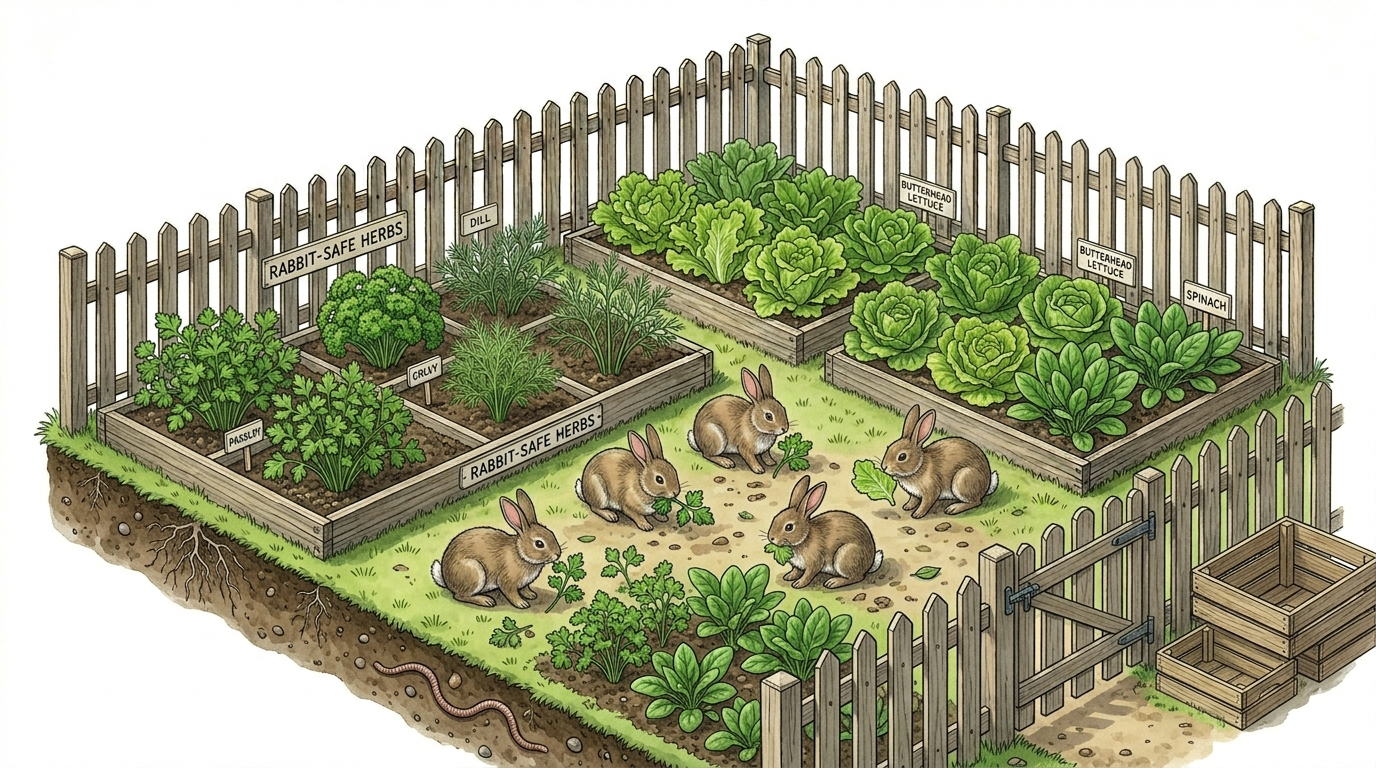
Guide
Rabbits in the Garden: Herbs and Vegetables
Learn how to choose suitable herbs and vegetables for rabbits, grow feeding plants, and plan a rabbit-friendly garden.
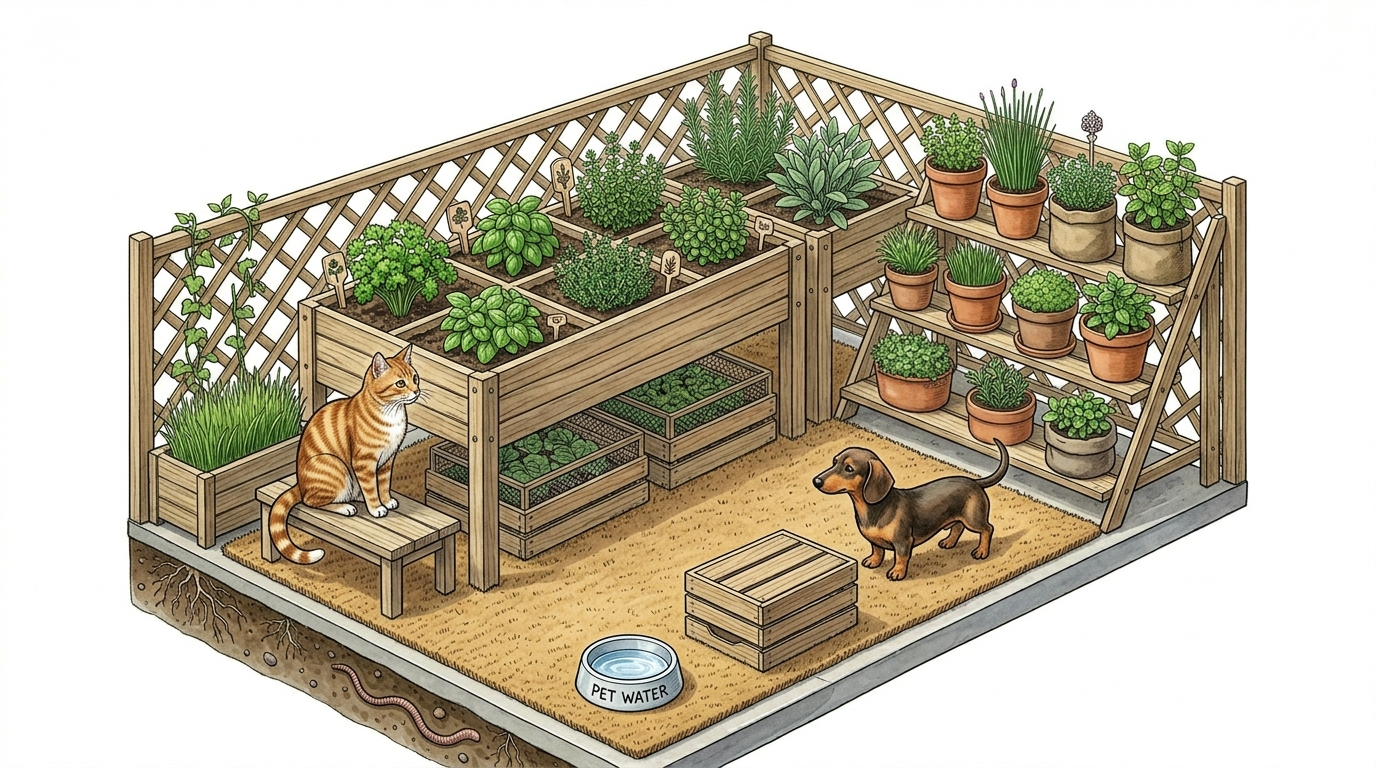
Guide
Pet-Safe Herb Gardens for Balconies and Beds
Learn how to create a pet-safe herb garden with suitable herbs, thoughtful layouts, and practical maintenance strategies.
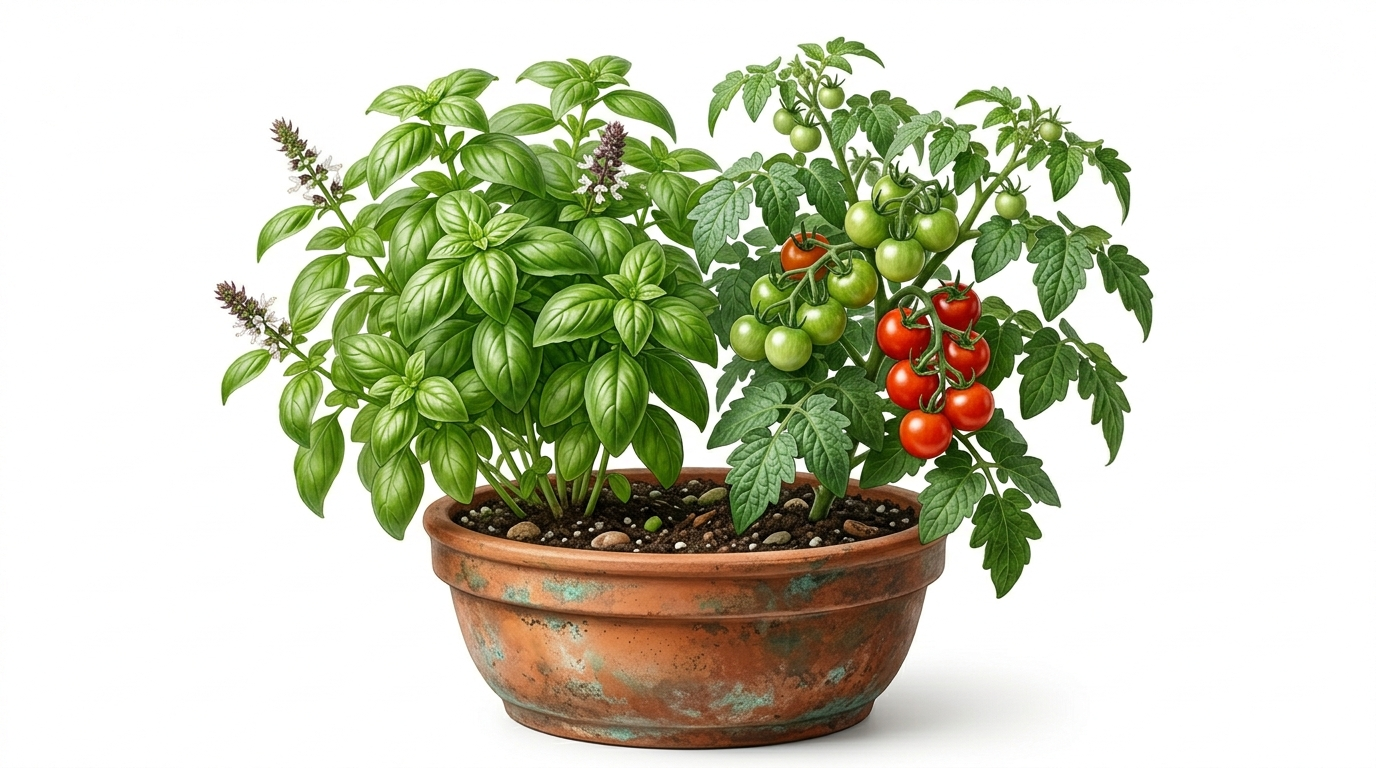
Guide
Growing Basil: Site, Watering and Harvesting
Learn how to grow basil successfully with the right site, steady watering, regular harvesting, and tips to delay flowering.
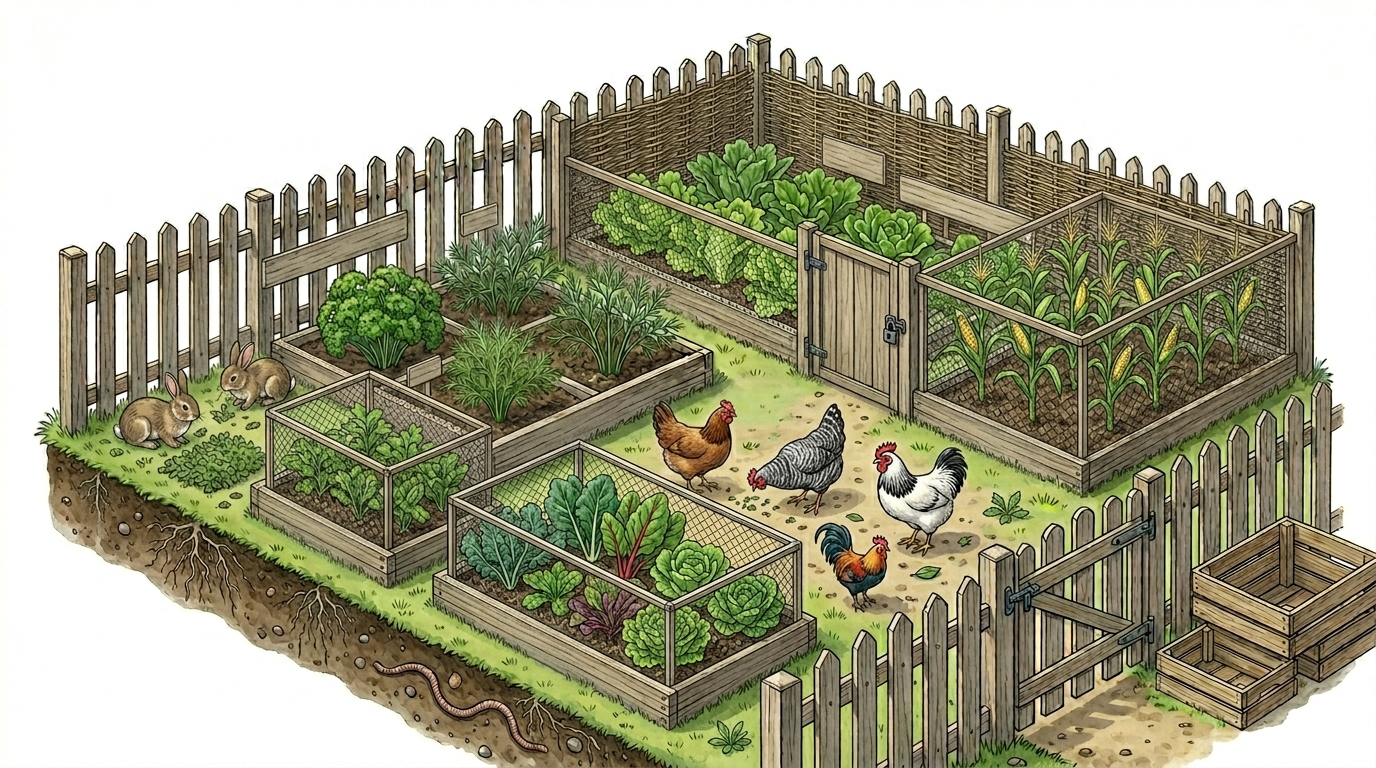
Guide
Chickens in the Garden: Safe Plants and Zones
Learn how to design a chicken-friendly garden with suitable plants, protected beds, and well-planned activity areas.
Internal links
Related plants
Mint
Both belong to the Lamiaceae (Lamiaceae) family.
Belongs to the Lamiaceae family, but prefers moister conditions.
Sage
Both belong to the Lamiaceae (Lamiaceae) family.
Similar requirements for site and soil (sunny, dry, lean) and Mediterranean origin.
Rosemary
Both are Mediterranean herbs with similar site requirements.
Both prefer lean soils and do not require heavy fertilization.
Thyme
Both are Mediterranean herbs with similar site requirements.
Both prefer lean soils and do not require heavy fertilization.
Basil
Belongs to the Lamiaceae family, but is annual and more heat-loving.
Sources
Public sources
- Wikidata entity
Wikidata · 2026-05-13
- GBIF species match
GBIF · 2026-05-13
- Deutschsprachige Wikipedia: Lavendel (Gattung)
Wikipedia · 2026-05-13
- English Wikipedia: Lavandula
Wikipedia · 2026-05-13