Plant Profile
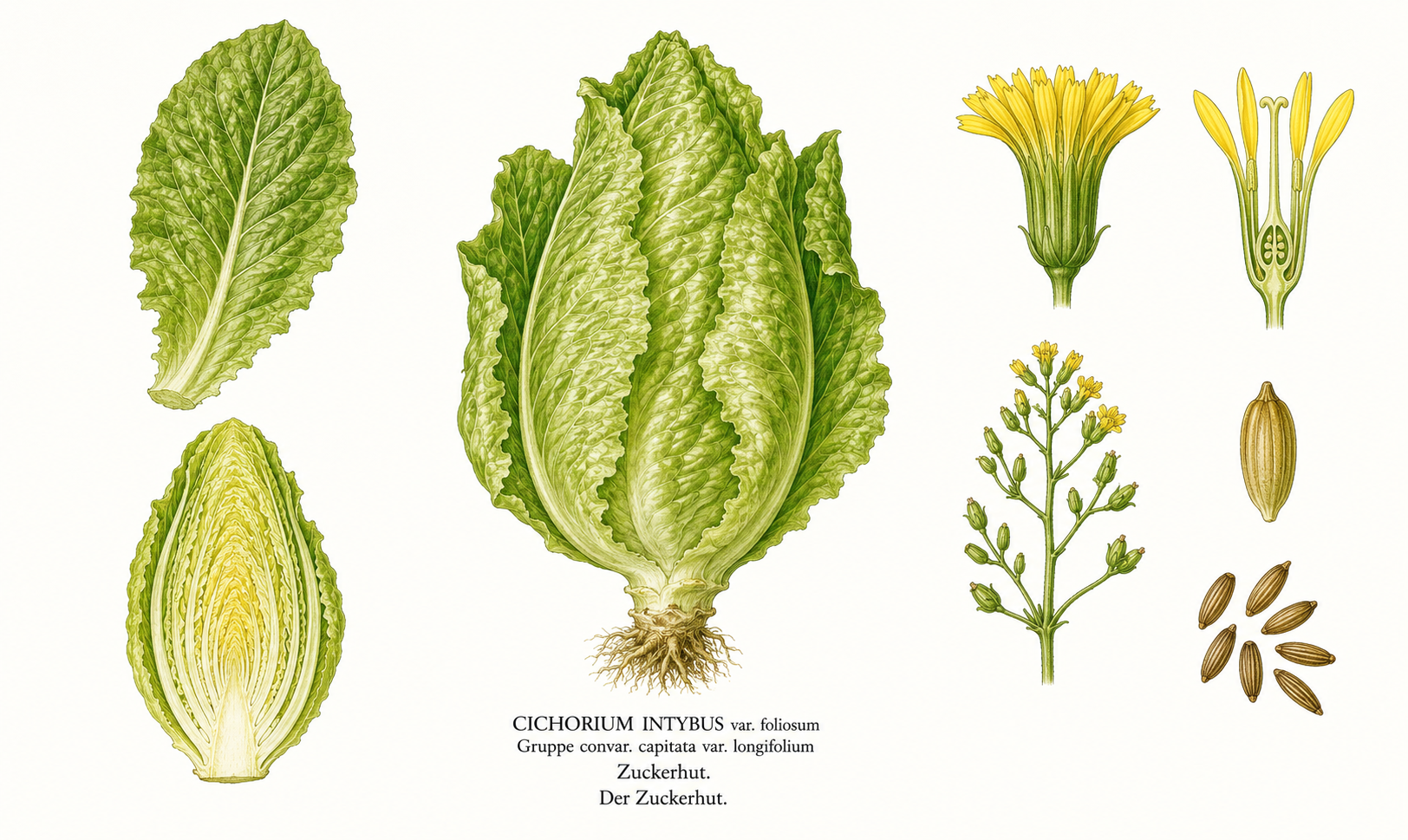
Sugarloaf ChicoryCichorium intybus var. foliosum
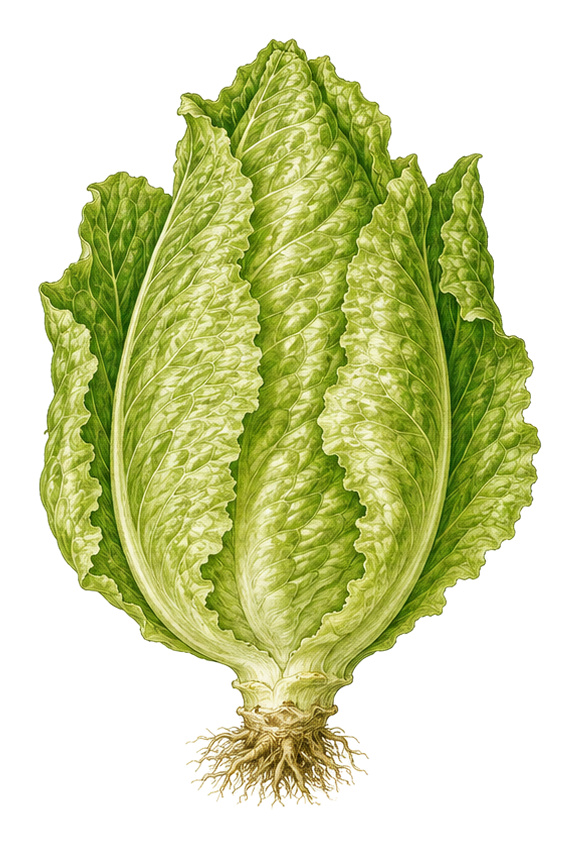
Sugarloaf chicory is a traditional winter crop highly valued for its outstanding frost tolerance. The upright, tightly wrapped heads deliver crisp leafy greens when standard lettuces have long since succumbed to the freezing cold.
Quick profile
Key data
Suitable growing locations:
Good neighbors
Bush beanCarrotLettuce
Avoid
EndiveRadicchio
Indoor & direct sowing
Sugarloaf Chicory: Sowing and germination
Indoor sowing is uncommon, as sugarloaf is usually direct-sown to prevent bolting.
Sow from mid-June to mid-July. Sowing too early causes premature bolting.
Planting & site
Sugarloaf Chicory: Planting and spacing
Plant out young seedlings in mid-summer with adequate spacing.
Site & practical notes
Cultivation tricks: Never sow sugarloaf before mid-June. The plants react strongly to day length and early summer cold snaps, which triggers premature bolting., Culinary tip: Light night frosts in late autumn convert some of the starch into sugars, making the distinct bitter notes of the intybin compounds milder and more harmonious.
Temperature & frost
Sugarloaf Chicory: Temperature and site
Water & nutrients
Sugarloaf Chicory: Water, nutrients and care
Container & growth
Sugarloaf Chicory: Container, support and growth
Year plan
Sugarloaf Chicory Calendar
When the first winter frost blankets the garden, sugarloaf unlocks its mild, finely balanced herbal sweetness.
Recurring tasks
Relevant now
June
- Direct outdoor sowingUse optimal sowing window to prevent premature bolting.
Next up
July
- Thinning and plantingThin seedlings to their final spacing distance.
Monthly tasks
Single tasks from monthly data; repeated seasonal windows are shown in the overview above.
January
Quiet month
February
Quiet month
March
Quiet month
April
Quiet month
May
Quiet month
June
Direct sowing
- Direct outdoor sowingUse optimal sowing window to prevent premature bolting.
August
Growing
- Weed control and wateringRegular hoeing promotes growth and conserves water.
September
Harvest
- Start of harvestHarvest the most well-developed heads first.
October
Harvest
- Main harvest and frost protectionCover with horticultural fleece in case of severe frost.
November
Harvest
- Winter harvestIdeally cut heads on frost-free days.
December
Harvest
- Final harvestClear the remaining crops before severe permanent frost sets in.
Flowering & pollination
Sugarloaf Chicory Flowering & pollination
Flower type
Capitulum (flower head), typical of chicories
Flower color
Light blue to violet-blue
Self-fertility
partially self-fertile
Pollinator needed
yes
Overview
The bright blue flowers usually open only in the morning and serve as an excellent food source for bees. Pollination is primarily insect-driven.
Notes
Mainly visited by honeybees, wild bees, and hoverflies. Cross-pollination significantly improves seed set.
Pruning & care
Sugarloaf Chicory Pruning & care
Pruning timing
Trimming and harvest preparation Regularly check for ground-level rot; trim affected leaves to improve air circulation around the compact head.
Remove
Preserve
Avoid
Tools and hygiene
Harvesting knives must be sharp and sanitized prior to use to prevent transferring rot pathogens (such as Sclerotinia) from head to head.
Companion guide
Sugarloaf Chicory Companion guide
Good neighbors
Bush beanCarrotLettuce
Avoid
EndiveRadicchio
Use & storage
Sugarloaf Chicory Use & storage
Harvest from September well into winter. Tolerates light night frosts.
Storage
Highly storable winter vegetable
Storage life
In a cool cellar or storage room approx. 2 to 3 months; wrapped in paper in the refrigerator up to 4 weeks.
Primary use
Fresh salad for late autumn and winter
Flavor
Savory, nutty, with a fine, characteristic bitter note that turns milder after frost.
Harvest
Harvest from September well into winter. Tolerates light night frosts.
Processing
After harvest
Remove loose, unsightly, or damaged outer leaves directly in the bed. Cleanly trim the stem. Allow heads to dry before storage if harvested during wet weather.
Edibility & safety
Sugarloaf Chicory Edibility & safety
For people
In brief: which parts are edible, which parts remain risky, and whether raw consumption makes sense.
Safety notes
Completely non-toxic. The bitter compounds (intybin) are health-promoting, stimulating digestion and metabolism.
Animal safety
For many animals, this plant is generally low-risk: 5 animal types are rated suitable or mostly suitable. Quantity, plant part, and individual tolerance still matter.
Each row shows which parts are more suitable and which parts are critical.
Companion animals
 Dog
DogLeaves, Inner tender leaf layers
No risk parts listed
Leaves, Inner tender leaf layers
No risk parts listed
Overconsumption may lead to mild gastrointestinal upset due to high fiber and bitter compound content.
usually no action needed
Sugarloaf Chicory is considered non-toxic to dogs. The leaves and blanched heart are edible and recommended as an occasional treat due to low nutritional value and good digestibility. The high content of bitter compounds such as intybin may stimulate digestion but should not be fed in large quantities.
Open animal page Cat
CatNo suitable parts listed
No risk parts listed
No suitable parts listed
No risk parts listed
unknown
Sugarloaf Chicory (Zuckerhut) is non-toxic to cats and can be fed as an occasional treat. The leaves are edible and contain health-promoting bitter compounds like intybin, which may stimulate digestion. No known toxic effects in cats have been documented. As with any new food, introduction should be gradual to assess individual tolerance. Excessive consumption may lead to mild gastrointestinal upset due to fiber…
Open animal page Rabbit
No suitable parts listed
No risk parts listed
No suitable parts listed
No risk parts listed
unknown
Sugarloaf Chicory is safe for rabbits and can be part of a balanced diet. The leaves are nutritious and well-tolerated. No known toxic compounds or adverse effects with normal feeding.
Open animal page Guinea pig
No suitable parts listed
No risk parts listed
No suitable parts listed
No risk parts listed
unknown
Sugarloaf chicory (Cichorium intybus var. foliosum) is safe for guinea pigs and can be fed as part of a balanced diet. The leaves are nutritious and well-tolerated. No known toxic compounds or adverse effects under normal feeding.
Open animal page Hamster
Leaves, Inner tender leaf layers
Hard, woody core, Root
Leaves, Inner tender leaf layers
Hard, woody core, Root
Overconsumption
Nausea, Vomiting, Diarrhea
contact a vet if symptoms appear
Sugarloaf chicory is safe for hamsters if only the leaves and blanched heart are consumed. The hard, woody cores and roots should be avoided.
Open animal page Budgie
No suitable parts listed
No risk parts listed
No suitable parts listed
No risk parts listed
unknown
Sugarloaf chicory is suitable as fresh greens for budgies. The leaves are nutrient-rich and generally well tolerated. No known toxic effects in birds.
Open animal pageFarm animals
 Horse
HorseNo suitable parts listed
No risk parts listed
No suitable parts listed
No risk parts listed
unknown
Sugarloaf Chicory is safe for horses and can be included in regular feeding. The leaves are nutritious and well-tolerated. No known toxic compounds or adverse effects observed with normal feeding.
Open animal page Chicken
Leaves, Inner tender leaf layers
Hard woody core, Root
Leaves, Inner tender leaf layers
Hard woody core, Root
 Duck
DuckLeaves, Inner tender leaf layers
Hard woody core, Root
Leaves, Inner tender leaf layers
Hard woody core, Root
 Goose
GooseLeaves, Inner tender leaf layers
Hard woody core, Root
Leaves, Inner tender leaf layers
Hard woody core, Root
unknown
No direct species-specific source was found for geese. This is a cautious inference from the ducks profile and the known plant-part risks.
Open animal page Sheep
SheepNo suitable parts listed
No risk parts listed
No suitable parts listed
No risk parts listed
unknown
Sugarloaf chicory (Cichorium intybus var. foliosum) is safe for sheep and valued as nutritious winter forage. The leaves are highly digestible and contain beneficial bitter compounds like intybin that stimulate digestion. No known toxic effects in sheep documented.
Open animal page Goat
GoatNo suitable parts listed
No risk parts listed
No suitable parts listed
No risk parts listed
unknown
Sugarloaf chicory (Cichorium intybus var. foliosum) is safe for goats and valued as nutritious forage. Leaves and blanched heart are particularly palatable and support digestion due to bitter compounds like intybin. No known toxic effects in goats observed.
Open animal page Cattle
No suitable parts listed
No risk parts listed
No suitable parts listed
No risk parts listed
unknown
Sugarloaf chicory (Cichorium intybus var. foliosum) is suitable for cattle as a forage plant. The leaves and blanched heart are nutritious and well-tolerated. No known toxic compounds or adverse effects documented in cattle. At normal feeding levels, there is no risk. Excessive consumption may cause transient diarrhea due to high water and fiber content, but this is not toxic.
Open animal page Pig
PigNo suitable parts listed
No risk parts listed
No suitable parts listed
No risk parts listed
unknown
Sugarloaf chicory is edible for pigs and used as a forage plant. The bitter intybin compounds support digestion. No known toxic effects under normal feeding. Overconsumption may cause temporary fullness or bloating due to high fiber and bitter compound content.
Open animal pageThese guidelines are for general information only and do not replace veterinary diagnosis. If critical plant parts were ingested or the animal shows unusual behaviour or symptoms, seek veterinary advice.
Max risk
unknown
Highest status
not established
Urgency
contact a vet if symptoms appear
Saving seed
Sugarloaf Chicory Saving seed
Seed viability
3 - 5 years
Practical tips
Sugarloaf Chicory Practical tips
Common beginner mistakes
Sowing too early in May alongside standard summer lettuces, leading to useless, bolting flower stalks.
Success pattern
Direct sowing in late June, disciplined thinning in July, and late harvesting in frosty November yields the tightest, highest-quality heads.
High-impact tips
Water sugarloaf exclusively at ground level in late summer to keep foliage dry and effectively prevent autumn rot paths.
Grower observations
In trial plots, mulched crops showed a significantly lower rate of heart rot due to highly stable, uniform soil moisture levels.
Plant Profile
Additional plant images
Health
Pests, Diseases
Plant health
Diagnosis help
Sugarloaf Chicory Diagnosis help
Pest groups
Disease groups
Prevention
Diagnosis
Wilting symptoms in autumn usually indicate lettuce root aphids or early collar rot.
Cultural prevention
Monitoring
First response
Diagnostic rules
Leaves become mushy and brown from the outside inward
Possible causes: Botrytis cinerea, Sclerotinia sclerotiorum
- Check base for white mycelium
- Check soil moisture level
FAQ
Why is my sugarloaf bitter and how can I reduce it?
Sugarloaf naturally contains the bitter compound intybin, which supports digestion. Drought stress in summer increases bitterness. It can be reduced by harvesting late after the first frosts or soaking the cut foliage briefly in lukewarm water.
Can sugarloaf withstand frost in the winter bed?
Yes, sugarloaf is extremely winter-hardy and easily tolerates moderate frosts down to -6°C or -8°C in the open field. During prolonged, severe freezing periods, covering with horticultural fleece is recommended.
Is Sugarloaf Chicory safe for Dog?
Sugarloaf Chicory is classified as suitable for Dog. Risk: unknown. Urgency: usually no action needed. Sugarloaf Chicory is considered non-toxic to dogs. The leaves and blanched heart are edible and recommended as an occasional treat due to low nutritional value and good digestibility. The high content of bitter compounds such as intybin may stimulate digestion but should not be fed in large quantities.
Is Sugarloaf Chicory safe for Cat?
Sugarloaf Chicory is classified as not established for Cat. Risk: unknown. Urgency: unknown. Sugarloaf Chicory (Zuckerhut) is non-toxic to cats and can be fed as an occasional treat. The leaves are edible and contain health-promoting bitter compounds like intybin, which may stimulate digestion. No known toxic effects in cats have been documented. As with any new food, introduction should be gradual to assess individual tolerance. Excessive consumption may lead to mild gastrointestinal upset due to fiber…
Is Sugarloaf Chicory safe for Rabbit?
Sugarloaf Chicory is classified as not established for Rabbit. Risk: unknown. Urgency: unknown. Sugarloaf Chicory is safe for rabbits and can be part of a balanced diet. The leaves are nutritious and well-tolerated. No known toxic compounds or adverse effects with normal feeding.
Is Sugarloaf Chicory safe for Guinea pig?
Sugarloaf Chicory is classified as not established for Guinea pig. Risk: unknown. Urgency: unknown. Sugarloaf chicory (Cichorium intybus var. foliosum) is safe for guinea pigs and can be fed as part of a balanced diet. The leaves are nutritious and well-tolerated. No known toxic compounds or adverse effects under normal feeding.
Guides
Related guides
Guide
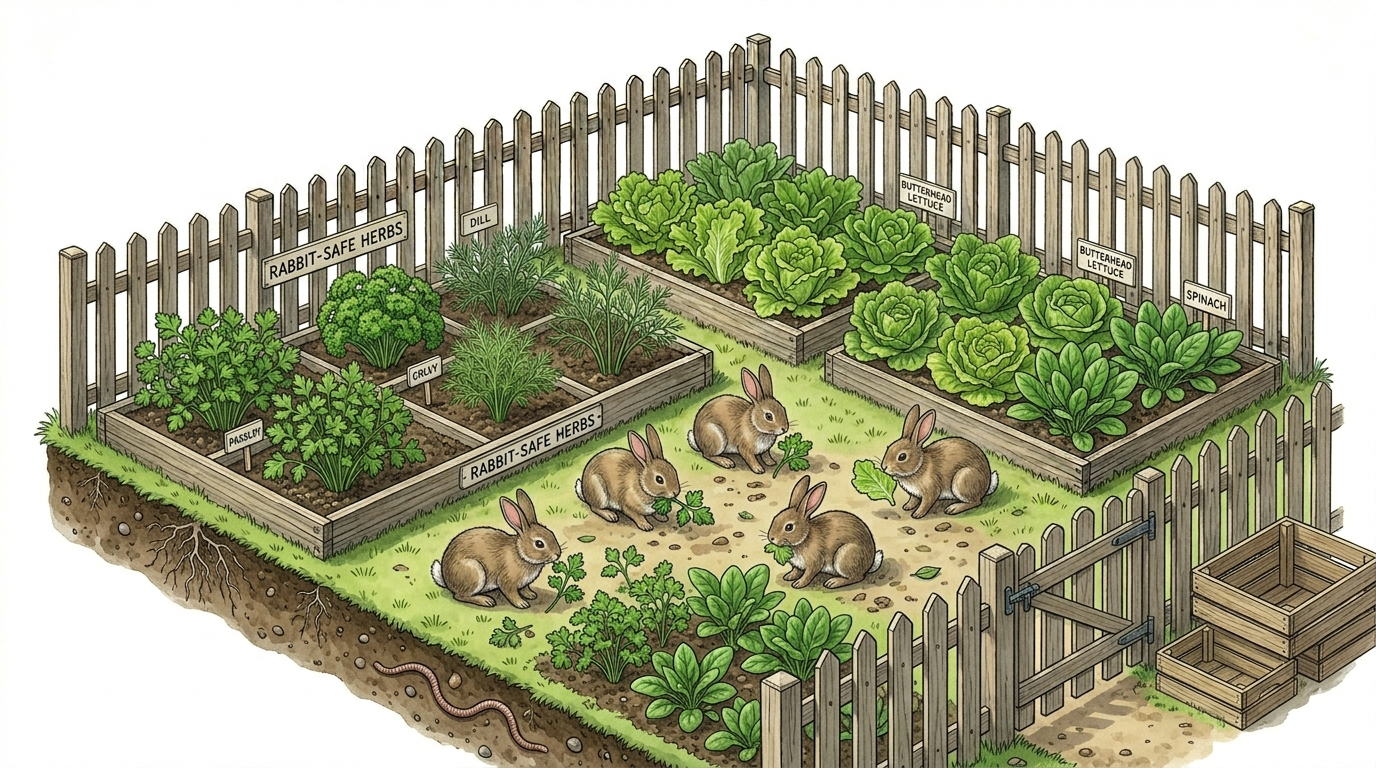
Rabbits in the Garden: Herbs and Vegetables
Learn how to choose suitable herbs and vegetables for rabbits, grow feeding plants, and plan a rabbit-friendly garden.
Guide
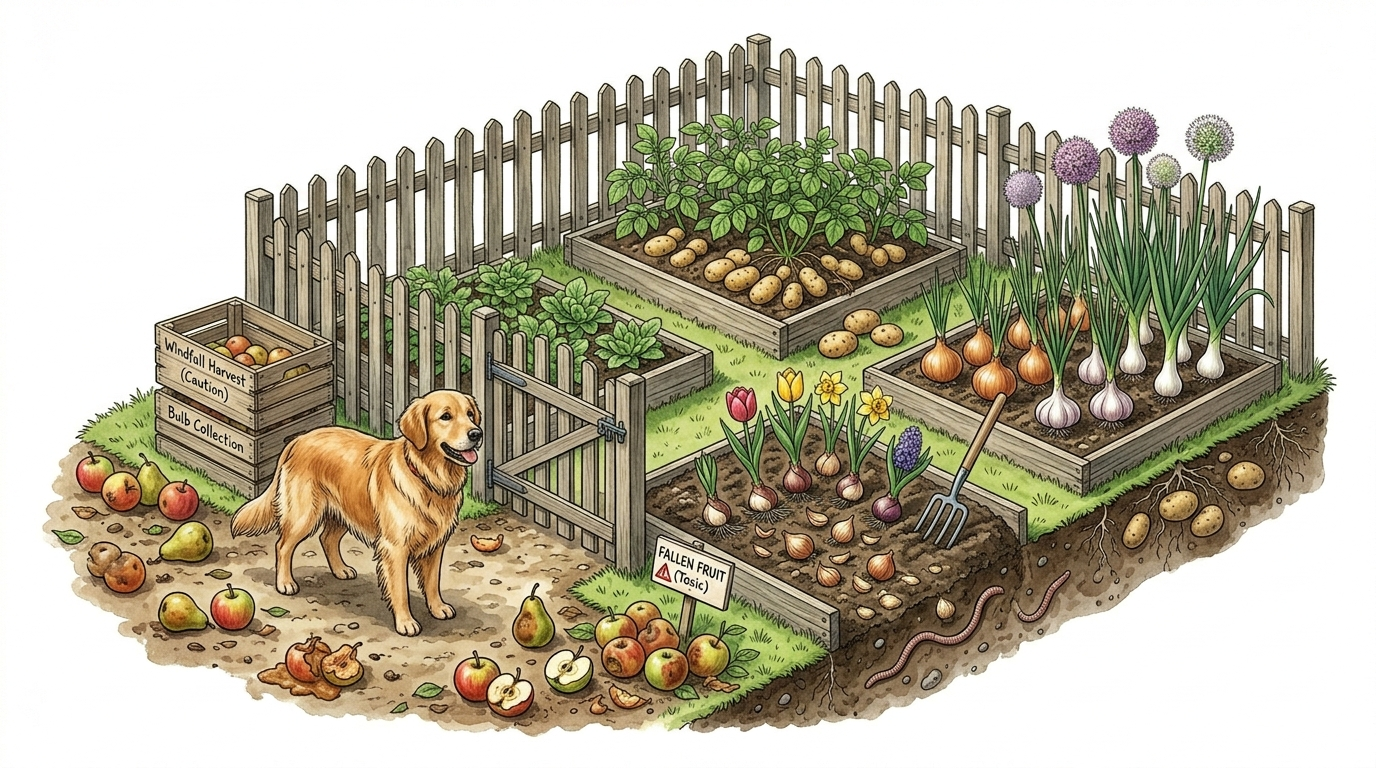
Dogs in the Garden: Windfall Fruit and Risks
Keep your garden dog-safe by managing windfall fruit, seeds, stored crops, and potentially problematic plant parts.
Guide
Horse Pastures and Garden Plants: Safety Checks
Learn how to identify risks near horse pastures, fences, turnout areas, fruit trees, and garden planting zones.
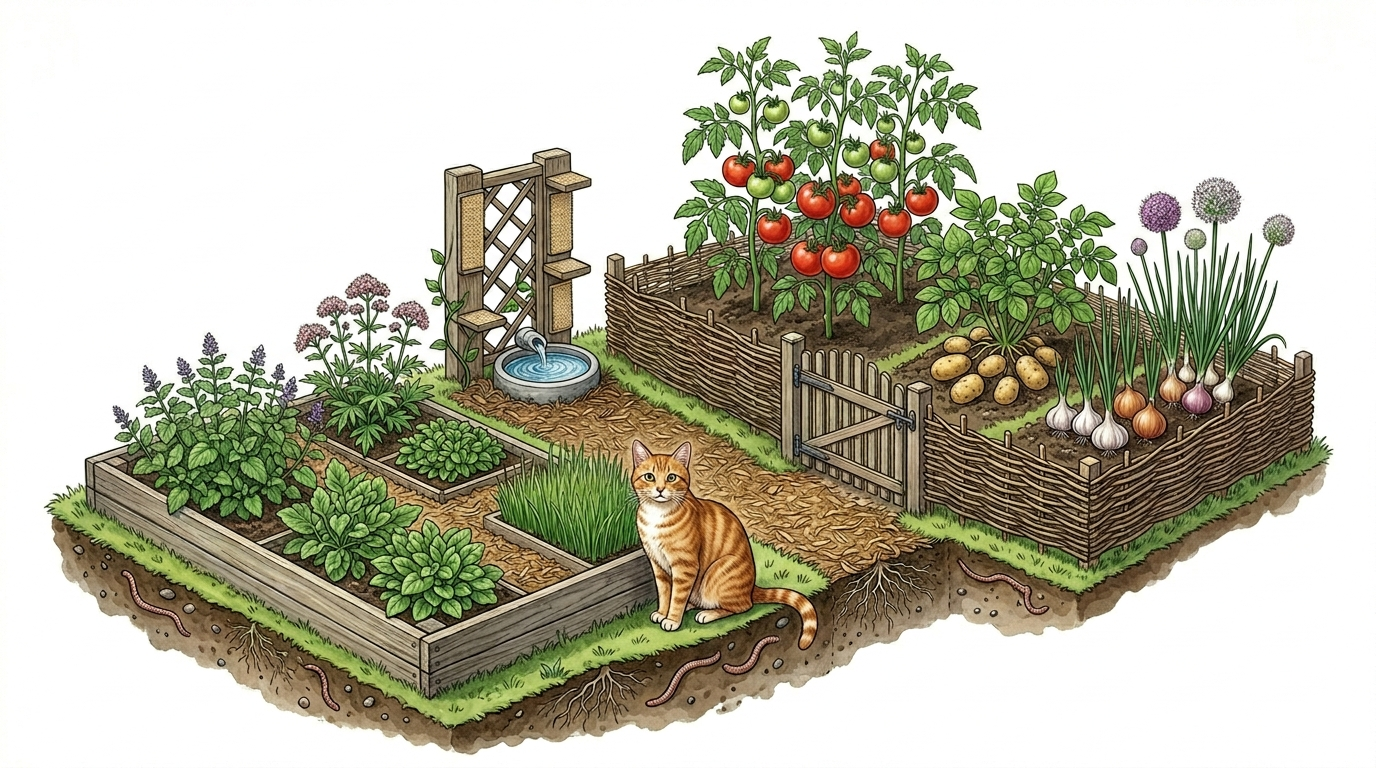
Guide
Toxic Garden Plants for Cats: Safer Planning
Learn which garden plants can be risky for cats, how to plan safer beds, and what to do if a cat eats a toxic plant.
Internal links
Related plants
Sunflower
Both belong to the Asteraceae family; maintain structural rotation breaks.
Endive
Both are managed as late-summer salad crops with highly similar cultural requirements.
They share a similar autumn growing window, but endives form flatter rosettes rather than the tall, cone-shaped heads of sugarloaf.
Lettuce
Shared susceptibility to Sclerotinia rot and lettuce root aphids.
Belongs to the Asteraceae family, just like all chicory varieties.
Carrot
Both are categorized as light feeders and thrive well in plots with moderate nutrient availability.
Bush bean
Requires steady, uniform soil moisture levels during the peak summer growth phase.
Radicchio
Also a cultivar of the wild chicory containing characteristic bitter compounds, but typically featuring red-and-white variegated heads.
Spinach
Harvested fresh during late autumn and winter, serving both raw and cooked culinary applications.
Sources
Public sources
- Wikidata entity
Wikidata · 2026-05-16
- GBIF species match
GBIF · 2026-05-16
- Deutschsprachige Wikipedia: Zuckerhut (Antarktika)
Wikipedia · 2026-05-16
- English Wikipedia: Mount Zuckerhut
Wikipedia · 2026-05-16