Plant Profile
hardy kiwiActinidia arguta
Hardy kiwi (Actinidia arguta) is a robust climbing plant that produces small, smooth-skinned, sweet fruits. Ideal for natural gardens and as a healthy snack directly from the vine.
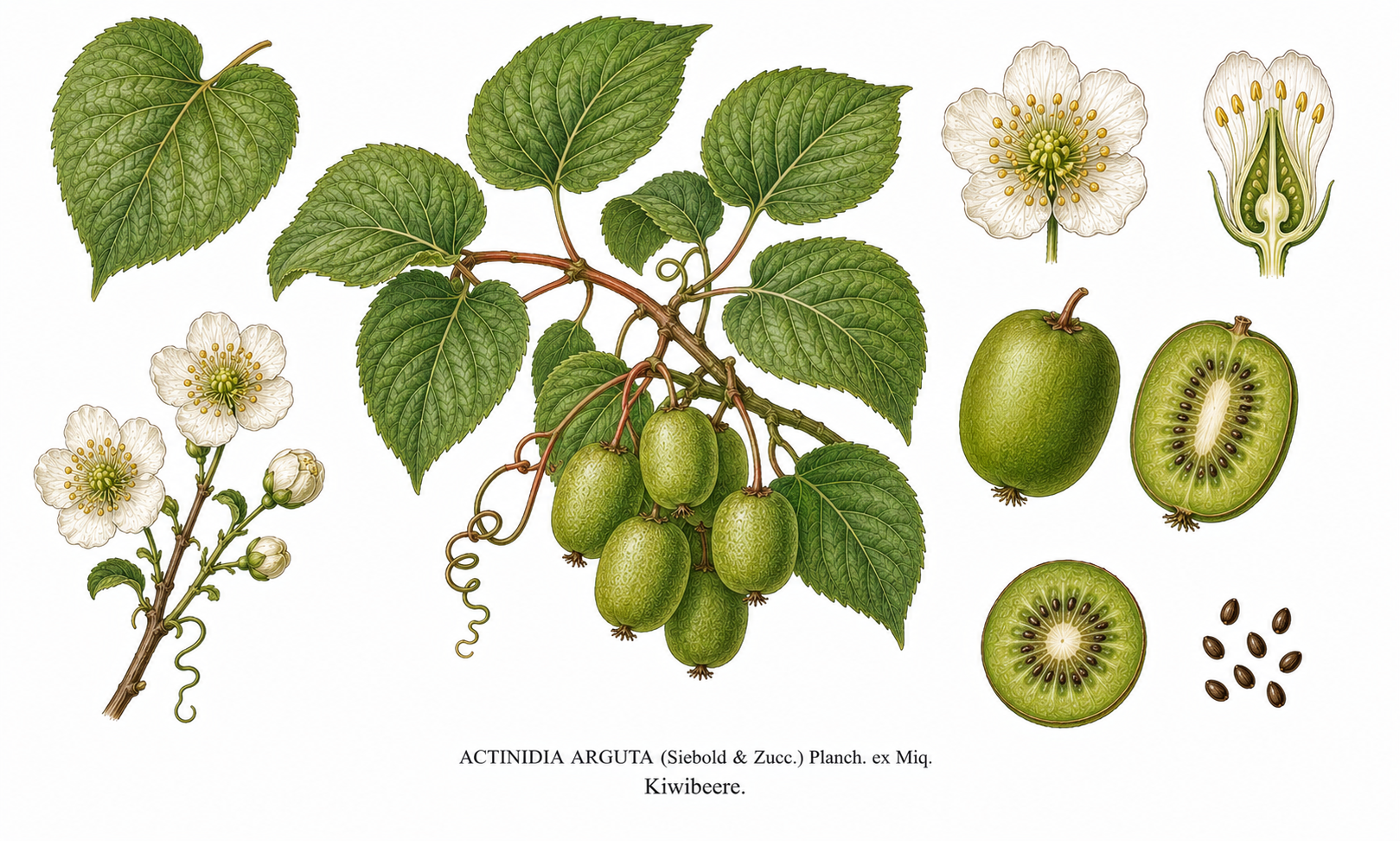
Quick profile
Key data
Suitable growing locations:
Good neighbors
BorageCalendulaStrawberryClover
Avoid
Aggressive WeedsShallow-rooted Competitors
Indoor & direct sowing
hardy kiwi: Sowing and germination
Indoor sowing is uncommon and requires cold stratification of seeds.
Direct outdoor sowing is uncommon and requires cold stratification of seeds.
Planting & site
hardy kiwi: Planting and spacing
Planting in spring after the last frosts or in autumn.
Temperature & frost
hardy kiwi: Temperature and site
Water & nutrients
hardy kiwi: Water, nutrients and care
Container & growth
hardy kiwi: Container, support and growth
Year plan
hardy kiwi Calendar
In late summer and autumn, the hardy kiwi transforms into a true snack hedge full of small, aromatic fruits.
Recurring tasks
Relevant now
June
- No additional single task
Next up
July
- No additional single task
Monthly tasks
Single tasks from monthly data; repeated seasonal windows are shown in the overview above.
January
Quiet month
February
Quiet month
March
Growing
- First fertilizationApply compost or organic slow-release fertilizer.
April
No additional single task
May
No additional single task
June
Quiet month
August
Harvest
- First harvest (depending on variety)Some early varieties may ripen in August.
September
No additional single task
October
No additional single task
November
Quiet month
December
Quiet month
Flowering & pollination
hardy kiwi Flowering & pollination
Flowering period
May to June
Self-fertility
dioecious_with_some_self_fertile_cultivars
Pollinator needed
yes
Overview
Pollination is primarily carried out by insects, especially bees.
Notes
Most hardy kiwi varieties are dioecious, meaning there are separate male and female plants. For fruit production, at least one male plant is required for every 5-8 female plants. There are also some self-fertile varieties (e.g., 'Issai'), but they often benefit from an additional male plant.
Pruning & care
hardy kiwi Pruning & care
Pruning type
modified_cane_and_spur_pruning_on_permanent_framework
Pruning timing
Structure building, fruiting wood renewal, thinning The main pruning is done in late winter when the plant is dormant and before sap rise begins. This minimizes 'bleeding' from cuts.
Growth regulation, fruit exposure to light, promotion of fruit quality In early summer, long, vegetative shoots are shortened to direct energy into the fruits and improve ventilation. Shoots that are not bearing fruit can be cut back more severely.
Remove
Preserve
Avoid
Tools and hygiene
Always use sharp and clean pruning tools to ensure smooth cuts and minimize disease transmission. Disinfect tools regularly, especially after cutting diseased plant parts.
Companion guide
hardy kiwi Companion guide
Good neighbors
BorageCalendulaStrawberryClover
Avoid
Aggressive WeedsShallow-rooted Competitors
Use & storage
hardy kiwi Use & storage
Fruits ripen from September to October, depending on variety and location.
Storage
Cool and humid
Storage life
Ripe: short (days to 1-2 weeks); Unripe: medium (weeks)
Flavor
Sweet-tart, aromatic, reminiscent of a mix of kiwi, gooseberry, and fig.
Harvest
Fruits ripen from September to October, depending on variety and location.
Culinary uses
Processing
After harvest
Hardy kiwis can either be harvested ripe from the vine or picked unripe and ripened at room temperature. Unripe fruits ripen faster when stored with apples or bananas (ethylene production).
Edibility & safety
hardy kiwi Edibility & safety
For people
In brief: which parts are edible, which parts remain risky, and whether raw consumption makes sense.
Safety notes
No toxic parts of the hardy kiwi are known. In sensitive individuals, mild allergic reactions may rarely occur, similar to those with common kiwi.
Animal safety
For many animals, this plant is generally low-risk: 13 animal types are rated suitable or mostly suitable. Quantity, plant part, and individual tolerance still matter.
Each row shows which parts are more suitable and which parts are critical.
Companion animals
 Dog
DogFruit
No risk parts listed
Fruit
No risk parts listed
Overconsumption may cause gastrointestinal upset due to high fiber and sugar content.
observe
The fruit of the hardy kiwi is safe for dogs in small amounts as a treat. No known toxic compounds in the fruit. In sensitive dogs, mild allergic reactions may rarely occur, similar to those with common kiwi. Leaves and stems are not classified as toxic but are not suitable for consumption and may cause gastrointestinal upset in large quantities. Due to the high sugar content, the fruit should only be fed…
Open animal page Cat
CatFruit
No risk parts listed
Fruit
No risk parts listed
Overconsumption may cause gastrointestinal upset due to high fiber and sugar content.
observe
The fruit of the hardy kiwi is safe for cats in small amounts as a treat. Other plant parts such as leaves and stems are not well studied and should be avoided. Overconsumption may cause gastrointestinal upset due to high fiber and sugar content. Consult a veterinarian if symptoms persist.
Open animal page Rabbit
Fruit
No risk parts listed
Fruit
No risk parts listed
Overconsumption may cause digestive upset due to high water and sugar content.
observe
The fruit of hardy kiwi is suitable for rabbits in small amounts as a treat. No known toxic compounds. Leaves and stems are not recommended due to possible pesticide residues and lower digestibility in small mammals.
Open animal page Guinea pig
Fruit
No risk parts listed
Fruit
No risk parts listed
Overconsumption may cause gastrointestinal upset due to high water and sugar content.
observe
The fruit of hardy kiwi is suitable for guinea pigs in small amounts as a treat. No known toxic compounds. Leaves and stems should be avoided due to lack of data and potential risk.
Open animal page Hamster
Fruit
No risk parts listed
Fruit
No risk parts listed
Overconsumption may cause gastrointestinal upset due to high fiber and sugar content.
observe
The fruit of hardy kiwi is suitable for hamsters in small amounts as a treat. No known toxic compounds. Overconsumption may risk diarrhea or bloating due to fruit sugar and fiber. Other plant parts (leaves, stems) should not be fed - insufficient safety data.
Open animal page Budgie
Fruit
No risk parts listed
Fruit
No risk parts listed
Overconsumption may cause digestive upset due to high fiber and sugar content.
usually no action needed
The fruit of hardy kiwi is suitable for budgies in small amounts as an occasional treat. No known toxic compounds or parts. Overconsumption may pose a risk of digestive upset due to sugar and fiber content. Introduce new foods gradually and monitor for individual tolerance.
Open animal pageFarm animals
 Horse
HorseNo suitable parts listed
No risk parts listed
No suitable parts listed
No risk parts listed
 Chicken
Fruit
No risk parts listed
Fruit
No risk parts listed
Excessive consumption may cause gastrointestinal upset due to high fiber and acid content.
observe
The fruit of hardy kiwi is suitable for chickens in small amounts as a treat. No known toxic compounds. Excessive consumption may pose a risk of digestive upset due to acidity and fiber content.
Open animal page Duck
DuckFruit
No risk parts listed
Fruit
No risk parts listed
Overconsumption may cause gastrointestinal upset due to high fiber and acid content.
 Goose
GooseFruit
No risk parts listed
Fruit
No risk parts listed
Overconsumption may cause gastrointestinal upset due to high fiber and sugar content.
observe
The fruit of hardy kiwi is suitable for geese in small amounts as an occasional treat. No known toxic compounds. Overconsumption may cause gastrointestinal upset due to fiber and natural sugars. Leaves and stems are not recommended due to lack of safety data for geese.
Open animal page Sheep
SheepFruit
No risk parts listed
Fruit
No risk parts listed
Overconsumption may cause gastrointestinal upset due to high fiber and sugar content.
observe
The fruit of hardy kiwi is suitable for sheep in small amounts as a treat. No known toxic compounds or parts. Overconsumption may cause gastrointestinal discomfort due to fiber and natural sugars. Leaves and stems are not considered toxic but should not be used as primary feed.
Open animal page Goat
GoatFruit
No risk parts listed
Fruit
No risk parts listed
Overconsumption may cause gastrointestinal upset due to high fiber and sugar content.
observe
The fruit of the hardy kiwi is edible for goats and generally considered safe, but should only be fed as a treat in moderation due to sugar content. Other plant parts such as leaves and stems are not commonly consumed and fall outside typical feed context. No known toxic compounds in the fruit. Overconsumption may lead to loose stool or bloating. Monitor animal for signs of distress and consult veterinarian if…
Open animal page Cattle
Fruit
No risk parts listed
Fruit
No risk parts listed
Overconsumption may cause gastrointestinal upset due to high fiber and sugar content.
 Pig
PigFruit
No risk parts listed
Fruit
No risk parts listed
Overconsumption may cause gastrointestinal upset due to high fiber and sugar content.
These guidelines are for general information only and do not replace veterinary diagnosis. If critical plant parts were ingested or the animal shows unusual behaviour or symptoms, seek veterinary advice.
Max risk
unknown
Highest status
not established
Urgency
unknown
Saving seed
hardy kiwi Saving seed
Seed saving
yes
Seed viability
2 - 3 years
Method
Extract seeds from ripe fruits, clean, and dry. Require cold stratification.
Notes
Since most varieties are dioecious and cross-pollination occurs, varietal purity is not guaranteed when saving seeds, unless specific pollination control measures are taken. Germination can be irregular and protracted.
Practical tips
hardy kiwi Practical tips
Common beginner mistakes
Success pattern
High-impact tips
Grower observations
Plant Profile
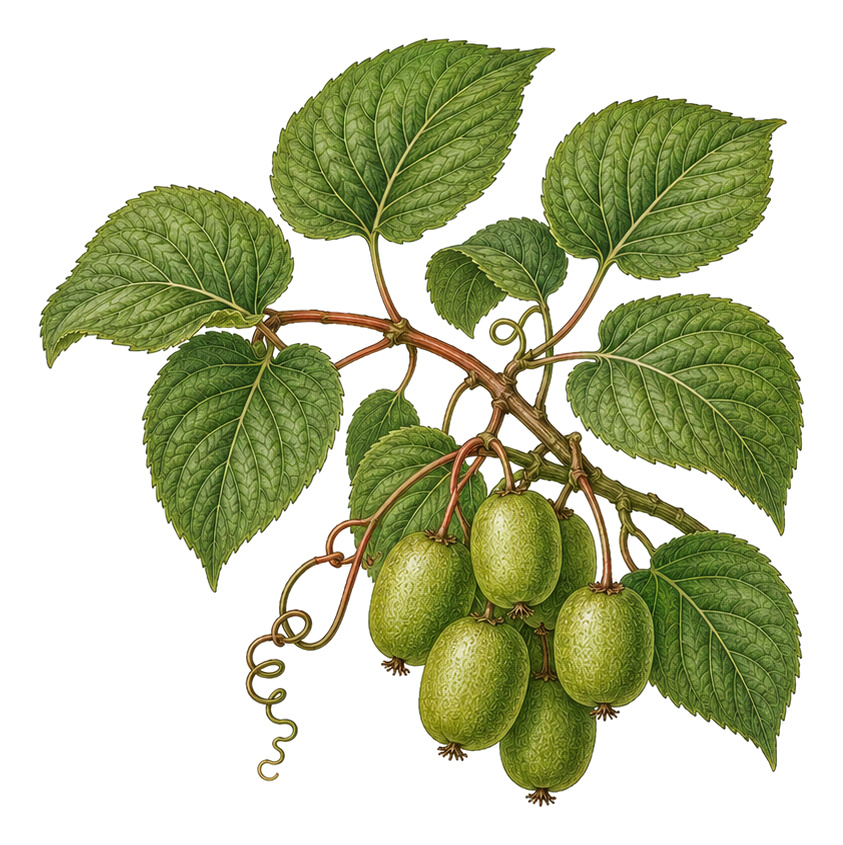
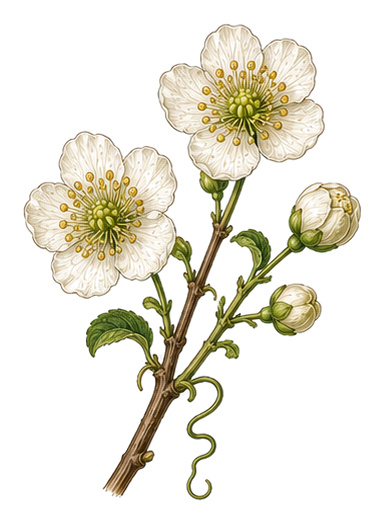
Additional plant images
Health
Pests, Diseases
Plant health
Diagnosis help
hardy kiwi Diagnosis help
Pest groups
Disease groups
Prevention
Diagnosis
Observe changes in leaves, shoots, and fruits. Check the underside of leaves for pests and fungal infections. Look for stunted growth or discolorations.
Cultural prevention
Monitoring
First response
Diagnostic rules
Yellow leaves with green veins, especially on young shoots
Possible causes: Iron deficiency
- Check soil pH
- Check soil for waterlogging
White, powdery coating on leaves and shoots
Possible causes: Powdery mildew
- Check air circulation
- Check plant spacing
Wilting, stunted plant despite adequate watering, yellowish leaves
Possible causes: Root rot
- Check soil for waterlogging
- Improve drainage
Curled, sticky leaves, small insects on shoot tips
Possible causes: Aphids
- Check underside of leaves
- Promote beneficial insects
FAQ
Do I need to plant male and female hardy kiwis?
Yes, most hardy kiwi varieties are dioecious, meaning there are separate male and female plants. For fruit production, you need at least one male plant for every 5-8 female plants. However, there are also self-fertile varieties like 'Issai', which still benefit from an additional male plant for higher yields.
When is the best time to prune hardy kiwis?
The main pruning (winter pruning) is done in late winter (January/February), before sap rise begins. Summer pruning for shoot regulation and better fruit exposure is recommended in early summer (June/July) after fruit set.
Why isn't my hardy kiwi bearing fruit?
Common reasons include the absence of a male pollinator plant (for dioecious varieties), insufficient insect pollination, late frost damage to flowers, or incorrect pruning that removed fruiting wood. Very young plants often only bear fruit after 2-3 years.
Can hardy kiwis be grown in containers?
Yes, hardy kiwis can be grown in containers, but they require very large pots (at least 50-90 liters volume) and extremely sturdy support. Regular watering, fertilization, and consistent pruning are essential.
Is hardy kiwi safe for Dog?
hardy kiwi is classified as moderation only for Dog. Risk: unknown. Urgency: observe. The fruit of the hardy kiwi is safe for dogs in small amounts as a treat. No known toxic compounds in the fruit. In sensitive dogs, mild allergic reactions may rarely occur, similar to those with common kiwi. Leaves and stems are not classified as toxic but are not suitable for consumption and may cause gastrointestinal upset in large quantities. Due to the high sugar content, the fruit should only be fed…
Is hardy kiwi safe for Cat?
hardy kiwi is classified as moderation only for Cat. Risk: unknown. Urgency: observe. The fruit of the hardy kiwi is safe for cats in small amounts as a treat. Other plant parts such as leaves and stems are not well studied and should be avoided. Overconsumption may cause gastrointestinal upset due to high fiber and sugar content. Consult a veterinarian if symptoms persist.
Is hardy kiwi safe for Rabbit?
hardy kiwi is classified as moderation only for Rabbit. Risk: unknown. Urgency: observe. The fruit of hardy kiwi is suitable for rabbits in small amounts as a treat. No known toxic compounds. Leaves and stems are not recommended due to possible pesticide residues and lower digestibility in small mammals.
Is hardy kiwi safe for Guinea pig?
hardy kiwi is classified as moderation only for Guinea pig. Risk: unknown. Urgency: observe. The fruit of hardy kiwi is suitable for guinea pigs in small amounts as a treat. No known toxic compounds. Leaves and stems should be avoided due to lack of data and potential risk.
Guides
Related guides
Guide
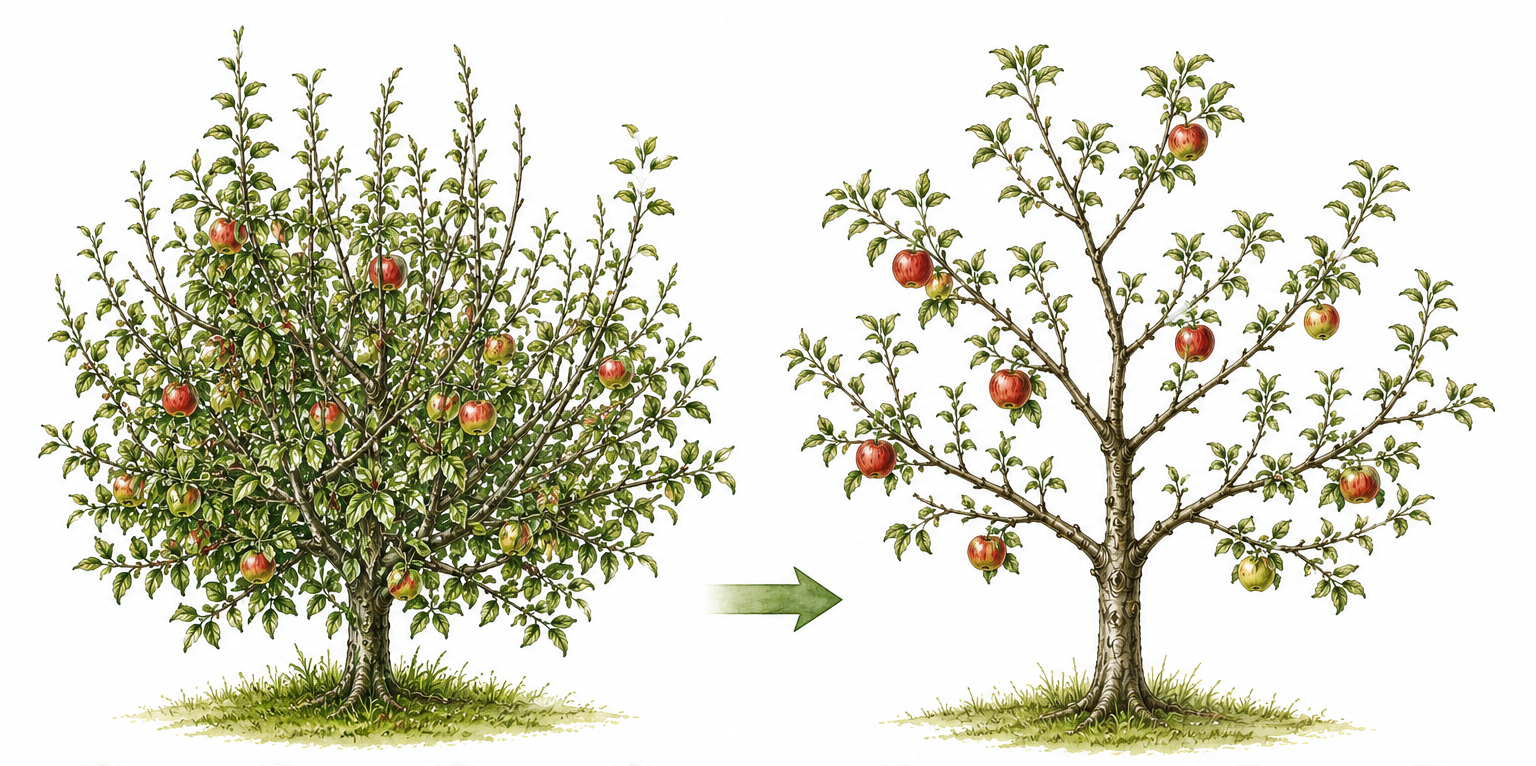
Pruning Apple Trees: Timing, Techniques, and Common Mistakes
Learn when and how to prune apple trees properly, including winter pruning, summer pruning, training cuts, and maintenance tips for healthy, productive…
Guide
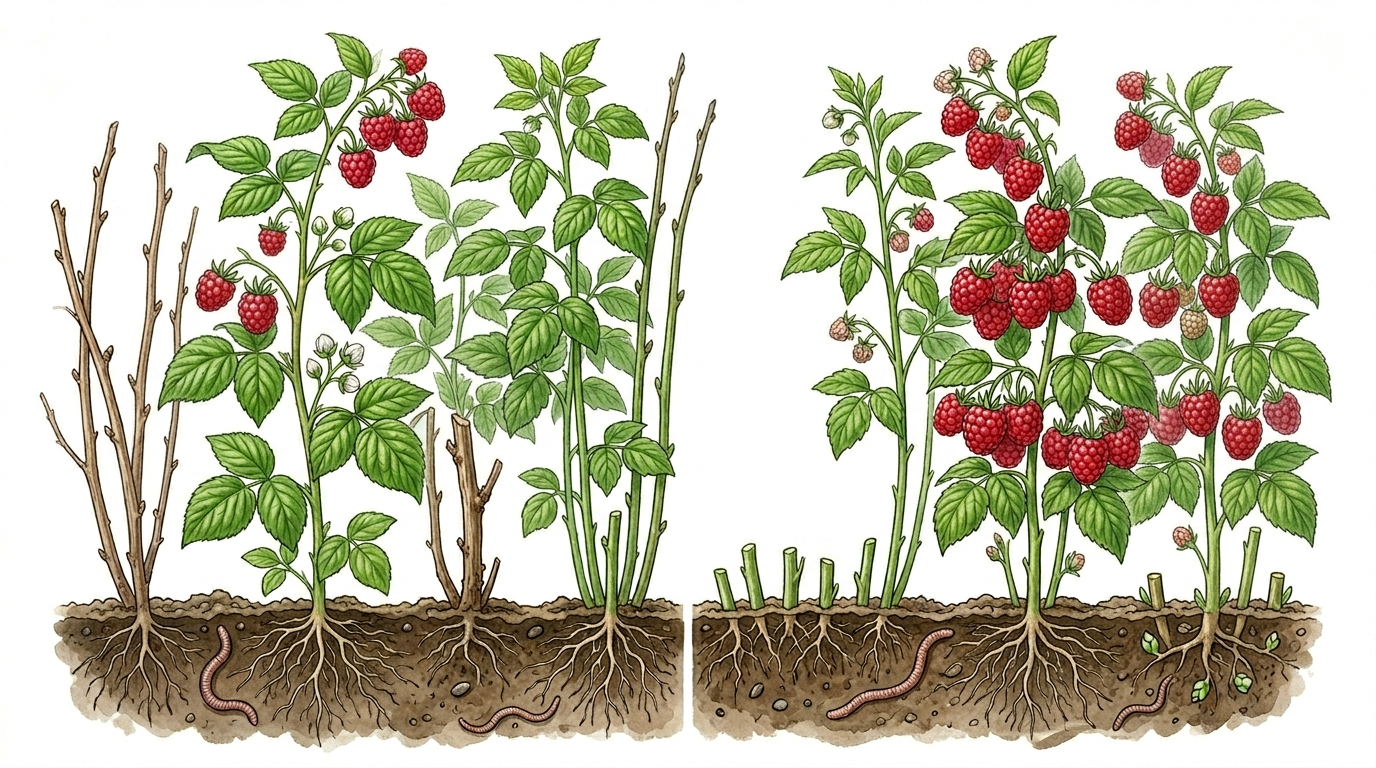
Pruning Raspberries: Summer and Autumn Types
Learn how to prune raspberries correctly by understanding the differences between summer-bearing and autumn-bearing types.
Guide
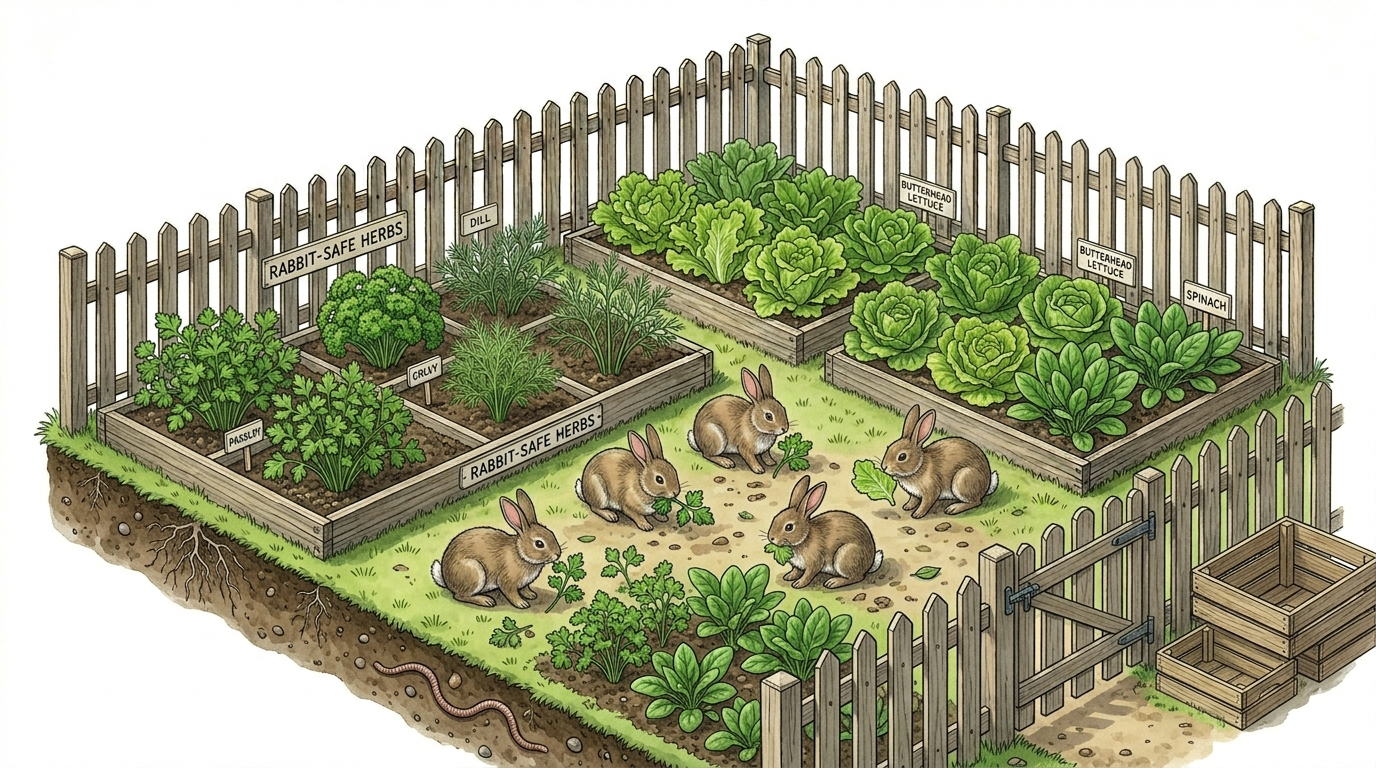
Rabbits in the Garden: Herbs and Vegetables
Learn how to choose suitable herbs and vegetables for rabbits, grow feeding plants, and plan a rabbit-friendly garden.
Guide
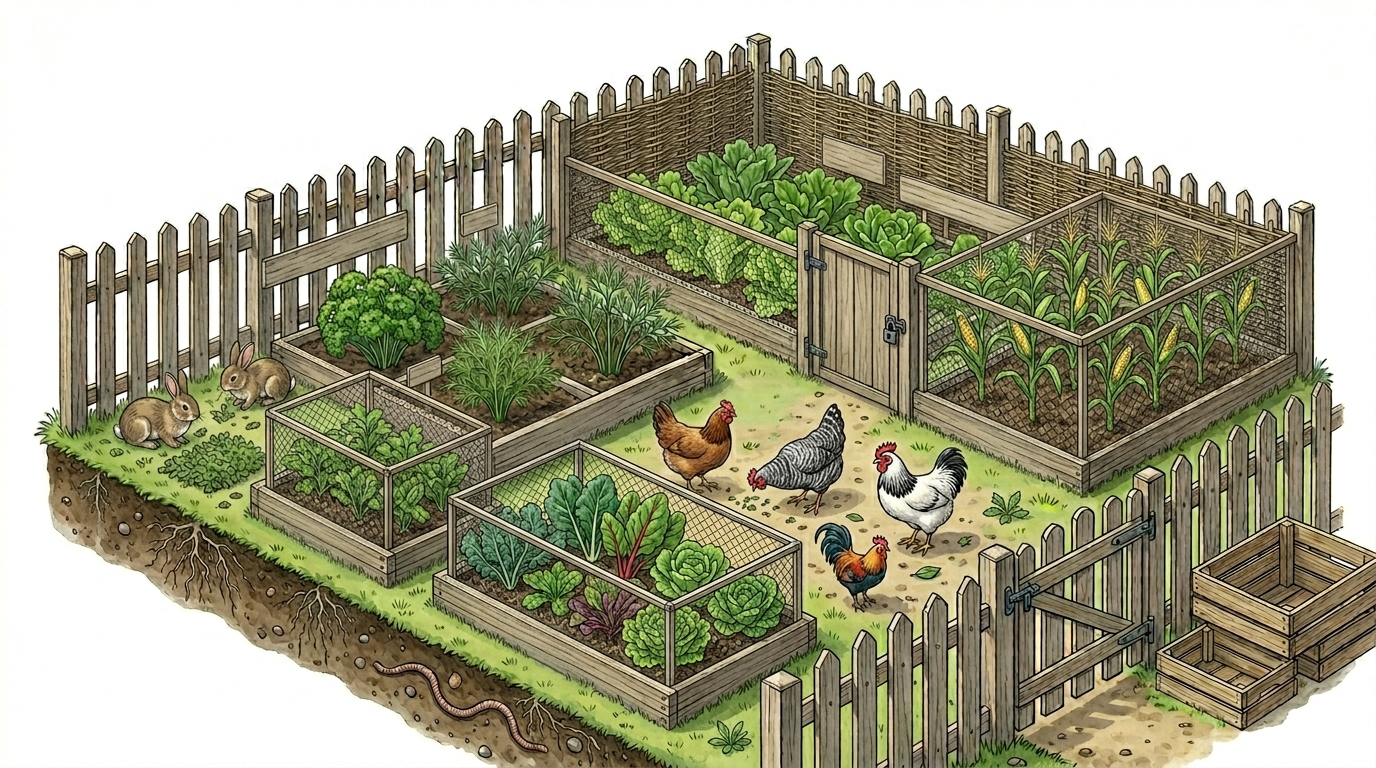
Chickens in the Garden: Safe Plants and Zones
Learn how to design a chicken-friendly garden with suitable plants, protected beds, and well-planned activity areas.
Internal links
Related plants
Common Kiwi (large-fruited)
Belongs to the same genus Actinidia.
Closely related, similar cultivation requirements, but different hardiness.
Raspberry
Both belong to the berry fruit group.
Both are heavy feeders and require good nutrient supply.
Gooseberry
Both belong to the berry fruit group.
Fresh consumption, jam, cakes.
Grapevine
Similar susceptibility to fungal diseases like powdery mildew, due to similar growth habit and site requirements.
tomato
Both are heavy feeders and benefit from regular fertilization.
Strawberry
Both benefit from consistent moisture, especially during fruit development.
Fresh consumption, jam, desserts.
Variegated Kiwi Vine
Belongs to the same genus Actinidia.
Sources
Public sources
- Wikidata entity
Wikidata · 2026-05-13
- GBIF species match
GBIF · 2026-05-13
- Deutschsprachige Wikipedia: Scharfzähniger Strahlengriffel
Wikipedia · 2026-05-13
- English Wikipedia: Actinidia arguta
Wikipedia · 2026-05-13