Plant Profile
Damson plumPrunus domestica
The Zwetschge or prune plum is a time-tested subgroup of the European plum, prized especially for its baking qualities. Its firm flesh retains its structure and pleasant tartness even when heated.
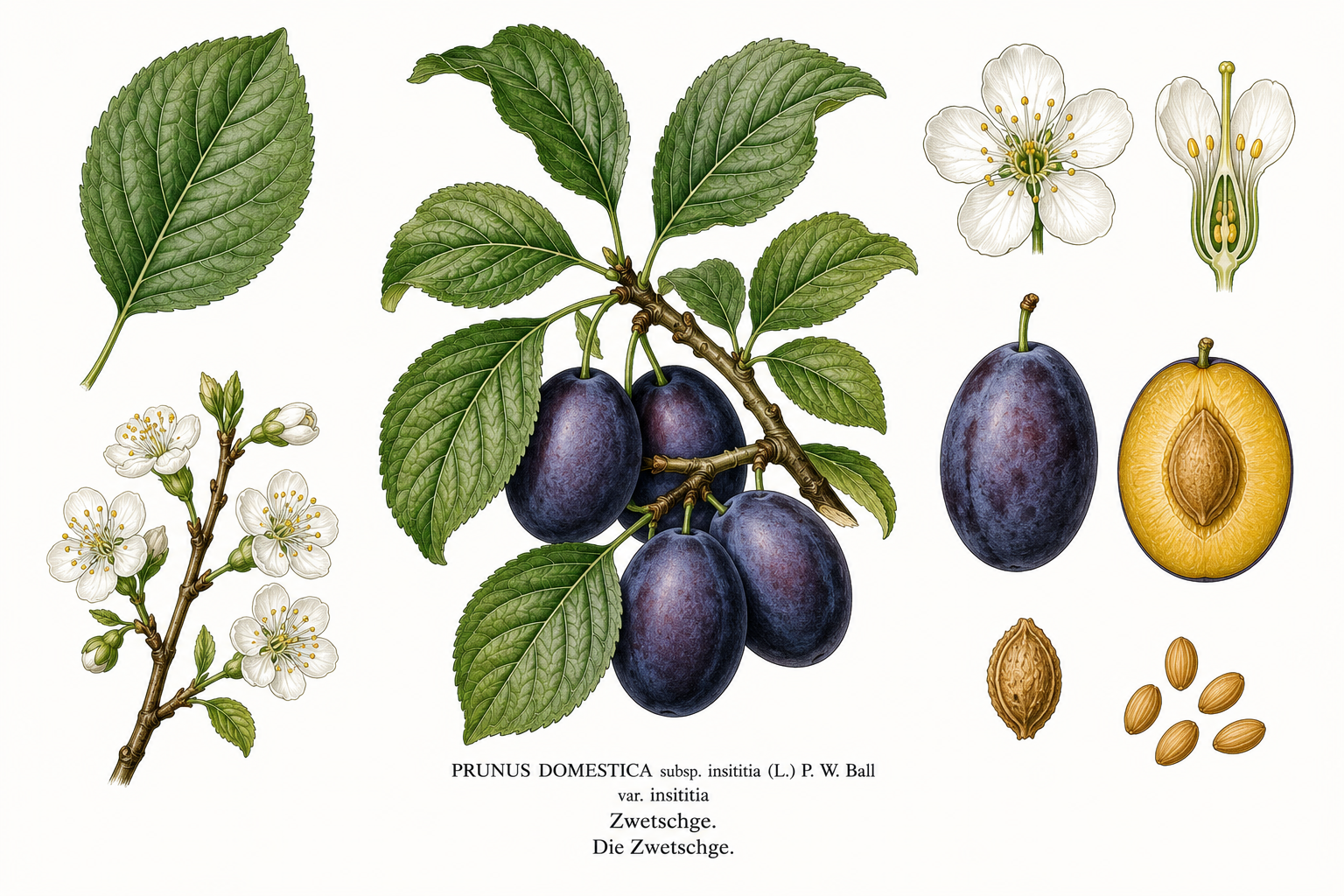
Quick profile
Key data
Suitable growing locations:
Good neighbors
NasturtiumWild garlicHorseradish
Avoid
Indoor & direct sowing
Damson plum: Sowing and germination
Not applicable, as plums are propagated via grafting.
Not applicable, seed propagation does not result in true-to-type trees.
Planting & site
Damson plum: Planting and spacing
Autumn planting (October to November) is preferred for bare-root trees; container-grown trees can be planted year-round during frost-free periods.
Site & practical notes
Cultivation pro tip: Rip out vertical water sprouts by hand at the base during June or July instead of cutting them. This prevents sleeping buds from generating new unwanted shoots almost entirely.
Temperature & frost
Damson plum: Temperature and site
Water & nutrients
Damson plum: Water, nutrients and care
Container & growth
Damson plum: Container, support and growth
Year plan
Damson plum Calendar
In June, natural fruit drop clearly indicates whether the tree's current water supply is sufficient.
Recurring tasks
Relevant now
June
- Monitor June Drop & Hand ThinningReduce excessive fruit load to ensure fruit quality and prevent biennial bearing.
Next up
July
- No additional single task
Monthly tasks
Single tasks from monthly data; repeated seasonal windows are shown in the overview above.
January
Quiet month
February
Quiet month
March
Growing
- Spring FertilizationApply mature compost or organic complete fertilizer shallowly in the root zone.
April
No additional single task
May
Quiet month
June
Growing
- Monitor June Drop & Hand ThinningReduce excessive fruit load to ensure fruit quality and prevent biennial bearing.
August
No additional single task
September
No additional single task
October
No additional single task
November
No additional single task
December
Quiet month
Flowering & pollination
Damson plum Flowering & pollination
Flower color
White to delicate greenish-white
Self-fertility
partially to fully self-fertile
Pollinator needed
no
Overview
Many traditional prune plum cultivars are self-fertile, but fruit yield improves significantly with cross-pollination from another plum cultivar.
Notes
Honeybees and bumblebees are the primary pollinators. Inclement weather during the April bloom can limit insect flight and reduce subsequent yield.
Pruning & care
Damson plum Pruning & care
Pruning type
fruiting_wood_renewal
Pruning timing
Summer pruning immediately post-harvest for canopy thinning and quick wound healing Pruning in summer reduces the risk of infection by Pseudomonas and fungal pathogens like Monilia because the wounds callus over rapidly.
Training cuts and heavy renewal pruning on frost-free days Only perform during dry weather and temperatures above 0°C to avoid frost cracking at the cut locations.
Remove
Preserve
Avoid
Tools and hygiene
Disinfect tools thoroughly with alcohol or heat after each individual tree to prevent spreading bacterial canker (Pseudomonas) or viruses.
Companion guide
Damson plum Companion guide
Good neighbors
NasturtiumWild garlicHorseradish
Avoid
Use & storage
Damson plum Use & storage
Harvest varies by cultivar from July (early prunes) to October (e.g., Hauszwetschge). Harvest fully ripe for optimal flavor.
Storage
Short-term storage when fresh; excellent suitability for preservation processing.
Storage life
Fresh fruits keep for about 1 to 2 weeks in cold storage. Frozen or preserved fruits keep for many months.
Harvest
Harvest varies by cultivar from July (early prunes) to October (e.g., Hauszwetschge). Harvest fully ripe for optimal flavor.
Processing
After harvest
Handle fruits carefully during harvest to preserve the protective waxy bloom. Bruising accelerates spoilage.
Edibility & safety
Damson plum Edibility & safety
For people
In brief: which parts are edible, which parts remain risky, and whether raw consumption makes sense.
Safety notes
Consumption of the fruit flesh is perfectly safe. The inner kernels inside the hard pits contain amygdalin and must not be ingested.
Animal safety
This plant is not simply safe or unsafe for animals. 12 animal types have restrictions, so quantity, access, and plant part matter.
Each row shows which parts are more suitable and which parts are critical.
Companion animals
 Dog
DogFruit flesh, Fruit skin
Seed/pit (contains cyanogenic glycosides), Leaves, Bark
Fruit flesh, Fruit skin
Seed/pit (contains cyanogenic glycosides), Leaves, Bark
Consumption of pits or leaves, Unripe fruit
Vomiting, Diarrhea, Abdominal pain
contact a vet if symptoms appear
The fruit flesh of the damson plum is safe for dogs in small amounts as a treat. Pits, leaves, and bark contain amygdalin, which can hydrolyze to hydrogen cyanide and cause poisoning. If toxic parts are ingested, seek veterinary advice immediately.
Open animal page Cat
CatFruit flesh, Fruit skin
Seed/pit (contains cyanogenic glycosides), Leaves, Bark
Fruit flesh, Fruit skin
Seed/pit (contains cyanogenic glycosides), Leaves, Bark
Consumption of pits, leaves, or bark, Unripe fruit
Vomiting, Diarrhea, Abdominal pain
contact a vet if symptoms appear
The fruit flesh of the damson plum is safe for cats in small amounts as a treat. Pits, leaves, and bark contain amygdalin, which can release cyanide when acted upon by enzymes and may lead to poisoning symptoms. Consumption of only the fruit flesh typically requires no treatment. If pit ingestion is suspected, a veterinarian should be contacted.
Open animal page Rabbit
Fruit flesh, Fruit skin
Seed/pit (contains cyanogenic glycosides), Leaves, Bark
Fruit flesh, Fruit skin
Seed/pit (contains cyanogenic glycosides), Leaves, Bark
Consumption of pits, leaves, or bark, Unripe fruits, Excessive fruit consumption
Difficulty breathing, Tremors, Mucosal irritation
contact a vet if ingested
The flesh of the damson plum is safe for rabbits in small amounts as a treat. Pits, leaves, and bark contain amygdalin, which can hydrolyze to hydrogen cyanide and cause serious poisoning. Feed only pure flesh without pit remnants.
Open animal page Guinea pig
No suitable parts listed
No risk parts listed
No suitable parts listed
No risk parts listed
 Hamster
Fruit flesh
Seed/pit (contains cyanogenic glycosides), Leaves, Bark
Fruit flesh
Seed/pit (contains cyanogenic glycosides), Leaves, Bark
Small animal with low body mass, Curious gnawing behavior
Difficulty breathing, Tremors, Drooling
contact a vet if ingested
Fruit flesh of the damson plum is suitable for hamsters in small amounts as a treat. The seed/pit, leaves, and bark contain amygdalin, which releases cyanide when metabolized and can be dangerous even in small amounts. Due to the low body mass of hamsters, the risk of cyanide poisoning is increased. Offer only pure fruit flesh without any pit remnants and limit the amount to a small piece per week. If hazardous…
Open animal page Budgie
No suitable parts listed
No risk parts listed
No suitable parts listed
No risk parts listed
unknown
The fruit flesh of the damson plum is suitable for budgies in small amounts as an occasional treat. Pits, leaves, and bark contain amygdalin and can cause cyanide poisoning if ingested. Due to their small body size, budgies are particularly sensitive to toxins. Only offer pitted fruit flesh and strictly limit quantity. Contact a veterinarian immediately if toxic parts are consumed.
Open animal pageFarm animals
 Horse
HorseFruit flesh, Fruit skin
Seed/pit (contains cyanogenic glycosides), Leaves, Bark
Fruit flesh, Fruit skin
Seed/pit (contains cyanogenic glycosides), Leaves, Bark
Access to pits/seeds, Consumption of leaves or bark, Wild or unripe fruit
Difficulty breathing, Tremors, Mucosal irritation
contact a vet if ingested
The fruit flesh of the damson plum is safe for horses in small amounts as a treat. Pits, leaves, and bark contain amygdalin, which can hydrolyze to hydrogen cyanide and cause poisoning. Overconsumption of fruit flesh may lead to digestive upset due to sugar content.
Open animal page Chicken
Fruit flesh, Fruit skin
Seed/pit (contains cyanogenic glycosides), Leaves, Bark
Fruit flesh, Fruit skin
Seed/pit (contains cyanogenic glycosides), Leaves, Bark
Access to pits or leaves, Overconsumption of fruit flesh
Respiratory distress, Tremors, Mucous membrane irritation
contact a vet if ingested
The flesh of the damson plum is safe for chickens in small amounts as a treat. Pits, leaves, and bark contain amygdalin, which releases cyanide when metabolized and is toxic. Overfeeding fruit flesh can lead to diarrhea due to high sugar and fiber content. Chickens should not have access to fallen fruit with pits.
Open animal page Duck
DuckFruit flesh
Seed/pit, Leaves, Bark
Fruit flesh
Seed/pit, Leaves, Bark
Access to pits or wilted leaves, Excessive fruit consumption
Vomiting, Diarrhea, Respiratory distress
contact a vet if symptoms appear
The fruit flesh of the damson plum is safe for ducks in small amounts as a treat. Pits, leaves, and bark contain amygdalin and can release cyanide, leading to poisoning symptoms. Ducks should only be given the fruit flesh with no access to hazardous parts.
Open animal page Goose
GooseFruit flesh, Fruit skin
Seed/pit (contains cyanogenic glycosides), Leaves, Bark
Fruit flesh, Fruit skin
Seed/pit (contains cyanogenic glycosides), Leaves, Bark
Consumption of pits or leaves, Unripe fruit
Vomiting, Diarrhea, Abdominal pain
contact a vet if symptoms appear
The fruit flesh of the damson plum is suitable for geese in small amounts as a treat. Pits, leaves, and bark contain amygdalin and can cause cyanide poisoning if ingested. Only feed ripe fruit and remove pits.
Open animal page Sheep
SheepFruit flesh
Seed/pit (contains cyanogenic glycosides), Leaves, Bark
Fruit flesh
Seed/pit (contains cyanogenic glycosides), Leaves, Bark
Consumption of pits or leaves, Wilted leaves increase cyanide release
Respiratory distress, Tremors, Mucosal irritation
contact a vet if ingested
The fruit flesh of the damson plum is safe for sheep and can be given as a treat. Pits, leaves, and bark contain amygdalin, which releases cyanide when metabolized and is toxic. Feed only pitted fruit flesh.
Open animal page Goat
GoatFruit flesh, Fruit skin
Seed/pit (contains cyanogenic glycosides), Leaves, Bark
Fruit flesh, Fruit skin
Seed/pit (contains cyanogenic glycosides), Leaves, Bark
Consumption of seeds or pits, Access to wilted leaves or branches, Excessive fruit consumption
Difficulty breathing, Tremors, Mucosal irritation
contact a vet if ingested
The fruit flesh of the damson plum is safe for goats in moderation and can be given as a treat. Pits, leaves, and bark contain amygdalin, which releases cyanide when metabolized and is toxic. If hazardous parts are consumed, a veterinarian should be contacted. Excessive fruit consumption may cause diarrhea due to high sugar and fiber content.
Open animal page Cattle
Fruit flesh, Fruit skin
Seed/pit (contains cyanogenic glycosides), Leaves, Bark
Fruit flesh, Fruit skin
Seed/pit (contains cyanogenic glycosides), Leaves, Bark
Access to fallen fruit with pits, Damaged or wilted leaves, Access to prunings or branches
Difficulty breathing, Trembling, Excessive drooling
contact a vet if ingested
The fruit flesh of the damson plum is safe for cattle in small amounts as a treat. Pits, leaves, and bark contain amygdalin, which can release cyanide when metabolized, leading to poisoning symptoms. Seek veterinary advice immediately if toxic parts are ingested.
Open animal page Pig
PigFruit flesh, Fruit skin
Seed/pit (contains cyanogenic glycosides), Leaves, Bark
Fruit flesh, Fruit skin
Seed/pit (contains cyanogenic glycosides), Leaves, Bark
Access to fallen or rotting fruit with exposed pits, Chewing or crushing of pits
Difficulty breathing, Tremors, Mucosal irritation
contact a vet if ingested
The flesh of the damson plum is safe for pigs and can be given as an occasional treat. The pits, leaves, and bark contain amygdalin, which can release cyanide when crushed and may lead to poisoning. Pigs should not have access to fallen fruit with exposed pits.
Open animal pageThese guidelines are for general information only and do not replace veterinary diagnosis. If critical plant parts were ingested or the animal shows unusual behaviour or symptoms, seek veterinary advice.
Max risk
unknown
Highest status
not established
Urgency
contact a vet if ingested
Practical tips
Damson plum Practical tips
Common beginner mistakes
Pruning old wood during deep winter under heavy frost, leading to poor wound healing and bark splitting.
Success pattern
Selecting a plum pox resistant cultivar like 'Jojo' paired with consistent summer pruning secures long-term healthy yields.
High-impact tips
Apply grease bands to the tree trunk in mid-September to stop winter moth infestations for the following spring effectively.
Grower observations
In dry summers, older trees grown on sandy soils tend to exhibit massive fruit drop right before maturity if supplemental irrigation is missing.
Plant Profile
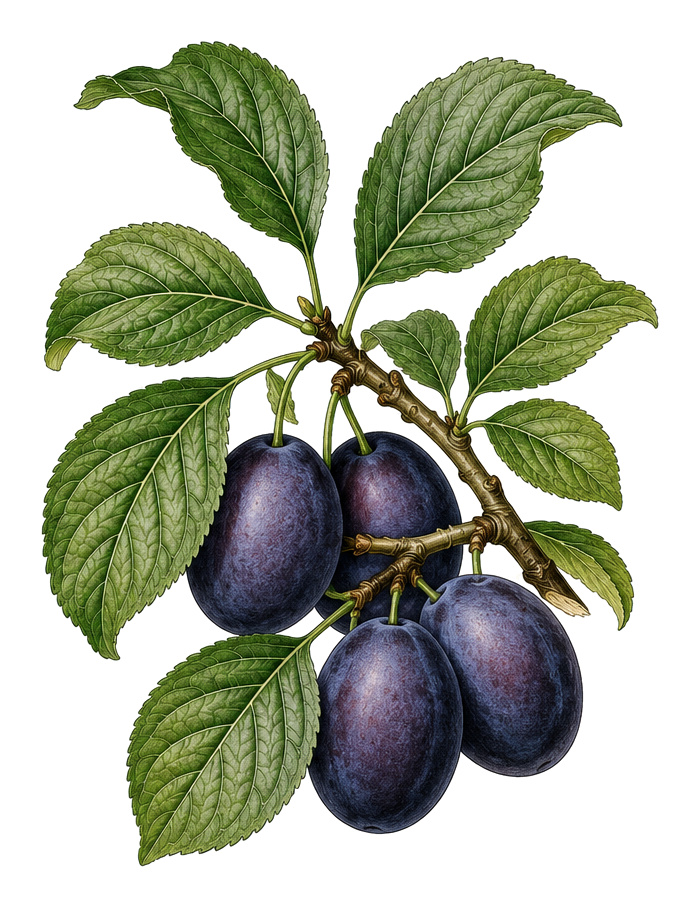
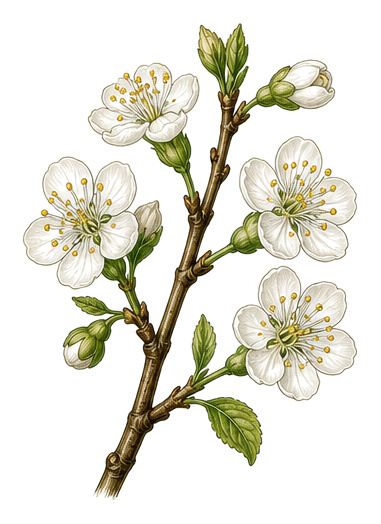
Additional plant images
Health
Pests, Diseases
Plant health
Diagnosis help
Damson plum Diagnosis help
Pest groups
Disease groups
Prevention
Diagnosis
For withering shoots, check for Monilia blossom blight first. If fruits color prematurely and show sticky droplets, it is typically a plum fruit moth infestation.
Cultural prevention
Monitoring
First response
Diagnostic rules
Fruits drop prematurely in July and contain a reddish larva with a brown head.
Possible causes: Grapholita funebrana
- Check for an entry hole with a sticky chew droplet.
- Evaluate pheromone trap flight data.
Leaves show pock-like discolorations in June, fruits have rubbery depressions.
Possible causes: Plum pox virus
- Check leaves against the light for ring patterns.
- Verify cultivar for plum pox resistance.
FAQ
Why is my plum tree dropping so many immature fruits in June?
This is the natural 'June drop'. The tree sheds excess fruit load that it cannot support nutritionally. Additional manual thinning prevents branch breakage.
When is the best time to prune a prune plum tree?
The ideal time is mid-to-late summer immediately after the harvest (July/August). Wounds heal very rapidly then, preventing fungal infections.
Is Damson plum safe for Dog?
Damson plum is classified as selected parts only for Dog. Risk: unknown. Urgency: contact a vet if symptoms appear. The fruit flesh of the damson plum is safe for dogs in small amounts as a treat. Pits, leaves, and bark contain amygdalin, which can hydrolyze to hydrogen cyanide and cause poisoning. If toxic parts are ingested, seek veterinary advice immediately.
Is Damson plum safe for Cat?
Damson plum is classified as selected parts only for Cat. Risk: unknown. Urgency: contact a vet if symptoms appear. The fruit flesh of the damson plum is safe for cats in small amounts as a treat. Pits, leaves, and bark contain amygdalin, which can release cyanide when acted upon by enzymes and may lead to poisoning symptoms. Consumption of only the fruit flesh typically requires no treatment. If pit ingestion is suspected, a veterinarian should be contacted.
Is Damson plum safe for Rabbit?
Damson plum is classified as selected parts only for Rabbit. Risk: unknown. Urgency: contact a vet if ingested. The flesh of the damson plum is safe for rabbits in small amounts as a treat. Pits, leaves, and bark contain amygdalin, which can hydrolyze to hydrogen cyanide and cause serious poisoning. Feed only pure flesh without pit remnants.
Is Damson plum safe for Hamster?
Damson plum is classified as selected parts only for Hamster. Risk: unknown. Urgency: contact a vet if ingested. Fruit flesh of the damson plum is suitable for hamsters in small amounts as a treat. The seed/pit, leaves, and bark contain amygdalin, which releases cyanide when metabolized and can be dangerous even in small amounts. Due to the low body mass of hamsters, the risk of cyanide poisoning is increased. Offer only pure fruit flesh without any pit remnants and limit the amount to a small piece per week. If hazardous…
Guides
Related guides
Guide
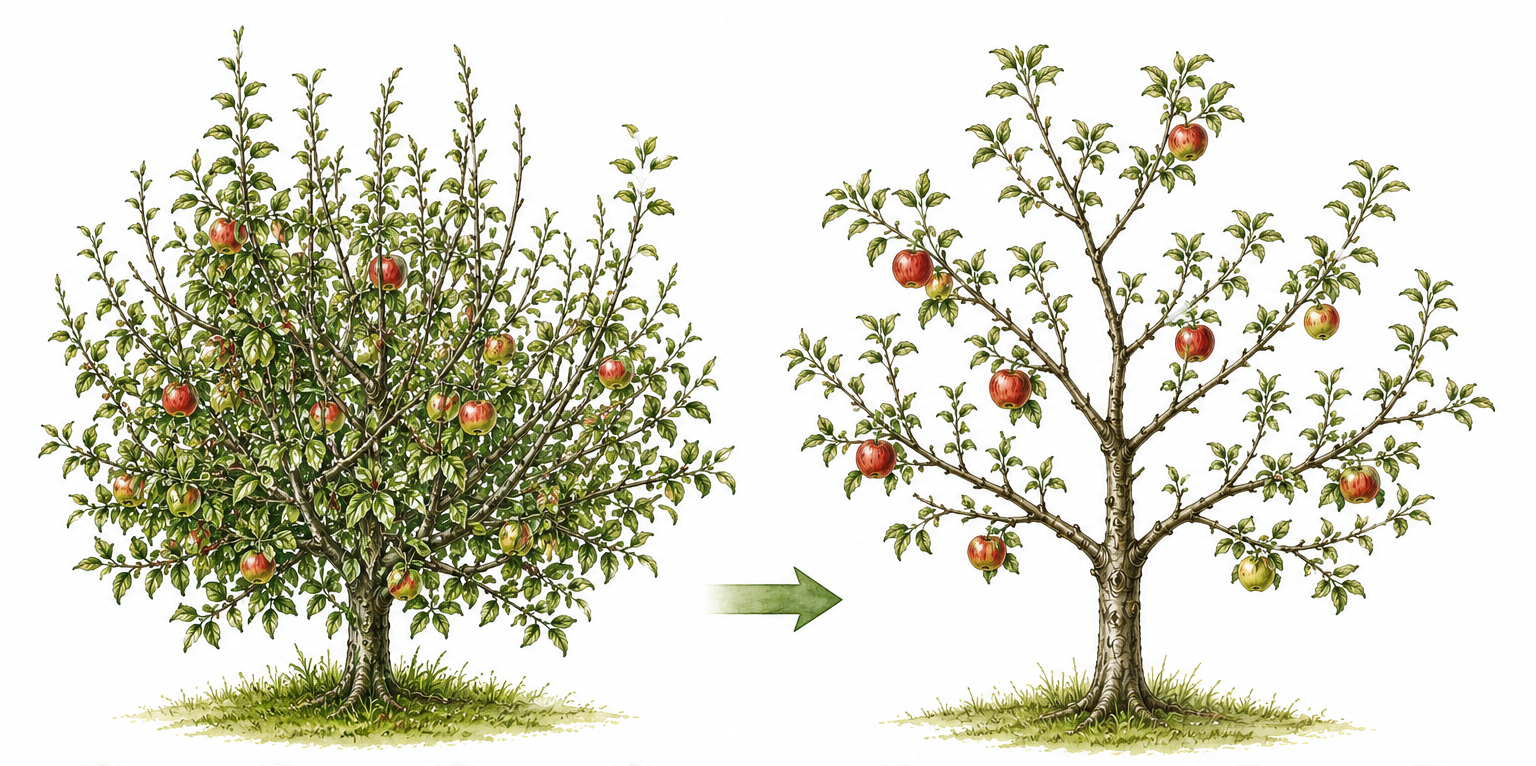
Pruning Apple Trees: Timing, Techniques, and Common Mistakes
Learn when and how to prune apple trees properly, including winter pruning, summer pruning, training cuts, and maintenance tips for healthy, productive…
Guide
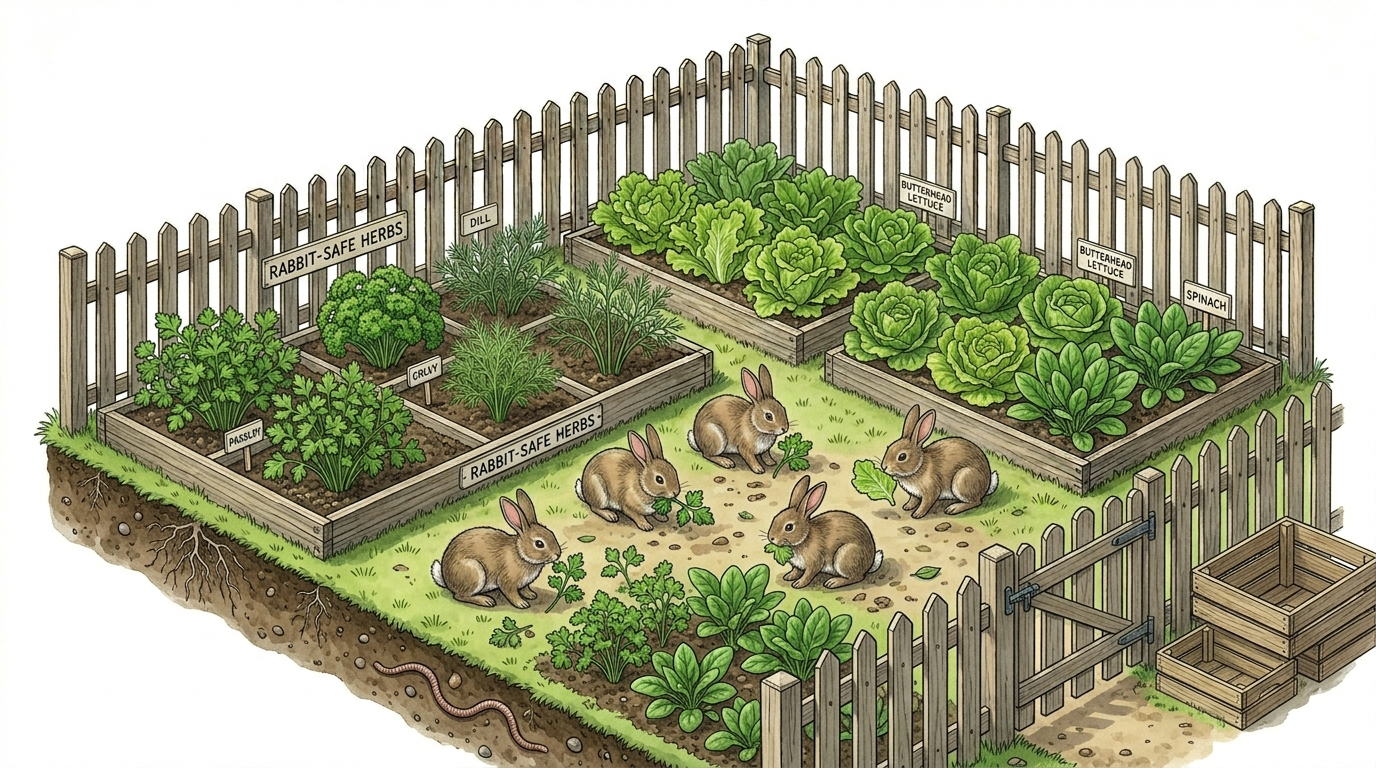
Rabbits in the Garden: Herbs and Vegetables
Learn how to choose suitable herbs and vegetables for rabbits, grow feeding plants, and plan a rabbit-friendly garden.
Guide
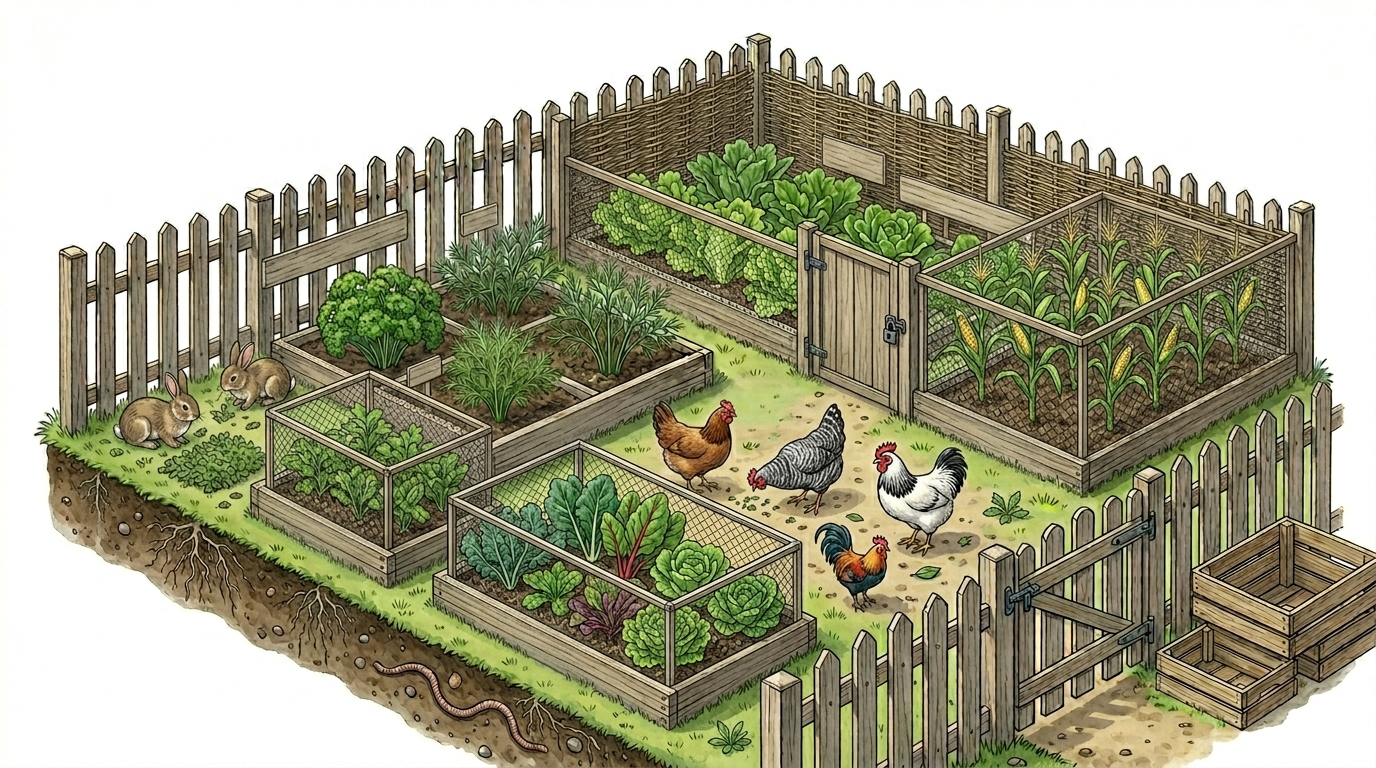
Chickens in the Garden: Safe Plants and Zones
Learn how to design a chicken-friendly garden with suitable plants, protected beds, and well-planned activity areas.
Guide
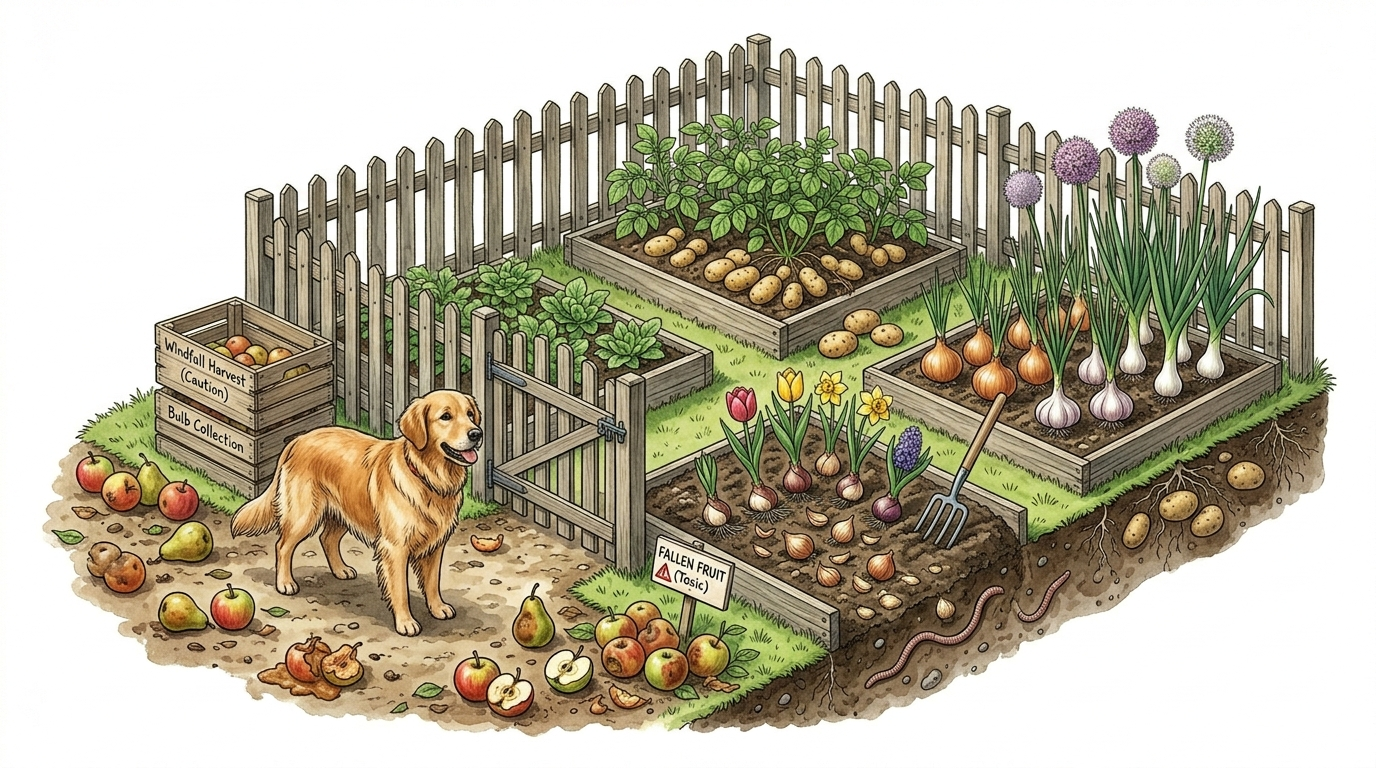
Dogs in the Garden: Windfall Fruit and Risks
Keep your garden dog-safe by managing windfall fruit, seeds, stored crops, and potentially problematic plant parts.
Internal links
Related plants
Sweet cherry
Both belong to the Rosaceae family; avoid planting immediately after one another due to soil sickness.
Mirabelle plum
Identical cultivation and crop protection methods; excellent cross-pollination partners.
Botanically close relatives, but true Zwetschgen plums are more elongated and strictly freestone.
Sloe / Blackthorn
Can act as a wild host reservoir for the plum pox virus and transfer aphids to home orchards.
Peach
Another stone fruit within the Prunus genus with comparable requirements regarding blossom hygiene.
Apple
Belongs to the same family (Rosaceae); shares risks regarding soil sickness in replanting scenarios.
Apricot
Excellent stone fruit alternative for sheet cakes, compotes, and fruit spreads.
Cherry plum
Ripens much earlier with mostly round, yellow or red fruits and softer flesh structure.
Sources
Public sources
- Wikidata entity
Wikidata · 2026-05-16
- GBIF species match
GBIF · 2026-05-16
- Deutschsprachige Wikipedia: Pflaume
Wikipedia · 2026-05-16
- English Wikipedia: Prunus domestica
Wikipedia · 2026-05-16