Plant Profile
BilberryVaccinium myrtillus
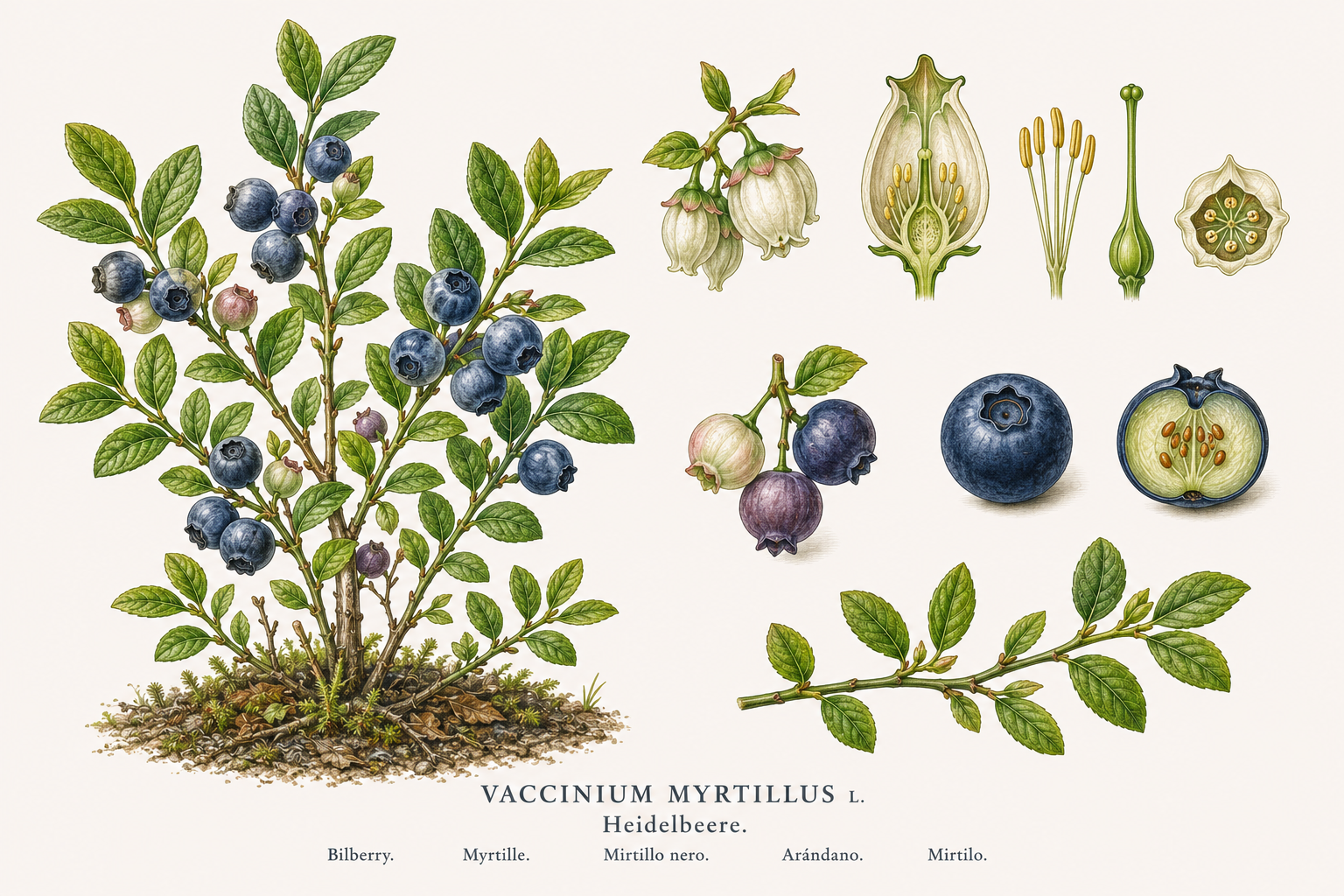
The bilberry is a true treasure of European forests. As a lime-hating dwarf shrub, it demands specific soil pH levels, but rewards the patient gardener with aromatic, deep-purple berries that far surpass cultivated varieties in flavor.
Quick profile
Key data
Suitable growing locations:
Good neighbors
RhododendronLingonberry
Avoid
Cabbage
Indoor & direct sowing
Bilberry: Sowing and germination
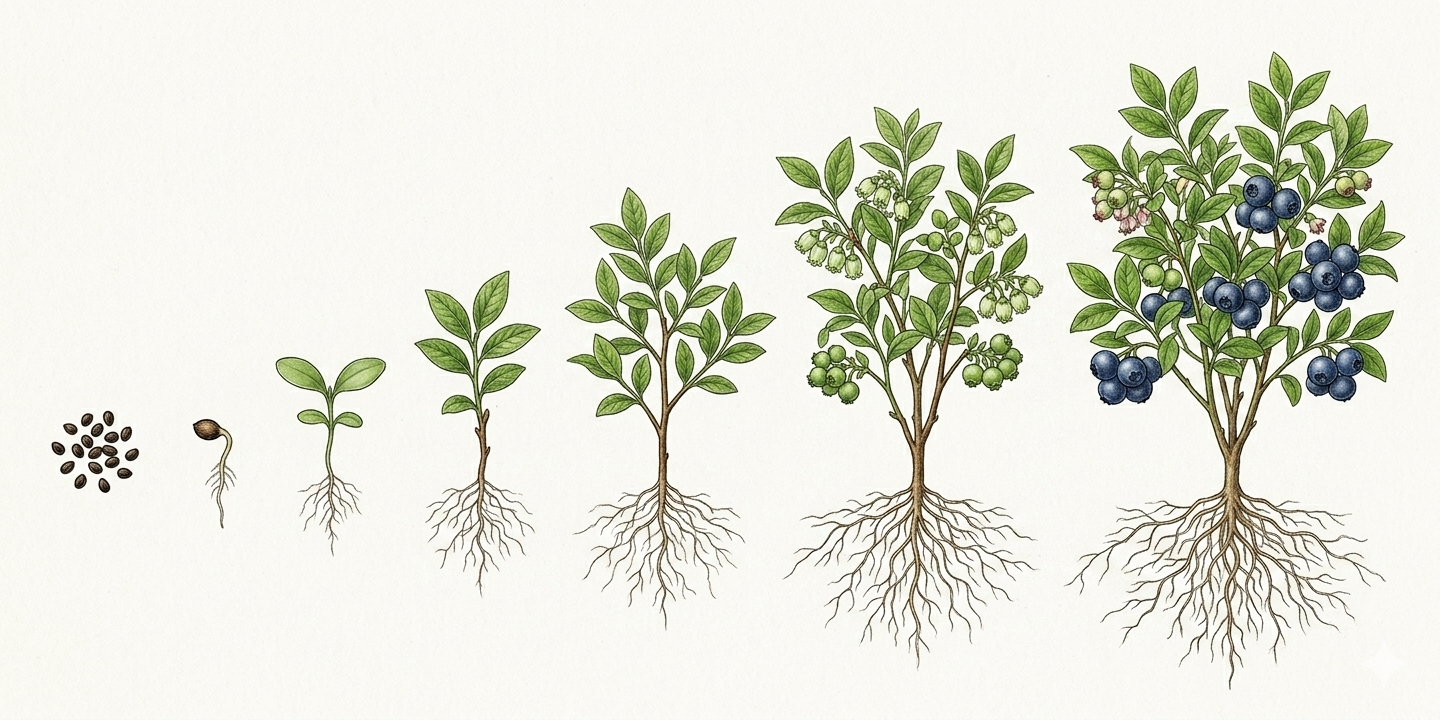
Seed propagation is uncommon; usually propagated via cuttings or layering.
Direct outdoor sowing not recommended.
Planting & site
Bilberry: Planting and spacing
Spring or autumn are ideal. Potted plants can be planted almost year-round if frost-free.
Site & practical notes
Type: soil_tip, Content: If soil is alkaline, grow bilberries in containers with ericaceous compost.
Temperature & frost
Bilberry: Temperature and site
Water & nutrients
Bilberry: Water, nutrients and care
Container & growth
Bilberry: Container, support and growth
Year plan
Bilberry Calendar
In autumn, the foliage glows in intense crimson red.
Recurring tasks
Relevant now
June
- No additional single task
Next up
July
- No additional single task
Monthly tasks
Single tasks from monthly data; repeated seasonal windows are shown in the overview above.
January
Quiet month
February
Quiet month
March
No additional single task
April
No additional single task
May
Quiet month
June
Quiet month
August
No additional single task
September
No additional single task
October
No additional single task
November
No additional single task
December
Quiet month
Flowering & pollination
Bilberry Flowering & pollination
Flowering period
April to June
Flower type
Bell-shaped, solitary in leaf axils
Flower color
Greenish-white to pink
Self-fertility
partially self-fertile
Pollinator needed
yes
Overview
Insect pollination primarily by bumblebees and bees; cross-pollination increases fruit yield.
Notes
Although partially self-fertile, cross-pollination between different patches results in larger berries.
Pruning & care
Bilberry Pruning & care
Pruning type
thinning_out
Pruning timing
Renewal pruning Prune during dormancy before bud break in frost-free weather.
Remove
Preserve
Avoid
Tools and hygiene
Use sharp, clean shears to avoid crushing the delicate stems.
Companion guide
Bilberry Companion guide
Good neighbors
RhododendronLingonberry
Avoid
Cabbage
Use & storage
Bilberry Use & storage
Main harvest time from July to September depending on altitude.
Storage
Short-term fresh storage
Storage life
Fresh 2-5 days in the refrigerator; frozen up to 12 months.
Harvest
Main harvest time from July to September depending on altitude.
Processing
After harvest
Berries are very sensitive to bruising; cool or process quickly.
Edibility & safety
Bilberry Edibility & safety
For people
In brief: which parts are edible, which parts remain risky, and whether raw consumption makes sense.
Safety notes
No known toxicity; when foraging wild, be aware of Echinococcus risk (wash thoroughly!).
Animal safety
For many animals, this plant is generally low-risk: 14 animal types are rated suitable or mostly suitable. Quantity, plant part, and individual tolerance still matter.
Each row shows which parts are more suitable and which parts are critical.
Companion animals
 Dog
DogFruits
No risk parts listed
Fruits
No risk parts listed
Overconsumption may cause gastrointestinal upset due to high fiber and tannin content., Wild-collected berries should be thoroughly washed to minimize the risk of fox tapeworm eggs.
Gastrointestinal upset with excessive consumption
usually no action needed
Berries are safe for dogs in moderation and are occasionally fed as treats. Leaves can be used for tea but are not a regular part of canine diet. Excessive consumption can lead to temporary diarrhea or vomiting due to fiber and tannins. No known toxic compounds in Vaccinium myrtillus that could endanger dogs.
Open animal page Cat
CatFruits
No risk parts listed
Fruits
No risk parts listed
Overconsumption may cause gastrointestinal upset due to high fiber and acid content., Intensely pigmented fruits may temporarily stain mouth and teeth blue.
Gastrointestinal upset with excessive consumption
observe
Berries are safe for cats in small amounts as an occasional treat. Leaves can be used for tea but are not a natural part of feline diet. When foraging wild, be aware of potential Echinococcus risk and wash thoroughly.
Open animal page Rabbit
Fruits
No risk parts listed
Fruits
No risk parts listed
Overconsumption may cause diarrhea due to high fiber and tannin content., Wild-collected berries may carry parasites such as fox tapeworm eggs - wash thoroughly before feeding.
Diarrhea with excessive consumption
usually no action needed
Bilberries (Vaccinium myrtillus) are considered safe for rabbits in moderation. The fruits are nutritious and generally well-tolerated. Leaves can be used in very small amounts for tea but are not suitable as a primary food. No known toxic compounds in the edible parts. Pay attention to hygiene when foraging.
Open animal page Guinea pig
Fruits
No risk parts listed
Fruits
No risk parts listed
Overconsumption may cause diarrhea due to high fiber and tannin content., Wild-collected berries may carry parasites such as fox tapeworm eggs – wash thoroughly before feeding.
Diarrhea with excessive consumption
usually no action needed
Bilberry fruits are suitable for guinea pigs in small amounts as an occasional treat. They contain vitamin C and antioxidants, but should only be fed occasionally due to sugar content and potential gastrointestinal upset if overfed. Leaves can be used for tea but are not recommended as regular feed. Roots and woody stems should be avoided.
Open animal page Hamster
Fruits
No risk parts listed
Fruits
No risk parts listed
Overconsumption may cause diarrhea due to high fiber and acid content., Wild-collected berries may carry parasites such as Echinococcus (fox tapeworm) – wash thoroughly.
Diarrhea with excessive consumption
usually no action needed
Bilberry fruits are suitable for hamsters in small amounts as a treat. Leaves can be used for tea but are not recommended as feed. No known toxic compounds for hamsters. Overconsumption may cause gastrointestinal upset.
Open animal page Budgie
Fruits
No risk parts listed
Fruits
No risk parts listed
Overconsumption may cause diarrhea due to high fiber and acid content., Intensely pigmented fruits may temporarily stain beak and feathers blue (cosmetic, not harmful).
Diarrhea with excessive consumption
usually no action needed
Bilberry fruits are safe for budgies in moderation and are often eagerly eaten. Leaves can be used in very small amounts for tea but are not suitable as a primary food. No known toxic compounds in the fruits. When foraging wild, be aware of possible Echinococcus contamination and wash fruits thoroughly.
Open animal pageFarm animals
 Horse
HorseFruits
Leaves, Stems
Fruits
Leaves, Stems
Excessive consumption of leaves or stems., Wild-collected fruits should be washed to avoid parasites such as Echinococcus.
Gastrointestinal upset with excessive consumption
observe
Fruits are safe in moderation and readily eaten by horses. Leaves and stems contain tannins that can cause gastrointestinal irritation in large quantities. When foraging wild, be aware of potential Echinococcus risk and wash fruits thoroughly.
Open animal page Chicken
Fruits
No risk parts listed
Fruits
No risk parts listed
Overconsumption may cause diarrhea due to high fiber and acid content., Intensely pigmented fruits may temporarily stain beak and feathers blue (cosmetic, not harmful).
Diarrhea with excessive consumption
usually no action needed
Berries are generally safe for chickens as an occasional treat. No known toxic compounds in Vaccinium myrtillus. Part of natural diet for many wild bird species.
Open animal page Duck
DuckFruits
Leaves, Stems, Roots
Fruits
Leaves, Stems, Roots
Overconsumption of leaves or stems., Wild-collected berries should be washed to avoid parasites such as Echinococcus.
Gastrointestinal upset, Diarrhea
observe
Fruits are safe for ducks in moderation and valued for their nutritional content. Leaves and stems contain tannins that may cause gastrointestinal irritation if consumed in large amounts. Wild-harvested berries should be washed to avoid parasites such as Echinococcus.
Open animal page Goose
GooseFruits
Leaves, Stems, Roots
Fruits
Leaves, Stems, Roots
Overconsumption of leaves or stems., Wild-collected berries should be washed to avoid parasites such as Echinococcus.
Gastrointestinal upset, Diarrhea
observe
No direct species-specific source was found for geese. This is a cautious inference from the ducks profile and the known plant-part risks.
Open animal page Sheep
SheepFruits
Leaves, Stems, Roots
Fruits
Leaves, Stems, Roots
Excessive consumption of leaves or stems., Wild foraging without washing (Echinococcus risk).
Gastrointestinal upset, Diarrhea
observe
No direct species-specific source was found for sheep. This is a cautious inference from the cattle profile and the known plant-part risks.
Open animal page Goat
GoatFruits
Leaves, Stems, Roots
Fruits
Leaves, Stems, Roots
Excessive consumption of leaves or stems., Wild foraging without washing (Echinococcus risk).
Gastrointestinal upset, Diarrhea
observe
No direct species-specific source was found for goats. This is a cautious inference from the sheep profile and the known plant-part risks.
Open animal page Cattle
Fruits
Leaves, Stems, Roots
Fruits
Leaves, Stems, Roots
Excessive consumption of leaves or stems., Wild foraging without washing (Echinococcus risk).
Gastrointestinal upset, Diarrhea
observe
Fruits are safe in moderation and readily consumed by cattle. Leaves and stems contain tannins that may cause digestive upset if ingested in large quantities. When foraging wild, be aware of potential Echinococcus contamination and wash fruits thoroughly.
Open animal page Pig
PigFruits
Leaves, Stems, Roots
Fruits
Leaves, Stems, Roots
Overconsumption of leaves or stems., Wild-collected berries should be washed to avoid parasites such as Echinococcus.
Gastrointestinal upset, Diarrhea
observe
Fruits suitable in moderation as treats; other plant parts contain tannins and may cause gastrointestinal upset in large quantities. When foraging wild, be aware of Echinococcus risk and wash thoroughly.
Open animal pageThese guidelines are for general information only and do not replace veterinary diagnosis. If critical plant parts were ingested or the animal shows unusual behaviour or symptoms, seek veterinary advice.
Max risk
unknown
Highest status
moderation only
Urgency
observe
Saving seed
Bilberry Saving seed
Seed viability
1 - 2 years
Practical tips
Bilberry Practical tips
Common beginner mistakes
Planting in regular garden soil without peat/alternative.
Success pattern
Establishment takes 2-3 years, followed by steady yields.
High-impact tips
Annual application of pine mulch.
Grower observations
Birds often love the ripe berries more than the gardener; netting is mandatory.
Health
Pests, Diseases
Plant health
Diagnosis help
Bilberry Diagnosis help
Pest groups
Disease groups
Prevention
Diagnosis
Yellow leaves in bilberries almost always indicate an excessively high soil pH or lime in the irrigation water.
Cultural prevention
Monitoring
Weekly check for caterpillar damage in spring
First response
Pruning of diseased shoots back to healthy wood
Diagnostic rules
Leaves yellow, veins green
Possible causes: Iron deficiency, High pH value
- Measure soil pH
- Check irrigation water for lime
FAQ
Why is my bilberry not producing fruit?
Common causes are alkaline soil or a lack of pollinating insects.
Is Bilberry safe for Dog?
Bilberry is classified as moderation only for Dog. Risk: unknown. Urgency: usually no action needed. Berries are safe for dogs in moderation and are occasionally fed as treats. Leaves can be used for tea but are not a regular part of canine diet. Excessive consumption can lead to temporary diarrhea or vomiting due to fiber and tannins. No known toxic compounds in Vaccinium myrtillus that could endanger dogs.
Is Bilberry safe for Cat?
Bilberry is classified as moderation only for Cat. Risk: unknown. Urgency: observe. Berries are safe for cats in small amounts as an occasional treat. Leaves can be used for tea but are not a natural part of feline diet. When foraging wild, be aware of potential Echinococcus risk and wash thoroughly.
Is Bilberry safe for Rabbit?
Bilberry is classified as moderation only for Rabbit. Risk: unknown. Urgency: usually no action needed. Bilberries (Vaccinium myrtillus) are considered safe for rabbits in moderation. The fruits are nutritious and generally well-tolerated. Leaves can be used in very small amounts for tea but are not suitable as a primary food. No known toxic compounds in the edible parts. Pay attention to hygiene when foraging.
Is Bilberry safe for Guinea pig?
Bilberry is classified as moderation only for Guinea pig. Risk: unknown. Urgency: usually no action needed. Bilberry fruits are suitable for guinea pigs in small amounts as an occasional treat. They contain vitamin C and antioxidants, but should only be fed occasionally due to sugar content and potential gastrointestinal upset if overfed. Leaves can be used for tea but are not recommended as regular feed. Roots and woody stems should be avoided.
Guides
Related guides
Guide
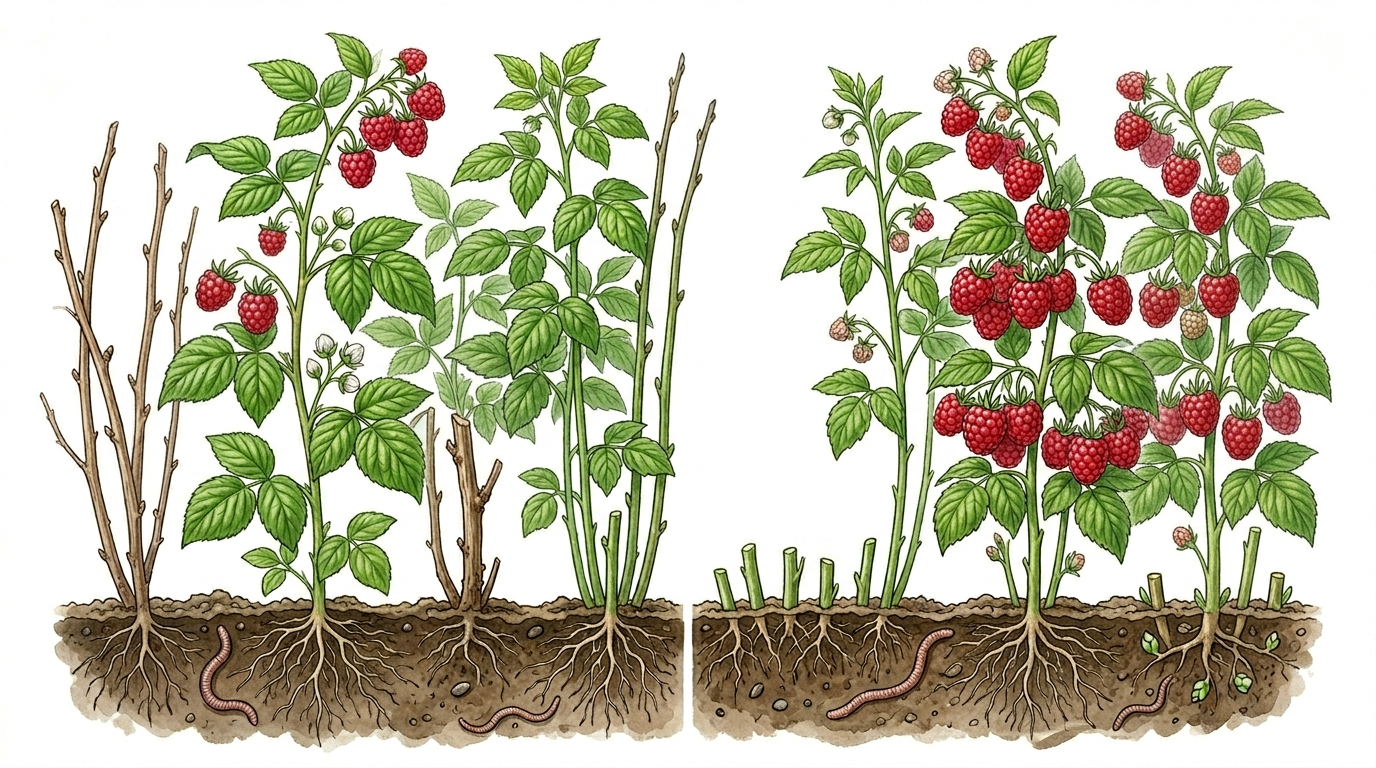
Pruning Raspberries: Summer and Autumn Types
Learn how to prune raspberries correctly by understanding the differences between summer-bearing and autumn-bearing types.
Guide
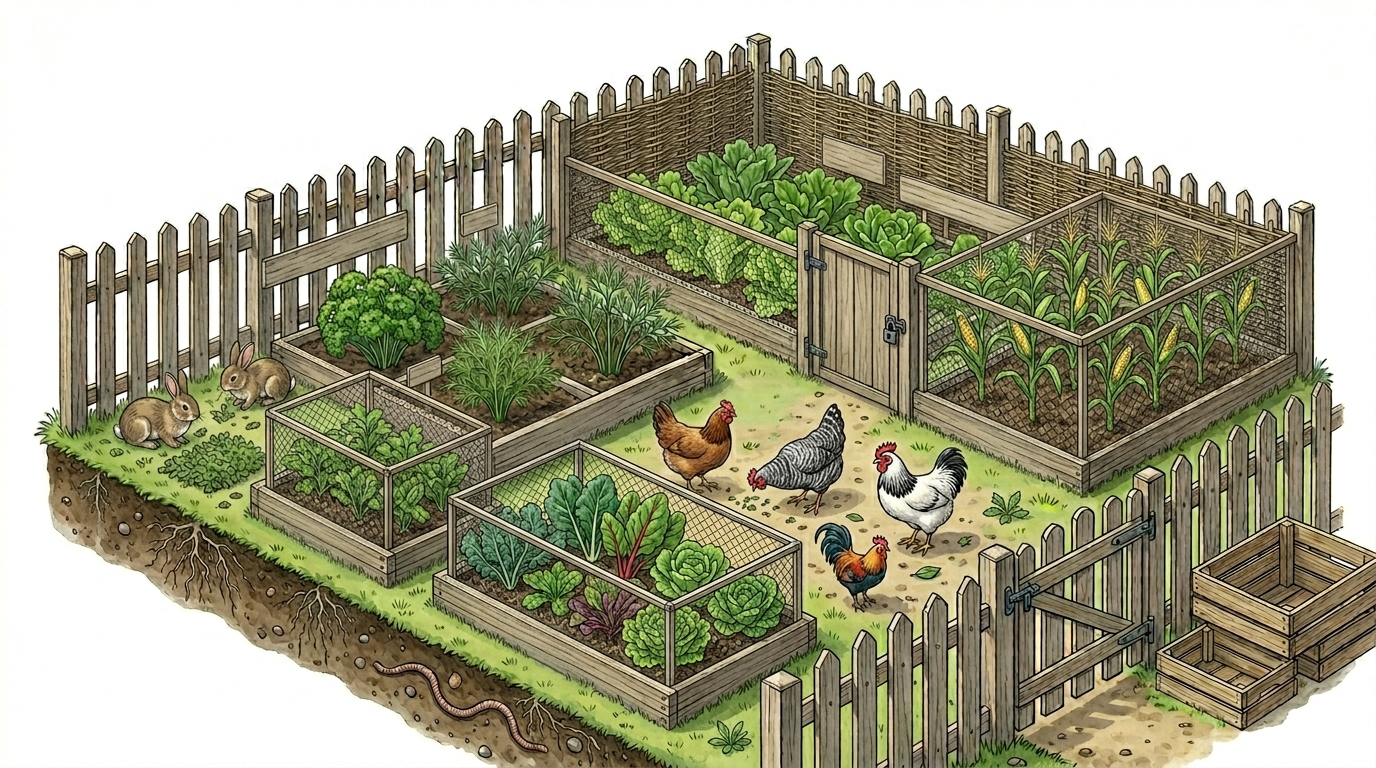
Chickens in the Garden: Safe Plants and Zones
Learn how to design a chicken-friendly garden with suitable plants, protected beds, and well-planned activity areas.
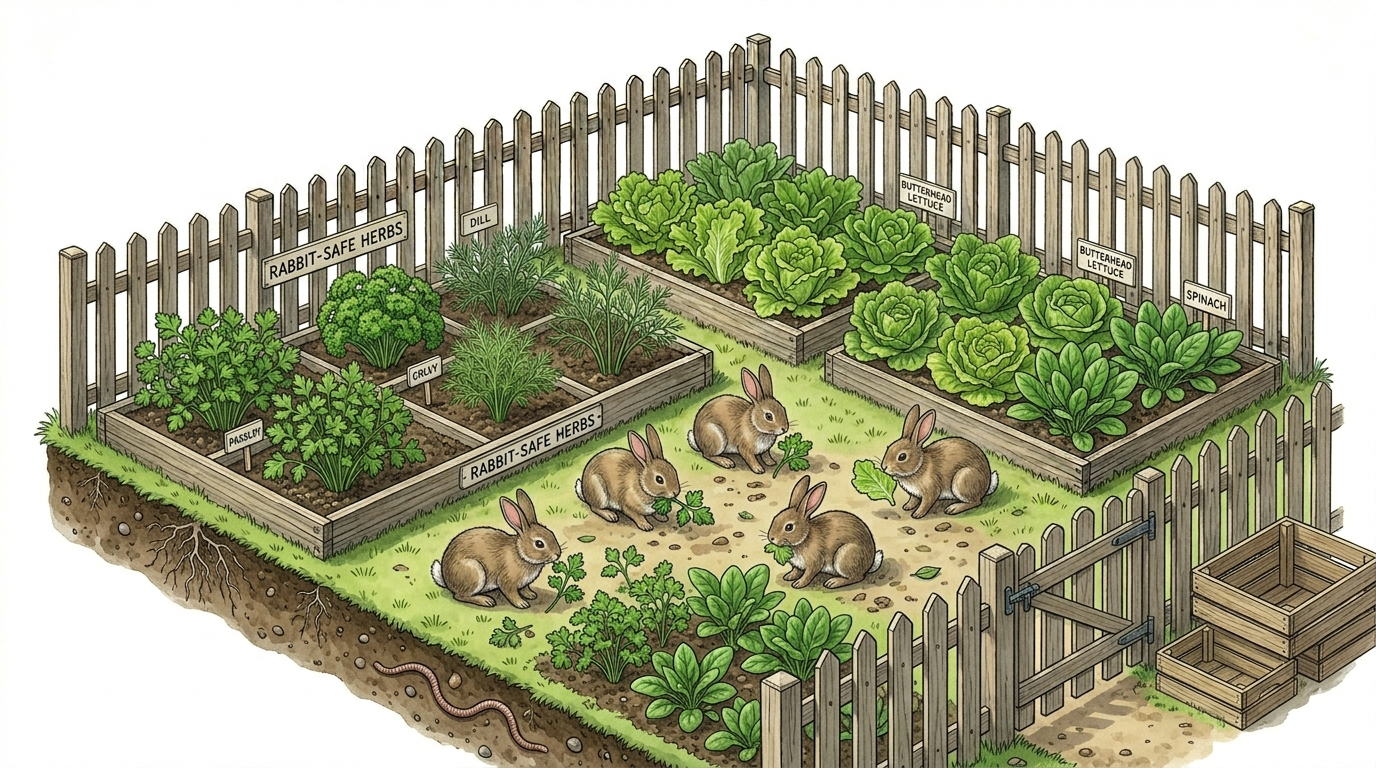
Guide
Rabbits in the Garden: Herbs and Vegetables
Learn how to choose suitable herbs and vegetables for rabbits, grow feeding plants, and plan a rabbit-friendly garden.
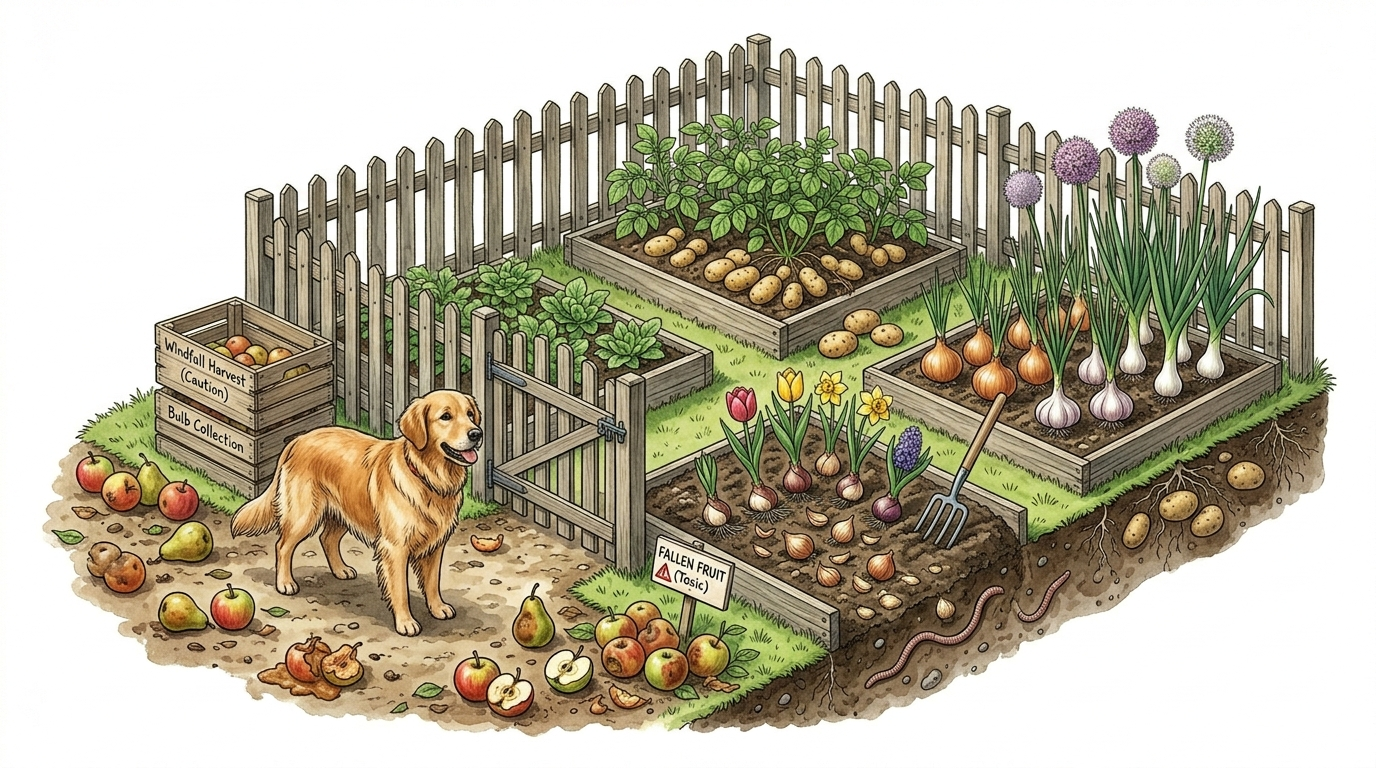
Guide
Dogs in the Garden: Windfall Fruit and Risks
Keep your garden dog-safe by managing windfall fruit, seeds, stored crops, and potentially problematic plant parts.
Internal links
Related plants
Heather
Blackcurrant
Highbush Blueberry
Cultivated forms have white flesh; wild bilberries are pigmented throughout.
Azalea
Ferns
Lingonberry
Same genus and identical habitat requirements.
Rhododendron
Both belong to the Ericaceae family.
Raspberry
Fresh consumption and jam processing.
Sources
Public sources
- Wikidata entity
Wikidata · 2026-05-13
- GBIF species match
GBIF · 2026-05-13
- Deutschsprachige Wikipedia: Heidelbeere
Wikipedia · 2026-05-13
- English Wikipedia: Vaccinium myrtillus
Wikipedia · 2026-05-13