Plant Profile
Barbarea vulgarisBarbarea vulgaris
Yellow rocket is a versatile plant with various uses.
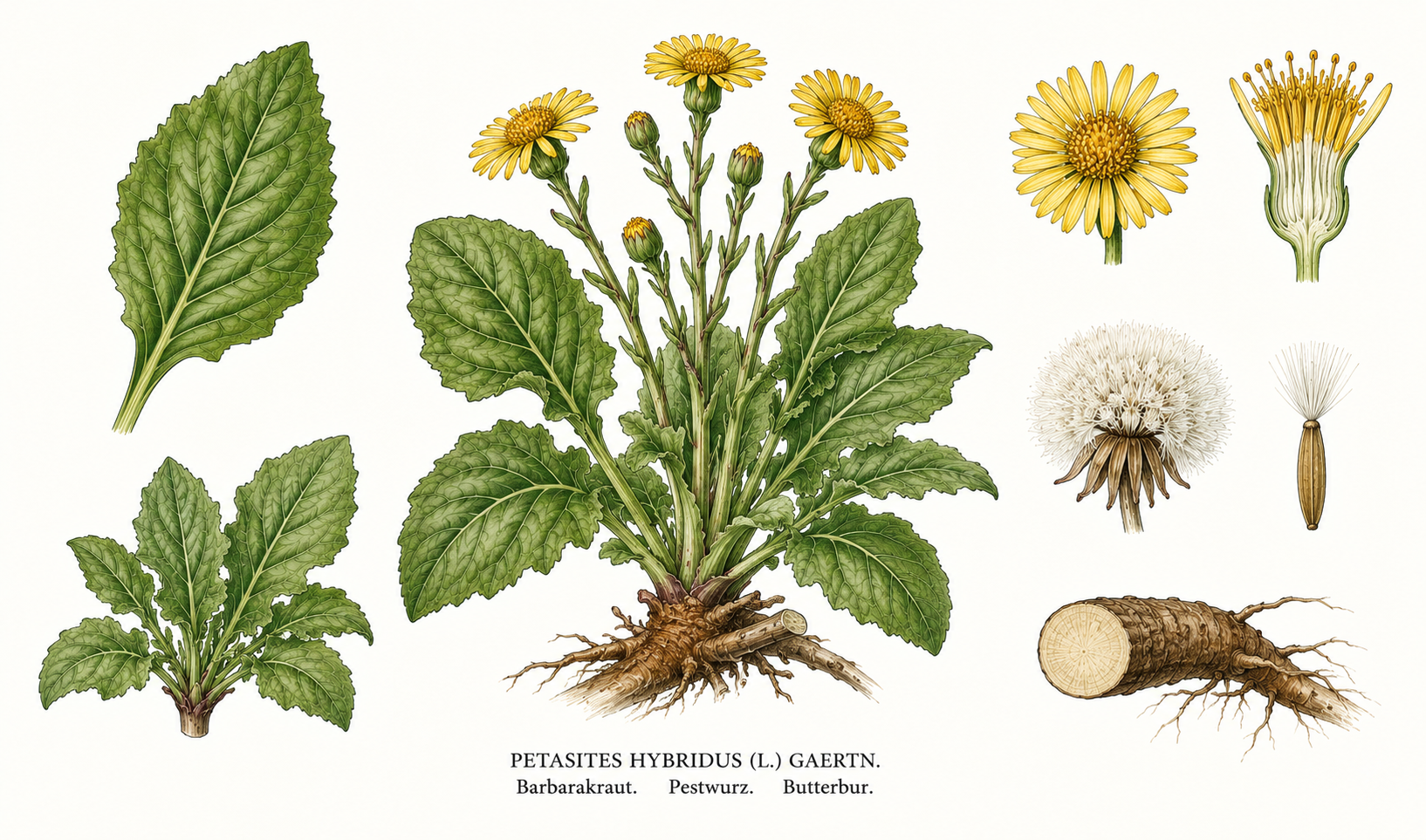
Quick profile
Key data
Good neighbors
No data
Avoid
No data
Indoor & direct sowing
Barbarea vulgaris: Sowing and germination
Start under cover for early leaf harvest.
Direct sow in spring or late summer.
Planting & site
Barbarea vulgaris: Planting and spacing
Transplant into cool, evenly moist beds.
Temperature & frost
Barbarea vulgaris: Temperature and site
Container & growth
Barbarea vulgaris: Container, support and growth
Year plan
Barbarea vulgaris Calendar
Recurring tasks
Relevant now
June
- No additional single task
Next up
July
- No additional single task
Monthly tasks
Single tasks from monthly data; repeated seasonal windows are shown in the overview above.
January
No additional single task
February
No additional single task
March
No additional single task
April
No additional single task
May
No additional single task
June
Quiet month
August
No additional single task
September
No additional single task
October
No additional single task
November
No additional single task
December
No additional single task
Pruning & care
Barbarea vulgaris Pruning & care
Pruning type
training
Pruning timing
Encourage new growth Prune after the last frost to encourage new growth.
Maintain shape Prune to maintain shape and remove any dead or diseased branches.
Prepare for winter Prune to prepare for winter and remove any dead or diseased branches.
Remove
Preserve
Avoid
Tools and hygiene
Clean tools regularly to prevent the spread of disease.
Use & storage
Barbarea vulgaris Use & storage
Cut young leaves in autumn, winter, and spring.
Storage
Storage life: a few days refrigerated, Conditions: cool, clean, and dry or slightly humid depending on crop, Processing options: use fresh, briefly blanch
Flavor
cress-like to mustardy
Harvest
Cut young leaves in autumn, winter, and spring.
Edibility & safety
Barbarea vulgaris Edibility & safety
For people
In brief: which parts are edible, which parts remain risky, and whether raw consumption makes sense.
Safety notes
Do not consume if identification is uncertain; do not infer medicinal claims.
Animal safety
For animals, the specific plant part matters here: some parts may be suitable, while others should be avoided. At least one critical rating is listed for 2 animal types.
Each row shows which parts are more suitable and which parts are critical.
Companion animals
 Dog
Dogyoung leaves, flower buds
very pungent or old leaves
young leaves, flower buds
very pungent or old leaves
excessive consumption, consumption of older or pungent leaves
vomiting, gastrointestinal upset
contact a vet if symptoms appear
Due to the potential for gastrointestinal upset, especially with older or pungent leaves, feeding is not recommended.
Open animal page Cat
Catyoung leaves, flower buds
very pungent or old leaves
young leaves, flower buds
very pungent or old leaves
excessive consumption, consumption of older or pungent leaves
vomiting, gastrointestinal upset
contact a vet if symptoms appear
As obligate carnivores, cats have no need for plant material, and the potential for gastrointestinal upset, especially with older or pungent leaves, makes feeding not recommended.
Open animal page Rabbit
young leaves, flower buds
very pungent or old leaves
young leaves, flower buds
very pungent or old leaves
excessive consumption, old or very pungent leaves, sudden introduction to diet
gastrointestinal upset (bloating, diarrhea) if consumed in excess
observe
No specific information available for rabbits. Yellow Rocket belongs to the Brassicaceae family, many of which are suitable for rabbits in moderation. Young leaves and flower buds can be fed in small amounts. Older or very pungent leaves should be avoided as they can cause gastrointestinal upset such as bloating or diarrhea. Rabbits cannot vomit.
Open animal page Guinea pig
young leaves, flower buds
very pungent or old leaves
young leaves, flower buds
very pungent or old leaves
excessive consumption, old or very pungent leaves
gastrointestinal upset if consumed in excess
usually no action needed
Barbarea vulgaris is palatable for guinea pigs in moderation, especially young leaves and flower buds. Older or very pungent leaves should be fed sparingly or not at all, as they can cause gastrointestinal upset. There are no known specific toxins, but as with all new feedstuffs, introduction should be gradual.
Open animal page Hamster
young leaves, flower buds
very pungent or old leaves
young leaves, flower buds
very pungent or old leaves
excessive consumption, old or very pungent leaves
gastrointestinal upset if consumed in excess
usually no action needed
No direct species-specific source was found for hamsters. This is a cautious inference from the guinea pigs profile and the known plant-part risks of the Brassicaceae family. Young leaves and flower buds can be fed in small amounts. Older or very pungent leaves should be avoided.
Open animal page Budgie
No suitable parts listed
No risk parts listed
No suitable parts listed
No risk parts listed
gastrointestinal upset if consumed in excess, potentially thyroid issues in very high amounts
unknown
No reliable species-specific assessment for budgies is available. Barbarea vulgaris belongs to the Brassicaceae family, which can contain glucosinolates. In excessive consumption, these could cause gastrointestinal upset or potentially thyroid issues. Feeding is not recommended without further specific data.
Open animal pageFarm animals
 Horse
Horseyoung leaves, flower buds
very pungent or old leaves
young leaves, flower buds
very pungent or old leaves
excessive consumption, old or very pungent leaves, sudden introduction to diet
gastrointestinal upset (colic, diarrhea) if consumed in excess, potentially thyroid issues in very high amounts
observe
Yellow Rocket belongs to the Brassicaceae family, which can contain glucosinolates. Young leaves and flower buds can be consumed in moderation as forage or supplement. Older or very pungent leaves should be avoided as they can cause gastrointestinal upset (colic, diarrhea).
Open animal page Chicken
young leaves, flower buds
very pungent or old leaves
young leaves, flower buds
very pungent or old leaves
overconsumption, old or very pungent leaves
gastrointestinal upset if consumed in excess, potentially thyroid issues in very high amounts
observe
Young leaves and flower buds can be fed in moderation as a supplement. Older or very pungent leaves should be fed sparingly or not at all, as they may cause gastrointestinal upset. No specific toxic compounds or acute poisoning risks known for chickens, but glucosinolates are present in the plant family.
Open animal page Duck
Duckyoung leaves, flower buds
very pungent or old leaves
young leaves, flower buds
very pungent or old leaves
overconsumption, old or very pungent leaves
gastrointestinal upset if consumed in excess, potentially thyroid issues in very high amounts
observe
No direct species-specific source was found for ducks. This is a cautious inference from the chickens profile and the known plant-part risks of the Brassicaceae family. Young leaves and flower buds can be fed in moderation as a supplement. Older or very pungent leaves should be avoided.
Open animal page Goose
Gooseyoung leaves, flower buds
very pungent or old leaves
young leaves, flower buds
very pungent or old leaves
overconsumption, old or very pungent leaves
gastrointestinal upset if consumed in excess, potentially thyroid issues in very high amounts
observe
No direct species-specific source was found for geese. This is a cautious inference from the chickens profile and the known plant-part risks of the Brassicaceae family. Young leaves and flower buds can be fed in moderation as a supplement. Older or very pungent leaves should be avoided.
Open animal page Sheep
Sheepyoung leaves, flower buds
very pungent or old leaves
young leaves, flower buds
very pungent or old leaves
excessive consumption, old or very pungent leaves, sudden introduction to diet
gastrointestinal upset if consumed in excess, potentially thyroid issues in very high amounts
observe
No reliable species-specific assessment for sheep is available. Yellow Rocket belongs to the Brassicaceae family, which can contain glucosinolates. Young leaves and flower buds can be consumed in moderation as forage or supplement. Older or very pungent leaves should be avoided as they can cause gastrointestinal upset or potentially thyroid issues.
Open animal page Goat
Goatyoung leaves, flower buds
very pungent or old leaves
young leaves, flower buds
very pungent or old leaves
excessive consumption, old or very pungent leaves, sudden introduction to diet
gastrointestinal upset if consumed in excess, potentially thyroid issues in very high amounts
observe
No reliable species-specific assessment for goats is available. Yellow Rocket belongs to the Brassicaceae family, which can contain glucosinolates. Young leaves and flower buds can be consumed in moderation as forage or supplement. Older or very pungent leaves should be avoided as they can cause gastrointestinal upset or potentially thyroid issues.
Open animal page Cattle
young leaves, flower buds
very pungent or old leaves
young leaves, flower buds
very pungent or old leaves
excessive consumption, old or very pungent leaves, sudden introduction to diet
gastrointestinal upset if consumed in excess, potentially thyroid issues in very high amounts
observe
No reliable species-specific assessment for cattle is available. Yellow Rocket belongs to the Brassicaceae family, which can contain glucosinolates. Young leaves and flower buds can be consumed in moderation as forage or supplement. Older or very pungent leaves should be avoided as they can cause gastrointestinal upset or potentially thyroid issues.
Open animal page Pig
Pigyoung leaves, flower buds
very pungent or or old leaves
young leaves, flower buds
very pungent or or old leaves
excessive consumption, old or very pungent leaves, sudden introduction to diet
gastrointestinal upset if consumed in excess, potentially thyroid issues in very high amounts
observe
No reliable species-specific assessment for pigs is available. Yellow Rocket belongs to the Brassicaceae family, which can contain glucosinolates. Young leaves and flower buds can be fed in moderation as a supplement. Older or very pungent leaves should be avoided as they can cause gastrointestinal upset or potentially thyroid issues.
Open animal pageThese guidelines are for general information only and do not replace veterinary diagnosis. If critical plant parts were ingested or the animal shows unusual behaviour or symptoms, seek veterinary advice.
Max risk
unknown
Highest status
do not feed
Urgency
contact a vet if symptoms appear
Plant Profile
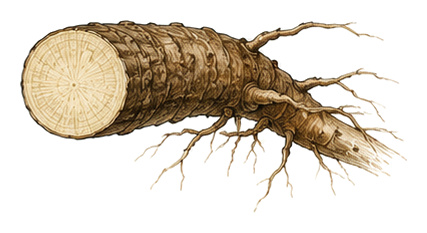
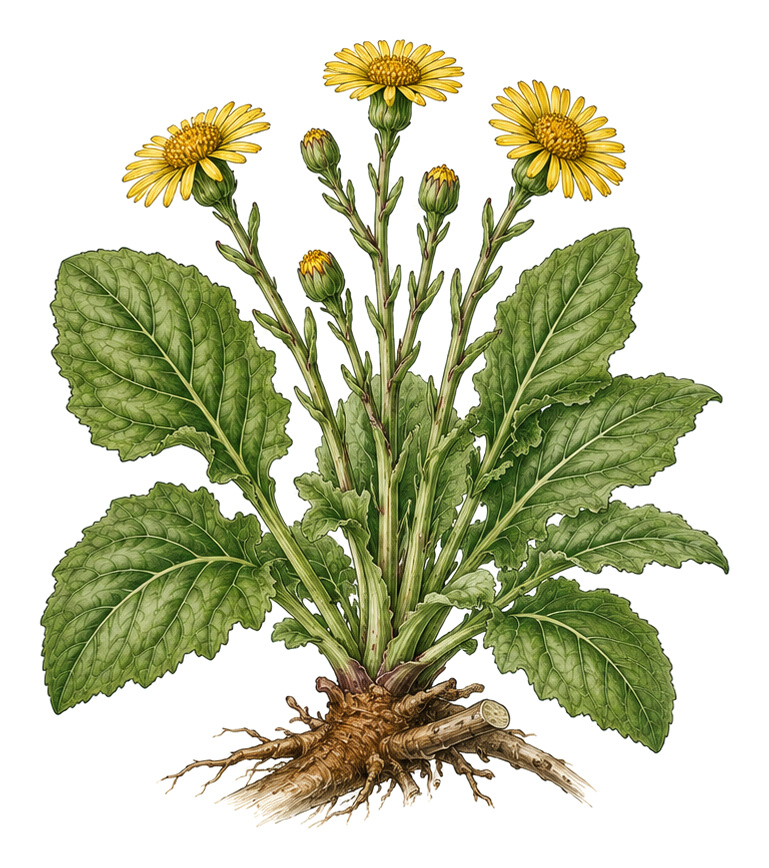
Additional plant images
Health
Pests, Diseases
Plant health
Diagnosis help
Barbarea vulgaris Diagnosis help
Pest groups
Disease groups
Prevention
Diagnosis
Regularly inspect plants for signs of pests and diseases. Treat with organic pesticides and fungicides if necessary.
FAQ
Is Barbarea vulgaris safe for Dog?
Barbarea vulgaris is classified as do not feed for Dog. Risk: unknown. Urgency: contact a vet if symptoms appear. Due to the potential for gastrointestinal upset, especially with older or pungent leaves, feeding is not recommended.
Is Barbarea vulgaris safe for Cat?
Barbarea vulgaris is classified as do not feed for Cat. Risk: unknown. Urgency: contact a vet if symptoms appear. As obligate carnivores, cats have no need for plant material, and the potential for gastrointestinal upset, especially with older or pungent leaves, makes feeding not recommended.
Is Barbarea vulgaris safe for Rabbit?
Barbarea vulgaris is classified as moderation only for Rabbit. Risk: unknown. Urgency: observe. No specific information available for rabbits. Yellow Rocket belongs to the Brassicaceae family, many of which are suitable for rabbits in moderation. Young leaves and flower buds can be fed in small amounts. Older or very pungent leaves should be avoided as they can cause gastrointestinal upset such as bloating or diarrhea. Rabbits cannot vomit.
Is Barbarea vulgaris safe for Guinea pig?
Barbarea vulgaris is classified as moderation only for Guinea pig. Risk: unknown. Urgency: usually no action needed. Barbarea vulgaris is palatable for guinea pigs in moderation, especially young leaves and flower buds. Older or very pungent leaves should be fed sparingly or not at all, as they can cause gastrointestinal upset. There are no known specific toxins, but as with all new feedstuffs, introduction should be gradual.
Guides
Related guides
Guide
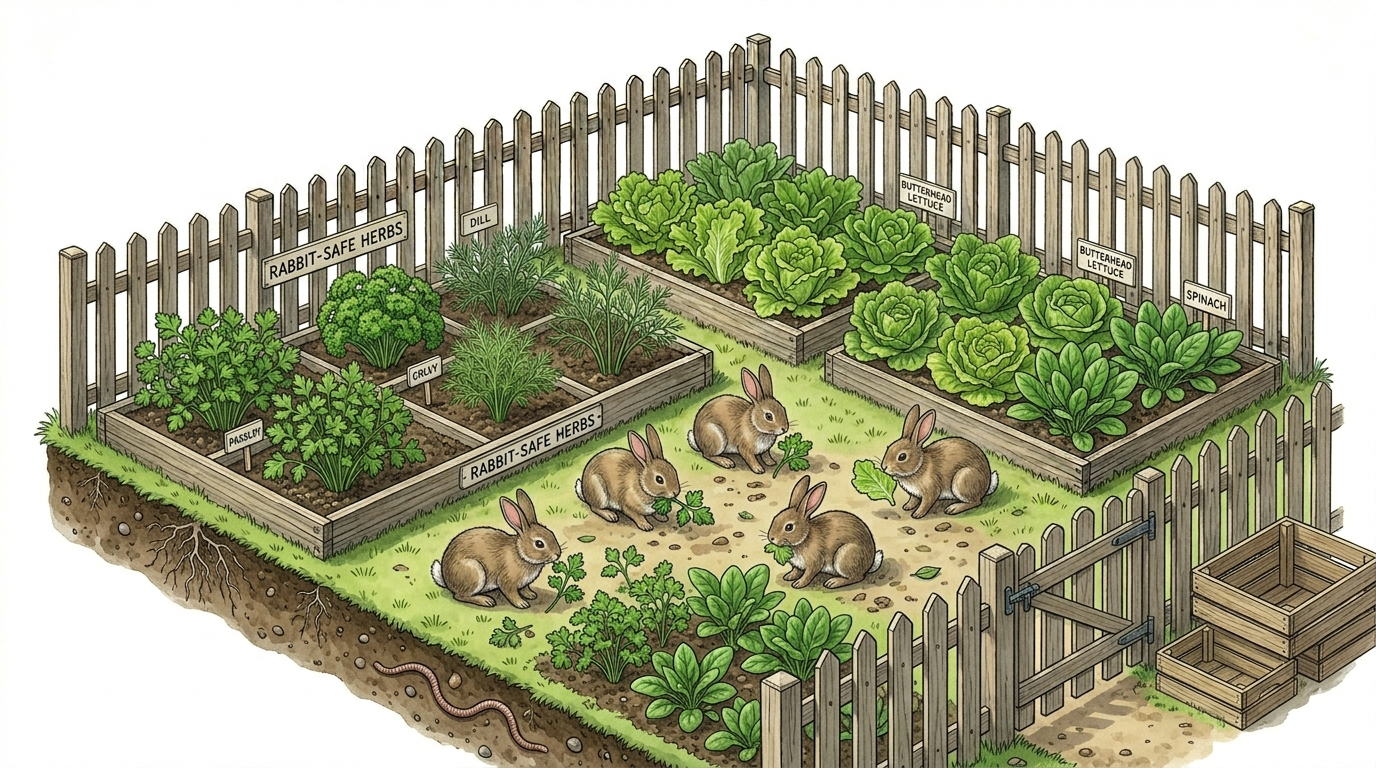
Rabbits in the Garden: Herbs and Vegetables
Learn how to choose suitable herbs and vegetables for rabbits, grow feeding plants, and plan a rabbit-friendly garden.
Guide
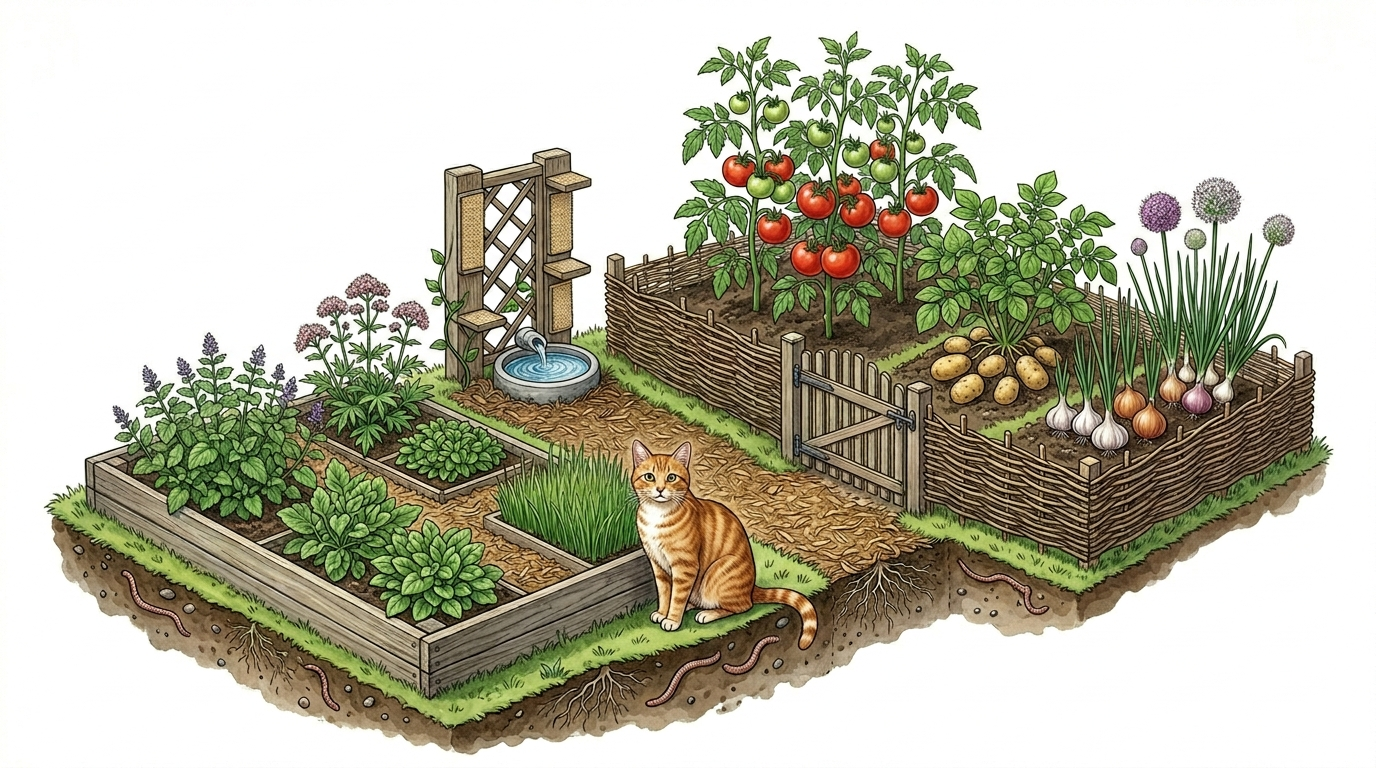
Toxic Garden Plants for Cats: Safer Planning
Learn which garden plants can be risky for cats, how to plan safer beds, and what to do if a cat eats a toxic plant.
Guide
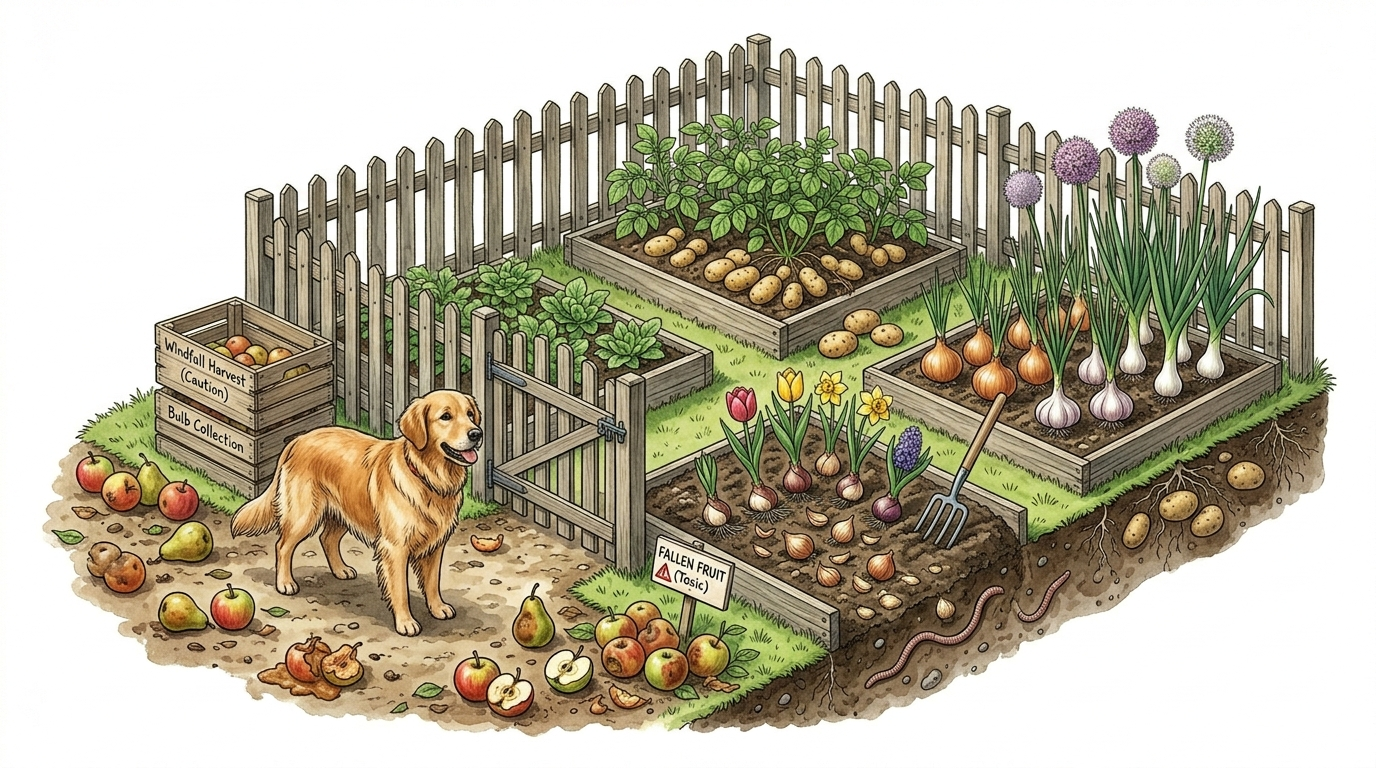
Dogs in the Garden: Windfall Fruit and Risks
Keep your garden dog-safe by managing windfall fruit, seeds, stored crops, and potentially problematic plant parts.
Guide
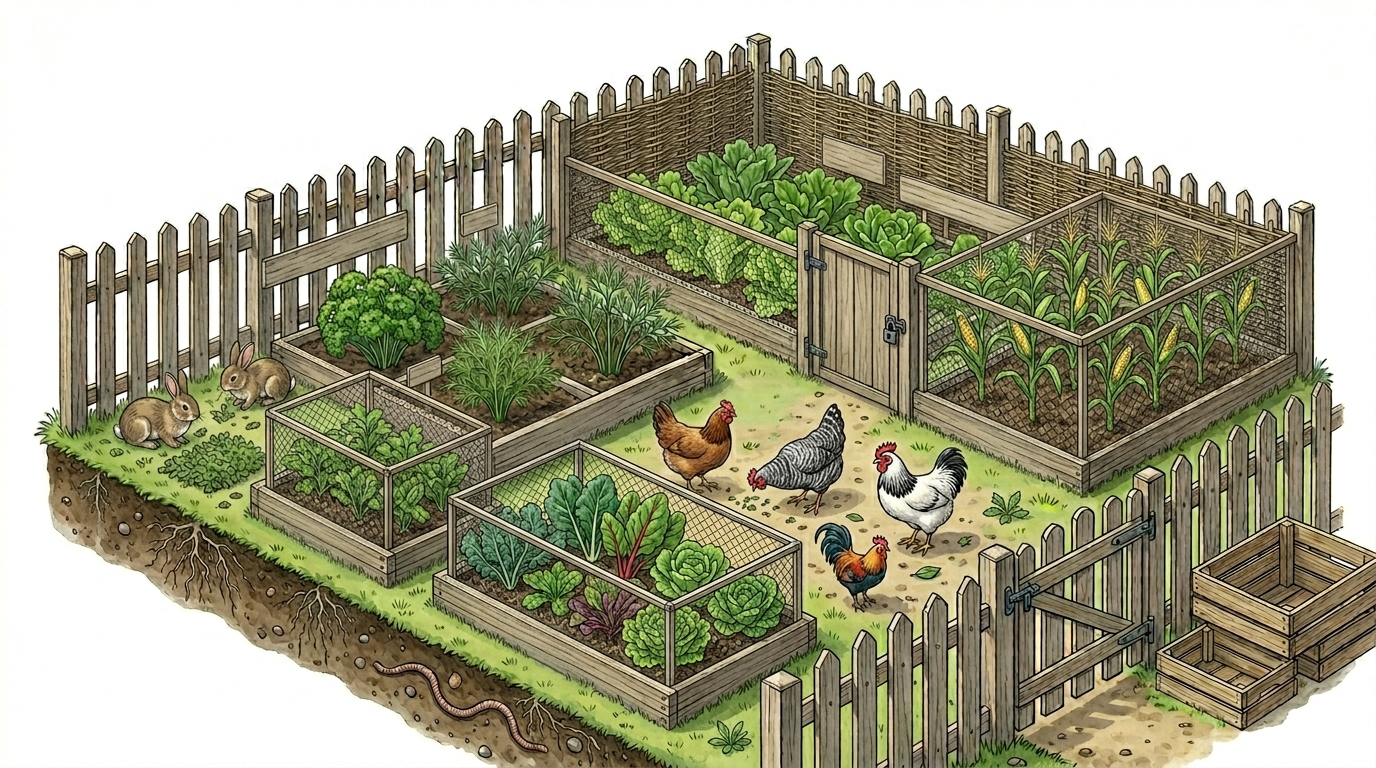
Chickens in the Garden: Safe Plants and Zones
Learn how to design a chicken-friendly garden with suitable plants, protected beds, and well-planned activity areas.
Internal links
Related plants
Sources
Public sources
- Wikidata entity
Wikidata · 2026-05-12
- GBIF species match
GBIF · 2026-05-12
- Deutschsprachige Wikipedia: Winterkresse
Wikipedia · 2026-05-12
- English Wikipedia: Barbarea vulgaris
Wikipedia · 2026-05-12