Plant Profile
FennelFoeniculum vulgare
An aromatic Apiaceae for sunny locations.
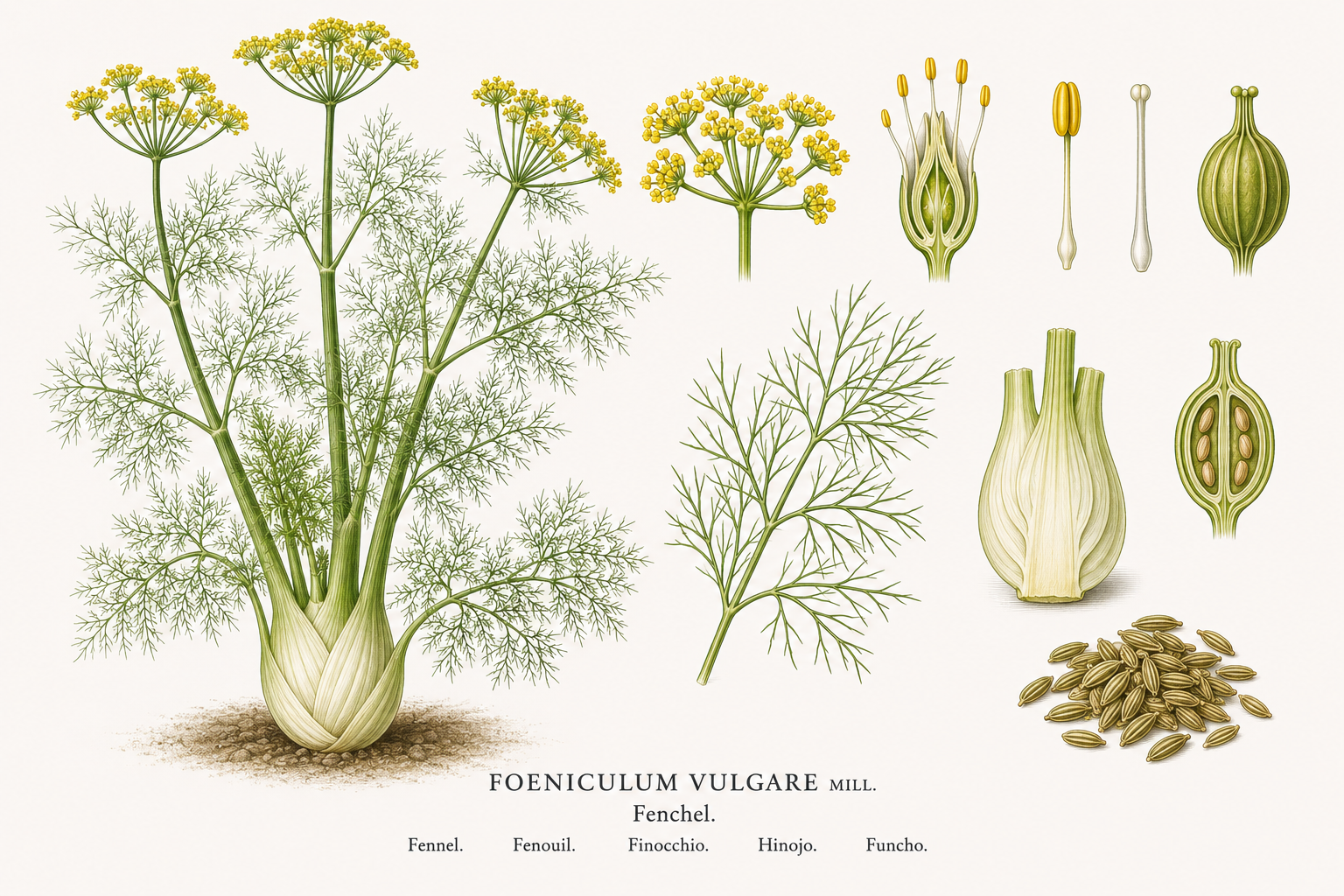
Quick profile
Key data
Suitable growing locations:
Indoor & direct sowing
Fennel: Sowing and germination
Pre-culture in pots to avoid root disturbance.
Direct sowing for late harvests; risk of bolting with early sowing.
Planting & site
Fennel: Planting and spacing
Plant carefully to avoid damaging the taproot.
Site & practical notes
Quick tips: Never plant next to tomatoes., Keep consistently moist to prevent bolting., Earthing up makes the bulbs more tender.
Temperature & frost
Fennel: Temperature and site
Water & nutrients
Fennel: Water, nutrients and care
Container & growth
Fennel: Container, support and growth
Year plan
Fennel Calendar
In midsummer, fennel requires your full attention regarding watering.
Recurring tasks
Relevant now
June
- No additional single task
Next up
July
- No additional single task
Monthly tasks
Single tasks from monthly data; repeated seasonal windows are shown in the overview above.
January
Quiet month
February
Quiet month
March
No additional single task
April
No additional single task
May
No additional single task
June
No additional single task
August
No additional single task
September
No additional single task
October
No additional single task
November
No additional single task
December
Quiet month
Flowering & pollination
Fennel Flowering & pollination
Flowering period
July to September
Flower color
Yellow
Self-fertility
high
Pollinator needed
no
Overview
Fennel is largely self-fertile but benefits significantly from insect pollination.
Notes
Attracts hoverflies, bees, and parasitic wasps; important insect forage.
Pruning & care
Fennel Pruning & care
Pruning type
cut_and_come_again
Pruning timing
Prevention of bolting Early removal of flower stalks extends the harvest window for the bulb.
Spring maintenance For perennial cultivation (herb fennel), cut back old shoots close to the ground.
Remove
Preserve
Avoid
Tools and hygiene
Use clean knives to prevent rot at the cut surfaces of the succulent stems.
Companion guide
Fennel Companion guide
Use & storage
Fennel Use & storage
Harvest as soon as the bulb reaches the desired size.
Storage
Short to medium-term storage
Storage life
1-2 weeks in the refrigerator; several months in moist sand in a cellar.
Primary use
Fresh vegetable, spice, and medicinal tea
Flavor
Anise-like, sweet, aromatic
Harvest
Harvest as soon as the bulb reaches the desired size.
Processing
After harvest
Trim roots and long leaf stalks; optionally wrap leaves in a damp cloth.
Edibility & safety
Fennel Edibility & safety
For people
In brief: which parts are edible, which parts remain risky, and whether raw consumption makes sense.
Safety notes
Avoid fennel oil in high concentrations during pregnancy.
Animal safety
For many animals, this plant is generally low-risk: 14 animal types are rated suitable or mostly suitable. Quantity, plant part, and individual tolerance still matter.
Each row shows which parts are more suitable and which parts are critical.
Companion animals
 Dog
DogBulb, Leaves
No risk parts listed
Bulb, Leaves
No risk parts listed
Overconsumption may cause gastrointestinal upset. Concentrated essential oil should be avoided.
usually no action needed
Fennel is generally safe for dogs in typical amounts. All edible parts (bulb, leaves, seeds, stems, pollen) can be fed. Concentrated essential oil poses a risk and should be avoided. No poisoning symptoms are expected with normal feeding of the vegetable or herb.
Open animal page Cat
CatBulb, Leaves
No risk parts listed
Bulb, Leaves
No risk parts listed
Overconsumption may cause gastrointestinal upset.
usually no action needed
Fennel is safe for cats in normal amounts. All edible parts (bulb, leaves, seeds, stems, pollen) can be fed as treats. Concentrated fennel oil should be avoided.
Open animal page Rabbit
Bulb, Leaves
No risk parts listed
Bulb, Leaves
No risk parts listed
Very large amounts may cause mild digestive upset.
usually no action needed
Fennel is safe for rabbits and valued as a nutritious feed. All parts of the plant can be fed. Very large amounts may cause mild digestive upset, but no toxicity is expected.
Open animal page Guinea pig
Bulb, Leaves
No risk parts listed
Bulb, Leaves
No risk parts listed
When introducing for the first time, do so gradually to avoid digestive upset. Fennel oil should be avoided due to possible concentration of essential oils.
usually no action needed
Fennel is safe for guinea pigs and can be fed as part of a balanced diet. All parts of the plant are edible and nutritious. When introducing for the first time, do so gradually to avoid digestive upset. Fennel oil should be avoided due to possible concentration of essential oils.
Open animal page Hamster
Bulb, Leaves
Seeds in large amounts, concentrated oil
Bulb, Leaves
Seeds in large amounts, concentrated oil
Excessive seed consumption, Use of essential oil
Gastrointestinal upset with overdose
observe
: Fennel is generally safe for hamsters in small amounts from bulb and leaves. Seeds and concentrated oil should be avoided due to potential gastrointestinal irritation. Suitable as an occasional treat.
Open animal page Budgie
Bulb, Leaves
Seeds in high concentrations, Fennel oil
Bulb, Leaves
Seeds in high concentrations, Fennel oil
Excessive seed consumption, Use of concentrated fennel oil
Gastrointestinal upset from excessive seed ingestion, Neurotoxic effects from essential oil
observe
Fennel bulb, leaves, and stems are suitable for budgies in small amounts as a treat. Seeds and essential oil should be avoided due to potential neurotoxic effects.
Open animal pageFarm animals
 Horse
HorseBulb, Leaves
No risk parts listed
Bulb, Leaves
No risk parts listed
Overconsumption may cause gastrointestinal upset. Concentrated essential oil should be avoided.
usually no action needed
Fennel is considered safe for horses. All edible parts (bulb, leaves, seeds, stems, pollen) can be fed in moderation. No known toxic compounds for horses. Very large amounts may cause mild gastrointestinal irritation. Fennel oil in high concentration should be avoided, especially in pregnant mares.
Open animal page Chicken
Bulb, Leaves
No risk parts listed
Bulb, Leaves
No risk parts listed
Very high amounts may cause digestive upset due to high fiber content. Fennel oil should only be used in very low concentrations, as it can be irritating in overdose.
usually no action needed
Fennel is safe for chickens and can be fed as part of a balanced diet. All parts of the plant are edible and nutritious. No known toxic effects at normal feeding levels. Very high amounts may cause digestive upset due to high fiber content. Fennel oil should only be used in very low concentrations, as it can be irritating in overdose.
Open animal page Duck
DuckBulb, Leaves
No risk parts listed
Bulb, Leaves
No risk parts listed
Seeds and concentrated oil should be avoided due to potential hormonal effects and gastrointestinal upset.
usually no action needed
Fennel is generally safe for ducks in moderation. The bulb, leaves, and stems can be fed as part of a varied diet. Seeds and concentrated oil should be avoided due to potential hormonal effects and gastrointestinal upset. No indications of acute toxicity with normal feeding of edible parts. Observe if large quantities of seeds are consumed and consult a veterinarian if symptoms occur.
Open animal page Goose
GooseBulb, Leaves
No risk parts listed
Bulb, Leaves
No risk parts listed
Very large amounts may cause mild digestive upset from essential oils, but risk is low.
usually no action needed
Fennel is safe for geese and valued as a nutritious feed. All parts of the plant can be fed. Very large amounts may cause mild digestive upset from essential oils, but risk is low.
Open animal page Sheep
SheepBulb, Leaves
Seeds in high concentrations, Essential oil
Bulb, Leaves
Seeds in high concentrations, Essential oil
Pregnancy, Excessive seed consumption, Concentrated oil
Gastrointestinal upset with overdose, Photosensitization possible at high doses
observe
Fennel is generally safe for sheep when the bulb, leaves, and stems are fed. Seeds and essential oil should be given only in very small amounts due to potential hormonal effects and overdose risks. No known cases of severe poisoning in sheep from normal feeding of vegetable fennel. Exercise caution during pregnancy due to possible estrogenic effects of anethole. Excessive seed consumption may cause gastrointestinal…
Open animal page Goat
GoatBulb, Leaves
Seeds in high concentrations, Essential oil
Bulb, Leaves
Seeds in high concentrations, Essential oil
Pregnancy, Excessive seed consumption, Concentrated oil
Gastrointestinal upset with overdose, Photosensitization possible at high doses
observe
No direct species-specific source was found for goats. This is a cautious inference from the sheep profile and the known plant-part risks.
Open animal page Cattle
Bulb, Leaves
Seeds in high concentrations, Essential oil
Bulb, Leaves
Seeds in high concentrations, Essential oil
Pregnancy, Excessive seed consumption, Concentrated oil
Gastrointestinal upset with overdose, Photosensitization possible at high doses
observe
No direct species-specific source was found for cattle. This is a cautious inference from the sheep profile and the known plant-part risks.
Open animal page Pig
PigBulb, Leaves
No risk parts listed
Bulb, Leaves
No risk parts listed
Avoid fennel oil in high concentrations during pregnancy.
usually no action needed
Fennel is suitable for pigs as a feed plant and is used in animal nutrition. No known toxic effects at normal feeding levels. Avoid fennel oil in high concentrations during pregnancy.
Open animal pageThese guidelines are for general information only and do not replace veterinary diagnosis. If critical plant parts were ingested or the animal shows unusual behaviour or symptoms, seek veterinary advice.
Max risk
2 / 5
Highest status
moderation only
Urgency
observe
Saving seed
Fennel Saving seed
Seed viability
2 - 4 years
Practical tips
Fennel Practical tips
Common beginner mistakes
Planting out too early when nights are still cold.
Success pattern
Consistent water supply leads to very tender bulbs.
High-impact tips
Mulching retains moisture and reduces watering effort.
Grower observations
Late summer sowings bolted much less frequently than spring sowings.
Health
Pests, Diseases
Pests
Aphids
Curled leaves, honeydew.
Fennel moth
Webbed umbels, feeding damage.
Diseases
Cercospora leaf spot
Brown spots on leaves and stems.
Powdery mildew
White, powdery coating on foliage.
Deficiencies
Boron deficiency
Hollow stems, cracked bulbs.
Plant health
Diagnosis help
Fennel Diagnosis help
Pest groups
Disease groups
Prevention
Diagnosis
Pay close attention to the base of the stems and the heart of the plant for rot.
Cultural prevention
Monitoring
Weekly check for aphids
First response
Nettle water for strengthening
Diagnostic rules
Bulb turns soft and brown
Possible causes: Sclerotinia rot, Waterlogging
- Check soil moisture
- Look for white fungal mycelium
FAQ
Why is my fennel not forming a bulb?
This is usually due to stress from drought or cold, causing the plant to go straight to flower (bolting).
Is Fennel safe for Dog?
Fennel is classified as moderation only for Dog. Risk: 2 / 5. Urgency: usually no action needed. Fennel is generally safe for dogs in typical amounts. All edible parts (bulb, leaves, seeds, stems, pollen) can be fed. Concentrated essential oil poses a risk and should be avoided. No poisoning symptoms are expected with normal feeding of the vegetable or herb.
Is Fennel safe for Cat?
Fennel is classified as moderation only for Cat. Risk: 2 / 5. Urgency: usually no action needed. Fennel is safe for cats in normal amounts. All edible parts (bulb, leaves, seeds, stems, pollen) can be fed as treats. Concentrated fennel oil should be avoided.
Is Fennel safe for Rabbit?
Fennel is classified as suitable for Rabbit. Risk: 1 / 5. Urgency: usually no action needed. Fennel is safe for rabbits and valued as a nutritious feed. All parts of the plant can be fed. Very large amounts may cause mild digestive upset, but no toxicity is expected.
Is Fennel safe for Hamster?
Fennel is classified as moderation only for Hamster. Risk: 2 / 5. Urgency: observe. : Fennel is generally safe for hamsters in small amounts from bulb and leaves. Seeds and concentrated oil should be avoided due to potential gastrointestinal irritation. Suitable as an occasional treat.
Guides
Related guides
Guide
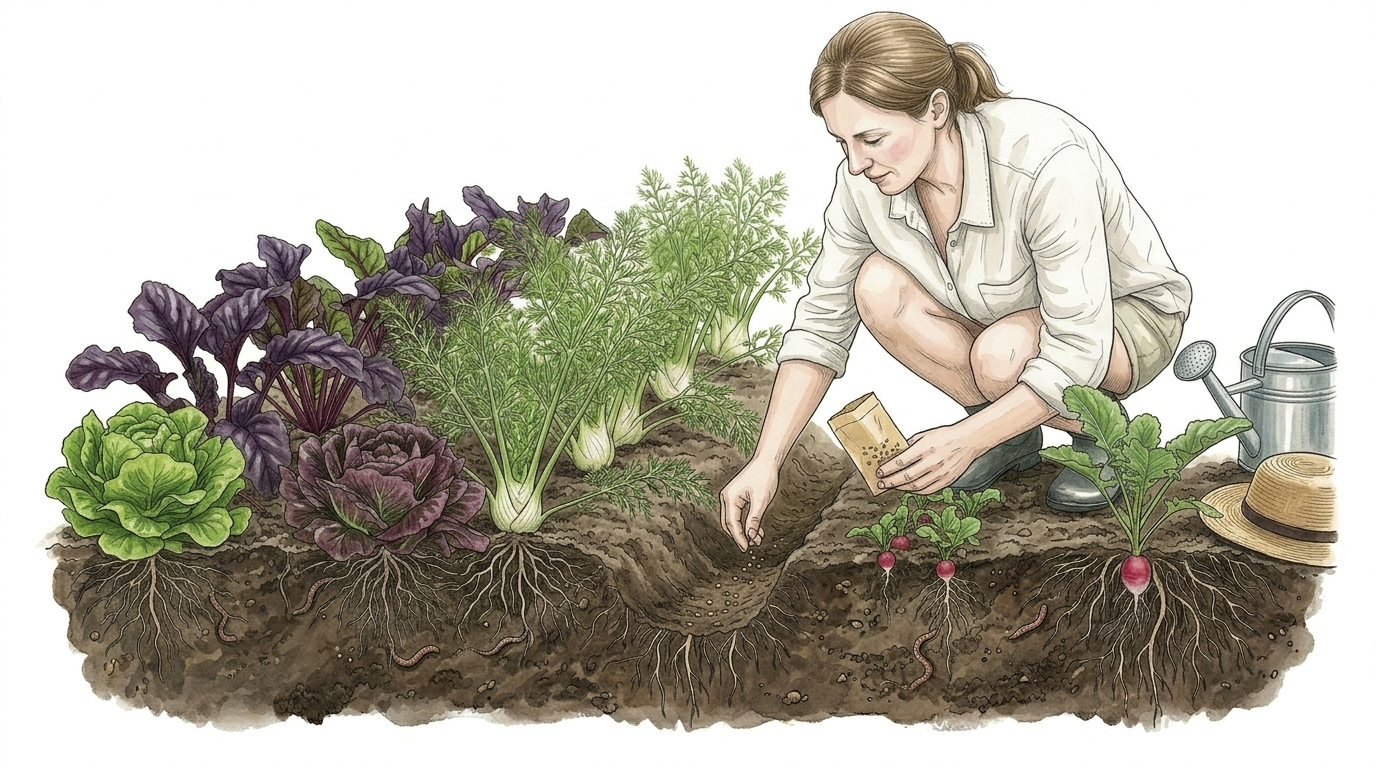
What to Sow in June: Succession Crops and Autumn Harvests
Discover which vegetables to sow in June for succession planting, filling gaps in beds, and planning autumn harvests.
Guide
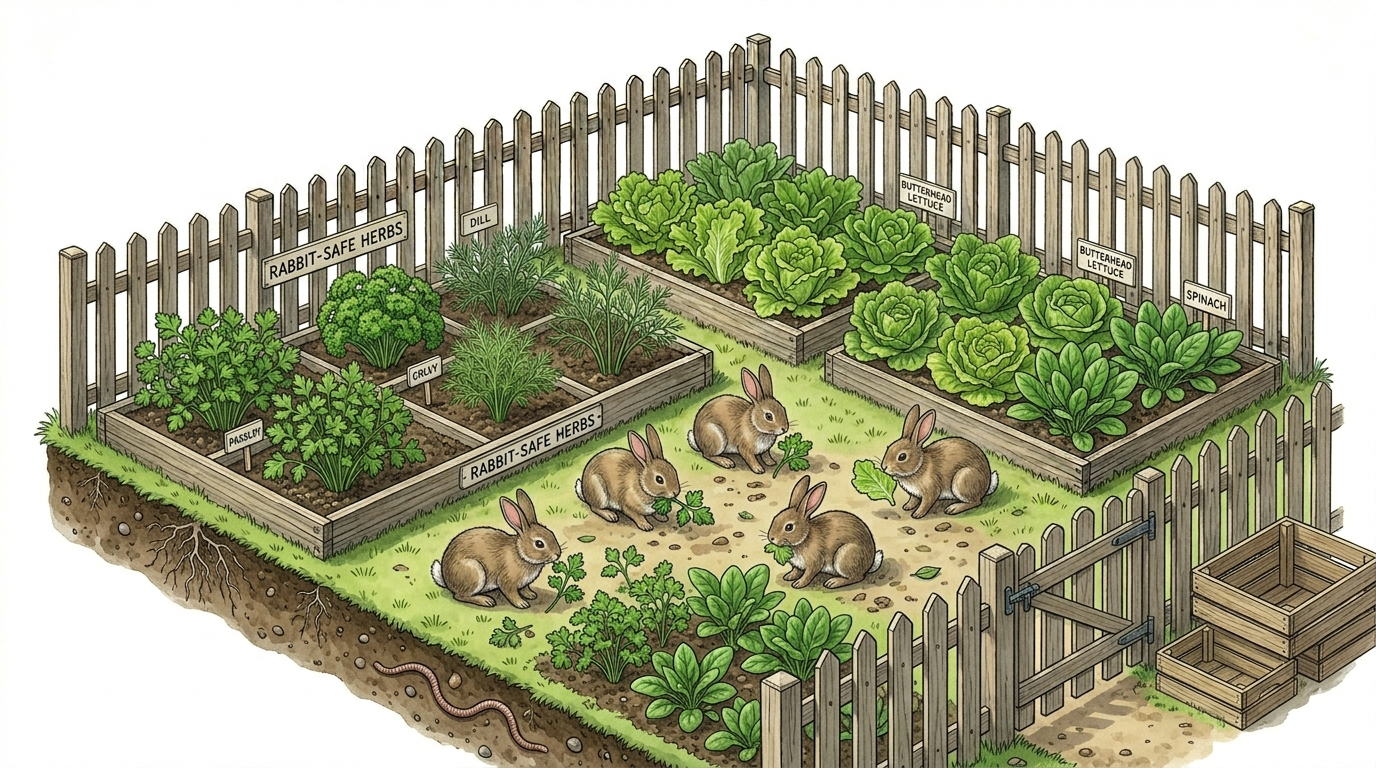
Rabbits in the Garden: Herbs and Vegetables
Learn how to choose suitable herbs and vegetables for rabbits, grow feeding plants, and plan a rabbit-friendly garden.
Guide
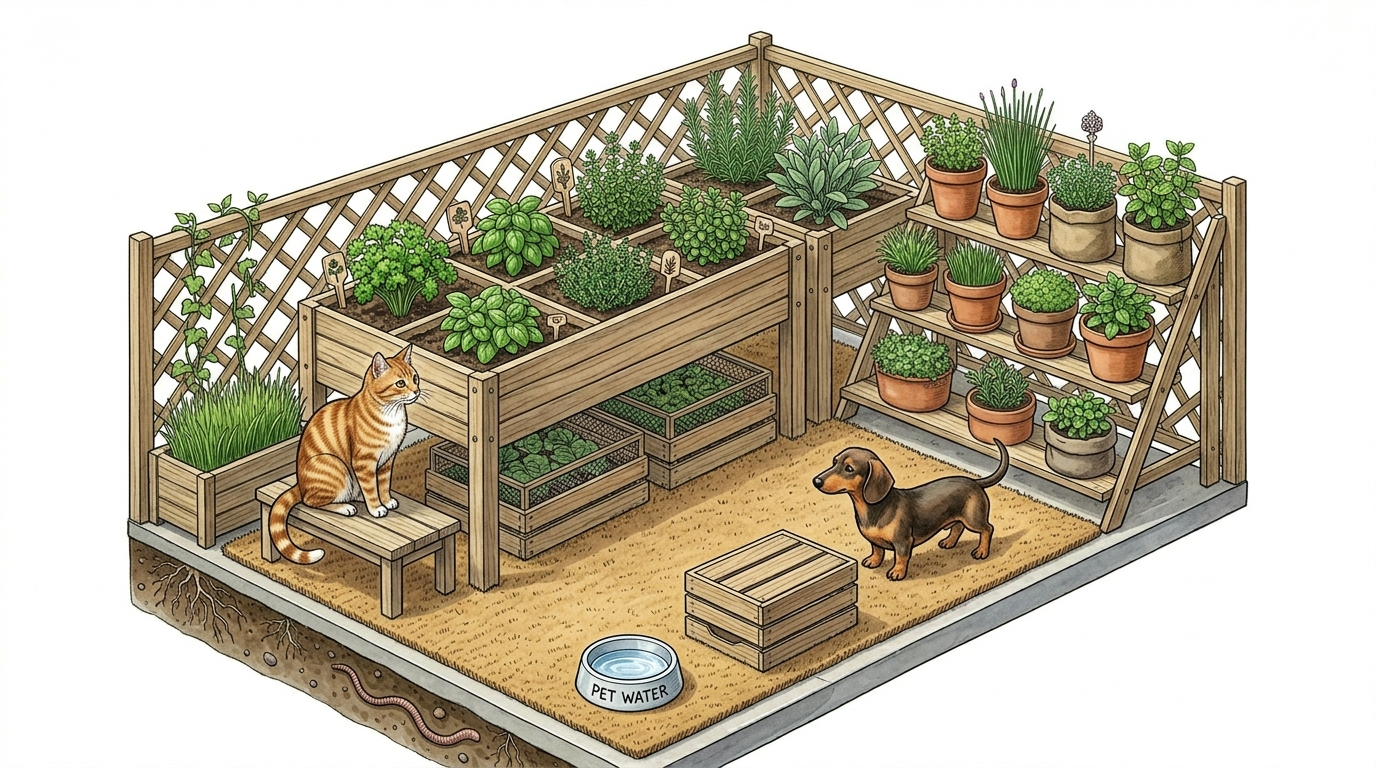
Pet-Safe Herb Gardens for Balconies and Beds
Learn how to create a pet-safe herb garden with suitable herbs, thoughtful layouts, and practical maintenance strategies.
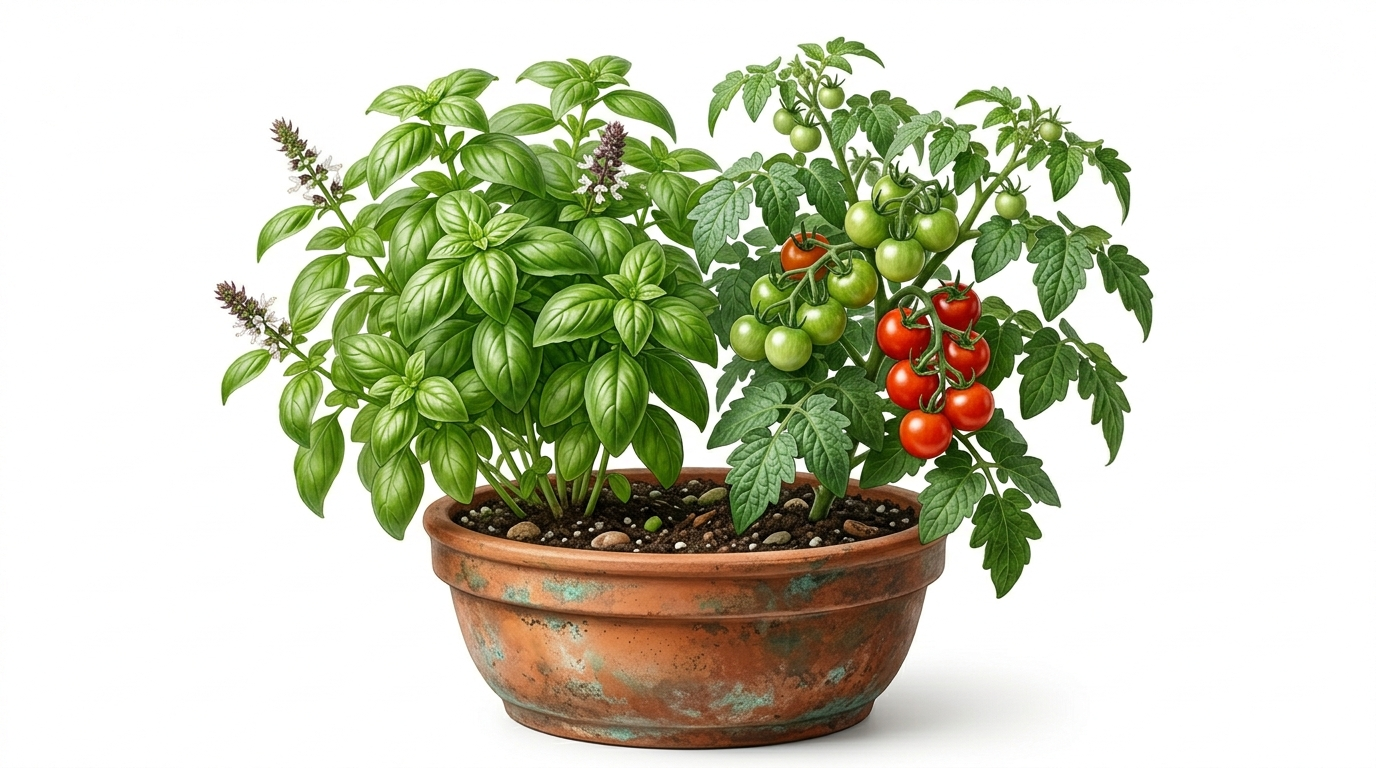
Guide
Growing Basil: Site, Watering and Harvesting
Learn how to grow basil successfully with the right site, steady watering, regular harvesting, and tips to delay flowering.
Internal links
Related plants
Dill
Similar feathery foliage, but dill does not form bulbs.
Coriander
Carrot
Both susceptible to willow-carrot aphids.
Same plant family with similar site requirements.
Celery stalks
Celery
Both belong to the Apiaceae family.
Anise
Very similar aroma in the seeds.
Anise mazegill
Similar name due to scent, but it is a wood-decaying fungus.
Sources
Public sources
- Wikidata entity
Wikidata · 2026-05-13
- GBIF species match
GBIF · 2026-05-13
- Deutschsprachige Wikipedia: Fenchel
Wikipedia · 2026-05-13
- English Wikipedia: Fennel
Wikipedia · 2026-05-13