Plant Profile
borageBorago officinalis
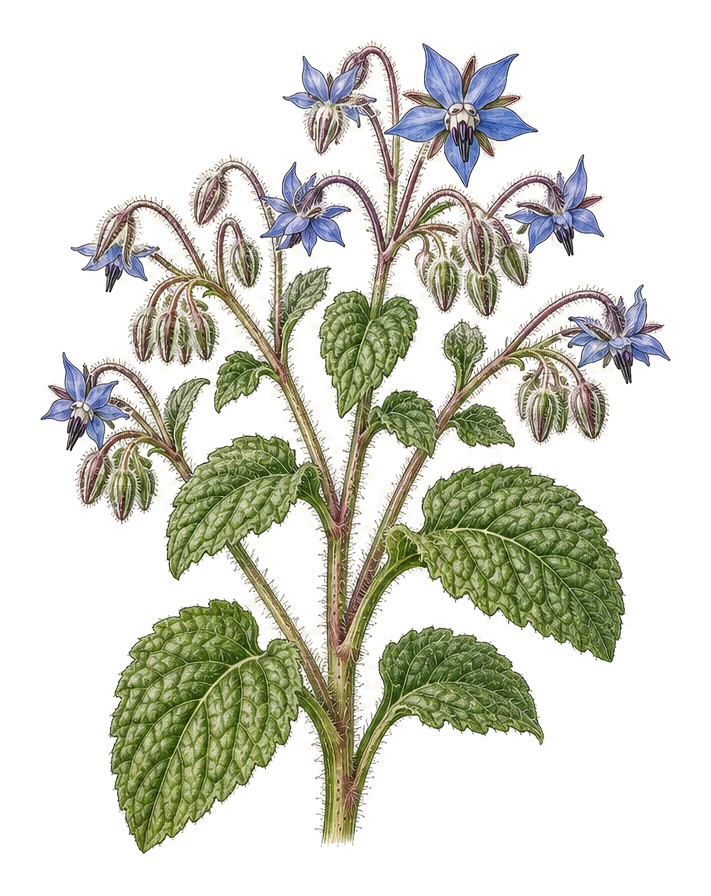
Borage (Borago officinalis) is an annual herb valued for its edible, star-shaped blue flowers and cucumber-like leaves. Originally from the Mediterranean region, it is now widespread globally as a culinary and medicinal herb. It is a strong attractant for bees and other pollinators, making it a valuable addition to any nature-friendly garden. The plant grows quickly, reaching a height of 40-60 cm, and prefers sunny locations with well-draining soil. Both young leaves and flowers can be used in the kitchen to add a refreshing note to salads, soups, and drinks. However, caution is advised as borage contains small amounts of pyrrolizidine alkaloids, which can be harmful to health if consumed excessively. Enjoyed in moderation, it is a delightful herb.
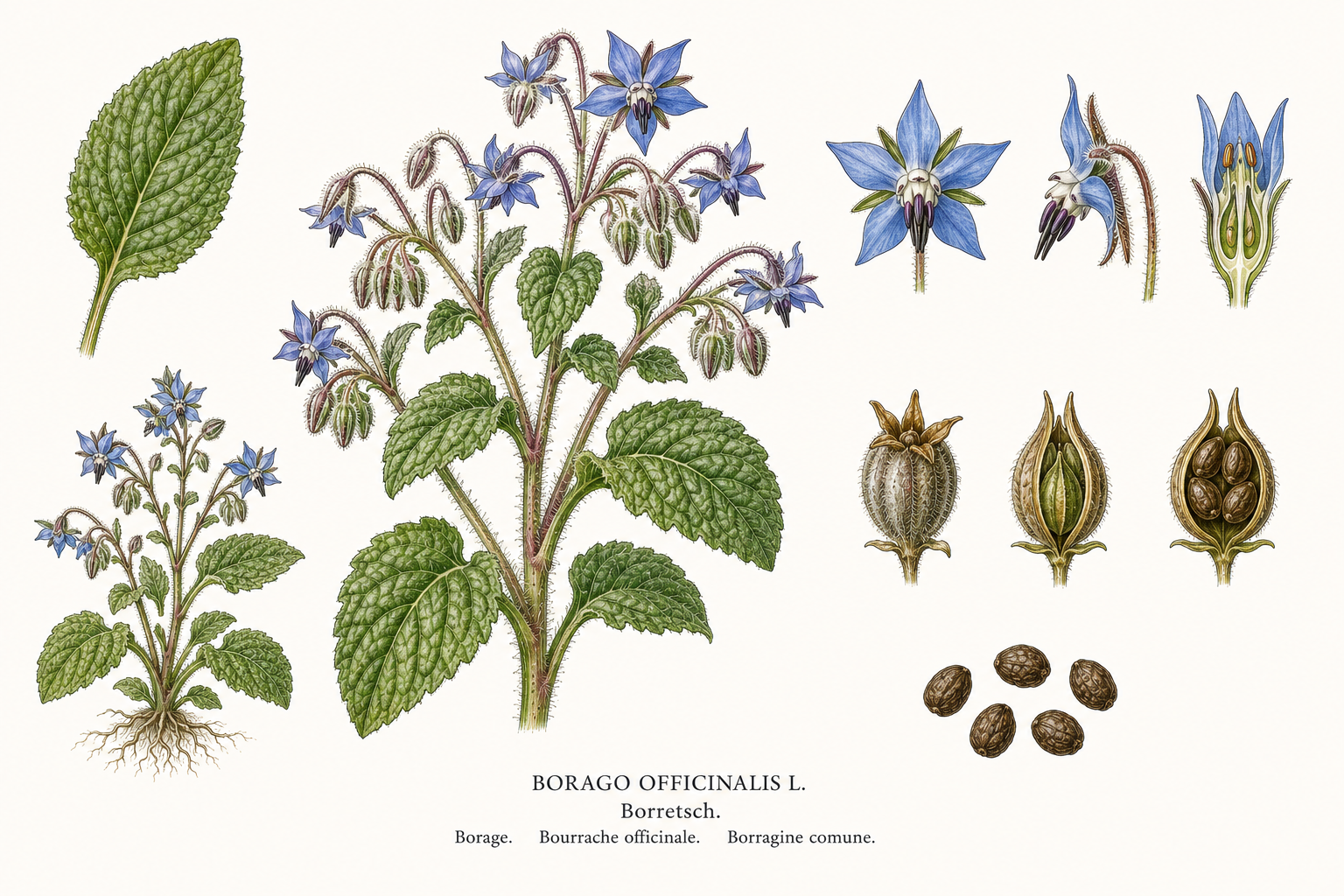
Quick profile
Key data
Suitable growing locations:
Good neighbors
StrawberryCabbage (all types)tomatoCucumber
Indoor & direct sowing
borage: Sowing and germination
Start indoors or in a greenhouse from March. Sow in pots or seed trays.
Direct sow outdoors from April, once the risk of frost has passed. Multiple sowings are possible for a continuous harvest.
Planting & site
borage: Planting and spacing
Plant out seedlings from mid-May into the garden once the risk of frost has passed. Observe spacing requirements.
Site & practical notes
Temperature & frost
borage: Temperature and site
Water & nutrients
borage: Water, nutrients and care
Container & growth
borage: Container, support and growth
Year plan
borage Calendar
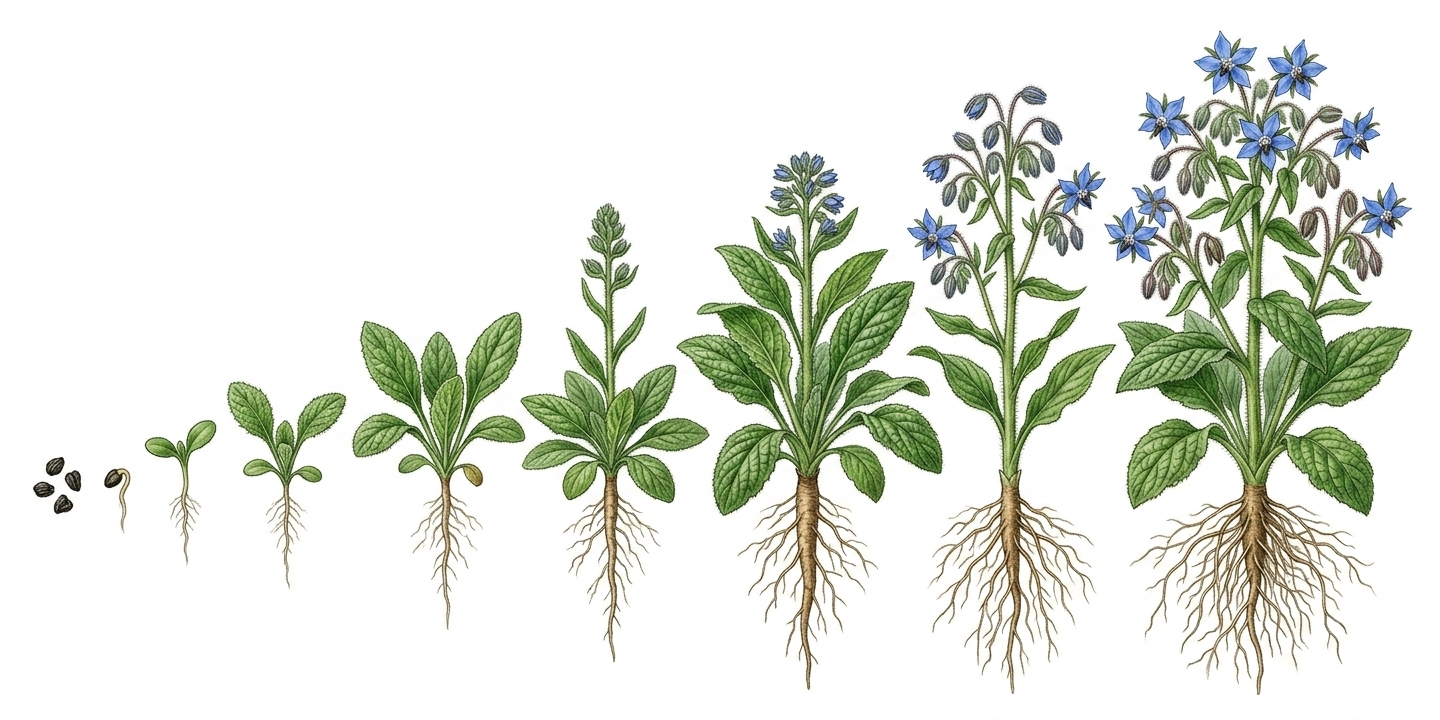
A rich harvest of leaves and flowers from early summer to autumn.
Recurring tasks
Relevant now
June
- No additional single task
Next up
July
- No additional single task
Monthly tasks
Single tasks from monthly data; repeated seasonal windows are shown in the overview above.
January
Quiet month
February
Quiet month
March
Planting
- Sowing for pre-cultureIndoors or in a greenhouse: Sow in pots or seed trays.
April
Direct sowing
- Direct sowing outdoorsAfter last frost, soil workable: Once the risk of frost has passed.
- Harden off seedlingsSeedlings started indoors: Gradually acclimatize to outdoor conditions.
May
Planting
- Planting out seedlingsAfter last frost: Observe recommended spacing.
Harvest
- Harvesting leaves and flowersPlants established: Start harvesting when plants are large enough.
June
No additional single task
August
Harvest
- Harvesting leaves and flowersOngoing: Harvest as long as plants are actively growing.
September
Harvest
- Final harvest before frostBefore first frost: Harvest all remaining leaves and flowers before the first hard frost.
October
Quiet month
November
Quiet month
December
Quiet month
Flowering & pollination
borage Flowering & pollination
Self-fertility
self-fertile
Pollinator needed
yes
Overview
Borage is predominantly self-pollinating but benefits greatly from the presence of insects, especially bees, which transfer pollen and thus promote fruit development.
Notes
Bees and other insects are important for a rich harvest and good seed production.
Companion guide
borage Companion guide
Good neighbors
StrawberryCabbage (all types)tomatoCucumber
Use & storage
borage Use & storage
Harvest leaves and flowers from May/June onwards. Regular harvesting encourages new growth. Flowers are edible and decorative.
Storage
Cool, dry, dark
Storage life
Fresh: 1-2 days in the refrigerator. Dried (flowers): Several months in a cool, dark place. Seeds: Up to 3 years.
Flavor
Mild, fresh, slightly cucumber-like, with a hint of sweetness.
Harvest
Harvest leaves and flowers from May/June onwards. Regular harvesting encourages new growth. Flowers are edible and decorative.
Processing
After harvest
Harvested leaves and flowers should be used fresh or processed immediately. Prolonged storage is not recommended.
Notes
Young leaves are the most tender and best in flavor. The hairiness of the leaves can be reduced by brief blanching or chopping. Flowers are edible and decorative.
Edibility & safety
borage Edibility & safety
For people
In brief: which parts are edible, which parts remain risky, and whether raw consumption makes sense.
Safety notes
Borage contains small amounts of pyrrolizidine alkaloids, especially in the leaves and stems. These can be hepatotoxic with excessive and long-term consumption. However, consuming young leaves and flowers in typical amounts is considered safe.
Animal safety
For animals, the specific plant part matters here: some parts may be suitable, while others should be avoided. At least one critical rating is listed for 11 animal types.
Each row shows which parts are more suitable and which parts are critical.
Companion animals
 Dog
DogNo suitable parts listed
leaves, stems
No suitable parts listed
leaves, stems
long-term consumption, excessive intake, young plants contain lower alkaloid levels
vomiting, diarrhea, dermatitis
contact a vet if symptoms appear
Borage contains pyrrolizidine alkaloids that can be hepatotoxic. While young leaves and flowers are considered edible in small amounts for humans, feeding to dogs is not recommended due to hepatotoxicity risk. Skin contact may cause irritation.
Open animal page Cat
CatNo suitable parts listed
leaves, stems
No suitable parts listed
leaves, stems
long-term consumption, excessive consumption, young plants contain lower alkaloid levels
vomiting, diarrhea, dermatitis
contact a vet if symptoms appear
Borage contains pyrrolizidine alkaloids that can be hepatotoxic. Young leaves and flowers are considered safe for human consumption, but for cats there is risk from alkaloids and irritants. No species-specific studies on severity in cats available. Conservative classification based on plant-general toxicity and known alkaloids.
Open animal page Rabbit
No suitable parts listed
No risk parts listed
No suitable parts listed
No risk parts listed
unknown
Young leaves and flowers are suitable for rabbits in small amounts but contain pyrrolizidine alkaloids that can be hepatotoxic with excessive consumption. Avoid older leaves, stems, and seeds. Do not use as primary feed. Consult a veterinarian if signs of appetite loss or lethargy appear.
Open animal page Guinea pig
No suitable parts listed
No risk parts listed
No suitable parts listed
No risk parts listed
unknown
Young leaves and flowers of borage may be suitable as an occasional treat for guinea pigs in small amounts, but contain pyrrolizidine alkaloids that can be hepatotoxic with excessive consumption. Older leaves, stems, and seeds should be avoided. Monitor for gastrointestinal upset or skin irritation. Consult a veterinarian if symptoms persist.
Open animal page Hamster
Young leaves, Flowers
Older leaves, Stems, Seeds
Young leaves, Flowers
Older leaves, Stems, Seeds
Excessive consumption, Long-term consumption
Vomiting, Diarrhea, Dermatitis
contact a vet if symptoms appear
Borage can be hazardous to hamsters if they eat older leaves, stems, or seeds. Young leaves and flowers can be eaten in moderation.
Open animal page Budgie
Young leaves, Flowers
Older leaves, Stems, Seeds
Young leaves, Flowers
Older leaves, Stems, Seeds
Long-term consumption, Excessive consumption of older plant parts, Seed ingestion
Vomiting, Diarrhea, Dermatitis
contact a vet if symptoms appear
Young leaves and flowers of borage can be offered to budgies occasionally as a treat, but older leaves, stems, and seeds contain pyrrolizidine alkaloids that are potentially hepatotoxic. Consumption should be limited to young, less hairy parts and only in small amounts. Consult a veterinarian if signs of poisoning appear.
Open animal pageFarm animals
 Horse
HorseNo suitable parts listed
leaves, stems
No suitable parts listed
leaves, stems
long-term consumption, excessive consumption
vomiting, diarrhea, dermatitis
 Chicken
No suitable parts listed
No risk parts listed
No suitable parts listed
No risk parts listed
unknown
['Young leaves and flowers of borage can be suitable as an occasional treat for chickens in small amounts. Older leaves, stems, and seeds contain pyrrolizidine alkaloids that may be hepatotoxic. Feeding should be limited to the safe parts and only occasional.']
Open animal page Duck
DuckYoung leaves, Flowers
Older leaves, Stems, Seeds
Young leaves, Flowers
Older leaves, Stems, Seeds
Long-term consumption, Excessive consumption, Consumption of older plant parts
Vomiting, Diarrhea, Dermatitis
observe
Young leaves and flowers are likely safe for ducks in small amounts, but older leaves, stems, and seeds contain pyrrolizidine alkaloids that can be hepatotoxic. No duck-specific studies available.
Open animal page Goose
GooseYoung leaves, Flowers
Older leaves, Stems, Seeds
Young leaves, Flowers
Older leaves, Stems, Seeds
Long-term consumption of large amounts, Consumption of older, hairy leaves, Consumption of seeds
Vomiting, Diarrhea, Liver strain with chronic intake
contact a vet if symptoms appear
Young leaves and flowers of borage are tolerable for geese in small amounts but contain pyrrolizidine alkaloids that can be hepatotoxic with excessive consumption. Older leaves, stems, and seeds should be avoided. Suitable as an occasional treat, not as a primary feed.
Open animal page Sheep
SheepYoung leaves, Flowers
Older leaves, Stems, Seeds
Young leaves, Flowers
Older leaves, Stems, Seeds
Long-term consumption of large amounts, Consumption of older leaves or stems
Liver poisoning with chronic overdose
observe
Young leaves and flowers are safe in moderation; older parts contain hepatotoxic pyrrolizidine alkaloids. Sheep can eat young leaves as occasional feed but not as primary feed.
Open animal page Goat
GoatYoung leaves, Flowers
Older leaves, Stems, Seeds
Young leaves, Flowers
Older leaves, Stems, Seeds
Long-term consumption of large amounts, Consumption of older leaves or stems, Consumption of seeds
Vomiting, Diarrhea, Liver strain with chronic consumption
observe
Young leaves and flowers of borage are edible for goats in small amounts and are occasionally eaten as a treat. Older leaves, stems, and seeds contain pyrrolizidine alkaloids that can be hepatotoxic with excessive consumption. Consumption should be limited to young, less hairy parts. Consult a veterinarian if poisoning is suspected.
Open animal page Cattle
Young leaves, Flowers
Older leaves, Stems, Seeds
Young leaves, Flowers
Older leaves, Stems, Seeds
Long-term consumption of large amounts, Use of older, hairy leaves, Feeding of seeds
Liver poisoning with chronic overdose, Gastrointestinal upset
contact a vet if symptoms appear
Young leaves and flowers of borage can be used in small amounts as supplemental feed. Older leaves, stems, and seeds contain pyrrolizidine alkaloids that may cause liver toxicity with chronic intake. Feeding should be restricted to young, less hairy parts.
Open animal page Pig
PigYoung leaves, Flowers
Older leaves, Stems, Seeds
Young leaves, Flowers
Older leaves, Stems, Seeds
Long-term consumption, Consumption of older plant parts, High quantities
Vomiting, Diarrhea, Liver strain with long-term consumption
observe
Young leaves and flowers are safe for pigs in small amounts. Older leaves, stems, and seeds contain pyrrolizidine alkaloids that can be hepatotoxic with excessive consumption. No pig-specific sources found, but conservative classification based on known plant toxins and typical livestock diet. Flowers and young leaves may be given occasionally as a treat, but not as primary feed.
Open animal pageThese guidelines are for general information only and do not replace veterinary diagnosis. If critical plant parts were ingested or the animal shows unusual behaviour or symptoms, seek veterinary advice.
Max risk
4 / 5
Highest status
toxic
Urgency
contact a vet if ingested
Saving seed
borage Saving seed
Seed viability
2 - 3 years
Storage
Dry the collected seeds thoroughly in an airy place. Store them in an airtight container in a cool, dark, and dry location.
Notes
Borage tends to self-seed. If you wish to avoid uncontrolled spread, harvest the seeds before they are fully mature and drop, or remove the plants after flowering.
Practical tips
borage Practical tips
Common beginner mistakes
Success pattern
High-impact tips
Grower observations
Plant Profile
Additional plant images
Health
Pests, Diseases
Plant health
Diagnosis help
borage Diagnosis help
Pest groups
Aphids
Disease groups
Powdery mildew
Prevention
Diagnosis
Check young shoots for aphids. Look for white coatings on leaves and stems for powdery mildew. Deficiencies often manifest as yellowed leaves.
Cultural prevention
Monitoring
First response
Diagnostic rules
White, powdery coating on leaves and stems
Possible causes: Powdery mildew
- Check humidity
- Improve ventilation
Small green or black insects on young shoots and leaves
Possible causes: Aphids
- Remove infested shoots
- Spray with water jet
FAQ
Can borage be eaten raw?
Yes, young borage leaves and flowers can be eaten raw. They have a mild, cucumber-like flavor. Older leaves are better cooked or processed, as they can be more hairy and slightly bitter.
Is borage poisonous?
Borage contains small amounts of pyrrolizidine alkaloids, which can be hepatotoxic with excessive and long-term consumption. However, consuming young leaves and flowers in typical amounts is considered safe.
Why does borage attract so many bees?
Borage produces abundant nectar and pollen in its star-shaped flowers, making it an extremely attractive food source for bees, bumblebees, and other pollinators. It is an important nectar plant.
When and how do I harvest borage?
You can harvest young leaves and flowers from early summer until autumn. Cut the leaves with scissors or a knife, and pick the flowers carefully. Regular harvesting encourages regrowth.
Can borage grow in a pot?
Yes, borage is well-suited for growing in pots and balcony boxes. Use a pot with at least 5-10 liters of volume and good drainage. Ensure adequate watering.
Is borage safe for Dog?
borage is classified as toxic for Dog. Risk: 4 / 5. Urgency: contact a vet if symptoms appear. Borage contains pyrrolizidine alkaloids that can be hepatotoxic. While young leaves and flowers are considered edible in small amounts for humans, feeding to dogs is not recommended due to hepatotoxicity risk. Skin contact may cause irritation.
Is borage safe for Cat?
borage is classified as toxic for Cat. Risk: 4 / 5. Urgency: contact a vet if symptoms appear. Borage contains pyrrolizidine alkaloids that can be hepatotoxic. Young leaves and flowers are considered safe for human consumption, but for cats there is risk from alkaloids and irritants. No species-specific studies on severity in cats available. Conservative classification based on plant-general toxicity and known alkaloids.
Is borage safe for Rabbit?
borage is classified as not established for Rabbit. Risk: unknown. Urgency: unknown. Young leaves and flowers are suitable for rabbits in small amounts but contain pyrrolizidine alkaloids that can be hepatotoxic with excessive consumption. Avoid older leaves, stems, and seeds. Do not use as primary feed. Consult a veterinarian if signs of appetite loss or lethargy appear.
Is borage safe for Horse?
borage is classified as toxic for Horse. Risk: 4 / 5. Urgency: contact a vet if ingested. No reliable species-specific assessment is available.
Guides
Related guides
Guide
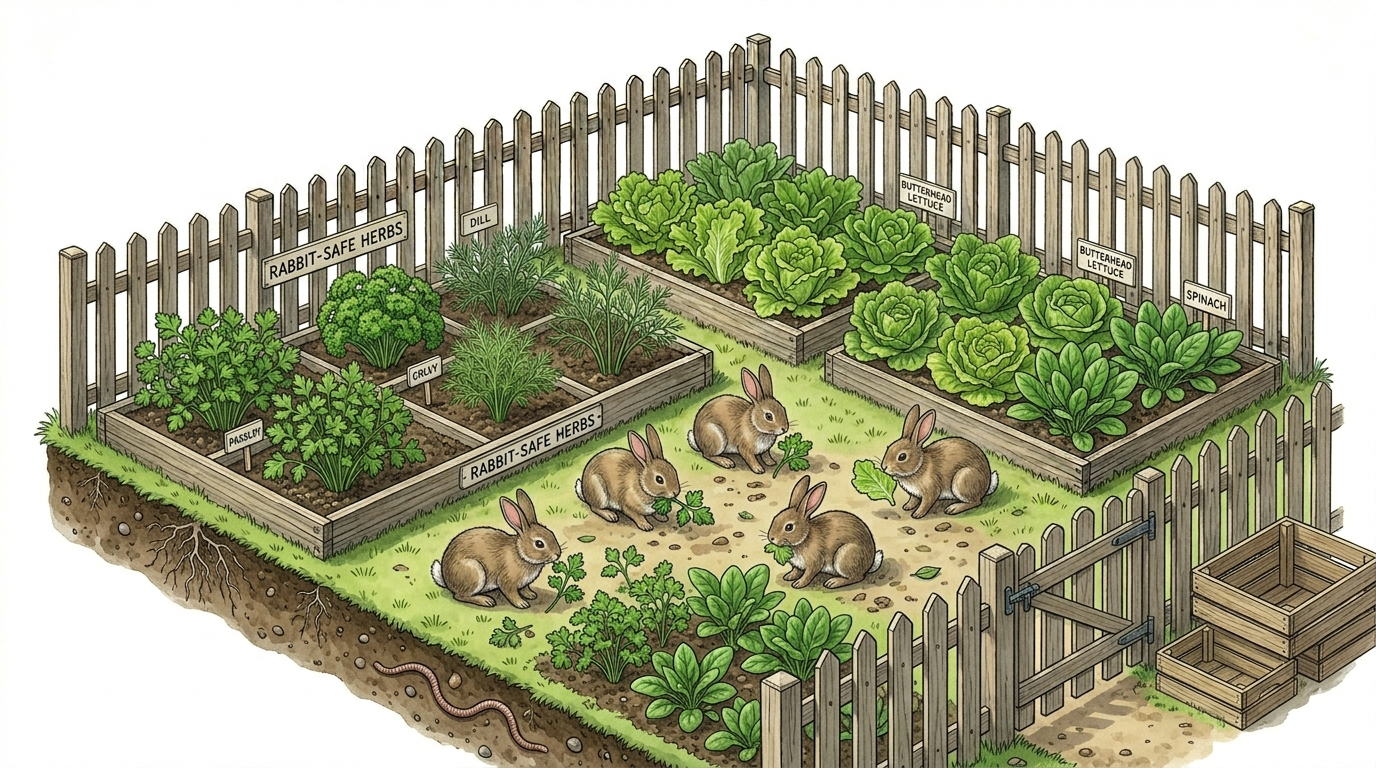
Rabbits in the Garden: Herbs and Vegetables
Learn how to choose suitable herbs and vegetables for rabbits, grow feeding plants, and plan a rabbit-friendly garden.
Guide
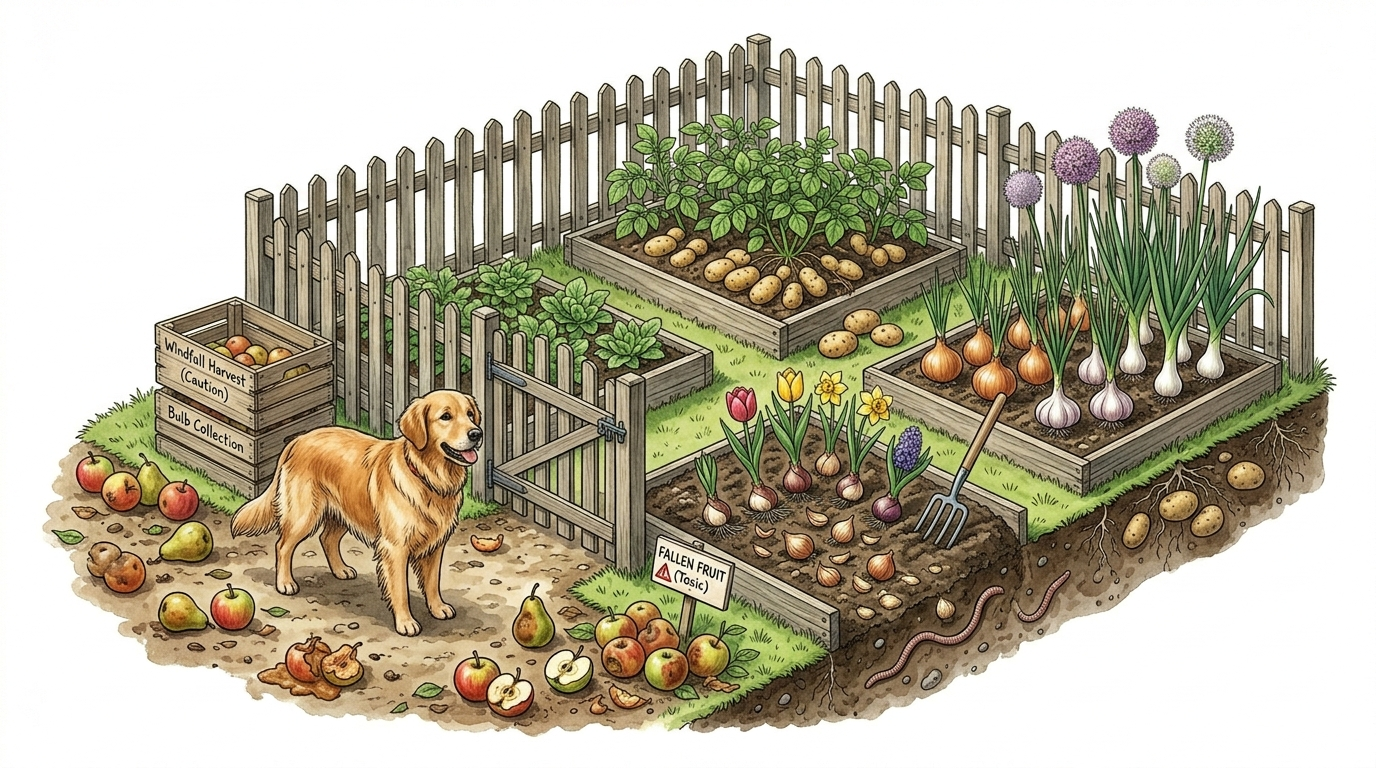
Dogs in the Garden: Windfall Fruit and Risks
Keep your garden dog-safe by managing windfall fruit, seeds, stored crops, and potentially problematic plant parts.
Guide
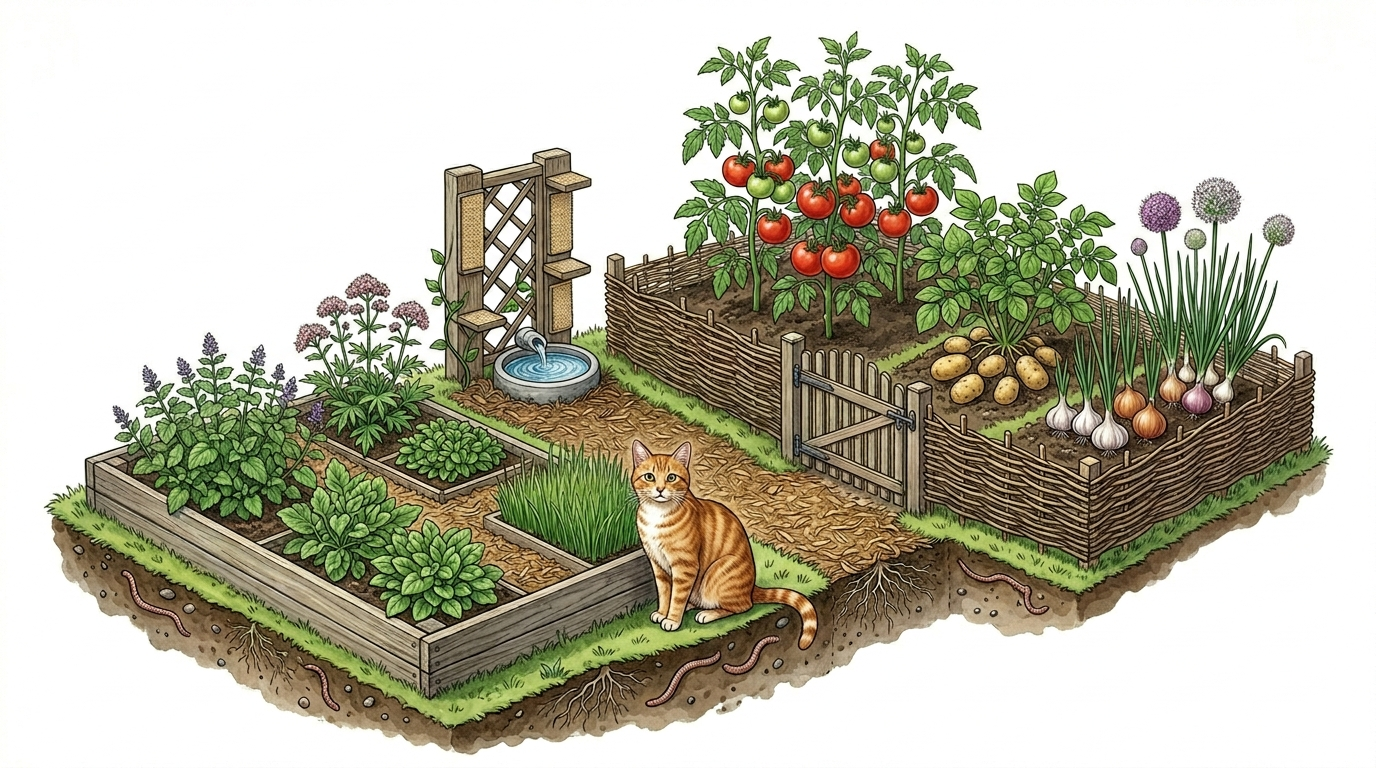
Toxic Garden Plants for Cats: Safer Planning
Learn which garden plants can be risky for cats, how to plan safer beds, and what to do if a cat eats a toxic plant.
Guide
Horse Pastures and Garden Plants: Safety Checks
Learn how to identify risks near horse pastures, fences, turnout areas, fruit trees, and garden planting zones.
Internal links
Related plants
Forget-me-not
Both belong to the Borage family (Boraginaceae).
Belongs to the Borage family (Boraginaceae) and has similar flower shapes.
Comfrey
Also belongs to the Borage family (Boraginaceae).
Also a member of the Borage family, traditionally used as a medicinal herb.
basil
Both are popular annual culinary herbs.
Mint
Both are used for their flavors in cooking and for teas.
Coriander
Both herbs require moderate nutrients and benefit from good soil.
Both herbs prefer consistent soil moisture and do not tolerate waterlogging.
Cucumber
Shares the characteristic cucumber flavor found in borage leaves.
Cress
Both are used for their fresh, pungent leaves in salads and as garnishes.
parsley
Both are versatile culinary herbs that can be used raw or cooked.
Sources
Public sources
- Wikidata entity
Wikidata · 2026-05-12
- GBIF species match
GBIF · 2026-05-12
- Deutschsprachige Wikipedia: Borretsch
Wikipedia · 2026-05-12
- English Wikipedia: Borage
Wikipedia · 2026-05-12