Plant Profile
potatoSolanum tuberosum
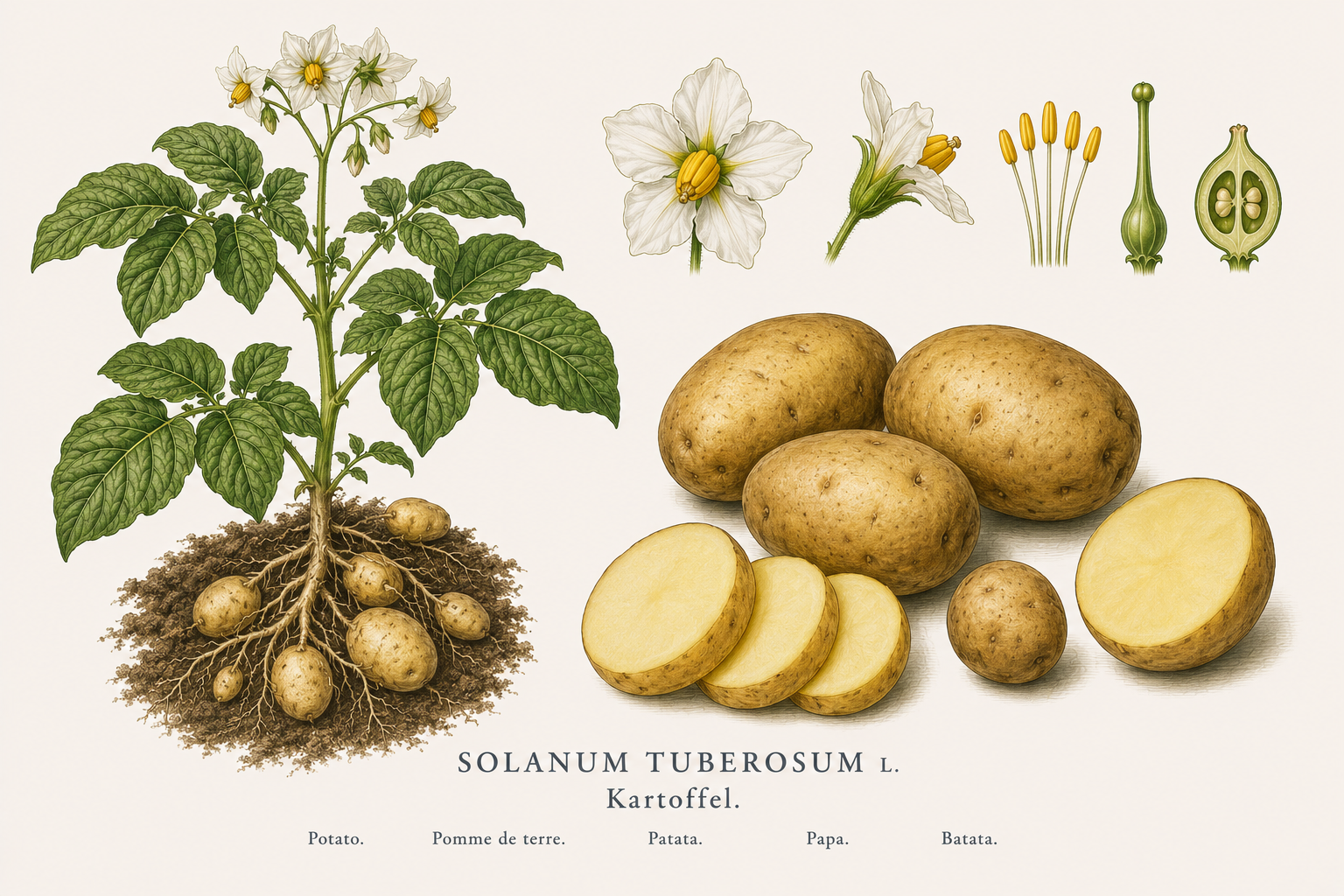
The potato is a globally important staple food, cultivated for its versatile tubers. It is a heavy feeder and requires regular care, especially hilling.
Quick profile
Key data
Suitable growing locations:
Indoor & direct sowing
potato: Sowing and germination
Potatoes are generally not started indoors as they require a lot of space and the young plants are sensitive.
Direct sowing is not common. Pre-sprouted tubers are planted outdoors from April/May.
Planting & site
potato: Planting and spacing
After the last frosts, when the soil has warmed up. Plant pre-sprouted tubers or seed potatoes.
Temperature & frost
potato: Temperature and site
Water & nutrients
potato: Water, nutrients and care
Container & growth
potato: Container, support and growth
Year plan
potato Calendar
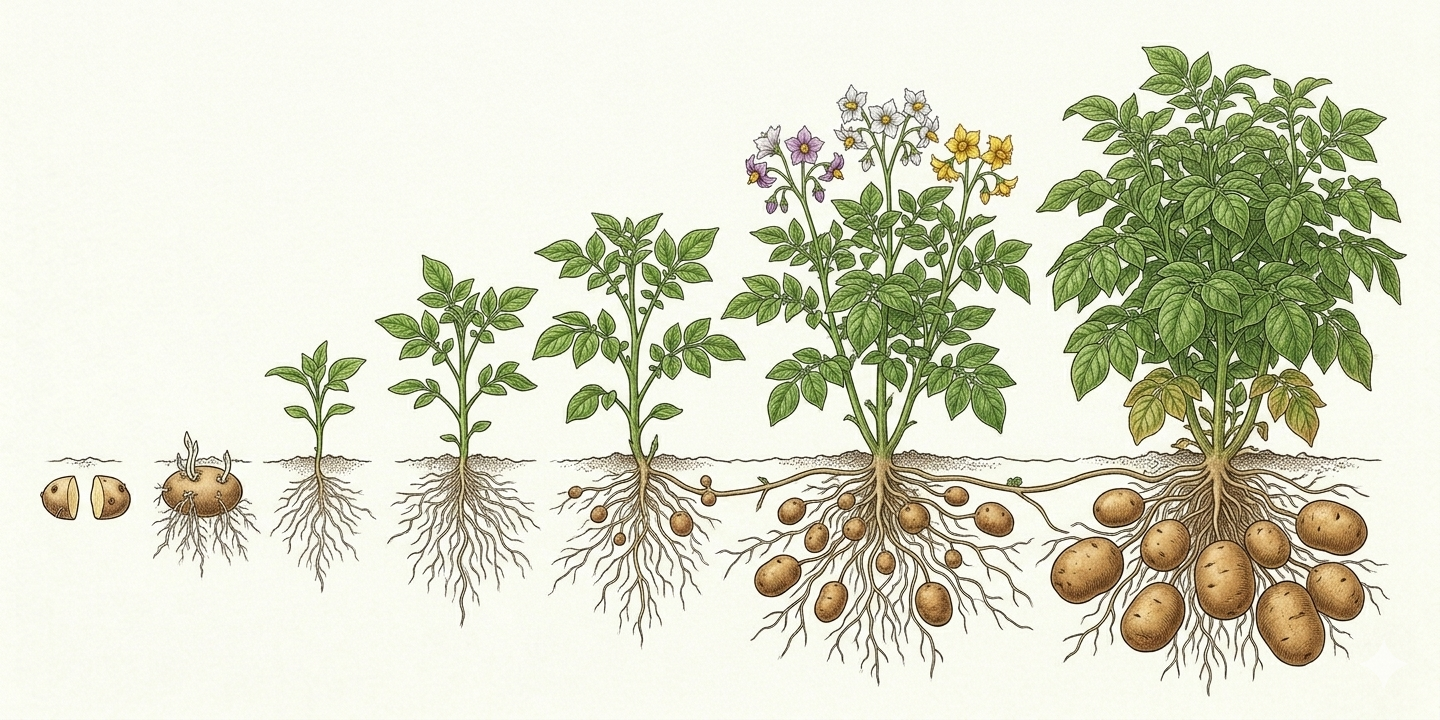
From planting in spring to harvesting in autumn, the potato accompanies us through the gardening season, rewarding us with diverse delights.
Recurring tasks
Relevant now
June
- Continue to hill up potatoesBei starkem Wachstum: Ensure tubers are well covered.
Next up
July
- Harvest early potatoesJe nach Sorte und Reife: Dig carefully to avoid damaging remaining plants.
Monthly tasks
Single tasks from monthly data; repeated seasonal windows are shown in the overview above.
January
Quiet month
February
Quiet month
March
Quiet month
April
Growing
- Prepare soilVor dem Pflanzen: Incorporate compost or well-rotted manure.
Plant health
- Hill up if late frost is expectedBei Frostgefahr: Protects young shoots and tubers from frost damage.
May
No additional single task
June
Growing
- Continue to hill up potatoesBei starkem Wachstum: Ensure tubers are well covered.
August
No additional single task
September
No additional single task
October
Growing
- Prepare potatoes for storageNach der Ernte: Allow potatoes to dry well, sort out damaged ones. Store in a dark, cool place.
November
Quiet month
December
Quiet month
Flowering & pollination
potato Flowering & pollination
Self-fertility
high
Pollinator needed
no
Overview
Potatoes are predominantly self-pollinating but can also be cross-pollinated by insects. Pollination is necessary for fruit formation (small, tomato-like berries) but not for tuber formation.
Notes
Although insects like bees and bumblebees can contribute to pollination, it is not essential for tuber harvest. Fruit set is more an indicator of successful pollination.
Companion guide
potato Companion guide
Use & storage
potato Use & storage
Depending on the variety and planting time. Early potatoes from July, late varieties into October.
Storage
Root vegetable
Storage life
Storage potatoes: Several months (up to 6-9 months under optimal conditions). Early potatoes: A few weeks.
Harvest
Depending on the variety and planting time. Early potatoes from July, late varieties into October.
Processing
After harvest
Dig up potatoes carefully to avoid damage. Allow to dry thoroughly (especially storage potatoes) and brush off excess soil, but do not wash. Sort out damaged tubers immediately.
Edibility & safety
potato Edibility & safety
For people
In brief: which parts are edible, which parts remain risky, and whether raw consumption makes sense.
Safety notes
Green parts and sprouts of potatoes contain the toxic alkaloid solanine, which can cause gastrointestinal distress and neurological symptoms if consumed. These parts must be cut away generously.
Animal safety
For animals, the specific plant part matters here: some parts may be suitable, while others should be avoided. At least one critical rating is listed for 12 animal types.
Each row shows which parts are more suitable and which parts are critical.
Companion animals
 Dog
DogTuber (cooked, without green spots or sprouts)
Green parts of tuber, Sprouts, Leaves
Tuber (cooked, without green spots or sprouts)
Green parts of tuber, Sprouts, Leaves
Consumption of green parts or sprouts, Consumption of leaves, stems, or fruits
Gastrointestinal distress (vomiting, diarrhea, abdominal pain), Neurological symptoms (headache, dizziness, confusion, lethargy, seizures)
contact a vet if ingested
Solanine in green parts and sprouts can be toxic. Cooked tubers without these parts are safe in moderation.
Open animal page Cat
CatTuber (cooked, without green spots or sprouts)
Green parts of tuber, Sprouts, Leaves
Tuber (cooked, without green spots or sprouts)
Green parts of tuber, Sprouts, Leaves
Consumption of green parts or sprouts, Consumption of leaves, stems, or fruits
Gastrointestinal distress (vomiting, diarrhea, abdominal pain), Neurological symptoms (headache, dizziness, confusion, lethargy, seizures)
contact a vet if ingested
Solanine in green parts and sprouts can be toxic. Cooked tubers without these parts are safe in moderation.
Open animal page Rabbit
Tuber (cooked, without green spots or sprouts)
Green parts of tuber, Sprouts, Leaves
Tuber (cooked, without green spots or sprouts)
Green parts of tuber, Sprouts, Leaves
Consumption of green parts or sprouts, Consumption of leaves, stems, or fruits
Gastrointestinal distress (diarrhea, abdominal pain, loss of appetite), Neurological symptoms (lethargy, incoordination)
contact a vet if ingested
Solanine in green parts and sprouts can be toxic. Cooked tubers without these parts are safe in moderation. Rabbits cannot vomit.
Open animal page Guinea pig
Tuber (white flesh, cooked), Tuber (white flesh, raw in very small amounts)
Green parts of tuber, Sprouts, Leaves
Tuber (white flesh, cooked), Tuber (white flesh, raw in very small amounts)
Green parts of tuber, Sprouts, Leaves
Consumption of green parts or sprouts, Consumption of leaves, stems, or fruits, Excessive consumption of raw potatoes
Gastrointestinal distress (diarrhea, abdominal pain), Neurological symptoms (lethargy, incoordination)
contact a vet if ingested
Solanine in green parts and sprouts can be toxic. Cooked tubers without these parts are safe in moderation. Raw potatoes only in very small amounts and without green parts/sprouts.
Open animal page Hamster
Tuber (cooked, without green spots or sprouts)
Green parts of tuber, Sprouts, Leaves
Tuber (cooked, without green spots or sprouts)
Green parts of tuber, Sprouts, Leaves
Consumption of green parts or sprouts, Consumption of leaves, stems, or fruits
Gastrointestinal distress (diarrhea, abdominal pain), Neurological symptoms (lethargy, incoordination)
contact a vet if ingested
Solanine in green parts and sprouts can be toxic. Cooked tubers without these parts are safe in moderation.
Open animal page Budgie
Tuber (cooked, no green spots or sprouts)
Green parts of tuber, Sprouts, Leaves
Tuber (cooked, no green spots or sprouts)
Green parts of tuber, Sprouts, Leaves
Consumption of green parts or sprouts, Consumption of leaves, stems, or fruits
Gastrointestinal distress (diarrhea, vomiting), Neurological symptoms (lethargy, incoordination)
contact a vet if ingested
Solanine in green parts and sprouts can be toxic. Cooked tubers without these parts are safe in moderation.
Open animal pageFarm animals
 Horse
HorseTuber (ripe, not green, no sprouts)
Green parts of tuber, Sprouts, Leaves
Tuber (ripe, not green, no sprouts)
Green parts of tuber, Sprouts, Leaves
Consumption of green parts or sprouts, Consumption of leaves, stems, or fruits, Large quantities of raw potatoes
Gastrointestinal distress (colic, diarrhea, loss of appetite), Neurological symptoms (lethargy, incoordination, seizures), Cardiac arrhythmias
contact a vet if ingested
Solanine in green parts and sprouts can be toxic. Cooked tubers without these parts are safe in moderation. Horses are more sensitive to solanine.
Open animal page Chicken
Tuber (white, cooked)
Green parts of tuber, Sprouts, Leaves
Tuber (white, cooked)
Green parts of tuber, Sprouts, Leaves
Consumption of green parts or sprouts, Consumption of leaves, stems, or fruits
Gastrointestinal distress (diarrhea, vomiting), Neurological symptoms (lethargy, incoordination)
contact a vet if ingested
Solanine in green parts and sprouts can be toxic. Cooked tubers without these parts are safe in moderation.
Open animal page Duck
DuckTuber (ripe, not green, no sprouts)
Green parts of tuber, Sprouts, Leaves
Tuber (ripe, not green, no sprouts)
Green parts of tuber, Sprouts, Leaves
Consumption of green parts or sprouts, Consumption of leaves, stems, or fruits
Gastrointestinal distress (diarrhea, vomiting), Neurological symptoms (lethargy, incoordination)
contact a vet if ingested
Solanine in green parts and sprouts can be toxic. Cooked tubers without these parts are safe in moderation.
Open animal page Goose
GooseTuber (ripe, not green, no sprouts)
Green parts of tuber, Sprouts, Leaves
Tuber (ripe, not green, no sprouts)
Green parts of tuber, Sprouts, Leaves
Consumption of green parts or sprouts, Consumption of leaves, stems, or fruits
Gastrointestinal distress (diarrhea, vomiting), Neurological symptoms (lethargy, incoordination)
contact a vet if ingested
Solanine in green parts and sprouts can be toxic. Cooked tubers without these parts are safe in moderation.
Open animal page Sheep
SheepTuber (ripe, not green, no sprouts)
Green parts of tuber, Sprouts, Leaves
Tuber (ripe, not green, no sprouts)
Green parts of tuber, Sprouts, Leaves
Consumption of green parts or sprouts, Consumption of leaves, stems, or fruits
Gastrointestinal distress (diarrhea, loss of appetite), Neurological symptoms (lethargy, incoordination)
contact a vet if ingested
Solanine in green parts and sprouts can be toxic. Cooked tubers without these parts are safe in moderation.
Open animal page Goat
GoatTuber (ripe, not green, no sprouts)
Green parts of tuber, Sprouts, Leaves
Tuber (ripe, not green, no sprouts)
Green parts of tuber, Sprouts, Leaves
Consumption of green parts or sprouts, Consumption of leaves, stems, or fruits
Gastrointestinal distress (diarrhea, loss of appetite), Neurological symptoms (lethargy, incoordination)
contact a vet if ingested
Solanine in green parts and sprouts can be toxic. Cooked tubers without these parts are safe in moderation.
Open animal page Cattle
Tuber (ripe, non-green, no sprouts)
Green parts of tuber, Sprouts, Leaves
Tuber (ripe, non-green, no sprouts)
Green parts of tuber, Sprouts, Leaves
Consumption of green parts or sprouts, Consumption of leaves, stems, or fruits
Gastrointestinal distress (diarrhea, loss of appetite), Neurological symptoms (lethargy, incoordination)
contact a vet if ingested
Solanine in green parts and sprouts can be toxic. Cooked tubers without these parts are safe in moderation.
Open animal page Pig
PigTuber (ripe, not green or sprouted)
Green parts of tuber, Sprouts, Leaves
Tuber (ripe, not green or sprouted)
Green parts of tuber, Sprouts, Leaves
Consumption of green parts or sprouts, Consumption of leaves, stems, or fruits
Gastrointestinal distress (diarrhea, loss of appetite), Neurological symptoms (lethargy, incoordination)
contact a vet if ingested
Solanine in green parts and sprouts can be toxic. Cooked tubers without these parts are safe in moderation. Pigs are more resistant to solanine than other animals.
Open animal pageThese guidelines are for general information only and do not replace veterinary diagnosis. If critical plant parts were ingested or the animal shows unusual behaviour or symptoms, seek veterinary advice.
Max risk
unknown
Highest status
do not feed
Urgency
contact a vet if ingested
Practical tips
potato Practical tips
Common beginner mistakes
Success pattern
High-impact tips
Grower observations
Health
Pests, Diseases
Pests
Colorado potato beetle
A winged beetle that feeds on the leaves of the potato plant. Both the larvae and adult beetles can cause significant damage by eating the leaves and weakening the plant.
Wireworm
The larvae of various click beetle species that live in the soil and feed on the tubers and roots of the potato plant. They cause small, round holes in the tubers.
Aphids
Small, sucking insects that colonize the underside of leaves and on young shoots. They suck plant sap and can transmit viruses.
Diseases
Late blight
A fungal disease that affects both the foliage and the tubers. It typically occurs in wet weather and can spread rapidly.
Potato scab
A bacterial disease that affects the tubers, causing unsightly, scabby, or corky lesions. It occurs mainly in warm, dry weather and alkaline soil.
Verticillium wilt
A fungal disease that affects the vascular system of the plant, leading to wilting. It can occur in various soil types.
Deficiencies
Potassium deficiency
A lack of potassium affects overall plant health and tuber development.
Magnesium deficiency
A lack of magnesium can impair photosynthesis and lead to leaf discoloration.
Plant health
Diagnosis help
potato Diagnosis help
Pest groups
Disease groups
Prevention
Diagnosis
Accurate diagnosis of potato problems often requires examining symptoms on leaves, stems, and tubers, as well as considering growing conditions and weather patterns.
Cultural prevention
Monitoring
First response
Diagnostic rules
Large, water-soaked spots on leaves that rapidly turn brown and form a white, fuzzy mold on the underside.
Possible causes: Late blight
- Check weather conditions (high humidity, wet foliage).
- Examine tubers for browning and rot.
Small, round holes or tunnels in the potato tubers.
Possible causes: Wireworm
- Check the soil for yellowish, hard larvae.
- Note if plants are weakened or wilting.
Irregular, corky lesions on the tuber surface.
Possible causes: Potato scab
- Measure soil pH (should not exceed 6.0).
- Check if tubers received adequate water during dry periods.
FAQ
When is the best time to plant potatoes?
Potatoes are generally planted from April to May, once the soil has warmed up and severe frosts are no longer expected. Pre-sprouted tubers can be planted a little earlier.
Why do you need to hill up potatoes?
Hilling protects the growing tubers from light, preventing the formation of toxic solanine. It also encourages the development of more tubers and stabilizes the plant.
What to do if potatoes turn green?
Green parts on potatoes contain solanine and are toxic. Cut away green areas generously. If the potato is extensively green, it should not be consumed.
What is the best way to store potatoes?
Storage potatoes should be kept in a dark, cool (4-8°C), and well-ventilated place to prevent sprouting and rot. Early potatoes are not suitable for long-term storage and should be consumed soon.
Is potato safe for Dog?
potato is classified as do not feed for Dog. Risk: unknown. Urgency: contact a vet if ingested. Solanine in green parts and sprouts can be toxic. Cooked tubers without these parts are safe in moderation.
Is potato safe for Cat?
potato is classified as do not feed for Cat. Risk: unknown. Urgency: contact a vet if ingested. Solanine in green parts and sprouts can be toxic. Cooked tubers without these parts are safe in moderation.
Is potato safe for Rabbit?
potato is classified as do not feed for Rabbit. Risk: unknown. Urgency: contact a vet if ingested. Solanine in green parts and sprouts can be toxic. Cooked tubers without these parts are safe in moderation. Rabbits cannot vomit.
Is potato safe for Guinea pig?
potato is classified as selected parts only for Guinea pig. Risk: unknown. Urgency: contact a vet if ingested. Solanine in green parts and sprouts can be toxic. Cooked tubers without these parts are safe in moderation. Raw potatoes only in very small amounts and without green parts/sprouts.
Guides
Related guides
Guide
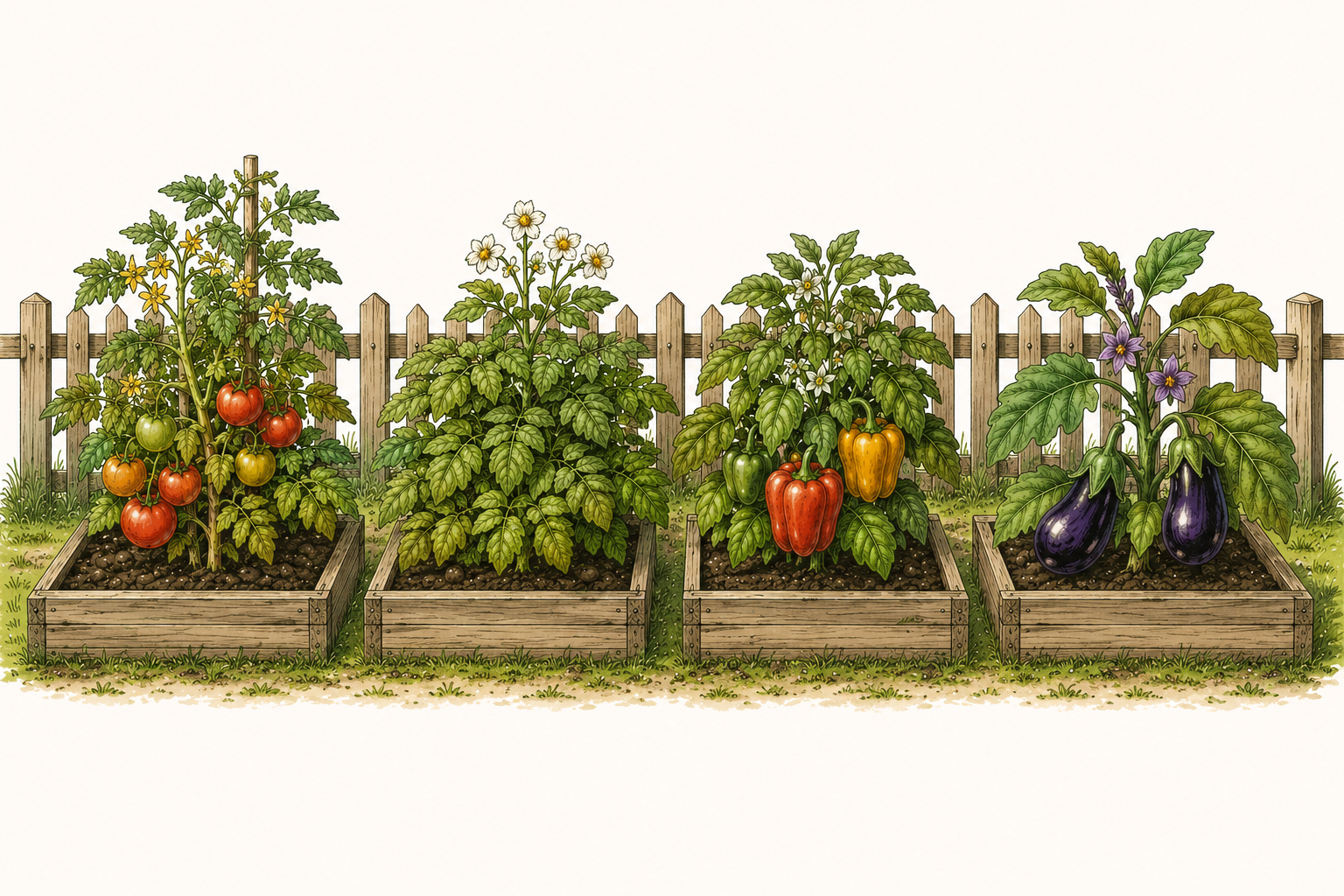
Pets and Nightshades: Tomatoes, Potatoes and More
Learn how to grow tomatoes, potatoes, peppers, and eggplants safely in pet-friendly gardens and understand plant-part risks.
Guide
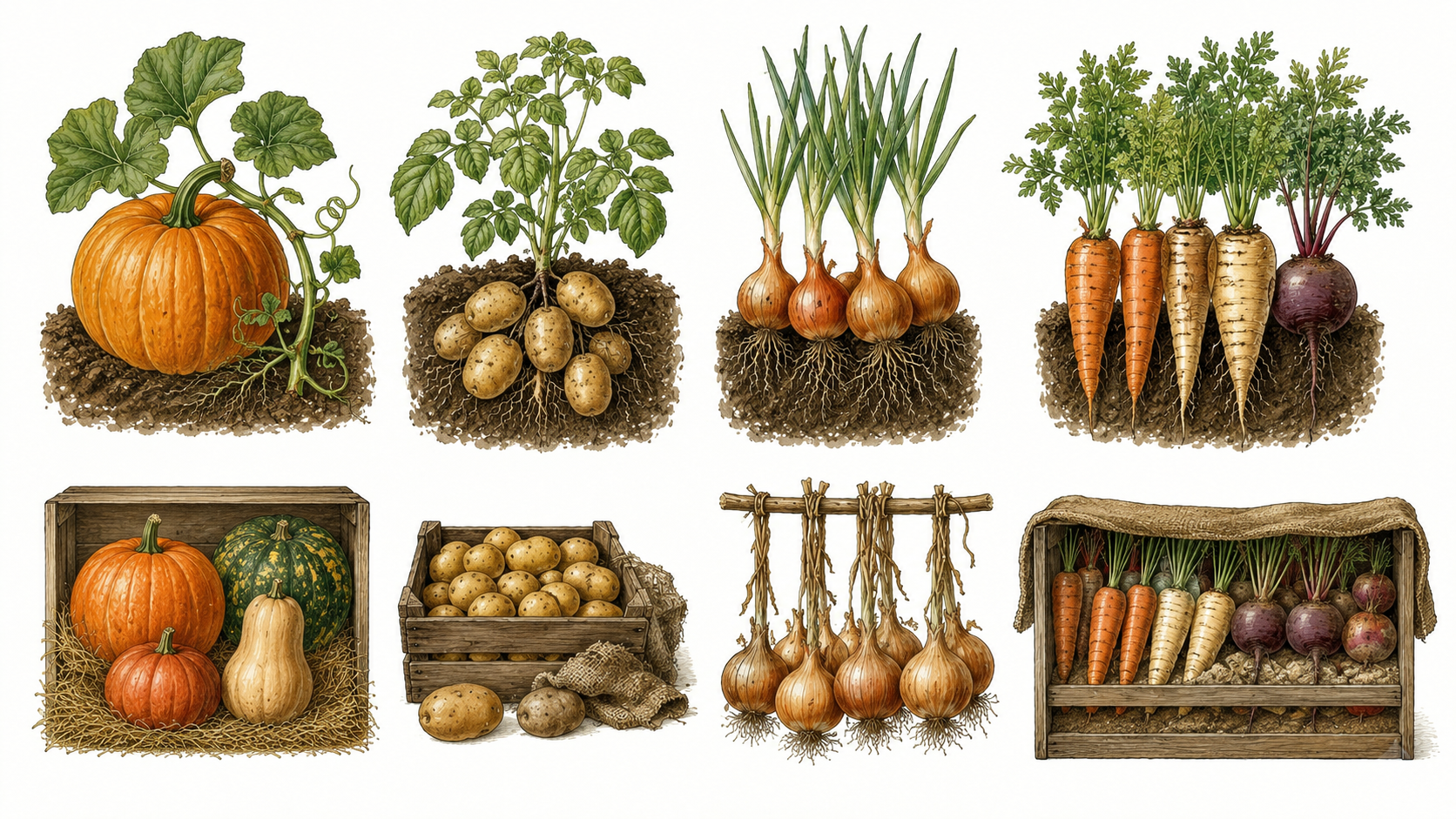
Autumn Harvest and Storage for Squash and Root Crops
Learn how to harvest and store squash, potatoes, onions, and root vegetables for longer freshness through autumn and winter.
Guide
Horse Pastures and Garden Plants: Safety Checks
Learn how to identify risks near horse pastures, fences, turnout areas, fruit trees, and garden planting zones.
Guide
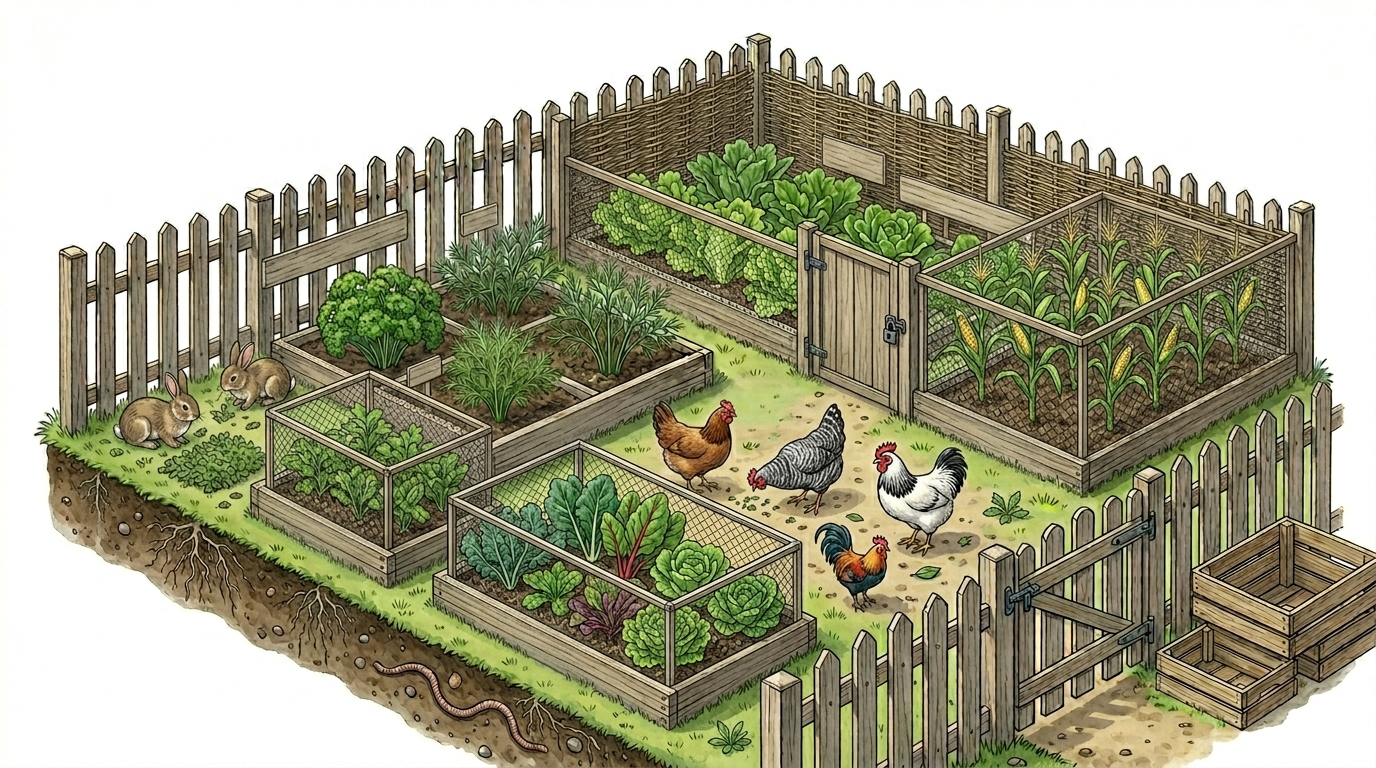
Chickens in the Garden: Safe Plants and Zones
Learn how to design a chicken-friendly garden with suitable plants, protected beds, and well-planned activity areas.
Internal links
Related plants
tomato
Both belong to the nightshade family (Solanaceae) and are susceptible to similar diseases and pests like late blight and Colorado potato beetle.
Susceptible to late blight (Phytophthora infestans) and Colorado potato beetle.
Pepper
Also belongs to the nightshade family (Solanaceae) and shares disease and pest risks.
Can also be affected by late blight and Colorado potato beetles.
Eggplant
As a nightshade, it shares similar susceptibilities.
Belongs to the nightshade family (Solanaceae) and shares similar diseases and pests.
Sweet potato
Both are starchy tubers that serve as staple foods.
Both are starchy tubers serving as staple foods, but they do not belong to the same plant family.
Yam
Another important starchy tuber crop.
Cabbage
Like potatoes, cabbage varieties are heavy feeders and require abundant nutrients.
Corn
Corn is also a heavy feeder with high nutrient requirements.
Carrot
Like potatoes, requires consistent but not excessive watering.
Lettuce
Has a similar need for consistent soil moisture.
Sources
Public sources
- Wikidata entity
Wikidata · 2026-05-13
- GBIF species match
GBIF · 2026-05-13
- Deutschsprachige Wikipedia: Kartoffel
Wikipedia · 2026-05-13
- English Wikipedia: Potato
Wikipedia · 2026-05-13