Plant Profile
HyssopHyssopus officinalis
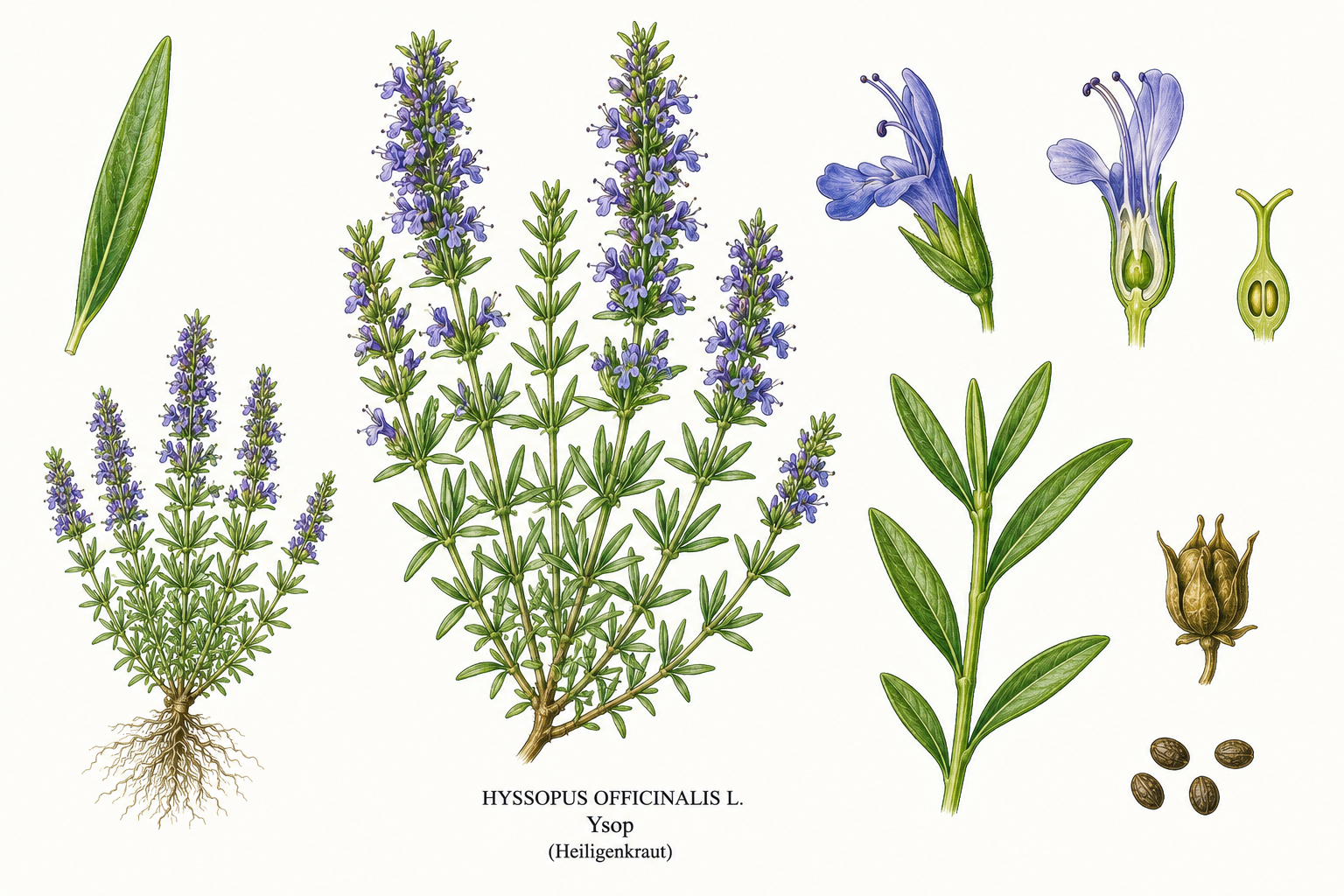
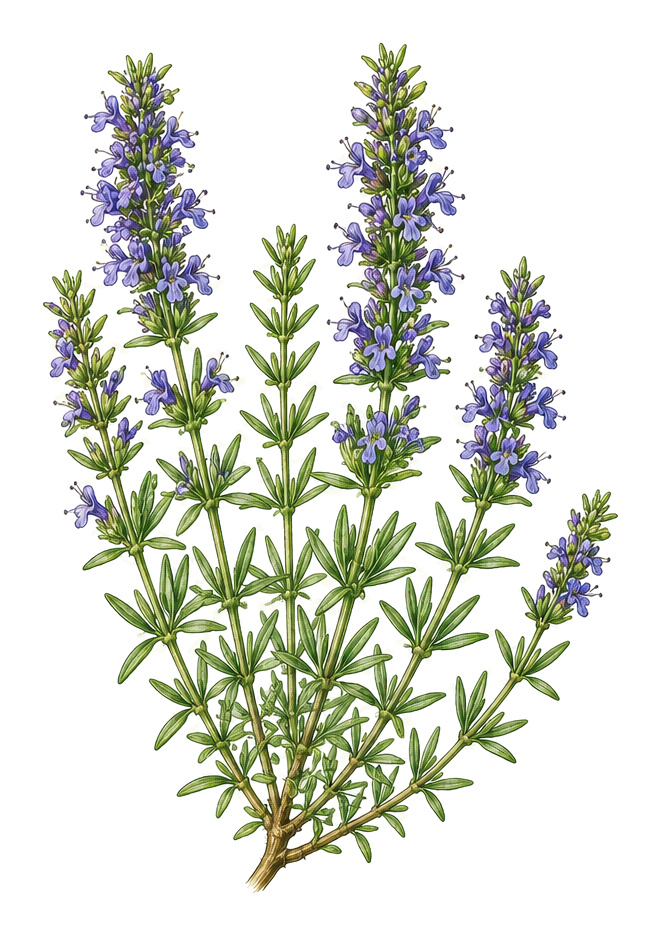
Hyssop is an aromatic herb with a long history in folk medicine and cuisine. It grows as a compact subshrub and is easy to care for, provided it receives a sunny location and well-drained soil. Its small, blue flowers are an adornment for any garden and magically attract bees. Hyssop is excellent for seasoning food, making teas and tinctures, and can even be used as a natural fragrant plant.
Quick profile
Key data
Suitable growing locations:
Good neighbors
Cabbage family (e.g., Cabbage, Broccoli)Grapevines
Avoid
No data
Indoor & direct sowing
Hyssop: Sowing and germination
For an earlier harvest and stronger plants.
After the last frosts, when the soil is sufficiently warm.
Planting & site
Hyssop: Planting and spacing
After the 'Ice Saints' (mid-May), when there is no longer a risk of frost.
Site & practical notes
Hyssop is a robust and easy-to-care-for herb, well-suited for beginners. Ensure a sunny location and well-drained soil to avoid waterlogging. Pruning in spring promotes compact growth and abundant flowering. Harvesting leaves and flowers is possible throughout the growing season.
Temperature & frost
Hyssop: Temperature and site
Water & nutrients
Hyssop: Water, nutrients and care
Container & growth
Hyssop: Container, support and growth
Year plan
Hyssop Calendar
Its summer flowering period makes hyssop an important food source for bees.
Recurring tasks
Relevant now
June
- No additional single task
Next up
July
- No additional single task
Monthly tasks
Single tasks from monthly data; repeated seasonal windows are shown in the overview above.
January
Quiet month
February
Quiet month
March
No additional single task
April
No additional single task
May
Planting
- Planting out outdoorsAfter the 'Ice Saints' (mid-May).
June
No additional single task
August
No additional single task
September
No additional single task
October
Quiet month
November
Quiet month
December
Quiet month
Flowering & pollination
Hyssop Flowering & pollination
Flower type
Labiate flower
Flower color
Blue, Purple, Pink, White
Self-fertility
self-fertile, pollinators improve seed set
Pollinator needed
yes
Overview
Hyssop is an excellent bee pasture and is primarily pollinated by insects.
Notes
Although hyssop is self-fertile, pollination by insects, especially bees, is strongly encouraged for good seed set and abundant flowering. It attracts a variety of pollinators.
Pruning & care
Hyssop Pruning & care
Pruning type
renewal_and_shaping_pruning
Pruning timing
Main pruning to encourage new growth and bushy habit, removal of winter damage. Once the risk of severe frosts has passed, but before new growth begins. Cut the plant back by about one-third to one-half.
Pruning after flowering to encourage a second bloom and for harvesting leaves and flowers. Light pruning of spent flower stalks. This also allows for harvesting fresh leaves and flowers.
Remove
Preserve
Avoid
Tools and hygiene
Always use sharp and clean pruning tools to ensure clean cuts and prevent the spread of diseases. Disinfect tools as needed.
Companion guide
Hyssop Companion guide
Good neighbors
Cabbage family (e.g., Cabbage, Broccoli)Grapevines
Avoid
No data
Use & storage
Hyssop Use & storage
Leaves and young shoots before flowering, flowers during flowering season.
Storage
Herbs
Storage life
Fresh: a few days in the refrigerator. Dried: up to 1 year. Frozen: up to 6 months.
Flavor
Intensely aromatic, slightly bitter, minty, camphor-like with a peppery note. Similar to sage or rosemary, but more pronounced.
Harvest
Leaves and young shoots before flowering, flowers during flowering season.
Culinary uses
Processing
After harvest
Harvested leaves and flowers can be used fresh, dried, or frozen. Rinse briefly and pat dry before drying or freezing.
Notes
Due to its strong aroma, hyssop should be used sparingly to avoid overpowering other flavors. Best added towards the end of cooking.
Edibility & safety
Hyssop Edibility & safety
For people
In brief: which parts are edible, which parts remain risky, and whether raw consumption makes sense.
Safety notes
Hyssop essential oil contains thujone and pinene, which can be neurotoxic in high doses. Culinary use of leaves and flowers in typical amounts is generally safe. Pregnant or breastfeeding women and individuals with epilepsy should avoid consuming hyssop in large quantities or as concentrated oil.
Animal safety
For animals, the specific plant part matters here: some parts may be suitable, while others should be avoided. At least one critical rating is listed for 5 animal types.
Each row shows which parts are more suitable and which parts are critical.
Companion animals
 Dog
DogLeaves, Flowers
Essential oil (in high doses)
Leaves, Flowers
Essential oil (in high doses)
Consumption of large amounts, Concentrated essential oil
Vomiting, Gastrointestinal upset
observe
Leaves and flowers in typical amounts are safe for dogs. Essential oil contains neurotoxic compounds like thujone and should be avoided. Excessive consumption may cause gastrointestinal upset.
Open animal page Cat
CatNo suitable parts listed
No risk parts listed
No suitable parts listed
No risk parts listed
unknown
Hyssop contains essential oils with thujone and pinene, which can cause gastrointestinal irritation in cats. While not classified as highly toxic, ingestion of leaves or flowers may lead to vomiting and discomfort. The essential oil content in plant parts is concentrated enough to cause mild symptoms upon consumption. No evidence of severe organ toxicity in cats is available, but caution is warranted due to…
Open animal page Rabbit
No suitable parts listed
No risk parts listed
No suitable parts listed
No risk parts listed
unknown
Hyssop leaves and flowers are generally safe for rabbits in small amounts, but the essential oil contains neurotoxic compounds like thujone and pinene. Excessive ingestion may cause gastrointestinal upset or neurological symptoms. Rabbits should not have access to concentrated hyssop oil.
Open animal page Guinea pig
No suitable parts listed
No risk parts listed
No suitable parts listed
No risk parts listed
unknown
Leaves and flowers suitable as treats in small amounts. Avoid essential oil due to thujone and pinene, which can be neurotoxic. No guinea pig-specific sources found, but conservative classification based on general plant toxicity and known compounds.
Open animal page Hamster
Leaves, Flowers
Essential oil
Leaves, Flowers
Essential oil
Concentrated oils, High doses
Gastrointestinal upset, Vomiting
observe
Leaves and flowers in small amounts acceptable as treat, but avoid essential oil. No hamster-specific studies available.
Open animal page Budgie
No suitable parts listed
No risk parts listed
No suitable parts listed
No risk parts listed
unknown
['Leaves and flowers in small amounts as occasional treat suitable. Avoid essential oil due to thujone and pinene which can be neurotoxic. If poisoning suspected, contact veterinarian.']
Open animal pageFarm animals
 Horse
HorseNo suitable parts listed
No risk parts listed
No suitable parts listed
No risk parts listed
unknown
['Leaves and flowers in typical amounts suitable as treats. Avoid concentrated essential oil due to thujone and pinene.']
Open animal page Chicken
Leaves, Flowers
Essential oil (in high doses)
Leaves, Flowers
Essential oil (in high doses)
High doses of essential oil
Gastrointestinal upset, Vomiting
 Duck
DuckLeaves, Flowers
Essential oil
Leaves, Flowers
Essential oil
High doses of essential oil, Neurotoxic effects at overdose
Gastrointestinal upset, Vomiting
observe
No direct species-specific source was found for ducks. This is a cautious inference from the geese profile and the known plant-part risks.
Open animal page Goose
GooseLeaves, Flowers
Essential oil
Leaves, Flowers
Essential oil
High doses of essential oil, Neurotoxic effects at overdose
Gastrointestinal upset, Vomiting
observe
Leaves and flowers suitable as occasional treats in small amounts. Avoid essential oil due to thujone and pinene, which can be neurotoxic. Contact veterinarian if poisoning suspected.
Open animal page Sheep
SheepNo suitable parts listed
No risk parts listed
No suitable parts listed
No risk parts listed
 Goat
GoatNo suitable parts listed
No risk parts listed
No suitable parts listed
No risk parts listed
 Cattle
No suitable parts listed
No risk parts listed
No suitable parts listed
No risk parts listed
unknown
['Leaves and flowers of hyssop can be used in small amounts as a feed supplement, however consumption of essential oil or large amounts is not recommended due to thujone and pinene content. If poisoning is suspected, the animal should be observed and a veterinarian contacted if symptoms occur.']
Open animal page Pig
PigNo suitable parts listed
Leaves, Flowers
No suitable parts listed
Leaves, Flowers
High doses, Concentrated oil
Gastrointestinal upset, Vomiting
observe
Hyssop contains essential oils with thujone and pinene that can cause gastrointestinal irritation in pigs when consumed in larger amounts. Leaves and flowers are not suitable as feed, though small ingested amounts are unlikely to cause severe harm. Essential oil should be avoided due to neurotoxic potential.
Open animal pageThese guidelines are for general information only and do not replace veterinary diagnosis. If critical plant parts were ingested or the animal shows unusual behaviour or symptoms, seek veterinary advice.
Max risk
unknown
Highest status
do not feed
Urgency
unknown
Saving seed
Hyssop Saving seed
Seed saving
yes
Seed viability
2 - 3 years
Notes
Ensure seeds are collected from healthy, vigorous plants that were free of pests or diseases. Hyssop is an open-pollinated variety.
Practical tips
Hyssop Practical tips
Common beginner mistakes
Success pattern
A sunny location with well-drained soil and light pruning in spring result in healthy, bushy growth and abundant flowering.
High-impact tips
Plant Profile
Additional plant images

Health
Pests, Diseases
Plant health
Diagnosis help
Hyssop Diagnosis help
Pest groups
Disease groups
Fungal diseases (Root Rot, Powdery Mildew)
Prevention
Diagnosis
Look for changes in leaves (discoloration, spots, deformities), the presence of insects or webs, and the general growth condition of the plant (wilting, legginess).
Cultural prevention
Monitoring
First response
Diagnostic rules
Leaves yellow, plant wilts despite moist soil.
Possible causes: Root rot, Waterlogging
- Check soil for waterlogging
- Verify drainage of the site
Small insects on young shoots, sticky leaves, distorted growth.
Possible causes: Aphids
- Inspect plant closely for aphids
Fine webs on leaves, small pale spots (stippling) on leaves.
Possible causes: Spider mites
- Check undersides of leaves for spider mites
White, powdery coating on leaves and stems.
Possible causes: Powdery mildew
- Check humidity and air circulation
FAQ
Where is the best place to plant hyssop?
Hyssop prefers a full sun location with well-drained, rather lean soil. It thrives well in herb beds, rock gardens, or in pots on the balcony.
How often do I need to water hyssop?
Once established, hyssop is very drought-tolerant and only needs watering during prolonged dry periods. Waterlogging must be strictly avoided, as it can lead to root rot.
When and how do I harvest hyssop?
Leaves and young shoots can be harvested from early summer, preferably before flowering for the most intense aroma. Flowers are collected during the flowering period. Multiple harvests per season are possible.
Can hyssop also be used as a medicinal herb?
Yes, hyssop is traditionally used to alleviate respiratory complaints such as coughs and bronchitis, as well as digestive problems. It is most commonly used as a tea or tincture.
Is Hyssop safe for Dog?
Hyssop is classified as moderation only for Dog. Risk: unknown. Urgency: observe. Leaves and flowers in typical amounts are safe for dogs. Essential oil contains neurotoxic compounds like thujone and should be avoided. Excessive consumption may cause gastrointestinal upset.
Is Hyssop safe for Cat?
Hyssop is classified as not established for Cat. Risk: unknown. Urgency: unknown. Hyssop contains essential oils with thujone and pinene, which can cause gastrointestinal irritation in cats. While not classified as highly toxic, ingestion of leaves or flowers may lead to vomiting and discomfort. The essential oil content in plant parts is concentrated enough to cause mild symptoms upon consumption. No evidence of severe organ toxicity in cats is available, but caution is warranted due to…
Is Hyssop safe for Rabbit?
Hyssop is classified as not established for Rabbit. Risk: unknown. Urgency: unknown. Hyssop leaves and flowers are generally safe for rabbits in small amounts, but the essential oil contains neurotoxic compounds like thujone and pinene. Excessive ingestion may cause gastrointestinal upset or neurological symptoms. Rabbits should not have access to concentrated hyssop oil.
Is Hyssop safe for Hamster?
Hyssop is classified as do not feed for Hamster. Risk: unknown. Urgency: observe. Leaves and flowers in small amounts acceptable as treat, but avoid essential oil. No hamster-specific studies available.
Guides
Related guides
Guide
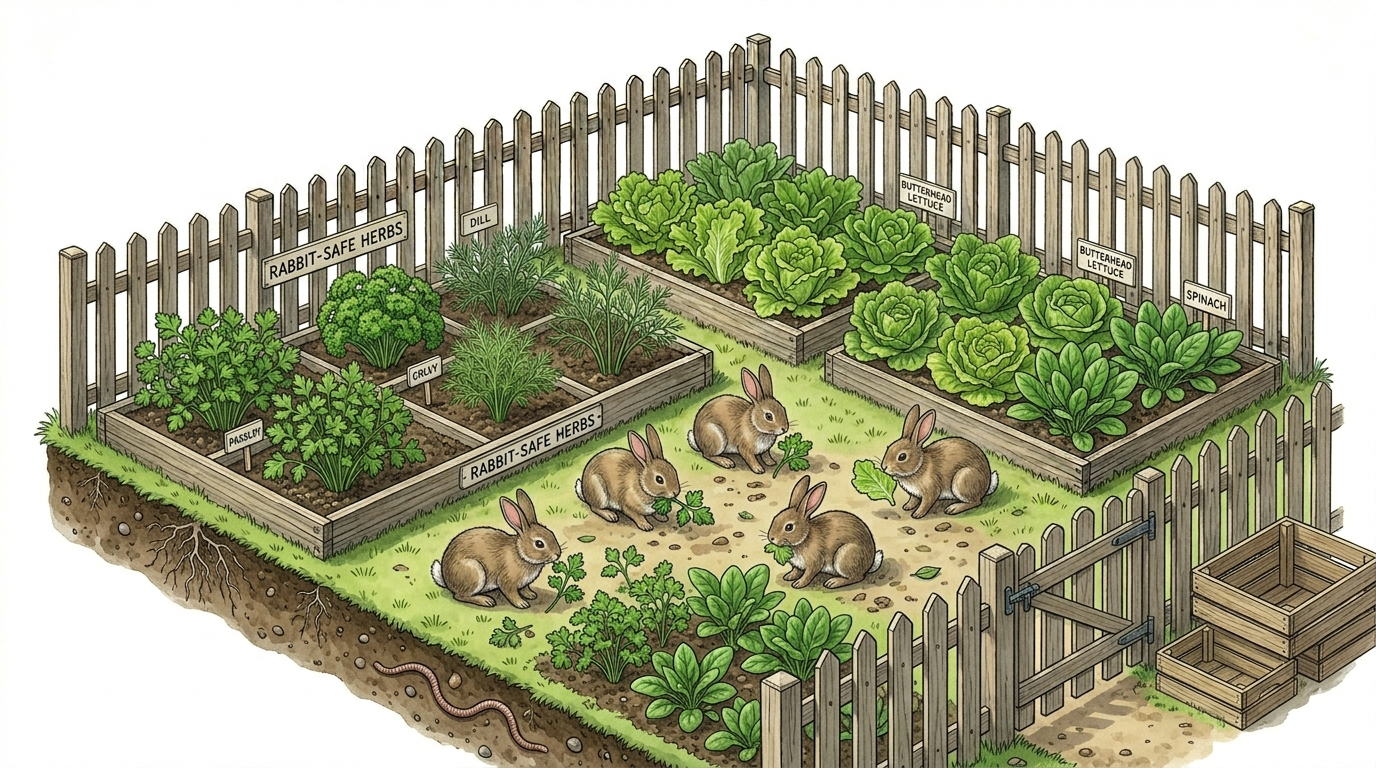
Rabbits in the Garden: Herbs and Vegetables
Learn how to choose suitable herbs and vegetables for rabbits, grow feeding plants, and plan a rabbit-friendly garden.
Guide
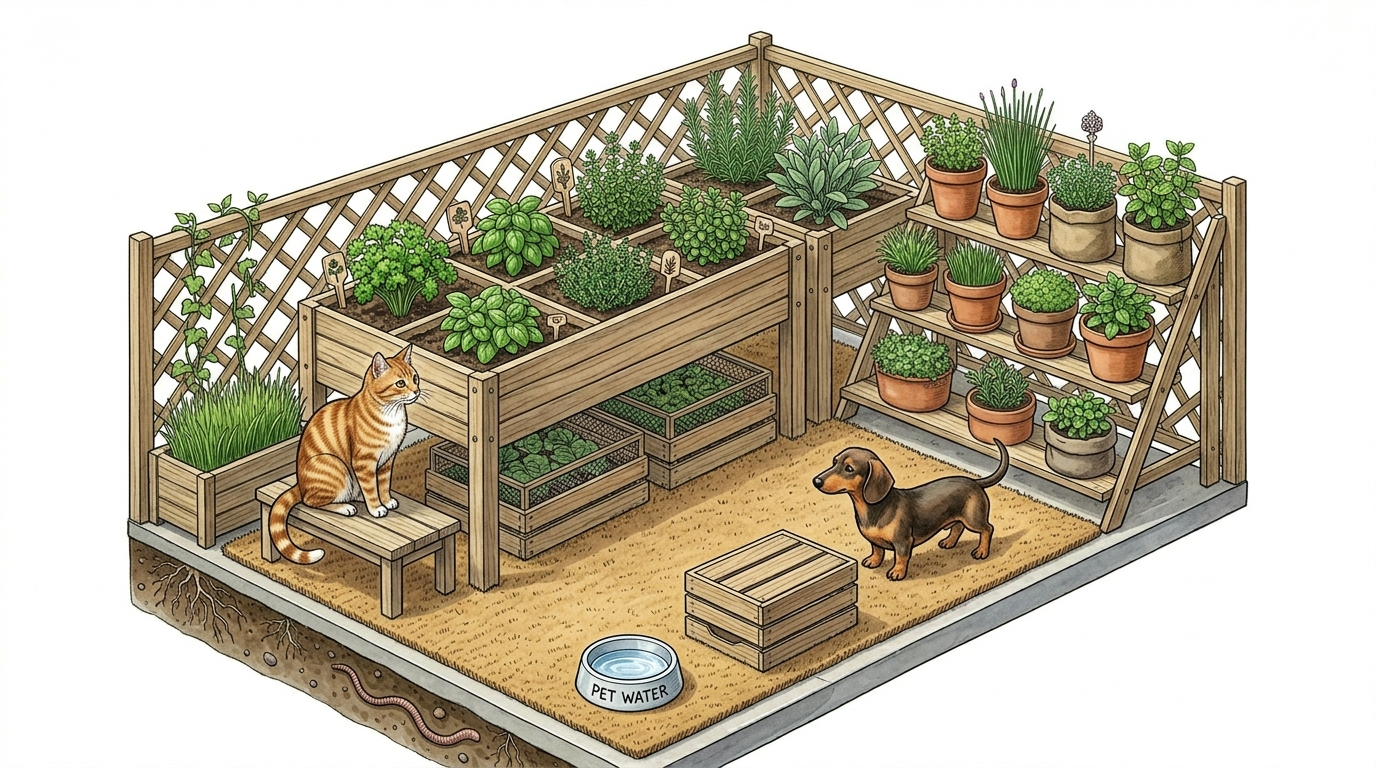
Pet-Safe Herb Gardens for Balconies and Beds
Learn how to create a pet-safe herb garden with suitable herbs, thoughtful layouts, and practical maintenance strategies.
Guide
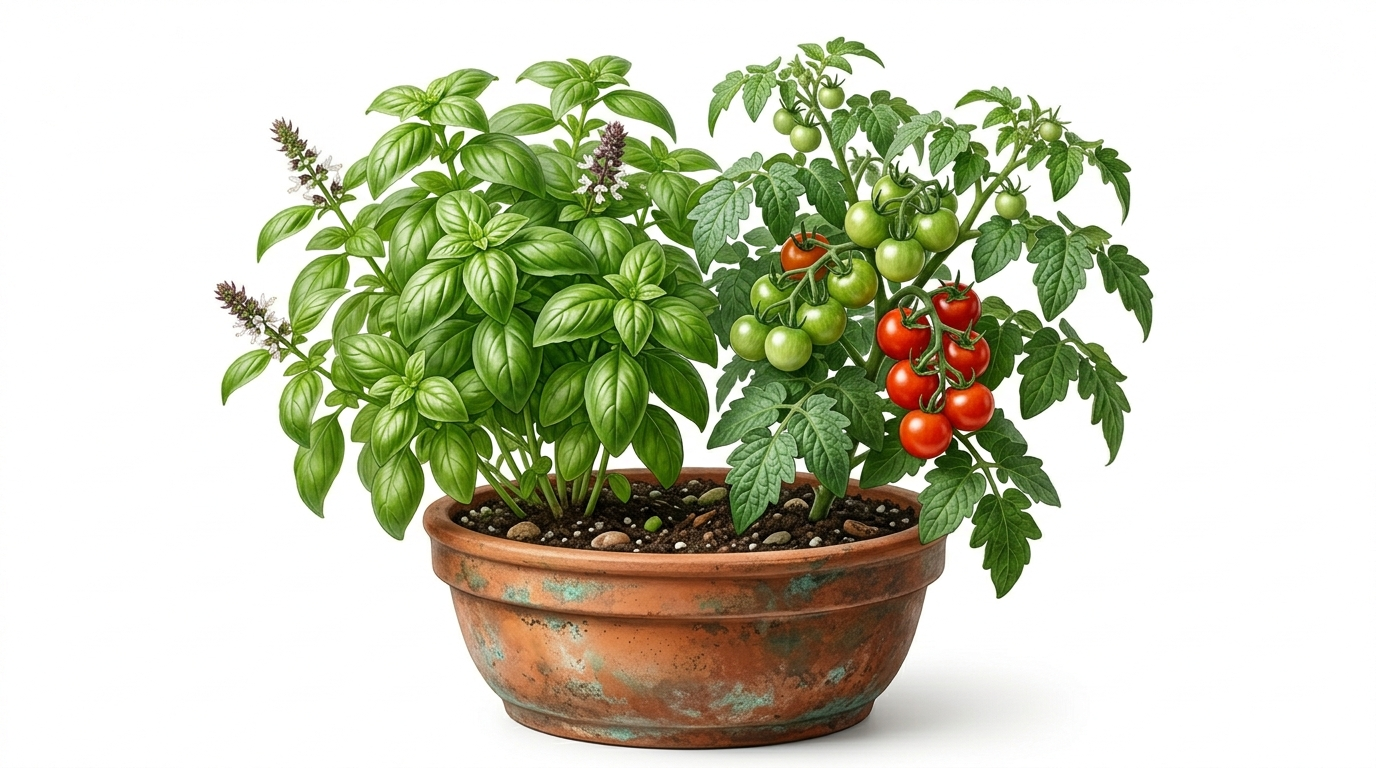
Growing Basil: Site, Watering and Harvesting
Learn how to grow basil successfully with the right site, steady watering, regular harvesting, and tips to delay flowering.
Guide
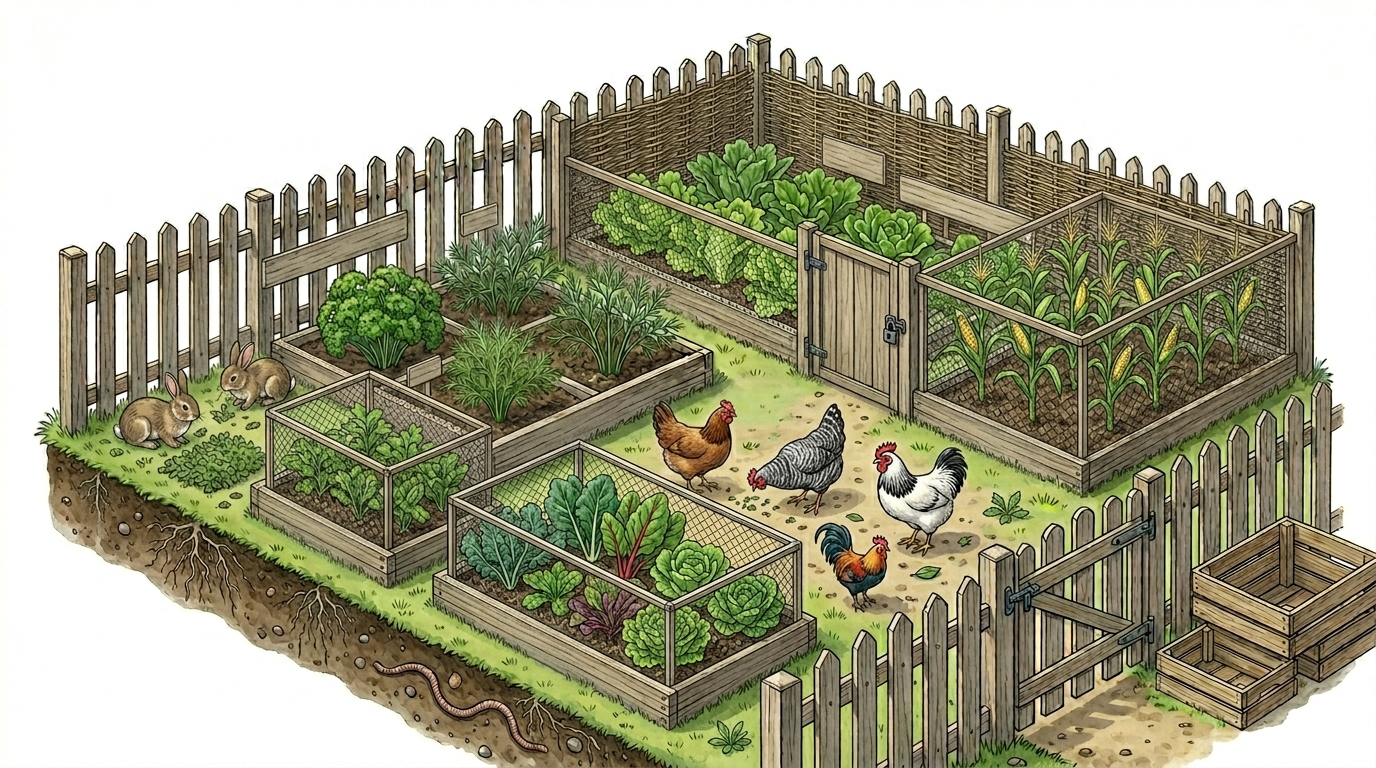
Chickens in the Garden: Safe Plants and Zones
Learn how to design a chicken-friendly garden with suitable plants, protected beds, and well-planned activity areas.
Internal links
Related plants
Mint
Both belong to the Lamiaceae family (mint family).
Belongs to the Lamiaceae family and shares similar growing conditions and aroma profiles.
Sage
Both belong to the Lamiaceae family (mint family).
Also a member of the Lamiaceae family, often with similar culinary and medicinal uses.
Thyme
Both belong to the Lamiaceae family (mint family).
Both are light feeders and need little fertilizer.
Rosemary
Both are aromatic herbs often used together in gardens and kitchens.
Both are drought-tolerant and need well-drained soils to avoid waterlogging.
Lavender
Both are fragrant, sun-loving herbs that attract bees.
Both prefer dry conditions and do not tolerate waterlogging.
Oregano
Both are light feeders and prefer nutrient-poor soils.
Also used as a spice and medicinal herb.
Sources
Public sources
- Wikidata entity
Wikidata · 2026-05-16
- GBIF species match
GBIF · 2026-05-16
- Deutschsprachige Wikipedia: Ysop
Wikipedia · 2026-05-16
- English Wikipedia: Hyssopus officinalis
Wikipedia · 2026-05-16