Plant Profile
Tree spinachChenopodium giganteum D.Don
Learn everything about Tree Spinach, from growing to uses. Discover the benefits and best growing methods for this versatile vegetable.
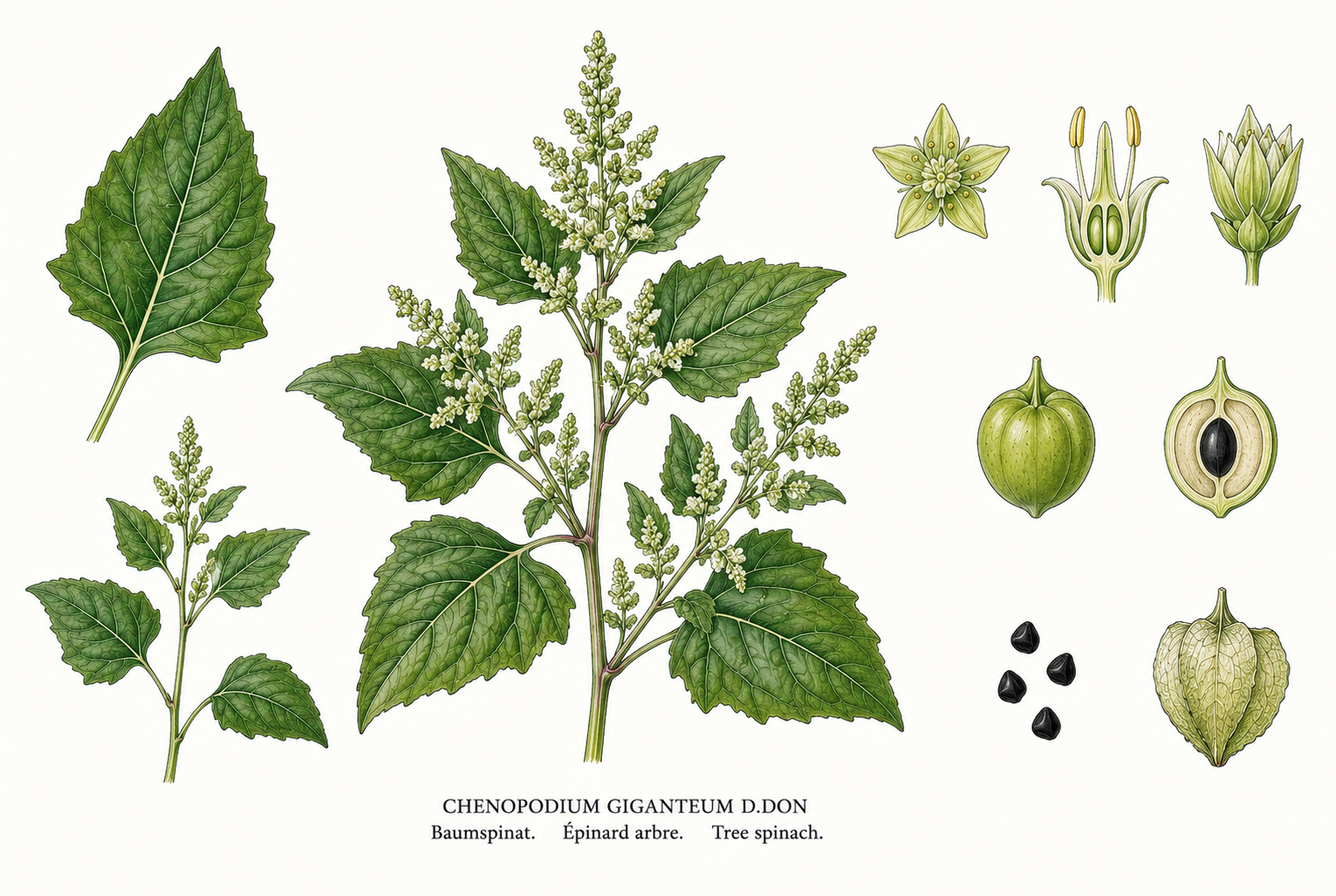
Quick profile
Key data
Suitable growing locations:
Good neighbors
cabbage familylettuceherbsonions
Avoid
tomatoescornother Chenopodium species
Indoor & direct sowing
Tree spinach: Sowing and germination
Start indoors from March under glass at 18–22 °C. Do not let germination temperature drop below 15 °C.
Direct sowing from mid-April to mid-May when soil temperature exceeds 10 °C. Do not let germination temperature drop below 15 °C.
Planting & site
Tree spinach: Planting and spacing
Transplant seedlings outdoors from mid-May after the last frosts. Space rows 50–60 cm apart.
Temperature & frost
Tree spinach: Temperature and site
Water & nutrients
Tree spinach: Water, nutrients and care
Container & growth
Tree spinach: Container, support and growth
Year plan
Tree spinach Calendar
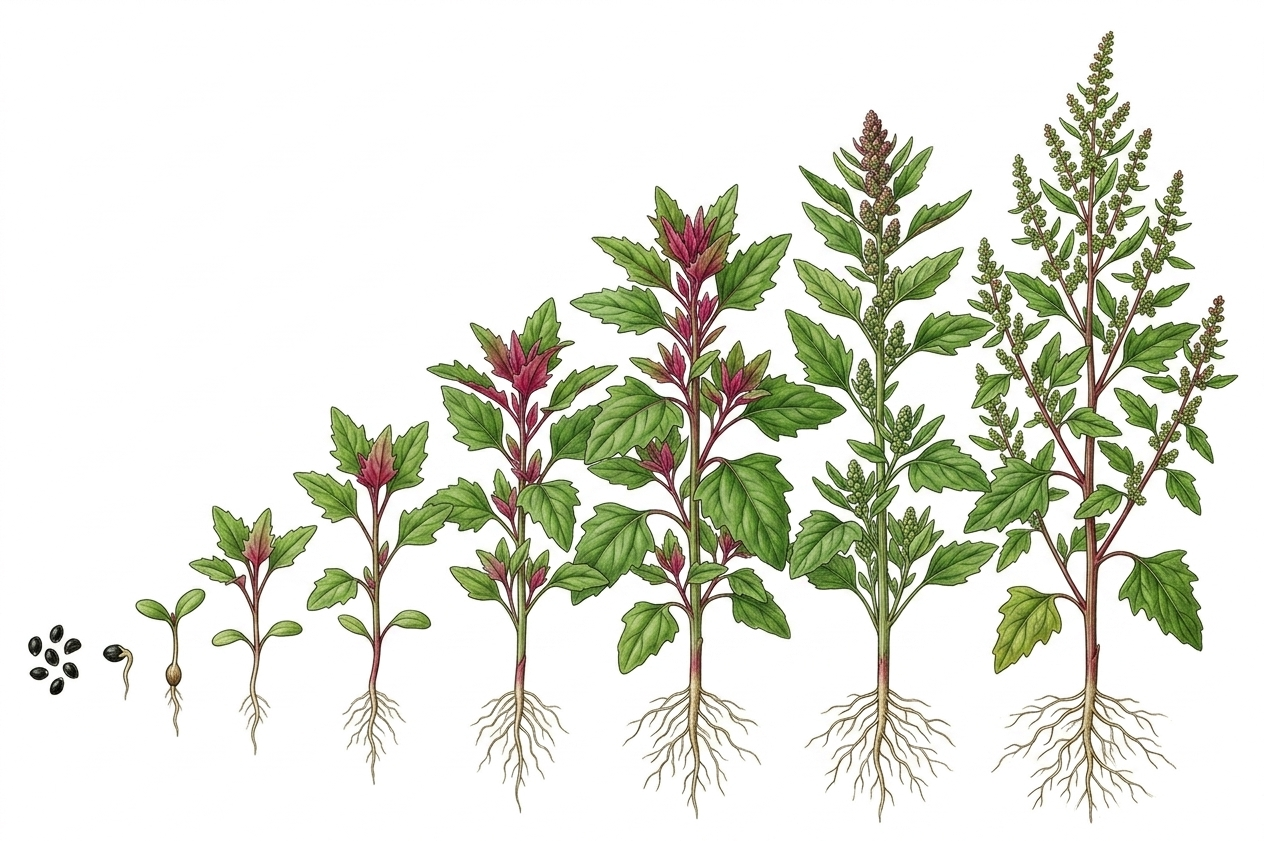
Recurring tasks
Relevant now
June
- First harvestHarvest leaves and young shoots. Water during dry spells.
Next up
July
- FertilizeApply mild organic fertilizer (e.g., nettle tea) every 2–3 weeks.
Monthly tasks
Single tasks from monthly data; repeated seasonal windows are shown in the overview above.
January
Quiet month
February
Quiet month
March
Direct sowing
- Start indoor pre-cultureSow in seed compost at 18–22 °C. Do not let germination temperature drop below 15 °C.
April
Direct sowing
- Continue pre-culturePrick out if necessary. Direct sowing possible from mid-April.
- Start direct sowingSow in loose, humus-rich soil when soil temperature exceeds 10 °C.
May
Planting
- Plant out seedlingsSpace 40–50 cm within rows, 50–60 cm between rows. Cover in case of late frost risk.
June
Harvest
- First harvestHarvest leaves and young shoots. Water during dry spells.
August
Growing
- Install supportInstall trellis or stakes for vigorous growth.
September
Harvest
- Final harvest before frostHarvest leaves and shoots. Collect seeds for next season.
October
Planting
- Remove plantsCompost or dispose of plant residues.
November
Quiet month
December
Quiet month
Flowering & pollination
Tree spinach Flowering & pollination
Self-fertility
self-fertile
Pollinator needed
no
Overview
Tree spinach is wind-pollinated but does not require specific pollinators. Self-pollination is possible.
Notes
Since pollination occurs via wind, no pollinator insects are required. Cross-pollination with other Chenopodium species is possible but not necessary for species preservation.
Pruning & care
Tree spinach Pruning & care
Pruning type
klimmesystem
Pruning timing
Entfernung veralteter Triebe In the spring, remove old shoots to encourage growth.
Regular pruning Regular pruning in the summer encourages a bushy growth.
Remove
veraltete Triebe
Preserve
gesunde Triebe
Avoid
Excessive shading
Tools and hygiene
Regular cleaning of tools
Companion guide
Tree spinach Companion guide
Good neighbors
cabbage familylettuceherbsonionsCabbage
Avoid
tomatoescornother Chenopodium species
Use & storage
Tree spinach Use & storage
Harvest leaves and young shoots continuously from June to October. Regular cutting encourages regrowth.
Storage
Refrigerator (short-term)
Storage life
3–5 days at 4–7 °C and high humidity
Harvest
Harvest leaves and young shoots continuously from June to October. Regular cutting encourages regrowth.
Processing
After harvest
Store harvested leaves and shoots immediately in a damp cloth or plastic bag in the refrigerator. Do not wash until shortly before use.
Edibility & safety
Tree spinach Edibility & safety
For people
In brief: which parts are edible, which parts remain risky, and whether raw consumption makes sense.
Safety notes
Tree spinach contains oxalic acid, which in large quantities can inhibit mineral absorption. Harmless in normal, moderate consumption. Oxalic acid content can be reduced by blanching.
Animal safety
For animals, the specific plant part matters here: some parts may be suitable, while others should be avoided. At least one critical rating is listed for 11 animal types.
Each row shows which parts are more suitable and which parts are critical.
Companion animals
 Dog
DogLeaves (in small quantities, cooked or blanched), young shoots (in small quantities, cooked or blanched)
Mature seeds, old, woody stems, all parts in large quantities
Leaves (in small quantities, cooked or blanched), young shoots (in small quantities, cooked or blanched)
Mature seeds, old, woody stems, all parts in large quantities
Consumption of large quantities, consumption of seeds or old stems, dogs with kidney issues
Gastrointestinal upset (vomiting, diarrhea), with large quantities or chronic consumption: inhibition of mineral absorption
contact a vet if symptoms appear
Tree spinach contains oxalic acid, which is harmless in small quantities but can cause problems in large amounts or for sensitive animals. Leaves and young shoots can be offered in very small, cooked or blanched quantities as an occasional treat. Mature seeds and old stems should be avoided. Blanching reduces oxalic acid content.
Open animal page Cat
CatNo suitable parts listed
No risk parts listed
No suitable parts listed
No risk parts listed
 Rabbit
No suitable parts listed
leaves, stems, seeds
No suitable parts listed
leaves, stems, seeds
overconsumption, raw consumption
gastrointestinal upset, kidney issues (with chronic consumption), calcium imbalance
contact a vet if symptoms appear
Tree spinach contains oxalic acid, which can be harmful to rabbits, especially in larger quantities or with regular consumption. Oxalates can interfere with mineral absorption and potentially lead to kidney problems.
Open animal page Guinea pig
No suitable parts listed
leaves, stems, seeds
No suitable parts listed
leaves, stems, seeds
overconsumption, raw consumption
gastrointestinal upset, kidney issues (with chronic consumption), calcium imbalance
contact a vet if symptoms appear
No direct species-specific source was found for guinea pigs. This is a cautious inference from the rabbits profile and the known plant-part risks.
Open animal page Hamster
No suitable parts listed
leaves, stems, seeds
No suitable parts listed
leaves, stems, seeds
overconsumption, raw consumption
gastrointestinal upset, kidney issues (with chronic consumption), calcium imbalance
contact a vet if symptoms appear
No direct species-specific source was found for hamsters. This is a cautious inference from the rabbits profile and the known plant-part risks.
Open animal page Budgie
No suitable parts listed
leaves, young shoots, mature seeds
No suitable parts listed
leaves, young shoots, mature seeds
overconsumption, consumption of raw plant parts (higher oxalic acid content), small animal size
gastrointestinal upset, diarrhea (especially from seeds), kidney problems (with chronic intake)
contact a vet if symptoms appear
Tree spinach contains oxalic acid, which can be problematic for birds, especially small species like budgies, in larger quantities. No specific safety data for budgies is available. The seeds may also have a laxative effect.
Open animal pageFarm animals
 Horse
HorseNo suitable parts listed
leaves, young shoots, mature seeds
No suitable parts listed
leaves, young shoots, mature seeds
Consumption of large quantities, Regular consumption, Consumption of plant parts with high oxalic acid content
Colic, Weakness, Kidney problems
contact a vet if symptoms appear
Tree spinach contains oxalic acid, which in larger quantities can lead to kidney problems and calcium deficiency in horses. The plant is not suitable as horse feed. Mature seeds may also have a laxative effect.
Open animal page Chicken
Leaves (in moderation, preferably blanched), Young shoots (in moderation, preferably blanched)
Mature seeds (may have a laxative effect in large quantities), Old, woody stems, Large quantities of raw leaves/shoots
Leaves (in moderation, preferably blanched), Young shoots (in moderation, preferably blanched)
Mature seeds (may have a laxative effect in large quantities), Old, woody stems, Large quantities of raw leaves/shoots
Overconsumption, Consumption of mature seeds, Consumption of large quantities of raw plant parts
Gastrointestinal upset, Diarrhea (if seeds consumed in large quantities), Inhibition of mineral absorption (with chronic high consumption)
contact a vet if symptoms appear
Tree spinach contains oxalic acid, which in large quantities can inhibit mineral absorption. Mature seeds may have a laxative effect in large quantities. Leaves and young shoots can be offered in small amounts as an occasional treat, preferably blanched to reduce oxalic acid content. Not suitable as a primary feed.
Open animal page Duck
DuckNo suitable parts listed
All plant parts, especially raw leaves and seeds
No suitable parts listed
All plant parts, especially raw leaves and seeds
Consumption of large quantities, raw consumption, young or sick animals
Gastrointestinal upset, Kidney problems (in large quantities)
contact a vet if symptoms appear
Tree spinach contains oxalic acid, which in large quantities can inhibit mineral absorption and cause kidney problems. While listed as non-toxic for some pets, there is no specific data for ducks. Excessive consumption, especially of raw plant parts, is not recommended.
Open animal page Goose
GooseNo suitable parts listed
All plant parts, especially raw leaves and seeds
No suitable parts listed
All plant parts, especially raw leaves and seeds
Consumption of large quantities, raw consumption, young or sick animals
Gastrointestinal upset, Kidney problems (in large quantities)
contact a vet if symptoms appear
No direct species-specific source was found for geese. This is a cautious inference from the ducks profile and the known plant-part risks.
Open animal page Sheep
SheepNo suitable parts listed
leaves, young shoots, seeds
No suitable parts listed
leaves, young shoots, seeds
consumption of large quantities, young plants, drought-stressed plants
kidney problems, hypocalcemia, muscle tremors
contact a vet if symptoms appear
No direct species-specific source was found for sheep. This is a cautious inference from the goats profile and the known plant-part risks.
Open animal page Goat
GoatNo suitable parts listed
leaves, young shoots, seeds
No suitable parts listed
leaves, young shoots, seeds
consumption of large quantities, young plants, drought-stressed plants
kidney problems, hypocalcemia, muscle tremors
contact a vet if symptoms appear
Tree spinach contains oxalic acid, which can lead to kidney problems and hypocalcemia in goats if consumed in large quantities. Although described as edible for humans, there is no specific data on its safety for goats as a forage plant. A conservative classification is therefore warranted.
Open animal page Cattle
No suitable parts listed
leaves, stems, seeds
No suitable parts listed
leaves, stems, seeds
Consumption of large quantities, young animals, animals with pre-existing kidney conditions
Weakness, tremors, ataxia
contact a vet if symptoms appear
Tree spinach (Chenopodium giganteum) contains oxalic acid, which can be toxic to cattle in large quantities, especially if consumed as a significant portion of their diet. Other species in the Chenopodium genus are known for accumulating oxalates and nitrates, which can lead to poisoning in cattle. Feeding is not recommended.
Open animal page Pig
PigCooked and blanched leaves and young shoots in very small quantities (oxalic acid content reduced)
Raw leaves and shoots, Mature seeds, Old, woody stems
Cooked and blanched leaves and young shoots in very small quantities (oxalic acid content reduced)
Raw leaves and shoots, Mature seeds, Old, woody stems
Consumption of large quantities, Raw consumption, Consumption of seeds
Kidney problems, Mineral deficiency (especially calcium), Gastrointestinal upset (especially from seeds)
contact a vet if symptoms appear
Tree spinach contains oxalic acid, which in pigs can lead to kidney problems and mineral deficiency if consumed in large quantities or raw. Cooked and blanched leaves may be offered in very small quantities as a treat to reduce oxalic acid content.
Open animal pageThese guidelines are for general information only and do not replace veterinary diagnosis. If critical plant parts were ingested or the animal shows unusual behaviour or symptoms, seek veterinary advice.
Max risk
unknown
Highest status
do not feed
Urgency
contact a vet if symptoms appear
Saving seed
Tree spinach Saving seed
Seed viability
3 - 5 years
Plant Profile
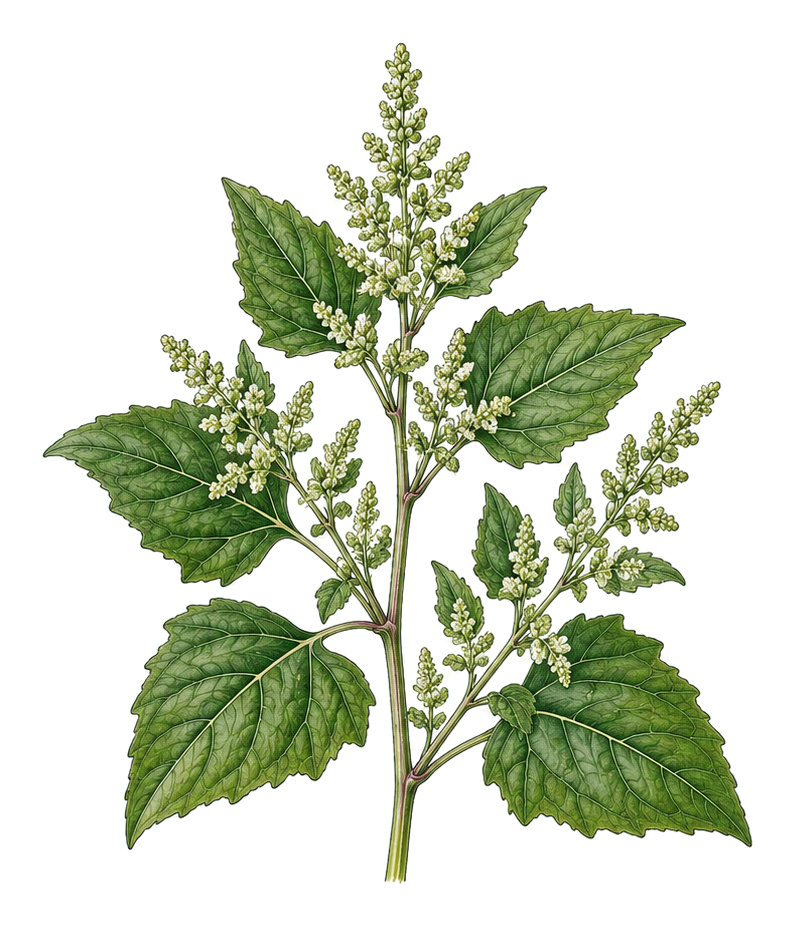
Additional plant images
Health
Pests, Diseases
Plant health
Diagnosis help
Tree spinach Diagnosis help
Pest groups
Disease groups
Prevention
Diagnosis
For unclear symptoms, first rule out nutrient deficiency, pests, and diseases. Check soil pH and nutrient content. Remove and do not compost infected leaves in case of fungal disease.
FAQ
Is Tree spinach safe for Dog?
Tree spinach is classified as moderation only for Dog. Risk: unknown. Urgency: contact a vet if symptoms appear. Tree spinach contains oxalic acid, which is harmless in small quantities but can cause problems in large amounts or for sensitive animals. Leaves and young shoots can be offered in very small, cooked or blanched quantities as an occasional treat. Mature seeds and old stems should be avoided. Blanching reduces oxalic acid content.
Is Tree spinach safe for Cat?
Tree spinach is classified as not established for Cat. Risk: unknown. Urgency: unknown. No reliable species-specific assessment is available.
Is Tree spinach safe for Rabbit?
Tree spinach is classified as do not feed for Rabbit. Risk: unknown. Urgency: contact a vet if symptoms appear. Tree spinach contains oxalic acid, which can be harmful to rabbits, especially in larger quantities or with regular consumption. Oxalates can interfere with mineral absorption and potentially lead to kidney problems.
Is Tree spinach safe for Guinea pig?
Tree spinach is classified as do not feed for Guinea pig. Risk: unknown. Urgency: contact a vet if symptoms appear. No direct species-specific source was found for guinea pigs. This is a cautious inference from the rabbits profile and the known plant-part risks.
Guides
Related guides
Guide
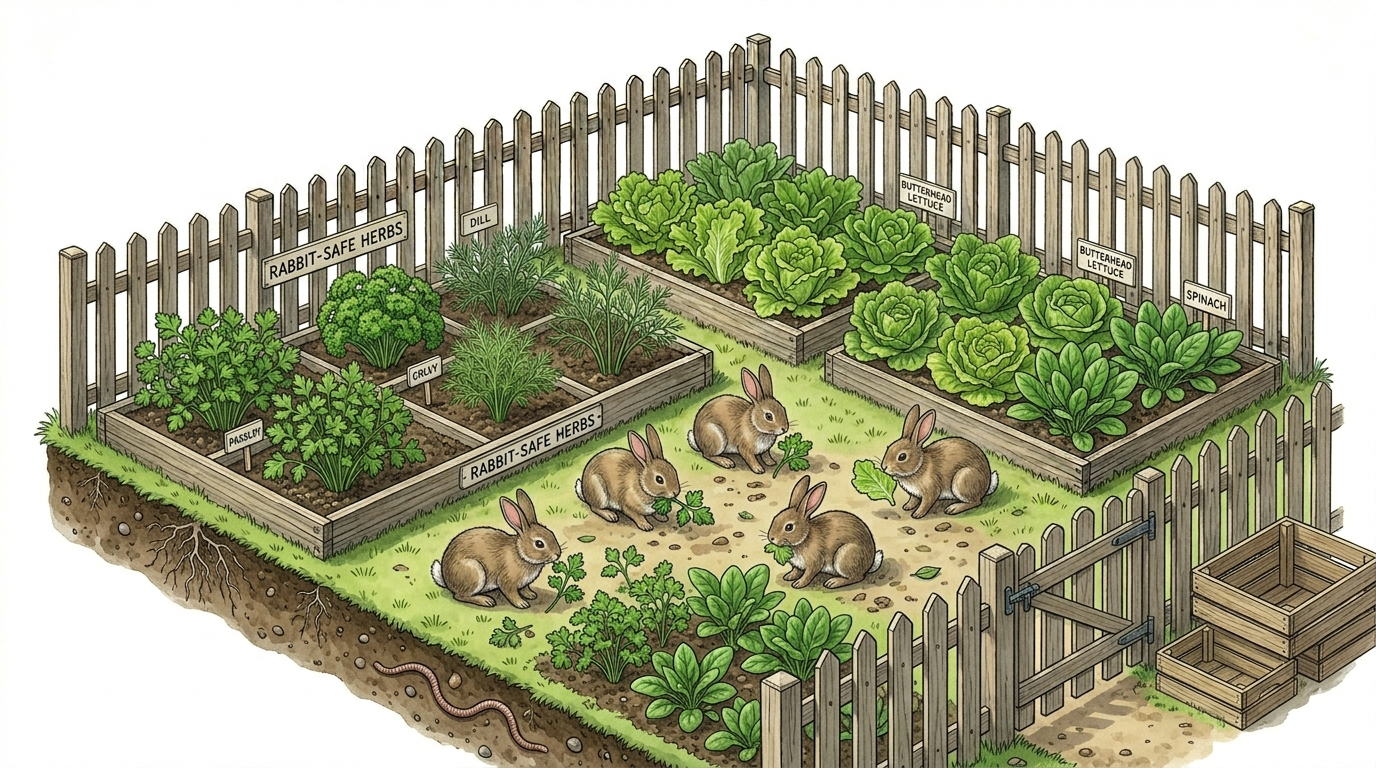
Rabbits in the Garden: Herbs and Vegetables
Learn how to choose suitable herbs and vegetables for rabbits, grow feeding plants, and plan a rabbit-friendly garden.
Guide
Horse Pastures and Garden Plants: Safety Checks
Learn how to identify risks near horse pastures, fences, turnout areas, fruit trees, and garden planting zones.
Guide
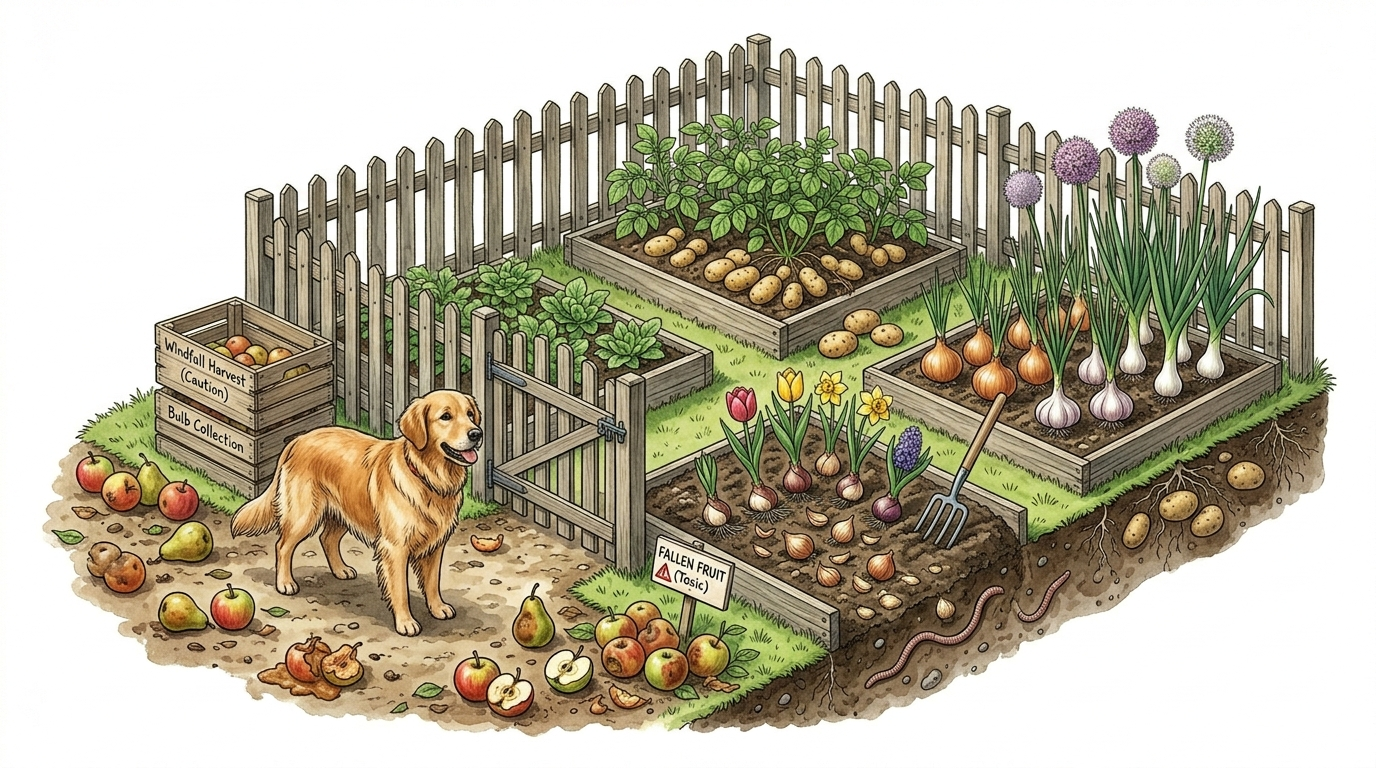
Dogs in the Garden: Windfall Fruit and Risks
Keep your garden dog-safe by managing windfall fruit, seeds, stored crops, and potentially problematic plant parts.
Guide
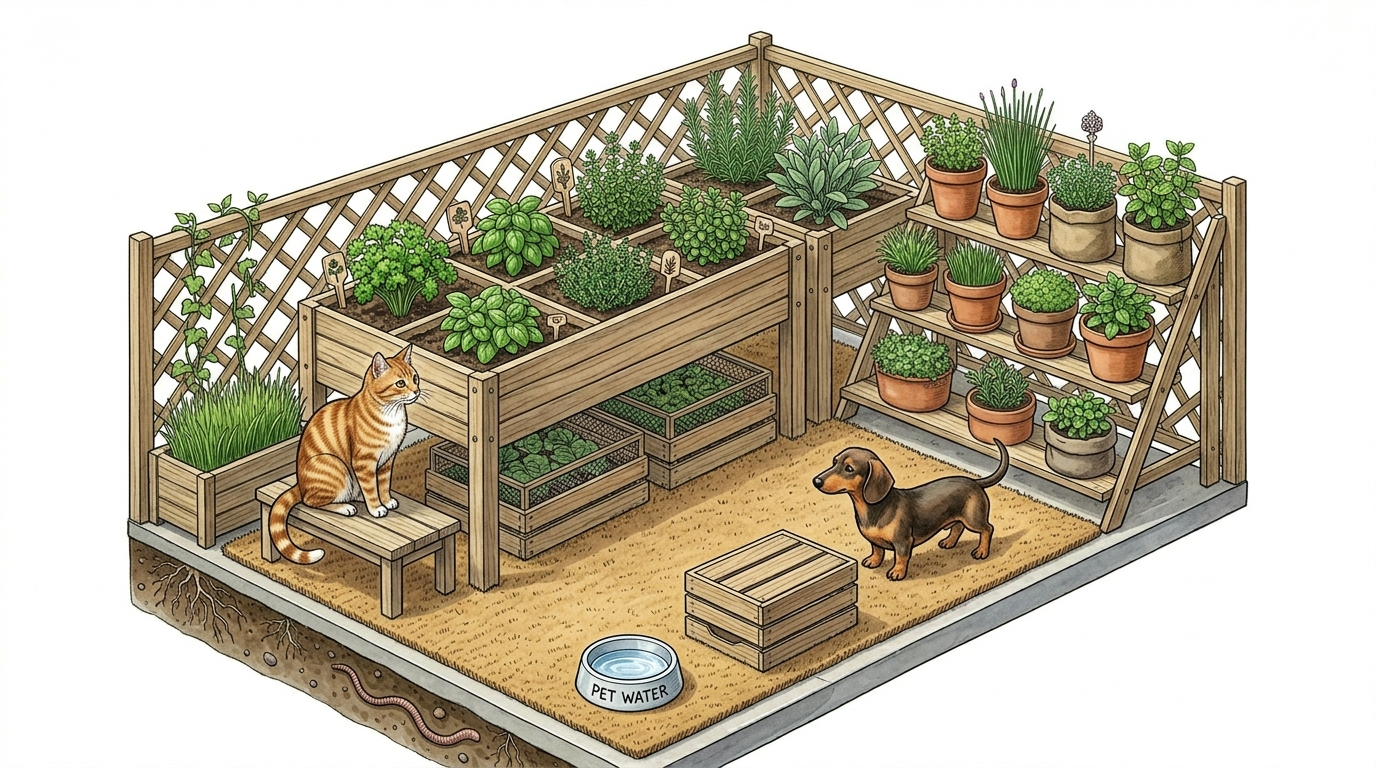
Pet-Safe Herb Gardens for Balconies and Beds
Learn how to create a pet-safe herb garden with suitable herbs, thoughtful layouts, and practical maintenance strategies.
Internal links
Related plants
Sources
Public sources
- Wikidata entity
Wikidata · 2026-05-12
- GBIF species match
GBIF · 2026-05-12
- Deutschsprachige Wikipedia: Baumspinat
Wikipedia · 2026-05-12
- English Wikipedia: Chenopodium giganteum
Wikipedia · 2026-05-12
- Trefle: Chenopodium giganteum
Trefle · 2026-05-12