Plant Profile
ChaenomelesChaenomeles
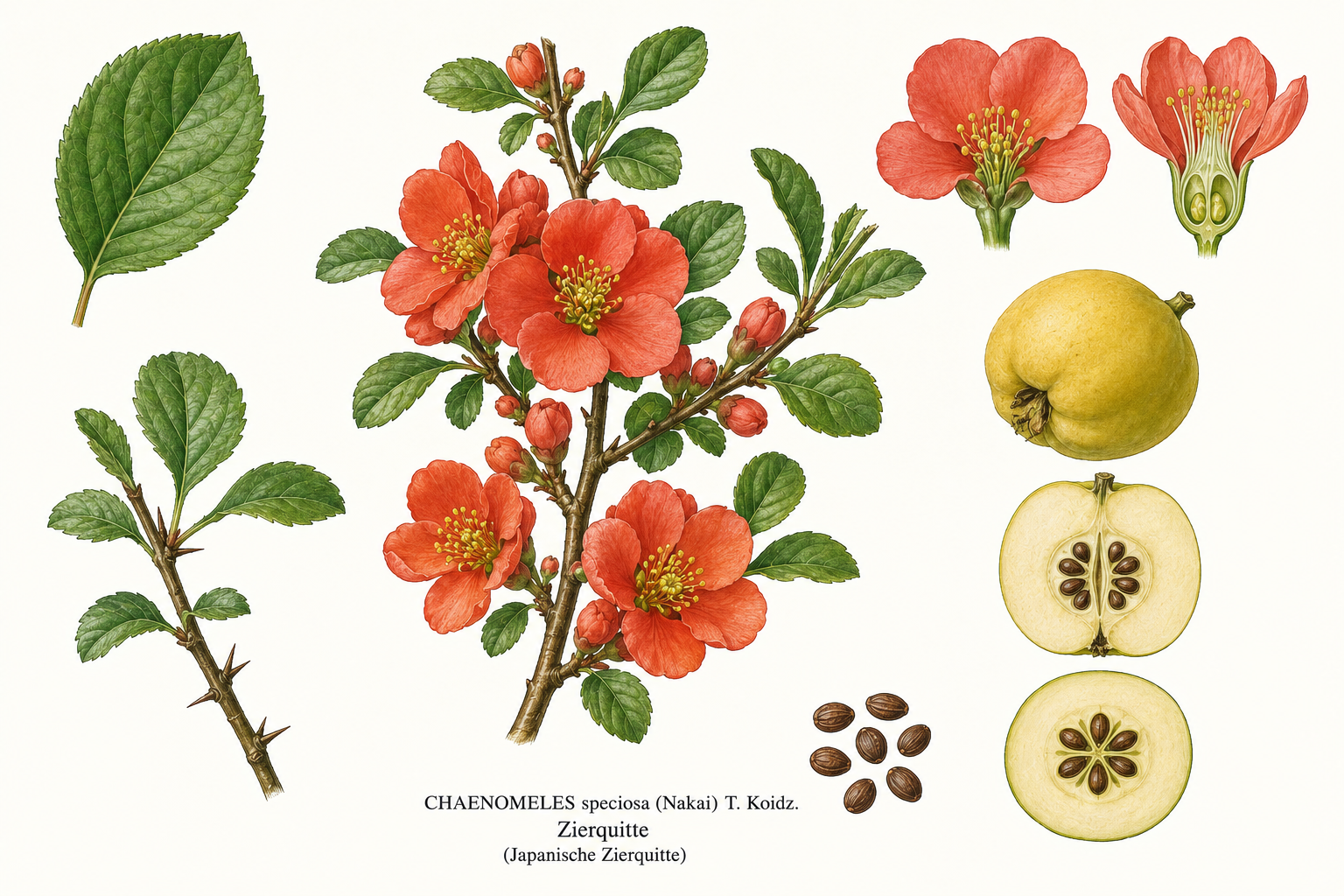
Flowering quince is a low-maintenance ornamental shrub that delights with vibrant spring blossoms and provides aromatic fruits for processing in autumn. Ideal for gardens and as a hedge.
Quick profile
Key data
Suitable growing locations:
Good neighbors
No data
Avoid
No data
Indoor & direct sowing
Chaenomeles: Sowing and germination
Flowering quince are generally not started indoors.
Sowing seeds is possible, but germination can be slow and irregular. They are often propagated by cuttings or grafting.
Planting & site
Chaenomeles: Planting and spacing
Planting of young plants or established shrubs.
Temperature & frost
Chaenomeles: Temperature and site
Water & nutrients
Chaenomeles: Water, nutrients and care
Container & growth
Chaenomeles: Container, support and growth
Year plan
Chaenomeles Calendar
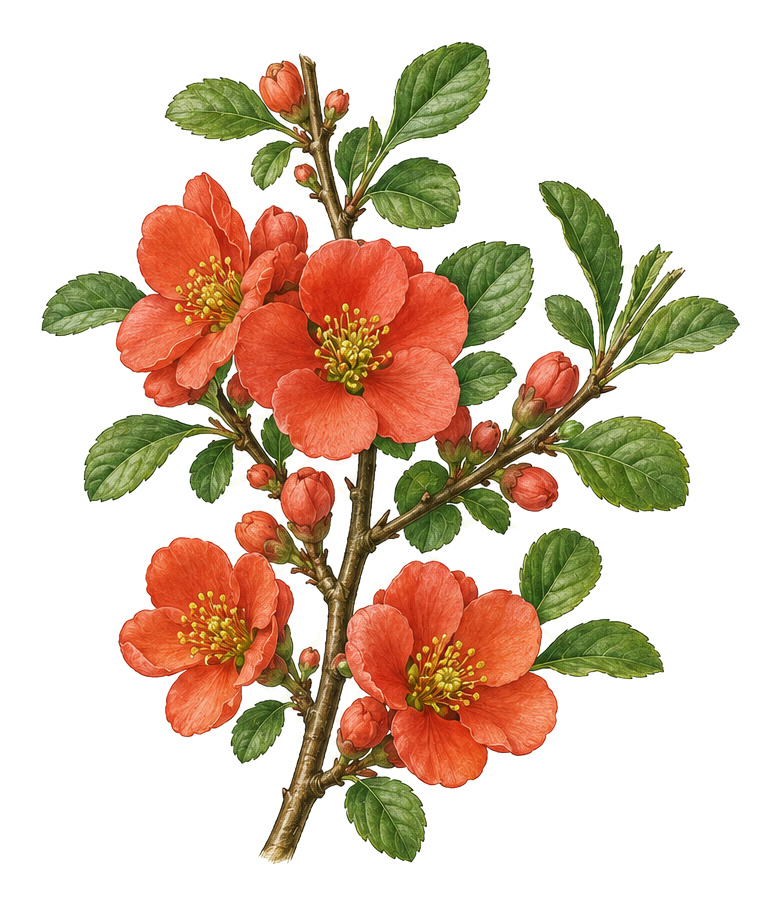
When the garden is still dormant, flowering quince already shines in vibrant colors, attracting the first insects.
Recurring tasks
Relevant now
June
- Summer pruningoptional: For shaping and encouraging fruit production if desired. Remove weak shoots.
Next up
July
- No additional single task
Monthly tasks
Single tasks from monthly data; repeated seasonal windows are shown in the overview above.
January
Quiet month
February
Quiet month
March
Growing
- Spring fertilizationif needed: If needed, with compost or a balanced slow-release fertilizer.
Pruning
- Pruningbefore new growth: Encourages flowering next year and maintains shape.
April
Pruning
- Complete pruningbefore new growth becomes too vigorous: Ensure all pruning is finished before vigorous growth starts.
May
Plant health
- Pest controlcheck regularly: Especially check for aphids and use organic methods if infestation occurs.
June
Pruning
- Summer pruningoptional: For shaping and encouraging fruit production if desired. Remove weak shoots.
August
Quiet month
September
Planting
- Planting young plantsideal time: Well-suited for autumn planting, allowing roots to establish before winter.
Harvest
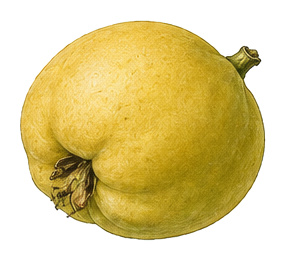
- Fruit harvestfruits ripe: Fruits are hard and sour, good for jams and jellies.
October
Planting
- Planting young plantsideal time: Continuation of autumn planting.
Growing
- Soil careafter planting: Loosen soil around the base and mulch if needed to retain moisture and suppress weeds.
November
Growing
- Winter protectionbefore hard frost: Protect young or sensitive plants with a layer of mulch around the roots.
Pruning
- Pruningafter leaf fall: Allows for a clear view of the shrub's structure, facilitating formative pruning.
December
Quiet month
Flowering & pollination
Chaenomeles Flowering & pollination
Flowering period
March to April
Flower type
Single to semi-double
Flower color
Red, orange, pink, white (depending on cultivar)
Self-fertility
self-fertile
Pollinator needed
no
Overview
Insect pollination, often self-fertile.
Notes
Flowers appear before or simultaneously with the leaves and are an important early nectar source for insects.
Pruning & care
Chaenomeles Pruning & care
Pruning type
renewal_pruning_and_thinning
Pruning timing
Main pruning for thinning and rejuvenation. Removal of dead, diseased, or old wood. Promotes vigorous new growth and flowering. Before bud break, when the plant is dormant, to better assess its structure. Avoid pruning during severe frost.
Light shaping and removal of spent flower shoots to encourage the formation of new flowering shoots for the next year. Immediately after flowering, to avoid affecting fruit development (if desired) and to prevent removing next year's flower buds.
Light corrective pruning, removal of water shoots or unruly branches for shaping. Only if necessary and very moderately, to avoid weakening the plant.
Remove
Preserve
Avoid
Tools and hygiene
Pruning tools (shears, loppers, saw) must be sharp and clean. Disinfect tools regularly, especially after cutting diseased plant parts (e.g., if fire blight is suspected), to prevent the spread of diseases.
Use & storage
Chaenomeles Use & storage
The fruits are hard and sour but used for jellies, jams, or liqueurs. They ripen in autumn.
Storage
Store cool and dry or process immediately.
Storage life
Several weeks to months in a cool, dark place.
Primary use
Processing into jelly, jam, juice, or liqueur.
Flavor
Very sour, tart, highly aromatic, citrus-like.
Harvest
The fruits are hard and sour but used for jellies, jams, or liqueurs. They ripen in autumn.
Culinary uses
Processing
After harvest
Harvested fruits should be washed and freed from sepals. Due to their hardness and high pectin content, they are excellent for immediate processing into jelly, jam, or juice.
Notes
Due to their hardness and sour taste, flowering quince fruits are not suitable for raw consumption, but they develop a wonderful aroma when cooked. Their high pectin content makes them ideal for jellies.
Edibility & safety
Chaenomeles Edibility & safety
For people
In brief: which parts are edible, which parts remain risky, and whether raw consumption makes sense.
Safety notes
Flowering quince seeds, like those of apples and pears, contain small amounts of cyanogenic glycosides. In small quantities, they are harmless, but when processing larger amounts, the seeds should be removed. The fruits themselves are safe and edible when cooked or processed.
Animal safety
For animals, the specific plant part matters here: some parts may be suitable, while others should be avoided. At least one critical rating is listed for 1 animal types.
Each row shows which parts are more suitable and which parts are critical.
Companion animals
 Dog
DogFruit (cooked or processed)
Seeds
Fruit (cooked or processed)
Seeds
Consumption of seeds, Large amounts of raw fruit
Vomiting, Diarrhea, Gastrointestinal upset
contact a vet if symptoms appear
Cooked or processed flowering quince fruit is safe for dogs in small amounts as an occasional treat. Seeds contain cyanogenic glycosides and should be removed. Raw fruit is not recommended due to high acidity and hardness and may cause gastrointestinal irritation. Consult a veterinarian if seeds are ingested or symptoms occur.
Open animal page Cat
CatFruit (cooked or processed)
Seeds
Fruit (cooked or processed)
Seeds
Consumption of seeds, Large amounts of raw fruit
Vomiting, Gastrointestinal upset
contact a vet if symptoms appear
The fruit pulp of flowering quince is safe for cats in small amounts as a treat, but the seeds contain cyanogenic glycosides that may cause gastrointestinal upset if consumed in excess. Raw fruits are not recommended due to high acidity and hardness.
Open animal page Rabbit
Fruit (cooked or processed)
No risk parts listed
Fruit (cooked or processed)
No risk parts listed
 Guinea pig
Fruit (cooked or processed)
Seeds
Fruit (cooked or processed)
Seeds
Consumption of seeds, Large quantities of raw fruit
Gastrointestinal upset, Vomiting
contact a vet if symptoms appear
The flesh of cooked or processed flowering quince is suitable for guinea pigs in small amounts as an occasional treat. Seeds contain cyanogenic glycosides and should be removed. Raw flesh is not recommended due to high acidity and astringency.
Open animal page Hamster
Fruit (cooked or processed)
Seeds
Fruit (cooked or processed)
Seeds
Consumption of seeds, Large quantities of raw fruit
Gastrointestinal upset, Vomiting
observe
Cooked or processed flowering quince fruit is suitable for hamsters in small amounts as an occasional treat. Seeds contain cyanogenic glycosides and should be removed. Raw fruit is not recommended due to high acidity and hardness.
Open animal page Budgie
Fruit flesh (cooked or processed)
No risk parts listed
Fruit flesh (cooked or processed)
No risk parts listed
Farm animals
 Horse
HorseFruit (cooked or processed)
No risk parts listed
Fruit (cooked or processed)
No risk parts listed
 Chicken
Fruit (cooked or processed)
Seeds
Fruit (cooked or processed)
Seeds
Consumption of seeds, Large amounts of raw fruits
Vomiting, Gastrointestinal upset
observe
Cooked or processed flowering quince fruit is suitable for chickens as an occasional treat. Seeds contain cyanogenic glycosides and should be removed. Raw fruit is not recommended due to high acidity. Monitor for seed ingestion and contact vet if symptoms occur.
Open animal page Duck
DuckFruit (cooked or processed)
Seeds
Fruit (cooked or processed)
Seeds
Consumption of seeds, Excessive consumption of raw fruits
Vomiting, Diarrhea, Abdominal pain
contact a vet if symptoms appear
Cooked or processed flowering quince fruit is suitable for ducks in small amounts as a treat. Seeds contain cyanogenic glycosides and should be removed. Raw fruit is not recommended due to high acidity and astringency.
Open animal page Goose
GooseFruit (cooked or processed)
Seeds
Fruit (cooked or processed)
Seeds
Consumption of seeds, Excessive consumption of raw fruits
Vomiting, Gastrointestinal upset
observe
Cooked or processed flowering quince fruit is suitable for geese in small amounts as an occasional treat. The seeds contain cyanogenic glycosides and should be removed. Raw fruit is not recommended due to high acidity and hardness. Ingestion of seeds may cause mild gastrointestinal upset. For larger amounts or persistent symptoms, consult a veterinarian.
Open animal page Sheep
SheepFruit (cooked or processed)
Seeds
Fruit (cooked or processed)
Seeds
Consumption of seeds, Large quantities of raw fruits
Vomiting, Diarrhea, Abdominal pain
observe
Cooked or processed flowering quince fruit can be given to sheep as an occasional treat, but seeds must be removed due to their cyanogenic glycoside content. Raw fruit is unsuitable due to high acidity and hardness. Ingestion of seeds may cause mild to moderate gastrointestinal distress.
Open animal page Goat
GoatFruit (cooked or processed)
Seeds
Fruit (cooked or processed)
Seeds
Consumption of seeds, Large quantities of raw fruit
Vomiting, Diarrhea, Abdominal pain
contact a vet if symptoms appear
The fruits of flowering quince are safe for goats when cooked or processed. The seeds contain cyanogenic glycosides and should be removed. Raw fruit pulp is not recommended due to high acidity and astringency. Ingestion of seeds may cause mild gastrointestinal upset. Goats tend to sample various plants, so access to seeds should be prevented. If symptoms occur, consult a veterinarian. Large seed ingestion could…
Open animal page Cattle
Fruit (cooked or processed)
Seeds
Fruit (cooked or processed)
Seeds
Consumption of seeds, Large quantities of raw fruits
Vomiting, Diarrhea, Abdominal pain
observe
The fruits of flowering quince are safe for cattle when cooked or processed. The seeds contain cyanogenic glycosides and should be removed, especially when feeding larger amounts. Raw feeding is not recommended due to high acidity and astringency. In case of accidental seed ingestion, mild gastrointestinal symptoms are possible but rarely life-threatening.
Open animal page Pig
PigFruit (cooked or processed)
Seeds
Fruit (cooked or processed)
Seeds
Consumption of seeds, Large quantities of raw fruit
Vomiting, Diarrhea, Abdominal pain
contact a vet if symptoms appear
Cooked or processed flowering quince fruit is suitable for pigs in small amounts as an occasional treat. The seeds contain cyanogenic glycosides and should be removed, especially when processing larger quantities. Raw fruit is not recommended due to high acidity and hardness. Ingestion of seeds may cause gastrointestinal distress. If large amounts are consumed or symptoms occur, veterinary consultation is advised…
Open animal pageThese guidelines are for general information only and do not replace veterinary diagnosis. If critical plant parts were ingested or the animal shows unusual behaviour or symptoms, seek veterinary advice.
Max risk
unknown
Highest status
do not feed
Urgency
contact a vet if symptoms appear
Saving seed
Chaenomeles Saving seed
Seed saving
yes
Seed type
open_pollinated
Seed viability
2 - 3 years
Storage
Store dry, cool, and dark, ideally in airtight containers in the refrigerator.
Seed extraction
Cut open fruits, extract seeds, clean from pulp residue, and dry.
Germination notes
Requires cold stratification (approx. 2-3 months at 2-5°C) for successful germination. Germination can still be irregular and take several weeks to months.
Isolation
For true-to-type seeds, sufficient distance from other Chaenomeles species or cultivars should be maintained to prevent cross-pollination, or flowers must be isolated.
Notes
Seeds can be extracted from ripe fruits. For hybrid varieties or cultivars, true-to-type reproduction is not guaranteed. Germination can be slow and irregular and often requires cold stratification.
Practical tips
Chaenomeles Practical tips
Common beginner mistakes
Success pattern
High-impact tips
Grower observations
Plant Profile
Additional plant images
Health
Pests, Diseases
Plant health
Diagnosis help
Chaenomeles Diagnosis help
Pest groups
Disease groups
Prevention
Diagnosis
Pay attention to changes in leaves, shoots, and blossoms. Early detection of symptoms is crucial for successful treatment.
Cultural prevention
Monitoring
First response
Diagnostic rules
Shoots wilt, turn black, and appear scorched; leaves often remain attached.
Possible causes: Fire blight
- Check for bacterial ooze on bark
- Cut test (brown discoloration under the bark)
Leaves are curled, sticky, and show small insects on the underside or at shoot tips.
Possible causes: Aphids
- Visual inspection for aphids
- Check for honeydew and sooty mold
Brown or black spots on leaves that may spread.
Possible causes: Leaf spot disease
- Check humidity and air circulation at the site
- Rule out other symptoms
Leaves turn yellow, while leaf veins remain green.
Possible causes: Iron deficiency
- Check soil pH
- Check soil for compaction
FAQ
Are flowering quince fruits edible?
Yes, the fruits are edible, but very hard and sour when raw. They are excellent for processing into jelly, jam, juice, or liqueur, as they develop an intense aroma when cooked.
When and how do I prune a flowering quince?
The main pruning takes place in late winter or early spring before bud break to remove dead wood and thin out the shrub. Light shaping can be done immediately after flowering to encourage the formation of new flowering shoots for the next year.
What location does flowering quince prefer?
Flowering quinces prefer a sunny to partial shade location with well-drained, nutrient-rich soil. Full sun promotes more abundant flowering and fruiting.
Is flowering quince winter hardy?
Yes, flowering quince is very winter hardy and tolerates severe frosts well. Young plants may benefit from light winter protection around the root area in their first few years.
Is Chaenomeles safe for Dog?
Chaenomeles is classified as moderation only for Dog. Risk: unknown. Urgency: contact a vet if symptoms appear. Cooked or processed flowering quince fruit is safe for dogs in small amounts as an occasional treat. Seeds contain cyanogenic glycosides and should be removed. Raw fruit is not recommended due to high acidity and hardness and may cause gastrointestinal irritation. Consult a veterinarian if seeds are ingested or symptoms occur.
Is Chaenomeles safe for Cat?
Chaenomeles is classified as moderation only for Cat. Risk: unknown. Urgency: contact a vet if symptoms appear. The fruit pulp of flowering quince is safe for cats in small amounts as a treat, but the seeds contain cyanogenic glycosides that may cause gastrointestinal upset if consumed in excess. Raw fruits are not recommended due to high acidity and hardness.
Is Chaenomeles safe for Rabbit?
Chaenomeles is classified as moderation only for Rabbit. Risk: unknown. Urgency: unknown. No reliable species-specific assessment is available.
Is Chaenomeles safe for Budgie?
Chaenomeles is classified as selected parts only for Budgie. Risk: unknown. Urgency: unknown. No reliable species-specific assessment is available.
Guides
Related guides
Guide
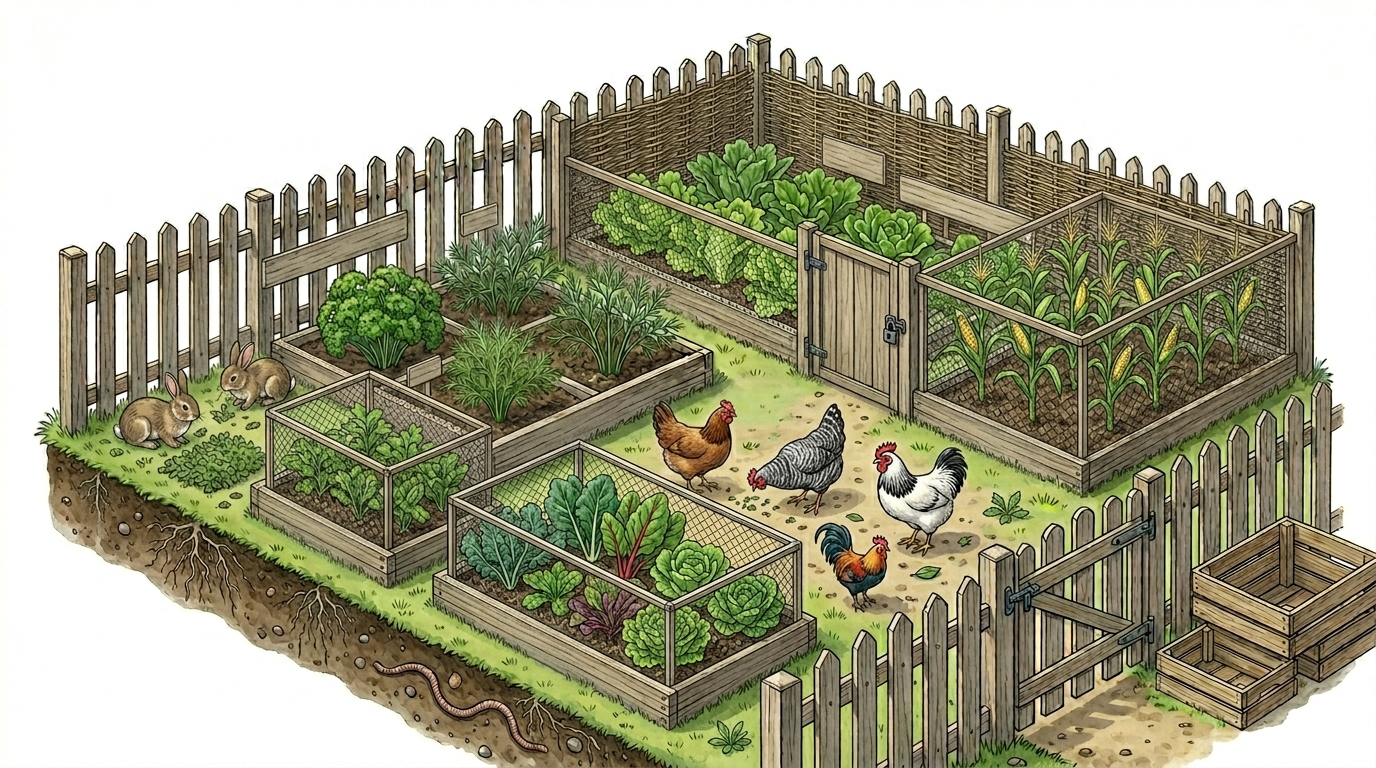
Chickens in the Garden: Safe Plants and Zones
Learn how to design a chicken-friendly garden with suitable plants, protected beds, and well-planned activity areas.
Guide
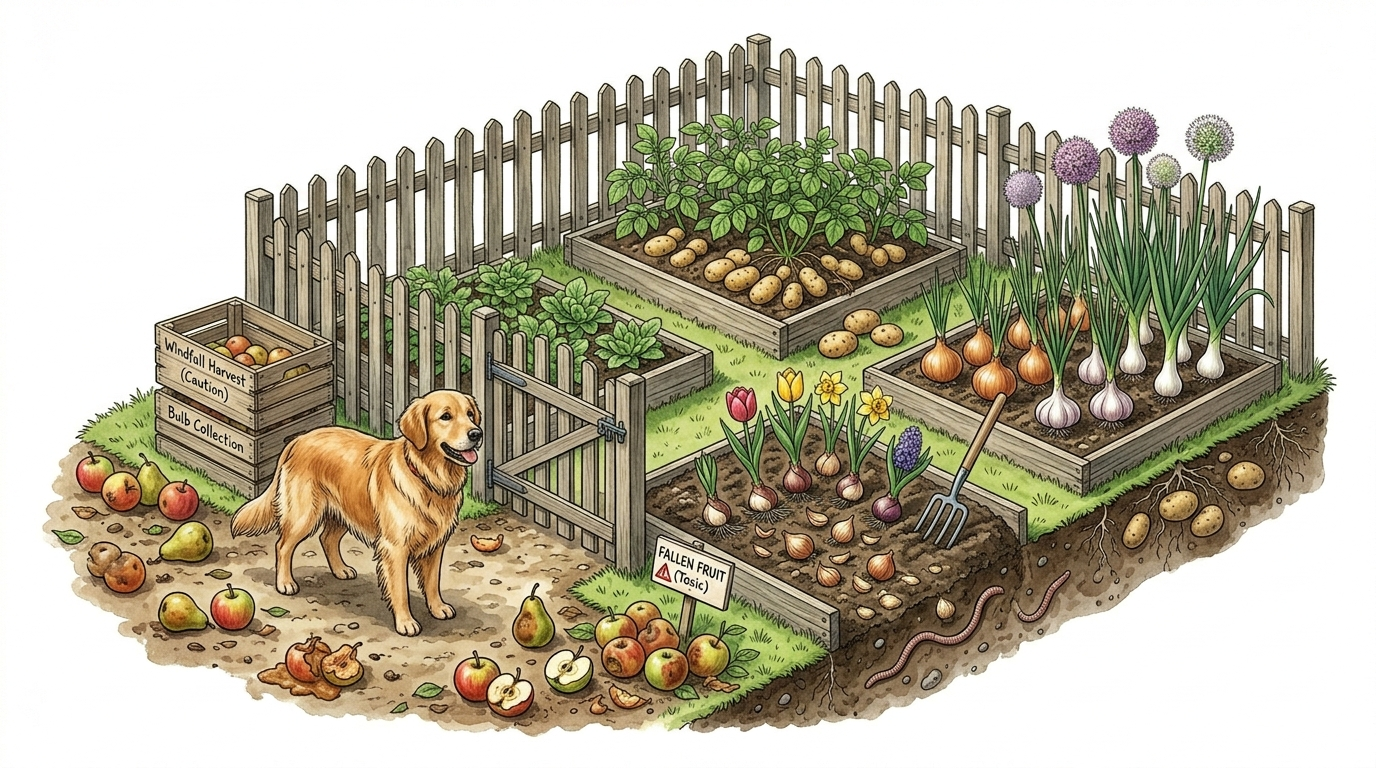
Dogs in the Garden: Windfall Fruit and Risks
Keep your garden dog-safe by managing windfall fruit, seeds, stored crops, and potentially problematic plant parts.
Guide
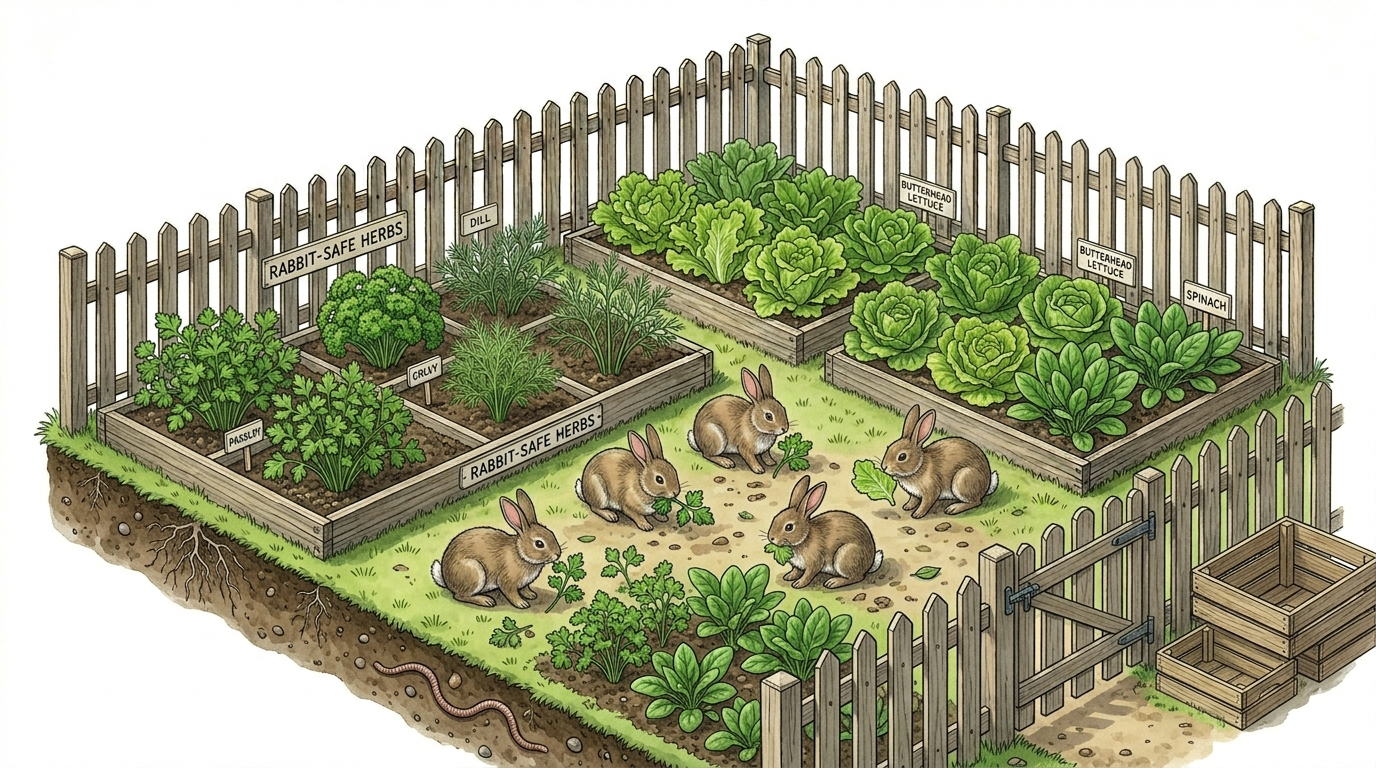
Rabbits in the Garden: Herbs and Vegetables
Learn how to choose suitable herbs and vegetables for rabbits, grow feeding plants, and plan a rabbit-friendly garden.
Guide
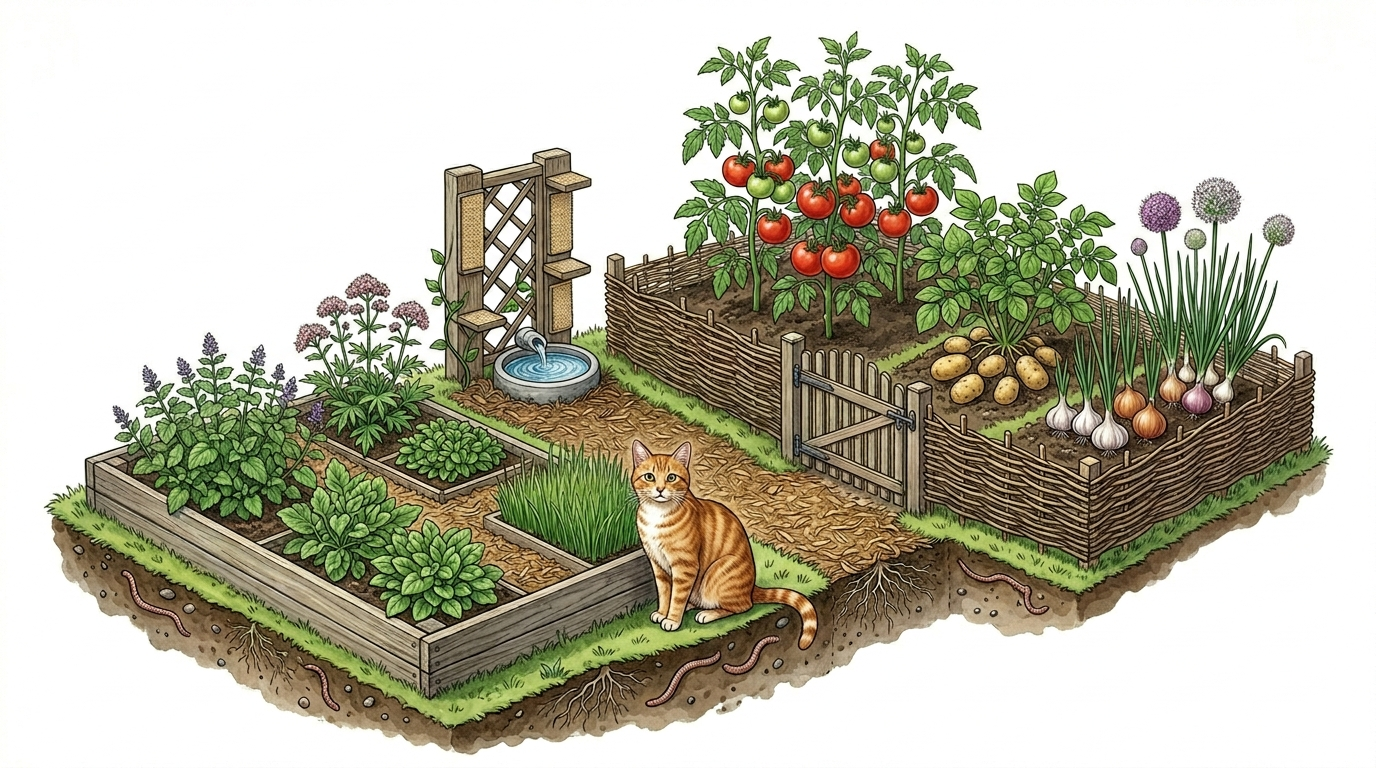
Toxic Garden Plants for Cats: Safer Planning
Learn which garden plants can be risky for cats, how to plan safer beds, and what to do if a cat eats a toxic plant.
Internal links
Related plants
Apple
Both belong to the rose family (Rosaceae).
Both belong to the rose family (Rosaceae) and are susceptible to fire blight.
Pear
Both belong to the rose family (Rosaceae).
Also a Rosaceae member and susceptible to similar diseases like fire blight.
Forsythia
Both are popular ornamental shrubs with early flowering.
Popular early spring bloomer used as an ornamental shrub.
Fire Blight
As a Rosaceae member, flowering quince is susceptible to fire blight, a bacterial disease that also affects apples and pears.
Lavender
Both are light feeders and do not require intensive fertilization.
Both are drought-tolerant and do not tolerate waterlogging.
Cornelian Cherry
Another early bloomer with edible, processable fruits, growing as a shrub or small tree.
Chokeberry
Robust shrub with edible, processable fruits and high ornamental value.
Rose
Flowering quince belongs to the same plant family as the rose (Rosaceae).
Blackcurrant
Fruits are primarily processed into jelly, jam, or juice.
Sources
Public sources
- Wikidata entity
Wikidata · 2026-05-16
- GBIF species match
GBIF · 2026-05-16
- Deutschsprachige Wikipedia: Zierquitten
Wikipedia · 2026-05-16
- English Wikipedia: Chaenomeles
Wikipedia · 2026-05-16