Plant Profile
buck's-horn plantainPlantago coronopus
Hirschhornsalat (also known as Good King Henry or Goosefoot) is a robust, undemanding leafy vegetable well-suited for home garden cultivation. It is particularly good for beginners as it is easy to care for and responds well to cooler weather. The leaves can be harvested from spring through autumn, enriching salads with their slightly nutty, spicy flavor.
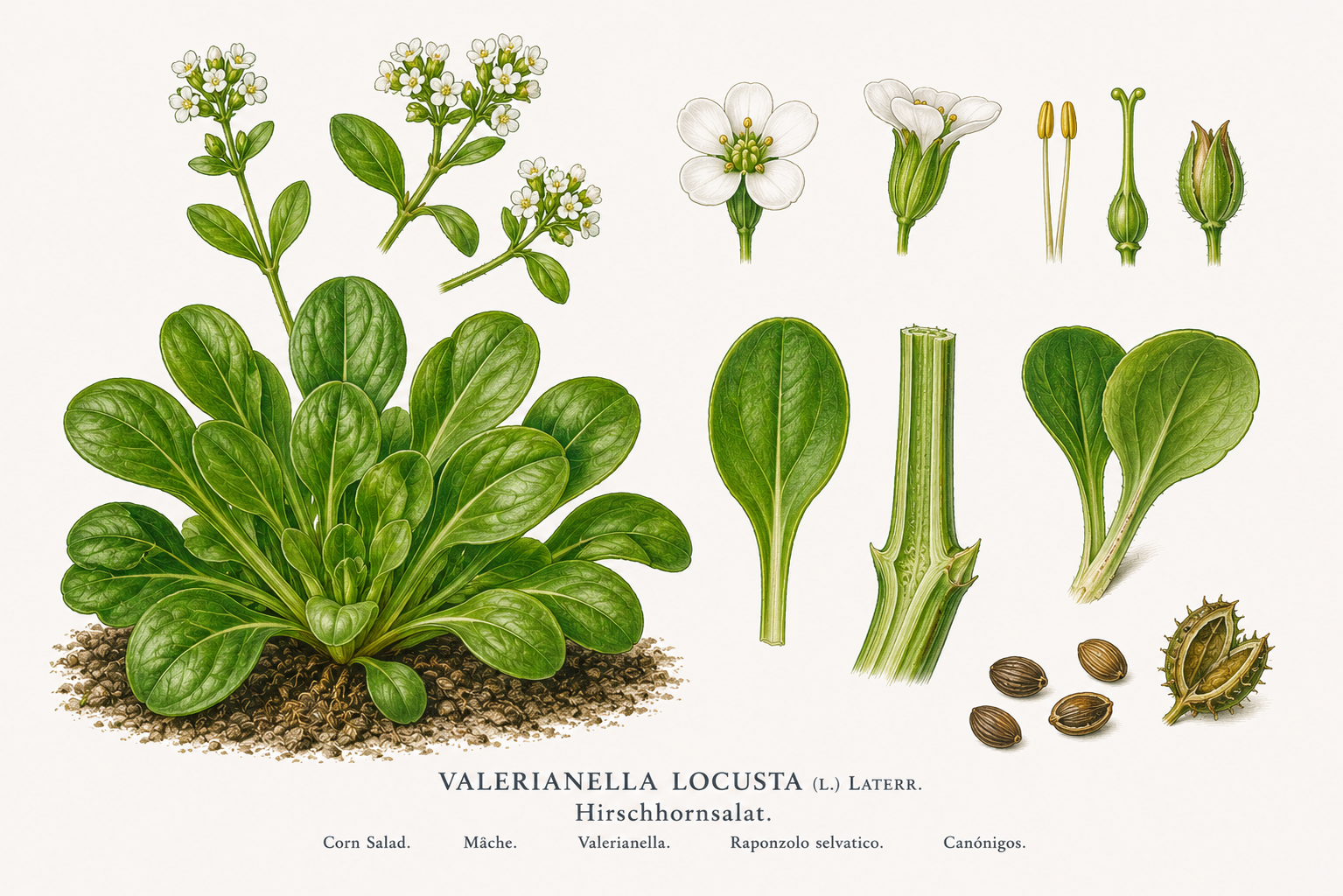
Quick profile
Key data
Suitable growing locations:
Indoor & direct sowing
buck's-horn plantain: Sowing and germination
Not recommended for pre-culture.
Direct sowing outdoors is possible from March to September. Sow at intervals for a continuous harvest.
Planting & site
buck's-horn plantain: Planting and spacing
Not pricked out or transplanted, as direct sowing is done.
Site & practical notes
Hirschhornsalat is an easy-to-care-for leafy green, well-suited for beginners. Sowing can be done from spring to autumn, allowing for continuous harvest. Ensure consistent moisture and avoid waterlogging. In hot weather, the plant may bolt, affecting its taste.
Temperature & frost
buck's-horn plantain: Temperature and site
Water & nutrients
buck's-horn plantain: Water, nutrients and care
Container & growth
buck's-horn plantain: Container, support and growth
Year plan
buck's-horn plantain Calendar
Hirschhornsalat is particularly valuable in autumn when many other lettuces have already finished their season.
Relevant now
June
- Continuous harvestPflanzen sind erntereif.: Regular harvesting promotes new growth.
- Sow for autumn harvestKontinuierliche Ernte gewünscht.: Sow for harvest in late summer and autumn.
Next up
July
- Continuous harvestPflanzen sind erntereif.: Flavor can become more intense in heat.
- Sow for autumn harvestKontinuierliche Ernte gewünscht.: Sow for harvest in autumn.
Monthly tasks
Single tasks from monthly data; repeated seasonal windows are shown in the overview above.
January
Quiet month
February
Quiet month
March
Direct sowing
- Direct sowing outdoorsBoden ist bearbeitbar.: Sow into well-prepared soil.
Growing
- Prepare soilVor der Aussaat.: Loosen soil and remove weeds.
April
Direct sowing
- Sow for successionKontinuierliche Ernte gewünscht.: Sow every 2-3 weeks.
Harvest
- Harvest first leavesPflanzen sind erntereif.: Harvest young, tender leaves.
May
Harvest
- Continuous harvestPflanzen sind erntereif.: Harvest outer leaves first.
- Sow for summer harvestKontinuierliche Ernte gewünscht.: Sow for harvest in mid-summer.
June
Harvest
- Continuous harvestPflanzen sind erntereif.: Regular harvesting promotes new growth.
- Sow for autumn harvestKontinuierliche Ernte gewünscht.: Sow for harvest in late summer and autumn.
August
Harvest
- Continuous harvestPflanzen sind erntereif.: Harvest before the first hard frost.
- Sow for late autumn harvestKontinuierliche Ernte gewünscht.: Sow for harvest in late autumn.
September
Direct sowing
- Last sowingKontinuierliche Ernte gewünscht.: Sow for a late harvest if the weather remains mild.
Harvest
- Continuous harvestPflanzen sind erntereif.: Harvest as long as the leaves are fresh.
October
Harvest
- Harvest until frostPflanzen sind erntereif und Frost steht bevor.: Harvest all remaining leaves before the first hard frost.
- Late autumn harvestMildes Wetter im späten Herbst.: If the weather remains mild, individual leaves may still be harvested.
November
Quiet month
December
Quiet month
Flowering & pollination
buck's-horn plantain Flowering & pollination
Self-fertility
self-fertile
Pollinator needed
no
Overview
Hirschhornsalat is a self-pollinating plant. Pollination is mainly carried out by wind.
Notes
For leaf harvest, pollination is not relevant. Insects and wind are involved in seed production.
Companion guide
buck's-horn plantain Companion guide
Use & storage
buck's-horn plantain Use & storage
Harvest is continuous from April until the first frost.
Storage
Fresh vegetables
Storage life
A few days in the refrigerator
Harvest
Harvest is continuous from April until the first frost.
Processing
After harvest
Use harvested leaves immediately or store them cool. Sort out damaged leaves.
Edibility & safety
buck's-horn plantain Edibility & safety
For people
In brief: which parts are edible, which parts remain risky, and whether raw consumption makes sense.
Safety notes
No known toxic properties. All plant parts are edible, but only the leaves are used culinarily.
Animal safety
For many animals, this plant is generally low-risk: 14 animal types are rated suitable or mostly suitable. Quantity, plant part, and individual tolerance still matter.
Each row shows which parts are more suitable and which parts are critical.
Companion animals
 Dog
DogLeaves
No risk parts listed
Leaves
No risk parts listed
Excessive consumption
Gastrointestinal upset
observe
Leaves of buck's-horn plantain are edible for dogs and not known to be toxic. Feed in moderation only, as overconsumption may cause gastrointestinal upset. Other plant parts such as flower stalks are not commonly used and their safety is less documented.
Open animal page Cat
CatLeaves
No risk parts listed
Leaves
No risk parts listed
Excessive consumption
Gastrointestinal upset
usually no action needed
Buck's-horn plantain (Plantago coronopus) is not known to be toxic to cats. The leaves are edible and can be occasionally fed as a treat, but consumption should be moderated to avoid gastrointestinal upset. All plant parts are considered edible, though only the leaves are used culinarily. If vomiting or diarrhea occurs after ingestion, consult a veterinarian.
Open animal page Rabbit
Leaves
No risk parts listed
Leaves
No risk parts listed
usually no action needed
Buck's-horn plantain (Plantago coronopus) is edible for rabbits and considered a safe feed. The leaves are the primary edible part and can be fed regularly. No known toxic effects in rabbits documented.
Open animal page Guinea pig
Leaves
No risk parts listed
Leaves
No risk parts listed
usually no action needed
Buck's-horn plantain (Plantago coronopus) is edible for guinea pigs and is tolerated as leafy greens. All plant parts are edible, but only the leaves are used culinarily. No known toxic properties. Suitable as part of a varied diet.
Open animal page Hamster
Leaves
No risk parts listed
Leaves
No risk parts listed
usually no action needed
Leaves of buck's-horn plantain are edible and can be part of a varied diet for hamsters. No known toxic properties.
Open animal page Budgie
Leaves
No risk parts listed
Leaves
No risk parts listed
usually no action needed
Leaves of buck's-horn plantain are edible for budgies and accepted as part of a varied diet. Other plant parts such as flower stalks are less palatable and should only be fed rarely.
Open animal pageFarm animals
 Horse
HorseLeaves
No risk parts listed
Leaves
No risk parts listed
Excessive consumption
Gastrointestinal upset
observe
Buck's-horn plantain (Plantago coronopus) is edible for horses and used as a leaf vegetable. No known toxic properties. All plant parts are edible, but only the leaves are used culinarily. Suitable as feed in moderation as supplemental feed. Overconsumption may lead to mild gastrointestinal upset, but is not dangerous.
Open animal page Chicken
Leaves
No risk parts listed
Leaves
No risk parts listed
usually no action needed
Leaves of buck's-horn plantain are edible for chickens and tolerated as part of a varied diet. No known toxic effects under normal feeding.
Open animal page Duck
DuckLeaves
No risk parts listed
Leaves
No risk parts listed
Excessive consumption
Digestive upset
observe
Leaves of buck's-horn plantain are edible for ducks and tolerated as a treat. No known toxic properties. All plant parts are edible, but only the leaves are used culinarily. Excessive consumption may cause digestive upset.
Open animal page Goose
GooseLeaves
No risk parts listed
Leaves
No risk parts listed
Excessive consumption
Digestive upset
observe
No direct species-specific source was found for geese. This is a cautious inference from the ducks profile and the known plant-part risks.
Open animal page Sheep
SheepLeaves
No risk parts listed
Leaves
No risk parts listed
usually no action needed
No direct species-specific source was found for sheep. This is a cautious inference from the goats profile and the known plant-part risks.
Open animal page Goat
GoatLeaves
No risk parts listed
Leaves
No risk parts listed
usually no action needed
Buck's-horn plantain (Plantago coronopus) is edible for goats and used as a forage plant. All parts are edible, with leaves preferred. No known toxic properties. Well tolerated and nutritious.
Open animal page Cattle
Leaves
No risk parts listed
Leaves
No risk parts listed
usually no action needed
No direct species-specific source was found for cattle. This is a cautious inference from the sheep profile and the known plant-part risks.
Open animal page Pig
PigLeaves
No risk parts listed
Leaves
No risk parts listed
Excessive consumption
Gastrointestinal upset
observe
Leaves of buck's-horn plantain are edible for pigs and are occasionally fed as a treat. Other plant parts such as flower stalks or seeds are not commonly used and their safety is not sufficiently established. Under normal feeding of leaves, no poisoning symptoms are expected. With excessive consumption, mild gastrointestinal upset may occur.
Open animal pageThese guidelines are for general information only and do not replace veterinary diagnosis. If critical plant parts were ingested or the animal shows unusual behaviour or symptoms, seek veterinary advice.
Max risk
unknown
Highest status
moderation only
Urgency
observe
Saving seed
buck's-horn plantain Saving seed
Seed viability
2 - 3 years
Practical tips
buck's-horn plantain Practical tips
Common beginner mistakes
Success pattern
High-impact tips
Grower observations
Health
Pests, Diseases
Pests
Aphids
Small, sucking insects that colonize leaves and stems, feeding on plant sap. Cause distorted leaves and can transmit diseases.
Flea beetles
Small, jumping beetles that eat characteristic small holes in the leaves. Young plants are particularly susceptible.
Diseases
Downy mildew
Fungal disease characterized by yellowish spots on the upper leaf surface and a grayish-brown to purplish spore growth on the underside of the leaves. Favored by humid weather.
Leaf spot diseases
Various fungal diseases that cause small, often circular spots on the leaves. The spots can be brown, black, or gray and sometimes show concentric rings.
Deficiencies
Magnesium deficiency
Leads to chlorosis between the leaf veins, while the veins themselves remain green. Usually affects older leaves first.
Iron deficiency
Similar to magnesium deficiency, but chlorosis appears first on the youngest leaves. Leaf veins also remain green.
Plant health
Diagnosis help
buck's-horn plantain Diagnosis help
Pest groups
Disease groups
Prevention
Diagnosis
Observe symptoms closely: Affected plant parts, type of damage (holes, spots, discoloration), visible pests or pathogens. Compare with symptom descriptions in gardening books or online resources.
Cultural prevention
Monitoring
First response
Diagnostic rules
Small, round holes in the leaves
Possible causes: Flea beetles
- Look for beetles on the leaves
- Do the beetles jump away?
Yellowish spots on the upper leaf surface, grayish-brown coating on the underside
Possible causes: Downy mildew
- Check humidity
- Improve ventilation
Sticky leaves, visible small insects
Possible causes: Aphids
- Identify insects (color, shape)
- Assess infestation level
FAQ
When is Hirschhornsalat sown?
Direct sowing outdoors is possible from March to September. For a continuous harvest, sowing at intervals every 2-3 weeks is recommended.
How do I care for Hirschhornsalat?
Hirschhornsalat is easy to care for. It needs a sunny to partial shade location, loose soil, and regular but not excessive watering. Waterlogging should be avoided. Light fertilization with compost is sufficient.
When can I harvest Hirschhornsalat?
Harvest begins in spring (from April) and can be continuous until the first frost in autumn. Harvest the outer leaves first to encourage plant growth.
Is Hirschhornsalat suitable for container growing?
Yes, Hirschhornsalat is well-suited for growing in pots and balcony boxes. Ensure adequate pot size (at least 5 liters) and good drainage.
What pests and diseases can affect Hirschhornsalat?
Hirschhornsalat is relatively robust. It can be susceptible to flea beetles, which eat small holes in the leaves. Aphids can also occur. Fungal diseases like downy mildew may appear in humid weather. Prevention through good hygiene and site selection is important.
Is buck's-horn plantain safe for Dog?
buck's-horn plantain is classified as moderation only for Dog. Risk: unknown. Urgency: observe. Leaves of buck's-horn plantain are edible for dogs and not known to be toxic. Feed in moderation only, as overconsumption may cause gastrointestinal upset. Other plant parts such as flower stalks are not commonly used and their safety is less documented.
Is buck's-horn plantain safe for Cat?
buck's-horn plantain is classified as moderation only for Cat. Risk: unknown. Urgency: usually no action needed. Buck's-horn plantain (Plantago coronopus) is not known to be toxic to cats. The leaves are edible and can be occasionally fed as a treat, but consumption should be moderated to avoid gastrointestinal upset. All plant parts are considered edible, though only the leaves are used culinarily. If vomiting or diarrhea occurs after ingestion, consult a veterinarian.
Is buck's-horn plantain safe for Rabbit?
buck's-horn plantain is classified as suitable for Rabbit. Risk: unknown. Urgency: usually no action needed. Buck's-horn plantain (Plantago coronopus) is edible for rabbits and considered a safe feed. The leaves are the primary edible part and can be fed regularly. No known toxic effects in rabbits documented.
Is buck's-horn plantain safe for Guinea pig?
buck's-horn plantain is classified as suitable for Guinea pig. Risk: unknown. Urgency: usually no action needed. Buck's-horn plantain (Plantago coronopus) is edible for guinea pigs and is tolerated as leafy greens. All plant parts are edible, but only the leaves are used culinarily. No known toxic properties. Suitable as part of a varied diet.
Guides
Related guides
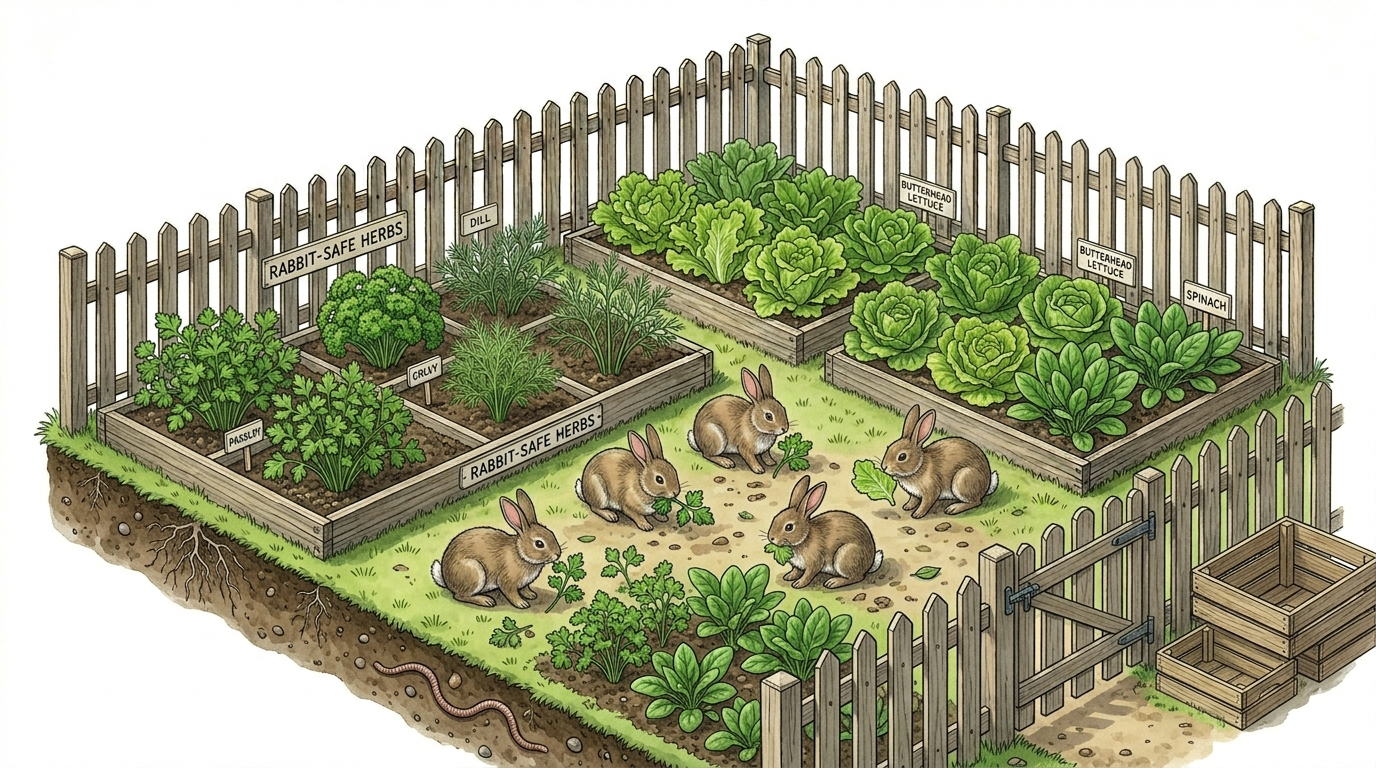
Guide
Rabbits in the Garden: Herbs and Vegetables
Learn how to choose suitable herbs and vegetables for rabbits, grow feeding plants, and plan a rabbit-friendly garden.
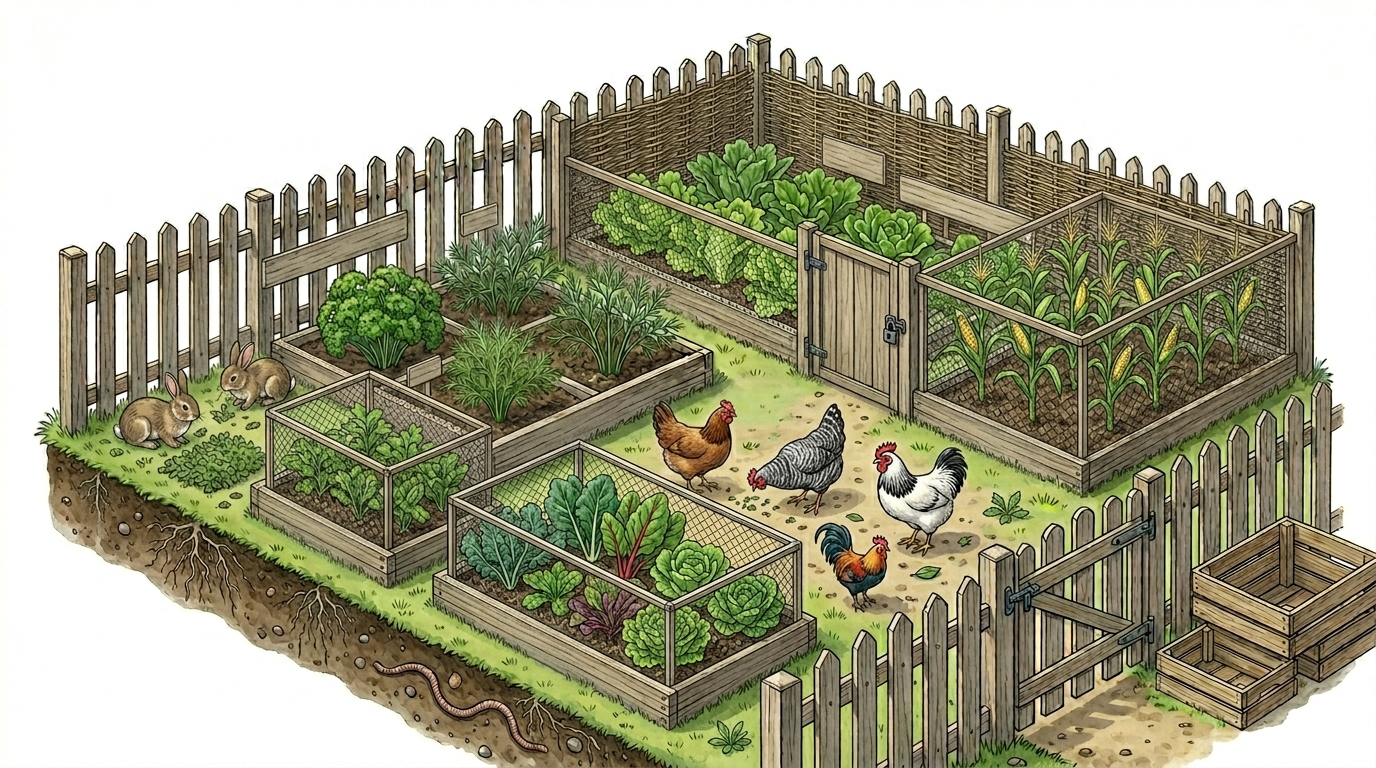
Guide
Chickens in the Garden: Safe Plants and Zones
Learn how to design a chicken-friendly garden with suitable plants, protected beds, and well-planned activity areas.
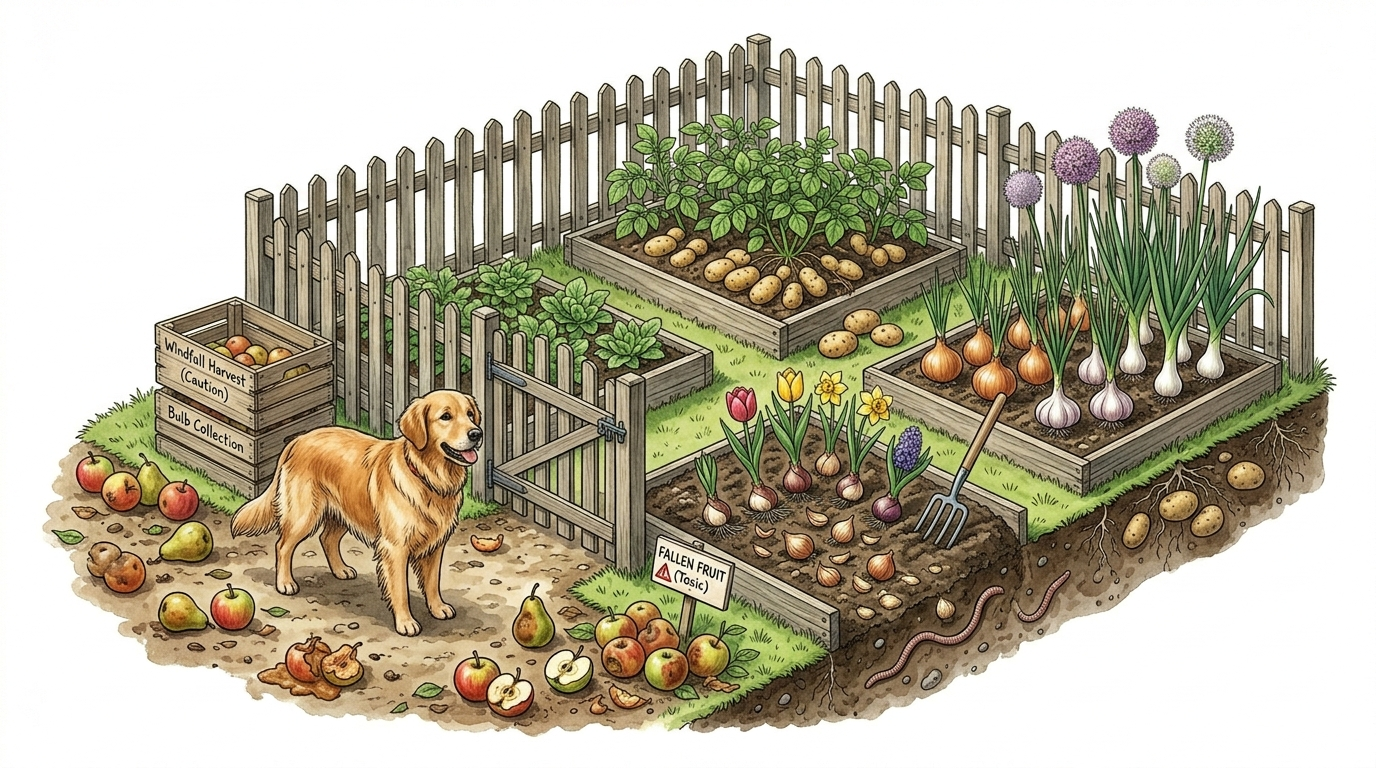
Guide
Dogs in the Garden: Windfall Fruit and Risks
Keep your garden dog-safe by managing windfall fruit, seeds, stored crops, and potentially problematic plant parts.
Guide
Horse Pastures and Garden Plants: Safety Checks
Learn how to identify risks near horse pastures, fences, turnout areas, fruit trees, and garden planting zones.
Internal links
Related plants
Lettuce hearts
Both are used as leafy greens in salads.
Downy mildew
Can be affected by similar fungi as other leafy greens.
Butterhead lettuce
Both are light feeders and require moderate nutrients.
Arugula
Both prefer consistent soil moisture and do not tolerate drought.
Provides a spicy note in salads.
Swiss Chard
Belongs to the same family (Amaranthaceae) and has similar growing conditions.
Quinoa
Belongs to the family Amaranthaceae.
corn salad
Also used raw in salads, especially in autumn and winter.
Sources
Public sources
- Wikidata search
Wikidata · 2026-05-13
- GBIF species match
GBIF · 2026-05-13