Plant Profile
Acorn SquashCucurbita pepo
Learn everything about growing Acorn Squash, from care to harvesting.
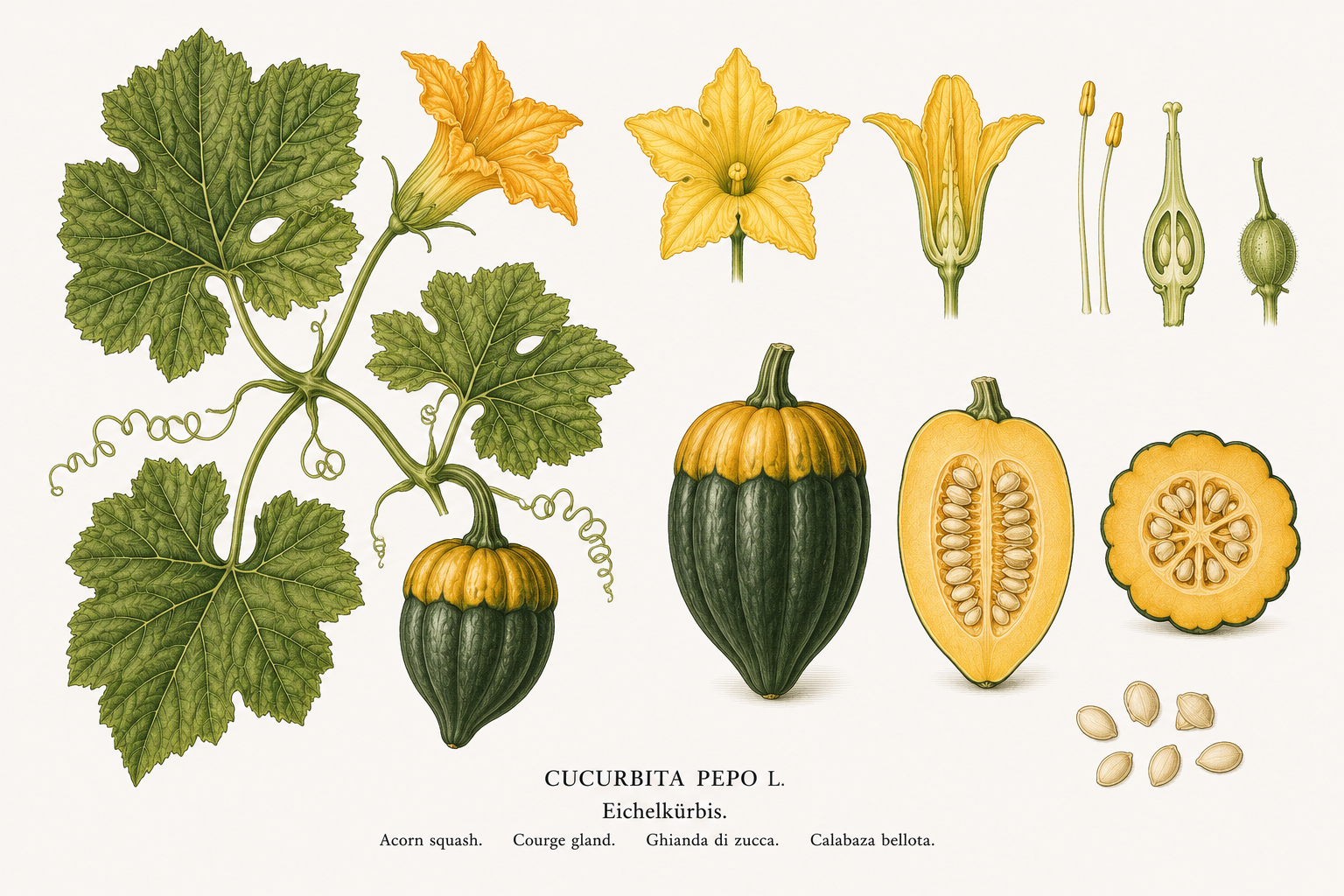
Quick profile
Key data
Suitable growing locations:
Good neighbors
BasilMarigoldNasturtiumBeans
Avoid
PotatoBrassicasFennel
Indoor & direct sowing
Acorn Squash: Sowing and germination
Start sowing indoors from early March to extend the growing season.
Direct sow outdoors from mid-May, once the risk of frost has passed and the soil has warmed up.
Planting & site
Acorn Squash: Planting and spacing
Transplant seedlings outdoors from mid-May, once soil temperatures are stable.
Site & practical notes
Sowing indoor: Months: 3, 4, Notes: Start sowing indoors from early March to extend the growing season., Sowing outdoor: Months: 5, 6, Notes: Direct sow outdoors from mid-May, once the risk of frost has passed and the soil has warmed up., Planting out: Months: 5, 6, Notes: Transplant seedlings outdoors from mid-May, once soil temperatures are stable., Harvest: Months: 9, 10, 11, Notes: Harvest before the first frost. Fruits can be stored., Watering: Frequency: Regularly, especially during dry periods, Amount: As needed, keep soil moist, Notes: Avoid waterlogging at all costs. It's best to water in the morning or evening., Nutrition: Type: Heavy feeder, requires abundant nutrients, Timing: Provide compost or organic fertilizer before planting, and top-dress during the growth and fruiting phases., Notes: Good nutrient supply promotes vigorous growth and high yields.
Temperature & frost
Acorn Squash: Temperature and site
Water & nutrients
Acorn Squash: Water, nutrients and care
Container & growth
Acorn Squash: Container, support and growth
Year plan
Acorn Squash Calendar
In autumn, Acorn squash can be harvested when the fruits are ripe.
Relevant now
June
- Direct sow squash seeds outdoorsSoil temperature above 15°C, no frost risk: Only if indoor sowing was not possible or for a later harvest.
- Water regularlyDry periods: Especially important during fruit development.
Next up
July
- Fertilize squash plantsDuring active growth and fruit set: Organic fertilizer or compost is beneficial.
Monthly tasks
Single tasks from monthly data; repeated seasonal windows are shown in the overview above.
January
Quiet month
February
Quiet month
March
Direct sowing
- Start squash seeds indoorsStart of month: Sow 2-3 seeds per pot.
April
Planting
- Prick out or transplant seedlingsSeedlings have developed true leaves: If necessary, transplant into larger pots.
May
Planting
- Transplant seedlings outdoorsAfter last frost, soil temperature above 12°C: Ensure adequate spacing between plants.
June
Direct sowing
- Direct sow squash seeds outdoorsSoil temperature above 15°C, no frost risk: Only if indoor sowing was not possible or for a later harvest.
Growing
- Water regularlyDry periods: Especially important during fruit development.
August
Plant health
- Monitor for pests and diseasesRegularly: Pay special attention to aphids and powdery mildew.
September
Harvest
- Harvest first squashesFruits are mature (rind is hard): Harvest before the first frost.
October
Harvest
- Main harvest periodBefore first hard frost: Allow fruits to dry well before storing.
November
Harvest
- Final harvest and storageBefore severe frost: Store in a cool, dry place.
December
Quiet month
Flowering & pollination
Acorn Squash Flowering & pollination
Self-fertility
low
Pollinator needed
yes
Overview
Acorn squash require cross-pollination by insects, primarily bees, for successful fruit set.
Notes
Without sufficient pollination by bees or other insects, fruit set is poor. Bumblebees and wild bees are particularly effective.
Companion guide
Acorn Squash Companion guide
Good neighbors
BasilMarigoldNasturtiumBeans
Avoid
PotatoBrassicasFennel
Use & storage
Acorn Squash Use & storage
Harvest before the first frost. Fruits can be stored.
Storage
Store in a cool, dry place
Storage life
3-6 months under optimal conditions
Harvest
Harvest before the first frost. Fruits can be stored.
Processing
After harvest
Harvest fruits carefully with the stem to avoid damage. Do not wash; allow to dry in a shaded, dry location.
Edibility & safety
Acorn Squash Edibility & safety
For people
In brief: which parts are edible, which parts remain risky, and whether raw consumption makes sense.
Safety notes
Acorn squash are non-toxic and suitable for human consumption. Raw squash may be difficult to digest.
Animal safety
This plant is not simply safe or unsafe for animals. 14 animal types have restrictions, so quantity, access, and plant part matter.
Each row shows which parts are more suitable and which parts are critical.
Companion animals
 Dog
DogFlesh (cooked/baked)
Leaves, Stems, Seeds (raw)
Flesh (cooked/baked)
Leaves, Stems, Seeds (raw)
Excessive consumption of leaves or stems, Consumption of raw seeds
Gastrointestinal upset, Diarrhea
observe
The flesh of acorn squash is safe for dogs in small amounts and can serve as an occasional treat. Leaves, stems, and raw seeds contain cucurbitacins, which can cause gastrointestinal upset. Always serve cooked and remove seeds. Consult a veterinarian if symptoms occur.
Open animal page Cat
CatFlesh (cooked/baked)
Leaves, Stems, Raw flesh in large quantities
Flesh (cooked/baked)
Leaves, Stems, Raw flesh in large quantities
Excessive consumption of raw parts, Access to leaves or stems
Vomiting, Diarrhea, Abdominal pain
contact a vet if symptoms appear
Cooked or baked acorn squash flesh is suitable for cats in small amounts as an occasional treat. Leaves, stems, and raw parts may cause gastrointestinal upset due to cucurbitacins and indigestible fiber. Seeds should only be given roasted and without additives.
Open animal page Rabbit
Flesh
Leaves, Stems, Seeds (raw)
Flesh
Leaves, Stems, Seeds (raw)
Excessive consumption of leaves or stems, Consumption of raw seeds
Gastrointestinal upset, Diarrhea
observe
The flesh of acorn squash is suitable for rabbits in small amounts as a treat. Leaves, stems, and raw seeds contain cucurbitacins, which can cause gastrointestinal irritation. Seeds should only be fed if roasted to reduce cucurbitacins. If symptoms occur, consult a veterinarian.
Open animal page Guinea pig
Flesh
Leaves, Stems, Seeds (raw)
Flesh
Leaves, Stems, Seeds (raw)
Excessive consumption of leaves or stems, Consumption of raw seeds
Gastrointestinal upset, Diarrhea, Vomiting
observe
No direct species-specific source was found for guinea pigs. This is a cautious inference from the rabbits profile and the known plant-part risks.
Open animal page Hamster
Flesh
Leaves, Stems, Seeds (raw)
Flesh
Leaves, Stems, Seeds (raw)
Excessive consumption of leaves or stems, Consumption of raw seeds
Gastrointestinal upset, Diarrhea, Vomiting
observe
No direct species-specific source was found for hamsters. This is a cautious inference from the rabbits profile and the known plant-part risks.
Open animal page Budgie
Flesh (cooked)
No risk parts listed
Flesh (cooked)
No risk parts listed
usually no action needed
Cooked flesh of squash varieties is generally considered safe for birds, provided no sharp seeds or green plant parts are fed. However, data is limited.
Open animal pageFarm animals
 Horse
HorseFlesh (cooked or baked)
Leaves, Stems, Seeds (raw)
Flesh (cooked or baked)
Leaves, Stems, Seeds (raw)
Overconsumption of raw parts, Consumption of seeds or rind
Gastrointestinal upset, Diarrhea, Vomiting
observe
Cooked or baked acorn squash flesh is suitable for horses in small amounts as an occasional treat. Raw flesh, leaves, stems, and seeds contain potentially irritating cucurbitacins and should be avoided. Overfeeding may cause digestive issues. No indications of severe poisoning in horses known. Consult a veterinarian if symptoms occur.
Open animal page Chicken
Flesh
Leaves, Stems, Seeds (raw)
Flesh
Leaves, Stems, Seeds (raw)
Overconsumption, Consumption of raw seeds or green parts
Gastrointestinal upset, Vomiting, Diarrhea
observe
Cooked flesh of acorn squash is suitable for chickens in small amounts as a treat. Raw flesh and especially raw seeds as well as green plant parts contain cucurbitacins, which can cause gastrointestinal irritation. A balanced diet should continue to be based on specialized chicken feed.
Open animal page Duck
DuckFlesh
Leaves, Stems, Seeds (raw)
Flesh
Leaves, Stems, Seeds (raw)
Overconsumption, Consumption of leaves or stems, Consumption of raw seeds
Gastrointestinal upset, Vomiting, Diarrhea
observe
The flesh of acorn squash is suitable for ducks in small amounts as a treat. Leaves, stems, and raw seeds contain cucurbitacins, which can cause gastrointestinal upset. Seeds should only be fed roasted and in very small amounts. Consult a veterinarian if symptoms occur.
Open animal page Goose
GooseFlesh (cooked)
No risk parts listed
Flesh (cooked)
No risk parts listed
usually no action needed
Cooked flesh of squash varieties is generally considered safe for birds, provided no sharp seeds or green plant parts are fed. However, data is limited.
Open animal page Sheep
SheepFlesh
Leaves, Stems, Seeds (raw)
Flesh
Leaves, Stems, Seeds (raw)
Overconsumption of seeds or green parts
Gastrointestinal upset, Diarrhea, Vomiting
observe
The flesh of acorn squash is safe for sheep in small amounts and can be fed as an occasional treat. Raw flesh may be difficult to digest. Seeds contain cucurbitacins, which can cause gastrointestinal irritation if consumed in excess. Leaves and stems should be avoided.
Open animal page Goat
GoatFlesh (cooked or baked)
Leaves, Stems, Seeds (raw)
Flesh (cooked or baked)
Leaves, Stems, Seeds (raw)
Excessive consumption of leaves or stems, Consumption of raw seeds
Gastrointestinal upset, Diarrhea, Vomiting
observe
Cooked or baked acorn squash flesh is suitable for goats in small amounts as an occasional treat. Raw flesh, leaves, stems, and seeds contain potentially irritating cucurbitacins and should be avoided. Overfeeding may cause digestive issues. No indications of severe poisoning in goats known. Consult a veterinarian if symptoms occur.
Open animal page Cattle
Flesh
Leaves, Stems, Seeds (raw)
Flesh
Leaves, Stems, Seeds (raw)
Overconsumption of seeds or green parts
Gastrointestinal upset, Diarrhea
observe
The flesh of acorn squash is suitable for cattle in small amounts as a treat. Raw flesh may be difficult to digest. Seeds contain cucurbitacins, which can cause gastrointestinal irritation if consumed in excess. Leaves and stems should be avoided.
Open animal page Pig
PigFlesh (cooked or baked)
Raw flesh, Leaves, Stems
Flesh (cooked or baked)
Raw flesh, Leaves, Stems
Overfeeding, Consumption of raw or immature parts, Seed ingestion
Gastrointestinal upset, Diarrhea, Vomiting
observe
Cooked or baked flesh of acorn squash is suitable for pigs in small amounts as a treat. Raw or immature flesh, leaves, and stems may contain cucurbitacins and cause gastrointestinal upset. Seeds should only be given roasted and in moderation due to choking risk and possible digestibility issues. No indications of severe poisoning in pigs known. Consult a veterinarian if symptoms occur.
Open animal pageThese guidelines are for general information only and do not replace veterinary diagnosis. If critical plant parts were ingested or the animal shows unusual behaviour or symptoms, seek veterinary advice.
Max risk
unknown
Highest status
selected parts only
Urgency
contact a vet if symptoms appear
Saving seed
Acorn Squash Saving seed
Seed viability
3 - 5 years
Health
Pests, Diseases
Pests
Squash Bug
The squash bug is a feared pest that sucks sap from leaves and stems, causing wilting. Both larvae and adults directly damage the plant.
Cucumber Beetle
The cucumber beetle feeds on leaves and stems and transmits bacteria causing wilt diseases. Particularly dangerous for young plants.
Aphids
Aphids suck sap from leaves and stems and excrete honeydew, leading to sooty mold fungi. They also transmit viral diseases.
Diseases
Powdery Mildew
Powdery mildew manifests as white powdery coatings on leaf surfaces. The disease weakens the plant and reduces yield.
Downy Mildew
Downy mildew causes yellowish spots on leaf surfaces and grayish-brown fungal growth on the underside of leaves. The disease spreads rapidly and can lead to total crop failure.
Bacterial Wilt
Bacterial wilt causes sudden wilting of leaves and stems, followed by plant death. The disease is transmitted by cucumber beetles.
Deficiencies
Nitrogen Deficiency
Nitrogen deficiency manifests as light green to yellow discoloration of leaves, starting with older leaves. Growth is inhibited.
Potassium Deficiency
Potassium deficiency manifests as yellow to brown discoloration at leaf margins, starting with older leaves. Leaves may curl.
Calcium Deficiency
Calcium deficiency causes wilting and death of shoot tips. Young leaves are deformed and show necrotic spots.
Plant health
Diagnosis help
Acorn Squash Diagnosis help
Pest groups
Disease groups
Prevention
Diagnosis
In case of unclear symptoms, first check for nutrient deficiency, pests, or diseases. Inspect leaves and fruits carefully. In case of suspected diseases, remove and dispose of infected plant parts.
FAQ
Is Acorn Squash safe for Dog?
Acorn Squash is classified as selected parts only for Dog. Risk: unknown. Urgency: observe. The flesh of acorn squash is safe for dogs in small amounts and can serve as an occasional treat. Leaves, stems, and raw seeds contain cucurbitacins, which can cause gastrointestinal upset. Always serve cooked and remove seeds. Consult a veterinarian if symptoms occur.
Is Acorn Squash safe for Cat?
Acorn Squash is classified as selected parts only for Cat. Risk: unknown. Urgency: contact a vet if symptoms appear. Cooked or baked acorn squash flesh is suitable for cats in small amounts as an occasional treat. Leaves, stems, and raw parts may cause gastrointestinal upset due to cucurbitacins and indigestible fiber. Seeds should only be given roasted and without additives.
Is Acorn Squash safe for Rabbit?
Acorn Squash is classified as selected parts only for Rabbit. Risk: unknown. Urgency: observe. The flesh of acorn squash is suitable for rabbits in small amounts as a treat. Leaves, stems, and raw seeds contain cucurbitacins, which can cause gastrointestinal irritation. Seeds should only be fed if roasted to reduce cucurbitacins. If symptoms occur, consult a veterinarian.
Is Acorn Squash safe for Guinea pig?
Acorn Squash is classified as selected parts only for Guinea pig. Risk: unknown. Urgency: observe. No direct species-specific source was found for guinea pigs. This is a cautious inference from the rabbits profile and the known plant-part risks.
Guides
Related guides
Guide
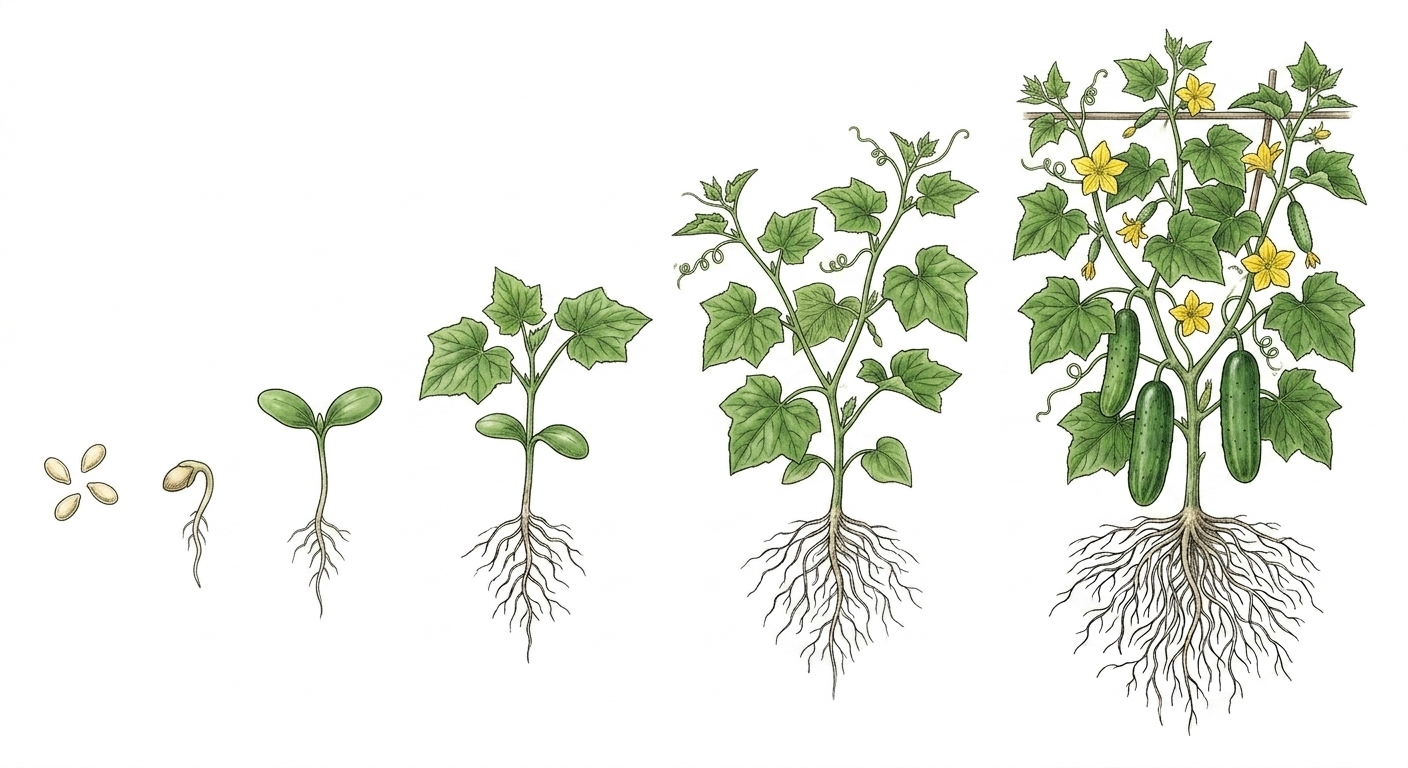
Growing Cucumbers: Starting, Supports and Harvest
Learn how to grow cucumbers successfully with indoor starting, transplanting, trellises, watering, and regular harvesting.
Guide
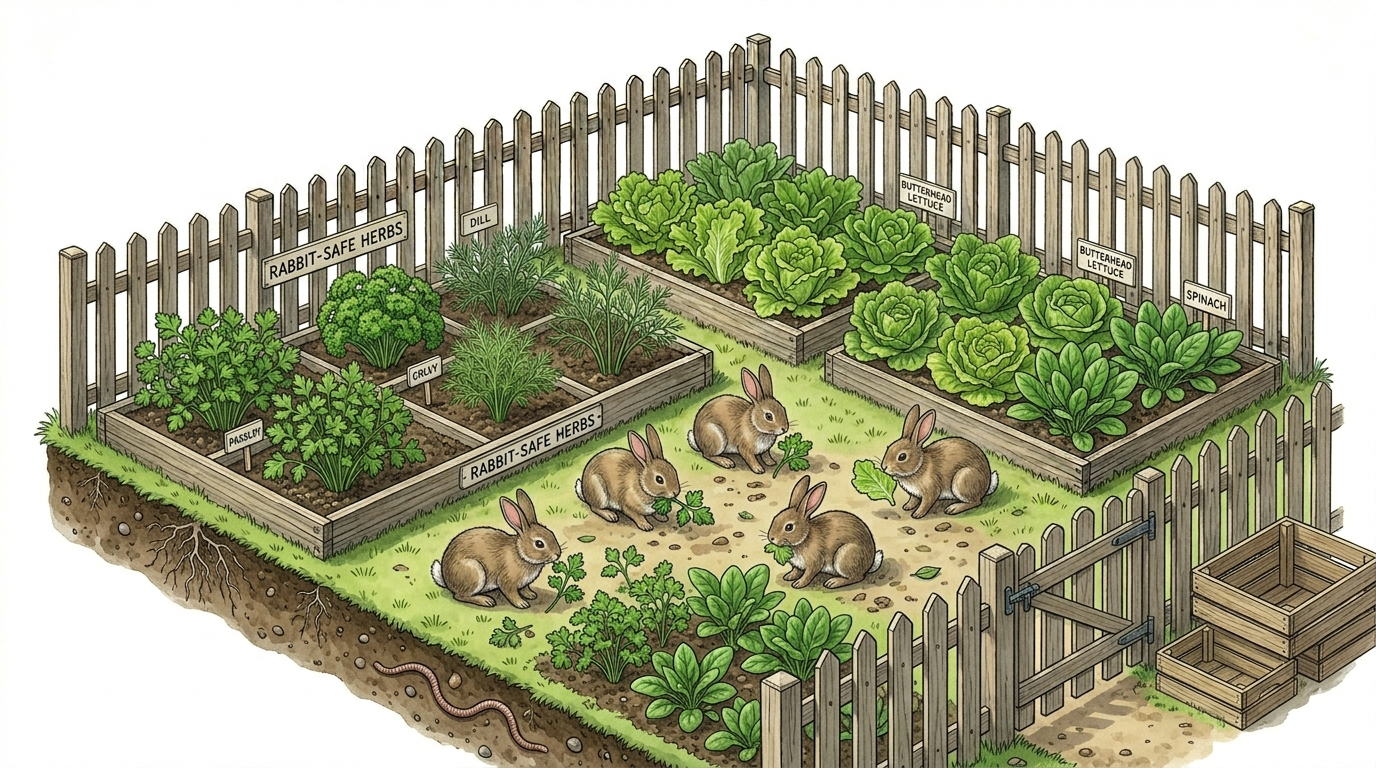
Rabbits in the Garden: Herbs and Vegetables
Learn how to choose suitable herbs and vegetables for rabbits, grow feeding plants, and plan a rabbit-friendly garden.
Guide
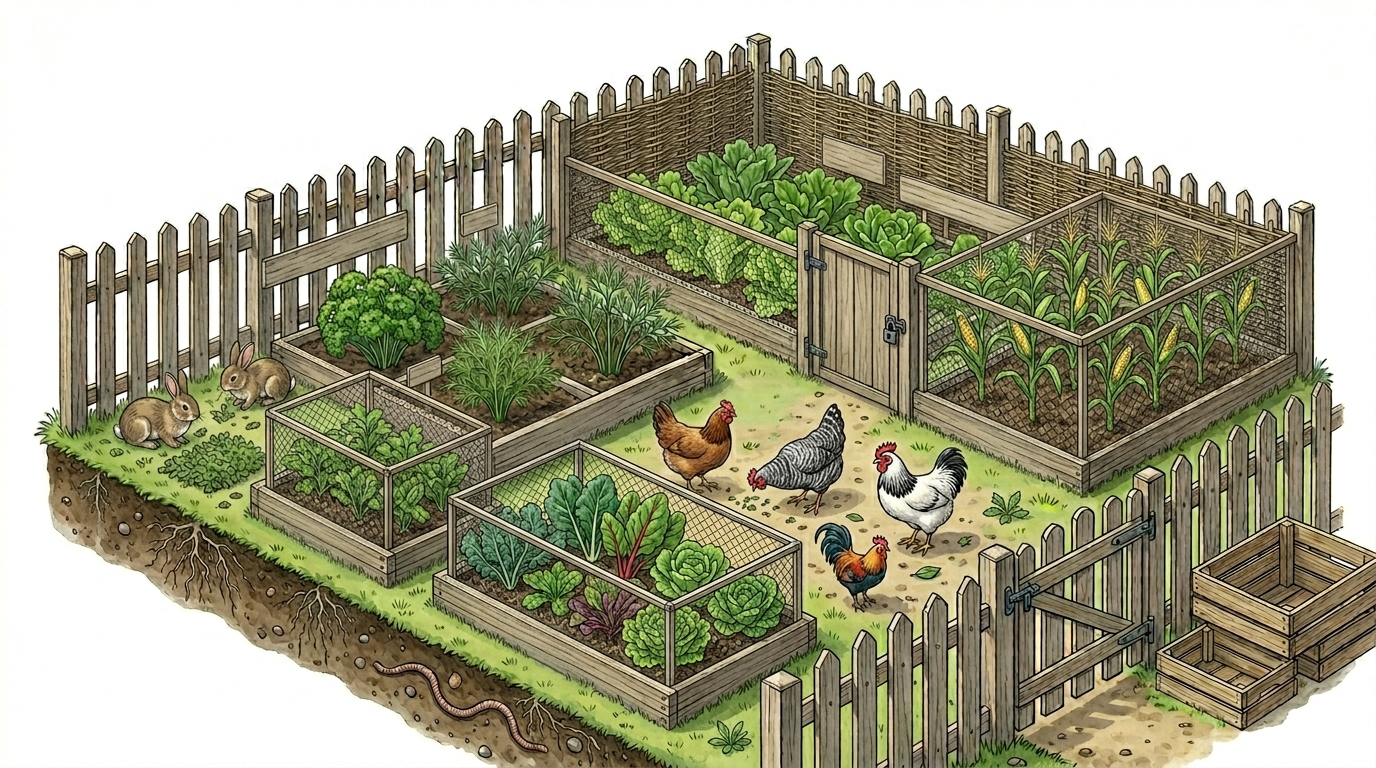
Chickens in the Garden: Safe Plants and Zones
Learn how to design a chicken-friendly garden with suitable plants, protected beds, and well-planned activity areas.
Guide
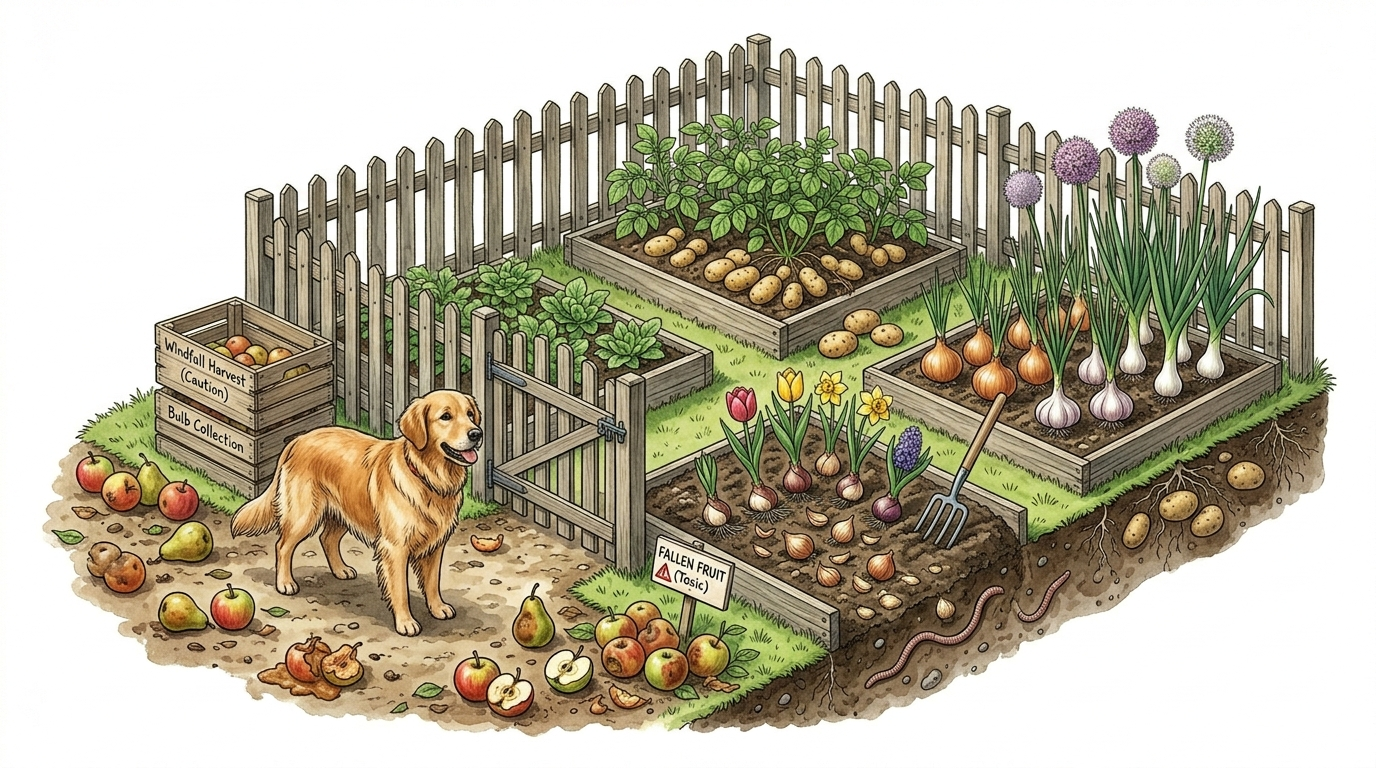
Dogs in the Garden: Windfall Fruit and Risks
Keep your garden dog-safe by managing windfall fruit, seeds, stored crops, and potentially problematic plant parts.
Internal links
Related plants
Sources
Public sources
- Wikidata search
Wikidata · 2026-05-13
- GBIF species match
GBIF · 2026-05-13
- GBIF species match
GBIF · 2026-05-13