Plant Profile
OreganoOriganum vulgare
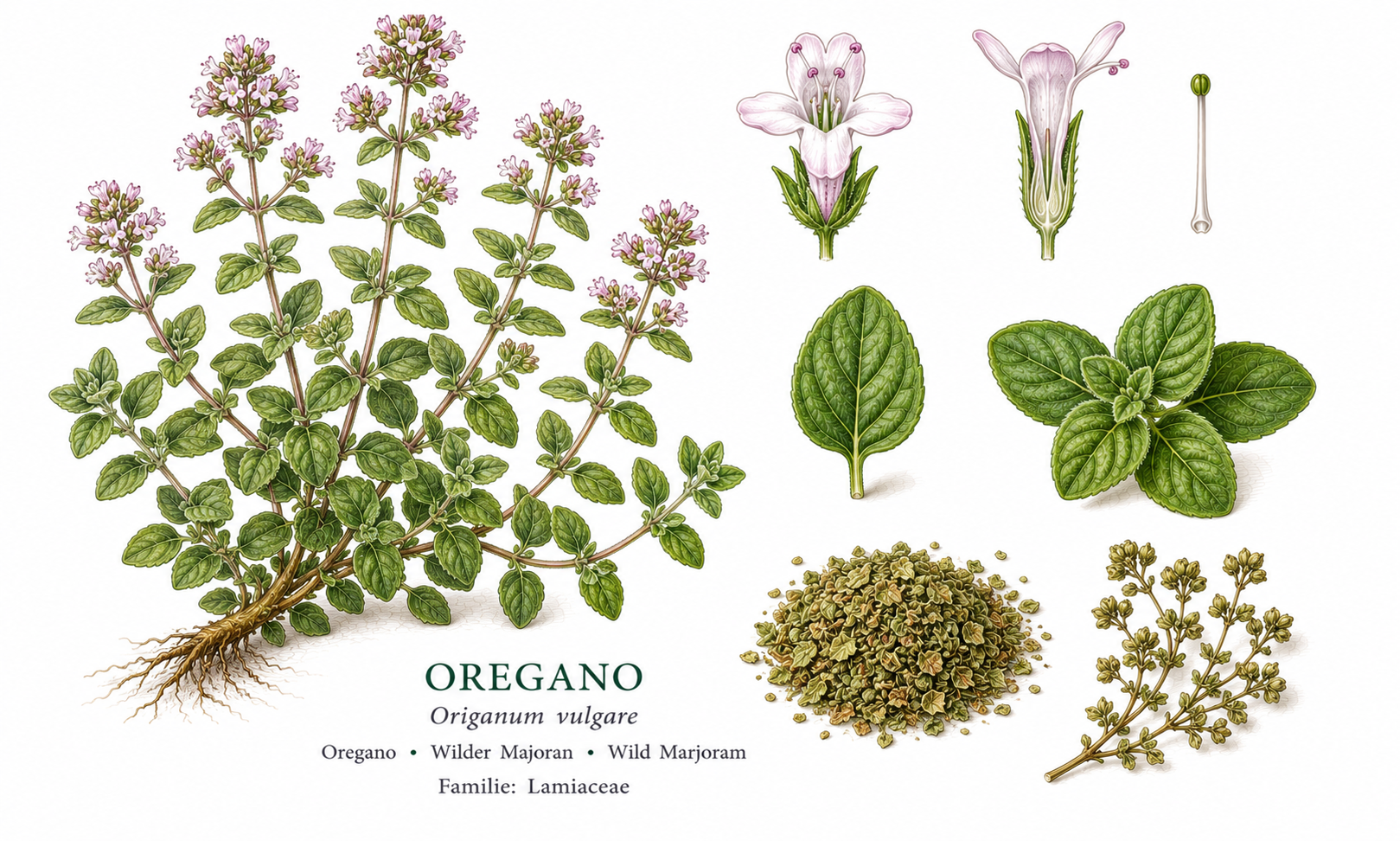
Oregano, also known as wild marjoram, is an indispensable classic of the Mediterranean herb garden. It impresses not only with its tart aroma but is also one of the most valuable pollinator plants during midsummer.
Quick profile
Key data
Suitable growing locations:
Good neighbors
CabbageZucchini
Avoid
Garlic
Indoor & direct sowing
Oregano: Sowing and germination
Pre-culture on the windowsill possible from February.
Direct sowing outdoors after the last frost.
Planting & site
Oregano: Planting and spacing
Planting out pre-grown herbs from mid-May.
Site & practical notes
Title: Aroma Secret, Text: Harvest oregano in the midday sun when the essential oil content is at its peak.
Temperature & frost
Oregano: Temperature and site
Water & nutrients
Oregano: Water, nutrients and care
Container & growth
Oregano: Container, support and growth
Year plan
Oregano Calendar
Recurring tasks
Relevant now
June
- No additional single task
Next up
July
- No additional single task
Monthly tasks
Single tasks from monthly data; repeated seasonal windows are shown in the overview above.
January
Quiet month
February
No additional single task
March
Pruning
- PruningRemove dead plant parts to make room for new growth.
April
No additional single task
May
No additional single task
June
No additional single task
August
No additional single task
September
No additional single task
October
No additional single task
November
Quiet month
December
Quiet month
Flowering & pollination
Oregano Flowering & pollination
Flowering period
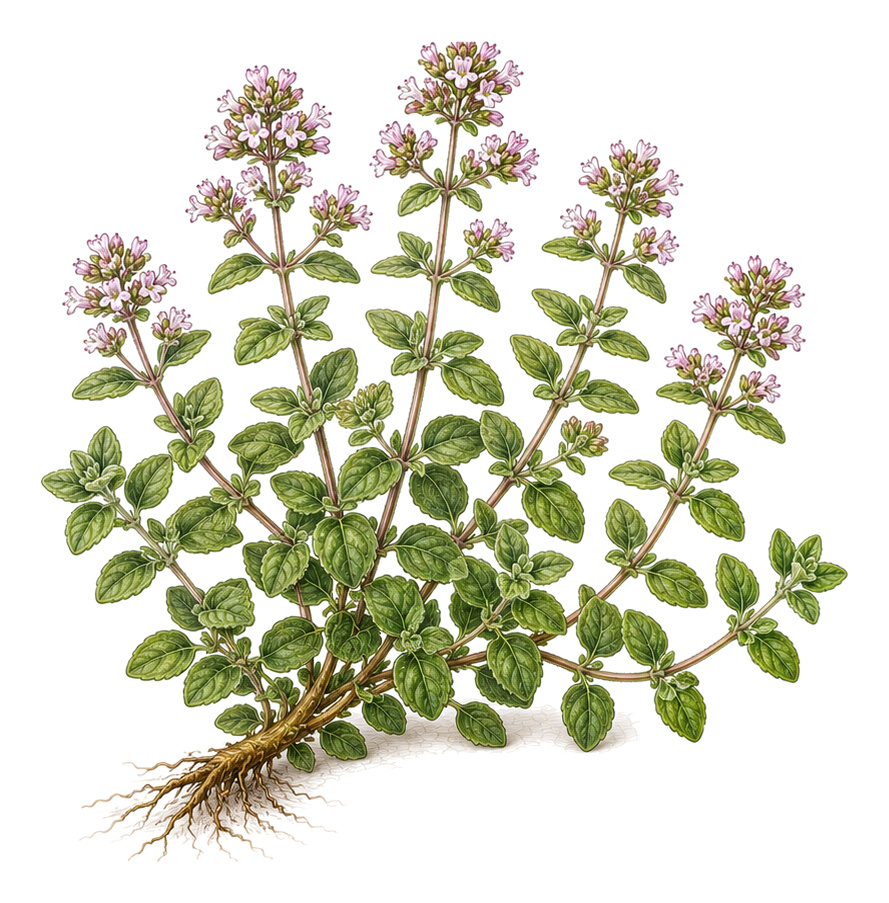
Months: 6, 7, 8, 9, Notes: The pink to purple flowers appear in dense cymes.
Flower color
Pink, Purple, White
Self-fertility
partial
Pollinator needed
yes
Overview
Excellent bee pasture; visited by a wide variety of insects.
Notes
Particularly attractive to honeybees, wild bees, hoverflies, and butterflies.
Pruning & care
Oregano Pruning & care
Pruning type
regeneration_pruning
Pruning timing
Spring maintenance and growth stimulation Radical pruning of old stems to 5 cm above ground before new growth starts.
Harvesting and deadheading Pruning by about one third after flowering encourages a second flush of fresh leaves.
Remove
Preserve
Avoid
Tools and hygiene
Use sharp, clean bypass pruners to avoid crushing the herbaceous shoots.
Companion guide
Oregano Companion guide
Good neighbors
CabbageZucchini
Avoid
Garlic
Use & storage
Oregano Use & storage
Best harvest time just before or during flowering.
Storage
Dry pantry or frozen goods
Storage life
Dried approx. 1-2 years with full aroma; frozen approx. 6-12 months.
Primary use
Culinary spice
Flavor
Spicy, tart-aromatic, slightly pungent
Harvest
Best harvest time just before or during flowering.
Processing
After harvest
Use fresh or bundle and hang upside down in a shaded, airy place for preservation.
Edibility & safety
Oregano Edibility & safety
For people
In brief: which parts are edible, which parts remain risky, and whether raw consumption makes sense.
Safety notes
Non-toxic for humans; caution is advised with pets (especially cats) due to essential oils.
Animal safety
For animals, the specific plant part matters here: some parts may be suitable, while others should be avoided. At least one critical rating is listed for 11 animal types.
Each row shows which parts are more suitable and which parts are critical.
Companion animals
 Dog
DogNo suitable parts listed
Leaves, Flowers, Young shoot tips
No suitable parts listed
Leaves, Flowers, Young shoot tips
Ingestion of plant parts
Vomiting, Diarrhea
contact a vet if symptoms appear
Oregano contains essential oils that can cause gastrointestinal irritation in dogs. The leaves, flowers, and young shoot tips are considered toxic. Ingestion may lead to vomiting and diarrhea. If symptoms persist, a veterinarian should be consulted.
Open animal page Cat
CatNo suitable parts listed
Leaves, Flowers, Young shoot tips
No suitable parts listed
Leaves, Flowers, Young shoot tips
Ingestion of plant parts
Vomiting, Diarrhea
 Rabbit
No suitable parts listed
No risk parts listed
No suitable parts listed
No risk parts listed
 Guinea pig
No suitable parts listed
No risk parts listed
No suitable parts listed
No risk parts listed
 Hamster
Leaves, Flowers
Heavily woody stems at the base
Leaves, Flowers
Heavily woody stems at the base
High concentration of essential oils, Excessive consumption
Gastrointestinal upset, Diarrhea, Vomiting
 Budgie
No suitable parts listed
Leaves, Flowers, Young shoot tips
No suitable parts listed
Leaves, Flowers, Young shoot tips
Small body size increases sensitivity to essential oils
Vomiting, Diarrhea
contact a vet if symptoms appear
Oregano contains essential oils that can cause gastrointestinal irritation in budgies. While not classified as highly toxic, ingestion is not recommended due to the risk of stomach upset.
Open animal pageFarm animals
 Horse
HorseNo suitable parts listed
Leaves, Flowers, Young shoot tips
No suitable parts listed
Leaves, Flowers, Young shoot tips
Ingestion of fresh or dried herb
Mild vomiting, Diarrhea
contact a vet if symptoms appear
Ingestion may cause mild gastrointestinal upset. No parts are considered safe for equine consumption.
Open animal page Chicken
Leaves, Flowers
Heavily woody stems at the base, Seeds
Leaves, Flowers
Heavily woody stems at the base, Seeds
Indigestible plant material
Mild vomiting, Diarrhea
contact a vet if symptoms appear
Oregano is not recommended for chickens due to the potential risk of essential oils in the plant material.
Open animal page Duck
DuckLeaves, Flowers
Heavily woody stems at the base
Leaves, Flowers
Heavily woody stems at the base
Excessive consumption, Sensitivity to essential oils
Gastrointestinal irritation, Vomiting, Diarrhea
observe
>Oregano leaves and flowers are edible for ducks in small amounts, but essential oils may cause gastrointestinal upset if overconsumed. Woody stems should be avoided. No duck-specific sources found; classification based on general plant toxicity and known waterfowl dietary patterns.
Open animal page Goose
GooseLeaves, Flowers
Heavily woody stems at the base
Leaves, Flowers
Heavily woody stems at the base
Excessive consumption, Sensitivity to essential oils
Gastrointestinal irritation, Vomiting, Diarrhea
observe
No direct species-specific source was found for geese. This is a cautious inference from the ducks profile and the known plant-part risks.
Open animal page Sheep
SheepLeaves, Flowers
Heavily woody stems at the base
Leaves, Flowers
Heavily woody stems at the base
Excessive consumption, Consumption of woody stems
Mild gastrointestinal irritation, Vomiting, Diarrhea
observe
Oregano is suitable for sheep in small amounts as supplemental feed, but essential oils may cause gastrointestinal upset if overconsumed. Woody stems should be avoided. Not for use as primary feed. Consult a veterinarian if symptoms persist.
Open animal page Goat
GoatLeaves, Flowers
Heavily woody stems at the base
Leaves, Flowers
Heavily woody stems at the base
 Cattle
Leaves, Flowers
No risk parts listed
Leaves, Flowers
No risk parts listed
 Pig
PigLeaves, Flowers
Heavily woody stems at the base
Leaves, Flowers
Heavily woody stems at the base
These guidelines are for general information only and do not replace veterinary diagnosis. If critical plant parts were ingested or the animal shows unusual behaviour or symptoms, seek veterinary advice.
Max risk
4 / 5
Highest status
toxic
Urgency
contact a vet if ingested
Saving seed
Oregano Saving seed
Seed viability
2 - 5 years
Method
Cut entire flower heads and shake them out over a cloth.
Practical tips
Oregano Practical tips
Common beginner mistakes
Too much fertilizer leads to soft tissue and poor aroma.
Success pattern
Sunny spot, lean soil, minimal watering.
High-impact tips
Harvest tips regularly to encourage bushy growth.
Grower observations
In very wet winters, the roots suffer more than from the cold.
Plant Profile
Additional plant images

Health
Pests, Diseases
Plant health
Diagnosis help
Oregano Diagnosis help
Pest groups
Disease groups
Prevention
Diagnosis
In case of wilting, check soil moisture first; often too much water is the issue.
Cultural prevention
Monitoring
Weekly check for aphids in May/June
First response
Diagnostic rules
Small white dots on leaves
Possible causes: Cicadellidae, Thrips
- Check undersides of leaves for small insects
- Observe flight activity when touched
FAQ
Is oregano winter hardy?
Yes, oregano is very hardy in Central Europe, but should be protected from freezing through when in a pot.
Is Oregano safe for Dog?
Oregano is classified as toxic for Dog. Risk: 4 / 5. Urgency: contact a vet if symptoms appear. Oregano contains essential oils that can cause gastrointestinal irritation in dogs. The leaves, flowers, and young shoot tips are considered toxic. Ingestion may lead to vomiting and diarrhea. If symptoms persist, a veterinarian should be consulted.
Is Oregano safe for Cat?
Oregano is classified as toxic for Cat. Risk: 4 / 5. Urgency: contact a vet if ingested. Symptoms are usually mild and self-limiting.
Is Oregano safe for Rabbit?
Oregano is classified as not established for Rabbit. Risk: unknown. Urgency: unknown. No reliable species-specific assessment is available.
Is Oregano safe for Horse?
Oregano is classified as toxic for Horse. Risk: 4 / 5. Urgency: contact a vet if symptoms appear. Ingestion may cause mild gastrointestinal upset. No parts are considered safe for equine consumption.
Guides
Related guides
Guide
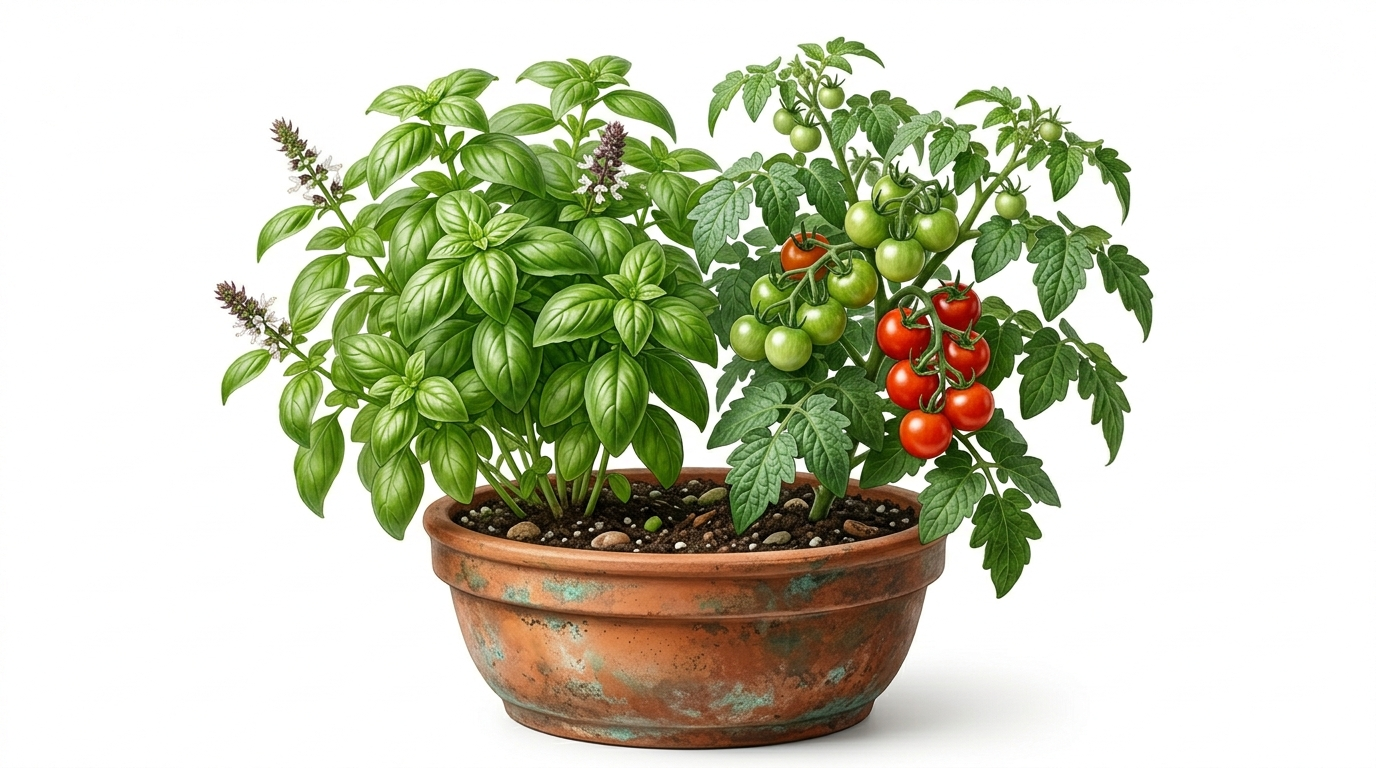
Growing Basil: Site, Watering and Harvesting
Learn how to grow basil successfully with the right site, steady watering, regular harvesting, and tips to delay flowering.
Guide
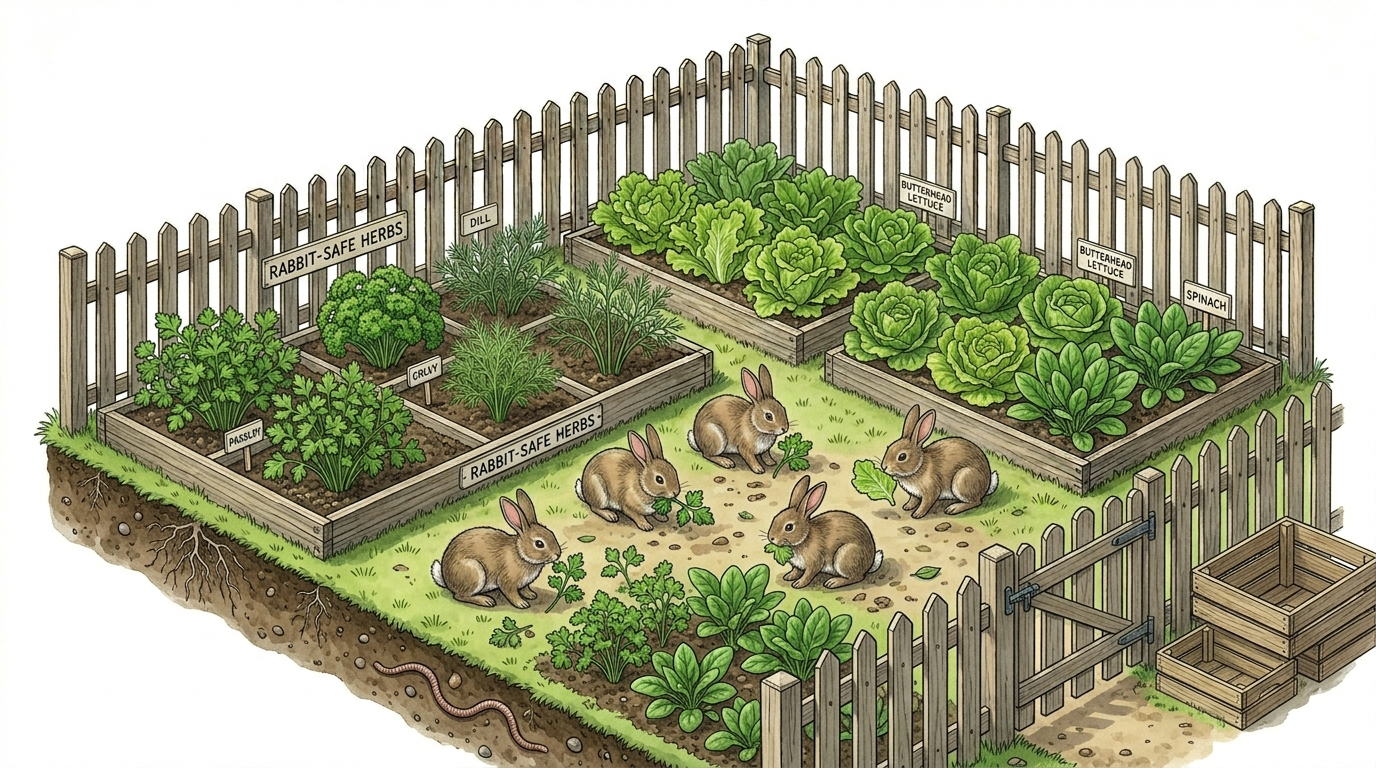
Rabbits in the Garden: Herbs and Vegetables
Learn how to choose suitable herbs and vegetables for rabbits, grow feeding plants, and plan a rabbit-friendly garden.
Guide
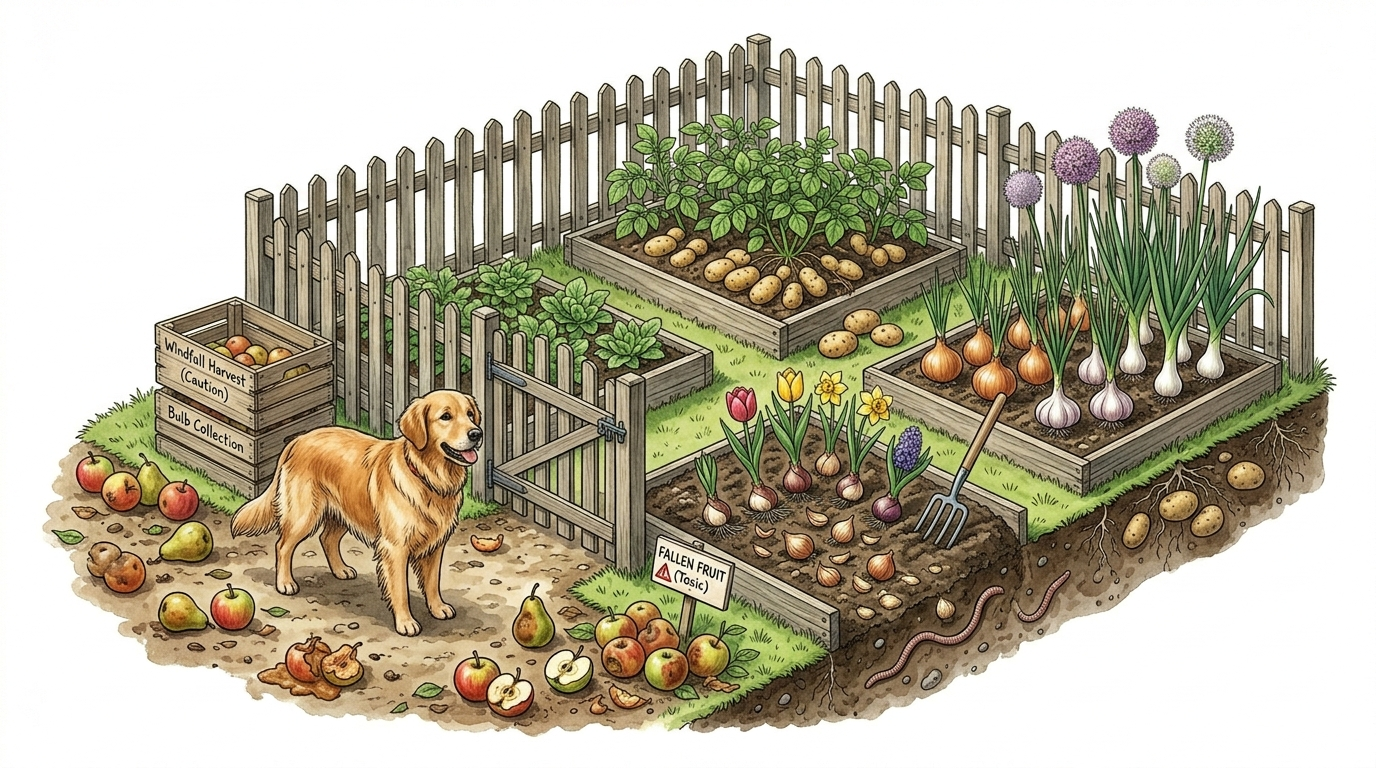
Dogs in the Garden: Windfall Fruit and Risks
Keep your garden dog-safe by managing windfall fruit, seeds, stored crops, and potentially problematic plant parts.
Guide
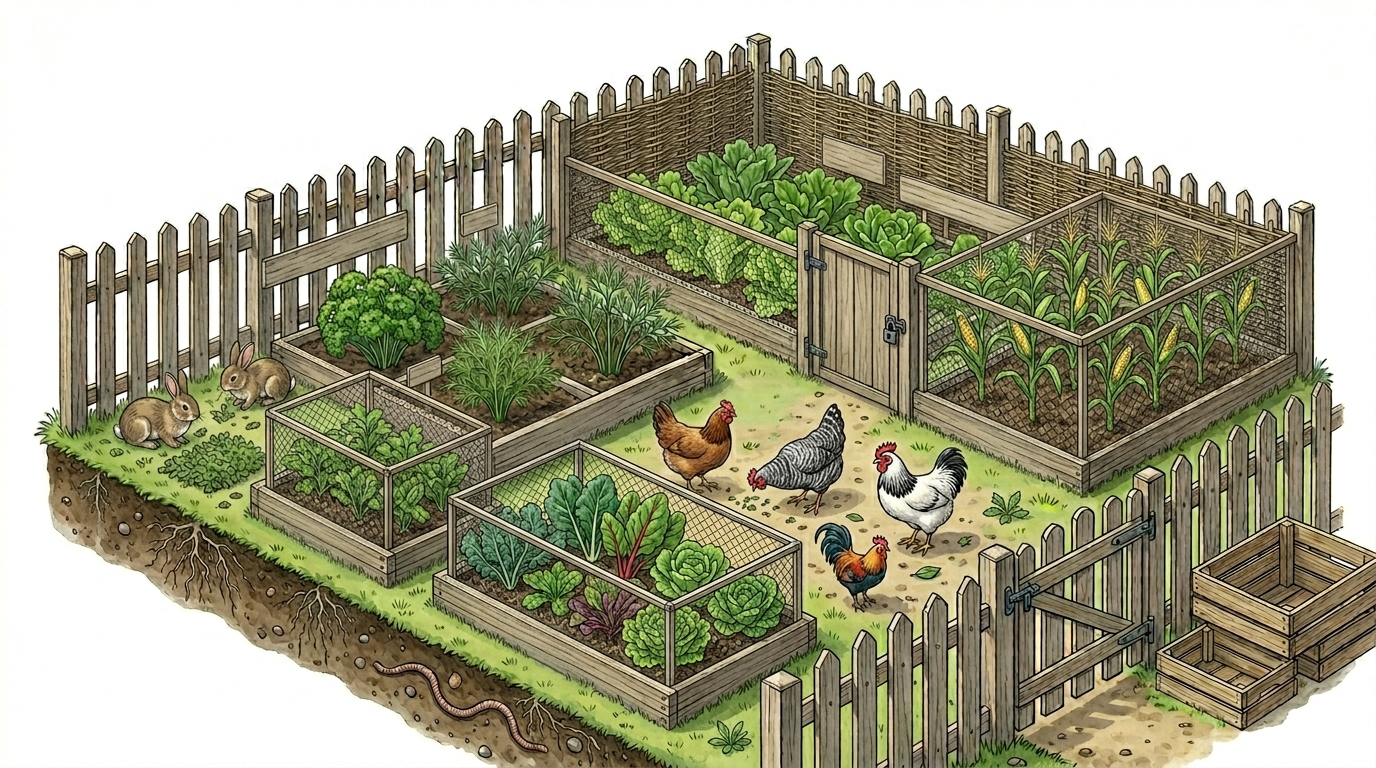
Chickens in the Garden: Safe Plants and Zones
Learn how to design a chicken-friendly garden with suitable plants, protected beds, and well-planned activity areas.
Internal links
Related plants
Mint
Rosemary
Root rot
Lavender
Thyme
Thyme
Similar site requirements and usage.
Sage
Both belong to the mint family (Lamiaceae).
Winter Savory
Both are used for robust, savory dishes.
Sweet Marjoram
Marjoram is usually annual and milder; oregano is perennial and more pungent.
Sources
Public sources
- Wikidata entity
Wikidata · 2026-05-14
- GBIF species match
GBIF · 2026-05-14
- Deutschsprachige Wikipedia: Oregano
Wikipedia · 2026-05-14
- English Wikipedia: Oregano
Wikipedia · 2026-05-14