Plant Profile
YarrowAchillea
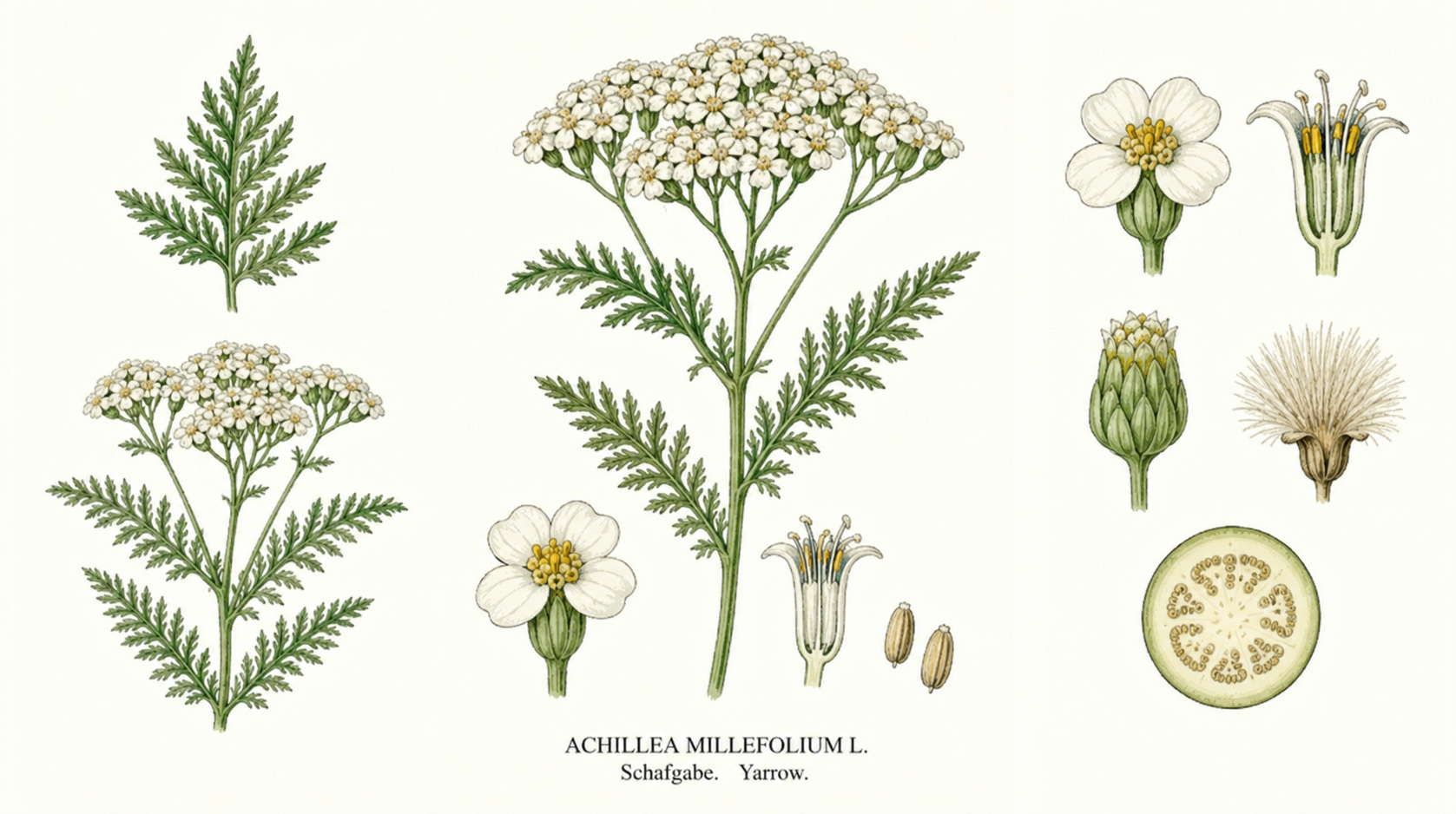
Yarrow (Achillea millefolium) is a perennial herbaceous plant native to Europe and Asia. It is known for its feathery leaves and umbrella-shaped flower clusters, available in various colors from white to pink and red. Yarrow is extremely undemanding and thrives in sunny locations on almost any well-draining soil. It is drought-resistant and low-maintenance, making it an ideal plant for sunny borders, rock gardens, and as a cut flower. Traditionally, it is used as a medicinal herb for digestive issues and wound healing. Its flowers and leaves are edible and can be used sparingly in the kitchen. Yarrow is an important attractant for beneficial insects and promotes biodiversity in the garden.
Quick profile
Key data
Suitable growing locations:
Indoor & direct sowing
Yarrow: Sowing and germination
Yarrow is generally not started indoors.
Direct sowing into the open ground is possible. Sow thinly and cover lightly with soil.
Planting & site
Yarrow: Planting and spacing
As yarrow is usually sown directly, transplanting is not necessary.
Site & practical notes
Temperature & frost
Yarrow: Temperature and site
Water & nutrients
Yarrow: Water, nutrients and care
Container & growth
Yarrow: Container, support and growth
Year plan
Yarrow Calendar
From spring to autumn, the decorative flower clusters adorn the beds and serve as an important food source for insects.
Relevant now
June
- Divide older plantsFor rejuvenation and propagation. Water well after division.
- Harvest leaves and flowersflowering: Regular harvesting keeps the plant compact.
Next up
July
- Harvest leaves and flowersflowering: Can be harvested multiple times a year.
- Deadhead spent flowersEncourages a second bloom.
Monthly tasks
Single tasks from monthly data; repeated seasonal windows are shown in the overview above.
January
Quiet month
February
Quiet month
March
Direct sowing
- Sow seeds outdoorsSow thinly and cover lightly with soil.
Growing
- Prepare soilLoosen the soil and remove weeds.
April
Direct sowing
- Sow seeds outdoorsSow thinly and cover lightly with soil.
Growing
- Weed controlWeed regularly to avoid competition.
May
Harvest
- First harvest of leaves and flowersBest harvested on a sunny morning.
Growing
- Deadhead spent flowersPromotes reblooming and prevents self-seeding.
June
Planting
- Divide older plantsFor rejuvenation and propagation. Water well after division.
Harvest
- Harvest leaves and flowersflowering: Regular harvesting keeps the plant compact.
August
Planting
- Divide older plantsFor rejuvenation and propagation. Water well after division.
Harvest
- Harvest leaves and flowersflowering: Last harvest before winter.
September
Direct sowing
- Sow seeds outdoorsSowing for the next season.
Planting
- Cut back plantsIf plants look untidy or have self-seeded excessively.
October
Direct sowing
- Sow seeds outdoorsLate autumn sowing for early spring growth.
November
Quiet month
December
Quiet month
Flowering & pollination
Yarrow Flowering & pollination
Self-fertility
partial
Pollinator needed
yes
Overview
Yarrow is predominantly cross-pollinated but also sets seed through self-pollination. Pollination is carried out by insects.
Notes
Bees, hoverflies, and other insects visit the flowers and are important pollinators.
Companion guide
Yarrow Companion guide
Use & storage
Yarrow Use & storage
Flowers and leaves can be harvested during the flowering period. Best harvested on a sunny morning.
Storage
Store dry, cool, and dark.
Storage life
Up to 1-2 years if stored correctly.
Harvest
Flowers and leaves can be harvested during the flowering period. Best harvested on a sunny morning.
Processing
After harvest
Harvested plant parts should be dried quickly to preserve their active compounds. Hang to dry or spread on a rack.
Edibility & safety
Yarrow Edibility & safety
For people
In brief: which parts are edible, which parts remain risky, and whether raw consumption makes sense.
Safety notes
Yarrow is generally considered non-toxic. However, sensitive individuals may experience skin reactions. Do not use during pregnancy without medical advice.
Animal safety
For animals, the specific plant part matters here: some parts may be suitable, while others should be avoided. At least one critical rating is listed for 10 animal types.
Each row shows which parts are more suitable and which parts are critical.
Companion animals
 Dog
DogNo suitable parts listed
Leaves, Flowers, Stems
No suitable parts listed
Leaves, Flowers, Stems
Fresh plant material, Dried plant material, Skin contact in sensitive dogs
Vomiting, Diarrhea, Drooling
contact a vet if symptoms appear
Yarrow contains glycoalkaloids and other compounds that can cause gastrointestinal upset and skin irritation in dogs. Young leaves and flowers, while edible for humans, are not suitable for dogs. If ingested, monitor for symptoms and contact a veterinarian if symptoms persist or are severe. Skin contact may cause irritation in sensitive animals.
Open animal page Cat
CatNo suitable parts listed
Leaves, Flowers, Stems
No suitable parts listed
Leaves, Flowers, Stems
Young plants may contain higher concentrations of glycoalkaloids, Cats may be exposed through chewing or playing with the plant
vomiting, diarrhea, drooling
contact a vet if symptoms appear
Toxic principles include glycoalkaloids which can cause gastrointestinal irritation and dermatitis. No safe parts known for cats. Contact vet if symptoms appear after exposure.
Open animal page Rabbit
No suitable parts listed
No risk parts listed
No suitable parts listed
No risk parts listed
unknown
Young leaves and flowers can be given occasionally as a treat in small amounts. Sensitive animals may experience gastrointestinal upset or skin reactions. Not suitable as main feed. Pregnant animals should not be fed.
Open animal page Guinea pig
No suitable parts listed
No risk parts listed
No suitable parts listed
No risk parts listed
unknown
No direct evidence found for guinea pigs. Based on toxicity in similar small mammals (rabbits) and the presence of glycoalkaloids, a conservative classification as not recommended is made. While young leaves and flowers are noted as edible, the risk of irritation or poisoning outweighs any potential benefit.
Open animal page Hamster
No suitable parts listed
Leaves, Flowers, Stems
No suitable parts listed
Leaves, Flowers, Stems
Sensitivity to glycoalkaloids, Gastrointestinal irritation
Vomiting, Diarrhea, Colic
contact a vet if symptoms appear
Yarrow contains glycoalkaloids and other compounds that can cause gastrointestinal upset in hamsters. While direct studies on hamsters are lacking, a conservative assessment is made based on toxicity in similar small mammals and known active principles. Young leaves and flowers, although edible for humans, are not suitable for hamsters.
Open animal page Budgie
No suitable parts listed
No risk parts listed
No suitable parts listed
No risk parts listed
unknown
No direct budgie-specific sources found. Based on toxicity to mammals (dog, cat, horse) and the presence of glycoalkaloids and sesquiterpene lactones, a conservative classification as not recommended is made. While young leaves and flowers may be edible for humans, ingestion poses a risk for budgies.
Open animal pageFarm animals
 Horse
HorseNo suitable parts listed
Leaves, Flowers, Stems
No suitable parts listed
Leaves, Flowers, Stems
Fresh plant, Dried plant in hay, Sensitive animals
vomiting, diarrhea, colic
contact a vet if ingested
Yarrow contains glycoalkaloids and other compounds that are toxic to horses. All plant parts should be considered potentially hazardous. Contact a veterinarian if ingestion is suspected.
Open animal page Chicken
No suitable parts listed
No risk parts listed
No suitable parts listed
No risk parts listed
unknown
No chicken-specific sources found. Based on toxicity to dogs, cats, and horses and the presence of glycoalkaloids, a conservative classification as not recommended is made. Although young leaves and flowers may be edible, the risk of toxicosis outweighs any benefit for chickens.
Open animal page Duck
DuckNo suitable parts listed
Leaves, Flowers, Stems
No suitable parts listed
Leaves, Flowers, Stems
Ingestion of plant parts, Sensitive individuals
Vomiting, Diarrhea, Colic
contact a vet if symptoms appear
No direct species-specific source was found for ducks. This is a cautious inference from the geese profile and the known plant-part risks.
Open animal page Goose
GooseNo suitable parts listed
Leaves, Flowers, Stems
No suitable parts listed
Leaves, Flowers, Stems
Ingestion of plant parts, Sensitive individuals
Vomiting, Diarrhea, Colic
contact a vet if symptoms appear
No species-specific sources found for geese. Based on toxicity in related species (horses, dogs, cats) and the presence of glycoalkaloids and sesquiterpene lactones, a conservative classification as not recommended is made. While young leaves and flowers may be edible, the risk of toxicosis outweighs any benefit for feeding.
Open animal page Sheep
SheepNo suitable parts listed
Leaves, Flowers, Stems
No suitable parts listed
Leaves, Flowers, Stems
grazing animals, fresh or hay feeding, sensitive animals
vomiting, diarrhea, colic
contact a vet if symptoms appear
Yarrow contains glycoalkaloids and sesquiterpene lactones that can cause gastrointestinal upset and skin irritation in sheep. While not classified as highly toxic, ingestion is not recommended due to potential mild to moderate toxicity. Young leaves and flowers are occasionally used in very small amounts as herbs, but routine feeding should be avoided.
Open animal page Goat
GoatLeaves (young), Flowers
No risk parts listed
Leaves (young), Flowers
No risk parts listed
sensitive animals, high feeding amount, flowering period
vomiting, diarrhea, colic
contact a vet if symptoms appear
Yarrow contains glycoalkaloids and other compounds that can cause gastrointestinal upset in goats if consumed in excess. Young leaves and flowers are suitable in small amounts as supplemental feed but should not be used as a primary feed. Consult a veterinarian if signs of poisoning appear.
Open animal page Cattle
No suitable parts listed
Leaves, Flowers, Stems
No suitable parts listed
Leaves, Flowers, Stems
grazing animals, fresh feeding, hay contamination
vomiting, diarrhea, colic
contact a vet if symptoms appear
Yarrow contains potentially toxic compounds for cattle such as glycoalkaloids and sesquiterpene lactones. Although direct cattle studies are lacking, caution is warranted due to toxicity in horses and similar mammals. Consumption should be avoided. If ingested, monitor for symptoms and contact a veterinarian if symptoms occur.
Open animal page Pig
PigNo suitable parts listed
Leaves, Flowers, Stems
No suitable parts listed
Leaves, Flowers, Stems
Ingestion of plant parts, Sensitive animals
Vomiting, Diarrhea, Colic
contact a vet if symptoms appear
Yarrow contains glycoalkaloids and other compounds that can cause gastrointestinal upset and skin irritation in pigs. While specific swine data is limited, toxicity in related livestock (horses, cattle, sheep, goats) supports a conservative classification. Young leaves and flowers are sometimes consumed by humans but are not suitable for pigs.
Open animal pageThese guidelines are for general information only and do not replace veterinary diagnosis. If critical plant parts were ingested or the animal shows unusual behaviour or symptoms, seek veterinary advice.
Max risk
4 / 5
Highest status
toxic
Urgency
contact a vet if ingested
Saving seed
Yarrow Saving seed
Seed viability
2 - 3 years
Practical tips
Yarrow Practical tips
Common beginner mistakes
Success pattern
High-impact tips
Grower observations
Health
Pests, Diseases
Plant health
Diagnosis help
Yarrow Diagnosis help
Pest groups
Disease groups
Prevention
Diagnosis
Diagnosis of problems in yarrow is based on observing symptoms such as discoloration, leaf loss, wilting, or the appearance of pests and pathogens. Accurate identification is important for correct control.
Cultural prevention
Monitoring
First response
Diagnostic rules
White, powdery coating on leaves and stems
Possible causes: Powdery mildew achillea
- Check humidity and air circulation.
- Evaluate location and plant spacing.
Orange to brown pustules on leaves
Possible causes: Rust achillea
- Examine infected leaves for signs of rust fungi.
- Consider weather conditions.
Wilting, yellowish discoloration, stunted growth
Possible causes: Root rot achillea
- Check soil moisture, look for waterlogging.
- Examine roots for rot (if possible).
FAQ
How do I care for yarrow?
Yarrow is very low-maintenance. It needs full sun, well-draining soil, and little water. Remove spent flower heads to encourage reblooming and prevent self-seeding. Divide plants every few years to maintain vigor.
Can yarrow be eaten?
Yes, the young leaves and flowers of yarrow are edible. They have a slightly bitter, aromatic flavor and can be used sparingly in salads, soups, or as a spice. It is also traditionally used as a medicinal herb.
What diseases or pests affect yarrow?
Yarrow is generally robust. It can be susceptible to powdery mildew, especially with poor air circulation. Waterlogging can cause root rot. Aphids may occasionally infest young shoots but are usually easily controlled biologically.
When and how should I sow yarrow?
Yarrow can be sown directly outdoors in spring (March-May) or autumn (September-October). The seeds are light germinators and should only be thinly covered with soil or pressed in. Keep the soil moist until germination occurs.
Is Yarrow safe for Dog?
Yarrow is classified as toxic for Dog. Risk: 4 / 5. Urgency: contact a vet if symptoms appear. Yarrow contains glycoalkaloids and other compounds that can cause gastrointestinal upset and skin irritation in dogs. Young leaves and flowers, while edible for humans, are not suitable for dogs. If ingested, monitor for symptoms and contact a veterinarian if symptoms persist or are severe. Skin contact may cause irritation in sensitive animals.
Is Yarrow safe for Cat?
Yarrow is classified as toxic for Cat. Risk: 4 / 5. Urgency: contact a vet if symptoms appear. Toxic principles include glycoalkaloids which can cause gastrointestinal irritation and dermatitis. No safe parts known for cats. Contact vet if symptoms appear after exposure.
Is Yarrow safe for Rabbit?
Yarrow is classified as not established for Rabbit. Risk: unknown. Urgency: unknown. Young leaves and flowers can be given occasionally as a treat in small amounts. Sensitive animals may experience gastrointestinal upset or skin reactions. Not suitable as main feed. Pregnant animals should not be fed.
Is Yarrow safe for Horse?
Yarrow is classified as toxic for Horse. Risk: 4 / 5. Urgency: contact a vet if ingested. Yarrow contains glycoalkaloids and other compounds that are toxic to horses. All plant parts should be considered potentially hazardous. Contact a veterinarian if ingestion is suspected.
Guides
Related guides
Guide
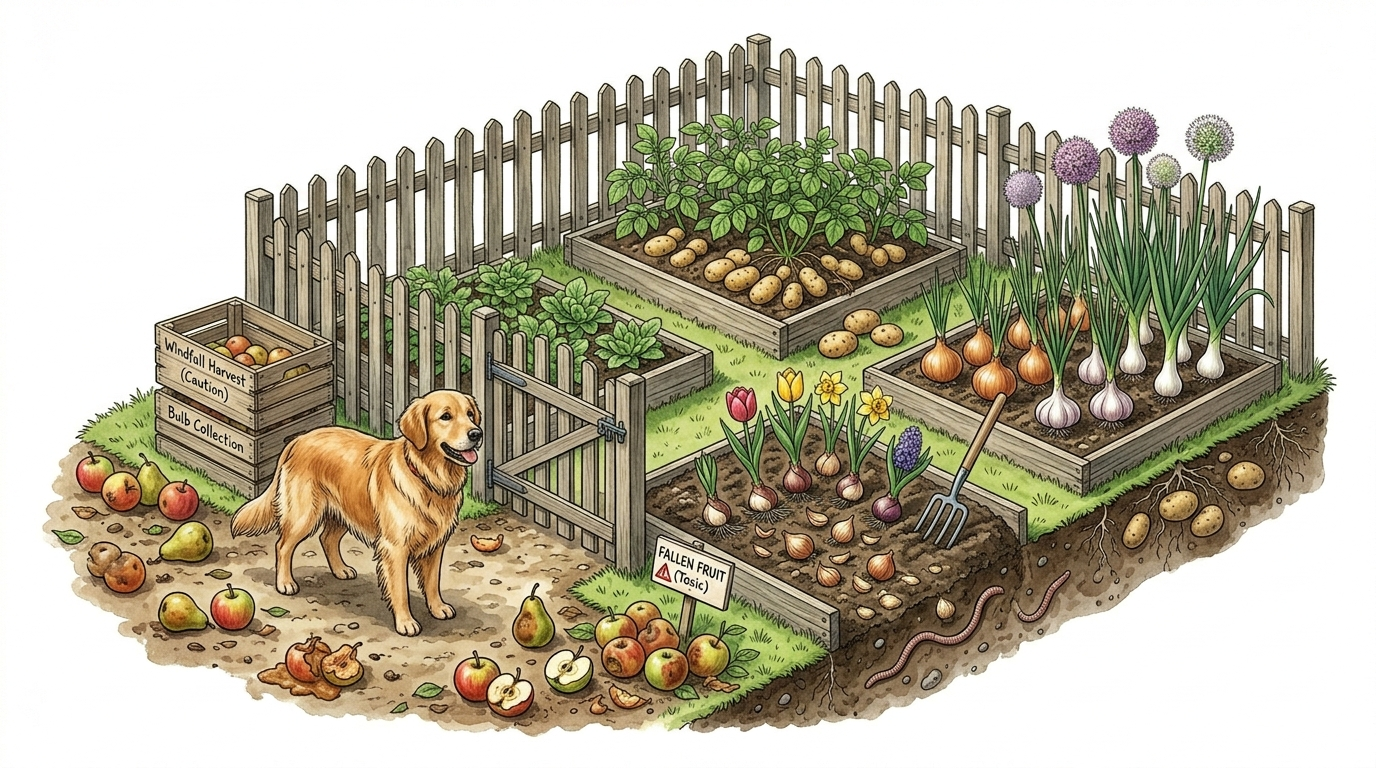
Dogs in the Garden: Windfall Fruit and Risks
Keep your garden dog-safe by managing windfall fruit, seeds, stored crops, and potentially problematic plant parts.
Guide
Horse Pastures and Garden Plants: Safety Checks
Learn how to identify risks near horse pastures, fences, turnout areas, fruit trees, and garden planting zones.
Guide
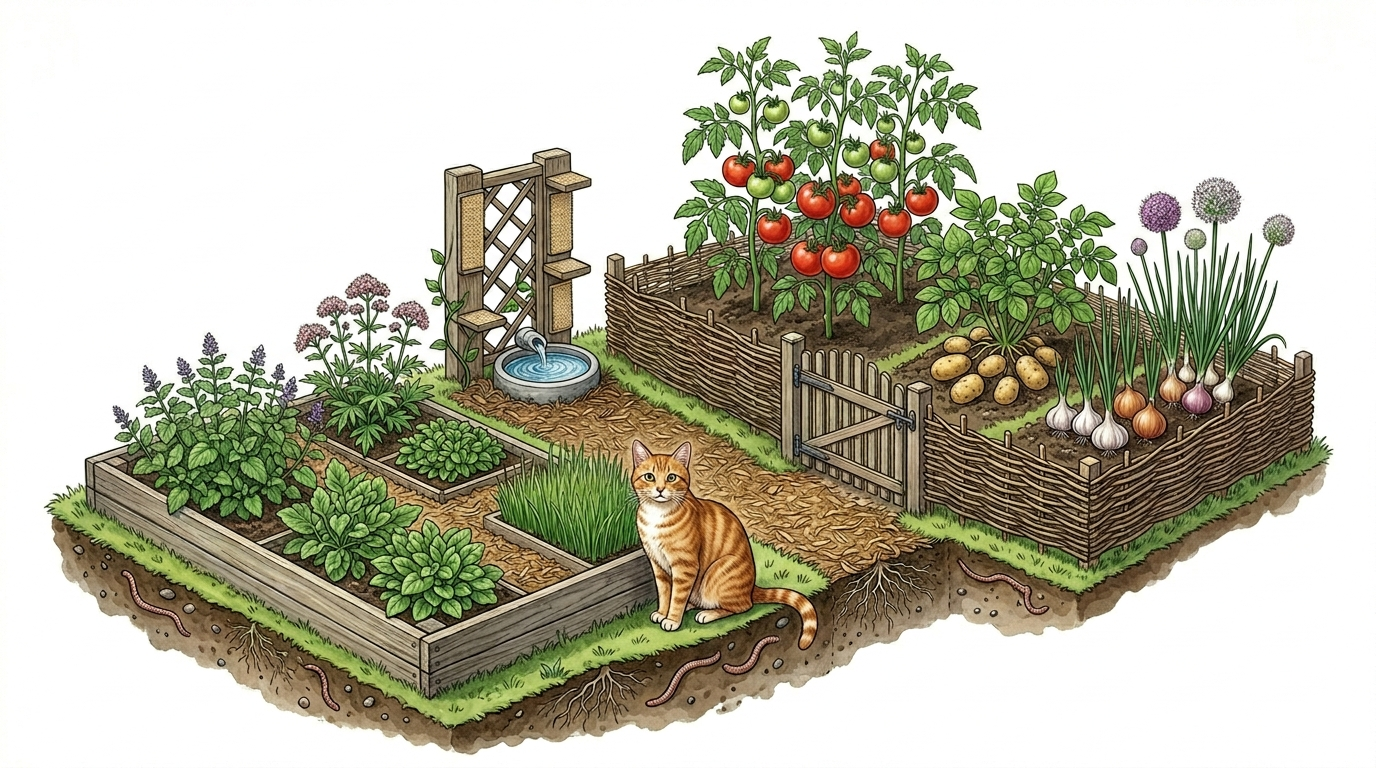
Toxic Garden Plants for Cats: Safer Planning
Learn which garden plants can be risky for cats, how to plan safer beds, and what to do if a cat eats a toxic plant.
Guide
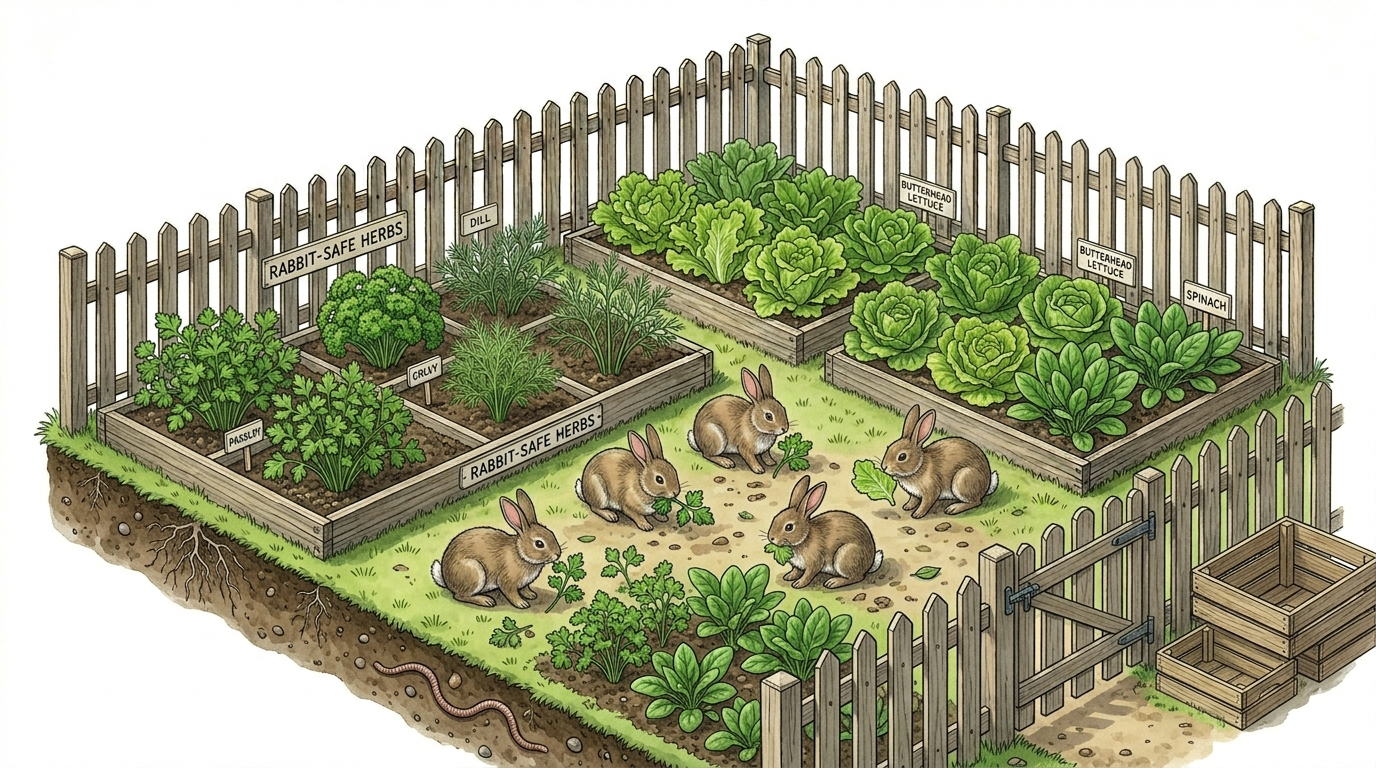
Rabbits in the Garden: Herbs and Vegetables
Learn how to choose suitable herbs and vegetables for rabbits, grow feeding plants, and plan a rabbit-friendly garden.
Internal links
Related plants
Chamomile
Both belong to the Asteraceae family.
Both belong to the Asteraceae family and are used as medicinal plants.
Sunflower
Both belong to the Asteraceae family.
Lavandula
Both are sun-loving, drought-tolerant perennials often used in similar garden designs.
Both are light feeders and prefer lean soils.
Coneflower
Both are popular medicinal herbs and ornamental perennials with similar site requirements.
Both are popular perennials with medicinal properties and similar flower shapes.
Thymus
Both are light feeders and require few nutrients.
common sage
Both are drought-tolerant and do not tolerate waterlogging.
Both are undemanding, drought-tolerant, and used in folk medicine.
Black-eyed Susan
Similar flowering time and use as a cut flower and beneficial insect attractant.
Sources
Public sources
- Wikidata entity
Wikidata · 2026-05-15
- GBIF species match
GBIF · 2026-05-15
- Deutschsprachige Wikipedia: Schafgarben
Wikipedia · 2026-05-15
- English Wikipedia: Achillea
Wikipedia · 2026-05-15