Plant Profile
SambucusSambucus
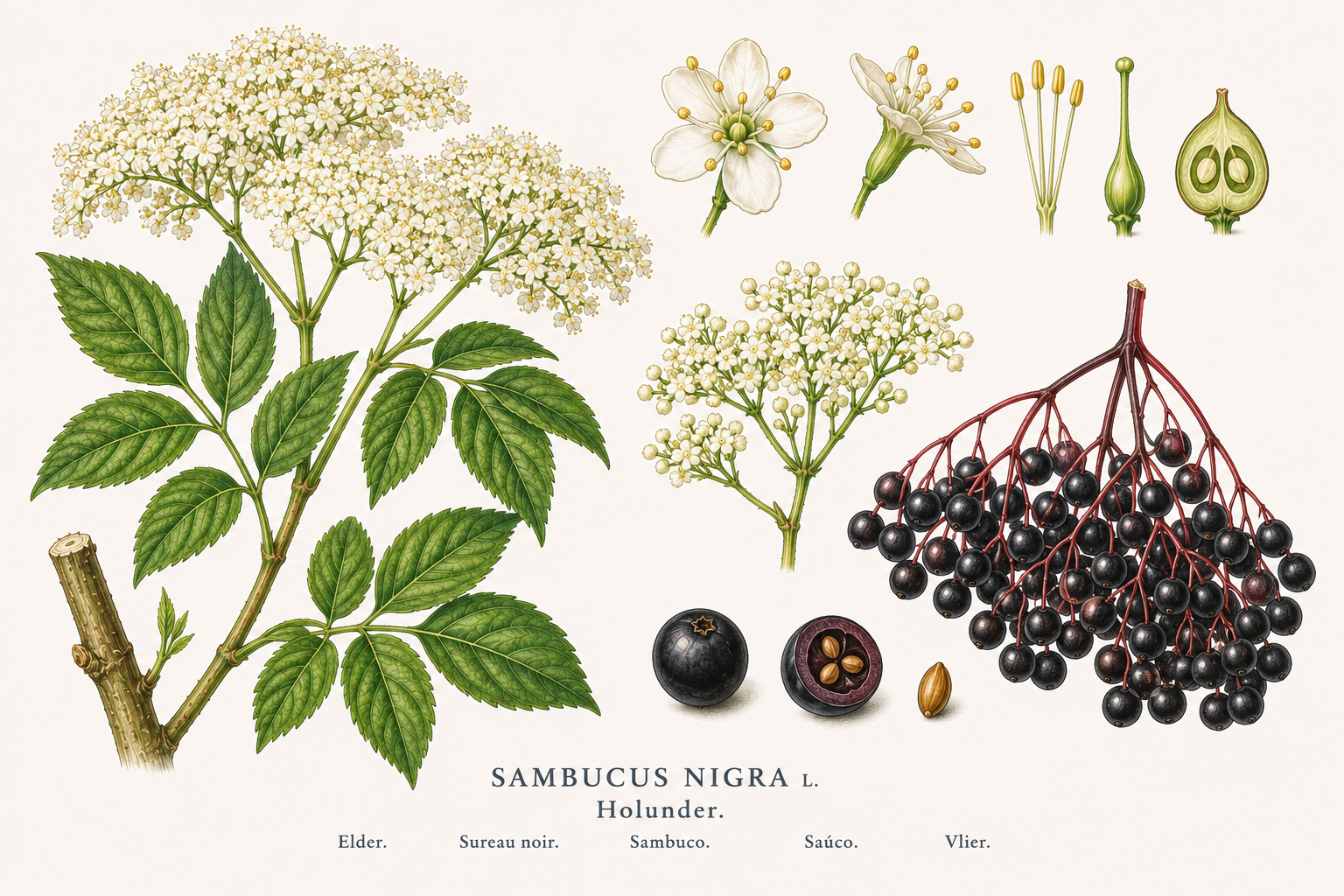
Elder is a fast-growing native shrub valued for its edible flowers and berries. It is robust, easy to care for, and offers valuable ecological benefits. Ideal for naturalistic gardens and for producing juices, syrups, and jellies.
Quick profile
Key data
Suitable growing locations:
Good neighbors
Herbs (e.g., Thyme, Rosemary, Sage)BeansStrawberry
Indoor & direct sowing
Sambucus: Sowing and germination
Elder is generally not started indoors.
Sowing seeds is possible, but germination can be irregular. Young plants or cuttings are often used.
Planting & site
Sambucus: Planting and spacing
Young plants or cuttings can be planted in spring or autumn.
Site & practical notes
Elder is very undemanding and grows almost anywhere. Ensure sufficient space as it grows large quickly. Raw berries are mildly toxic and should only be consumed cooked. Flowers and ripe berries are edible and versatile.
Temperature & frost
Sambucus: Temperature and site
Water & nutrients
Sambucus: Water, nutrients and care
Container & growth
Sambucus: Container, support and growth
Year plan
Sambucus Calendar
In early summer, the creamy white flowers attract bees and butterflies, while in autumn, the dark berries draw in birds.
Recurring tasks
Relevant now
June
- No additional single task
Next up
July
- Harvest flowersBlütezeit: Best harvested on a dry morning.
Monthly tasks
Single tasks from monthly data; repeated seasonal windows are shown in the overview above.
January
Quiet month
February
Quiet month
March
Pruning
- Pruning for shaping and stimulating growthRuhephase: Remove dead or damaged branches. Cut back inward-growing shoots.
April
Growing
- Mulch for moisture retention and weed suppressionBoden ist feucht: Use organic mulch materials like bark chips or compost.
May
Quiet month
June
Quiet month
August
No additional single task
September
No additional single task
October
No additional single task
November
Pruning
- Cut back spent flower stalks if necessaryNach der Blüte: This can help improve appearance and encourage new bud formation.
December
Quiet month
Flowering & pollination
Sambucus Flowering & pollination
Self-fertility
self-fertile
Pollinator needed
no
Overview
Elder is predominantly self-fertile, but benefits from cross-pollination by insects, which can lead to better fruit set.
Notes
Bees, flies, and beetles are important pollinators. A garden that is friendly to insects promotes pollination.
Pruning & care
Sambucus Pruning & care
Pruning type
renewal pruning
Pruning timing
Basic pruning for shaping and rejuvenation, removal of old shoots. Before bud break, once the harshest frosts have passed.
Thinning and removal of excess growth, promoting air circulation. After flowering or after harvesting flowers, to avoid impacting berry formation.
Remove
Preserve
Avoid
Tools and hygiene
Clean and disinfect pruning tools before and after use, especially after cutting diseased branches, to prevent disease spread.
Companion guide
Sambucus Companion guide
Good neighbors
Herbs (e.g., Thyme, Rosemary, Sage)BeansStrawberry
Use & storage
Sambucus Use & storage
Flowers in early summer, berries from late summer to autumn.
Storage
Cool, dry, dark for dried goods; process fresh or refrigerate.
Storage life
Dried flowers: up to 1 year. Processed products: depending on type (e.g., syrup several months, jam up to 2 years).
Harvest
Flowers in early summer, berries from late summer to autumn.
Processing
After harvest
Process or dry flowers immediately. Handle berries carefully as they are delicate. Store chilled or process.
Edibility & safety
Sambucus Edibility & safety
For people
In brief: which parts are edible, which parts remain risky, and whether raw consumption makes sense.
Safety notes
Raw elderberries contain sambunigrin, which can cause gastrointestinal upset. They are safe after cooking. Leaves, stems, and roots are toxic.
Animal safety
For animals, the specific plant part matters here: some parts may be suitable, while others should be avoided. At least one critical rating is listed for 14 animal types.
Each row shows which parts are more suitable and which parts are critical.
Companion animals
 Dog
Dogflowers, ripe berries (cooked)
raw berries, leaves, stems
flowers, ripe berries (cooked)
raw berries, leaves, stems
consumption of raw parts, access to unsupervised plants
vomiting, diarrhea, gastrointestinal upset
observe
Ripe, cooked elderberries and flowers can be given in small amounts as a treat. Raw berries, leaves, stems, and roots contain sambunigrin and cause gastrointestinal upset. No indications of severe poisoning in dogs, but caution is advised.
Open animal page Cat
CatFlowers, Ripe berries (cooked)
Raw berries, Leaves, Stems
Flowers, Ripe berries (cooked)
Raw berries, Leaves, Stems
Consuming raw or unripe plant parts, Access to wild-growing elder
Vomiting, Diarrhea, Gastrointestinal upset
observe
Cooked ripe berries and flowers can be given in small amounts as treats. Raw berries, leaves, stems, and roots contain sambunigrin and may cause gastrointestinal upset. If raw parts are ingested, observe and contact vet if symptoms persist.
Open animal page Rabbit
Flowers, Ripe berries (cooked)
Raw berries, Leaves, Stems
Flowers, Ripe berries (cooked)
Raw berries, Leaves, Stems
Consuming raw or unripe plant parts, Overconsumption of cooked berries
Gastrointestinal upset, Diarrhea
observe
Cooked ripe elderberries and flowers can be given to rabbits occasionally as a treat. Raw berries, leaves, stems, and roots contain sambunigrin and are toxic. If toxic parts are ingested, observe for symptoms and consult a veterinarian if symptoms persist.
Open animal page Guinea pig
Flowers, Ripe berries (cooked)
Raw berries, Leaves, Stems
Flowers, Ripe berries (cooked)
Raw berries, Leaves, Stems
Consuming raw or unripe plant parts, Overconsumption of cooked berries
Gastrointestinal upset, Vomiting, Diarrhea
observe
No direct species-specific source was found for guinea pigs. This is a cautious inference from the rabbits profile and the known plant-part risks.
Open animal page Hamster
Flowers, Ripe berries (cooked)
Raw berries, Leaves, Stems
Flowers, Ripe berries (cooked)
Raw berries, Leaves, Stems
Consuming raw or unripe plant parts, Overconsumption of cooked berries
Gastrointestinal upset, Vomiting, Diarrhea
observe
No direct species-specific source was found for hamsters. This is a cautious inference from the rabbits profile and the known plant-part risks.
Open animal page Budgie
Flowers, Ripe berries (cooked)
Raw berries, Leaves, Stems
Flowers, Ripe berries (cooked)
Raw berries, Leaves, Stems
Raw berries contain toxic sambunigrin, Leaves, stems, and roots are toxic
Gastrointestinal upset, Vomiting, Diarrhea
contact a vet if symptoms appear
Budgies can tolerate cooked elderberries and flowers in small amounts as treats. Raw berries, leaves, stems, and roots are toxic due to sambunigrin and can cause gastrointestinal upset. Only specific parts are suitable, with cooked berries and flowers occasionally given as treats. Overconsumption poses a medium risk for digestive issues. If symptoms occur, contact a veterinarian. As no species-specific studies…
Open animal pageFarm animals
 Horse
HorseFlowers, Ripe berries (cooked)
Raw berries, Leaves, Stems
Flowers, Ripe berries (cooked)
Raw berries, Leaves, Stems
Consuming raw or unripe plant parts, Ingesting leaves or stems while grazing
Gastrointestinal upset, Vomiting, Diarrhea
contact a vet if symptoms appear
Sambucus contains sambunigrin, which can cause gastrointestinal upset in horses. Cooked ripe berries and flowers can be given in small amounts as treats. Leaves, stems, roots, and raw berries should be avoided. Contact a veterinarian if symptoms occur.
Open animal page Chicken
Flowers, Ripe berries (cooked)
Raw berries, Leaves, Stems
Flowers, Ripe berries (cooked)
Raw berries, Leaves, Stems
Consuming raw or unripe plant parts, Overconsumption of cooked berries
Gastrointestinal upset, Vomiting, Diarrhea
observe
Cooked elderberries and flowers can be given as an occasional treat in small amounts. Raw berries, leaves, stems, and roots contain sambunigrin and are toxic. Monitor for symptoms if raw parts are ingested and consult a veterinarian if symptoms persist.
Open animal page Duck
DuckFlowers, Ripe berries (cooked)
Raw berries, Leaves, Stems
Flowers, Ripe berries (cooked)
Raw berries, Leaves, Stems
Consuming raw or unripe parts, Access to toxic plant parts such as leaves or stems
Gastrointestinal upset, Vomiting, Diarrhea
observe
For ducks, the same precautions apply as for other birds: cooked ripe berries and flowers can occasionally be given as treats, while raw berries, leaves, stems, and roots are toxic due to sambunigrin and can cause gastrointestinal upset. No duck-specific studies found, but conservative assessment based on general avian physiology and known plant toxicity. Flowers and cooked berries are likely safe in small amounts…
Open animal page Goose
GooseFlowers, Ripe berries (cooked)
Raw berries, Leaves, Stems
Flowers, Ripe berries (cooked)
Raw berries, Leaves, Stems
Raw consumption, Ingestion of leaves, stems, or roots
Gastrointestinal upset, Vomiting, Diarrhea
contact a vet if symptoms appear
Cooked ripe elderberries and flowers may be fed occasionally in small amounts as a treat. Raw berries, leaves, stems, and roots contain sambunigrin and are toxic. Consult a veterinarian if symptoms occur. No goose-specific studies available; classification based on general plant toxicity and similar avian species.
Open animal page Sheep
SheepFlowers, Ripe berries (cooked)
Raw berries, Leaves, Stems
Flowers, Ripe berries (cooked)
Raw berries, Leaves, Stems
Raw consumption of berries, leaves, stems, or roots
Gastrointestinal upset, Vomiting, Diarrhea
observe
Sambucus contains sambunigrin, which can cause gastrointestinal upset when consumed raw. Cooked ripe berries and flowers are tolerable in small amounts. Leaves, stems, and roots are toxic and should be avoided. Sheep may receive cooked berries as an occasional treat, but raw parts are not recommended.
Open animal page Goat
GoatNo suitable parts listed
Leaves, Stems, Raw berries
No suitable parts listed
Leaves, Stems, Raw berries
Access to leaves and stems, Consumption of raw berries, Lack of alternative forage
Gastrointestinal upset (vomiting, diarrhea), Weakness, Respiratory distress
contact a vet if ingested
Elder (Sambucus) contains cyanogenic glycosides (sambunigrin) in its leaves, stems, and raw berries, which can be toxic to goats. While cooked berries and flowers are considered safe for human consumption, feeding to goats is not recommended due to the toxicity of other plant parts and the risk of ingesting harmful compounds.
Open animal page Cattle
No suitable parts listed
Leaves, Stems, Bark
No suitable parts listed
Leaves, Stems, Bark
Access to plant material, Consumption of large quantities, Consumption of wilted plants (can increase toxicity)
Rapid breathing, Tremors, Weakness
emergency vet immediately
Elder (Sambucus) contains cyanogenic glycosides, particularly in leaves, stems, bark, roots, and raw berries. These can cause cyanide poisoning in cattle, which can be life-threatening. While cooked, ripe berries and flowers are edible for humans, they do not represent a suitable or safe feed source for cattle.
Open animal page Pig
PigFlowers, Ripe berries (cooked)
Raw berries, Leaves, Stems
Flowers, Ripe berries (cooked)
Raw berries, Leaves, Stems
Consumption of raw plant parts (leaves, stems, roots, raw berries), Foraging behavior of pigs
Gastrointestinal upset, Vomiting, Diarrhea
contact a vet if symptoms appear
Raw elderberries, leaves, stems, and roots contain sambunigrin, which can cause gastrointestinal upset in pigs. Cooked ripe berries and flowers are considered safe, but should only be offered in moderation as a treat. Due to the risk of ingesting toxic plant parts through foraging, the plant as a whole is not recommended for feeding.
Open animal pageThese guidelines are for general information only and do not replace veterinary diagnosis. If critical plant parts were ingested or the animal shows unusual behaviour or symptoms, seek veterinary advice.
Max risk
4 / 5
Highest status
toxic
Urgency
emergency vet immediately
Saving seed
Sambucus Saving seed
Seed viability
1 - 2 years
Practical tips
Sambucus Practical tips
Common beginner mistakes
Success pattern
High-impact tips
Grower observations
Health
Pests, Diseases
Pests
Aphids
Small, sap-sucking insects that colonize young shoots and leaves, weakening the plant. They can cause yellowed, deformed leaves and stunted growth.
Elder aphid
A specific aphid species that infests elder, causing shoot distortion and honeydew.
Spider mites
Small arachnids that appear in dry weather, leaving fine webbing on leaves. They suck plant sap and cause yellowish stippling.
Diseases
Elder rust
A fungal infection characterized by yellow-orange pustules on the underside of leaves and yellow spots on the upper surface. Can lead to premature leaf drop.
Powdery mildew
A fungal disease appearing as a white, powdery coating on leaves, stems, and flowers. Reduces photosynthesis and can lead to growth disorders.
Verticillium wilt
A soil-borne fungal disease that clogs the plant's vascular system. Leads to wilting shoots and leaf loss, often one-sided on the shrub.
Deficiencies
Iron deficiency
Causes chlorosis (yellowing) of young leaves, while the veins remain green. Often occurs on alkaline soils.
Magnesium deficiency
Leads to a characteristic interveinal chlorosis (yellowing between veins), usually starting on older leaves.
Plant health
Diagnosis help
Sambucus Diagnosis help
Pest groups
Disease groups
Prevention
Diagnosis
Accurate diagnosis often requires examining the symptoms, location of infestation, and environmental conditions. If in doubt, it is advisable to consult an expert or send in samples.
Cultural prevention
Monitoring
First response
Diagnostic rules
Yellow-orange pustules on leaf undersides, yellow spots on leaf topsides.
Possible causes: Elder rust
- Check humidity and air circulation.
- Remove infected leaves.
White, powdery coating on leaves and stems.
Possible causes: Powdery mildew
- Improve air circulation.
- Check for drought stress.
One-sided wilting of shoots, leaf loss.
Possible causes: Verticillium wilt
- Check soil moisture and drainage.
- Prune affected branches and disinfect tools.
Sticky shoots and leaves, visible small insects.
Possible causes: Aphids, Elder shoot aphid
- Identify the type of aphid.
- Rinse with water or use a mild soap solution.
FAQ
Are elderberries poisonous?
Raw elderberries contain sambunigrin and can cause gastrointestinal upset. They are safe and edible after cooking. Leaves, stems, and roots are toxic.
When is the best time to plant elder?
The best time to plant elder is in spring (March-April) or autumn (September-October), when the soil is moist but not frozen.
How do I prune elder correctly?
Elder benefits from annual renewal pruning in late winter (February-March), where about one-third of the oldest shoots are removed near the ground. This promotes new growth and fruiting.
Can elder grow in a container?
Due to its size and rapid growth, elder is not well-suited for container growing. It requires ample space for its roots and spreading canopy.
Is Sambucus safe for Dog?
Sambucus is classified as do not feed for Dog. Risk: unknown. Urgency: observe. Ripe, cooked elderberries and flowers can be given in small amounts as a treat. Raw berries, leaves, stems, and roots contain sambunigrin and cause gastrointestinal upset. No indications of severe poisoning in dogs, but caution is advised.
Is Sambucus safe for Cat?
Sambucus is classified as do not feed for Cat. Risk: unknown. Urgency: observe. Cooked ripe berries and flowers can be given in small amounts as treats. Raw berries, leaves, stems, and roots contain sambunigrin and may cause gastrointestinal upset. If raw parts are ingested, observe and contact vet if symptoms persist.
Is Sambucus safe for Rabbit?
Sambucus is classified as do not feed for Rabbit. Risk: unknown. Urgency: observe. Cooked ripe elderberries and flowers can be given to rabbits occasionally as a treat. Raw berries, leaves, stems, and roots contain sambunigrin and are toxic. If toxic parts are ingested, observe for symptoms and consult a veterinarian if symptoms persist.
Is Sambucus safe for Goat?
Sambucus is classified as toxic for Goat. Risk: 4 / 5. Urgency: contact a vet if ingested. Elder (Sambucus) contains cyanogenic glycosides (sambunigrin) in its leaves, stems, and raw berries, which can be toxic to goats. While cooked berries and flowers are considered safe for human consumption, feeding to goats is not recommended due to the toxicity of other plant parts and the risk of ingesting harmful compounds.
Guides
Related guides
Guide
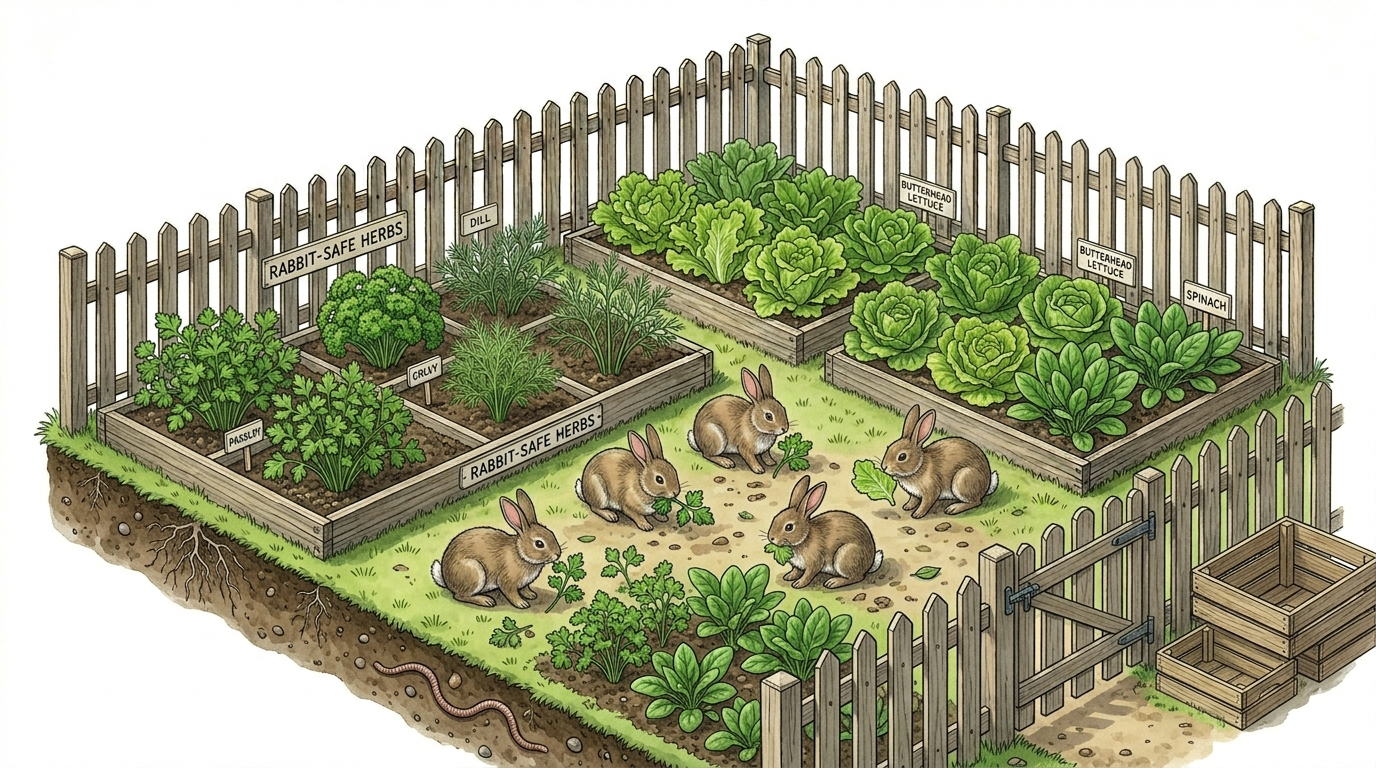
Rabbits in the Garden: Herbs and Vegetables
Learn how to choose suitable herbs and vegetables for rabbits, grow feeding plants, and plan a rabbit-friendly garden.
Guide
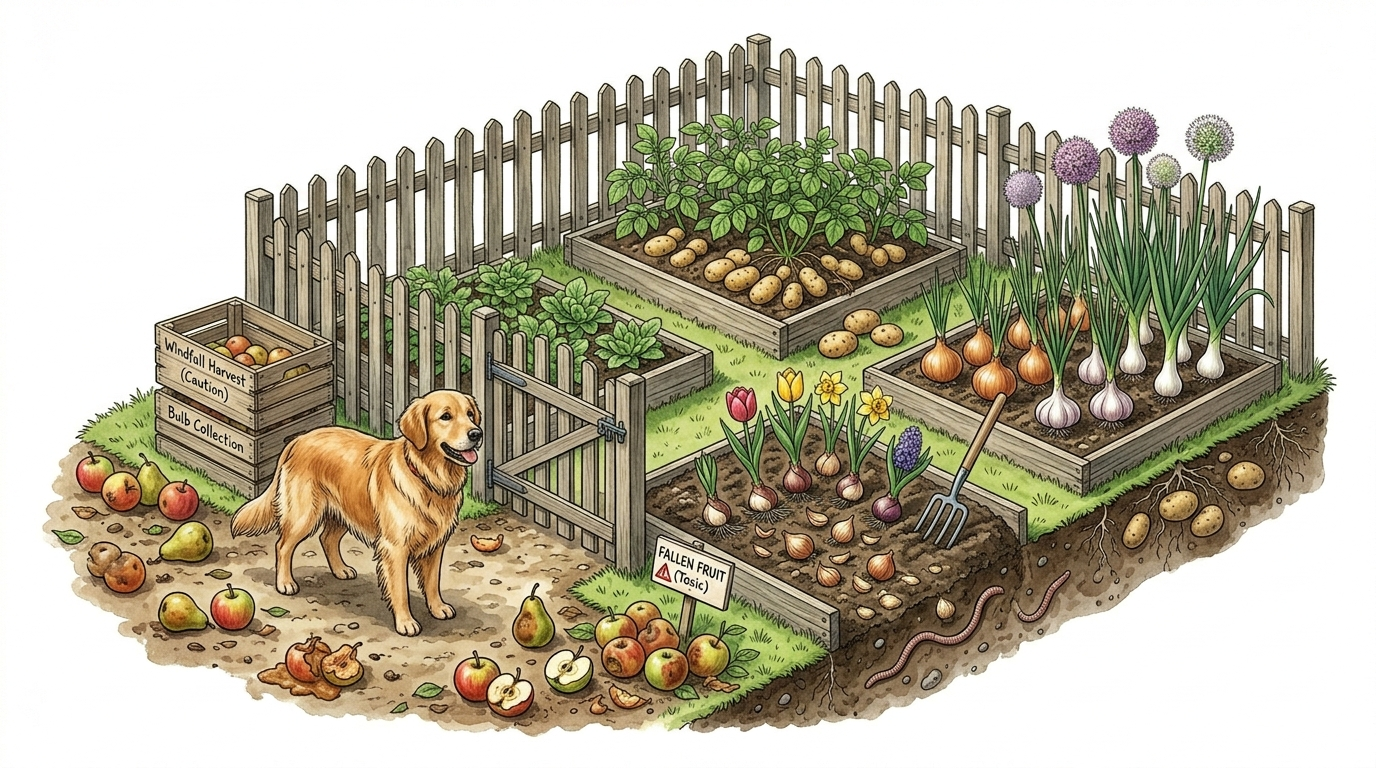
Dogs in the Garden: Windfall Fruit and Risks
Keep your garden dog-safe by managing windfall fruit, seeds, stored crops, and potentially problematic plant parts.
Guide
Horse Pastures and Garden Plants: Safety Checks
Learn how to identify risks near horse pastures, fences, turnout areas, fruit trees, and garden planting zones.
Guide
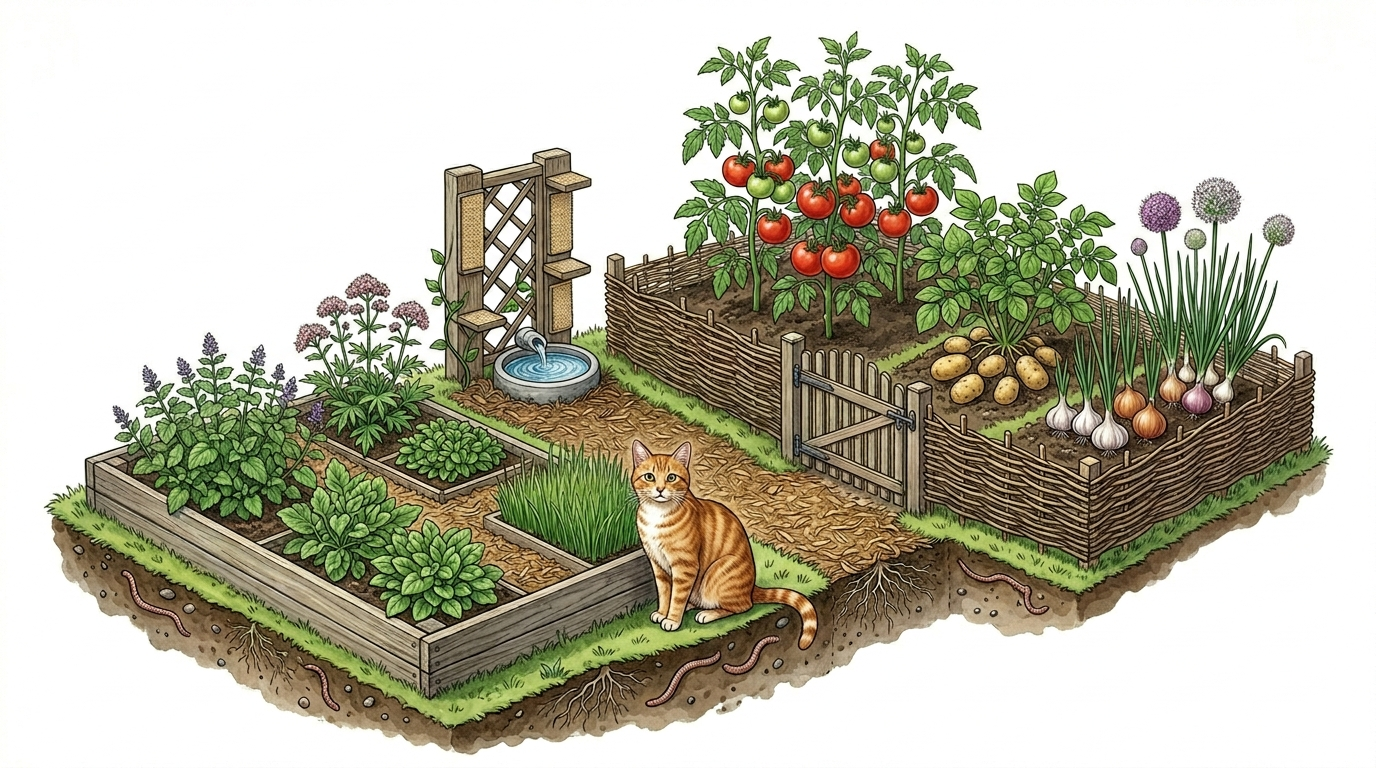
Toxic Garden Plants for Cats: Safer Planning
Learn which garden plants can be risky for cats, how to plan safer beds, and what to do if a cat eats a toxic plant.
Internal links
Related plants
Rubus
Both are native shrubs with edible fruits and provide habitat for birds.
Raspberry
Similar requirements for soil and location, also native and fruit-bearing.
Moschatel
Belongs to the same family (Adoxaceae) and shares some ecological characteristics.
Viburnum
Belongs to the same family (Adoxaceae) and exhibits similar flower and fruit forms.
Red currant
Both are used for jellies and juices.
Elderflower syrup
Direct product from elderflowers.
Black elder
The term 'elder' is often used synonymously with black elder, although other species exist.
Red elder
Similar growth habit and flowers, but with red berries and different characteristics.
Sources
Public sources
- Wikidata entity
Wikidata · 2026-05-13
- GBIF species match
GBIF · 2026-05-13
- Deutschsprachige Wikipedia: Holunder
Wikipedia · 2026-05-13
- English Wikipedia: Sambucus
Wikipedia · 2026-05-13