Plant Profile
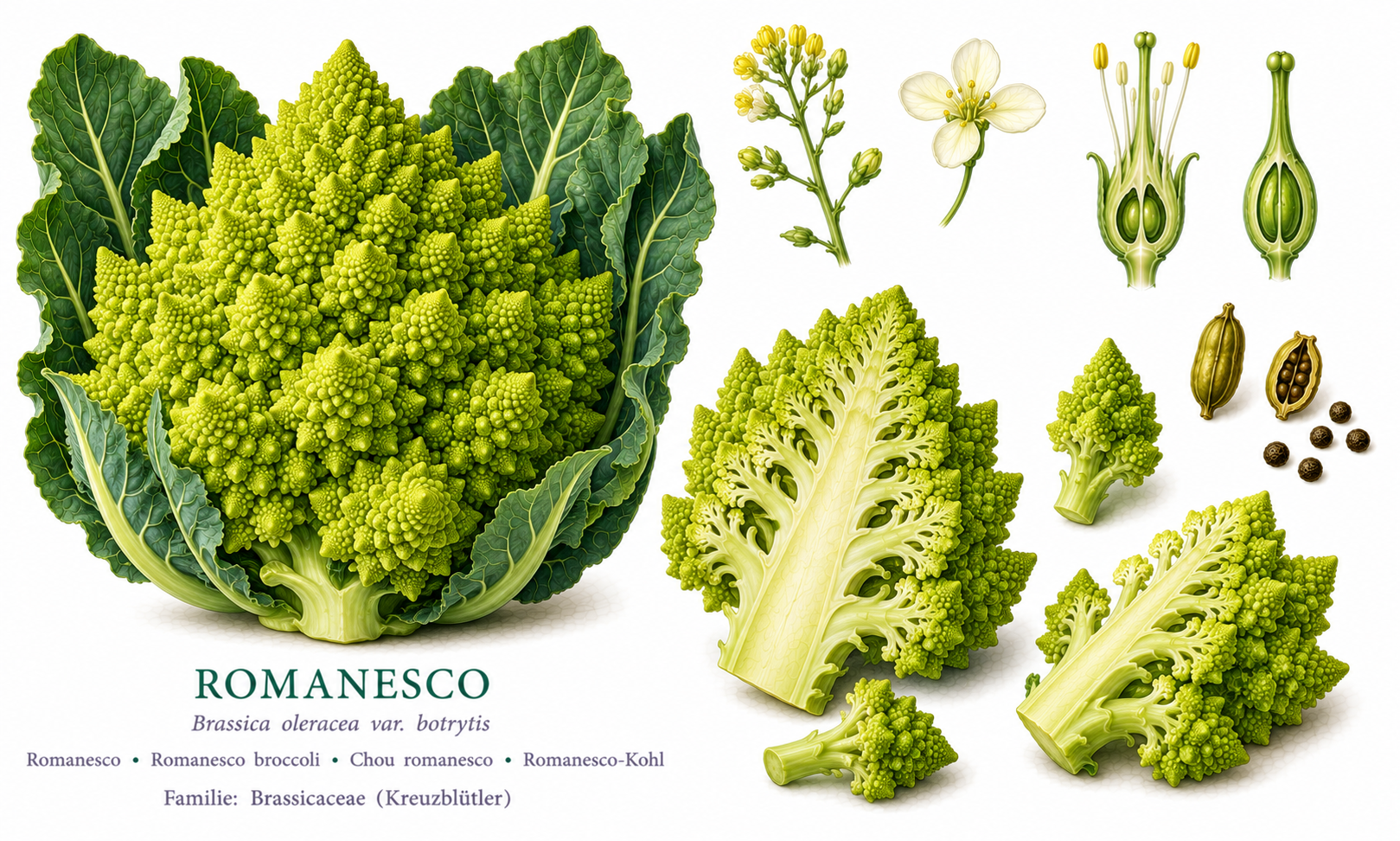
Romanesco broccoliBrassica oleracea
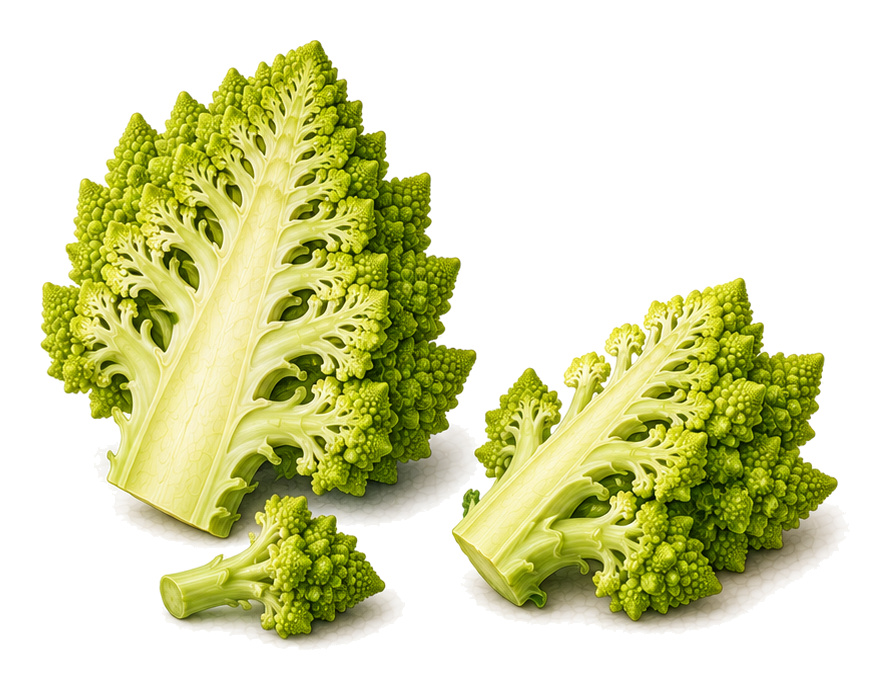
Romanesco is a special cultivar of Brassica oleracea with a unique fractal inflorescence and a more delicate, nutty flavor than cauliflower. It is a heavy feeder and requires plenty of water and nutrients.
Quick profile
Key data
Suitable growing locations:
Good neighbors
CelerytomatoLettuce
Avoid
Other brassicasStrawberry
Indoor & direct sowing
Romanesco broccoli: Sowing and germination
Sow in trays at approx. 18°C; move to a cooler spot after germination.
Direct sowing only in favorable weather; pre-culture recommended.
Planting & site
Romanesco broccoli: Planting and spacing
Harden off before transplanting; plant deep up to the cotyledons.
Temperature & frost
Romanesco broccoli: Temperature and site
Water & nutrients
Romanesco broccoli: Water, nutrients and care
Container & growth
Romanesco broccoli: Container, support and growth
Year plan
Romanesco broccoli Calendar
The main harvest season in late summer and autumn rewards with its unique, fractal florets.
Recurring tasks
Relevant now
June
- No additional single task
Next up
July
- No additional single task
Monthly tasks
Single tasks from monthly data; repeated seasonal windows are shown in the overview above.
January
Quiet month
February
Quiet month
March
No additional single task
April
No additional single task
May
No additional single task
June
No additional single task
August
No additional single task
September
No additional single task
October
No additional single task
November
No additional single task
December
Quiet month
Flowering & pollination
Romanesco broccoli Flowering & pollination
Flowering period
May to July (in the second year)
Flower color
Yellow
Self-fertility
self-incompatible
Pollinator needed
yes
Overview
Pollination is primarily carried out by insects such as bees and hoverflies.
Notes
Crucifers are mostly self-incompatible and require cross-pollination for seed production.
Companion guide
Romanesco broccoli Companion guide
Good neighbors
CelerytomatoLettuce
Avoid
Other brassicasStrawberry
Use & storage
Romanesco broccoli Use & storage
Harvest when the head is firm and tight.
Storage
Short-term storage / Freezing
Storage life
Fresh: 3-5 days; Frozen: 8-12 months
Harvest
Harvest when the head is firm and tight.
Processing
After harvest
Cut the stem with a sharp knife; leave a few wrapper leaves for protection.
Edibility & safety
Romanesco broccoli Edibility & safety
For people
In brief: which parts are edible, which parts remain risky, and whether raw consumption makes sense.
Safety notes
Non-toxic. May cause bloating in sensitive individuals.
Animal safety
For many animals, this plant is generally low-risk: 14 animal types are rated suitable or mostly suitable. Quantity, plant part, and individual tolerance still matter.
Each row shows which parts are more suitable and which parts are critical.
Companion animals
 Dog
DogInflorescence (head), Tender inner leaves
Roots, Old, tough outer leaves
Inflorescence (head), Tender inner leaves
Roots, Old, tough outer leaves
Overconsumption may cause bloating or gastrointestinal upset., Feed only edible parts and remove stems and tough outer leaves.
Bloating, Gastrointestinal upset
observe
Romanesco is suitable for dogs in small amounts as a treat, provided only the edible parts (inflorescence, tender inner leaves, peeled stem) are fed. Roots and old, tough leaves should be avoided. Overconsumption may cause bloating or gastrointestinal upset. Consult a veterinarian if symptoms persist.
Open animal page Cat
CatInflorescence (head), Tender inner leaves
No risk parts listed
Inflorescence (head), Tender inner leaves
No risk parts listed
Overconsumption may cause gastrointestinal upset
Gastrointestinal upset
observe
Romanesco is edible for cats but should only be fed as an occasional treat in small amounts. Like all brassicas, overconsumption may cause gas or digestive upset. No known toxic compounds identified for cats.
Open animal page Rabbit
Inflorescence (head), Tender inner leaves
Roots, Old, tough outer leaves
Inflorescence (head), Tender inner leaves
Roots, Old, tough outer leaves
Overconsumption, Feeding unsuitable parts such as roots or old leaves
Bloating, Gastrointestinal upset from overfeeding
observe
Romanesco is suitable for rabbits in small amounts as a treat. The edible parts (inflorescence, tender inner leaves, peeled stem) are nutritious and well-tolerated. Roots and old, tough outer leaves should be avoided as they may be difficult to digest. Overfeeding may cause bloating. Introduce gradually and in small quantities.
Open animal page Guinea pig
Inflorescence (head), Tender inner leaves
Roots, Old, tough outer leaves
Inflorescence (head), Tender inner leaves
Roots, Old, tough outer leaves
Overfeeding causes bloating and digestive issues, Not suitable for young or sick guinea pigs without gradual introduction
Bloating, Gastrointestinal upset from overfeeding
observe
Romanesco is safe for guinea pigs in small amounts, as it has similar nutritional value to cauliflower and broccoli. The edible parts (inflorescence head, tender inner leaves, peeled stem) can be given as an occasional treat. Roots and old, tough outer leaves should be avoided, as they are difficult to digest and may cause gastrointestinal upset. Overfeeding can lead to bloating, which must be taken seriously in…
Open animal page Hamster
Inflorescence (head), Tender inner leaves
No risk parts listed
Inflorescence (head), Tender inner leaves
No risk parts listed
Overfeeding may cause bloating
Bloating
observe
Romanesco is suitable for hamsters in small amounts as a treat. The edible parts (inflorescence, tender inner leaves, peeled stem) are non-toxic and provide vitamin C and fiber. Due to its high water and fiber content, it should only be fed occasionally to avoid digestive upset. No known toxic compounds for hamsters. If signs of bloating or diarrhea occur, discontinue feeding and consult a veterinarian if symptoms…
Open animal page Budgie
Inflorescence (head), Tender inner leaves
Roots, Old, tough outer leaves
Inflorescence (head), Tender inner leaves
Roots, Old, tough outer leaves
Overfeeding may cause bloating
Bloating
usually no action needed
Romanesco is suitable for budgies in small amounts as a treat. The edible parts (inflorescence, tender inner leaves, peeled stem) are non-toxic and provide nutrients. Roots and old, tough outer leaves should be avoided as they are difficult to digest and may cause gastrointestinal discomfort. Overconsumption poses a bloating risk. Consult a veterinarian if signs of discomfort appear.
Open animal pageFarm animals
 Horse
HorseInflorescence (head), Tender inner leaves
Roots, Old, tough outer leaves
Inflorescence (head), Tender inner leaves
Roots, Old, tough outer leaves
Overfeeding causes bloat and colic, Not recommended for horses with sensitive digestive tracts
Bloating, Gastrointestinal upset from overfeeding
observe
Romanesco is suitable for horses in small amounts as a treat. The edible parts (inflorescence, tender leaves, peeled stem) are nutrient-rich and well-tolerated. Roots and old outer leaves should be avoided due to potential differences in tolerability. Overfeeding poses a bloat risk that can lead to colic. Introduce gradually and in small amounts. Consult a veterinarian if signs of discomfort appear.
Open animal page Chicken
Inflorescence (head), Tender inner leaves
Roots, Old, tough outer leaves
Inflorescence (head), Tender inner leaves
Roots, Old, tough outer leaves
Overfeeding may cause bloating or digestive discomfort., Only feed fresh, undamaged parts.
Bloating, Digestive discomfort
usually no action needed
Romanesco is suitable for chickens in small amounts as a treat. The edible parts (inflorescence, tender inner leaves, peeled stem) are non-toxic and nutritious. Roots and old, tough outer leaves should be avoided as they can be difficult to digest and may cause gastrointestinal discomfort. Suitable as part of a balanced diet, but not as a primary feed.
Open animal page Duck
DuckInflorescence (head), Tender inner leaves
Roots, Old, tough outer leaves
Inflorescence (head), Tender inner leaves
Roots, Old, tough outer leaves
Overfeeding, Consumption of roots or tough outer leaves
Gastrointestinal upset if overfed
observe
Romanesco is suitable for ducks in small amounts as a treat. The edible parts (inflorescence, tender inner leaves, peeled stem) are non-toxic and nutritious. Roots and old, tough outer leaves should be avoided as they may be difficult to digest and cause gastrointestinal upset. Not to be used as a primary feed.
Open animal page Goose
GooseInflorescence (head), Tender inner leaves
Roots, Old, tough outer leaves
Inflorescence (head), Tender inner leaves
Roots, Old, tough outer leaves
Overfeeding can cause bloating and digestive discomfort., Young animals should receive only small amounts., Always provide fresh, clean feed.
Bloating, Digestive discomfort
observe
Romanesco is suitable for geese in moderation, especially the edible parts like the inflorescence, tender inner leaves, and peeled stem. Roots and old, tough outer leaves should be avoided as they are difficult to digest and may cause gastrointestinal upset. No known toxic compounds in the edible parts. Suitable as part of a varied diet, but not as a primary feed.
Open animal page Sheep
SheepInflorescence (head), Tender inner leaves
Roots, Old, tough outer leaves
Inflorescence (head), Tender inner leaves
Roots, Old, tough outer leaves
Overconsumption may cause bloating or digestive discomfort., Old, tough leaves and roots are difficult to digest and may cause gastrointestinal upset.
Bloating, Digestive discomfort
observe
No direct species-specific source was found for sheep. This is a cautious inference from the cattle profile and the known plant-part risks.
Open animal page Goat
GoatInflorescence (head), Tender inner leaves
Roots, Old, tough outer leaves
Inflorescence (head), Tender inner leaves
Roots, Old, tough outer leaves
Overconsumption may cause bloating or digestive discomfort., Old, tough leaves and roots are difficult to digest and may cause gastrointestinal upset.
Bloating, Digestive discomfort
observe
No direct species-specific source was found for goats. This is a cautious inference from the sheep profile and the known plant-part risks.
Open animal page Cattle
Inflorescence (head), Tender inner leaves
Roots, Old, tough outer leaves
Inflorescence (head), Tender inner leaves
Roots, Old, tough outer leaves
Overconsumption may cause bloating or digestive discomfort., Old, tough leaves and roots are difficult to digest and may cause gastrointestinal upset.
Bloating, Digestive discomfort
observe
Romanesco is suitable for cattle in small amounts as supplemental feed. The edible parts (inflorescence, tender inner leaves, peeled stem) are nutritious and well-tolerated. Roots and old, tough outer leaves should be avoided as they are difficult to digest and may cause gastrointestinal discomfort. Overconsumption poses a bloat risk due to high fiber and sulfur content, typical of brassicas. No known toxic…
Open animal page Pig
PigInflorescence (head), Tender inner leaves
No risk parts listed
Inflorescence (head), Tender inner leaves
No risk parts listed
Overfeeding may cause bloating or digestive discomfort
Bloating, Digestive discomfort
usually no action needed
Romanesco is edible for pigs and considered a safe vegetable. The edible parts are the inflorescence, tender inner leaves, and peeled stem. Overconsumption may cause bloating, typical for brassicas. No known toxic compounds identified for pigs.
Open animal pageThese guidelines are for general information only and do not replace veterinary diagnosis. If critical plant parts were ingested or the animal shows unusual behaviour or symptoms, seek veterinary advice.
Max risk
unknown
Highest status
moderation only
Urgency
observe
Saving seed
Romanesco broccoli Saving seed
Seed viability
3 - 5 years
Method
Plants must overwinter; seed harvest in the summer of the second year.
Practical tips
Romanesco broccoli Practical tips
Common beginner mistakes
Success pattern
High-impact tips
Grower observations
Plant Profile
Additional plant images

Health
Pests, Diseases
Pests
Cabbage white butterfly
Holes in leaves caused by green caterpillars.
Flea beetles
Sieve-like small holes in young leaves.
Diseases
Clubroot
Wilting on sunny days, knotty swellings on the roots.
Deficiencies
Boron deficiency
Hollow stems, brown spots in the head.
Plant health
Diagnosis help
Romanesco broccoli Diagnosis help
Pest groups
Disease groups
Prevention
Diagnosis
In case of wilting despite moist soil, always check the roots for clubroot.
Cultural prevention
Monitoring
Weekly check of leaf undersides for eggs.
First response
Diagnostic rules
Plant wilts in sun, recovers at night.
Possible causes: Clubroot, Water stress
- Check soil moisture
- Examine root neck for swellings
FAQ
How long does it take for Romanesco to be ready for harvest?
Romanesco is usually ready for harvest 100 to 120 days after sowing, depending on the variety and growing conditions. Harvest when the head is firm and the fractal structure is clearly defined.
Why is my Romanesco bolting?
Romanesco often bolts due to drought stress or excessively high temperatures, especially during head formation. Consistent watering and a cooler location can prevent this.
Can Romanesco be grown in pots?
Yes, Romanesco can be grown in pots, but it requires very large containers (at least 20-30 liters volume) and excellent water and nutrient supply. It is not suitable for small balcony boxes.
What pests most commonly affect Romanesco?
The most common pests are the cabbage white butterfly (caterpillars cause holes in leaves) and flea beetles (small holes in young leaves). Insect meshes are an effective preventative measure.
Is Romanesco broccoli safe for Dog?
Romanesco broccoli is classified as moderation only for Dog. Risk: unknown. Urgency: observe. Romanesco is suitable for dogs in small amounts as a treat, provided only the edible parts (inflorescence, tender inner leaves, peeled stem) are fed. Roots and old, tough leaves should be avoided. Overconsumption may cause bloating or gastrointestinal upset. Consult a veterinarian if symptoms persist.
Is Romanesco broccoli safe for Cat?
Romanesco broccoli is classified as moderation only for Cat. Risk: unknown. Urgency: observe. Romanesco is edible for cats but should only be fed as an occasional treat in small amounts. Like all brassicas, overconsumption may cause gas or digestive upset. No known toxic compounds identified for cats.
Is Romanesco broccoli safe for Rabbit?
Romanesco broccoli is classified as moderation only for Rabbit. Risk: unknown. Urgency: observe. Romanesco is suitable for rabbits in small amounts as a treat. The edible parts (inflorescence, tender inner leaves, peeled stem) are nutritious and well-tolerated. Roots and old, tough outer leaves should be avoided as they may be difficult to digest. Overfeeding may cause bloating. Introduce gradually and in small quantities.
Is Romanesco broccoli safe for Guinea pig?
Romanesco broccoli is classified as moderation only for Guinea pig. Risk: unknown. Urgency: observe. Romanesco is safe for guinea pigs in small amounts, as it has similar nutritional value to cauliflower and broccoli. The edible parts (inflorescence head, tender inner leaves, peeled stem) can be given as an occasional treat. Roots and old, tough outer leaves should be avoided, as they are difficult to digest and may cause gastrointestinal upset. Overfeeding can lead to bloating, which must be taken seriously in…
Guides
Related guides
Guide
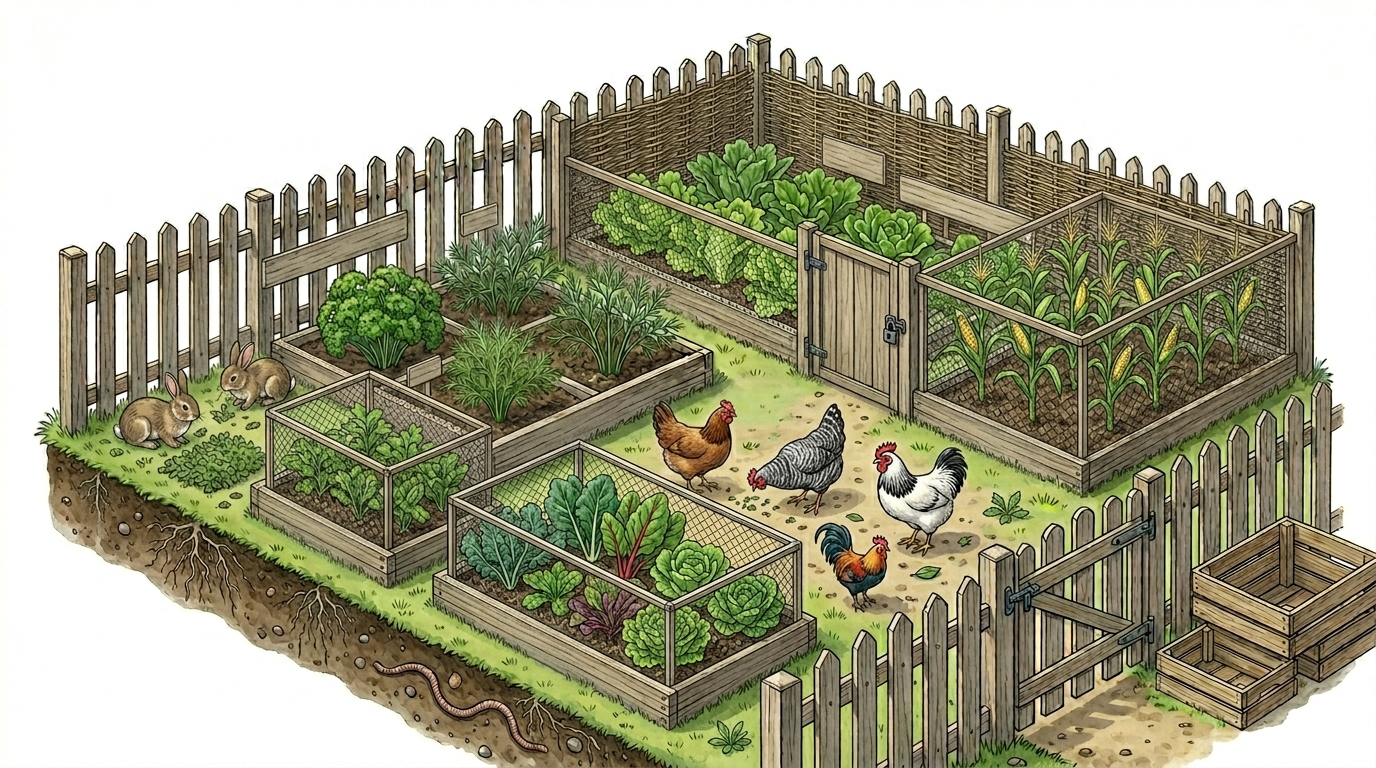
Chickens in the Garden: Safe Plants and Zones
Learn how to design a chicken-friendly garden with suitable plants, protected beds, and well-planned activity areas.
Guide
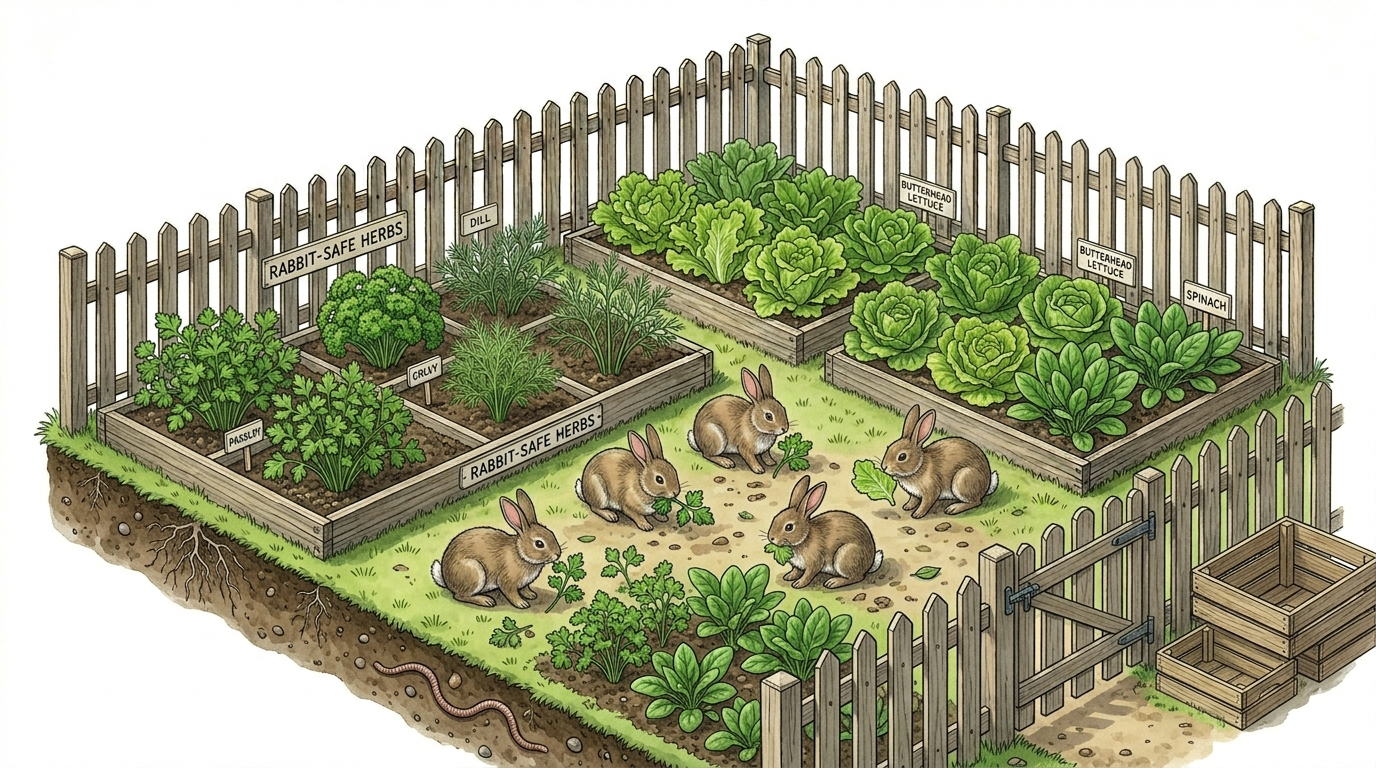
Rabbits in the Garden: Herbs and Vegetables
Learn how to choose suitable herbs and vegetables for rabbits, grow feeding plants, and plan a rabbit-friendly garden.
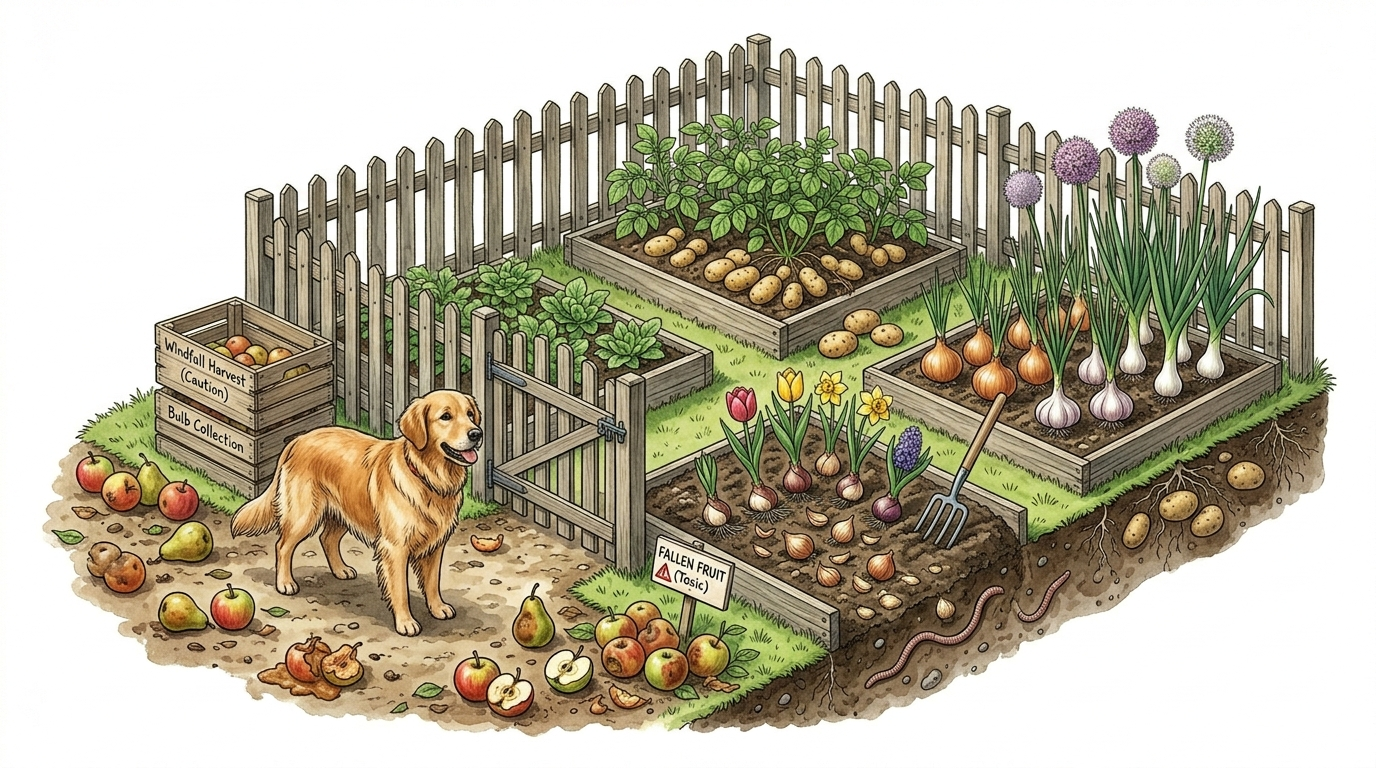
Guide
Dogs in the Garden: Windfall Fruit and Risks
Keep your garden dog-safe by managing windfall fruit, seeds, stored crops, and potentially problematic plant parts.
Guide
Horse Pastures and Garden Plants: Safety Checks
Learn how to identify risks near horse pastures, fences, turnout areas, fruit trees, and garden planting zones.
Internal links
Related plants
Broccoli
Both are cultivars of Brassica oleracea.
Both are grown for their edible inflorescences.
Cauliflower
Both are cultivars of Brassica oleracea.
Both are grown for their edible inflorescences.
kohlrabi
Both are cultivars of Brassica oleracea.
Closely related, belongs to the same species Brassica oleracea.
Clubroot
All brassicas are susceptible to clubroot.
Cabbage
All brassicas are heavy feeders and require many nutrients.
All brassicas belong to the mustard family (Brassicaceae).
Brussels sprouts
Closely related, belongs to the same species Brassica oleracea.
Kale
All brassicas belong to the mustard family (Brassicaceae).
Sources
Public sources
- Wikidata entity
Wikidata · 2026-05-15
- GBIF species match
GBIF · 2026-05-15
- Wikidata entity
Wikidata · 2026-05-15
- GBIF species match
GBIF · 2026-05-15
- Deutschsprachige Wikipedia: Gemüsekohl
Wikipedia · 2026-05-15
- English Wikipedia: Brassica oleracea
Wikipedia · 2026-05-15