Plant Profile
parsleyPetroselinum crispum
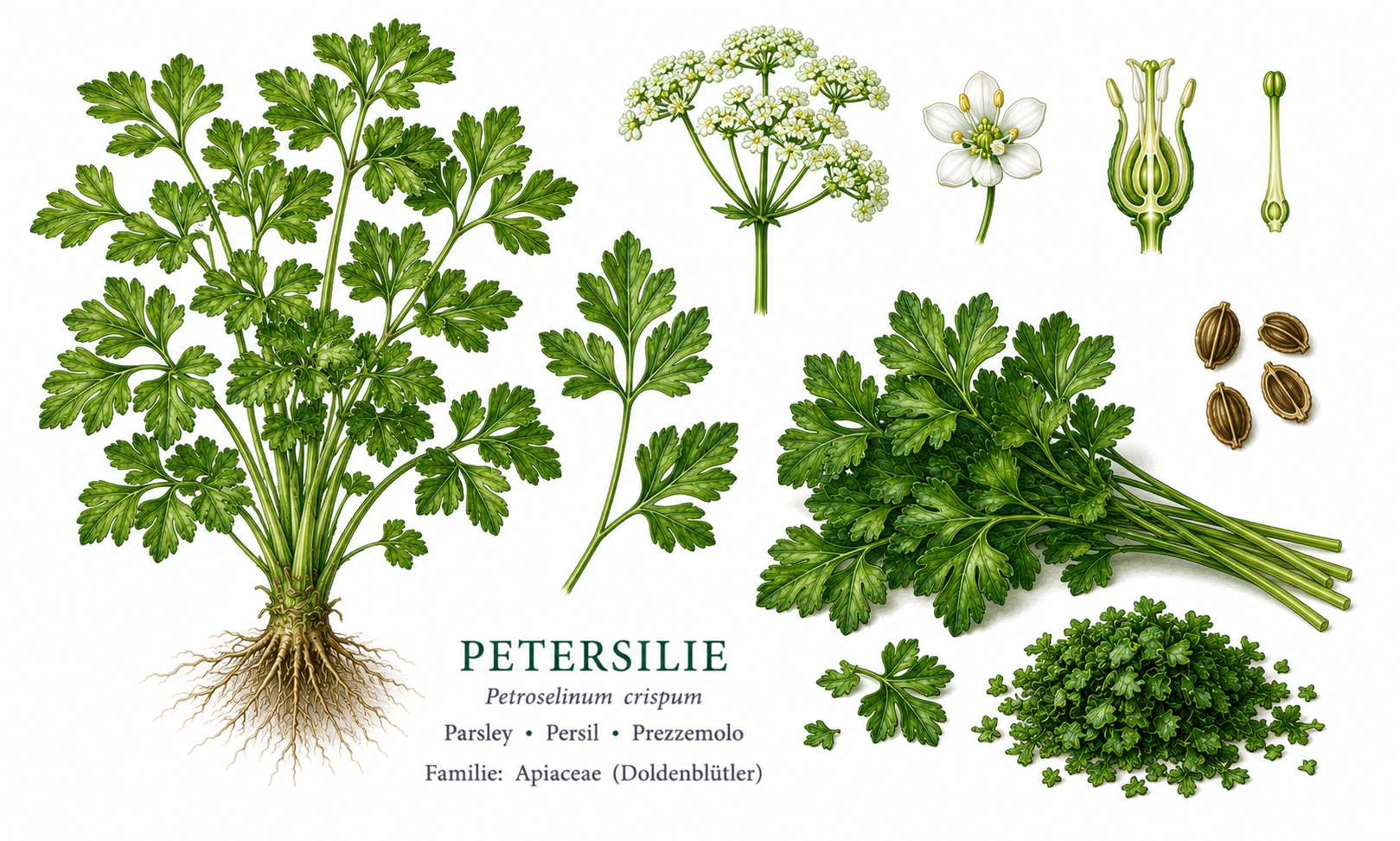
Parsley is the crown jewel of the Central European herb garden. Whether curly or flat-leaf, it enriches almost any savory dish with its fresh aroma. As a biennial plant, it requires patience during germination and discipline with crop rotation, but rewards the gardener with a harvest extending deep into winter.
Quick profile
Key data
Suitable growing locations:
Good neighbors
tomatoOnion
Avoid
LettuceFennel
Indoor & direct sowing
parsley: Sowing and germination
Pre-culture in pots on a windowsill is possible.
Direct sowing in the open ground; germination takes a long time at low temperatures.
Planting & site
parsley: Planting and spacing
Plant out seedlings carefully without damaging the roots.
Site & practical notes
Germination hack: Soak seeds in lukewarm water overnight before sowing to shorten germination time.
Temperature & frost
parsley: Temperature and site
Water & nutrients
parsley: Water, nutrients and care
Container & growth
parsley: Container, support and growth
Year plan
parsley Calendar
In winter, a light fleece protects the remaining harvest from severe frost.
Recurring tasks
Relevant now
June
- No additional single task
Next up
July
- No additional single task
Monthly tasks
Single tasks from monthly data; repeated seasonal windows are shown in the overview above.
January
Quiet month
February
No additional single task
March
No additional single task
April
No additional single task
May
No additional single task
June
No additional single task
August
No additional single task
September
No additional single task
October
No additional single task
November
No additional single task
December
Quiet month
Flowering & pollination
parsley Flowering & pollination
Flowering period
June to July (in the second year)
Flower color
Yellow-green
Self-fertility
partially self-fertile
Pollinator needed
yes
Overview
Cross-pollination primarily by insects such as flies and wild bees.
Notes
Flowers are protandrous (pollen shed before stigma is receptive), which hinders self-pollination within the same flower.
Pruning & care
parsley Pruning & care
Pruning type
selective-harvest
Pruning timing
Continuous harvest and vitality Regular cutting encourages new growth.
Remove
Preserve
Avoid
Tools and hygiene
Use clean scissors to prevent the transmission of leaf spot diseases.
Companion guide
parsley Companion guide
Good neighbors
tomatoOnion
Avoid
LettuceFennel
Use & storage
parsley Use & storage
Continuous harvest of outer leaves; leave the heart leaf intact.
Storage
Fresh herbs / Root vegetables (Hamburg parsley)
Storage life
Fresh: a few days; Frozen: up to 12 months.
Flavor
Spicy, fresh, slightly bitter (flat-leaf is more intense than curly).
Harvest
Continuous harvest of outer leaves; leave the heart leaf intact.
Processing
After harvest
Place leaves in a glass of water or wrap in a damp cloth.
Edibility & safety
parsley Edibility & safety
For people
In brief: which parts are edible, which parts remain risky, and whether raw consumption makes sense.
Safety notes
Contains apiol; levels rise significantly during the flowering year, which can be toxic (especially to be avoided by pregnant women).
Animal safety
For animals, the specific plant part matters here: some parts may be suitable, while others should be avoided. At least one critical rating is listed for 4 animal types.
Each row shows which parts are more suitable and which parts are critical.
Companion animals
 Dog
DogNo suitable parts listed
Plant as a whole (especially during flowering stage)
No suitable parts listed
Plant as a whole (especially during flowering stage)
Consumption of large quantities, Plant during flowering stage
Photosensitization (sunburn, dermatitis)
contact a vet if ingested
Large quantities are needed to cause this effect. Apiol content increases during the flowering stage.
Open animal page Cat
CatNo suitable parts listed
entire plant (especially during flowering)
No suitable parts listed
entire plant (especially during flowering)
Consumption of large quantities, Plant during flowering stage
Photosensitization (sunburn, dermatitis)
contact a vet if symptoms appear
Parsley is toxic to cats, especially during the flowering stage when apiol content is highest. Large quantities can cause photosensitization.
Open animal page Rabbit
Leaves, Stems
Plants in the flowering stage (increased apiol content), Seeds (high furanocoumarin content)
Leaves, Stems
Plants in the flowering stage (increased apiol content), Seeds (high furanocoumarin content)
Ingestion of large quantities, Ingestion of plants in the flowering stage
Photosensitization (sunburn, dermatitis) with ingestion of large amounts
observe
Parsley is safe for rabbits in moderation, particularly the leaves and stems. Large quantities or plants in the flowering stage, which have higher apiol and furanocoumarin levels, can cause photosensitization. Consumption should be limited to small amounts as a treat.
Open animal page Guinea pig
Leaves, Stems
Plants in the flowering stage (increased apiol content), Seeds (high furanocoumarin content)
Leaves, Stems
Plants in the flowering stage (increased apiol content), Seeds (high furanocoumarin content)
Ingestion of large quantities, Ingestion of plants in the flowering stage
Photosensitization (sunburn, dermatitis) with ingestion of large amounts
observe
Parsley is safe in moderation for guinea pigs, particularly the leaves and stems. Large quantities or plants in the flowering stage should be avoided due to apiol and furanocoumarins, which can cause photosensitization in sensitive animals or with excessive consumption. Vitamin C content is beneficial.
Open animal page Hamster
Leaves, Stems
Plants in the flowering stage (increased apiol content), Seeds (high furanocoumarin content)
Leaves, Stems
Plants in the flowering stage (increased apiol content), Seeds (high furanocoumarin content)
Ingestion of large quantities, Ingestion of plants in the flowering stage
Photosensitization (sunburn, dermatitis) with ingestion of large amounts
observe
No direct species-specific source was found for hamsters. This is a cautious inference from the rabbits profile and the known plant-part risks.
Open animal page Budgie
No suitable parts listed
Plants in the flowering stage (increased apiol content), Seeds (high furanocoumarin content)
No suitable parts listed
Plants in the flowering stage (increased apiol content), Seeds (high furanocoumarin content)
Large amounts needed for toxic effects, Increased apiol content in plants in the flowering stage
Photosensitization (sunburn, dermatitis)
contact a vet if symptoms appear
Large amounts are needed. There is no specific data for budgies, but due to known mammalian toxicity and the presence of apiol, especially in flowering plants, caution is advised. Safety of small amounts as an occasional treat is unclear.
Open animal pageFarm animals
 Horse
HorseNo suitable parts listed
Plant (especially during flowering)
No suitable parts listed
Plant (especially during flowering)
Consumption of large quantities, Plant during flowering stage
Photosensitization (sunburn, dermatitis)
contact a vet if symptoms appear
Furanocoumarins can cause photosensitization, especially if large quantities are consumed or the plant is in its flowering stage.
Open animal page Chicken
Leaves, Stems
Plants in the flowering stage (increased apiol content), Seeds (high furanocoumarin content)
Leaves, Stems
Plants in the flowering stage (increased apiol content), Seeds (high furanocoumarin content)
Excessive consumption, Consumption of flowering plants, Ingestion of large quantities
With excessive consumption or consumption of flowering plants: gastrointestinal upset, Photosensitization (rare in poultry)
observe
Parsley is generally safe for chickens when fed in moderation. Large quantities or flowering plants may contain apiol, which can be harmful in very high doses. Leaves and stems are the safest parts. Seeds should be avoided.
Open animal page Duck
DuckLeaves, Stems
Seeds (in large quantities), Plants in the flowering stage
Leaves, Stems
Seeds (in large quantities), Plants in the flowering stage
Consumption of large quantities, Consumption of plants in the flowering stage, Consumption of seeds in large quantities
Photosensitization (sunburn, dermatitis) with very large quantities
observe
Parsley is generally safe for ducks when fed in moderation. Large quantities, especially of flowering plants or seeds, can lead to photosensitization due to apiol and furanocoumarin content. Leaves and stems are the safest parts.
Open animal page Goose
GooseLeaves, Stems
Seeds (in large quantities), Plants in the flowering stage
Leaves, Stems
Seeds (in large quantities), Plants in the flowering stage
Consumption of large quantities, Consumption of plants in the flowering stage, Consumption of seeds in large quantities
Photosensitization (sunburn, dermatitis) with very large quantities
observe
No direct species-specific source was found for geese. This is a cautious inference from the ducks profile and the known plant-part risks.
Open animal page Sheep
SheepLeaves, Stems
Plants in the flowering stage (increased apiol content), Seeds (high furanocoumarin content)
Leaves, Stems
Plants in the flowering stage (increased apiol content), Seeds (high furanocoumarin content)
Ingestion of large quantities, Plants in the flowering stage
Photosensitization (sunburn, dermatitis) with ingestion of large amounts
observe
Parsley is generally safe for sheep when fed in moderation. Large quantities, especially from flowering plants, can lead to photosensitization due to apiol and furanocoumarin content. Leaves, stems, and roots are the commonly consumed parts and are considered safe. Feeding should be limited to non-flowering parts.
Open animal page Goat
GoatLeaves, Stems
Plants in the flowering stage (increased apiol content), Seeds (high furanocoumarin content)
Leaves, Stems
Plants in the flowering stage (increased apiol content), Seeds (high furanocoumarin content)
Ingestion of large quantities, Ingestion of plants in the flowering stage
Photosensitization (sunburn, dermatitis) with ingestion of large amounts
observe
Parsley is generally safe for goats, but ingestion of large quantities, especially of flowering plants, can lead to photosensitization due to apiol and furanocoumarin content. Consumption should be limited to leaves, stems, and roots, and amounts kept moderate.
Open animal page Cattle
Leaves, Stems
Plants in the flowering stage (increased apiol content), Seeds (high furanocoumarin content)
Leaves, Stems
Plants in the flowering stage (increased apiol content), Seeds (high furanocoumarin content)
Consumption of large quantities, Consumption of flowering plants
Photosensitization (sunburn, dermatitis) with very large quantities
observe
Parsley is generally safe for cattle and is appreciated as feed. However, large quantities or consumption of flowering plants can lead to photosensitization due to apiol content. Quantity should be kept moderate.
Open animal page Pig
PigLeaves, Stems
Plants in the flowering stage (increased apiol content), Seeds (high furanocoumarin content)
Leaves, Stems
Plants in the flowering stage (increased apiol content), Seeds (high furanocoumarin content)
Consumption of plants in the flowering stage, Consumption of large quantities
Photosensitization (sunburn, dermatitis) if large amounts of plants in the flowering stage are consumed
observe
Parsley is generally safe for pigs, especially the leaves, stems, and roots. Consumption of large quantities, particularly of plants in the flowering stage, can lead to photosensitization due to apiol content. Feeding should therefore be moderate, and plants in the flowering stage should be avoided.
Open animal pageThese guidelines are for general information only and do not replace veterinary diagnosis. If critical plant parts were ingested or the animal shows unusual behaviour or symptoms, seek veterinary advice.
Max risk
4 / 5
Highest status
toxic
Urgency
contact a vet if ingested
Saving seed
parsley Saving seed
Seed viability
2 - 3 years
Practical tips
parsley Practical tips
Common beginner mistakes
Cutting too deep during harvest destroys the heart leaf and stops regrowth.
Success pattern
Consistent moisture during the first 4 weeks ensures a dense crop.
High-impact tips
Marker sowing with radishes helps identify the rows of slow-germinating parsley.
Grower observations
Flat-leaf parsley is significantly more robust during heatwaves than curly varieties.
Plant Profile
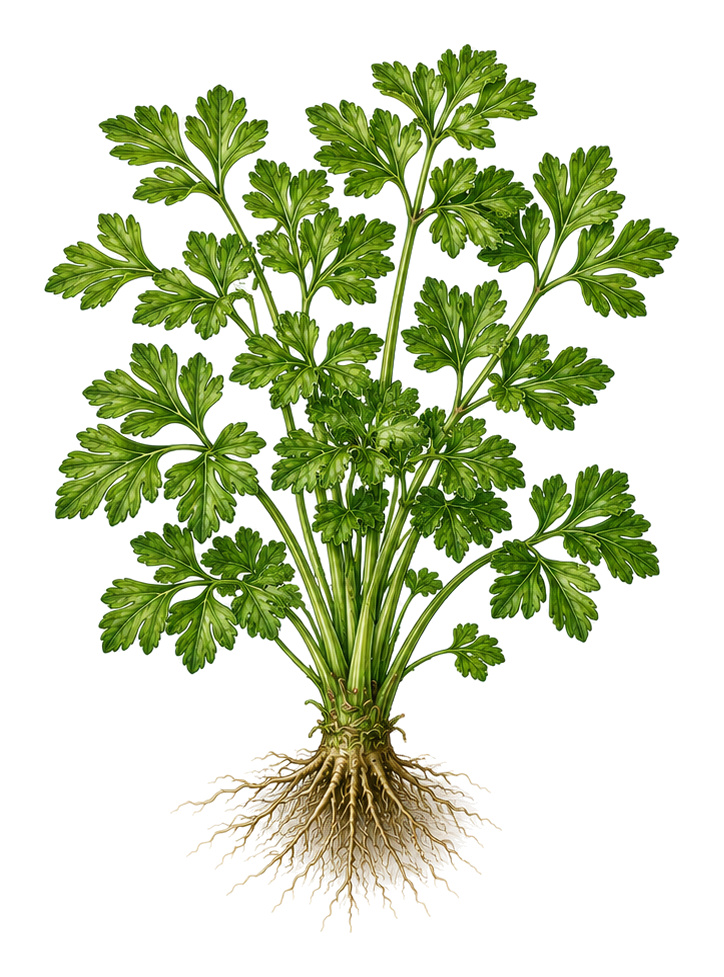
Additional plant images

Health
Pests, Diseases
Pests
Carrot rust fly
Feeding tunnels in roots, stunted growth, reddish leaf discoloration.
Diseases
Septoria leaf spot
Small brown spots with black borders on the leaves.
Deficiencies
Nitrogen deficiency
Yellowish discoloration of older leaves, weak growth.
Plant health
Diagnosis help
parsley Diagnosis help
Pest groups
Disease groups
Prevention
Diagnosis
Yellowing leaves in summer often indicate drought stress or root damage.
Cultural prevention
Monitoring
First response
Diagnostic rules
Leaves turn yellow and wilt despite moist soil
Possible causes: Root rot, Voles, Carrot fly
- Check roots for feeding marks
- Inspect soil for tunnels
FAQ
Why is my parsley turning yellow?
Common causes include waterlogging, nutrient deficiency, or pests like the carrot rust fly.
Is parsley safe for Dog?
parsley is classified as toxic for Dog. Risk: 4 / 5. Urgency: contact a vet if ingested. Large quantities are needed to cause this effect. Apiol content increases during the flowering stage.
Is parsley safe for Cat?
parsley is classified as toxic for Cat. Risk: 4 / 5. Urgency: contact a vet if symptoms appear. Parsley is toxic to cats, especially during the flowering stage when apiol content is highest. Large quantities can cause photosensitization.
Is parsley safe for Rabbit?
parsley is classified as moderation only for Rabbit. Risk: 2 / 5. Urgency: observe. Parsley is safe for rabbits in moderation, particularly the leaves and stems. Large quantities or plants in the flowering stage, which have higher apiol and furanocoumarin levels, can cause photosensitization. Consumption should be limited to small amounts as a treat.
Is parsley safe for Horse?
parsley is classified as toxic for Horse. Risk: 4 / 5. Urgency: contact a vet if symptoms appear. Furanocoumarins can cause photosensitization, especially if large quantities are consumed or the plant is in its flowering stage.
Guides
Related guides
Guide
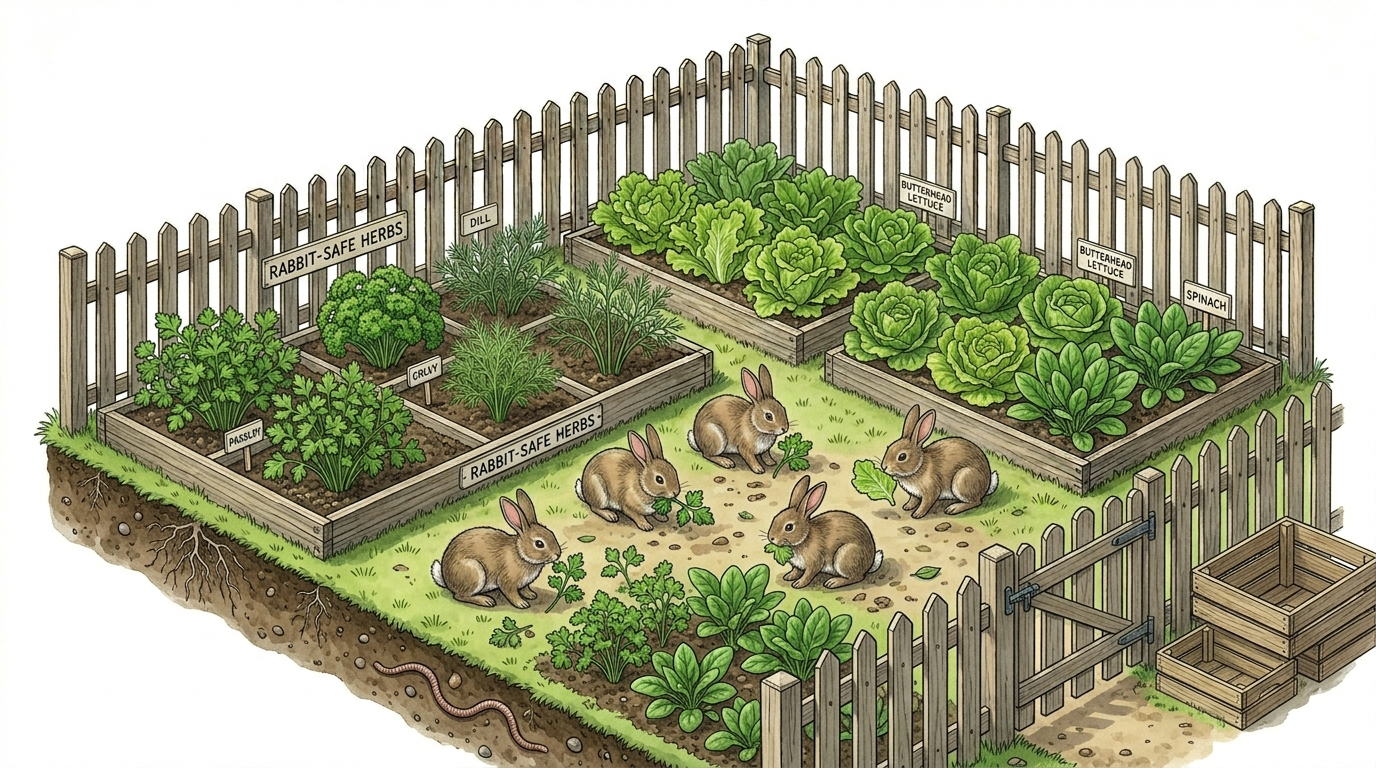
Rabbits in the Garden: Herbs and Vegetables
Learn how to choose suitable herbs and vegetables for rabbits, grow feeding plants, and plan a rabbit-friendly garden.
Guide
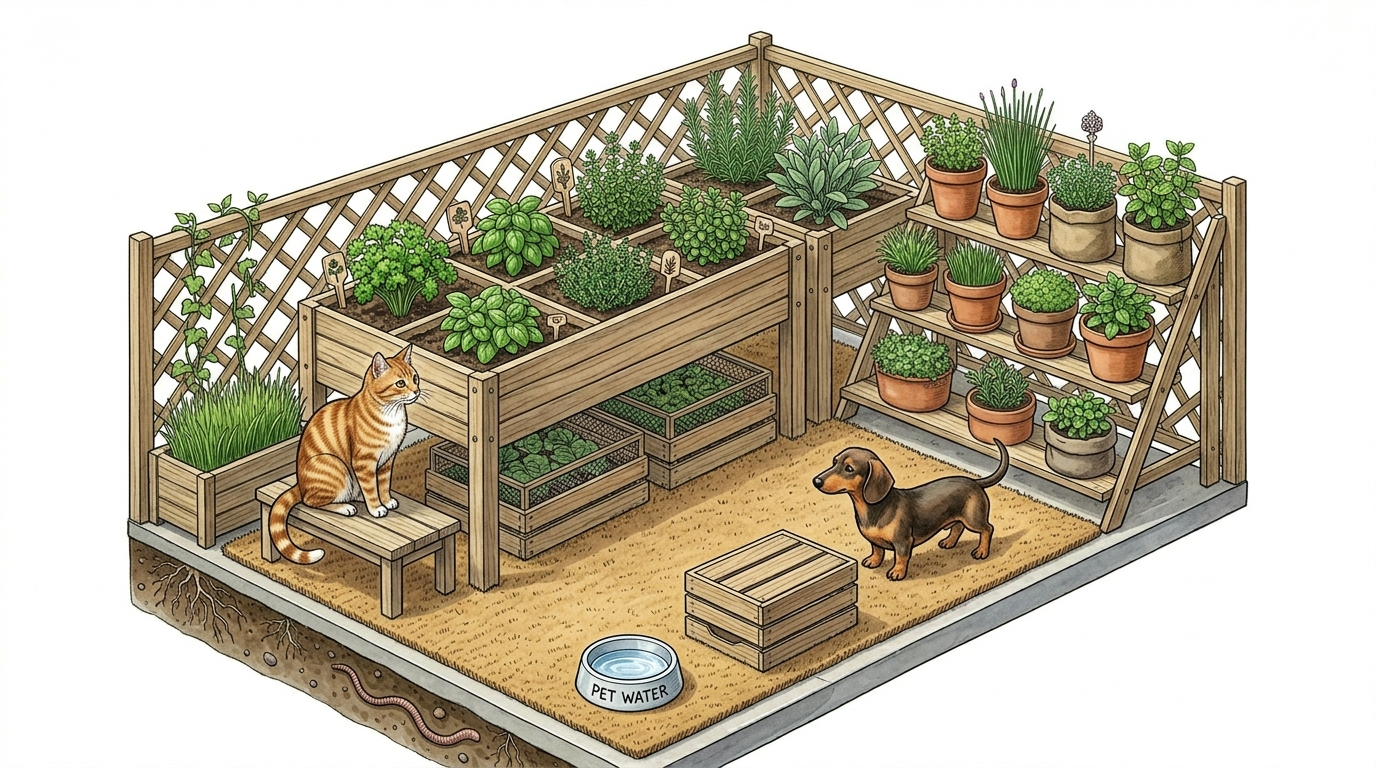
Pet-Safe Herb Gardens for Balconies and Beds
Learn how to create a pet-safe herb garden with suitable herbs, thoughtful layouts, and practical maintenance strategies.
Guide
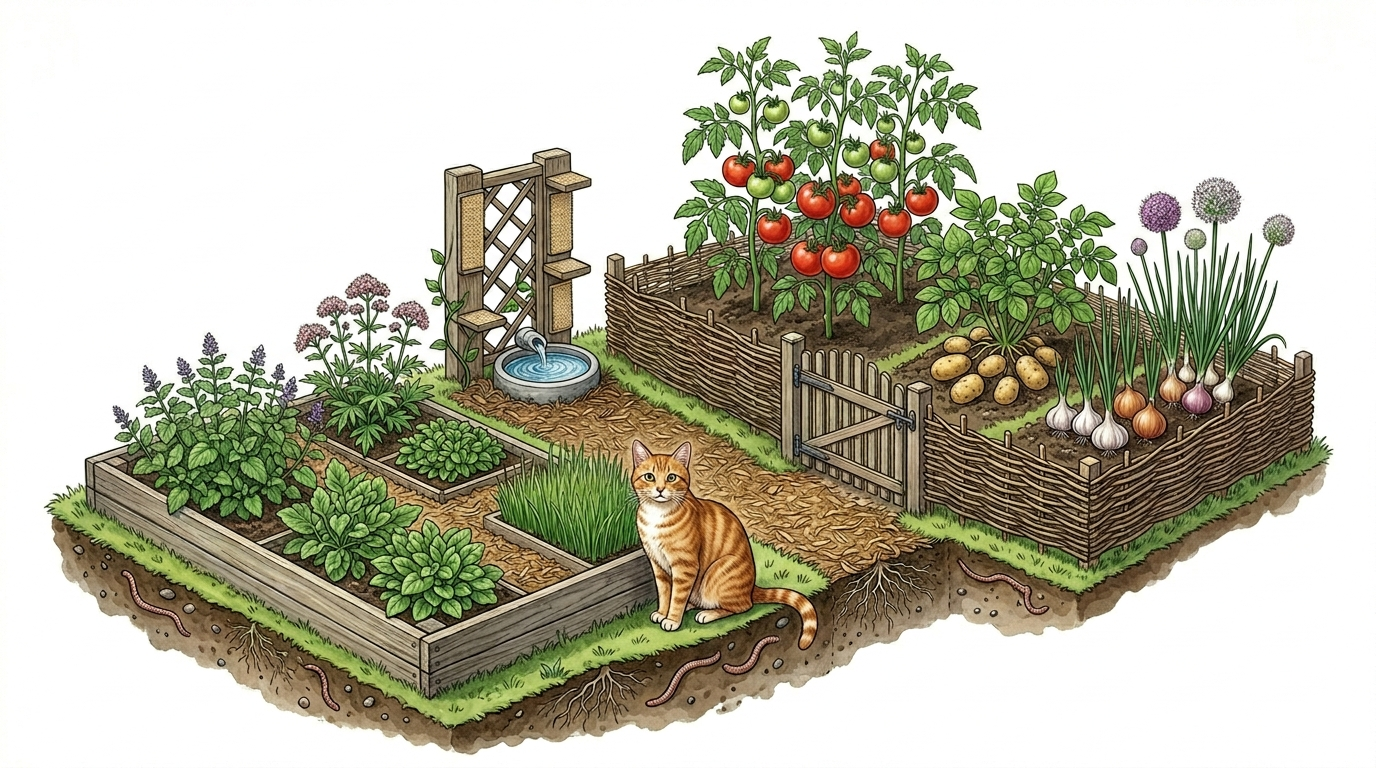
Toxic Garden Plants for Cats: Safer Planning
Learn which garden plants can be risky for cats, how to plan safer beds, and what to do if a cat eats a toxic plant.
Guide
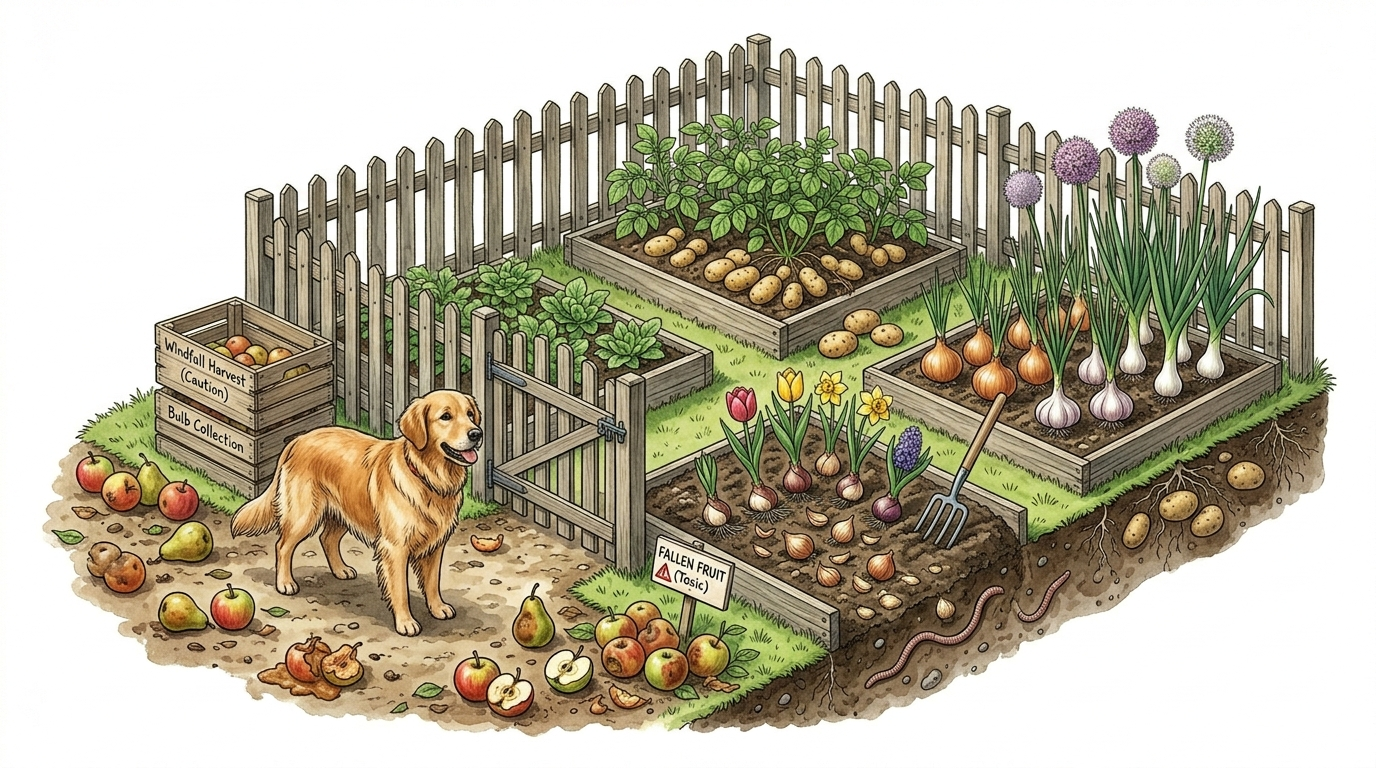
Dogs in the Garden: Windfall Fruit and Risks
Keep your garden dog-safe by managing windfall fruit, seeds, stored crops, and potentially problematic plant parts.
Internal links
Related plants
Celery
Chervil
Carrot
Both belong to the Apiaceae family and share pests like the carrot rust fly.
Onion
Lettuce
Chervil
Similar culinary use and site requirements.
Coriander
Used as a fresh leaf herb in soups and salads.
Fool's parsley
Very similar appearance but highly toxic; distinguish by smell and leaf underside.
Sources
Public sources
- Wikidata entity
Wikidata · 2026-05-14
- GBIF species match
GBIF · 2026-05-14
- Deutschsprachige Wikipedia: Petersilie
Wikipedia · 2026-05-14
- English Wikipedia: Parsley
Wikipedia · 2026-05-14