Plant Profile
UrticaUrtica
Nettles are perennial, herbaceous plants characterized by stinging hairs on their leaves and stems. They are found in many gardens and wild areas and are valued both as medicinal and useful plants, as well as ecologically important food plants for insects. However, their rapid spread often requires containment in the garden.
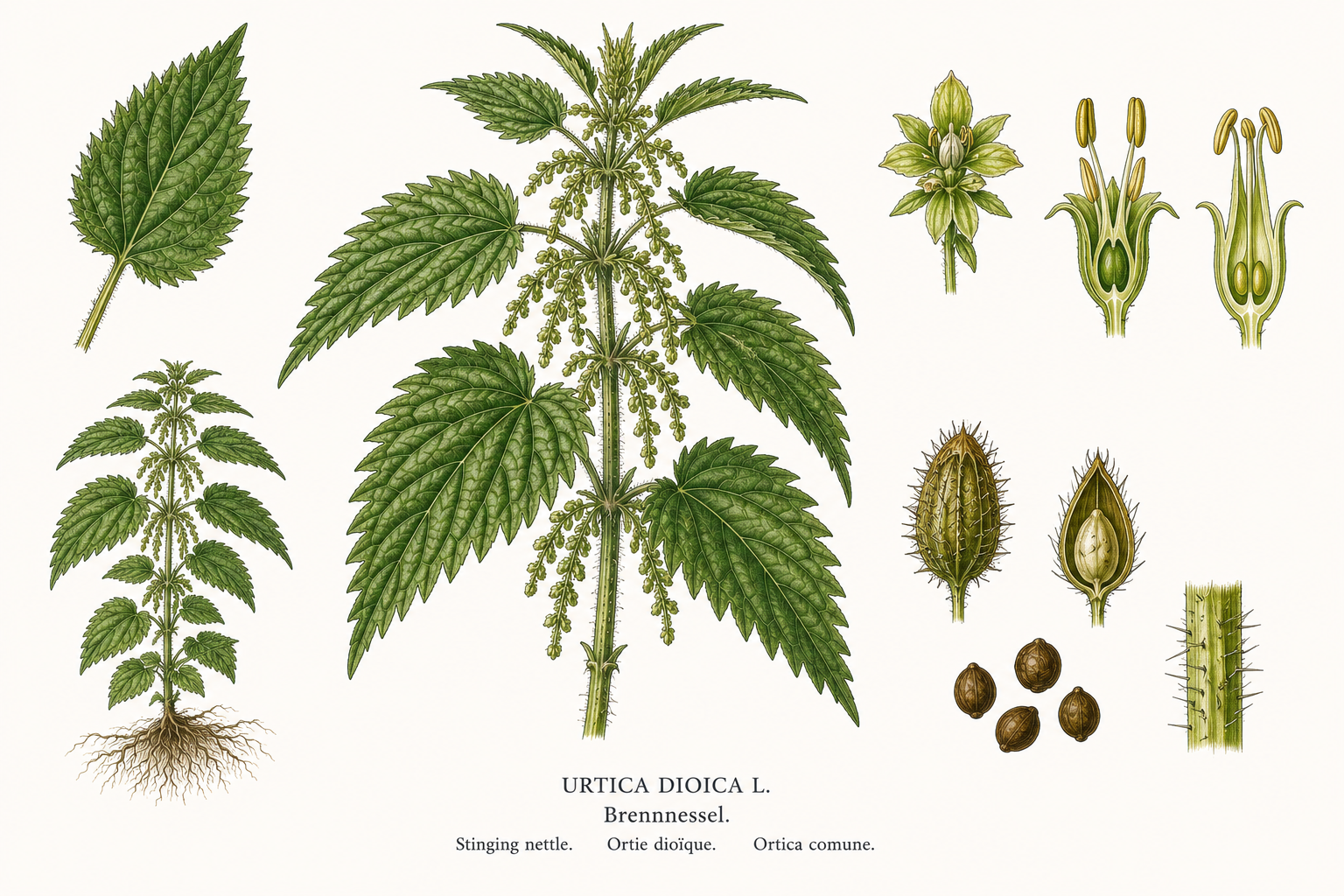
Quick profile
Key data
Suitable growing locations:
Good neighbors
No data
Avoid
No data
Indoor & direct sowing
Urtica: Sowing and germination
Indoor starting is possible but rarely necessary for nettles. For controlled sowing, start cool and bright.
Direct sow in spring or autumn on moist, nutrient-rich soil. Cover seed only lightly or press it in.
Planting & site
Urtica: Planting and spacing
Plant young plants or divided rhizome pieces in spring or autumn. Because nettles spread, containment is useful.
Site & practical notes
Nettles are robust and undemanding but can spread aggressively. For harvesting young leaves, plants should be cut before flowering. Always wear gloves when harvesting and processing to protect against stinging hairs. The stinging hairs are neutralized by heating or drying. Nettles are valuable for the kitchen, as a medicinal remedy, and as fertilizer (nettle liquid feed).
Temperature & frost
Urtica: Temperature and site
Water & nutrients
Urtica: Water, nutrients and care
Container & growth
Urtica: Container, support and growth
Year plan
Urtica Calendar
In spring, the young shoots are most tender and are excellent for culinary use and for making nettle liquid feed.
Relevant now
June
- Cut for nettle liquid feed or reduce patches.established or planned patch: Cut for nettle liquid feed or reduce patches.
Next up
July
- No additional single task
Monthly tasks
Single tasks from monthly data; repeated seasonal windows are shown in the overview above.
January
Quiet month
February
No additional single task
March
Harvest
- Harvest young shoots and check patches.established or planned patch: Harvest young shoots and check patches.
April
Harvest
- Main harvest of young leaves; wear gloves.established or planned patch: Main harvest of young leaves; wear gloves.
May
Growing
- Cut for kitchen use before flowering.established or planned patch: Cut for kitchen use before flowering.
June
Growing
- Cut for nettle liquid feed or reduce patches.established or planned patch: Cut for nettle liquid feed or reduce patches.
August
No additional single task
September
Planting
- Divide, plant, or sow if needed.established or planned patch: Divide, plant, or sow if needed.
October
No additional single task
November
Quiet month
December
Quiet month
Flowering & pollination
Urtica Flowering & pollination
Self-fertility
wind-pollinated; often dioecious depending on species
Pollinator needed
no
Overview
Pollination is not relevant for leaf harvest. For seed formation, male and female flowers and wind pollination matter.
Notes
Common nettle is often dioecious; pollination is not primarily insect-driven.
Use & storage
Urtica Use & storage
Harvest young shoot tips and leaves before flowering; later growth can be cut for nettle liquid feed. Wear gloves.
Storage
fresh herb, dried herb, or frozen greens
Storage life
Fresh 1-3 days; dried for several months when stored dark and dry.
Flavor
green, spinach-like, slightly herbal and mineral
Harvest
Harvest young shoot tips and leaves before flowering; later growth can be cut for nettle liquid feed. Wear gloves.
Processing
After harvest
Wear gloves, shake out cut material, wash it, and blanch, dry, or process promptly for kitchen use.
Edibility & safety
Urtica Edibility & safety
For people
In brief: which parts are edible, which parts remain risky, and whether raw consumption makes sense.
Safety notes
Stinging hairs irritate skin. For eating, heat, blanch, dry, or finely process. Use cautiously around medical concerns.
Animal safety
For animals, the specific plant part matters here: some parts may be suitable, while others should be avoided. At least one critical rating is listed for 1 animal types.
Each row shows which parts are more suitable and which parts are critical.
Companion animals
 Dog
Dogyoung leaves, shoot tips
old fibrous stems, contaminated plants, plants from heavily fertilized or polluted sites
young leaves, shoot tips
old fibrous stems, contaminated plants, plants from heavily fertilized or polluted sites
Direct contact with stinging hairs, Consumption of raw or insufficiently processed parts, Consumption of large amounts
skin irritation, itching, mild vomiting
observe
Young leaves and shoot tips of stinging nettle are suitable for dogs in small amounts as a dietary supplement after heating, blanching, or drying. Old stems and raw plant parts may cause skin irritation and gastrointestinal upset due to stinging hairs. Caution is advised with large consumption or in sensitive dogs. In case of skin contact with stinging hairs, local irritation may occur. Consult a veterinarian if…
Open animal page Cat
Catyoung leaves, shoot tips
old fibrous stems, contaminated plants, plants from heavily fertilized or polluted sites
young leaves, shoot tips
old fibrous stems, contaminated plants, plants from heavily fertilized or polluted sites
raw plant feeding, overfeeding, contaminated sources
mild vomiting, gastrointestinal upset, skin irritation on contact
observe
Young leaves and shoot tips of stinging nettle, when heated or blanched, are suitable for cats in small amounts as supplemental feed. Older plant parts and raw feeding may cause irritation. When in doubt, seek veterinary advice.
Open animal page Rabbit
No suitable parts listed
No risk parts listed
No suitable parts listed
No risk parts listed
unknown
Young leaves and shoot tips of stinging nettle are suitable for rabbits as supplemental feed in small amounts after processing (blanching, drying, or fine chopping). Old, fibrous stems and contaminated plants should be avoided. Use cautiously if the animal has known health concerns. The stinging hairs can cause skin irritation upon direct contact.
Open animal page Guinea pig
young leaves, shoot tips
old fibrous stems, contaminated plants, plants from heavily fertilized or polluted sites
young leaves, shoot tips
old fibrous stems, contaminated plants, plants from heavily fertilized or polluted sites
raw stinging hairs can irritate mucous membranes, overdosage may lead to kidney strain
skin irritation from contact with stinging hairs, gastrointestinal upset from excessive consumption
observe
Young leaves and shoot tips of stinging nettle are suitable for guinea pigs in small amounts after processing (blanching, drying, or fine blending) and provide nutritious supplementation. Old, fibrous parts and contaminated plants should be avoided. Skin contact with stinging hairs may cause temporary irritation. Excessive consumption may lead to gastrointestinal upset. No signs of severe poisoning with…
Open animal page Hamster
young leaves, shoot tips
old fibrous stems, contaminated plants, plants from heavily fertilized or polluted sites
young leaves, shoot tips
old fibrous stems, contaminated plants, plants from heavily fertilized or polluted sites
raw consumption without processing, consumption of old plant parts, contamination
skin irritation, itching, mild gastrointestinal upset
observe
Young leaves and shoot tips of stinging nettle are suitable for hamsters in small amounts after heating, blanching, or drying. Old stems and unprocessed plant parts may cause irritation due to stinging hairs. Consult a veterinarian if uncertain.
Open animal page Budgie
young leaves, shoot tips
old fibrous stems
young leaves, shoot tips
old fibrous stems
Raw feeding without processing, Excessive quantity, Old or fibrous plant parts
Gastrointestinal upset with excessive consumption
observe
Young leaves and shoot tips of nettle are suitable for budgies after proper processing (blanching, drying, or fine chopping) in small amounts. Old stems contain more fiber and may cause digestive issues. Seeds only in very small amounts due to possible hormonal effects.
Open animal pageFarm animals
 Horse
Horseyoung leaves, shoot tips
old fibrous stems, contaminated plants, plants from heavily fertilized or polluted sites
young leaves, shoot tips
old fibrous stems, contaminated plants, plants from heavily fertilized or polluted sites
Raw feeding without processing, Excessive amount, Use of old or contaminated plants
mild itching or burning in mouth or throat, possible gastrointestinal upset with overfeeding
observe
Young leaves and shoot tips of stinging nettle are suitable for horses as an occasional supplement when processed (blanching, drying, or fine grinding) and are nutrient-rich. Old stems and contaminated plants should be avoided. Consult a veterinarian if uncertain or if signs of irritation appear.
Open animal page Chicken
young leaves, shoot tips
old fibrous stems, contaminated plants, plants from heavily fertilized or polluted sites
young leaves, shoot tips
old fibrous stems, contaminated plants, plants from heavily fertilized or polluted sites
Feeding raw without processing, Consumption of old or fibrous parts, Contamination by pollutants
mild itching or redness on skin contact, possible mild gastrointestinal upset with overfeeding
observe
['Young leaves and shoot tips of stinging nettle are safe for chickens when processed (blanching, drying, or fine grinding) and provide nutritional benefits. Older parts and stems contain more stinging hairs and are less digestible. Improper feeding may cause mild irritation.']
Open animal page Duck
Duckyoung leaves, shoot tips
old fibrous stems, contaminated plants, plants from heavily fertilized or polluted sites
young leaves, shoot tips
old fibrous stems, contaminated plants, plants from heavily fertilized or polluted sites
Raw consumption without processing can cause irritation from stinging hairs, Old or contaminated plants should be avoided
mild itching or redness from skin contact, possible mild gastrointestinal upset from overconsumption
observe
['Young leaves and shoot tips of stinging nettle are safe for ducks after proper processing (blanching, drying, or fine chopping) and provide good nutrition, including protein, iron, and vitamin C. Old stems and contaminated plants should be avoided due to potential irritation or pollutant load. Seeds should be given only in very small amounts, as overconsumption may cause digestive strain.']
Open animal page Goose
Gooseyoung leaves, shoot tips
old fibrous stems
young leaves, shoot tips
old fibrous stems
Raw consumption without processing, Consumption of old, fibrous plant parts
Skin irritation from contact with stinging hairs, gastrointestinal upset from excessive consumption
observe
['Young leaves and shoot tips are suitable and nutritious for geese after heating, blanching, or drying. Older stems contain more stinging hairs and are less digestible. Seeds only in small amounts due to possible hormonal effects.']
Open animal page Sheep
Sheepyoung leaves, shoot tips
old fibrous stems
young leaves, shoot tips
old fibrous stems
Consumption of old fibrous stems, unprocessed plant parts, contaminated sites
Skin irritation from contact with stinging hairs, gastrointestinal upset from excessive consumption of unprocessed parts
observe
['Young leaves and shoot tips are safe and nutritious for sheep after heating, blanching, or drying. Old stems are more fibrous and may irritate the digestive tract. Stinging hairs cause skin irritation on contact but are inactivated by heat. Seeds only in small amounts due to possible hormonal effects.']
Open animal page Goat
Goatyoung leaves, shoot tips
old fibrous stems
young leaves, shoot tips
old fibrous stems
Consumption of old fibrous stems, unprocessed plant parts, contaminated sites
Skin irritation from contact with stinging hairs, gastrointestinal upset from excessive consumption of unprocessed parts
observe
No direct species-specific source was found for goats. This is a cautious inference from the sheep profile and the known plant-part risks.
Open animal page Cattle
young leaves, shoot tips
old fibrous stems, contaminated plants, plants from heavily fertilized or polluted sites
young leaves, shoot tips
old fibrous stems, contaminated plants, plants from heavily fertilized or polluted sites
consumption of old or fibrous parts, consumption of contaminated material
skin irritation, itching, mild discomfort with excessive consumption
observe
Young leaves and shoot tips of stinging nettle are safe for cattle when heated, blanched, or dried and provide nutritional value. Old stems and contaminated plants should be avoided. Consult a veterinarian if uncertain or if signs of skin irritation appear.
Open animal page Pig
Pigyoung leaves, shoot tips
old fibrous stems
young leaves, shoot tips
old fibrous stems
consumption of old or fibrous parts, insufficient processing prior to feeding
mild discomfort, gastrointestinal upset, skin irritation from contact with stinging hairs
observe
Young leaves and shoot tips of stinging nettle are suitable for pigs after heating or blanching and are occasionally fed as a nutritious supplement. Old stems contain more fiber and may irritate the digestive tract. Stinging hairs cause skin irritation on direct contact but are inactivated by heating or drying. Overfeeding may cause mild discomfort or diarrhea. No indications of serious toxicity when used properly.
Open animal pageThese guidelines are for general information only and do not replace veterinary diagnosis. If critical plant parts were ingested or the animal shows unusual behaviour or symptoms, seek veterinary advice.
Max risk
unknown
Highest status
do not feed
Urgency
unknown
Saving seed
Urtica Saving seed
Seed viability
2 - 4 years
Practical tips
Urtica Practical tips
Common beginner mistakes
Success pattern
Cultivating nettles in an edge area or a pot, regularly harvesting young shoots for culinary use and liquid feed.
High-impact tips
Grower observations
Plant Profile
Additional plant images

Health
Pests, Diseases
Pests
aphids
caterpillars on nettles
Plant health
Diagnosis help
Urtica Diagnosis help
Diagnosis
Caterpillar feeding on nettles is often part of its value as a wild plant.
Cultural prevention
Monitoring
First response
FAQ
How can I harvest nettles safely?
Always wear thick gloves and long clothing when harvesting to avoid skin contact with stinging hairs. Cut young shoots and leaves before flowering.
How do I neutralize stinging hairs?
Stinging hairs are neutralized by heating (cooking, blanching) or drying the nettles. Processed nettles are no longer irritating.
Can I grow nettles in a pot?
Yes, growing nettles in a pot is a good method to control their spread. Use a sufficiently large pot with good drainage.
What are nettles good for?
Nettles are versatile: as an edible wild vegetable, for medicinal teas, as a valuable fertilizer (nettle liquid feed), and as an important habitat and food plant for insects and butterfly caterpillars.
Is Urtica safe for Dog?
Urtica is classified as do not feed for Dog. Risk: unknown. Urgency: observe. Young leaves and shoot tips of stinging nettle are suitable for dogs in small amounts as a dietary supplement after heating, blanching, or drying. Old stems and raw plant parts may cause skin irritation and gastrointestinal upset due to stinging hairs. Caution is advised with large consumption or in sensitive dogs. In case of skin contact with stinging hairs, local irritation may occur. Consult a veterinarian if…
Is Urtica safe for Cat?
Urtica is classified as moderation only for Cat. Risk: unknown. Urgency: observe. Young leaves and shoot tips of stinging nettle, when heated or blanched, are suitable for cats in small amounts as supplemental feed. Older plant parts and raw feeding may cause irritation. When in doubt, seek veterinary advice.
Is Urtica safe for Rabbit?
Urtica is classified as not established for Rabbit. Risk: unknown. Urgency: unknown. Young leaves and shoot tips of stinging nettle are suitable for rabbits as supplemental feed in small amounts after processing (blanching, drying, or fine chopping). Old, fibrous stems and contaminated plants should be avoided. Use cautiously if the animal has known health concerns. The stinging hairs can cause skin irritation upon direct contact.
Is Urtica safe for Guinea pig?
Urtica is classified as moderation only for Guinea pig. Risk: unknown. Urgency: observe. Young leaves and shoot tips of stinging nettle are suitable for guinea pigs in small amounts after processing (blanching, drying, or fine blending) and provide nutritious supplementation. Old, fibrous parts and contaminated plants should be avoided. Skin contact with stinging hairs may cause temporary irritation. Excessive consumption may lead to gastrointestinal upset. No signs of severe poisoning with…
Guides
Related guides
Guide
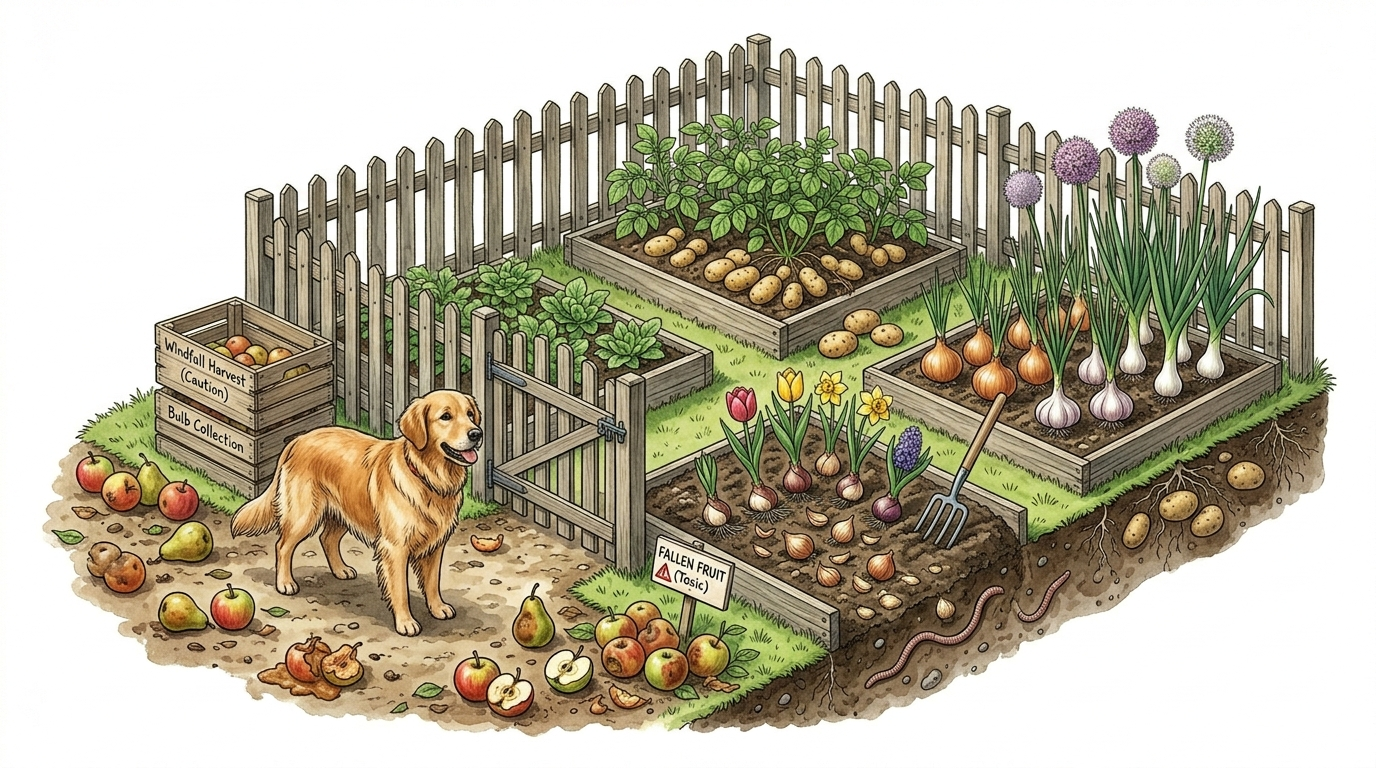
Dogs in the Garden: Windfall Fruit and Risks
Keep your garden dog-safe by managing windfall fruit, seeds, stored crops, and potentially problematic plant parts.
Guide
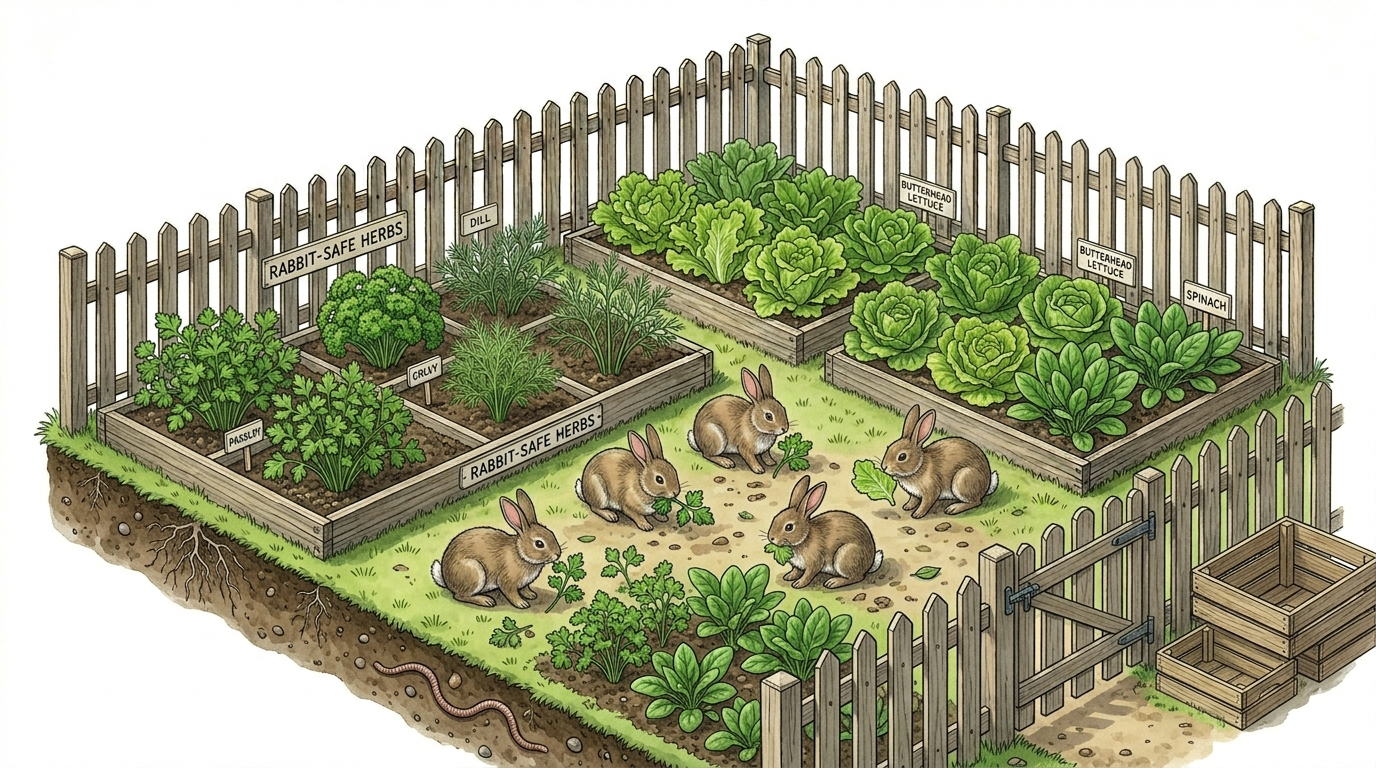
Rabbits in the Garden: Herbs and Vegetables
Learn how to choose suitable herbs and vegetables for rabbits, grow feeding plants, and plan a rabbit-friendly garden.
Guide
Horse Pastures and Garden Plants: Safety Checks
Learn how to identify risks near horse pastures, fences, turnout areas, fruit trees, and garden planting zones.
Guide
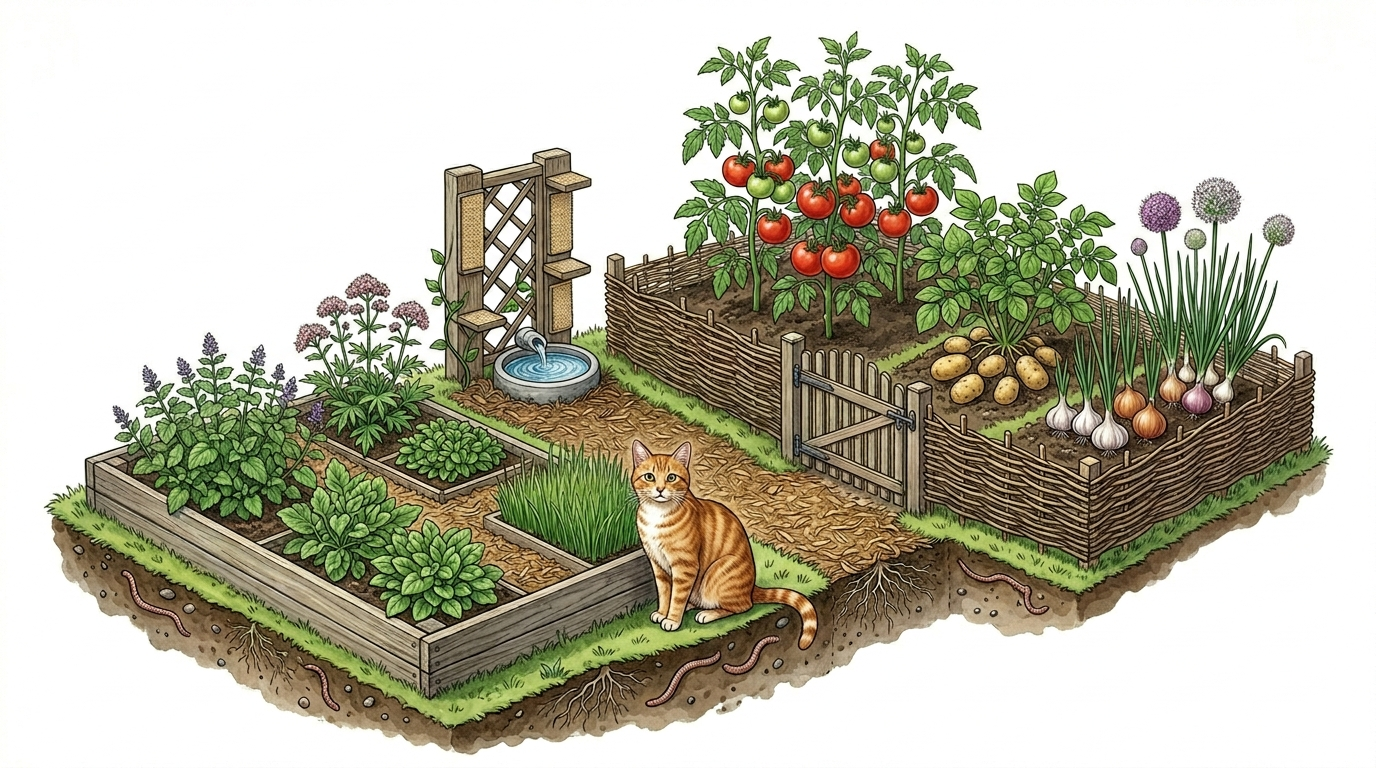
Toxic Garden Plants for Cats: Safer Planning
Learn which garden plants can be risky for cats, how to plan safer beds, and what to do if a cat eats a toxic plant.
Internal links
Related plants
Hop
Both are in the Urticaceae family.
Both belong to the order Rosales and share some morphological similarities, though their uses are very different.
Cabbage
Both are heavy feeders, especially requiring nitrogen.
Mint
Both prefer consistently moist soil and can tolerate some shade.
Dandelion
Both are common wild plants used in traditional medicine and as edible greens.
Ground Ivy
Both are often found in wilder garden areas and have traditional medicinal uses.
Sources
Public sources
- Wikidata entity
Wikidata · 2026-05-12
- GBIF species match
GBIF · 2026-05-12
- Deutschsprachige Wikipedia: Brennnesseln
Wikipedia · 2026-05-12
- English Wikipedia: Urtica
Wikipedia · 2026-05-12