Plant Profile
Winter SavorySatureja montana
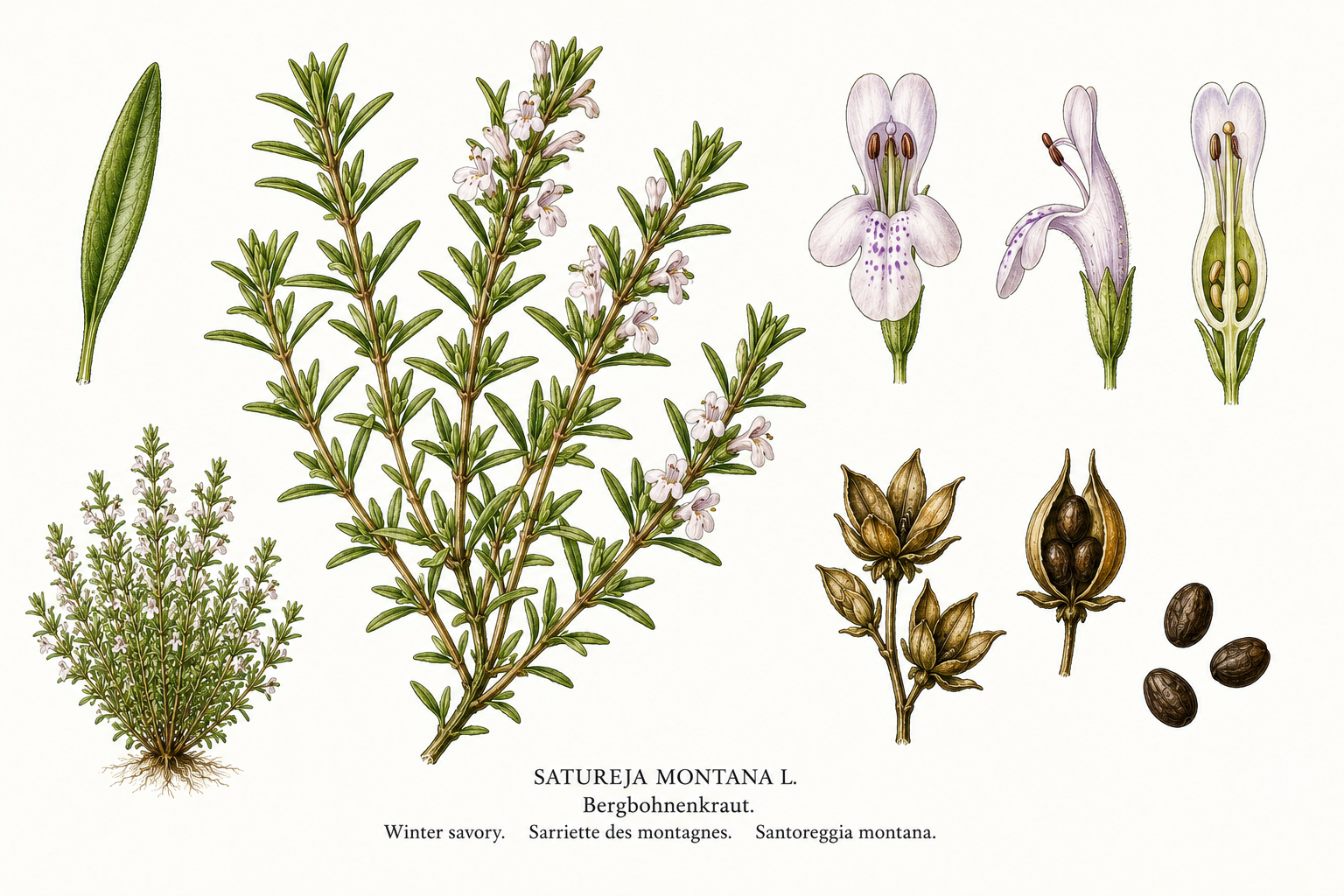
Winter savory is a hardy, winter-hardy herb with an intense, peppery flavor. It is excellent for herb gardens, beds with Mediterranean herbs, and as a potted plant. A classic spice for bean dishes and herb blends.
Quick profile
Key data
Suitable growing locations:
Good neighbors
BeansCabbageStrawberriescommon sage
Indoor & direct sowing
Winter Savory: Sowing and germination
Pre-cultivation is not common for winter savory.
Direct sowing is possible, but pre-cultivation in spring is often more productive. Sow into well-prepared soil.
Planting & site
Winter Savory: Planting and spacing
After the last frosts, once the plants have been hardened off.
Site & practical notes
Temperature & frost
Winter Savory: Temperature and site
Water & nutrients
Winter Savory: Water, nutrients and care
Container & growth
Winter Savory: Container, support and growth
Year plan
Winter Savory Calendar
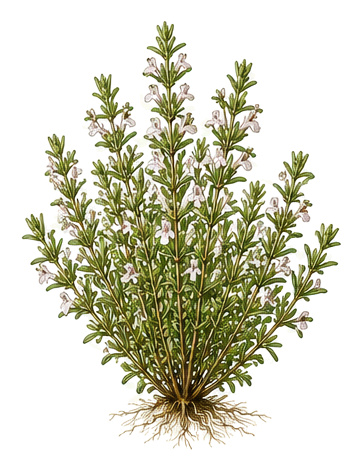
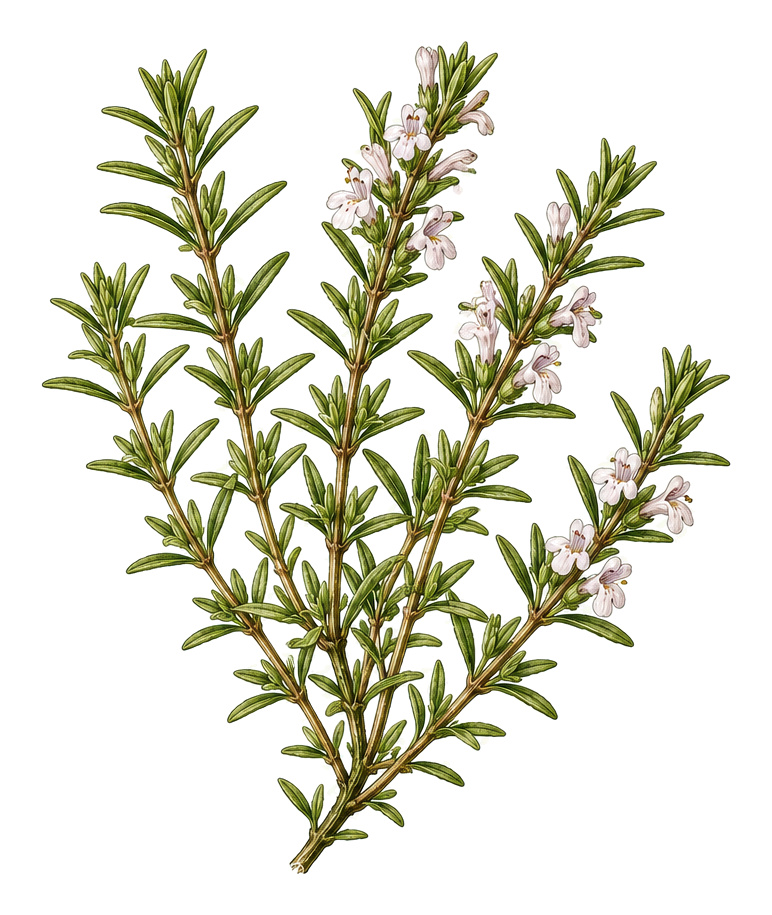
In summer, winter savory blooms with small white to pale pink flowers that attract bees. Harvest for drying occurs before flowering.
Recurring tasks
Relevant now
June
- FertilizingBei Anzeichen von Nährstoffmangel oder schwachem Wachstum: Light fertilization with compost or organic liquid fertilizer is sufficient.
Next up
July
- PruningNach der Blüte: Remove faded flower stalks to prevent seed formation and encourage new growth.
Monthly tasks
Single tasks from monthly data; repeated seasonal windows are shown in the overview above.
January
Quiet month
February
Quiet month
March
Direct sowing
- Sowing/Pre-cultivationBoden ist bearbeitbar: Direct sowing outdoors from March possible when soil is warm. Pre-cultivation indoors from February/March.
Growing
- Soil careBoden ist bearbeitbar: Remove weeds and stones, improve drainage.
April
Harvest
- HarvestPflanzen haben sich etabliert: Harvest carefully to avoid damaging the plant.
May
Harvest
- HarvestPflanzen wachsen: Regular harvesting stimulates new growth and keeps the plant compact.
June
Growing
- FertilizingBei Anzeichen von Nährstoffmangel oder schwachem Wachstum: Light fertilization with compost or organic liquid fertilizer is sufficient.
August
Plant health
- Pest and disease controlRegelmäßig: Winter savory is relatively robust, but watch out for aphids.
September
No additional single task
October
Pruning
- Light pruning for shaping and preparing for winter.Only if necessary to keep the plant tidy. Avoid heavy cuts.
- PruningNach Bedarf: Light pruning can improve appearance and prepare the plant for winter.
November
Plant health
- Winter protectionBei anhaltender Kälte: A thick mulch layer or fleece can protect the plant.
December
Quiet month
Flowering & pollination
Winter Savory Flowering & pollination
Self-fertility
self-fertile
Pollinator needed
no
Overview
Winter savory is self-pollinating but is also visited by insects.
Notes
Although self-pollinating, the plant attracts bees and other pollinators, contributing to the overall garden ecosystem.
Pruning & care
Winter Savory Pruning & care
Pruning type
renewal pruning
Pruning timing
Removal of winter damage and preparation for new growth. After the risk of hard frost has passed. Light pruning for shaping.
Removal of faded flower stalks to encourage branching and for harvest. After the main flowering period. Can also be used for harvesting shoots.
Light pruning for shaping and preparing for winter. Only if necessary to keep the plant tidy. Avoid heavy cuts.
Remove
Preserve
Avoid
Tools and hygiene
Clean pruning tools before and after use to prevent disease transmission.
Companion guide
Winter Savory Companion guide
Good neighbors
BeansCabbageStrawberriescommon sageRosmarinus tomentosusThymusLavandula
Use & storage
Winter Savory Use & storage
Harvesting can be done continuously. For drying, cut the shoots before flowering.
Storage
Herbs
Storage life
Dried: 1-2 years. Fresh: a few days.
Harvest
Harvesting can be done continuously. For drying, cut the shoots before flowering.
Processing
After harvest
Use fresh shoots immediately or store cool. Store dried herbs in an airtight container.
Edibility & safety
Winter Savory Edibility & safety
For people
In brief: which parts are edible, which parts remain risky, and whether raw consumption makes sense.
Safety notes
No known toxicity with normal consumption.
Animal safety
For animals, the specific plant part matters here: some parts may be suitable, while others should be avoided. At least one critical rating is listed for 2 animal types.
Each row shows which parts are more suitable and which parts are critical.
Companion animals
 Dog
DogLeaves, Young shoots
No risk parts listed
Leaves, Young shoots
No risk parts listed
usually no action needed
As with any plant material, consumption of large quantities may cause mild gastrointestinal upset.
Open animal page Cat
CatLeaves, Young shoots
No risk parts listed
Leaves, Young shoots
No risk parts listed
Excessive consumption, Individual sensitivity
Gastrointestinal upset (vomiting, diarrhea)
usually no action needed
However, as with any plant material, consumption may cause mild gastrointestinal upset, especially with excessive intake or individual sensitivity.
Open animal page Rabbit
No suitable parts listed
No risk parts listed
No suitable parts listed
No risk parts listed
 Guinea pig
Leaves, Young shoots
No risk parts listed
Leaves, Young shoots
No risk parts listed
Overconsumption
Gastrointestinal upset (if consumed in excess)
observe
While Winter Savory is listed as non-toxic for dogs, cats, and horses and is a culinary herb for humans, there is no specific data for guinea pigs. Due to its essential oil content, it should only be offered in very small quantities as an occasional treat to avoid gastrointestinal upset.
Open animal page Hamster
Leaves, Young shoots
No risk parts listed
Leaves, Young shoots
No risk parts listed
Overconsumption, Sensitive digestion
Gastrointestinal upset, Vomiting, Diarrhea
observe
No specific data is available for hamsters. Due to its strong aroma and hamsters' sensitive digestion, if offered at all, it should only be given in very small quantities as an occasional treat to avoid gastrointestinal upset.
Open animal page Budgie
Leaves, Young shoots
No risk parts listed
Leaves, Young shoots
No risk parts listed
Excessive consumption
Gastrointestinal upset (with excessive consumption)
usually no action needed
Winter Savory is listed as non-toxic for other common pets and is used as a culinary herb. Fresh leaves can be offered in small amounts as an occasional treat. Large quantities might cause mild gastrointestinal upset due to essential oils.
Open animal pageFarm animals
 Horse
HorseNo suitable parts listed
No risk parts listed
No suitable parts listed
No risk parts listed
 Chicken
Leaves, Young shoots
No risk parts listed
Leaves, Young shoots
No risk parts listed
Overconsumption
Gastrointestinal upset (if consumed in excessive amounts)
observe
Winter Savory is listed as non-toxic for other common pets (dogs, cats, horses) and is used as a culinary herb for humans. In small quantities, as a treat or for enrichment, it is likely safe for chickens. Excessive consumption, as with any plant, may lead to mild gastrointestinal upset.
Open animal page Duck
DuckLeaves, Young shoots
No risk parts listed
Leaves, Young shoots
No risk parts listed
Excessive consumption
Gastrointestinal upset (with excessive consumption)
usually no action needed
Winter Savory is a culinary herb classified as non-toxic for other animals. It is presumed safe for ducks in small quantities, but not suitable as a primary feed. Excessive consumption may lead to mild gastrointestinal upset.
Open animal page Goose
GooseLeaves, Young shoots
No risk parts listed
Leaves, Young shoots
No risk parts listed
Overconsumption
usually no action needed
Winter Savory is generally considered non-toxic and is used as a culinary herb. While no specific data for geese is available, moderate consumption of leaves and young shoots as a treat is likely safe. Overconsumption might cause mild gastrointestinal upset.
Open animal page Sheep
SheepNo suitable parts listed
Whole plant (especially with excessive consumption)
No suitable parts listed
Whole plant (especially with excessive consumption)
Large quantities, Sensitive animals
Gastrointestinal upset (e.g., vomiting, diarrhea)
contact a vet if symptoms appear
Winter Savory contains essential oils that can cause gastrointestinal upset if consumed in excessive quantities. It is not a typical forage for sheep and should not be offered as such.
Open animal page Goat
GoatLeaves, Young shoots
No risk parts listed
Leaves, Young shoots
No risk parts listed
usually no action needed
Winter savory is a culinary herb generally considered non-toxic. While specific data for goats is lacking, it is classified as safe in moderation due to its general safety profile and use in human diets. Excessive consumption of essential oils could theoretically lead to gastrointestinal upset, but is unlikely with normal intake.
Open animal page Cattle
No suitable parts listed
No risk parts listed
No suitable parts listed
No risk parts listed
Availability as pasture plant, Lack of alternative feed sources, Ingestion of large quantities
Gastrointestinal upset (potentially with large quantities)
observe
While Winter Savory is generally considered safe for human consumption in small quantities and non-toxic for some pets, there is no specific data regarding its safety or suitability for cattle. Ingestion of large quantities could potentially lead to gastrointestinal upset due to its essential oil content. It is not recommended as a feed.
Open animal page Pig
PigLeaves, Young shoots
No risk parts listed
Leaves, Young shoots
No risk parts listed
Excessive consumption
Gastrointestinal upset if consumed in excess
usually no action needed
Winter savory is traditionally used as a spice and medicinal herb. For pigs, it is considered generally safe in moderate amounts, with excessive consumption potentially leading to mild gastrointestinal upset. There are no known toxic components.
Open animal pageThese guidelines are for general information only and do not replace veterinary diagnosis. If critical plant parts were ingested or the animal shows unusual behaviour or symptoms, seek veterinary advice.
Max risk
unknown
Highest status
do not feed
Urgency
contact a vet if symptoms appear
Saving seed
Winter Savory Saving seed
Seed viability
2 - 3 years
Practical tips
Winter Savory Practical tips
Common beginner mistakes
Success pattern
High-impact tips
Grower observations
Plant Profile
Additional plant images
Health
Pests, Diseases
Plant health
Diagnosis help
Winter Savory Diagnosis help
Pest groups
Aphids
Disease groups
Root rot
Prevention
Diagnosis
Symptoms like yellowing leaves or poor growth may indicate waterlogging or nutrient imbalance. Aphids are easily identified as small green or black insects on shoots and leaves.
Cultural prevention
Monitoring
First response
Diagnostic rules
Wilting or yellowing leaves, especially at the base, despite adequate watering.
Possible causes: Root rot
- Check soil moisture (is it too wet?)
- Examine roots for rot
Small, sticky insects on young shoots and leaf undersides, often with distorted leaves.
Possible causes: Aphids
- Inspect plants for insect infestation
- Check for the presence of ants (often symbiotic with aphids)
FAQ
Can winter savory be grown in a pot?
Yes, winter savory is well-suited for growing in pots. Use a pot with a minimum diameter of 20 cm and good drainage. Repotting every 2-3 years promotes plant health.
How often should winter savory be watered?
Winter savory is drought-resistant and requires only moderate watering. Avoid waterlogging. During germination and establishment of young plants, the soil should be kept evenly moist.
When is the best time to harvest winter savory?
Winter savory can be harvested continuously. For drying, cut the shoots before flowering (July-August). Fresh shoots can be harvested year-round, especially in mild regions.
How to dry winter savory properly?
Bundle the harvested shoots into small bunches and hang them upside down in a well-ventilated, dark, and dry place. Alternatively, spread the shoots on a rack. After about 2-3 weeks, the herbs are dry and can be stored in airtight jars.
Can winter savory be frozen?
Yes, winter savory can be frozen. Wash the shoots, dry them thoroughly, and freeze them in portions in freezer bags. However, it loses some flavor when frozen.
How to protect winter savory in winter?
Winter savory is hardy but benefits from a light mulch layer in autumn to protect the roots from severe frost. In harsh areas or for sensitive potted plants, a fleece can be helpful.
What pests attack winter savory?
Winter savory is relatively robust, but aphids may occasionally appear, especially on young shoots. Waterlogging leads to root rot. Over-fertilization can make the plant more susceptible to pests.
Can winter savory be grown from seed?
Yes, winter savory can be grown from seed. Germination occurs at 15-20°C within 10-20 days. Direct sowing is possible from March, pre-cultivation indoors from February/March.
How to prune winter savory correctly?
After flowering, faded shoots can be pruned back to encourage bushy growth. Dead or damaged shoots should be removed in spring. A hard prune every 2-3 years rejuvenates older plants.
Which herbs go well with winter savory?
Good companion herbs are sage, rosemary, thyme, and lavender. These Mediterranean herbs have similar site requirements and mutually promote growth. Fennel and coriander should be avoided.
Is Winter Savory safe for Dog?
Winter Savory is classified as suitable for Dog. Risk: unknown. Urgency: usually no action needed. As with any plant material, consumption of large quantities may cause mild gastrointestinal upset.
Is Winter Savory safe for Cat?
Winter Savory is classified as moderation only for Cat. Risk: unknown. Urgency: usually no action needed. However, as with any plant material, consumption may cause mild gastrointestinal upset, especially with excessive intake or individual sensitivity.
Is Winter Savory safe for Rabbit?
Winter Savory is classified as not established for Rabbit. Risk: unknown. Urgency: unknown. No reliable species-specific assessment is available.
Is Winter Savory safe for Sheep?
Winter Savory is classified as do not feed for Sheep. Risk: unknown. Urgency: contact a vet if symptoms appear. Winter Savory contains essential oils that can cause gastrointestinal upset if consumed in excessive quantities. It is not a typical forage for sheep and should not be offered as such.
Guides
Related guides
Guide
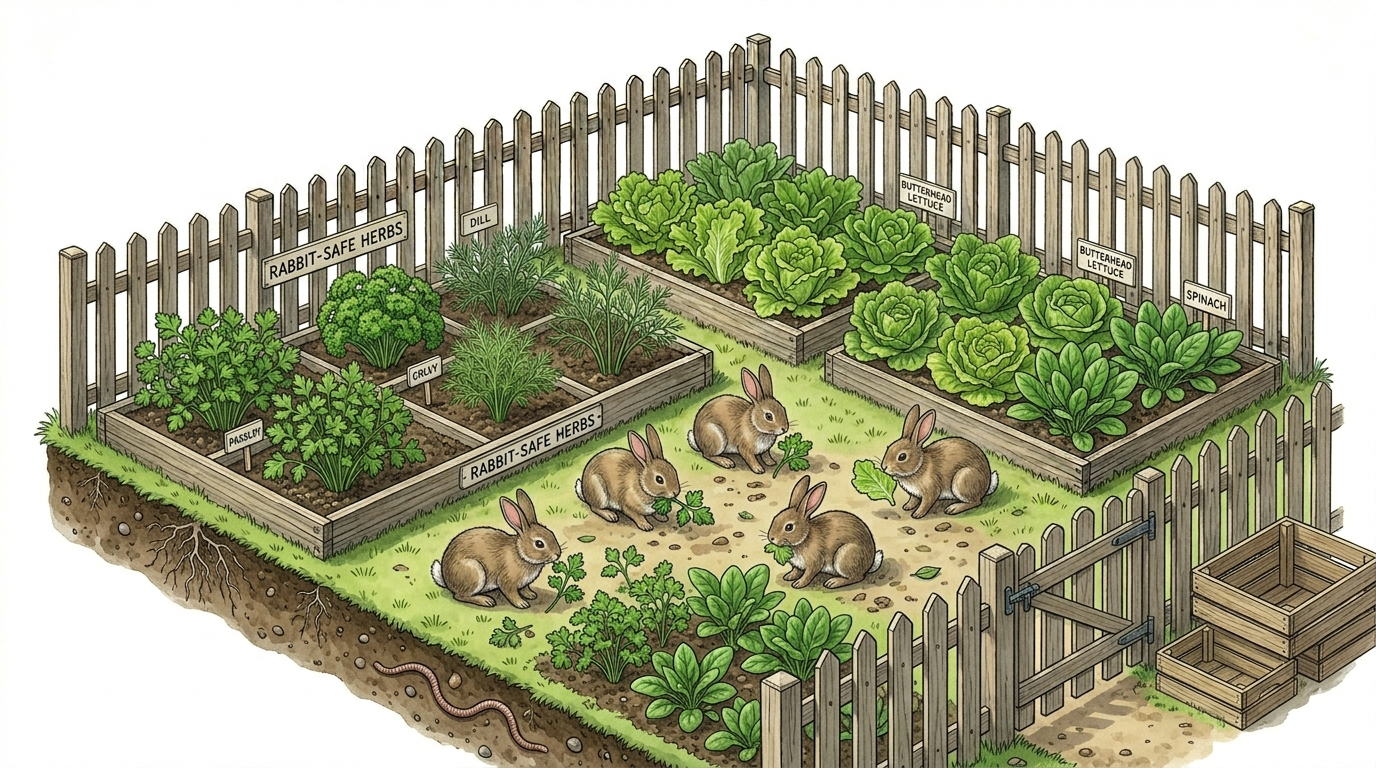
Rabbits in the Garden: Herbs and Vegetables
Learn how to choose suitable herbs and vegetables for rabbits, grow feeding plants, and plan a rabbit-friendly garden.
Guide
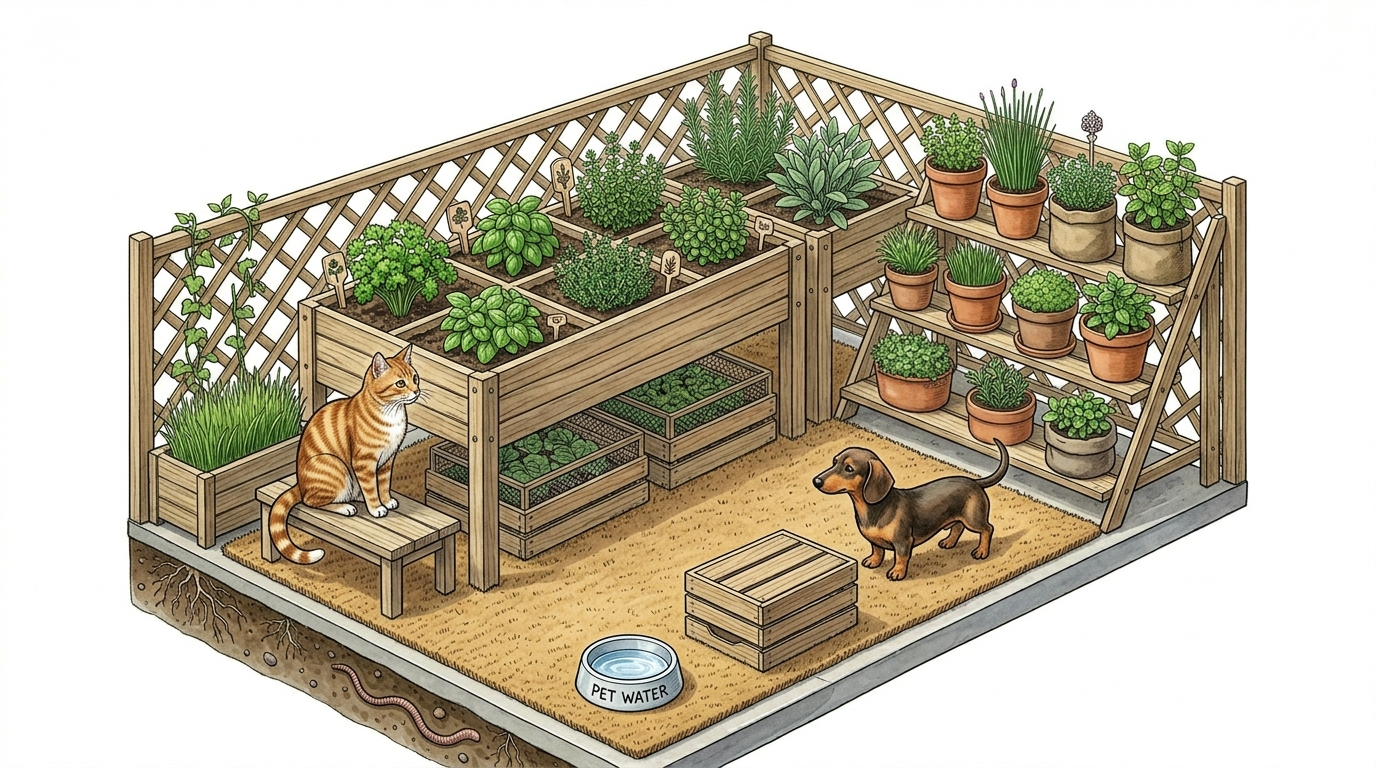
Pet-Safe Herb Gardens for Balconies and Beds
Learn how to create a pet-safe herb garden with suitable herbs, thoughtful layouts, and practical maintenance strategies.
Guide
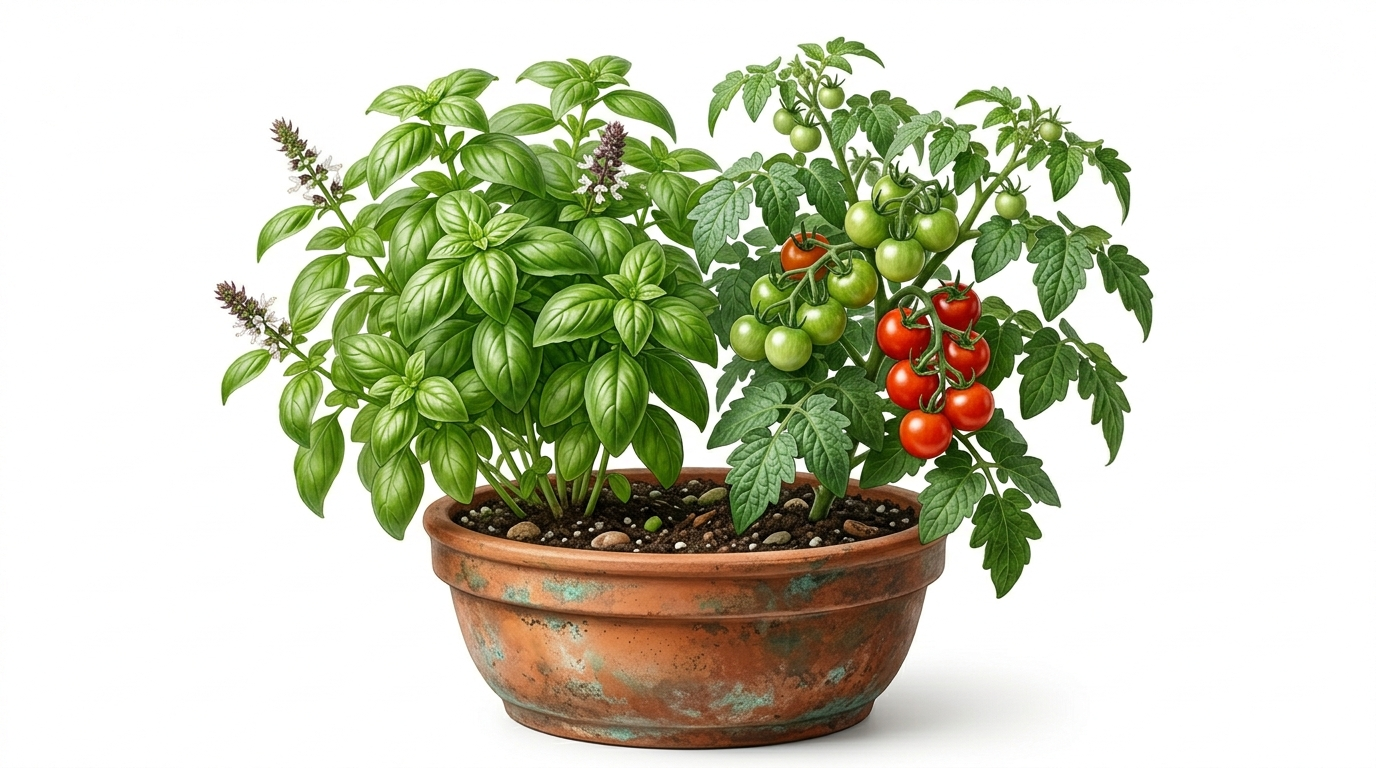
Growing Basil: Site, Watering and Harvesting
Learn how to grow basil successfully with the right site, steady watering, regular harvesting, and tips to delay flowering.
Guide
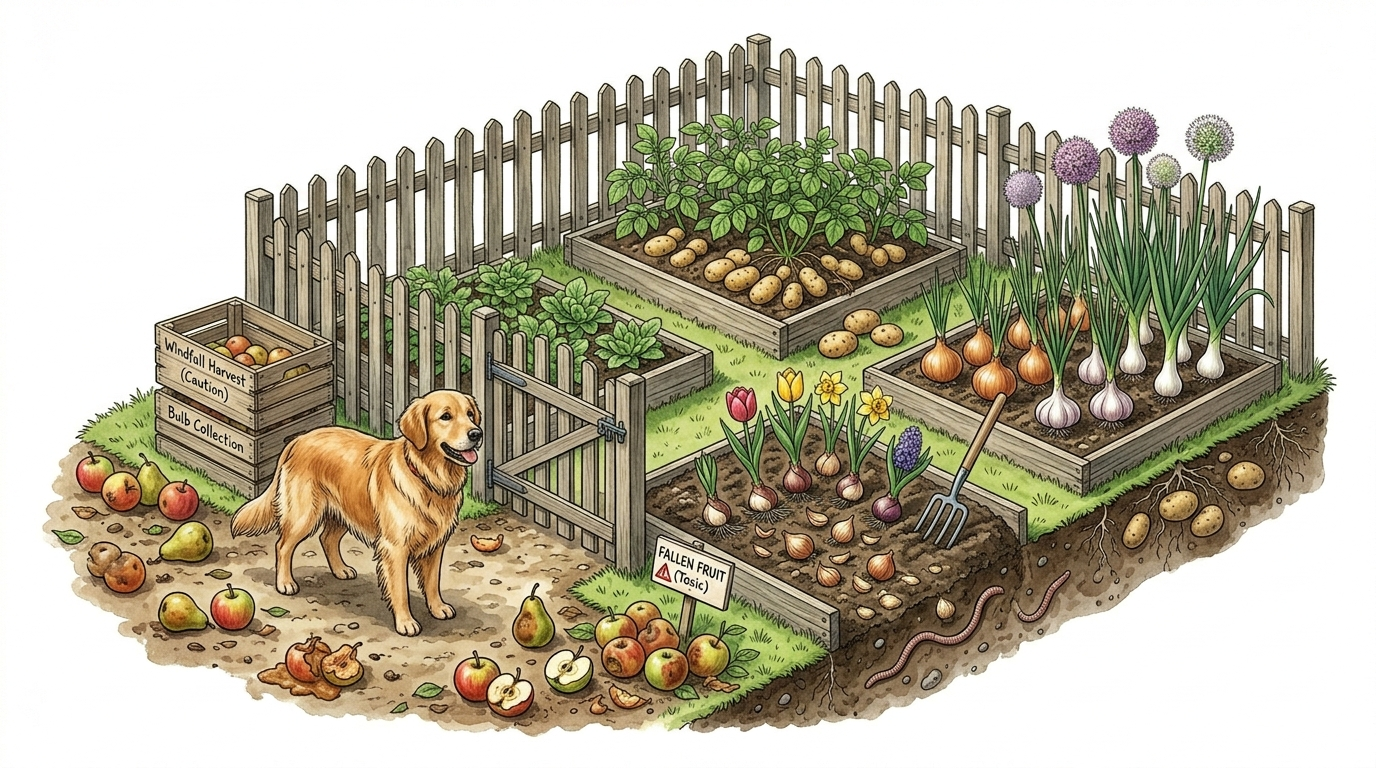
Dogs in the Garden: Windfall Fruit and Risks
Keep your garden dog-safe by managing windfall fruit, seeds, stored crops, and potentially problematic plant parts.
Internal links
Related plants
basil
Both belong to the mint family (Lamiaceae) and have similar site requirements.
common sage
Mediterranean herb from the mint family with similar care requirements.
Thymus
Mediterranean herb with similar site requirements and culinary use.
Similar requirements for soil and nutrients.
Summer Savory
Both belong to the genus Satureja and are used as culinary herbs, but differ in lifespan and flavor.
Similar name and use, but summer savory is annual and has a milder flavor.
marjoram
Mediterranean herb with similar site requirements and culinary use.
Root rot
Waterlogging can lead to root rot in many mint family plants.
Rosmarinus tomentosus
Both prefer lean, permeable soils and require only moderate nutrients.
Similar water needs as winter savory.
Lavandula
Both are drought-resistant and require only moderate watering.
Mediterranean woody herb from the mint family that prefers similar site conditions.
Herbes de Provence
Winter savory is a classic component of this herb blend.
Sources
Public sources
- Wikidata entity
Wikidata · 2026-05-12
- GBIF species match
GBIF · 2026-05-12
- Deutschsprachige Wikipedia: Winter-Bohnenkraut
Wikipedia · 2026-05-12
- English Wikipedia: Winter savory
Wikipedia · 2026-05-12
- PlantNet species data
PlantNet · 2026-05-12